Google: 4.5 · 101 reviews
Le Comptoir
.png)


Among Los Angeles's most restrained fine-dining formats, Le Comptoir operates from Koreatown on a vegetable-forward tasting menu anchored by an organic garden and strict seasonality. Chef Gary Menes holds a Michelin Plate, three We're Smart Radishes, and an Opinionated About Dining North America listing for 2025. The schedule runs to four services per week, making advance planning essential.
 Discover on Pearl
- Address
- 3606 W 6th St, Los Angeles, CA 90020
- Phone
- (213) 290-0750
- Website
- lecomptoirla.com
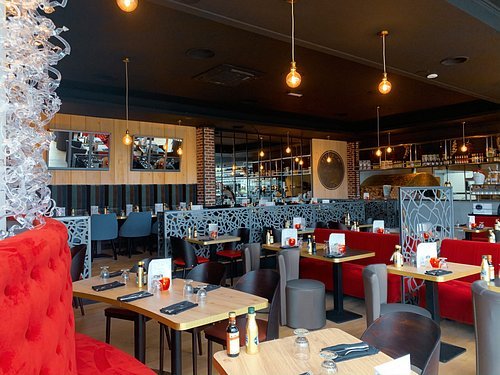
A Counter, a Garden, and the Rhythm of a Meal
Koreatown is not where most diners expect to find this kind of table. The neighbourhood along West 6th Street runs on Korean barbecue, late-night tofu soups, and the particular energy of a district that eats well past midnight. Le Comptoir sits inside that context but operates on an entirely different clock: four services per week, Thursday through Saturday, within windows that close before 9 pm. The physical setting of a counter-format restaurant enforces a specific kind of attention. You watch, you wait, and the meal sets its own pace. That structure is not incidental. It is the format's main argument.
Counter dining at this level functions as theatre with the fourth wall removed. There is no intermediary script between kitchen and guest. The rhythm of service, the sequencing of dishes, the pauses between them — all of it becomes part of what you consume. Across American fine dining, from Hayato's kaiseki counter in Downtown LA to Atomix in New York, the counter format has become the preferred architecture for restaurants making a serious formal argument. Le Comptoir belongs to that tradition, and its vegetable-first orientation gives it a distinct position within it.
The Vegetable-Forward Tasting Ritual
Le Comptoir's menu is built from vegetables as a primary material, not as an afterthought or a dietary accommodation. The We're Smart Green Guide, which evaluates restaurants specifically on vegetable and fruit cooking, awarded Le Comptoir three Radishes — its recognition system for restaurants that demonstrate serious engagement with plant-based sourcing, seasonality, and technique. That credential situates the restaurant within an international peer group that includes some of the most technically disciplined kitchens working in this register.
The menu's base is wholly vegetable-driven. Diners can add meat and cheese as options, but the architecture of the meal begins with what the kitchen grows or sources. Le Comptoir maintains its own organic garden, which functions as both a supply line and a constraint: what the garden produces in a given season determines what the kitchen can do. This is not a romantic gesture toward localism but a structural discipline. Restaurants that grow their own produce operate under a logic of scarcity and timing that shapes every decision downstream , what gets pickled, what gets preserved, what appears raw, and what requires longer preparation. The result is a menu that is seasonally determined rather than seasonally inspired, a distinction worth noting when comparing it to larger kitchens that source locally but still exercise broad discretion over what they stock.
Chef Gary Menes holds the Michelin Plate for this restaurant, a designation that signals culinary quality without star ranking, and the kitchen appears on the Opinionated About Dining list of leading restaurants in North America for 2025. OAD rankings are driven by diner feedback from a self-selecting community of serious restaurant-goers, making the list a useful signal of sustained reputation within a knowledgeable audience. Both credentials together suggest a kitchen working at a consistent level rather than peaking for inspection.
Where Le Comptoir Sits in the Los Angeles Fine-Dining Field
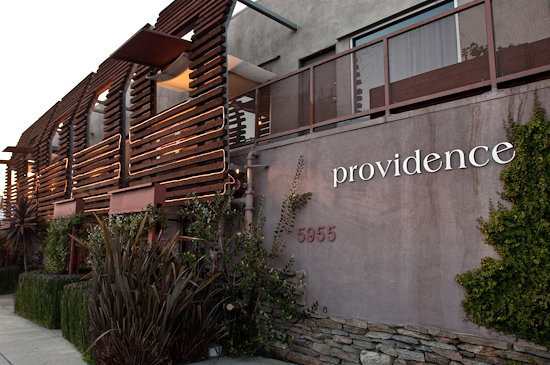
Los Angeles's top-tier tasting-menu scene has expanded and diversified sharply over the past decade. At the seafood-focused end, Providence holds two Michelin stars and has anchored the city's fine-dining reputation for years. Kato approaches New Taiwanese cuisine through a tasting format that draws strong critical attention. Somni operates at the molecular-progressive register. Within this field, Le Comptoir's vegetable-first counter format is genuinely uncommon. Most of LA's fine-dining tasting menus treat vegetables as one category within a broader protein-led progression. Le Comptoir inverts that hierarchy and sustains it through the full sequence of courses.
The French-Californian framing is also worth holding. French technique applied to California's agricultural abundance has produced some of the defining restaurants on the West Coast, from The French Laundry in Napa to Single Thread Farm in Healdsburg. Le Comptoir works from a similar axis but applies it to a stricter primary-ingredient constraint. The organic garden and the seasonal sourcing discipline bring it closer in spirit to farm-to-counter operations than to the classic French tasting-menu lineage, even if the technical vocabulary draws from that tradition.
For comparison outside California, Lazy Bear in San Francisco and Alinea in Chicago both represent counter-format or communal-table fine dining that emphasises the ritual structure of the meal as part of the experience itself. Le Comptoir shares that formal commitment while operating in a markedly smaller footprint and with a narrower ingredient philosophy.
The Etiquette of Arriving and Being Present
The operating schedule matters. Thursday service runs from 7:30 to 9 pm. Friday and Saturday run from 6 to 8:45 pm. The restaurant is closed Sunday through Wednesday. These are not casual walk-in windows. The compressed schedule and counter format mean that late arrivals and early departures disrupt the entire service, not just one table. This is the implicit contract of counter dining at this level: you commit to the meal's timeline, not the other way around.
The four-service-per-week structure also makes Le Comptoir one of the lower-volume operations among LA's serious tasting-menu restaurants. That scarcity has practical consequences for availability and shapes the audience it draws, which tends toward diners who are specifically seeking this format rather than those sampling the city's options broadly.
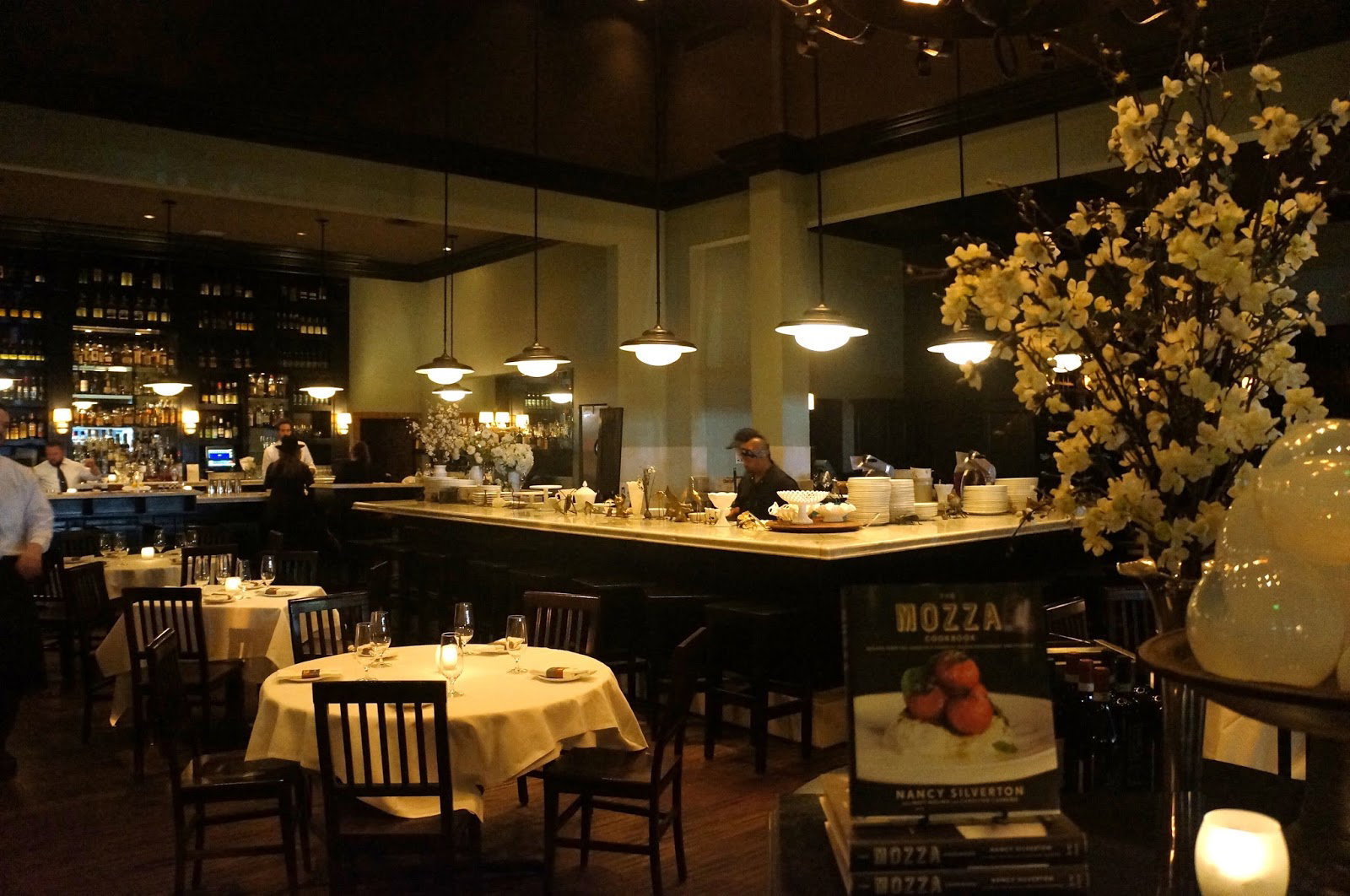
For those building a longer Los Angeles itinerary around serious eating and drinking, the city's full range is covered in our full Los Angeles restaurants guide. For hotels, bars, wineries, and experiences in the city, see our Los Angeles hotels guide, bars guide, wineries guide, and experiences guide. Beyond LA, comparable vegetable-forward or produce-anchored fine dining at counter format appears at Le Bernardin in New York and Osteria Mozza in Los Angeles offers a different register of the French-Italian-Californian overlap worth comparing. Emeril's in New Orleans and 8½ Otto e Mezzo Bombana in Hong Kong illustrate how the French-trained fine-dining format adapts across radically different regional ingredient contexts.
Planning Your Visit
Address: 3606 W 6th St, Los Angeles, CA 90020. Hours: Thursday 7:30–9 pm; Friday and Saturday 6–8:45 pm; closed Sunday through Wednesday. Price: $$$$ (tasting menu format; meat and cheese available as additions to the vegetable-based menu). Reservations: Given the limited weekly service windows and counter format, advance booking is strongly advised. Dress: No dress code is listed, but the counter-format tasting-menu context aligns with smart-casual to formal attire.
The Essentials
A quick peer list to put this venue’s basics in context.
| Venue | Notes | Price |
|---|---|---|
| Le Comptoir | This venue | $$$$ |
| Kato | New Taiwanese, Asian, $$$$ | $$$$ |
| Hayato | Japanese, $$$$ | $$$$ |
| Vespertine | Progressive, Contemporary, $$$$ | $$$$ |
| Camphor | French-Asian, French, $$$$ | $$$$ |
| Gwen | New American, Steakhouse, $$$$ | $$$$ |
Continue exploring