Le Bistrot de la place
Le Bistrot de la place sits on a quiet square in Nieul-sur-Mer, a small coastal commune north of La Rochelle where the Atlantic larder shapes everyday cooking. The bistrot format here reflects how village dining on the Charente-Maritime coast operates: local, unfussy, and oriented toward what is fresh that week. For travellers moving through the Île de Ré corridor, it represents the area's more grounded, neighbourhood-facing dining register.
Pearl is the En Primeur Club membership app — saves, bookings, and concierge access live there. Same editors, same standards.
- Address
- 2 Rue de Lauzières, 17137 Nieul-sur-Mer, France
- Phone
- +33546374735
- Directions
- Get directions
 Saves & bookings on Pearl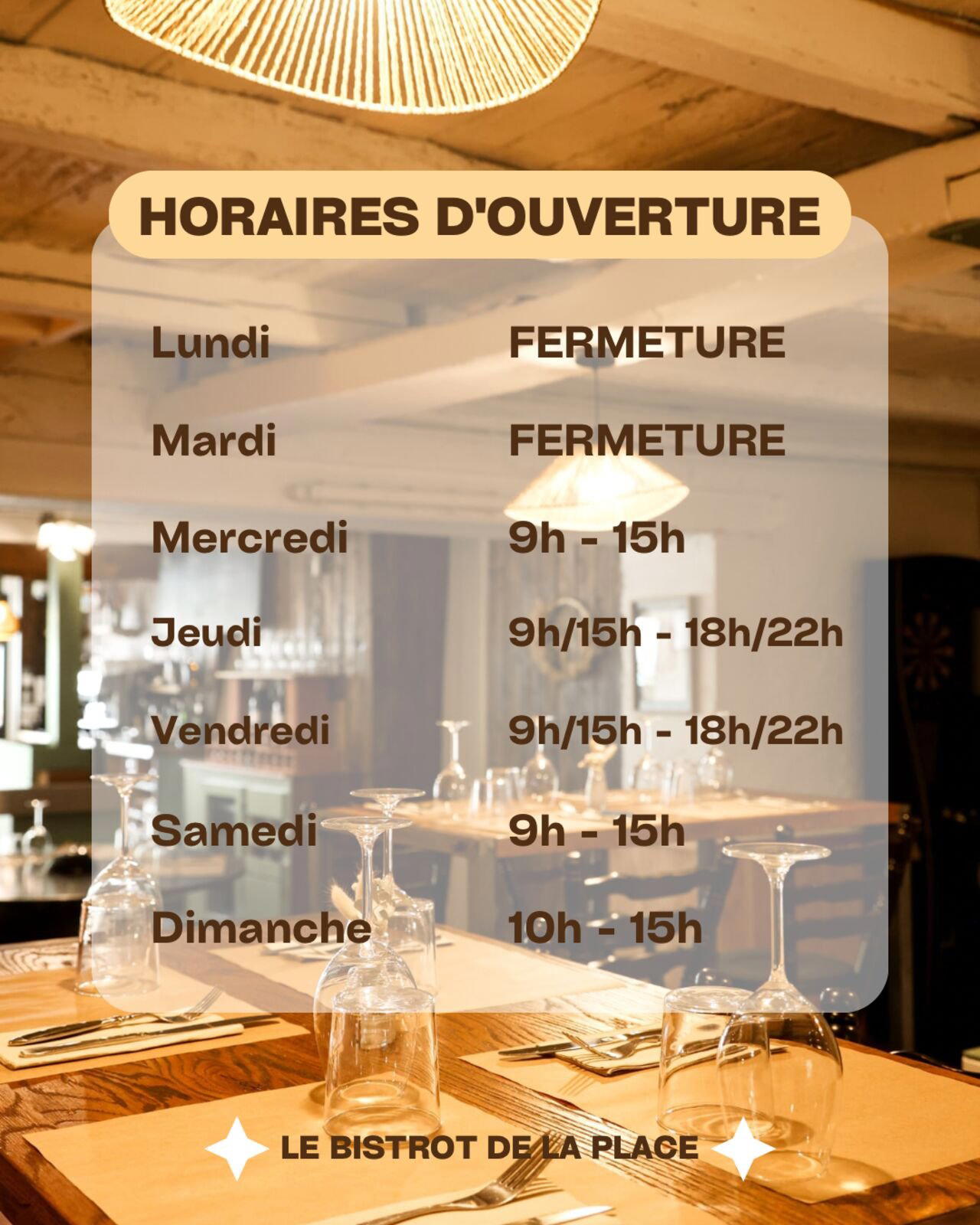
Village Dining on the Charente-Maritime Coast
The square in Nieul-sur-Mer is the kind of place that does not announce itself. A few minutes north of La Rochelle by car, the commune sits between the tidal flats of the Fier d'Ars and the marshy approaches to the Île de Ré bridge, in a stretch of Atlantic coast where the food supply has always been defined by what the water and the salt meadows produce. Le Bistrot de la place occupies an address on that square at 2 Rue de Lauzières, which positions it squarely inside the village's social rhythm rather than on a restaurant strip designed for passing trade. That distinction matters when reading what kind of room this is.
Coastal bistrot dining in this part of France operates according to a different logic than the prestige seafood restaurants you find in La Rochelle proper. Christopher Coutanceau in La Rochelle represents the high-precision end of Atlantic seafood cookery, with the sourcing ambition and kitchen investment that three Michelin stars demand. Village bistrots north of the city serve a different function: they are the places where the same raw materials, often from the same fishing grounds and the same salt marshes, reach the table with less ceremony and more frequency. The comparison is not about quality tiers so much as about register and intention.
What the Atlantic Larder Provides Here
The Charente-Maritime coastline around Nieul-sur-Mer sits within one of France's most productive shellfish and salt-marsh zones. Oysters from the Marennes-Oléron basin, a short distance south, represent one of the most geographically specific products in French food culture, with controlled designations that rival the wine appellations of Cognac further inland. The salt marshes of the Île de Ré produce fleur de sel and grey salt with documented mineral profiles distinct from those of Guérande, and local lamb raised on those same salt meadows carries a saline undertow that is a direct function of what the animals graze. For bistrot kitchens in this corridor, proximity to that supply chain is not a marketing point but a practical reality: the logistics of sourcing simply favour local.
Further along the Atlantic coast, restaurants like La Marine in Noirmoutier-en-l'île have built highly technical programs around similar island-and-tidal-flat terroirs. The difference in scale and ambition between a destination restaurant on a Vendée island and a village bistrot in Nieul-sur-Mer is substantial, but the underlying ingredient geography overlaps. Both operate within an Atlantic arc that runs from the Loire-Atlantique down through the Gironde, a zone where the sea's influence on what grows and what swims determines the character of the plate more than any kitchen philosophy can.
The Bistrot Format in Context
France's most celebrated restaurants tend to occupy very different structural territory from the neighbourhood bistrot. The seasonal precision of Mirazur in Menton, the multigenerational depth of Troisgros in Ouches, or the archival weight of Paul Bocuse in Collonges-au-Mont-d'Or each represent a very particular French institutional mode. The bistrot tradition is a counterpoint to all of that: shorter menus, faster turns, a kitchen philosophy organised around what is available today rather than around a signature aesthetic built over decades.
In smaller French coastal communes, the bistrot often functions as the primary social anchor for the local population outside tourist season. Nieul-sur-Mer is not a resort in the conventional sense; it is a working commune that happens to sit within reach of both La Rochelle's amenities and the Île de Ré's summer draw. A square-facing bistrot in that setting occupies a different position in the local economy than a seasonal restaurant on the Île de Ré's tourist circuit. That structural distinction shapes everything from the menu's pricing logic to the ratio of regulars to visitors in the room.
For readers who want to trace France's more formal restaurant tradition through the same region and era, the broader EP Club coverage places Charente-Maritime within a wider southwest Atlantic context. Elsewhere in the country, kitchens like Bras in Laguiole or Auberge du Vieux Puits in Fontjoncouse have built their identities around hyper-local terroir sourcing in remote French settings, demonstrating that the instinct to cook from a specific place rather than a generic supply chain cuts across price points and formality levels. The bistrot version of that same instinct is less theorised but often equally grounded.
Planning a Visit
Nieul-sur-Mer sits roughly 5 kilometres north of La Rochelle's centre, reachable in under fifteen minutes by car and accessible by bicycle for those staying in the city or on the coast road. The village is not a dining destination in the way that La Rochelle's old port is, which means arriving with expectations calibrated to the bistrot register rather than the restaurant register will serve the visit well. For broader orientation in the area, our full Nieul-sur-Mer restaurants guide covers the commune's dining options in more detail.
Travellers building a longer coastal itinerary through this part of France might also consider how venues across the country's Atlantic and Mediterranean arcs compare. The sourcing-led approach visible in Charente-Maritime's food culture has counterparts across France's regional dining scene, from AM par Alexandre Mazzia in Marseille at the formal end to village-scale operations like this one at the other. The full EP Club France coverage, including Alléno Paris au Pavillon Ledoyen, Flocons de Sel in Megève, Assiette Champenoise in Reims, Au Crocodile in Strasbourg, Auberge de l'Ill in Illhaeusern, Georges Blanc in Vonnas, and L'Oustau de Baumanière in Les Baux, provides context for how different regions of France translate local supply into distinctive dining formats across a wide range of ambition and formality levels. For those also comparing against destination dining further afield, Le Bernardin in New York City and Atomix in New York City illustrate how French-influenced and precision-driven formats translate outside of France entirely.
How Le Bistrot de la place Nieul Sur Mer compares with similar nearby venues.
| Venue | Cuisine | Price |
|---|---|---|
| Briemm | Traditional Cuisine | €€ |
| Opaline | Creative | €€€ |
Continue exploring
More in Nieul Sur Mer
Restaurants in Nieul Sur Mer
Browse all →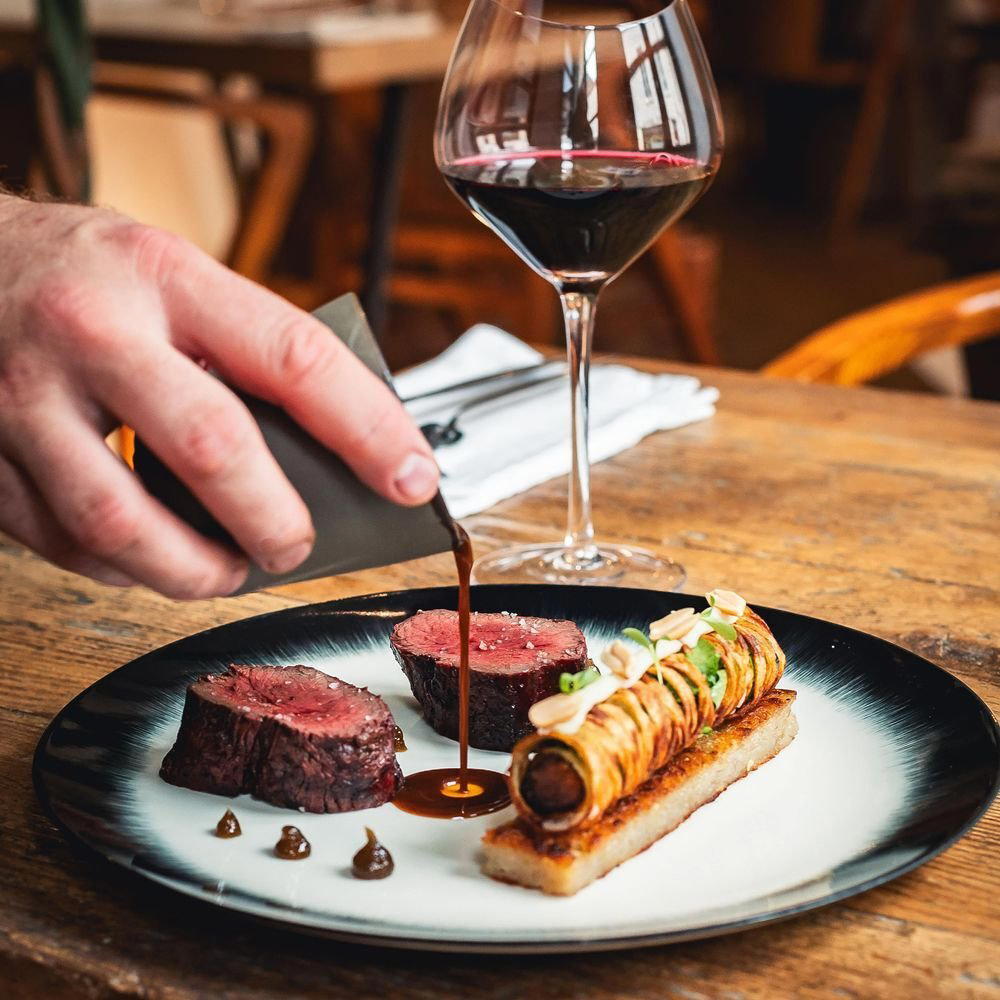
Bars in Nieul Sur Mer
Browse all →
At a Glance
- Cozy
- Rustic
- Intimate
- Family
- Casual Hangout
- Standalone
- Local Sourcing
Current opening hours
- Monday
- Closed
- Tuesday
- Closed
- Wednesday
- 9 AM–3 PM
- Thursday
- 9 AM–3 PM, 6–10 PM
- Friday
- 9 AM–3 PM, 6–10 PM
- Saturday
- 9 AM–8 PM
- Sunday
- 10 AM–3 PM
Hours can change for holidays and private events. Last verified .
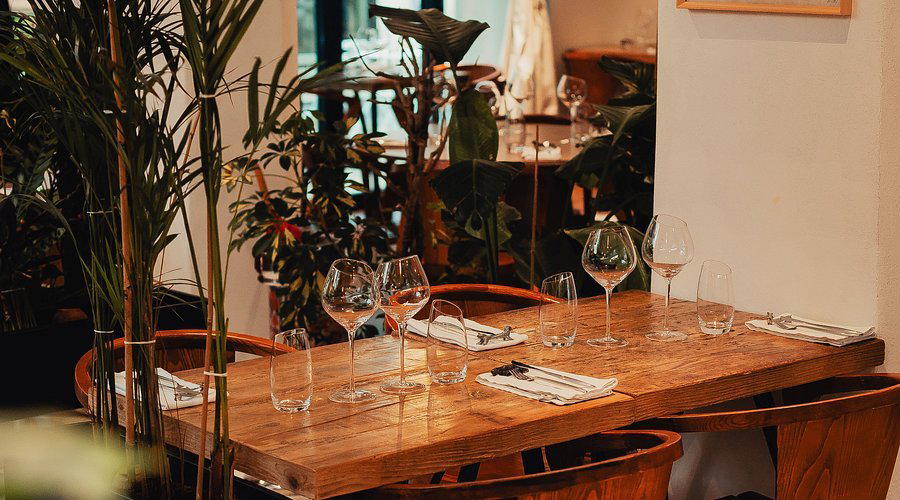
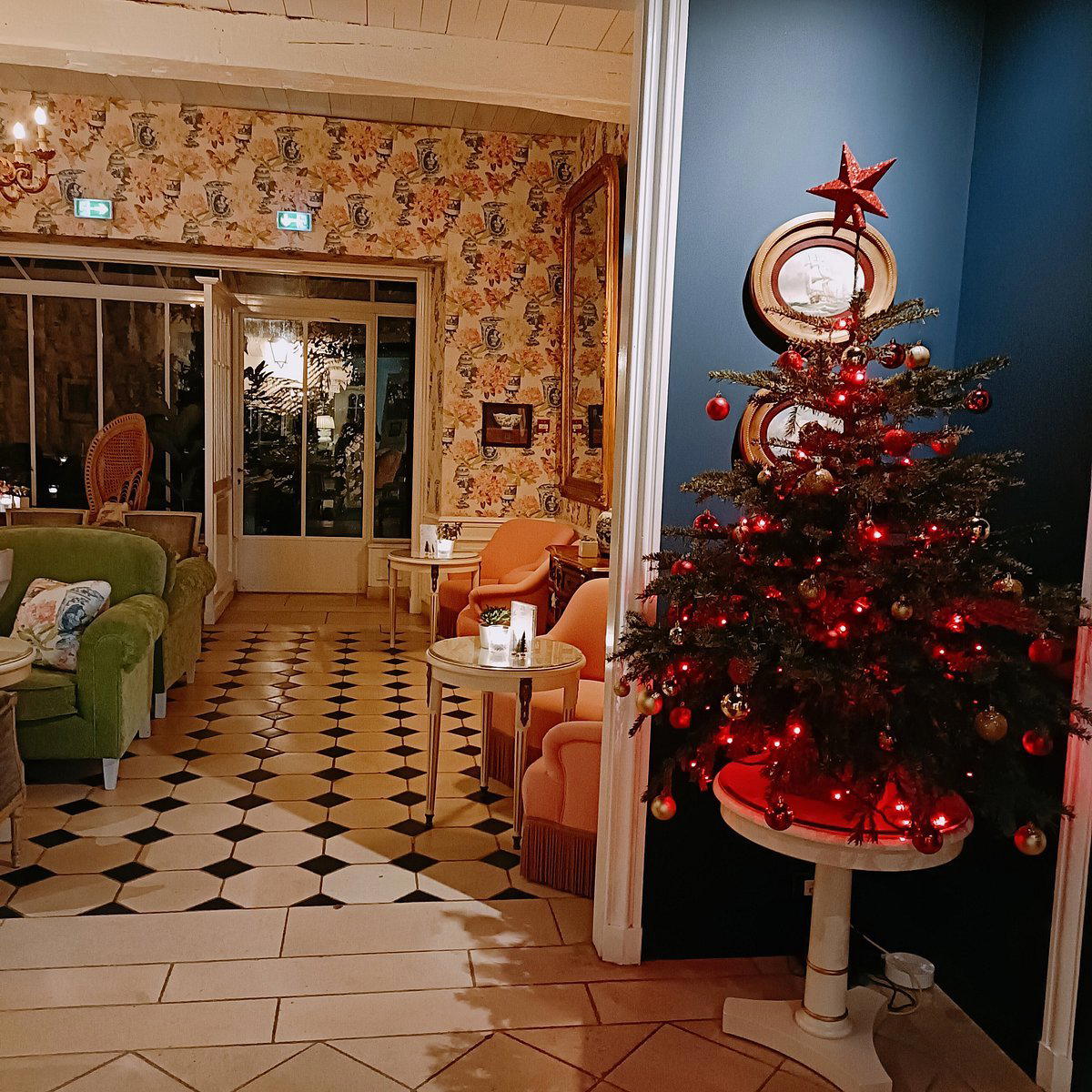
Warm, family-friendly ambiance with a nice decor that creates a relaxed and authentic village feel.
Know Before You Go
- Getting there
- 2 Rue de Lauzières, 17137 Nieul-sur-Mer, France