André
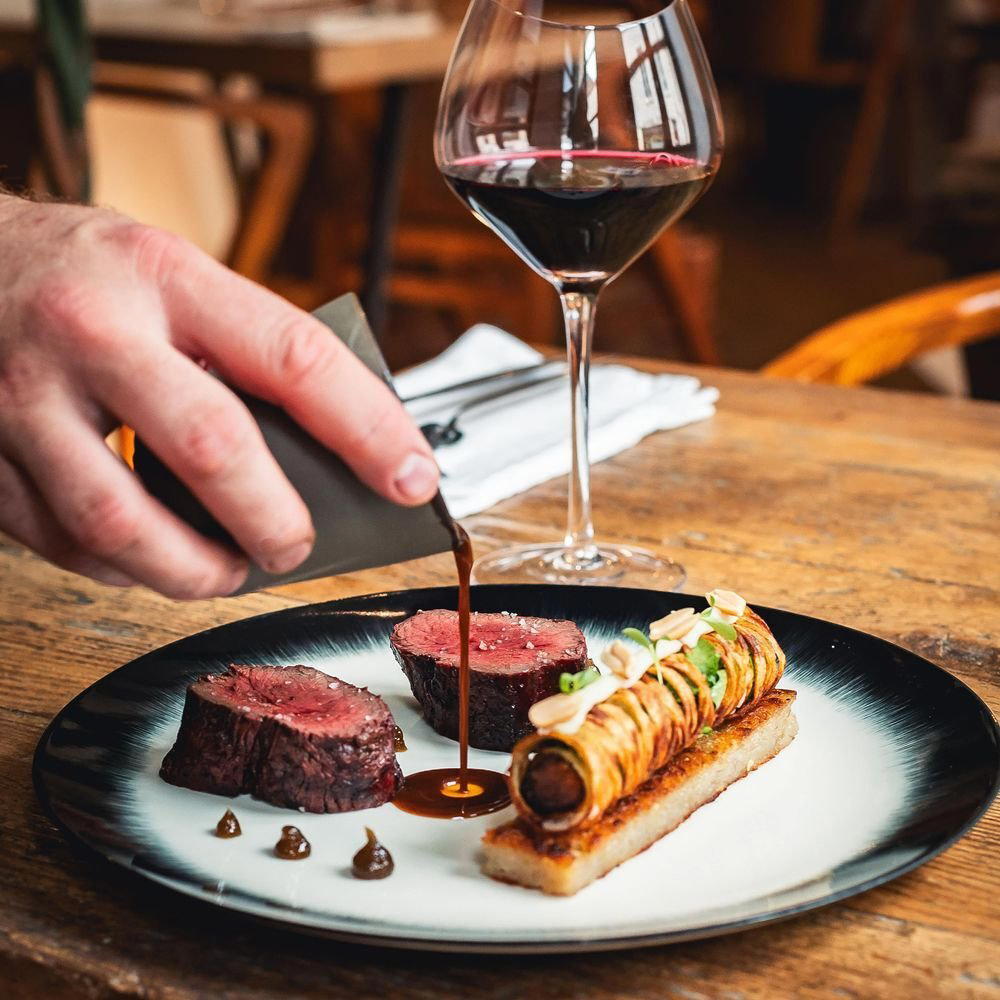
André serves French seafood brasserie cooking on the waterfront in La Rochelle, with seafood platters and Marennes-Oléron oysters for a casual, lively meal.
Pearl is the En Primeur Club membership app — saves, bookings, and concierge access live there. Same editors, same standards.
- Address
- 5 Rue St Jean du Pérot, 17000 La Rochelle, France
- Phone
- +33546412824
- Website
- barandre.com
- Directions
- Get directions
 Saves & bookings on Pearl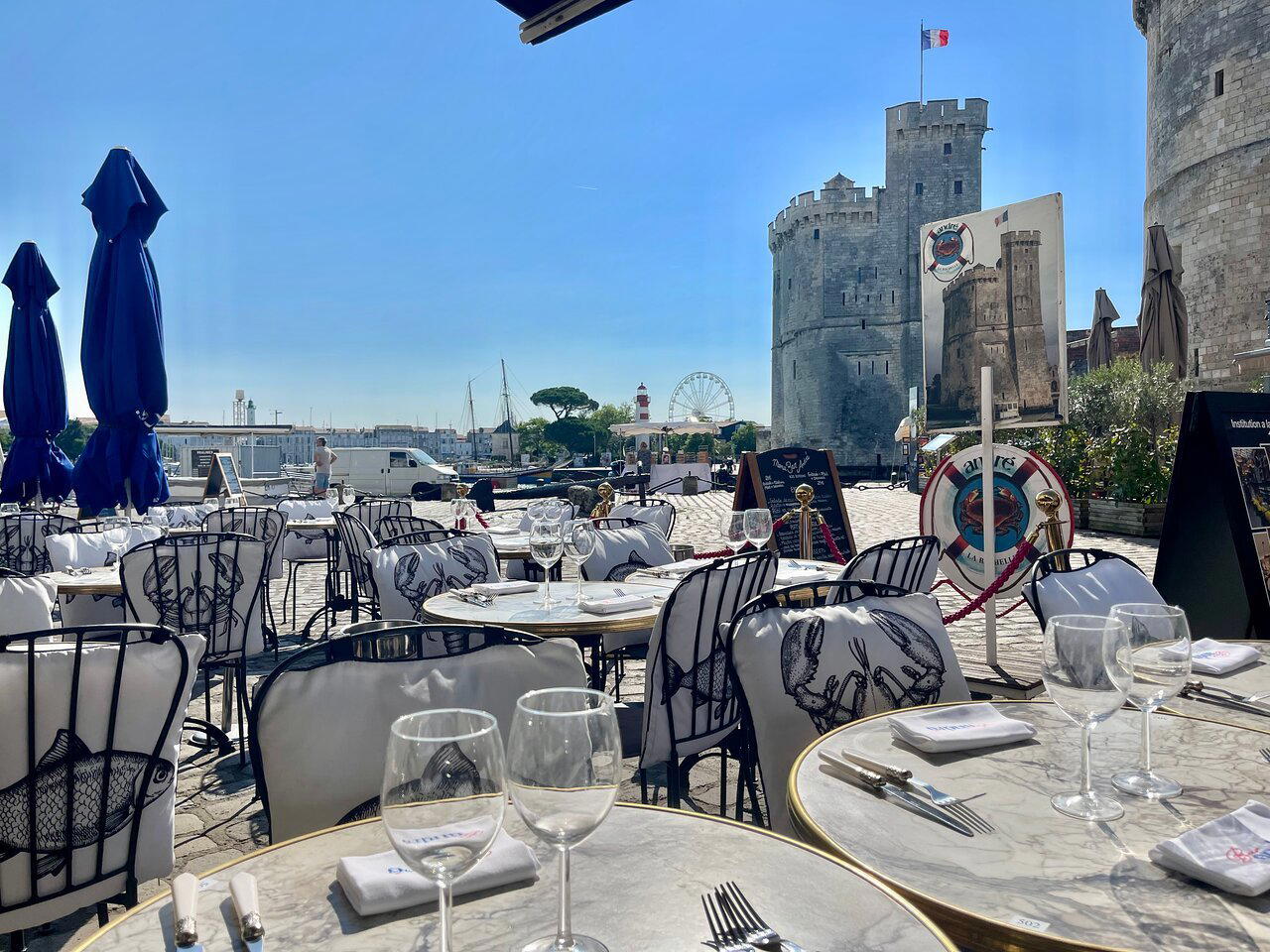
On the Atlantic Fringe: Dining at André in La Rochelle
The Rue Saint-Jean-du-Pérot runs close enough to the old port that the salt air follows you inside. La Rochelle's relationship with the sea is not decorative — it is structural, written into the city's economy and its kitchens for centuries. The restaurants that take this seriously treat the Atlantic not as a backdrop but as a supply chain, and the addresses that work hardest to reflect that sourcing logic tend to occupy a specific tier in the city's dining hierarchy: neither casual quayside bistro nor destination fine dining, but something in between that places ingredient provenance at the centre of every decision.
André is a French Seafood Brasserie in La Rochelle, priced around $30 per person, at 5 Rue Saint-Jean-du-Pérot, 17000 La Rochelle, France. André, at 5 Rue Saint-Jean-du-Pérot, sits in that bracket. The address itself is suggestive — the street is one of the old port quarter's most concentrated restaurant rows, where competition for attention is sharp and kitchens have learned to differentiate on quality of produce rather than volume of covers. In a city where Christopher Coutanceau sets the reference point for Atlantic seafood at the leading price tier, restaurants occupying the middle register are under pressure to justify their position through sourcing discipline, not décor.
What the Atlantic Provides
La Rochelle is positioned on one of France's most productive stretches of coastline. The waters off the Charente-Maritime yield oysters from the Marennes-Oléron basin, the country's most recognisable appellation for flat and creuse varieties, alongside line-caught sea bass, turbot, and the crustaceans that define a certain idea of French Atlantic cooking. The broader regional larder extends inland: Charentais butter, cognac from the hinterland, salt marsh lamb from the Île de Ré. A kitchen that takes these sources seriously has material of genuine depth to work with.
Restaurants in this part of France face a particular editorial challenge: the produce is so distinctive that it either drives the menu or it disappears behind technique. The addresses that work, in La Rochelle and across the Atlantic southwest, tend to be those where sourcing is legible on the plate, where you understand, eating, that something came from a specific place and was handled to preserve rather than obscure that origin. This approach is common to the better restaurants across the French coast, from Mirazur in Menton on the Mediterranean side to Flocons de Sel in Megève in the Alps, where terrain shapes menu logic as much as chef preference does.
Where André Sits in the Local Hierarchy
La Rochelle has a more layered restaurant scene than visitors typically expect from a mid-sized Atlantic city. At the leading, Christopher Coutanceau holds Michelin recognition and prices accordingly. Beneath that level, a cluster of addresses competes across different registers: Annette operates at a more accessible price point with modern cuisine; Arco and Arkham bring their own distinct formats; Bon Temps occupies yet another corner of the market. André's position in this set is defined by its street address in the port quarter and the expectations that location creates, diners arriving on Rue Saint-Jean-du-Pérot are generally looking for something that engages seriously with the surrounding waters.
This kind of positioning is common to port-city dining across France. The leading regional traditions, from the Breton coast to the Basque country, are built on the discipline of knowing your suppliers by name and letting seasonal availability dictate the menu's structure rather than the other way around. France's long-form fine dining houses, including Troisgros - Le Bois sans Feuilles in Ouches, Bras in Laguiole, and Auberge de l'Ill in Illhaeusern, have all built their reputations on this principle, that the kitchen's first obligation is to the ingredient, not to the technique applied to it.
The Broader French Atlantic Context
La Rochelle's dining identity is often underread by visitors focused on the more-publicised circuits of Bordeaux or the Basque coast. Yet the city's port history and its access to Charentais produce give it a culinary foundation that supports serious cooking. The French Atlantic tradition is distinct from both Provençal richness and Parisian technique-led cuisine: it is leaner, more mineral, more dependent on what came off the boat that morning. This is a kitchen culture closer in spirit to Le Bernardin in New York City, where the fish is the argument, not the sauce, than to the butter-heavy classicism of, say, Georges Blanc in Vonnas or the baroque ambition of Alléno Paris au Pavillon Ledoyen in Paris.
For comparative context at the regional level, La Table du Castellet in Le Castellet and Les Prés d'Eugénie - Michel Guérard in Eugénie-les-Bains illustrate how different corners of southwest France have built destination dining identities around single, powerful terroir ideas. La Rochelle's version of that logic runs through the sea. Formats like Lazy Bear in San Francisco and Paul Bocuse - L'Auberge du Pont de Collonges in Collonges-au-Mont-dOr illustrate, from different ends of the spectrum, how sourcing narrative and institutional identity can reinforce each other over time. André operates in a less theatrically constructed register, but the logic, that place should be legible in the cooking, is consistent.
Planning a Visit
The address at 5 Rue Saint-Jean-du-Pérot is within walking distance of La Rochelle's old port towers, placing it inside the city's most navigable dining quarter. The port quarter is busiest through summer, when Atlantic light extends well into the evening and outdoor tables fill quickly, so arriving with a reservation is practical during peak season.
Comparison Snapshot
Comparable venues nearby, for context on price, style, and recognition.
| Venue | Cuisine | Price | Notes |
|---|---|---|---|
| AndréThis venue — the venue you are viewing | French Seafood Brasserie | $$ | Not listed |
| Gaée | Bistronomic French with Maritime Influences | $$$ | Vieux-Port |
| Marah | Modern French Bistro | $$$ | Cougnes |
| Bon Temps | Contemporary French Brasserie | $$$ | Vieux Port |
| Prao | Modern French Bistro with Local Seasonal Focus | $$$ | Saint-Nicolas |
| Nouche | Modern French Bistro | $$$ | centre historique |
Continue exploring
More in La Rochelle
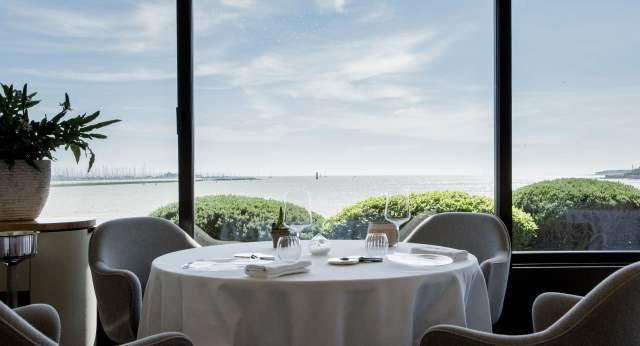
Restaurants in La Rochelle
Browse all →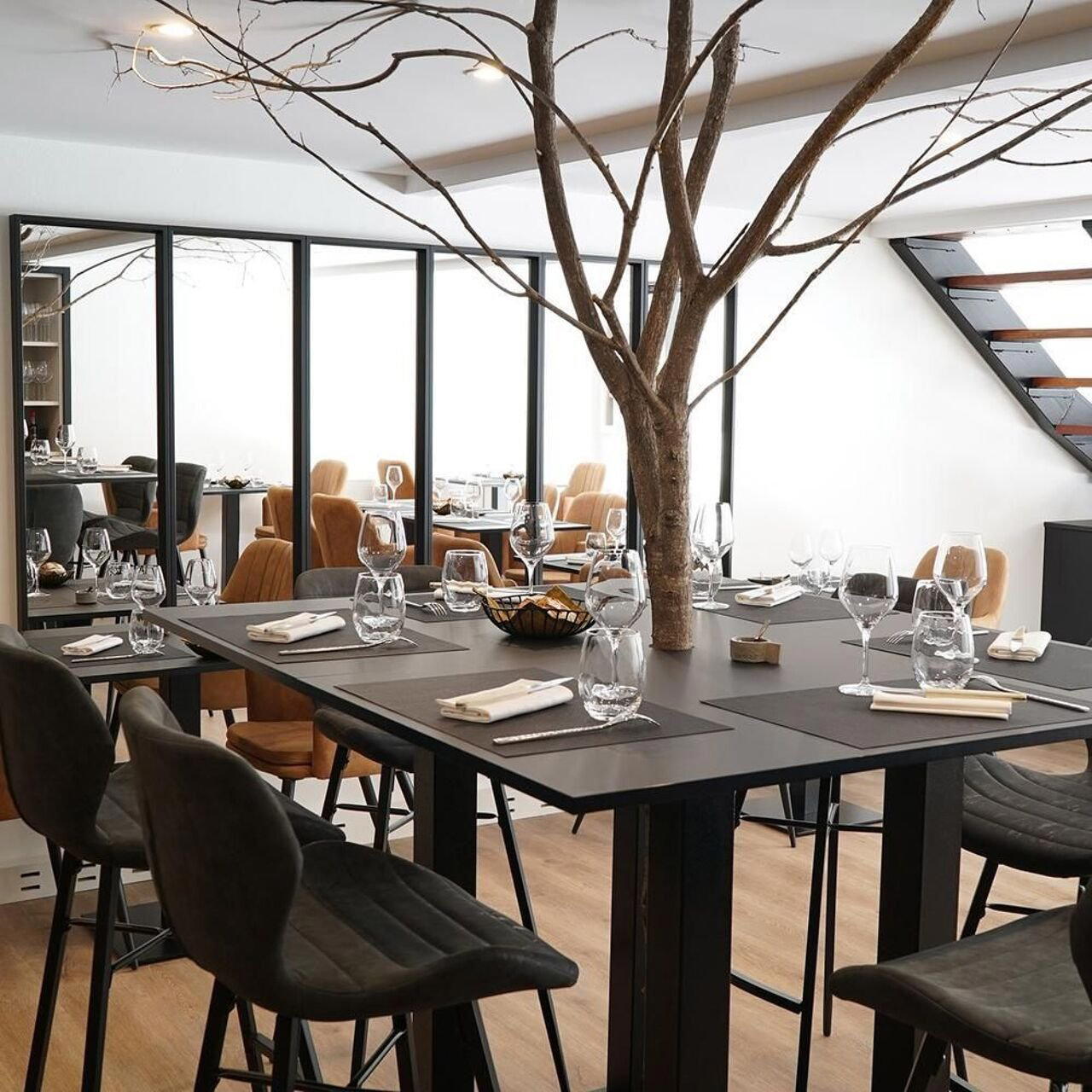
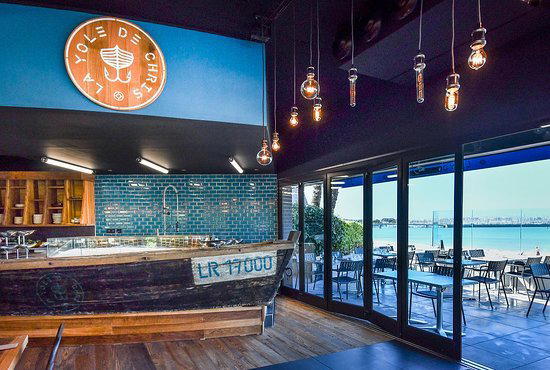
Bars in La Rochelle
Browse all →
At a Glance
- Lively
- Classic
- Late Night
- Waterfront
- Historic Building
- Local Sourcing
- Waterfront
- Street Scene
Current opening hours
- Monday
- 12–2 PM, 6:30–10 PM
- Tuesday
- 12–2 PM, 6:30–10 PM
- Wednesday
- 12–2 PM, 6:30–10 PM
- Thursday
- 12–2 PM, 6:30–10 PM
- Friday
- 12–2 PM, 6:30–10:30 PM
- Saturday
- 12–2:30 PM, 6:30–10:30 PM
- Sunday
- 12–2:30 PM, 6:30–10 PM
Hours can change for holidays and private events. Last verified .
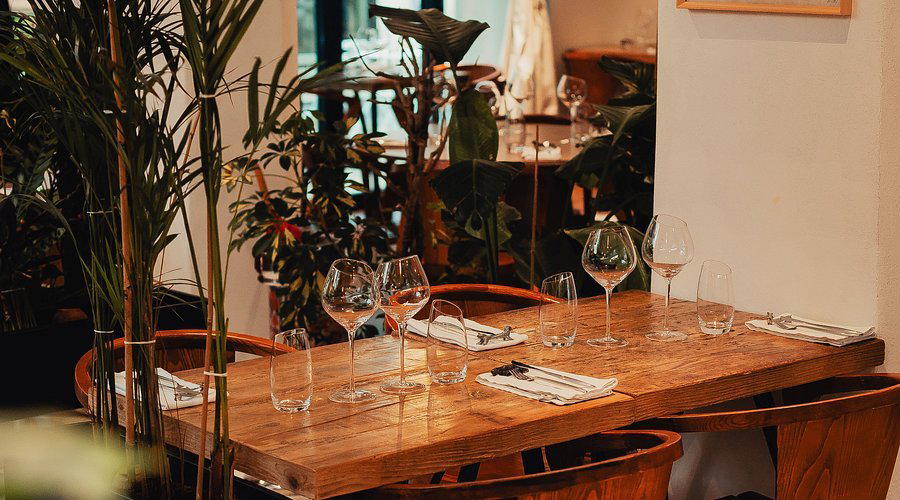
Lively and bustling bistro atmosphere with a nautical theme, lively from morning till night.