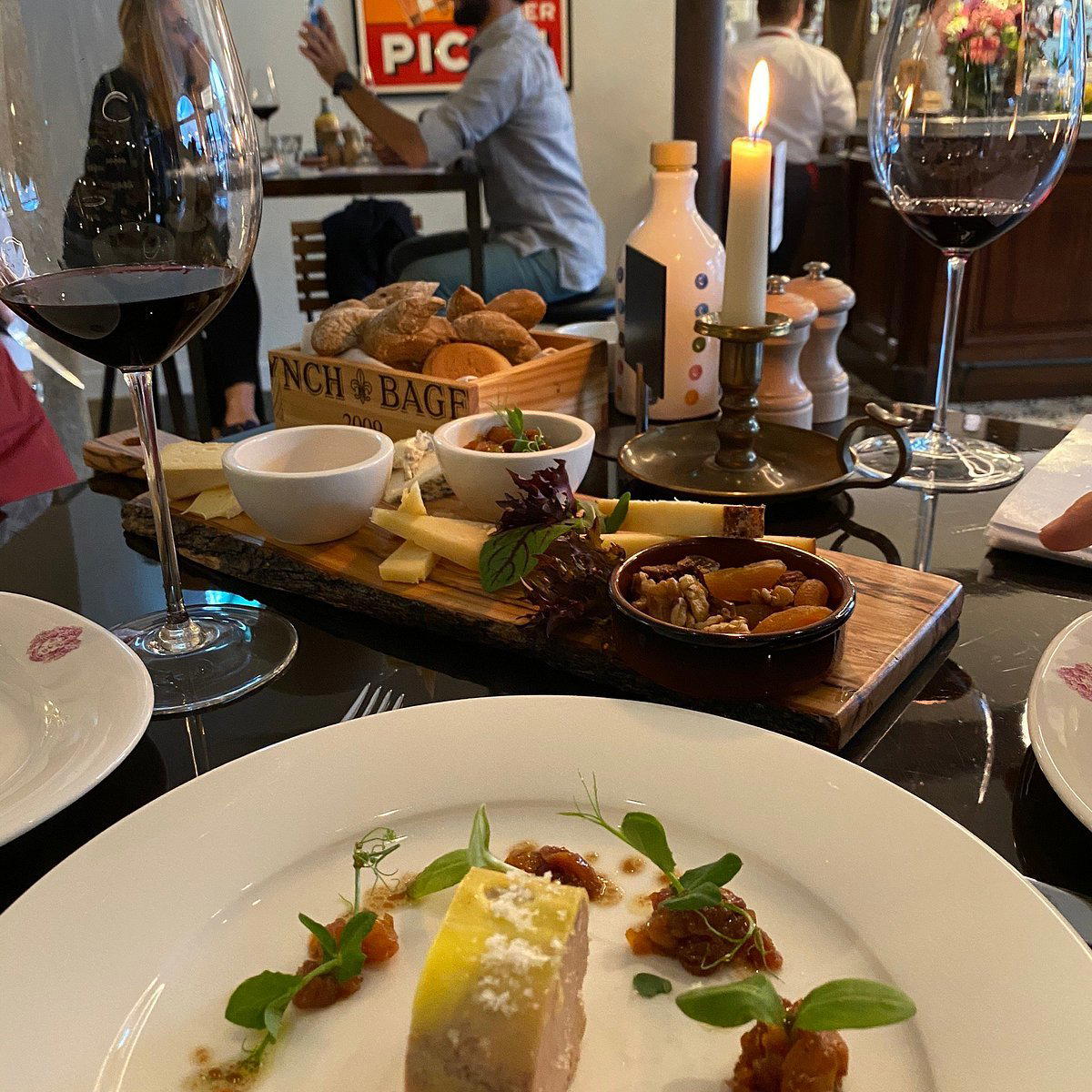
Le Bistro du Rhône occupies a quiet address on the Avenue du Rhône in Annecy, a city where the cooking tradition runs from lakeside brasseries to some of the French Alps' most decorated tables. The bistro format here anchors itself in the regional canon, Savoyard produce, classical technique, and the unhurried pace that defines eating well in this corner of Haute-Savoie.
Pearl is the En Primeur Club membership app — saves, bookings, and concierge access live there. Same editors, same standards.
- Address
- 13 Av. du Rhône, 74000 Annecy, France
- Phone
- +33450455334
- Website
- bistrodurhone.fr
- Directions
- Get directions
 Saves & bookings on Pearl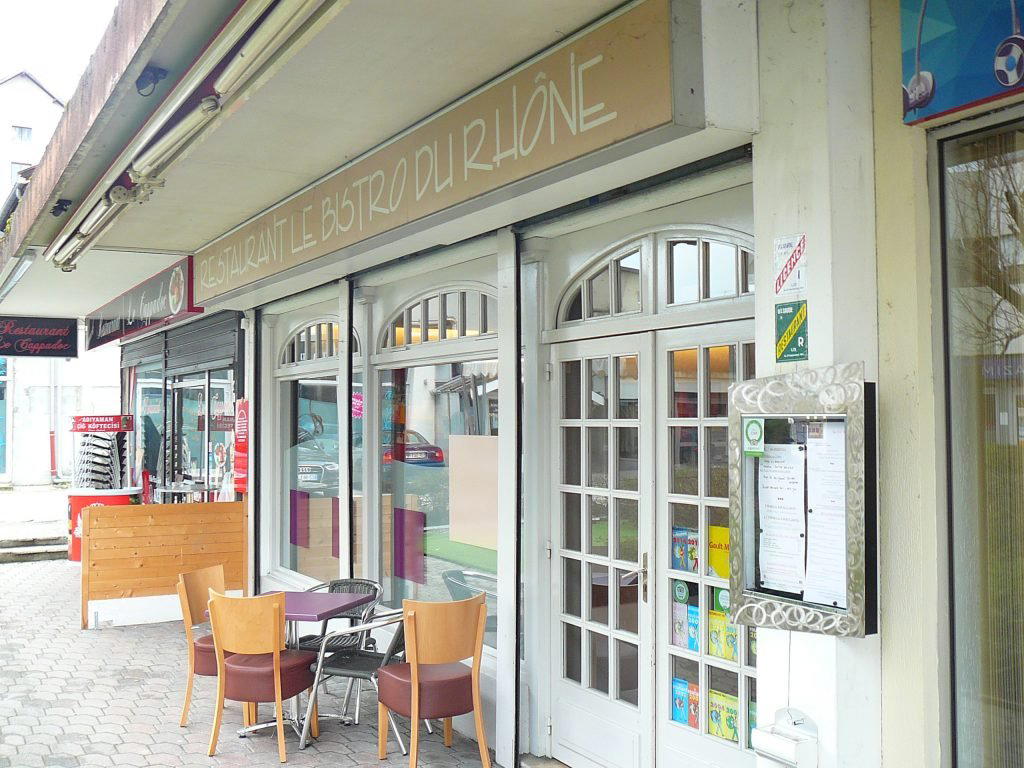
Where the Rhône's Edge Meets the Savoyard Table
Avenue du Rhône in Annecy sits at the margin where the old town's canal network gives way to the wider basin that feeds into Lake Annecy. It is a quieter axis than the tourist-heavy Rue Sainte-Claire, and restaurants along it tend to draw a crowd that already knows where it is going rather than one that has wandered in from the lakefront. That self-selecting dynamic shapes the atmosphere at Le Bistro du Rhône: the room operates closer to the rhythm of a neighbourhood table than a destination showcase, which is, in the context of Annecy's increasingly decorated dining scene, a deliberate positioning rather than an accident.
Annecy has spent the past decade consolidating a reputation that extends well beyond its size. The city's most ambitious kitchens, among them Le Clos des Sens and Maison Benoît Vidal, both operating at the creative end of the spectrum, have placed the town on the same regional shortlist as addresses in Lyon and Grenoble. Against that backdrop, the bistro format occupies a structural role in the city's eating culture: it is where the produce tradition gets expressed without the ceremony of a tasting menu, and where the Savoyard larder, lake fish, alpine cheeses, charcuterie from the valley floors, appears in recognisable, direct form.
The Bistro Format in Alpine France
The French bistro carries a specific cultural weight that distinguishes it from both the brasserie and the gastronomic restaurant. In mountain regions, that format acquires additional character: the short menu reflects what is available rather than what is fashionable, and the wine list anchors itself to producers close enough to the kitchen to make logistics simple. In Haute-Savoie, that typically means Savoy whites, Roussette, Jacquère, Altesse, alongside selections from neighbouring Rhône appellations. The category sits in a middle tier in Annecy's price architecture, below the €€€€ level occupied by L'Esquisse and above the entry-level positions, placing it alongside addresses like ANTO in terms of accessibility without sacrificing the seriousness of its cooking.
The bistro's cultural roots in France are worth tracing. The format emerged as a corrective to both the austerity of simple tavern eating and the exclusivity of grand restaurant culture. In alpine towns specifically, it served working populations who ate well because the region's produce demanded it, not because of any aspirational dining culture. That history gives the contemporary bistro a particular kind of authority: it does not need to justify its existence through novelty or spectacle. The cooking speaks to a tradition that predates the Michelin era entirely.
Annecy's Culinary Architecture and Where the Bistro Fits
To understand Le Bistro du Rhône's position, it helps to read the full spread of Annecy's dining options. At the creative tier, tables like La Rotonde des Trésoms work with regional ingredients through a more technically ambitious lens. At the traditional end, addresses like Brasserie Brunet hold the line on classic Savoyard formats at accessible price points. The bistro occupies the productive middle ground: more considered than a brasserie in its sourcing and execution, less architecturally structured than a gastronomic room in its service and format.
This positioning mirrors a pattern visible across French regional cities. Particularly interesting eating often happens not at the tables collecting awards but at the ones feeding the chefs, the producers, and the locals who eat out three times a week rather than three times a year. That audience is sophisticated in its way, it knows the difference between a correctly made gratin dauphinois and a careless one, between a Roussette de Savoie served at the right temperature and one that has sat too long, and it keeps kitchens honest in a way that critical attention sometimes does not.
For context on how France's most recognised restaurants operate at the leading end, see Alléno Paris au Pavillon Ledoyen or, closer to the Alps, Flocons de Sel in Megève. These are the tables against which the region's ambition is often measured, but the bistro register, from Auberge de l'Ill in Illhaeusern to Bras in Laguiole, has its own legacy in French dining culture that the starred tier does not diminish.
Regional Produce and the Savoyard Canon
Haute-Savoie's ingredient map is specific enough to anchor a serious kitchen without requiring long supply chains. Lake Annecy yields féra and omble chevalier, freshwater fish that appear in alpine kitchens from Geneva to Chambéry and carry a protected geographic status that limits their availability to local restaurants. The cheese tradition runs from reblochon and abondance to beaufort, each with defined production zones and seasonal variation. Charcuterie from the Aravis valleys adds another register to menus that treat cured meat as a category rather than a garnish.
The Savoyard table has historically been accused of heaviness, the cheese fondue and tartiflette reputation has a way of flattening perception, but the more accurate picture is one of density managed through technique. A kitchen that handles these ingredients well produces food that is rich without being blunt, grounded in fat and salt in the way that cold-climate cooking tends to be, but with the restraint that separates a bistro from a ski-resort canteen. That distinction is what French regional cooking at this level is actually about, and it is the standard against which a bistro on Avenue du Rhône ought to be read.
Planning Your Visit
Le Bistro du Rhône is located at 13 Avenue du Rhône in Annecy's 74000 postcode, within walking distance of the old town canal district and the lake's western edge. For visitors mapping a broader trip through France's decorated restaurant circuit, Annecy sits between Lyon and Geneva, making it a logical stop alongside visits to Mirazur in Menton or Troisgros in Ouches on a longer southern itinerary. For those arriving specifically for the city's dining scene, our full Annecy restaurants guide maps the full spread from creative tasting menus to traditional lakeside formats.
Contacting the restaurant directly via their address at 13 Avenue du Rhône is one reliable route for reservations, and as with most serious bistros in French provincial towns, weekday lunches tend to be more accessible than Friday or Saturday evenings, when local regulars fill the room early.
Budget Reality Check
Comparable venues nearby, for context on price, style, and recognition.
| Venue | Cuisine | Price | Awards | Notes |
|---|---|---|---|---|
| Le Bistro du RhôneThis venue — the venue you are viewing | Avenue du Rhône, Seasonal French Bistro | $$$ | Not listed | Not listed |
| Bistro Sauvage | Avenue des Îles, Seasonal French Bistro | $$$ | Not listed | Not listed |
| Le Vertumne | centre-ville, French Regional Bistro | $$$ | Not listed | Not listed |
| Mazette! | Not listed | $$$ | Michelin Plate | Faubourg Sainte-Claire, French Bistro with Alsatian Influences |
| Restaurant Canailles | Not listed | $$ | Not listed | Avenue de Genève, Traditional French Bistro |
| Choral | Romains, Modern French with Asian Fusion | $$$ | Michelin Plate | Not listed |
Continue exploring
More in Annecy
Restaurants in Annecy
Browse all →
At a Glance
- Cozy
- Elegant
- Classic
- Date Night
- Special Occasion
- Terrace
- Extensive Wine List
- Local Sourcing
- Garden
Current opening hours
- Monday
- Closed
- Tuesday
- 12–2 PM
- Wednesday
- 12–2 PM, 7–9:30 PM
- Thursday
- 12–2 PM, 7–9:30 PM
- Friday
- 12–2 PM, 7–9:30 PM
- Saturday
- 12–1:30 PM, 7–9:30 PM
- Sunday
- Closed
Hours can change for holidays and private events. Last verified .
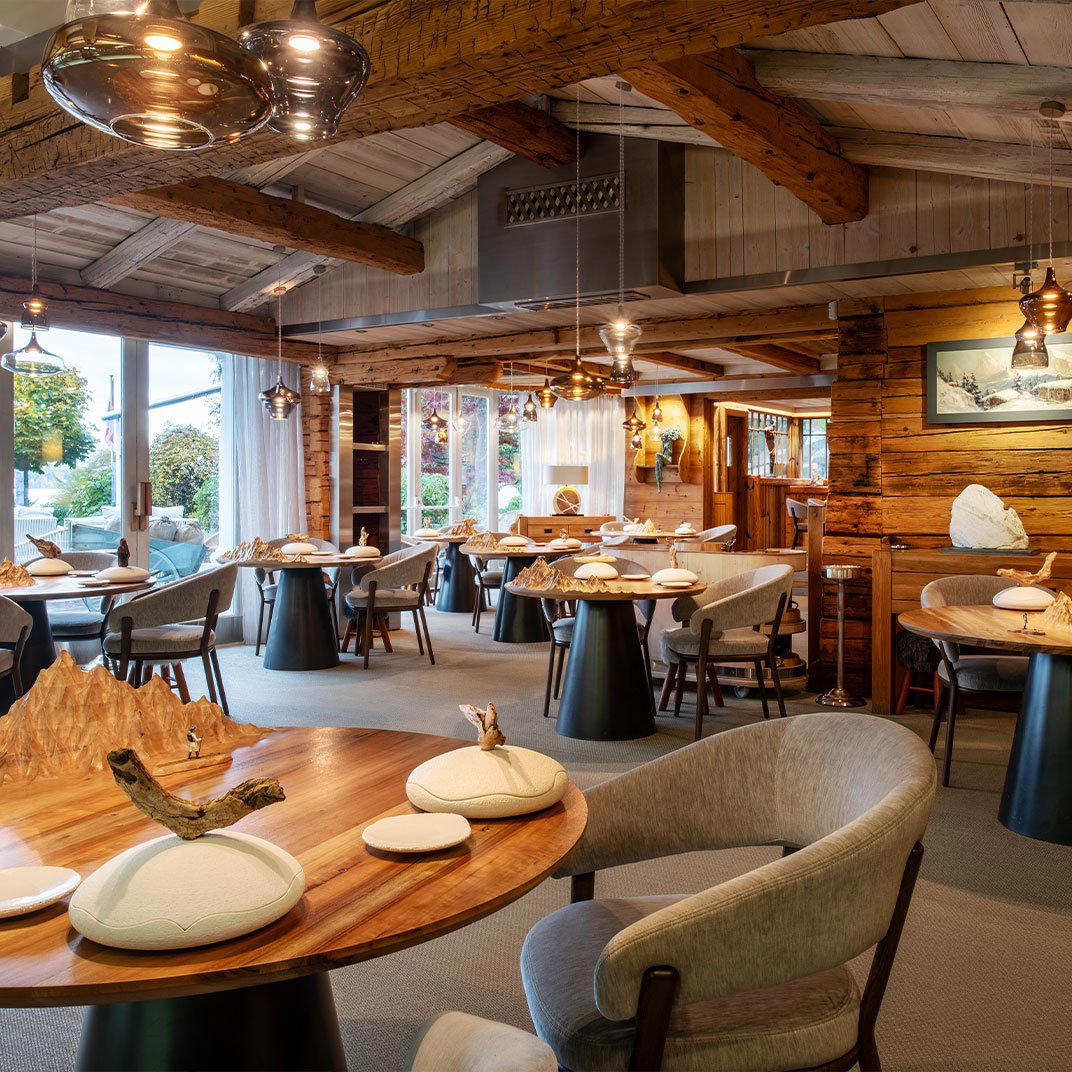
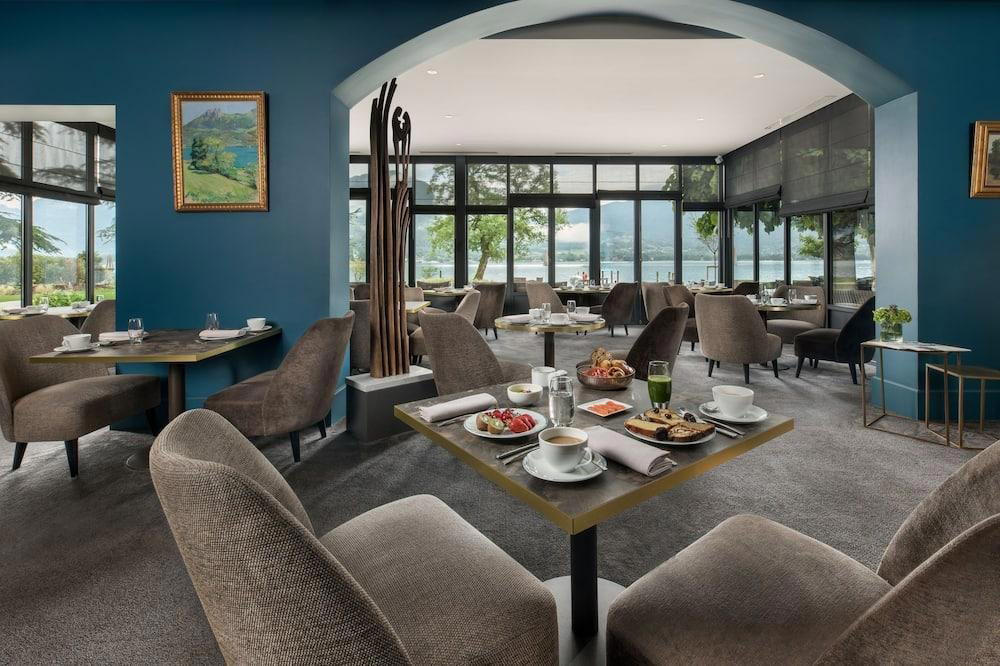
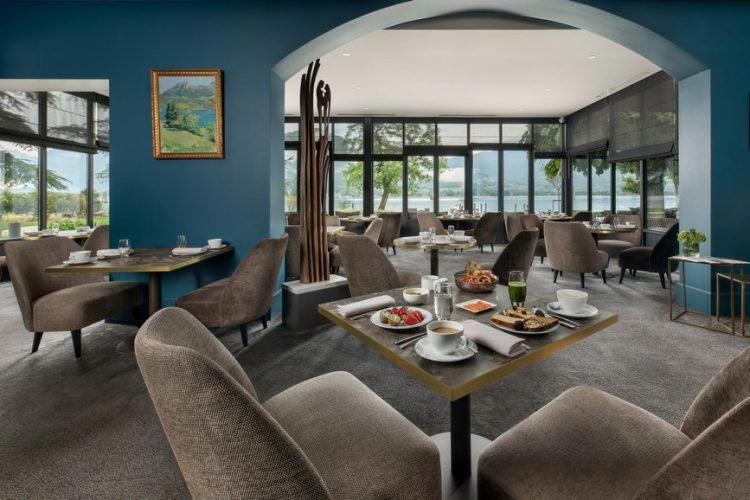
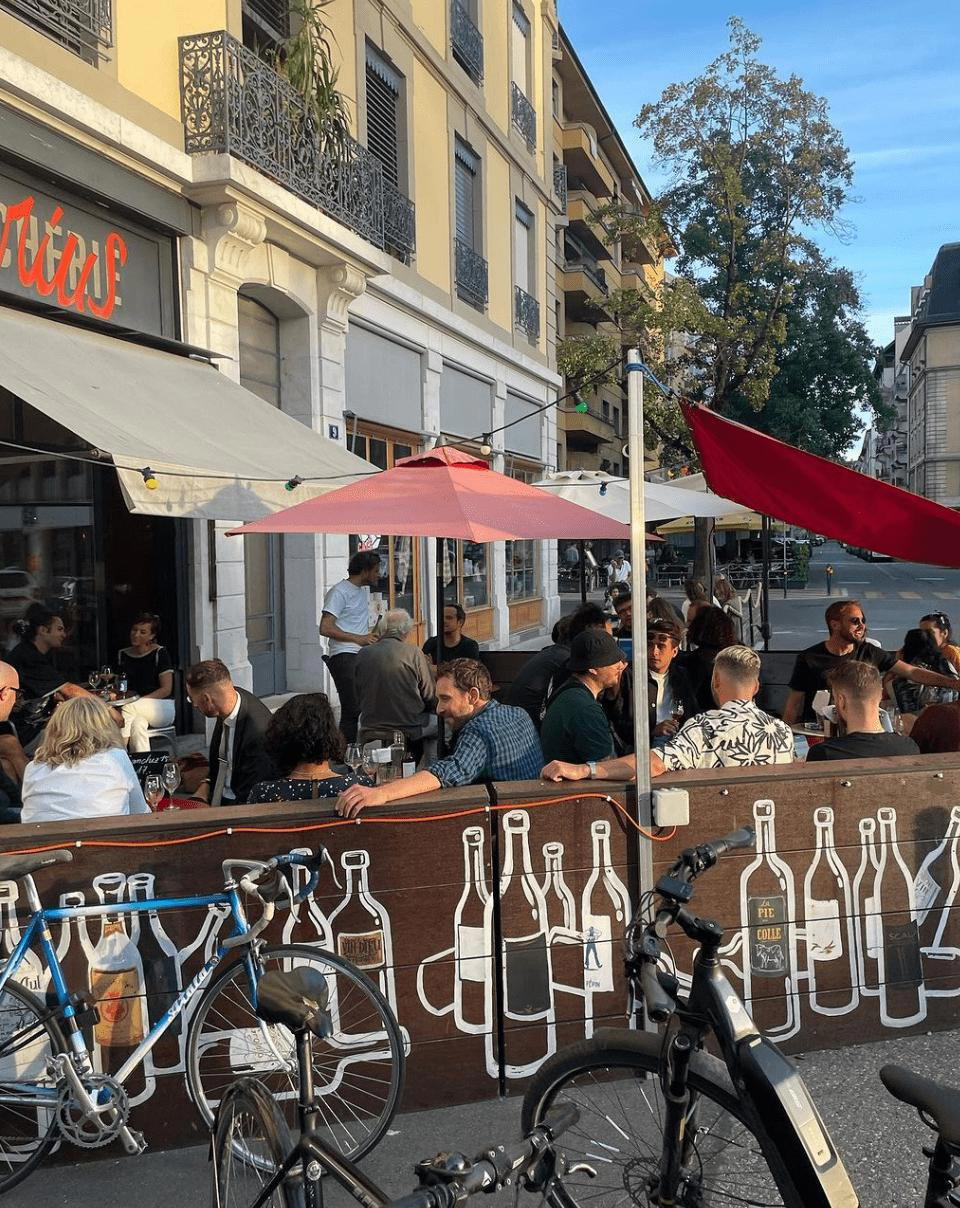
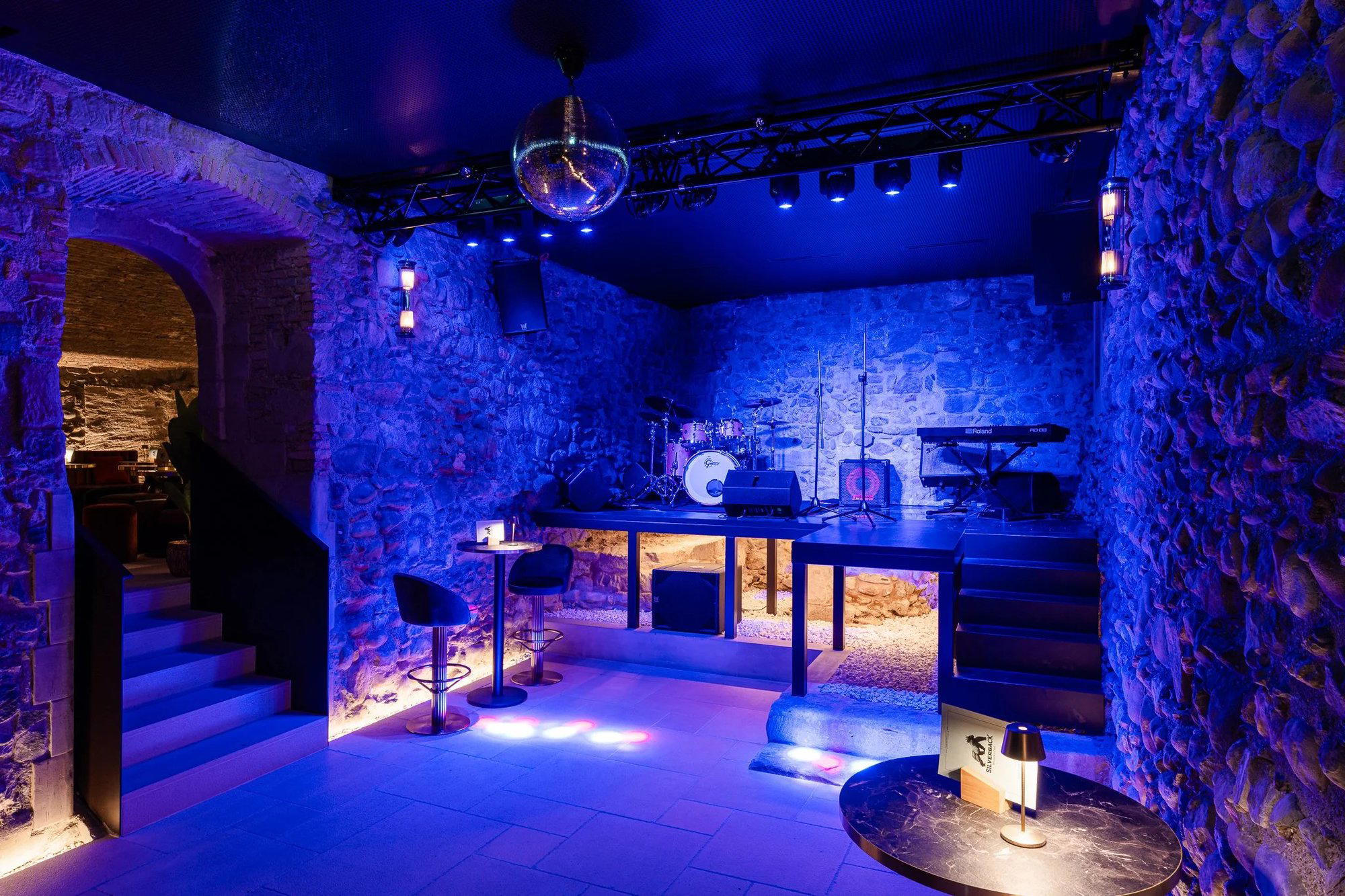
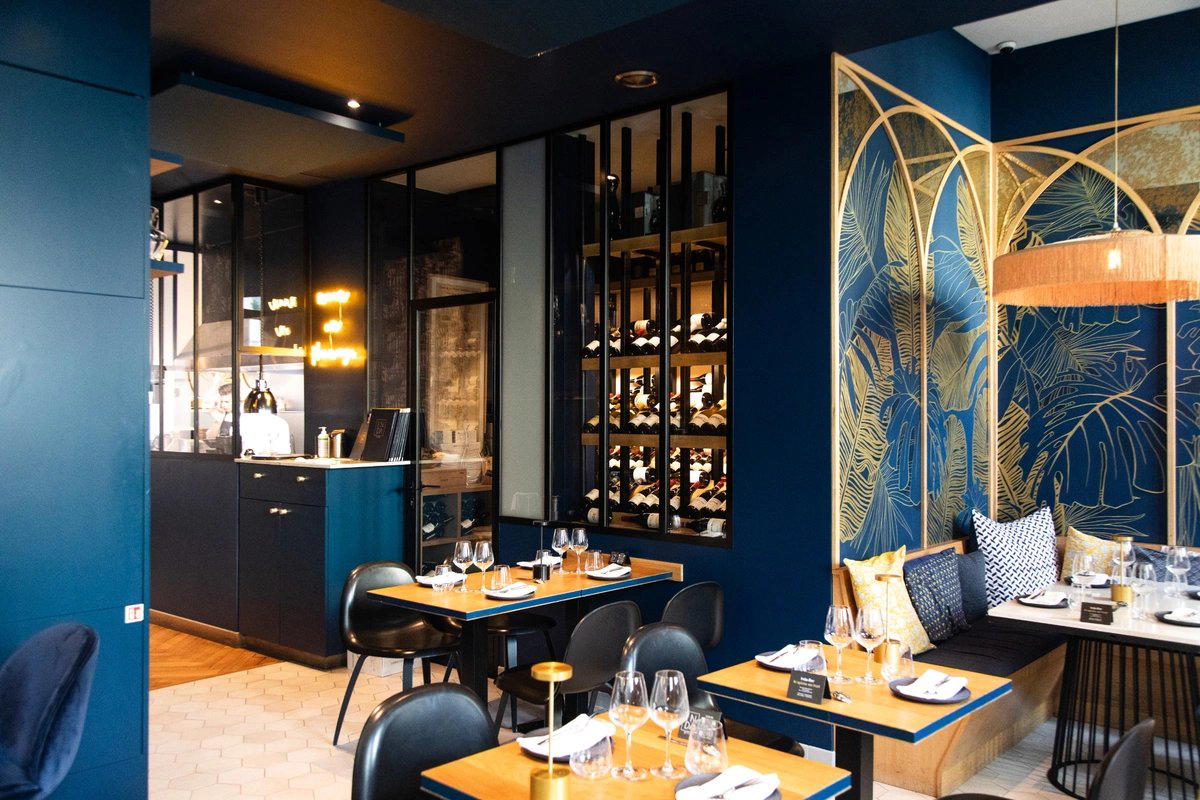
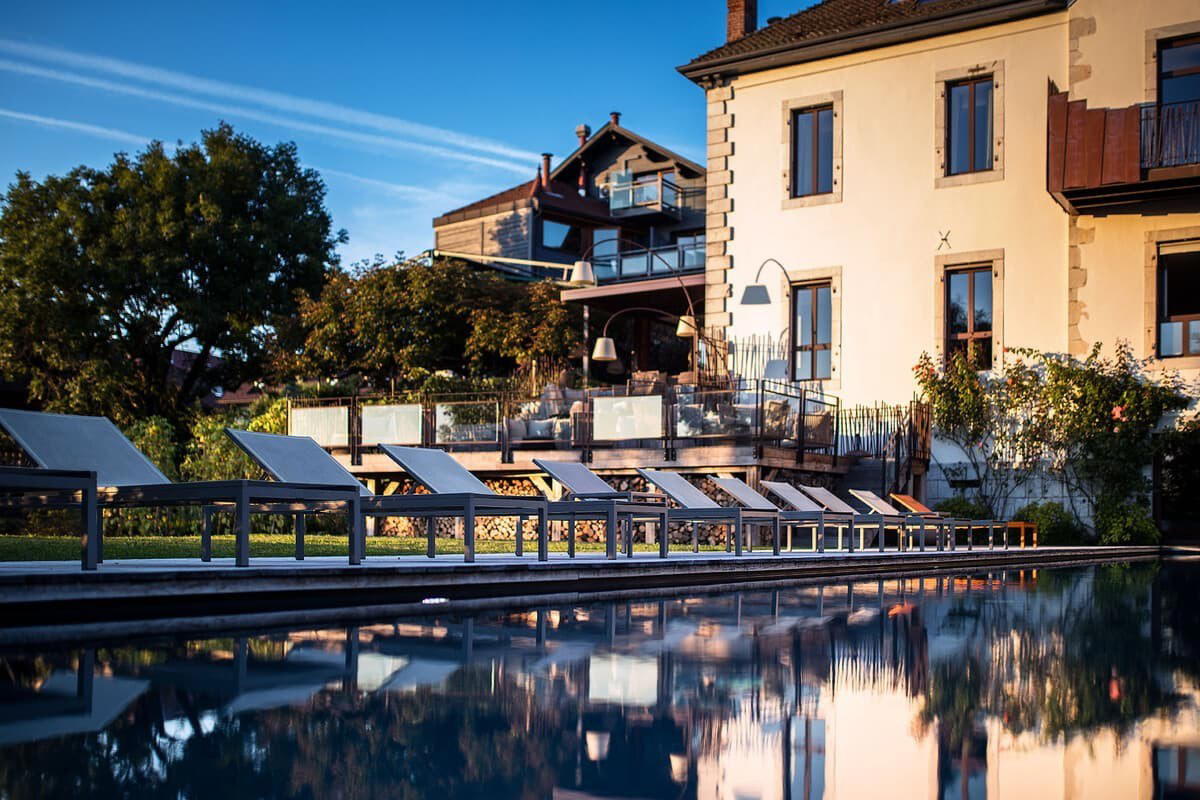
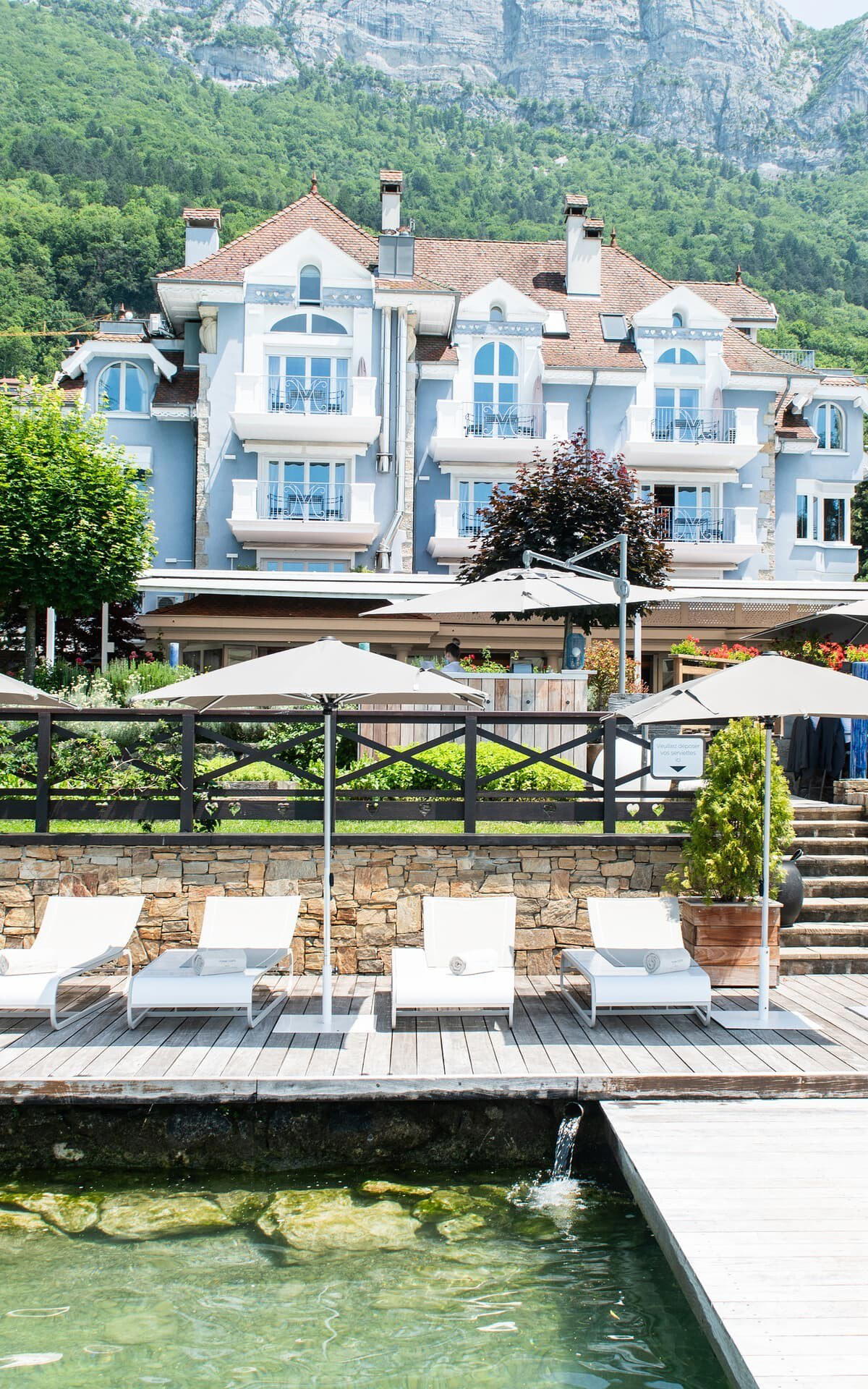
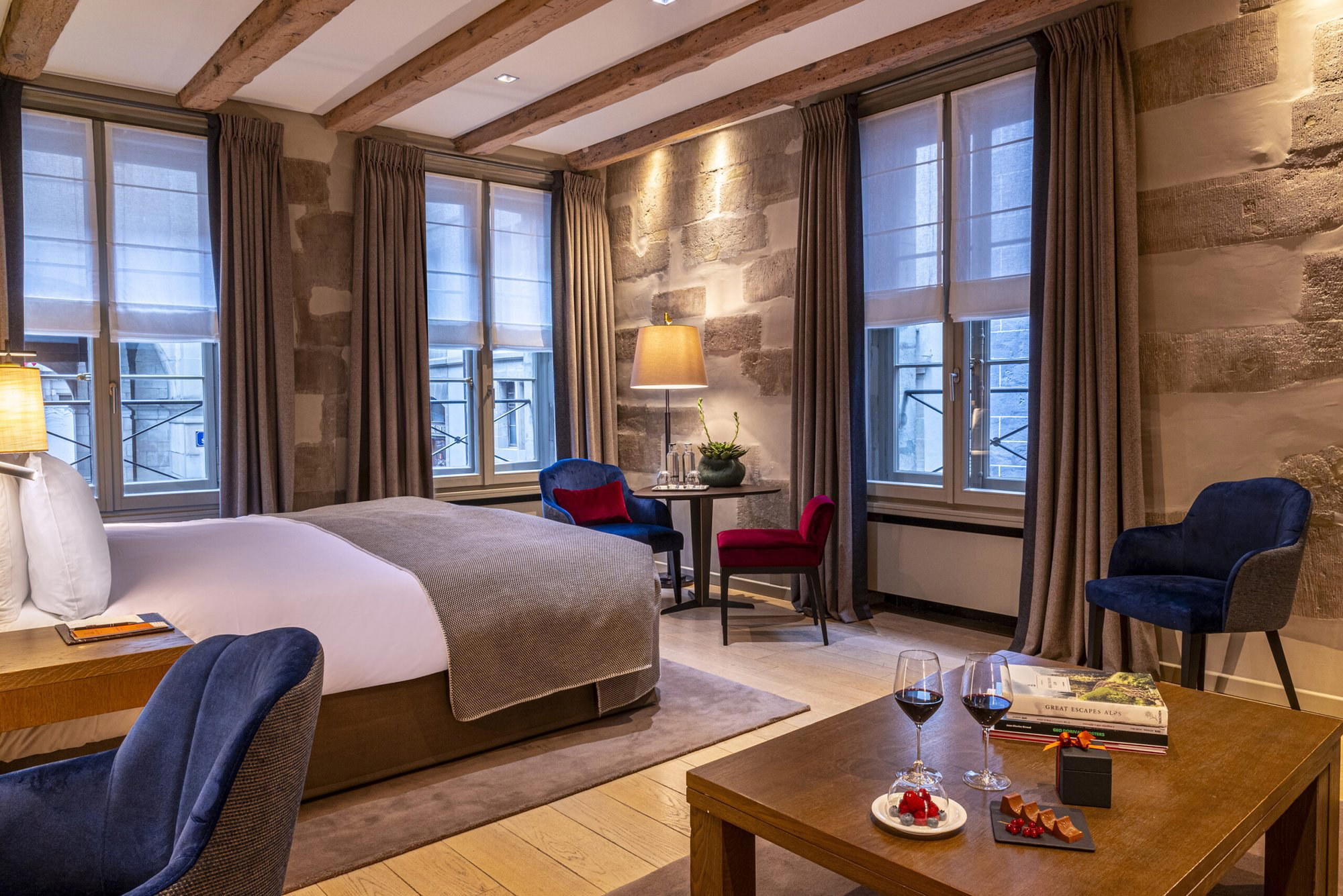
Warm and inviting atmosphere with thoughtful wooden decor, bright lighting, and large glass openings providing garden views.