
Le Baudelaire holds a Michelin star for the second consecutive year in 2025, operating from Rue Duphot in Paris's 1st arrondissement. Chef Mylo Levin works within the modern cuisine register, where classical French technique meets contemporary precision. The restaurant's 4.6 Google rating across nearly 300 reviews places it among the more consistently regarded starred addresses in central Paris.
Pearl is the En Primeur Club membership app — saves, bookings, and concierge access live there. Same editors, same standards.
- Address
- 6-8 Rue Duphot, 75001 Paris, France
- Phone
- +33 1 71 19 49 11
- Website
- leburgundy.com
 Saves & bookings on Pearl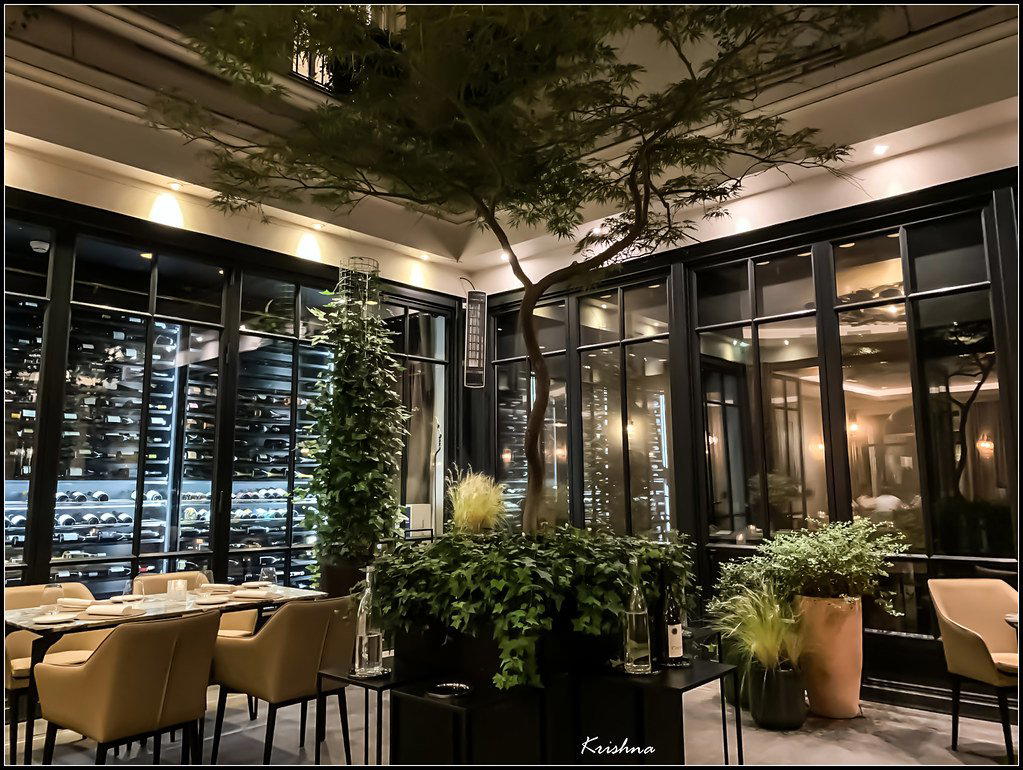
A Starred Address on Rue Duphot
Le Baudelaire is a one-star restaurant in Paris's 1st arrondissement at 6-8 Rue Duphot. The streets around the Madeleine and Palais-Royal represent a particular tier of French gastronomy: established enough to carry institutional weight, but not so fossilised as to resist the technical ambitions that define the current generation of starred kitchens. Le Baudelaire sits precisely in that zone. Its Michelin star, awarded consecutively in 2024 and retained in 2025, confirms its position within the tier of one-starred Paris addresses that pair classical French frameworks with the kind of precision cooking that has become the common language of modern European fine dining.
Amâlia, Anona, and Accents Table Bourse. The competitive pressure in this bracket shapes everything: sourcing ambition, technique discipline, and the degree to which a kitchen is willing to push beyond the inherited repertoire.
Technique at the Intersection of French Method and Global Influence
Modern cuisine in Paris no longer means strictly French cuisine, and Le Baudelaire under Chef Mylo Levin operates within this broader understanding. The category label is telling: not cuisine française, not bistrot de chef, but modern cuisine, a designation that suits kitchens where classical French technique meets a wider ingredient and reference pool.
This approach has become a defining characteristic of the Parisian starred scene over the past fifteen years. Where an earlier generation of restaurants competed on the fidelity of their classic French execution, the current wave, including kitchens recognised by Michelin in the same cycle as Le Baudelaire, tends to position itself around the tension between French method and other traditions. You see it at Accents Table Bourse, where the kitchen's multicultural sourcing is explicit, and at Amâlia, where Portuguese ingredients surface within a French structural logic. In each case, the technique is French, but the ingredient universe is not.
What this framework produces, at its most considered, is cooking that uses French method as a precision tool applied to produce and flavour combinations that French cuisine historically would not have touched. The saucing traditions, the handling of proteins, the attention to temperature and texture: these are French inheritances. But the raw materials, and the permission to draw on non-French taste logic, come from elsewhere. The result is a register that Michelin has consistently rewarded across Paris and that connects Le Baudelaire to a wider European conversation about what fine dining can do when it stops treating national cuisine as a constraint.
France has produced some of the most influential practitioners of exactly this synthesis. Kitchens like Mirazur in Menton have built an international reputation on the meeting point of French classical training and Mediterranean ingredient logic. Flocons de Sel in Megève applies this same tension in a mountain context. The longer tradition runs through houses like Troisgros in Ouches and Auberge de l'Ill in Illhaeusern, both of which shaped the understanding that French gastronomy at its most ambitious has always been a conversation with what lies beyond France. The canonical weight of Paul Bocuse's Auberge du Pont de Collonges and the austere regionalism of Bras in Laguiole anchor the range of what French fine dining encompasses. Le Baudelaire inherits this tradition but operates from the cosmopolitan end of the spectrum rather than the regional one.
Placing Le Baudelaire Within the Paris €€€€ Bracket
The €€€€ price point in Paris covers a wide spread, from single-starred addresses through to the multi-starred institutions along Avenue Gabriel and in the 8th arrondissement. 114, Faubourg operates in this bracket from within a hotel context at a similarly formal address. Auberge de Montfleury offers a different application of the same price register. At the upper end, Alléno Paris au Pavillon Ledoyen and Le Cinq at Four Seasons Hôtel George V occupy a multi-starred position that commands a different spending level within the same nominal tier.
For a single-starred kitchen with two consecutive years of recognition, Le Baudelaire's position is one of demonstrated consistency rather than ascent or reinvention. A Google rating of 4.6 across 334 reviews adds a secondary data point.
The comparison set at this level also includes kitchens with more explicit conceptual positioning. What this tells you about the Parisian starred scene is that there is no single path to recognition at the one-star level: the spectrum runs from technique-forward minimalism through to classically anchored formalism, with modern cuisine sitting at various points along it.
The Broader Modern Cuisine Conversation
Paris is not the only city where modern cuisine of this kind has developed strong expression. Frantzén in Stockholm and FZN by Björn Frantzén in Dubai represent how far this framework has travelled: Scandinavian ingredient logic applied through French-influenced fine dining structure, now operating across multiple cities. The Parisian version of this synthesis carries a different weight, because the inherited technique and the institutional infrastructure of French gastronomy give it a particular authority. But the essential question the format asks, how much of a national culinary tradition should constrain a kitchen that operates in a global ingredient and technique environment, is the same one being answered in Stockholm, Copenhagen, and London.
Le Baudelaire's two-year Michelin track record places it among Paris kitchens that have answered that question with enough clarity and execution to satisfy the guide's evaluators across multiple visits.
Planning Your Visit
Le Baudelaire is at 6-8 Rue Duphot in the 1st arrondissement, close to the Madeleine metro station, which makes it direct to reach from most central Paris hotels and from the main transport hubs.
At the €€€€ price point with consecutive Michelin recognition, booking ahead is advisable. The kitchen's consistent Google score across nearly 300 reviews suggests that the experience holds across different tables and service periods, but the most useful planning assumption is that a table here requires lead time rather than last-minute flexibility.
Where the Accolades Land
Comparable venues nearby, for context on price, style, and recognition.
| Venue | Cuisine | Price | Awards | Notes |
|---|---|---|---|---|
| Le BaudelaireThis venue — the venue you are viewing | Modern French Fine Dining with Vegetable Focus | $$$$ | Michelin 1 Star | |
| L'Escarbille | Modern French Fine Dining | $$$$ | Michelin 1 Star | Meudon |
| Maison Dubois | Modern French Fine Dining | $$$$ | Michelin 1 Star | 8eme arrondissement |
| Omar Dhiab | Modern French with Egyptian Influences | $$$$ | Michelin 1 Star | Sentier |
| Contraste | Modern French Fine Dining | $$$$ | Michelin 1 Star | Faubourg Saint-Honoré |
| L'Arôme | Contemporary French Fine Dining | $$$$ | Michelin 1 Star | 8th arrondissement |
Continue exploring
More in Paris
Restaurants in Paris
Browse all →
Bars in Paris
Browse all →
Hotels in Paris
Browse all →
At a Glance
- Elegant
- Cozy
- Sophisticated
- Intimate
- Date Night
- Special Occasion
- Hotel Restaurant
- Extensive Wine List
- Farm To Table
- Garden
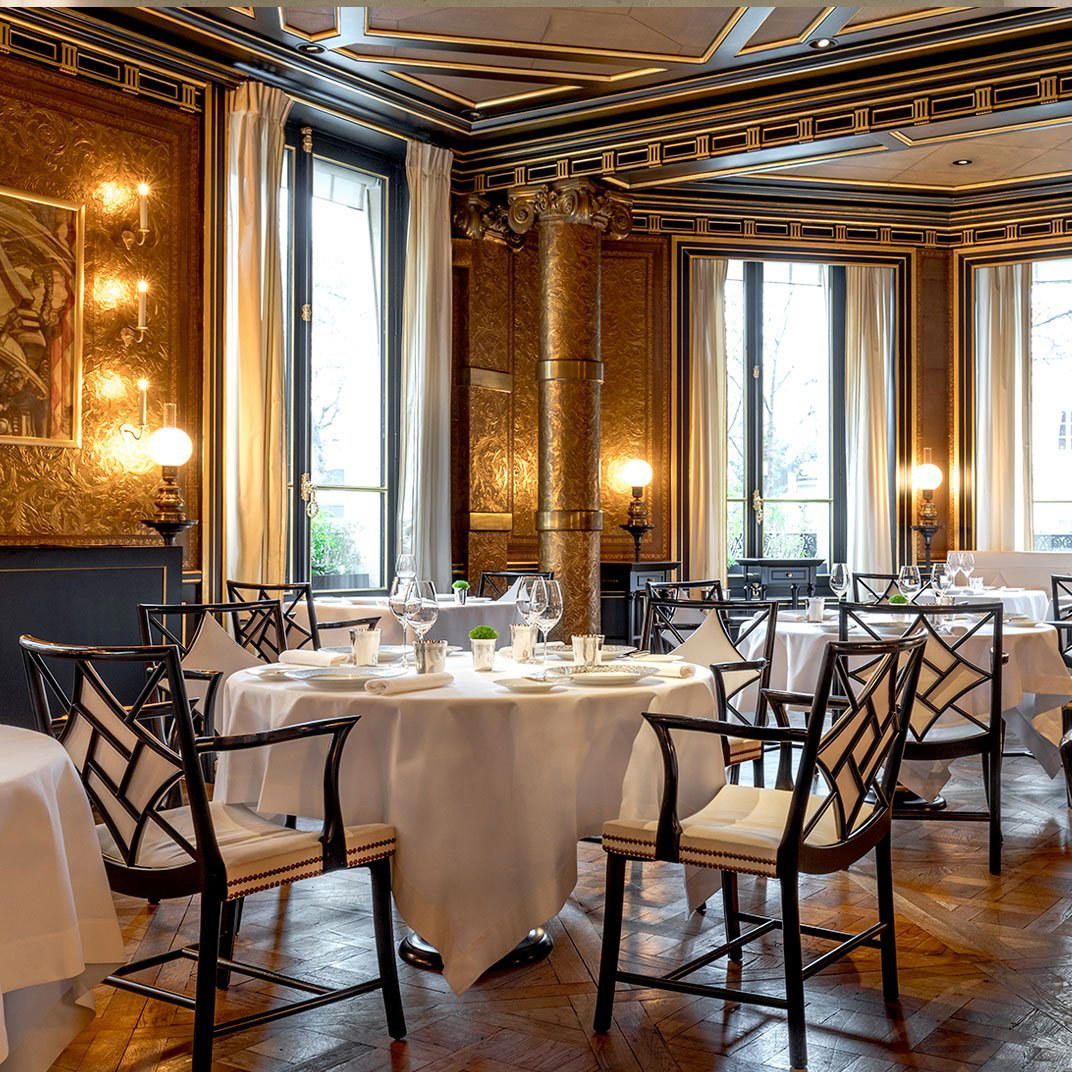
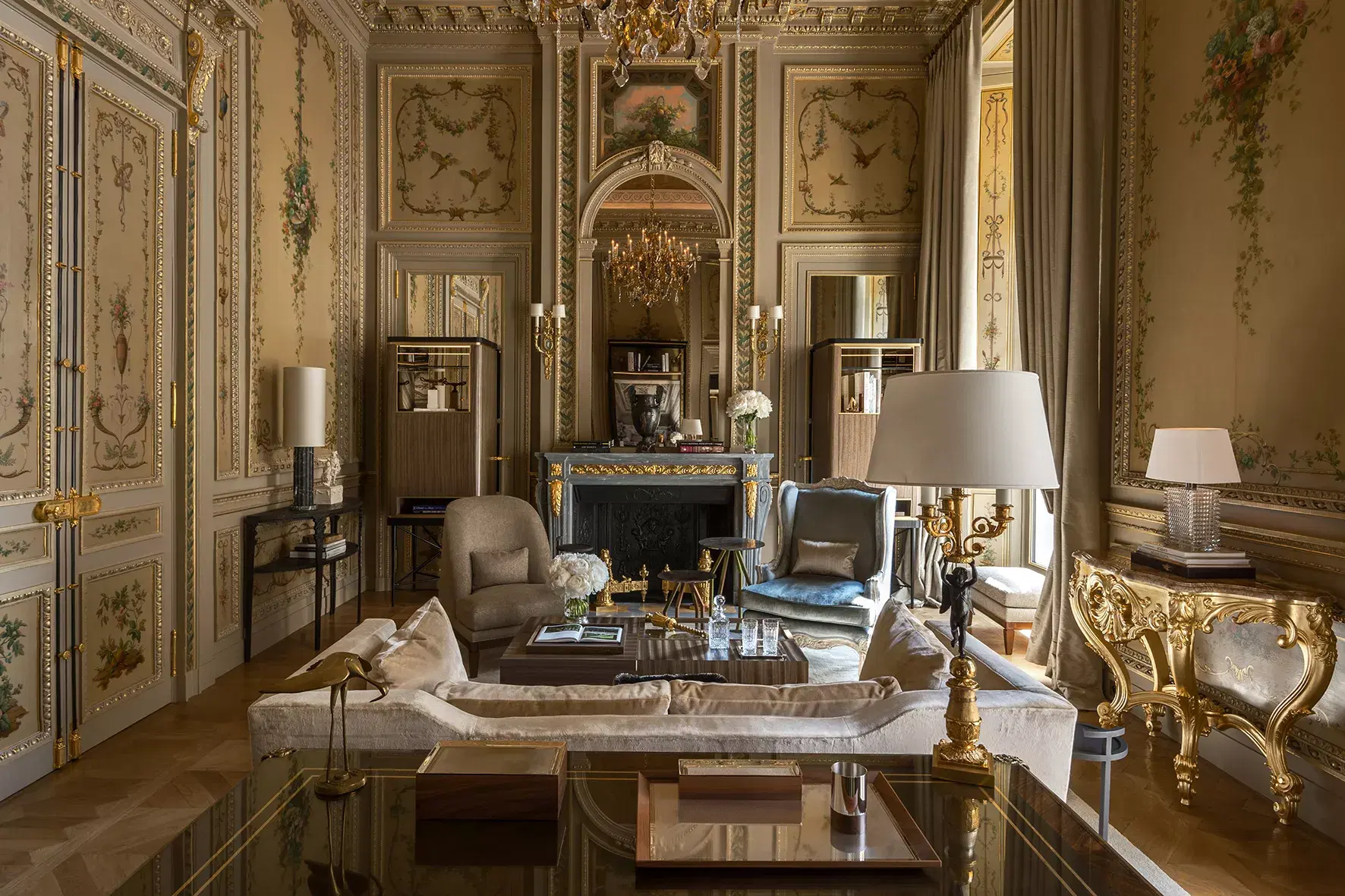
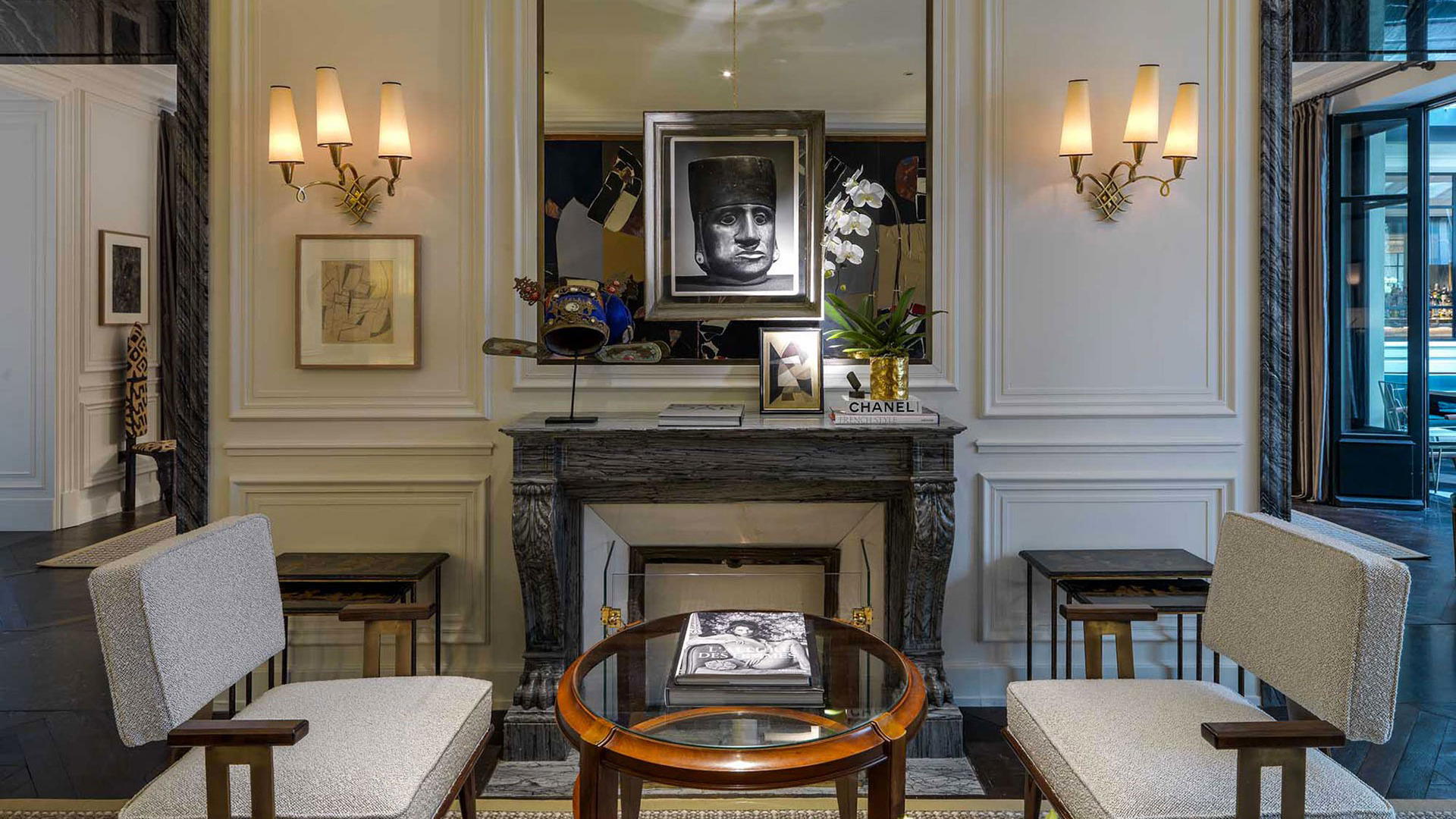
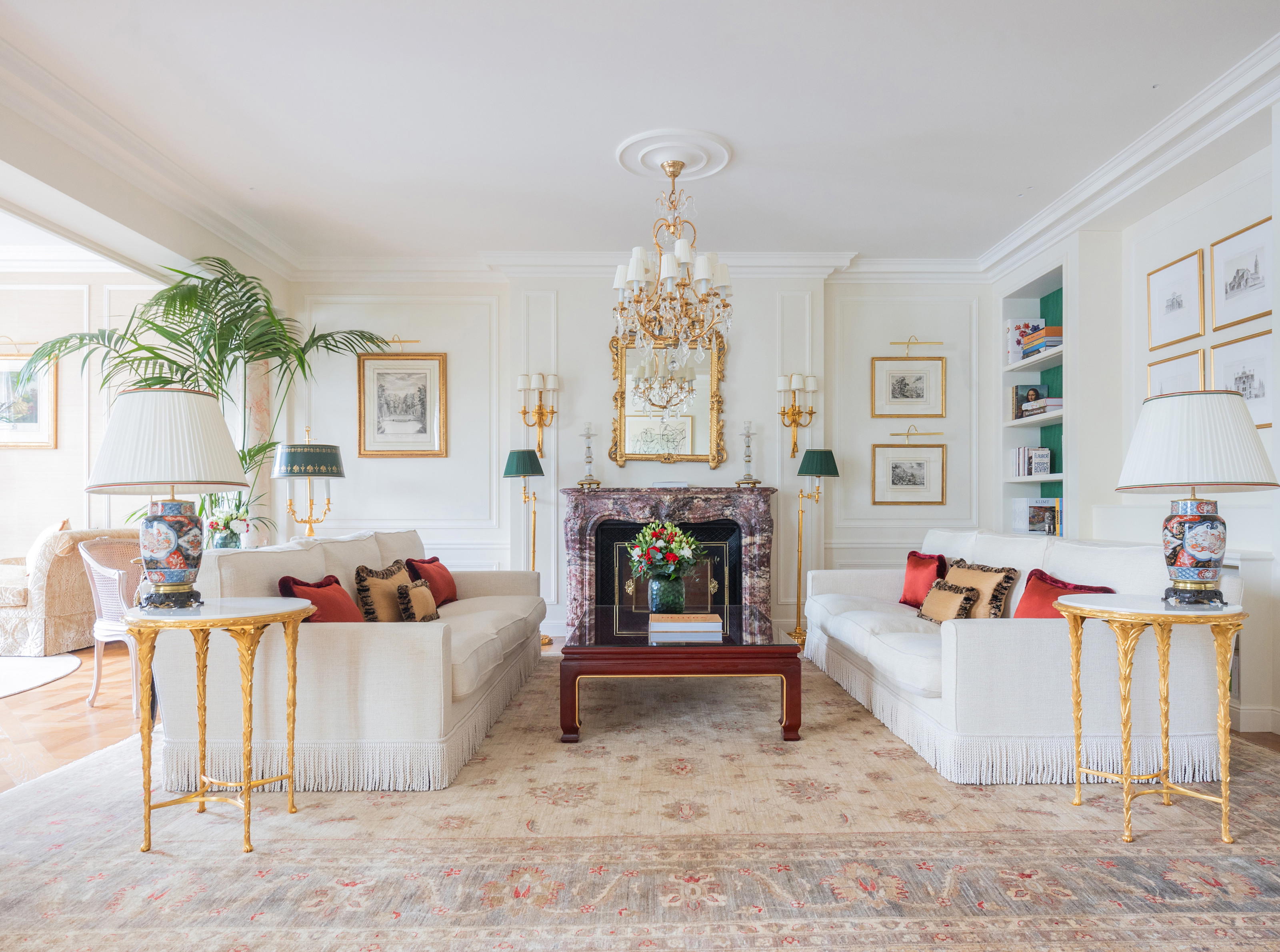
Cozy and refined with natural light, floor-to-ceiling windows overlooking a winter garden patio, black lacquered tables, comfy armchairs, and a warm inviting atmosphere.