
Located on Minzu Road in the West Central District, it draws crowds for lamb-focused dishes at street-food prices. A reference point for anyone tracing the city's braised and slow-cooked meat culture.
Pearl is the En Primeur Club membership app — saves, bookings, and concierge access live there. Same editors, same standards.
- Address
- No. 131號, Section 2, Minzu Rd, West Central District, Tainan City, Taiwan 700
- Phone
- +886 6 224 8688
- Website
- facebook.com
- Directions
- Get directions
 Saves & bookings on Pearl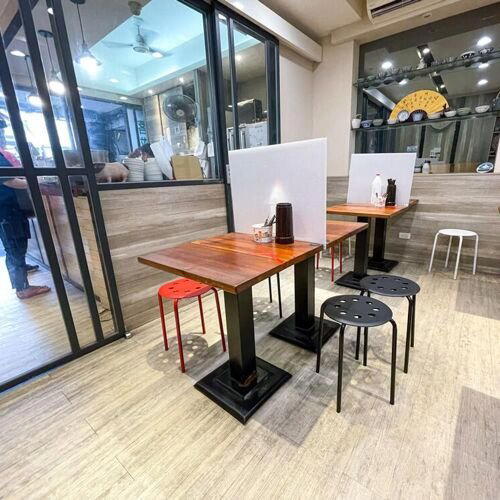
Lamb on Minzu Road: What Tainan's Street-Eats Tradition Demands
Lao Tseng Lamb is a casual Taiwanese lamb stir-fry restaurant in Tainan's West Central District, recognized with a Michelin Plate in 2024. This is the quarter where Tainan's small-eats culture has accumulated over generations, not as a preserved heritage district but as a living, functional one where locals return daily because the food is correct and the price is honest. Lao Tseng Lamb sits in that current, a lamb specialist operating at the dollar-tier price point that defines the city's most deeply rooted eating culture.
The broader context matters here. Taiwan's lamb cooking tradition draws from Hakka, Hokkien, and mainland Chinese influences that arrived and were adapted across decades, producing a style of preparation built around slow heat, aromatics, and whole-animal use. In Tainan specifically, braised and stewed meats have long been a breakfast and lunch staple, consumed at counters and folding tables rather than in dining rooms. Lamb, more pungent and assertive than pork, has always occupied a specific niche within this: it demands more from the kitchen in terms of odour management and timing, and the leading operators in this category develop methods over years to bring the gaminess into balance without erasing the character of the protein.
A Michelin Plate in the Dollar-Tier: What That Signals
In 2024, the Michelin Guide awarded Lao Tseng Lamb a Michelin Plate, the Guide's designation for restaurants offering food prepared to a good standard. At the dollar-tier price point, this is a meaningful signal about the kitchen's consistency. Michelin's coverage of Taiwan has increasingly extended into the small-eats and street-food categories, reflecting a wider editorial position that preparation quality and ingredient integrity matter independently of format or price. Lao Tseng Lamb's recognition places it alongside a cohort of Tainan operations where the cooking is technically sound even if the setting makes no concessions to comfort.
Ratings around 4.1 at high review counts tend to reflect genuine repeat patronage rather than novelty visits, and in a city like Tainan, where locals are exacting about their neighbourhood specialists, that consistency is a harder metric to achieve than it might appear. The comparison set here is not Tainan's contemporary European or fine-seafood restaurants, such as the French Contemporary operations at the upper end of the city's dining register. The restaurant sits in the same peer tier as small-eats specialists like A Xing Shi Mu Yu, where the measure of quality is disciplined execution of a narrow, ingredient-driven menu rather than breadth or presentation.
Sourcing and the Logic of a Lamb Specialist
The editorial angle on a venue like this runs directly through what it chooses to source and why. Running a lamb-focused small-eats counter in Taiwan requires a consistent, reliable supply of an ingredient that is not as ubiquitous as pork or chicken in the domestic market. Operators who do this successfully over time develop supply relationships that reflect real commitment to the protein. The gaminess that characterises lower-quality or poorly handled lamb is the first thing a informed local notices, and Tainan's eating public has been making that judgment for long enough that a kitchen earning Michelin recognition in this category has clearly resolved that challenge at the sourcing and handling level.
Taiwan imports lamb primarily from Australia and New Zealand, markets with established cold-chain logistics and consistent breed profiles. What distinguishes one lamb-specialist counter from another in this context is less about provenance branding and more about how the kitchen works with the material: the cut selection, the marination or curing period before cooking, the aromatics chosen to complement rather than suppress the meat's natural register. These are decisions made at the ingredient level, upstream of any preparation technique, and they define the ceiling of what the finished dish can be.
West Central District: The Geography of Tainan's Eating Culture
Tainan's West Central District contains a high density of the city's most-referenced small-eats counters, many of them operating from the same addresses for decades. The district functions as something of a baseline for understanding what Tainan food culture means in practice: not the reconstructed heritage of a tourist quarter, but the daily eating habits of a city that has had more time than most Taiwanese cities to develop and refine its street-food canon. The address on Section 2 of Minzu Road places the restaurant within walking distance of other small-eats specialists that together define the area's character as an eating neighbourhood.
The restaurant is walk-in friendly, with daily hours from 10:30 AM to 11 PM. Small-eats operations at this price tier and format rarely take reservations, and demand at Michelin-recognised counters tends to concentrate around lunch. Arriving earlier in the day, when the kitchen is at full production, is the practical approach. Tainan is approximately 45 minutes from Kaohsiung by high-speed rail and just under two hours from Taipei, making it a viable day-trip or short-stay destination for anyone already in southern Taiwan. The city's other small-eats and restaurant options are worth mapping alongside a visit: A Cun Beef Soup (Baoan Road), A Hai Taiwanese Oden, A Ming Zhu Xing (Baoan Road), and A Wen Rice Cake each hold their own Michelin recognition and collectively sketch out the range of Tainan's traditional food repertoire.
Where This Fits in Taiwan's Broader Small-Eats Picture
Taiwan's Michelin-recognised small-eats scene has expanded meaningfully since the Guide began covering the island, and the recognised venues now span everything from night-market noodle stalls to specialist protein counters like Lao Tseng Lamb. The lamb niche specifically is a narrower category than beef or pork operations, which makes Tainan's recognition of a dedicated lamb counter editorially interesting. Comparable small-eats operations recognised in other parts of the region, such as Arunwan in Bangkok, Bokkia Tha Din Daeng in Bangkok, or Bei Gang Tsai Rice Tube in Kaohsiung, share the structural characteristic of deep ingredient specialisation within a minimal-format setting. That pattern, narrow focus plus long operational history plus consistent sourcing, is what tends to produce Michelin Plate durability in this category.
Taiwan's fine-dining tier, including operations like JL Studio in Taichung, logy in Taipei, and GEN in Kaohsiung, occupies a different competitive register entirely. But the small-eats category is where Taiwan's food culture has the deepest roots, and the restaurant's position within it carries a different kind of authority than tasting-menu recognition. It is the authority of daily demand met consistently, over time, at a price that requires no deliberation.
For planning around the wider Tainan visit, EP Club maintains guides to hotels in Tainan, bars in Tainan, experiences in Tainan, and wineries in the Tainan area. Further afield in southern Taiwan, Akame in Wutai Township and Volando Urai Spring Spa and Resort in Wulai District represent different ends of the island's food and hospitality register, useful context for building a multi-stop Taiwan itinerary.
Where It Fits
Comparable venues nearby, for context on price, style, and recognition.
| Venue | Cuisine | Price | Awards | Notes |
|---|---|---|---|---|
| Lao Tseng LambThis venue — the venue you are viewing | Taiwanese Lamb Stir-Fry | $ | Michelin Plate | Not listed |
| A Hai Taiwanese Oden | Taiwanese Oden | $ | Michelin Plate | South District |
| A Ming Zhu Xing (Baoan Road) | Tainan Pork Offal Noodle Soup | $ | Michelin Plate | West Central District |
| Hsin Hsin | Traditional Taiwanese | $$ | Michelin Plate | West Central District |
| Wenpapa Goose | Taiwanese Roasted Goose | $$ | Michelin Plate | North District |
| Gyu Go Zou | Taiwanese Beef Hot Pot | $$ | Michelin Plate | Anping District |
Recognition history
Dated appearances from independent guides and award organizations, with the underlying list record or original source where available.
Michelin Plate
Michelin






At a Glance
- Rustic
- Cozy
- Late Night
- Casual Hangout
Current opening hours
- Monday
- 10:30 AM–11 PM
- Tuesday
- 10:30 AM–11 PM
- Wednesday
- 10:30 AM–11 PM
- Thursday
- 10:30 AM–11 PM
- Friday
- 10:30 AM–11 PM
- Saturday
- 10:30 AM–11 PM
- Sunday
- 10:30 AM–11 PM
Hours can change for holidays and private events. Last verified .