L'Air du Temps

L'Air du Temps holds a Michelin Plate (2025),297 reviews, placing it among the more consistent modern cuisine addresses in Saint-Brieuc. Priced at the accessible end of the city's restaurant spectrum, it occupies a position between neighbourhood bistro and recognised destination dining. For visitors building a broader Brittany itinerary, it represents a credible first stop in the city's evolving dining scene.
Pearl is the En Primeur Club membership app — saves, bookings, and concierge access live there. Same editors, same standards.
- Address
- 6 Rue Sainte-Barbe, 22000 Saint-Brieuc, France
- Phone
- +33 2 96 68 58 40
- Website
- airdutemps.fr
- Directions
- Get directions
 Saves & bookings on Pearl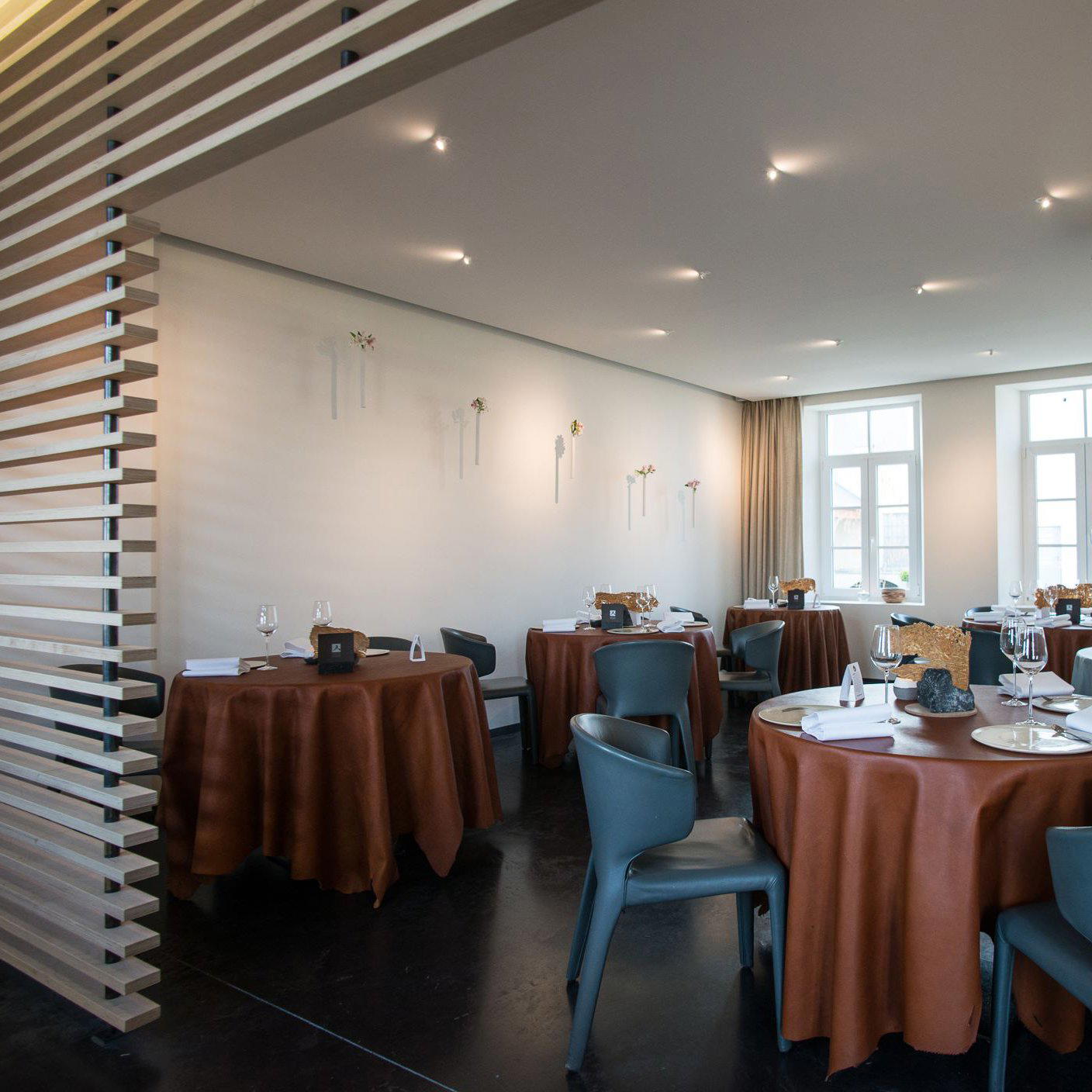
Modern Cuisine in a Breton Market Town
Saint-Brieuc does not announce itself the way coastal Breton towns do. There is no postcard harbour, no crush of summer tourists orbiting a famous crêperie. What the city has instead is a working urban core, a covered market with genuine provenance, and a dining scene that has been quietly building credibility over the past decade. Rue Sainte-Barbe, where L'Air du Temps occupies number six, sits within that core: a street address that reads as civic rather than scenic, which in Brittany often signals that a kitchen is feeding serious locals rather than performing for visitors.
That grounding in everyday Breton life is the cultural context that shapes modern cuisine in towns like this. The cooking tradition here is not abstract or imported. It draws from a coastline that produces some of France's most documented shellfish and from an agricultural interior that supplies butter, pork, and root vegetables with a quality that larger French cities import at considerable expense. When a kitchen in Saint-Brieuc earns formal recognition, it tends to do so by working that local material honestly rather than by reaching toward the register of Parisian or Riviera fine dining.
What the Michelin Plate Signals
L'Air du Temps holds a Michelin Plate for 2025, the guide's designation for restaurants that deliver consistent quality cooking without yet meeting the threshold for a star. In practical terms, this places the restaurant in a tier above the general field but below the city's most decorated address, Aux Pesked, which carries a full Michelin star and operates at a significantly higher price point (€€€). The Plate recognition matters because Michelin inspectors visit without announcement and return before confirming a listing; a restaurant rated at this level has been assessed multiple times and found reliable.
A score at that level, sustained over a large review base, is harder to maintain than a high average across a handful of entries. It suggests a kitchen that performs consistently across different service conditions and a front-of-house that manages expectations without significant failures. In a mid-sized French city where dining options fragment quickly between tourist-facing brasseries and destination-tier fine dining, consistent middle-ground execution is genuinely useful.
For reference, the tier of French restaurants that have converted Michelin Plate recognition into full star status over time includes addresses across all regions. Nationally recognised names like Bras in Laguiole, Auberge de l'Ill in Illhaeusern, and Troisgros in Ouches all began with the kind of quiet regional credibility that L'Air du Temps is building in Brittany. That trajectory is not guaranteed, but it is a recognisable French pattern: regional seriousness, sustained over time, eventually attracting the guide's higher categories of attention.
Where It Sits in Saint-Brieuc's Restaurant Field
Saint-Brieuc's restaurant scene has a clear internal hierarchy. At the leading, Aux Pesked anchors the city's seafood identity with Michelin-star credentials and a price point that reflects it. In the modern cuisine category at the €€ tier, L'Air du Temps shares space with La Table d'Edgar and Ô Saveurs, while Le Monde des Chimères offers a creative alternative at a comparable price. What separates L'Air du Temps within that peer group is the formal Michelin recognition, which neither La Table d'Edgar nor Ô Saveurs currently holds.
The pricing at the entry level of the city's range (€) positions L'Air du Temps as accessible modern cuisine rather than occasion dining. That is a specific and useful niche. It means a visitor can eat well here on a midweek evening without the planning overhead that a starred restaurant demands, and without the risk that comes with an unrecognised address. For travellers who want a credible meal in the city before moving on to the wider Brittany coast, this is a sensible calibration.
Brittany's Culinary Tradition as Backdrop
Modern cuisine in Brittany occupies an interesting position within French gastronomy. The region's classical identity centres on products rather than technique: Cancale oysters, Saint-Brieuc Bay scallops, Guérande salt, Breton butter. The kitchens that have built lasting reputations here tend to treat those products as the argument, not as supporting material for imported ideas. That approach sits within a broader French tradition of terroir-led cooking that runs from Mirazur in Menton on the Mediterranean coast to the mountain cuisine of Flocons de Sel in Megève: the geography dictates the menu's logic.
What distinguishes the current generation of Breton kitchens from their predecessors is a willingness to apply contemporary technique to those regional products without obscuring their origin. The result is a category that reads as modern cuisine on paper but draws its credibility from local sourcing and seasonal discipline. L'Air du Temps operates within that framework at an approachable price tier, which means the cooking is unlikely to reach the technical elaboration of Alléno Paris au Pavillon Ledoyen or Paul Bocuse's Auberge du Pont de Collonges, but the comparison set is different: the relevant peers are regional kitchens working honestly with Breton ingredients at a price that locals can return to regularly.
Planning a Visit
L'Air du Temps is located at 6 Rue Sainte-Barbe in the centre of Saint-Brieuc, within walking distance of the city's main shopping and civic areas. The address is compact and urban, without dedicated parking at the door, so arriving on foot from a central hotel or by public transport is the practical approach. Given the restaurant's 4.7 rating and its Michelin Plate status, booking ahead is advisable, particularly on weekends and during the summer months when Brittany receives a higher volume of regional and international visitors. The price range at the € tier means a meal here sits comfortably within most travel budgets without requiring the advance planning that starred restaurants demand in terms of booking windows.
For a broader picture of where to stay and what else to do in the city, the full Saint-Brieuc restaurants guide covers the complete dining field, while the hotels guide, bars guide, wineries guide, and experiences guide provide complementary itinerary depth. For travellers who want to benchmark this kind of regional modern cuisine against European peers, Frantzén in Stockholm and FZN by Björn Frantzén in Dubai represent the category's international reach, though the comparison ultimately confirms how specific and place-dependent the Breton version of this cooking style remains.
How L'Air du Temps Saint-Brieuc compares with similar nearby venues.
| Venue | Cuisine | Price |
|---|---|---|
| L'Air du Temps | Modern Cuisine | € |
| La Table d'Edgar | Modern Cuisine | €€ |
| Doma | Modern Cuisine | € |
| Andria | Modern Cuisine | ££ |
| Ô Saveurs | Modern Cuisine | €€ |
| Rolland | Modern Cuisine | €€ |
Recognition history
Dated appearances from independent guides and award organizations, with the underlying list record or original source where available.
Michelin Plate
Michelin
Michelin Plate
Michelin
Continue exploring
More in Saint-Brieuc
Restaurants in Saint-Brieuc
Browse all →
Hotels in Saint-Brieuc
Browse all →
At a Glance
- Cozy
- Elegant
- Intimate
- Classic
- Date Night
- Family
- Special Occasion
- Terrace
- Extensive Wine List
- Local Sourcing
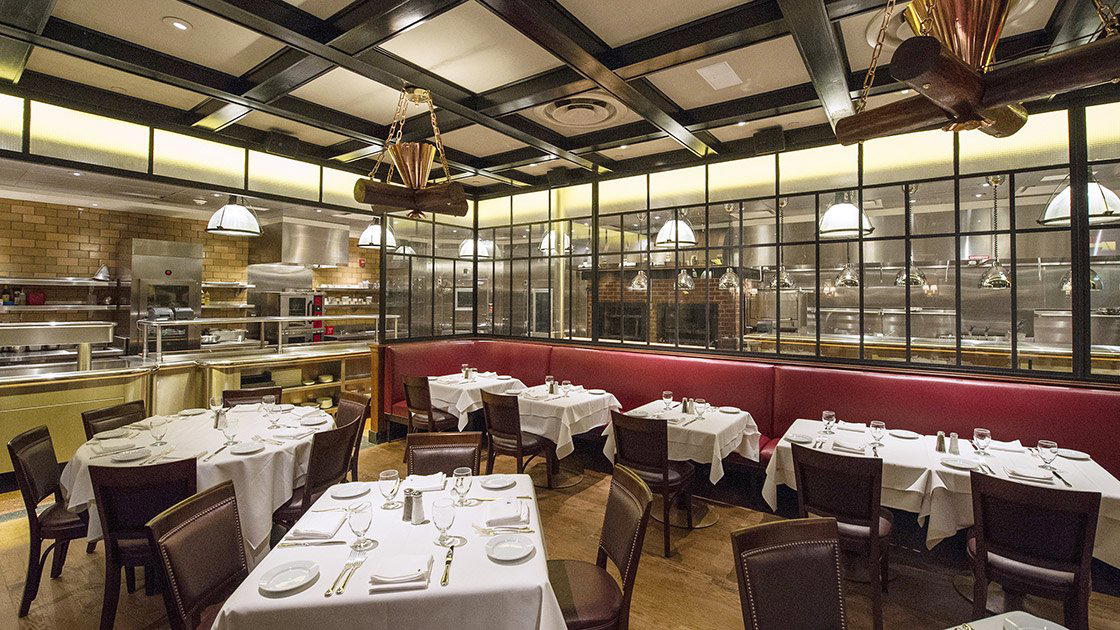
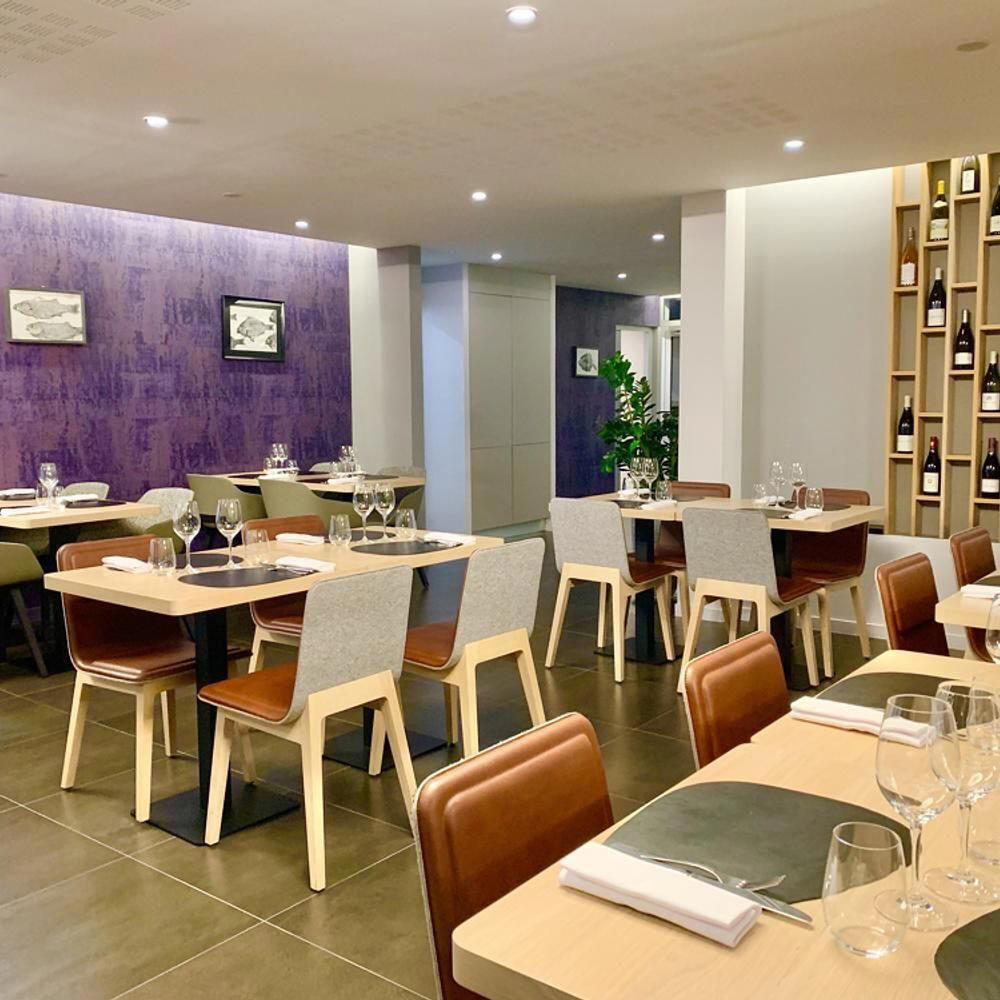
Cosy ambiance with exposed stone, beams, marble fireplaces, and contemporary decor blended with bourgeois charm; calm patio for outdoor dining.
Know Before You Go
- Getting there
- 6 Rue Sainte-Barbe, 22000 Saint-Brieuc, France