La Tour Rose occupies a Renaissance courtyard address on Rue du Bœuf in Lyon's Vieux-Lyon, one of the city's most architecturally intact medieval quarters. The address alone situates it within a long tradition of serious table-keeping in the Presqu'île shadow. For visitors looking to understand how Lyon's dining scene bridges classical French technique with contemporary sensibility, this address warrants close attention.
 Discover on Pearl
Pearl is the En Primeur Club membership app — saves, bookings, and concierge access live there. Same editors, same standards.
- Address
- 22 Rue du Bœuf, 69005 Lyon, France
- Phone
- +33428296594
- Website
- mihotel.fr
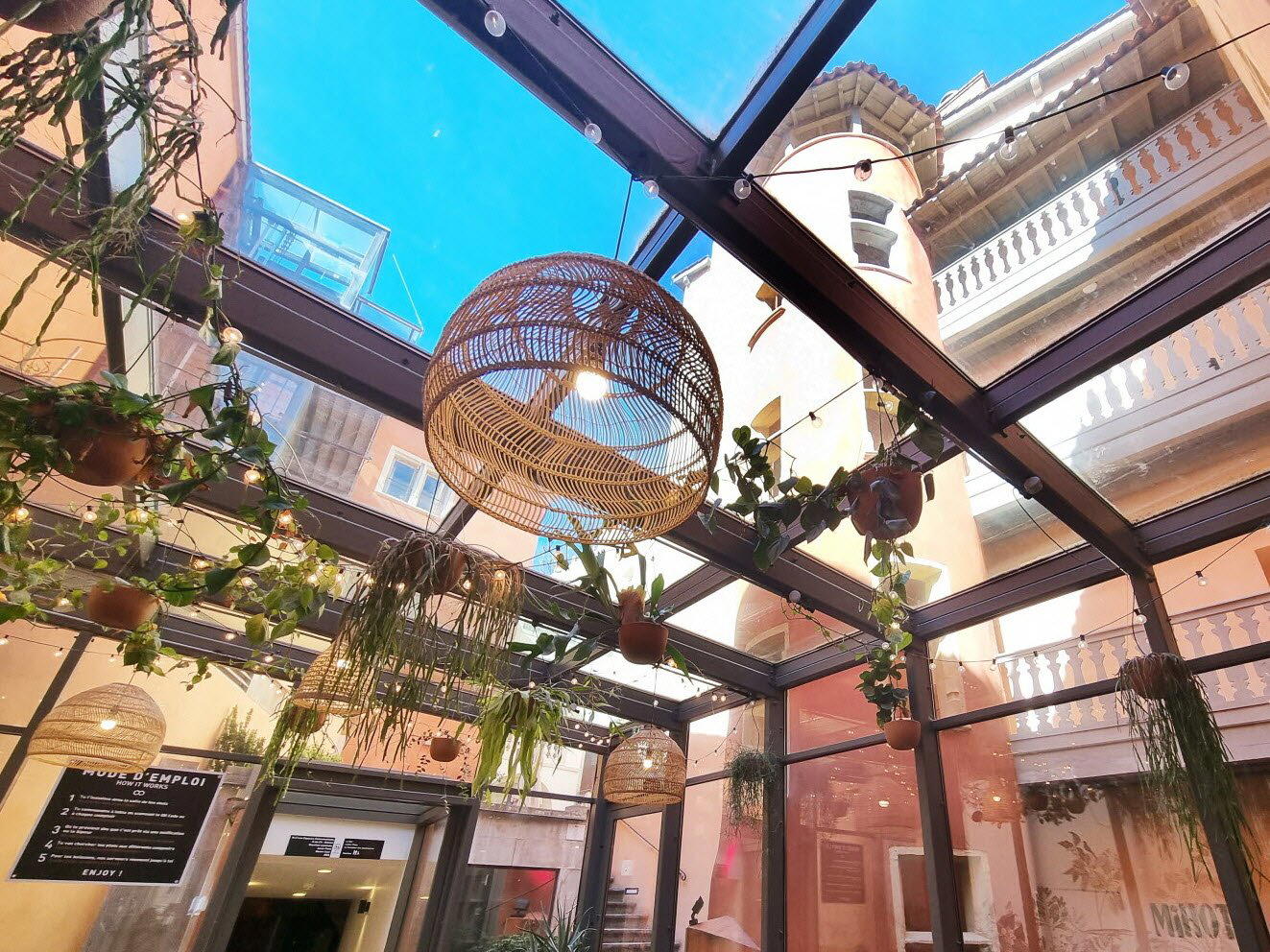
Stone Walls, Modern Palate: Dining in Vieux-Lyon's Renaissance Core
Rue du Bœuf is one of those streets that communicates its age before you've read a word about it. The traboules cut through surrounding buildings, the façades press close, and the ochre stonework of the 5th arrondissement carries the particular density of a city that never had to rebuild its medieval centre from scratch. La Tour Rose sits within this fabric at number 22, and the address itself is the first argument for the meal: few dining rooms in France offer a physical setting with this concentration of architectural history as backdrop. In a city where the built environment and the table have long reinforced each other, that matters.
Lyon's position in French gastronomy is partly geographical, it sits at the confluence of the Rhône and Saône, within reach of Bresse poultry, Dombes game, Alpine dairy, and the Rhône Valley's produce corridors, and partly institutional. The city generated Paul Bocuse - L'Auberge du Pont de Collonges and the enduring tradition of the mères lyonnaises, the women who defined bourgeois Lyonnais cooking through the 20th century. La Mère Brazier carries that lineage most directly. What La Tour Rose adds to the city's dining conversation is a different register: a venue where the architectural container and the culinary ambition are in constant dialogue.
The Intersection of Imported Technique and Indigenous Larder
The editorial tension worth examining at La Tour Rose is one that runs through Lyon's better addresses more broadly: how does a kitchen reconcile classical French technique, often absorbed through Escoffier-era training hierarchies or post-Bocuse modernist lineages, with the specific, seasonal produce that makes Lyon's larder different from Paris's or Bordeaux's? The answer, at the restaurants doing this most seriously, is usually found in the sourcing discipline rather than the plating vocabulary.
Lyon's market infrastructure, anchored by the Marché de la Création and the covered Halles de Lyon Paul Bocuse, gives kitchens in the 5th arrondissement direct access to some of France's most scrutinised ingredient supply chains. Bresse AOC chicken, Charolais beef, Saint-Marcellin cheese from the Isère corridor, freshwater fish from the Dombes: these are not generic premium ingredients but regionally denominated products with traceable provenance. Kitchens that apply global technique, reduction-heavy saucing, precision temperature control, fermentation borrowed from Nordic or Japanese traditions, to this specific larder are doing something Lyon's culinary tradition has always rewarded: starting from the ingredient, not the concept.
This approach places La Tour Rose in a conversation with other Lyon addresses that use contemporary method to amplify classical product. Le Neuvième Art works at the creative end of that spectrum, using modernist technique with clear regional anchoring. Takao Takano brings Japanese precision to French-sourced ingredients, demonstrating how imported culinary languages can intensify rather than obscure local produce. Au 14 Février operates in similar cross-cultural territory. La Tour Rose, by contrast, draws its primary energy from the Renaissance setting and a more classical French formal register, but the underlying question of technique-meeting-terroir is the same.
How La Tour Rose Fits Lyon's Competitive Tier
Within Lyon's dining hierarchy, the addresses that hold serious critical weight tend to cluster around two poles: the historically rooted classical houses and the contemporary creative restaurants that have attracted Michelin attention in recent years. Burgundy by Matthieu sits in the modern cuisine bracket at a slightly more accessible price point. La Tour Rose occupies a position shaped more by its physical distinction and historical address than by a narrow award category.
Nationally, Lyon's fine dining operates in the shadow of the grandes maisons that define French restaurant culture at its most decorated: Troisgros - Le Bois sans Feuilles in Ouches, Auberge de l'Ill in Illhaeusern, Bras in Laguiole. What sets Lyon's inner-city dining apart from those rural or semi-rural addresses is density: you can move between three or four serious tables in an evening's walk across the Presqu'île and Vieux-Lyon. The quartier around Rue du Bœuf is concentrated enough that the choice of restaurant becomes a choice about which version of Lyon's culinary identity you want to engage with most closely. Internationally, kitchens aligning classical French product with global technique, the positioning that Mirazur in Menton or AM par Alexandre Mazzia in Marseille pursue at their own registers, suggest Lyon is part of a broader French conversation about what post-classical cooking actually means when the ingredient base is this strong.
Seasonal Timing and What It Changes
Vieux-Lyon rewards autumn and spring visits most clearly. In autumn, the Rhône Valley and Bresse supply corridors shift to game, mushroom, and truffle product, and kitchens across the arrondissement adjust accordingly. Lyon's truffle season, drawing primarily from the Périgord and Drôme, runs from late November through February, and the city's formal restaurants lean into it heavily. Spring brings the asparagus from the Loire and the Rhône tributaries, the first freshwater fish of the season, and a lightening of sauce registers that tracks the calendar rather than any single chef's preference. A visit calibrated to either of these transitional moments will show the local-ingredient logic at its most coherent.
The Vieux-Lyon quarter is walkable from the Fourvière funicular and connected to the Presqu'île by the riverside quais. Evening access is direct by taxi or rideshare from the Part-Dieu or Perrache stations. The area's restaurant density means booking ahead is standard practice for any address at this tier, regardless of season.
Alléno Paris au Pavillon Ledoyen, Assiette Champenoise in Reims, or Au Crocodile in Strasbourg for regional comparisons. International counterpoints, Le Bernardin and Atomix in New York City, and Flocons de Sel in Megève, offer a sense of how the local-technique-meets-global-method conversation plays out across very different dining cultures.
Comparable Venues
Comparable venues nearby, for context on price, style, and recognition.
| Venue | Cuisine | Price | Notes |
|---|---|---|---|
| La Tour RoseThis venue — the venue you are viewing | Classic French Fine Dining | $$$$ | |
| La Rotonde | Classical French Fine Dining | $$$$ | Quartier Saint-Exupéry |
| LE ROOFTOP TETEDOIE | Modern French Rooftop | $$$ | Quartier Colline des Funiculaires |
| Le Passage · Lyon | Classic Lyonnaise French | $$$$ | Quartier Bas des Pentes Presqu'île |
| Bouchon Comptoir Brunet | Traditional Lyonnaise Bouchon | $$$ | Quartier Bellecour Cordeliers |
| Piedra | Modern French Bistronomic with Global Influences | $$$ | Quartier Croix-Rousse Est et Rhône |
Continue exploring
More in Lyon
Restaurants in Lyon
Browse all →
Bars in Lyon
Browse all →
Hotels in Lyon
Browse all →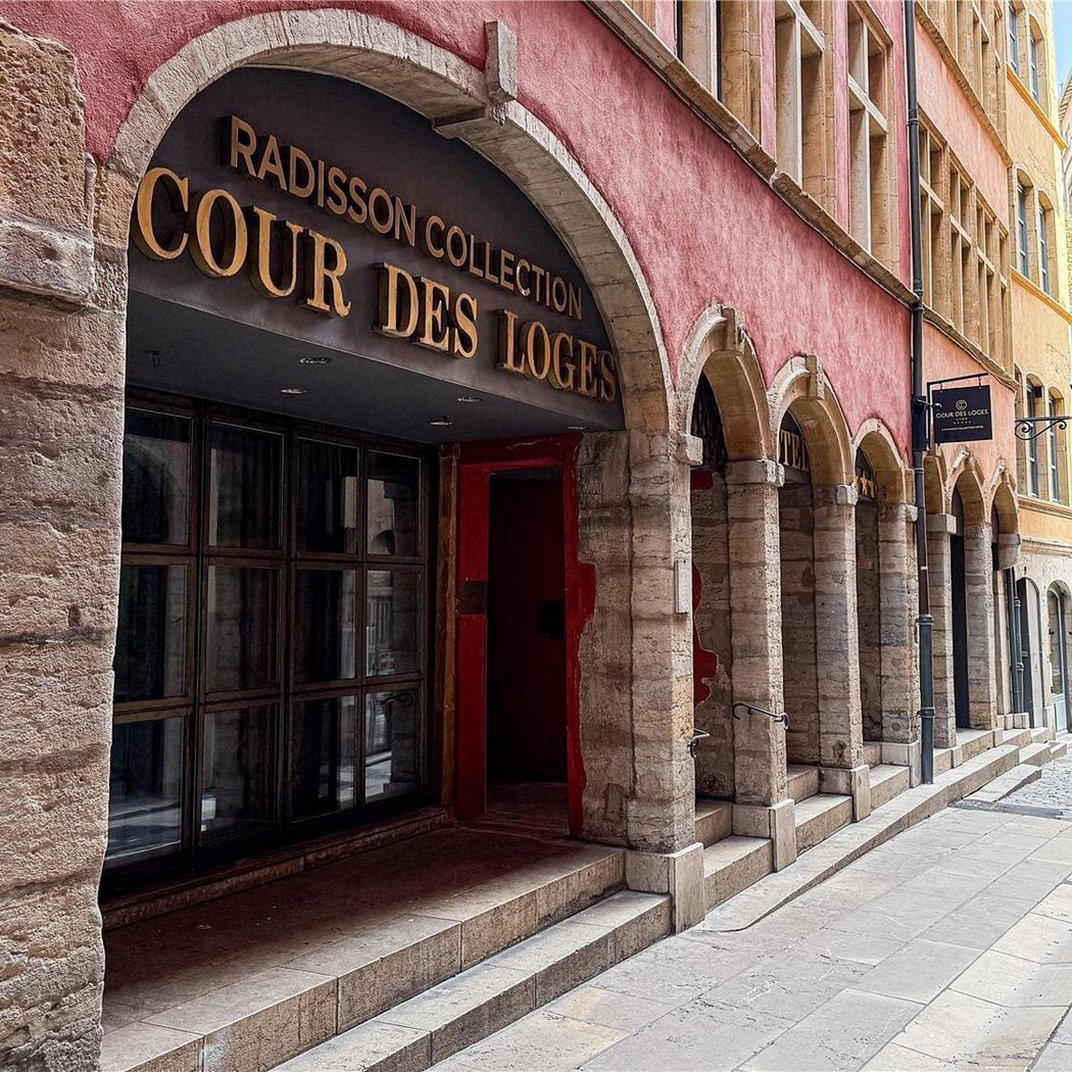
At a Glance
- Romantic
- Elegant
- Classic
- Sophisticated
- Iconic
- Date Night
- Special Occasion
- Celebration
- Historic Building
- Hotel Restaurant
- Terrace
- Extensive Wine List
- Street Scene
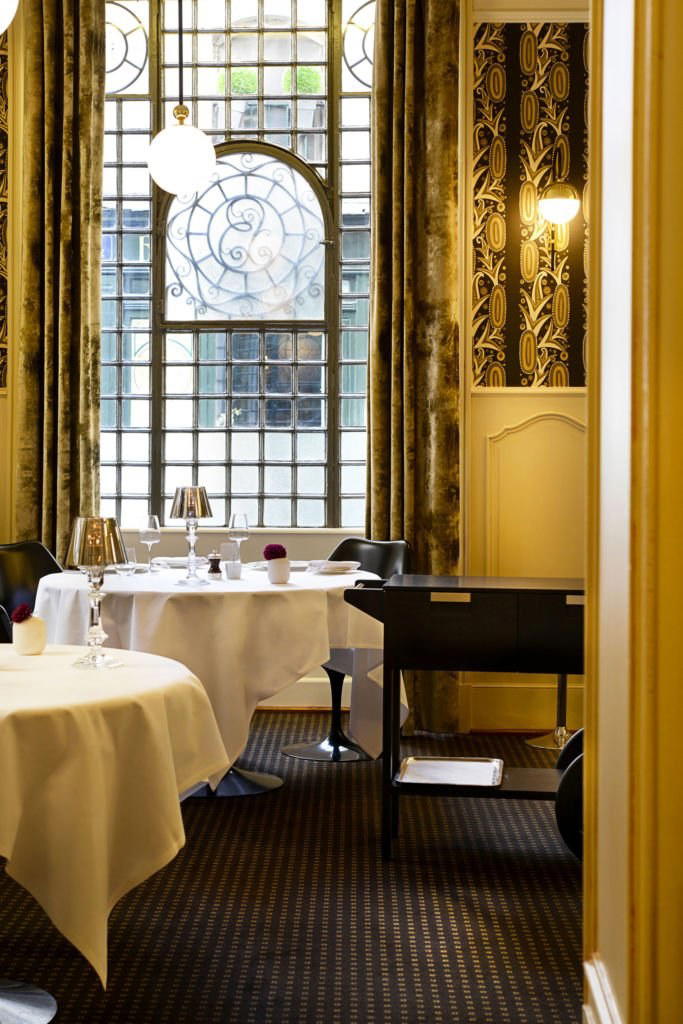
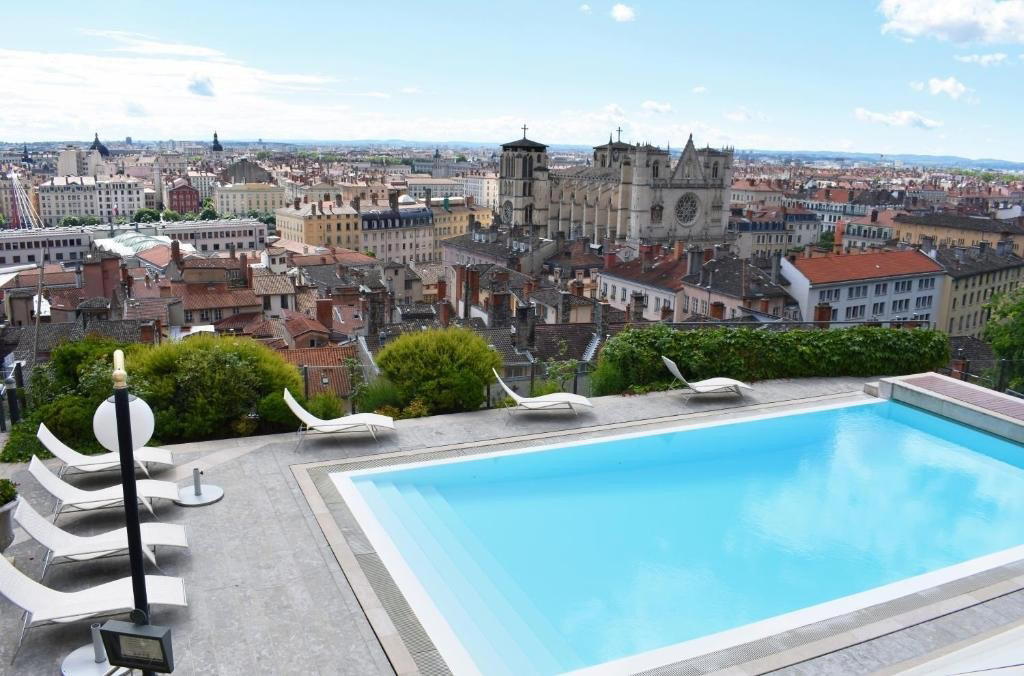
Magnificent historic setting blending ancient stone with warm lighting, creating an elegant and memorable atmosphere.