Google: 4.5 · 51 reviews
La Table du Valrose


La Table du Valrose holds two Michelin stars in the small Alpine village of Rougemont, placing it among a select tier of destination restaurants in the Swiss pre-Alps. Chef Benoît Carcenat's modern French kitchen draws on the produce and seasonal rhythms of the Pays-d'Enhaut, scoring 88.5 points on La Liste's 2025 ranking. At €€€€ pricing, this is a deliberate detour rather than a casual stop — plan accordingly.
 Discover on Pearl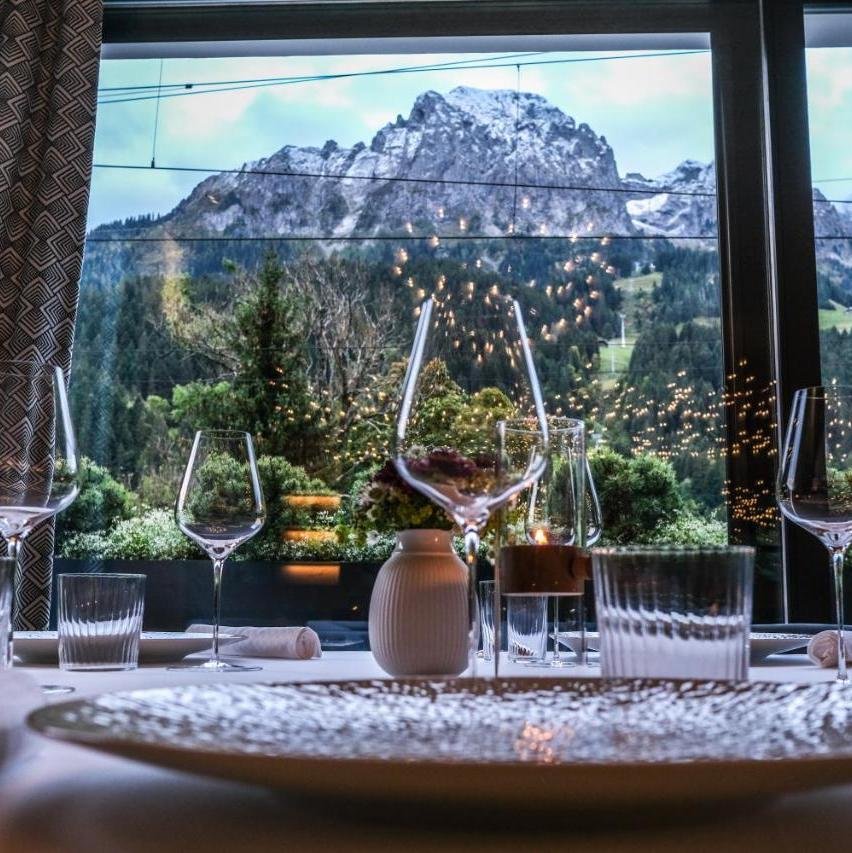
A Two-Star Table in the Swiss Pre-Alps
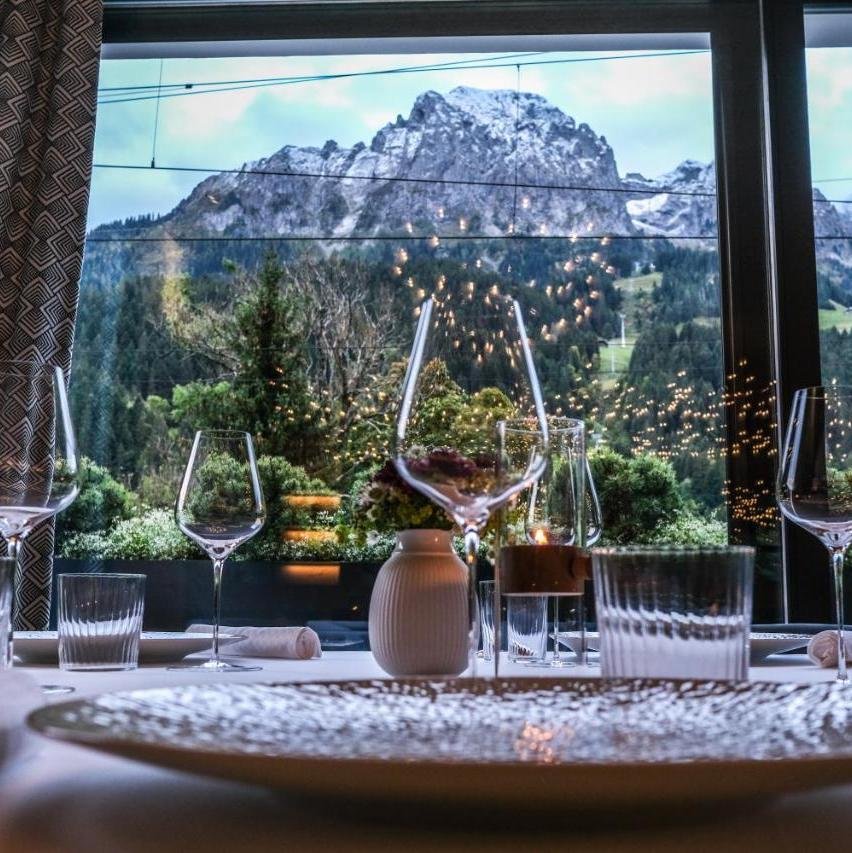
Rougemont sits at roughly 1,000 metres in the Pays-d'Enhaut, a valley region of the Vaud Alps where the architecture tilts toward carved timber chalets and the pace of village life moves to the rhythm of seasons rather than tourism calendars. The square beside the station — Place de la Gare 2 — is not where you expect to find a two-Michelin-star kitchen. That mild dissonance is precisely the point. Fine dining anchored to an Alpine village rather than a resort strip operates by different logic: the surrounding land is not scenery, it is context, and for a modern French table working at this level, that context informs what arrives on the plate.
La Table du Valrose has held two Michelin stars in both the 2024 and 2025 guides, a sustained recognition that confirms it is not an outlier result. On La Liste's 2025 ranking of the world's restaurants, it scores 88.5 points , a figure that places it comfortably within Switzerland's upper tier, alongside peers such as Schloss Schauenstein in Fürstenau, Memories in Bad Ragaz, and Cheval Blanc by Peter Knogl in Basel. What distinguishes the Rougemont address within that peer group is the degree to which its setting defines the proposition: this is not a city restaurant that happens to have a mountain backdrop, but a destination table whose reason for being here is inseparable from here.
The Pays-d'Enhaut as Larder
The editorial angle that Swiss mountain restaurants often claim , local terroir, seasonal produce, Alpine provenance , is easier to assert than to demonstrate at two-star level. In the Pays-d'Enhaut, the raw material case is credible. The valley has a documented pastoral tradition, with summer alpine pastures producing milk for L'Etivaz AOP, the hard mountain cheese made only from May to October when cattle graze above 1,000 metres. That kind of ingredient geography, where provenance is codified by altitude and calendar, gives a kitchen with serious technical ambition something to work against and toward.
Modern French cooking at two-star level in a setting like this tends to use classical French technique as a structural framework while allowing the ingredient sourcing to supply the regional identity. The tension between those two registers , rigour and rootedness , is what keeps the format interesting in the hands of a skilled kitchen. Chef Benoît Carcenat operates within that tradition, and the consistent Michelin recognition across two consecutive years suggests the balance is being maintained rather than eroded by repetition or formula.
Across the wider Alpine fine dining tier, the most coherent restaurants at this level treat seasonality not as a menu note but as a structural constraint: what grows, what runs, what the valley produces in a given month becomes the frame around which the menu is built. Spring in the pre-Alps means wild herbs and the last of the mountain dairy reserve from winter stores. Autumn pushes toward game, mushroom, and the deeper registers of root vegetables from higher farms. A kitchen at this price point with this level of institutional recognition should be working that calendar closely.
Where This Sits Among Swiss Destination Dining
Switzerland's two-star tier is competitive and geographically dispersed. The country runs a notably high ratio of Michelin-starred restaurants per capita compared to most of Europe, meaning a two-star result here carries genuine weight rather than reflecting scarcity alone. Within the Swiss mountain dining category specifically , restaurants where Alpine location is integral rather than incidental , La Table du Valrose competes with houses like 7132 Silver in Vals and Da Vittorio - St. Moritz in St. Moritz, though those operate within larger resort or architectural destination contexts. The Rougemont address is more self-contained: you are coming for the table, and the village frames rather than competes with it.
For modern French technique specifically, the reference group extends beyond Switzerland's borders. Tables like Sketch, The Lecture Room and Library in London and Schanz in Piesport represent the broader European cohort working within the modern French idiom , rigorous classical foundations adapted through local ingredient logic and contemporary plating discipline. La Table du Valrose sits inside that conversation at the Swiss Alpine end of the spectrum. Switzerland's own three-star benchmark, Hotel de Ville Crissier in Crissier, operates from a different register entirely , a long-established institution near Lausanne rather than a mountain destination , but it provides the ceiling against which two-star Alpine tables in the Vaud canton are inevitably measured.
Other significant Swiss addresses in the two-star tier, including Einstein Gourmet in Sankt Gallen and Colonnade in Lucerne, operate from urban or semi-urban bases where the restaurant's identity is shaped by city culture and a broader service economy. La Table du Valrose's village positioning means its booking base is disproportionately destination-driven: guests arriving from Geneva, Lausanne, or Bern are making a deliberate 70- to 90-minute commitment each way, which filters the room toward those who have already decided the meal is the event.
Rougemont's Dining Tier
Rougemont's broader restaurant scene spans a modest but coherent range. Le Café Valrose and Le Cerf anchor the accessible end at €€, covering traditional and regional Swiss cuisine respectively , the kind of honest, produce-driven cooking that is the working vocabulary of the valley. Le Roc sits a bracket higher at €€€ within the Swiss category. La Table du Valrose at €€€€ occupies a tier of its own in the village, and the gap between it and its local neighbours is substantial: not just in price but in format, ambition, and the type of guest each table is set up to serve.
That stratification is not unusual in Swiss Alpine villages that attract a prosperous seasonal visitor base. What is less common is sustaining two-star Michelin recognition in a location this small. It requires consistent sourcing discipline, kitchen stability, and a front-of-house operation capable of delivering at fine dining standards without the infrastructure of a resort hotel or urban restaurant group behind it. The 4.6 Google rating across 49 reviews is a limited sample at this level of operation, but the score holds, suggesting execution is consistent across different service periods and guest profiles.
Planning Your Visit
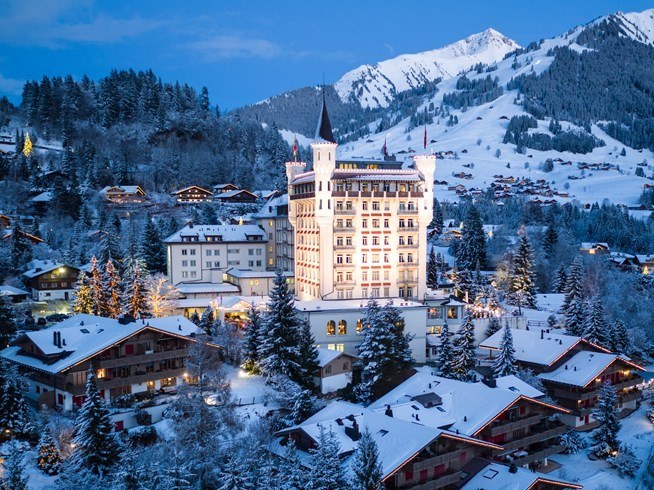
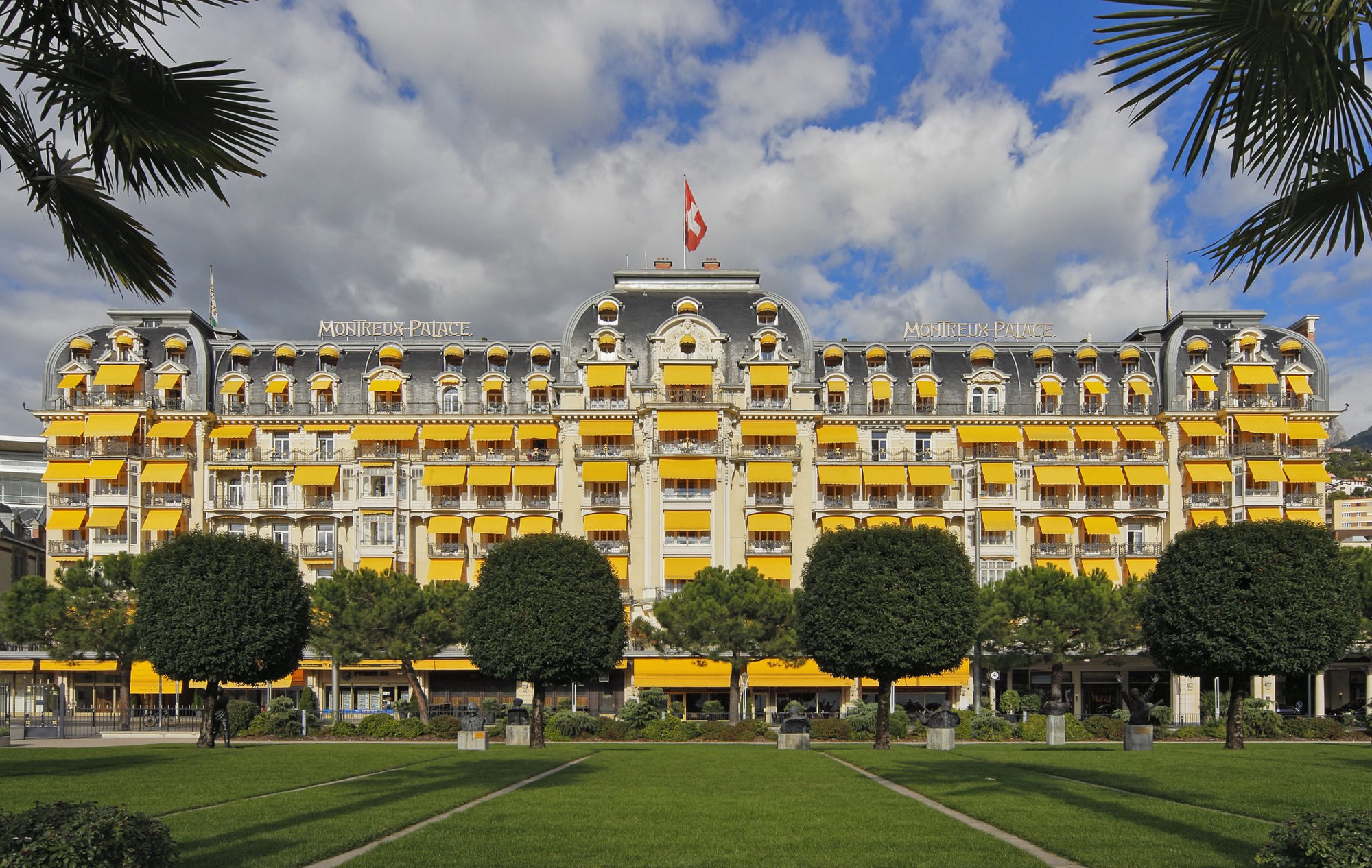
Rougemont is accessible by train from Montreux via the Montreux–Oberland–Bernois (MOB) railway , a scenic mountain route that terminates the journey on the right note for a destination dining occasion. The restaurant sits directly on the village square at Place de la Gare 2, which makes arrival direct whether by rail or road. Rougemont sits within the Château-d'Oex tourism area and shares a connection to the broader Gstaad resort region, meaning accommodation options extend to both modest village stays and higher-end properties in the valley; see our full Rougemont hotels guide for options matched to different budgets and travel styles.
At €€€€ pricing with consecutive Michelin two-star recognition, booking ahead is the baseline assumption. Phone and online booking details are leading confirmed via the restaurant directly, as operational specifics at this tier can shift between seasons. For a wider picture of where La Table du Valrose fits within local drinking, winery, and experience options, the Rougemont bars guide, wineries guide, and experiences guide provide context for building a fuller visit. The full Rougemont restaurants guide maps all dining options across the village's price tiers.
A Quick Peer Check
These are the closest comparables we have in our database for quick context.
| Venue | Cuisine | Price | Awards | Notes |
|---|---|---|---|---|
| La Table du Valrose | Modern French | €€€€ | Michelin 2 Stars | This venue |
| Le Café Valrose | Traditional Cuisine | €€ | Traditional Cuisine, €€ | |
| Le Cerf | Regional Cuisine | €€ | Regional Cuisine, €€ | |
| Le Roc | Swiss | €€€ | Swiss, €€€ |
Continue exploring
More in Rougemont
More from Chef Benoît Carcenat
Browse all →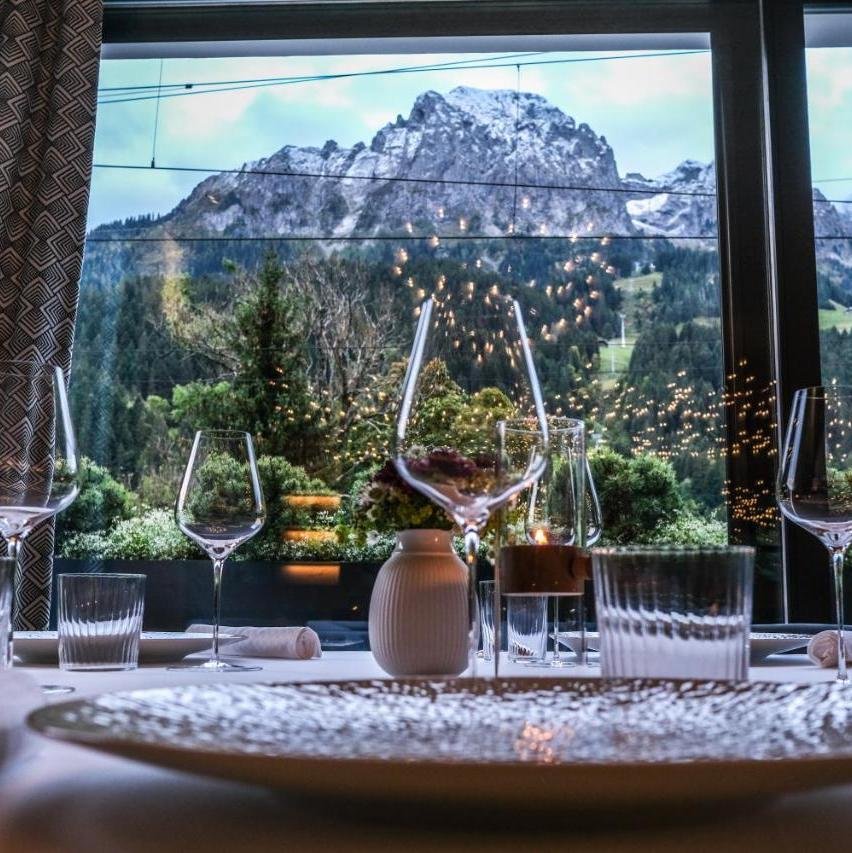
Restaurants in Rougemont
Browse all →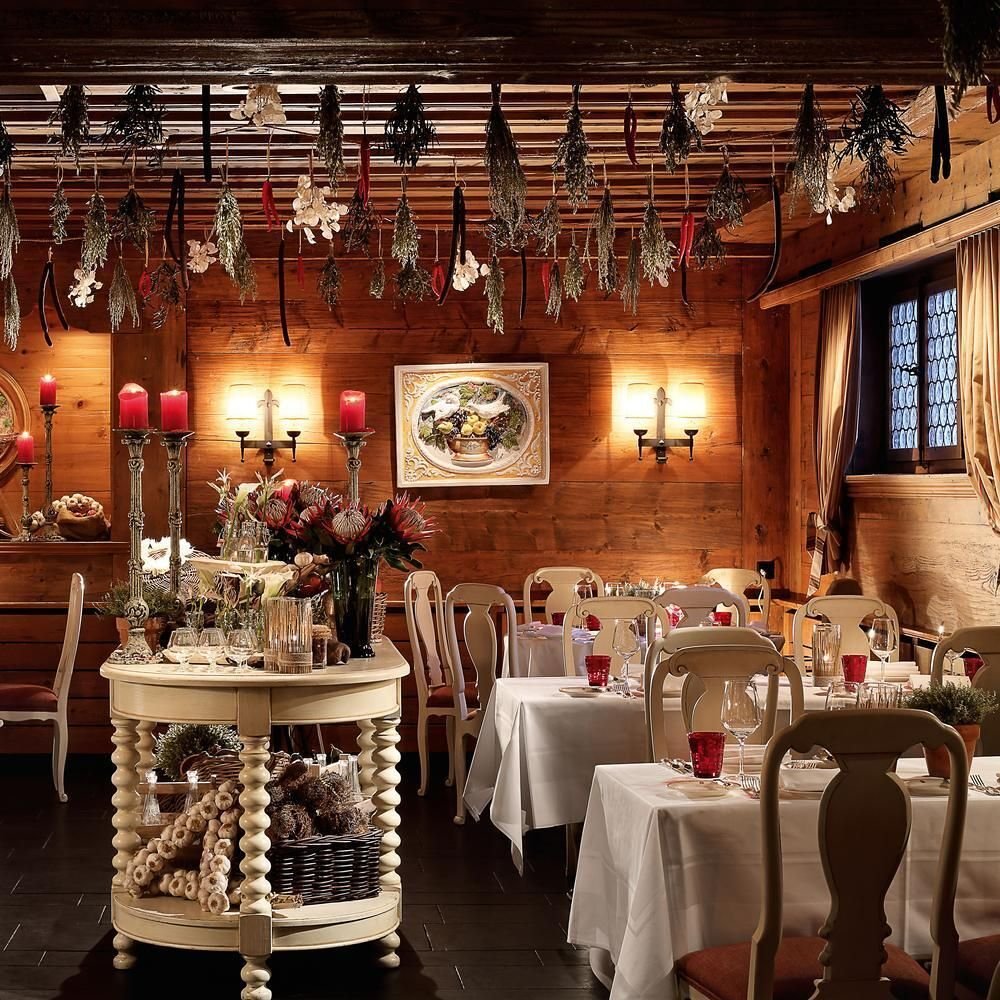
At a Glance
- Elegant
- Sophisticated
- Romantic
- Intimate
- Scenic
- Celebration
- Date Night
- Special Occasion
- Hotel Restaurant
- Terrace
- Extensive Wine List
- Sommelier Led
- Local Sourcing
- Mountain
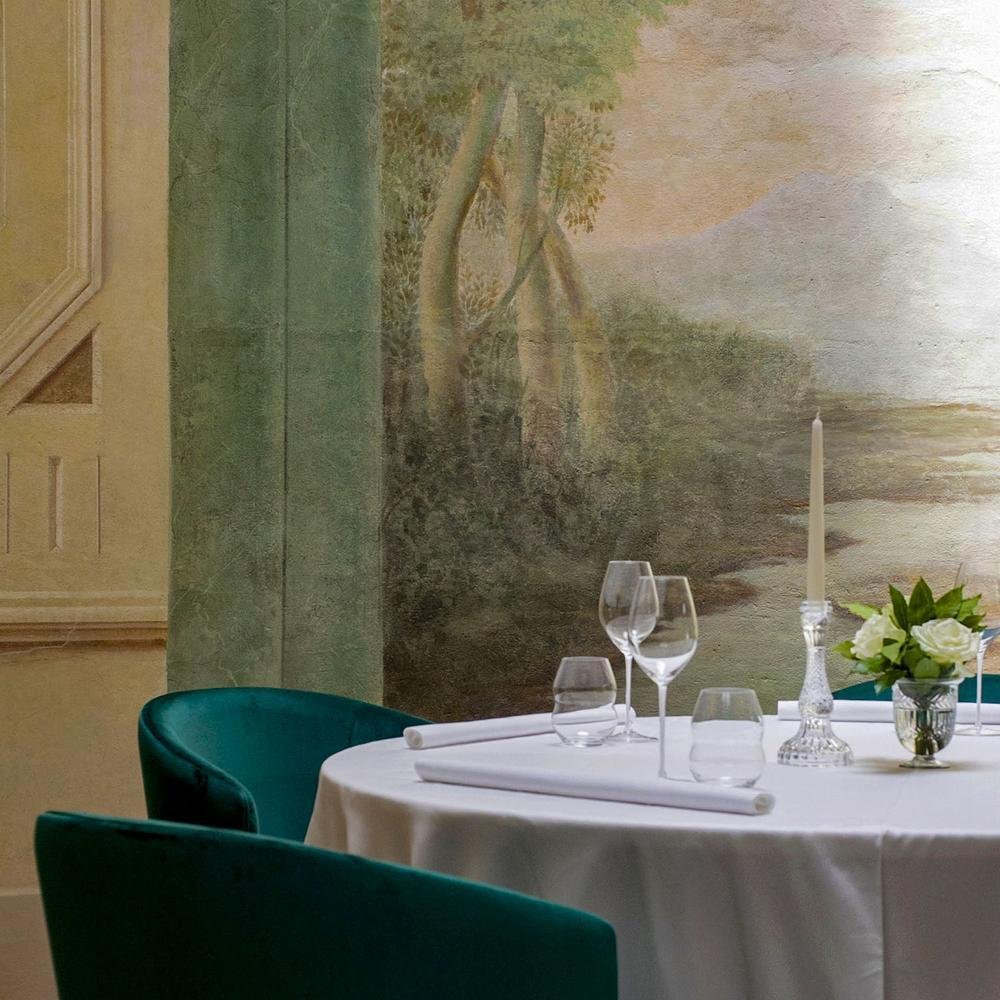
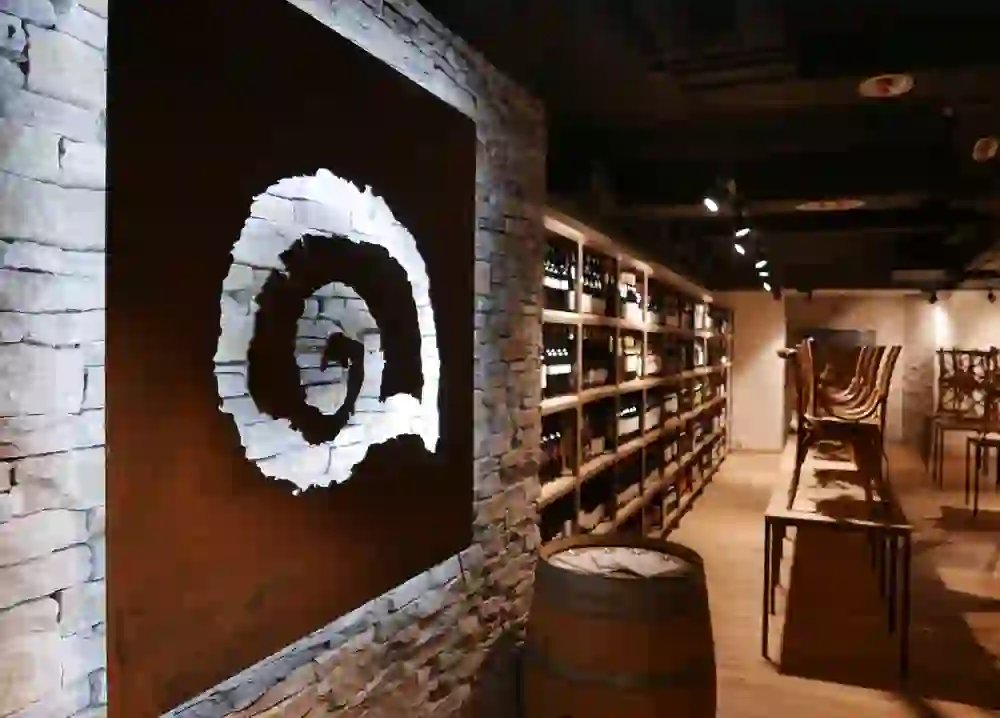
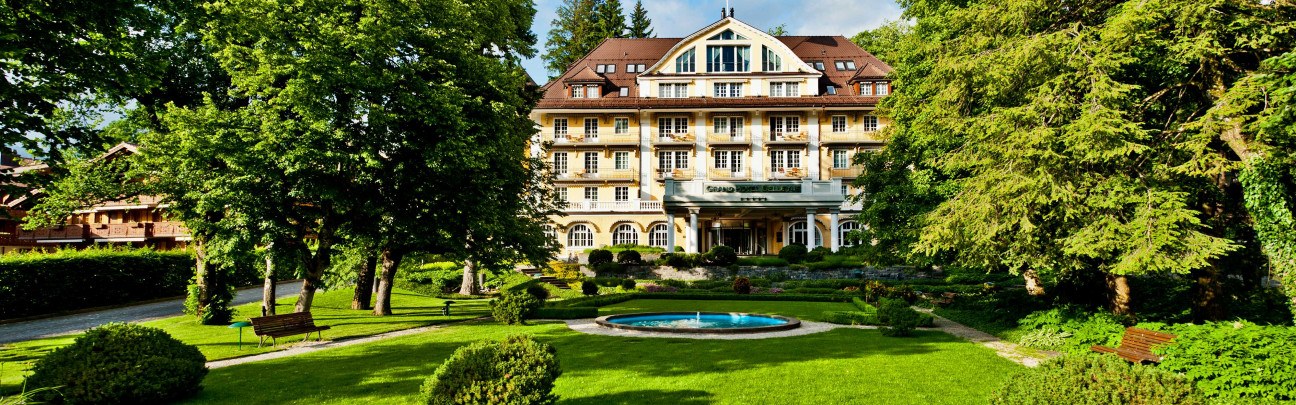
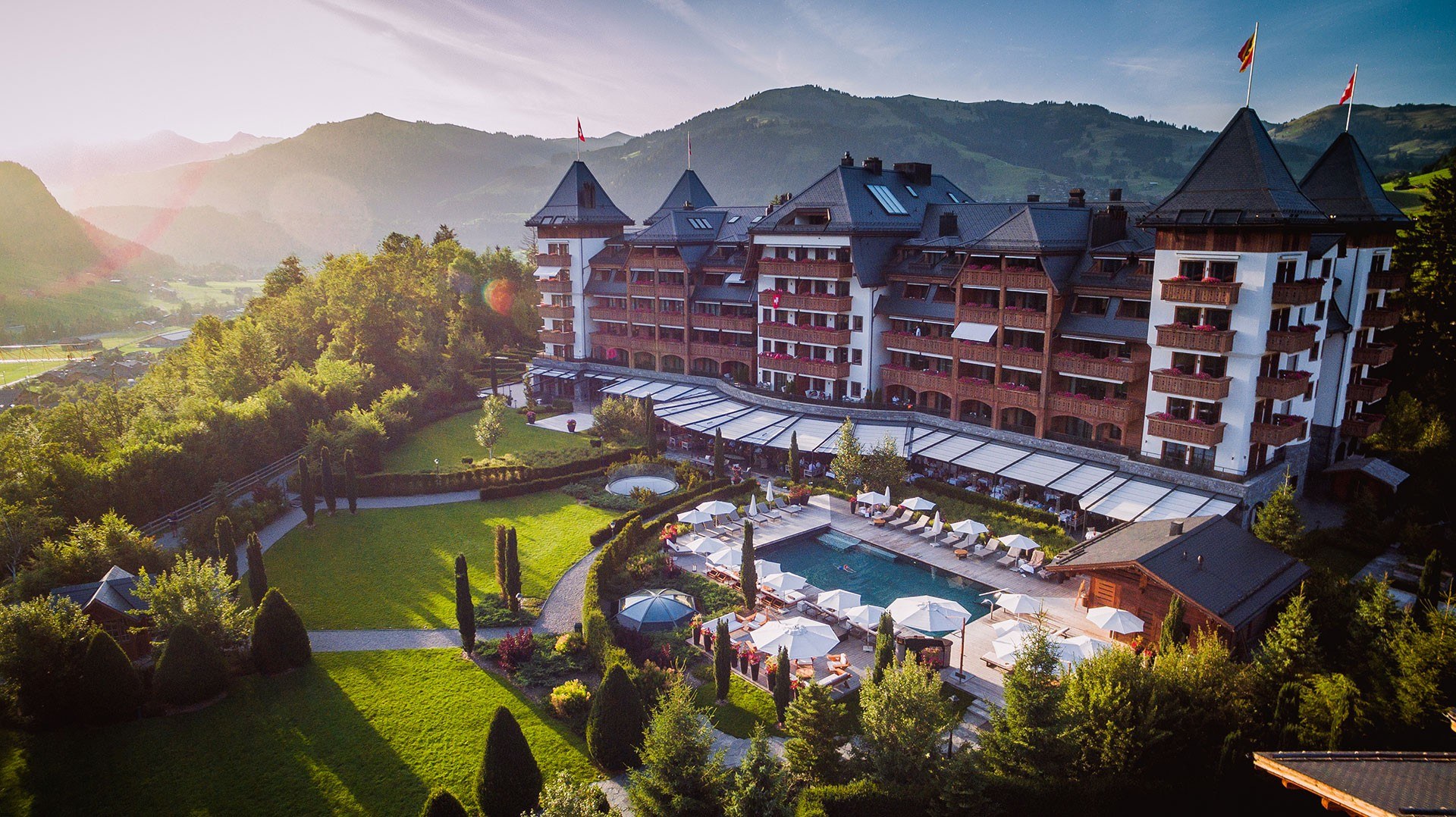
Chic decor blending Alpine wood with contemporary design, creating an elegant and refined atmosphere with impeccable service.