Google: 4.7 · 634 reviews






Two Michelin stars and a Les Grandes Tables du Monde listing place La Table de Maxime in the upper tier of Belgian fine dining, yet the setting is a village in the Ardennes rather than a city address. Chef Maxime Collard builds menus around hyperlocal produce, river fish, and garden-grown herbs, making the 90-minute drive from Brussels a deliberate act of seeking something out.
 Discover on Pearl
Ardennes Fine Dining and the Case for the Rural Table
Belgium's two-star restaurants cluster, predictably, around Bruges, Ghent, Antwerp, and Brussels. The Ardennes is a different proposition: deep forest, river valleys, and a food tradition built on game, trout, and foraged ingredients rather than port-city ambition. La Table de Maxime, located in the hamlet of Our in the Gaume region near Paliseul, belongs to a small cohort of destination restaurants that have made rural provenance a deliberate competitive position rather than a circumstantial one. Alongside comparators like L'Eau Vive in Arbre and d'Eugénie à Emilie in Baudour, it represents a strand of Belgian fine dining where the address is inseparable from what arrives on the plate.
That positioning has earned consistent recognition. Michelin awarded two stars in both 2024 and 2025, La Liste places the restaurant at 77 points in its 2026 ranking (up from 90.5 in 2025 under its adjusted scoring methodology), Opinionated About Dining ranks it at #385 in its Classical in Europe list for 2025, and a Les Grandes Tables du Monde membership in 2025 places it within an international peer set that includes some of France's most established houses. For a restaurant operating from a Wallonian village, that accumulation of external validation is a meaningful signal about where it sits in the broader Belgian dining hierarchy.
From the Garden to the River: Ingredient Logic in the Ardennes
The editorial argument for the terroir-led restaurant rests on whether the sourcing is genuinely structural or merely decorative. At La Table de Maxime, the evidence points toward the former. The kitchen maintains its own herb and spice garden, which functions not as a marketing prop but as a direct supply line: those herbs appear in the dishes as specific technical elements rather than garnishes. The Ardennes offers a particularly productive sourcing environment. The Our and Semois rivers provide trout; local farms and woodland edges supply the kind of hyper-seasonal produce that shifts week by week in a way that a city restaurant sourcing from central markets cannot replicate at the same granularity.
Published dish descriptions from Michelin's own documentation give a clear picture of how this ingredient logic translates to the plate. Trout from local rivers appears with cucumber gazpacho, smoked trout rillettes, radishes, and chervil oil. Royal langoustine is paired with artichoke, green asparagus, fir bud oil, and a combava lemon consommé. Turbot arrives with Ardennes ham, artichoke barigoule, bear garlic gnocchi, and marsh beans. Each construction pairs a prestige protein with deeply local supporting elements, the fir bud oil and the bear garlic in particular being ingredients that only make sense if you are sourcing within a forest ecosystem. This is not French technique applied to generic produce; it is French technique applied to a specific landscape, which is a different discipline entirely.
The vegetable emphasis is also worth noting in the context of where Belgian fine dining has been moving. Across the country's €€€€-tier restaurants, including houses like Boury in Roeselare and Hof van Cleve in Kruishoutem, there has been a visible shift toward vegetable-forward construction even within protein-anchored menus. La Table de Maxime sits inside that shift, with Michelin specifically noting Maxime Collard's focus on local produce and vegetables as a defining characteristic rather than a secondary one.
The Village Setting and What It Asks of the Diner
Arriving at a two-star restaurant in Our is not the same experience as arriving at Zilte in Antwerp or a city-centre address. The Ardennes landscape defines the approach: forested road, river proximity, a village scale that makes the restaurant feel embedded in its environment rather than positioned against an urban backdrop. That physical context is part of what the kitchen is cooking toward, and diners who treat the journey as incidental are missing something the format is designed to deliver.
The operating schedule reflects the kitchen's scale and ambition. Dinner service runs Thursday through Saturday from 7 to 8 pm, with a Sunday dinner session added. Lunch operates Thursday, Friday, and Sunday, with a noon to 1:30 pm service window. Monday and Tuesday are closed. These are tight booking windows by any standard, and the restaurant's recognition across multiple ranking systems means demand comfortably exceeds supply. Anyone planning a visit should treat reservation timing as the first logistical step, not an afterthought. The nearest accommodation is worth securing simultaneously; Our village offers limited options, and the broader Paliseul area has rural guesthouses and small hotels that suit the destination-dining format. For an overview of where to stay in the area, see our full Our hotels guide.
For those building a longer stay around the Ardennes dining scene, the restaurant's own brasserie offshoot, Les Terrasses de l'Our, offers a more accessible format a short walk away, serving what Michelin describes as a contemporary take on brasserie cuisine. This makes it a practical lunch or second-evening option for multi-night visitors without requiring a return to the city.
La Table de Maxime in the Belgian Two-Star Context
Belgium punches above its weight in the Michelin guide relative to its size, and the two-star tier is genuinely competitive. Houses like Willem Hiele in Oudenburg and Bartholomeus in Heist have built their identities around coastal and regional sourcing in ways that parallel what La Table de Maxime does in the Ardennes. The distinction is one of ecosystem: coastal Belgium draws from the North Sea and Flemish farmland; the Ardennes draws from rivers, forests, and a quieter agricultural tradition. Both models produce kitchens where the sourcing story is structural, but the flavour profiles diverge sharply.
Against the French two-star comparators that La Liste and Les Grandes Tables du Monde implicitly reference, houses like Le Cinq at the Four Seasons George V in Paris or Guy Savoy, the positioning is entirely different. Those are city palaces where luxury service and classical French architecture are as much the product as the food. La Table de Maxime operates in the opposite register: the environment is rural, the format is spare, and the argument the restaurant makes is that the Ardennes itself is the luxury, not the room or the service theatre around it. The Star Wine List White Star recognition, awarded in October 2023, adds a wine program dimension that aligns with the broader expectations of that peer group.
For readers building a broader picture of Belgian fine dining, the Our restaurants guide, the Our bars guide, and the Our experiences guide provide wider context for the area. For the Wallonia region's dining scene at large, consider also La Durée in Izegem and Ralf Berendsen in Neerharen as part of a broader Belgian itinerary, alongside Bozar Restaurant in Brussels for a capital-city counterpoint. The Our wineries guide rounds out the regional picture for those interested in wine alongside the dining.
Planning the Visit
La Table de Maxime is at Our 23, 6852 Paliseul, Belgium. The price tier is €€€€, consistent with the Belgian two-star bracket. Booking well in advance is advisable given the limited weekly service windows and the volume of demand the restaurant's awards profile generates. There is no published website in the current record, so the most reliable route to reservation information is direct contact or checking current availability through updated sources. Dinner sittings run 7 to 8 pm on Thursday through Saturday and Sunday; lunch is available Thursday, Friday, and Sunday from noon to 1:30 pm. Given the Ardennes location and the compressed service windows, building an overnight stay around the reservation is the practical approach rather than a day trip from Brussels or Luxembourg.
Side-by-Side Snapshot
A fast peer set for context, pulled from similar venues in our database.
| Venue | Cuisine | Price | Awards | Notes |
|---|---|---|---|---|
| La Table de Maxime | French, Modern Cuisine | €€€€ | Michelin 2 Stars, Les Grandes Tables Du Monde Award (2025) | This venue |
| Boury | Modern Frlemish, Creative French | €€€€ | Michelin 3 Star | Modern Frlemish, Creative French, €€€€ |
| Comme chez Soi | French - Belgian, Classic Cuisine | €€€€ | Michelin 1 Star | French - Belgian, Classic Cuisine, €€€€ |
| Hertog Jan at Botanic | Modern Flemish, Creative | €€€€ | Michelin 2 Star | Modern Flemish, Creative, €€€€ |
| L'Eau Vive | French, Modern French | €€€€ | Michelin 2 Star | French, Modern French, €€€€ |
| La Durée | French-Belgian, Creative | €€€€ | Michelin 2 Star | French-Belgian, Creative, €€€€ |
Continue exploring
More in Our
Restaurants in Our
Browse all →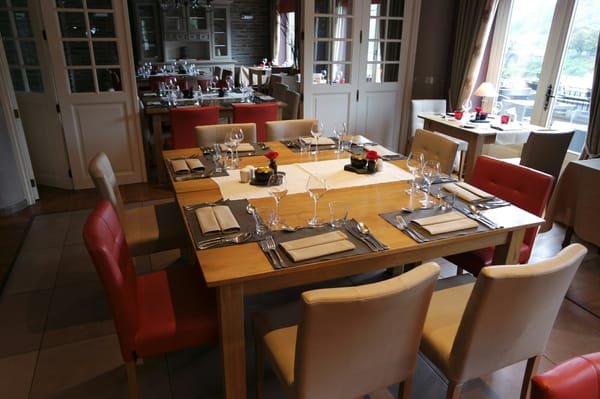


At a Glance
- Romantic
- Elegant
- Cozy
- Sophisticated
- Intimate
- Date Night
- Special Occasion
- Standalone
- Extensive Wine List
- Sommelier Led
- Local Sourcing
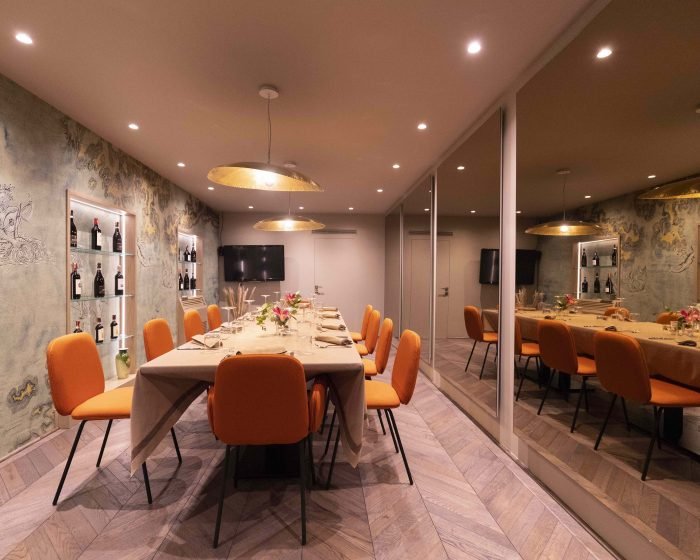
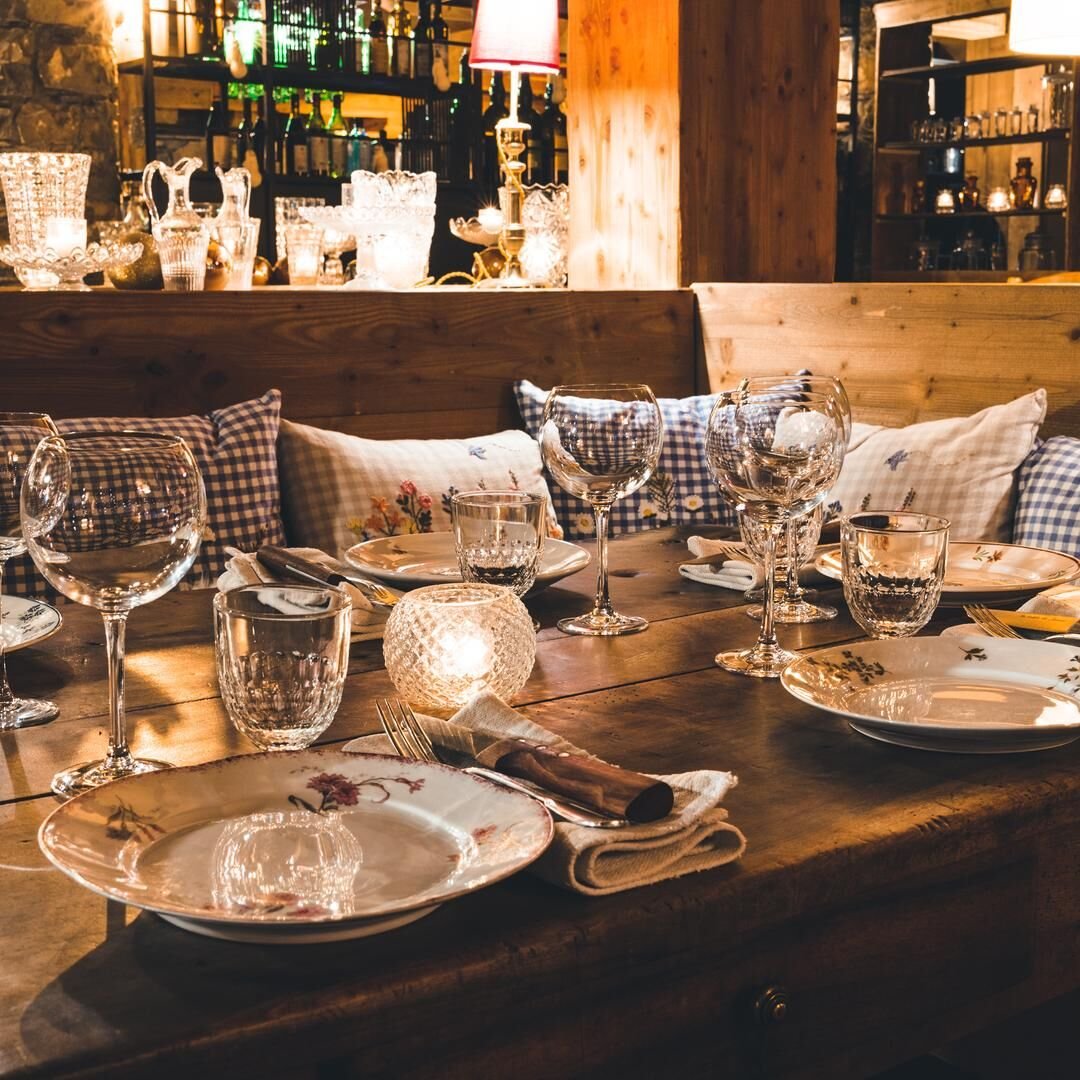
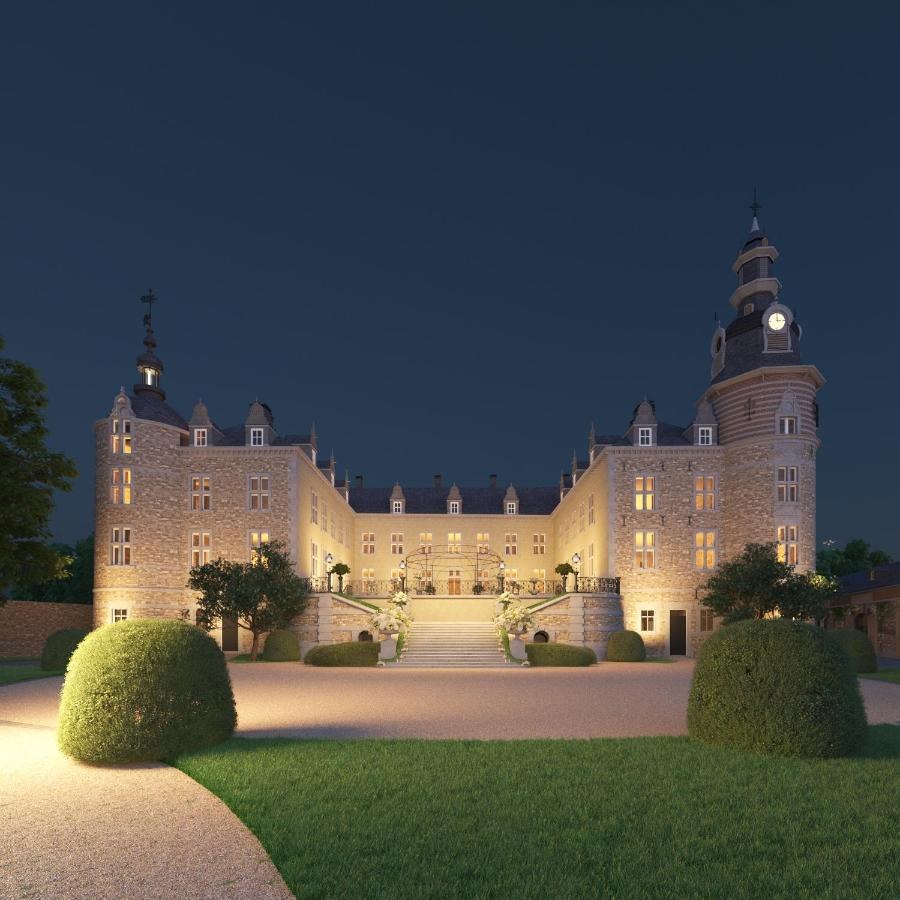
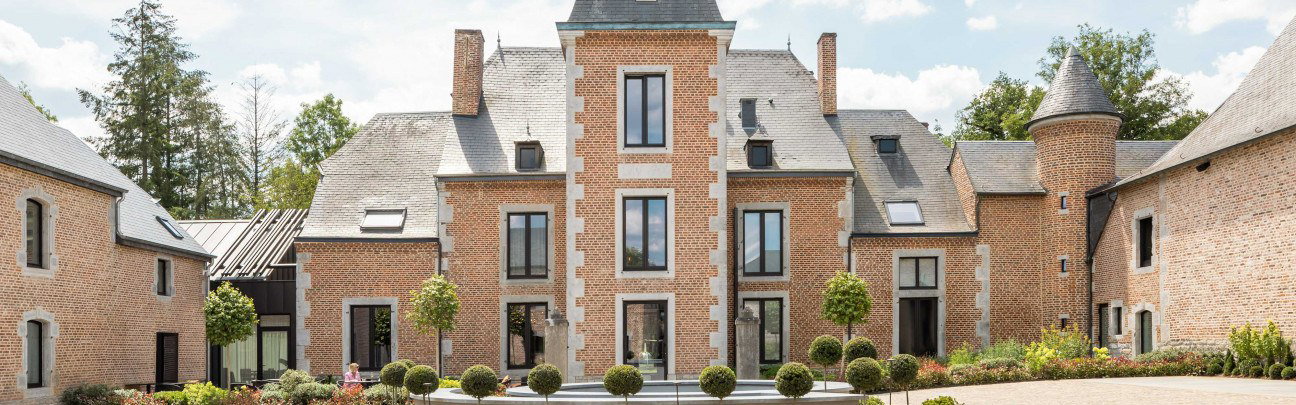
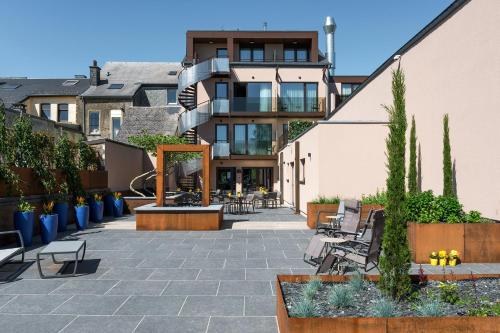
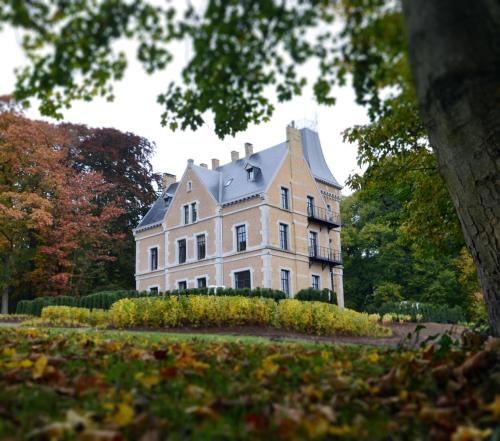
Cozy, romantic, and quiet atmosphere in a renovated manor with modern interior, large bay windows overlooking countryside, and stylish design blending classic and contemporary elements.