La Table de l'Annapurna

La Table de l'Annapurna carries the regional cooking traditions of Savoie and the French Alps into Courchevel 1850's palace hotel tier, with a menu anchored by classical French technique and sourcing credentials that include a Meilleur Ouvrier de France cheesemaker. Tableside carving, flambées, and a sun-exposed terrace position it as the resort's most committed argument for why traditional gastronomy still matters at altitude.
Pearl is the En Primeur Club membership app — saves, bookings, and concierge access live there. Same editors, same standards.
- Address
- Annapurna, 734 route de l'Altiport, Courchevel 1850
- Phone
- +33 4 79 08 04 60
- Website
- annapurna-courchevel.com
- Directions
- Get directions
 Saves & bookings on Pearl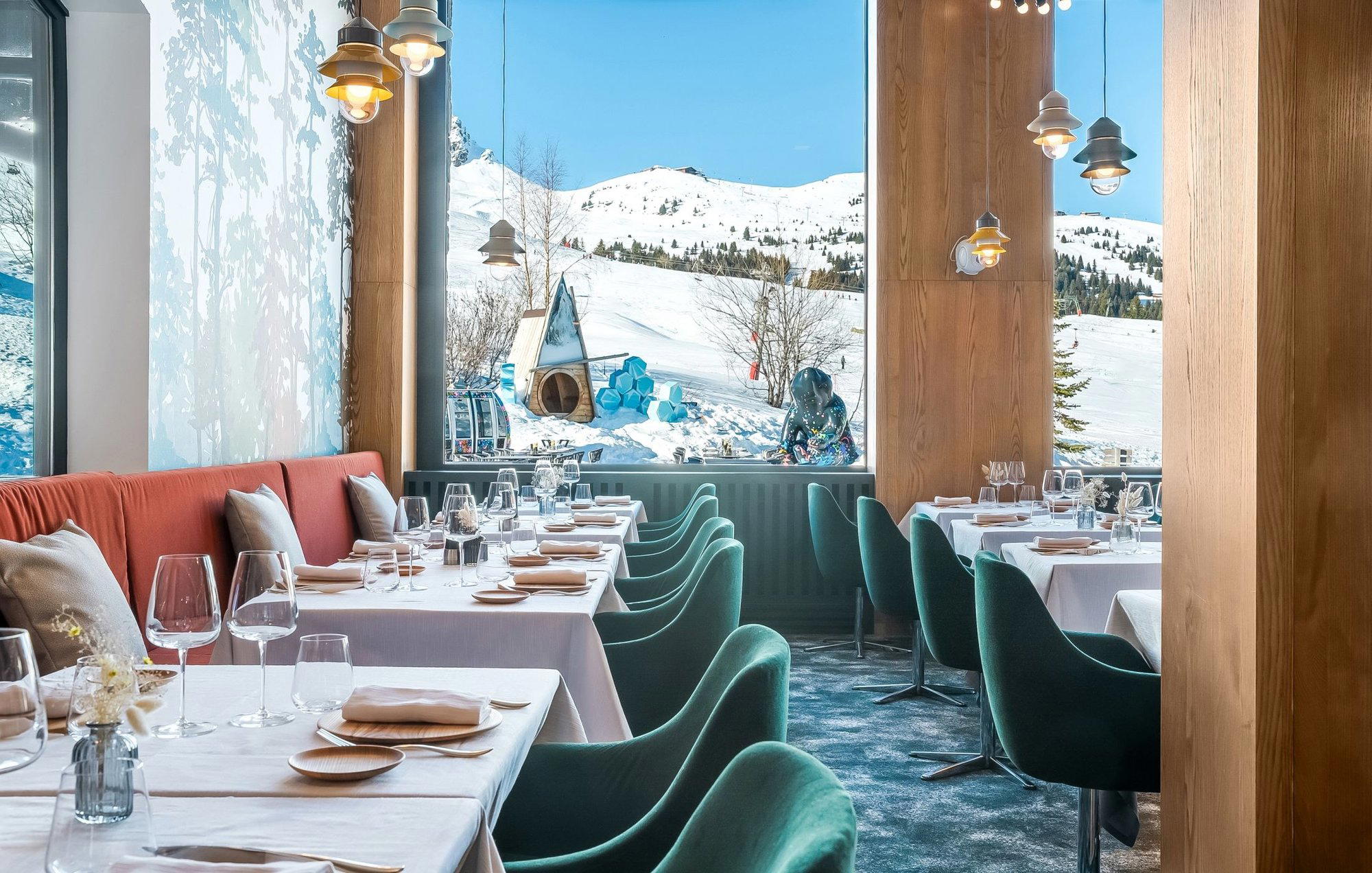
The Case for Classical French Cooking at 1850 Metres
Courchevel 1850 has spent the last decade accumulating creative and contemporary fine dining at a pace that few Alpine resorts can match. Le 1947 à Cheval Blanc, Baumanière 1850, and Le Sarkara have drawn the critical attention, and Sylvestre Wahid at Les Grandes Alpes has pushed the resort further into the creative fine dining bracket. Against that context, La Table de l'Annapurna occupies a different position: a formal dining room inside the Annapurna palace hotel that treats regional gastronomy as the subject rather than the starting point for reinvention. Eggs in red wine sauce, frogs' legs with garlic and parsley, veal chop Milanese, Norwegian omelette, Chartreuse soufflé. These are not dishes assembled to signal ambition; they are dishes assembled to defend a tradition.
Walking into a Room That Knows What It Is
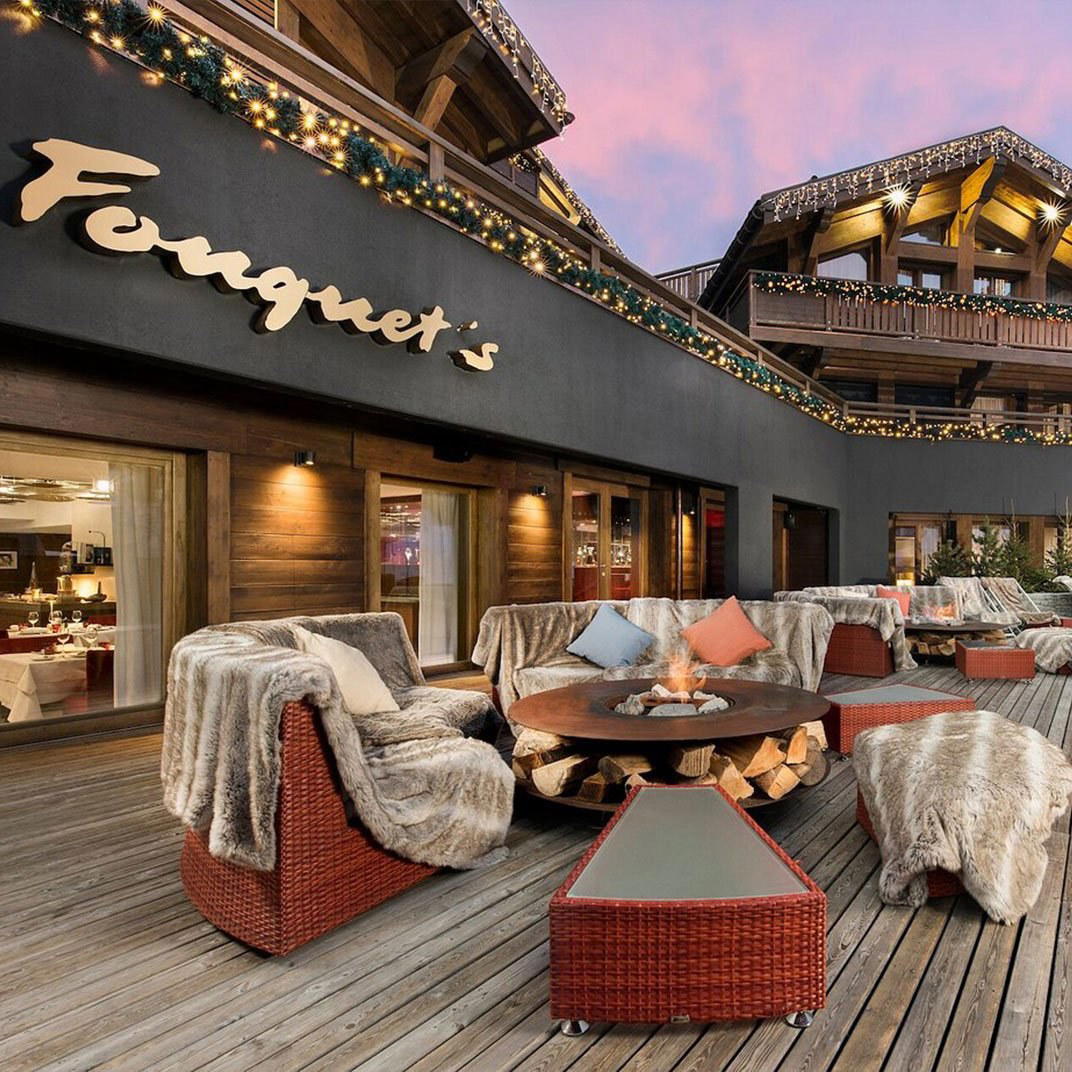
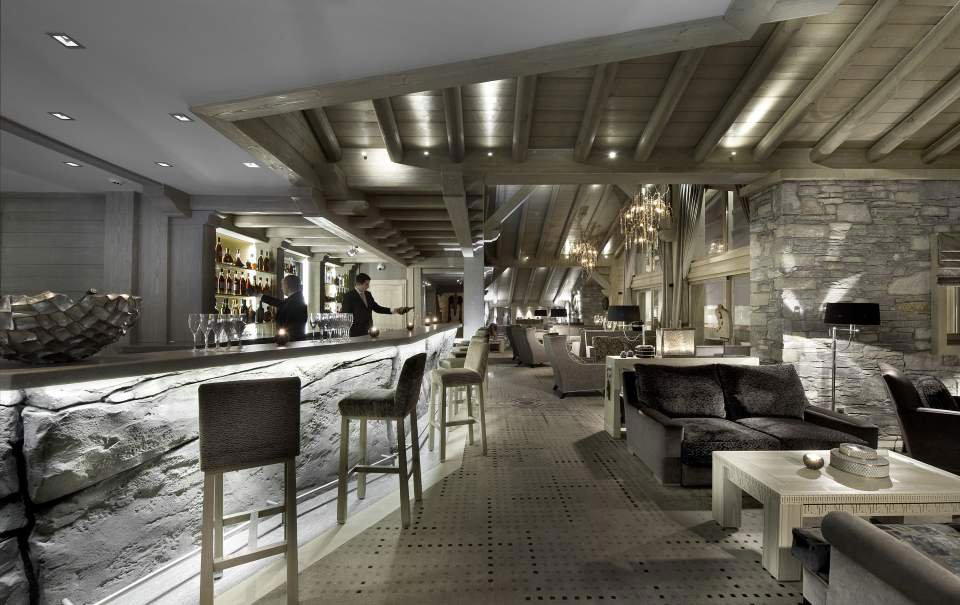
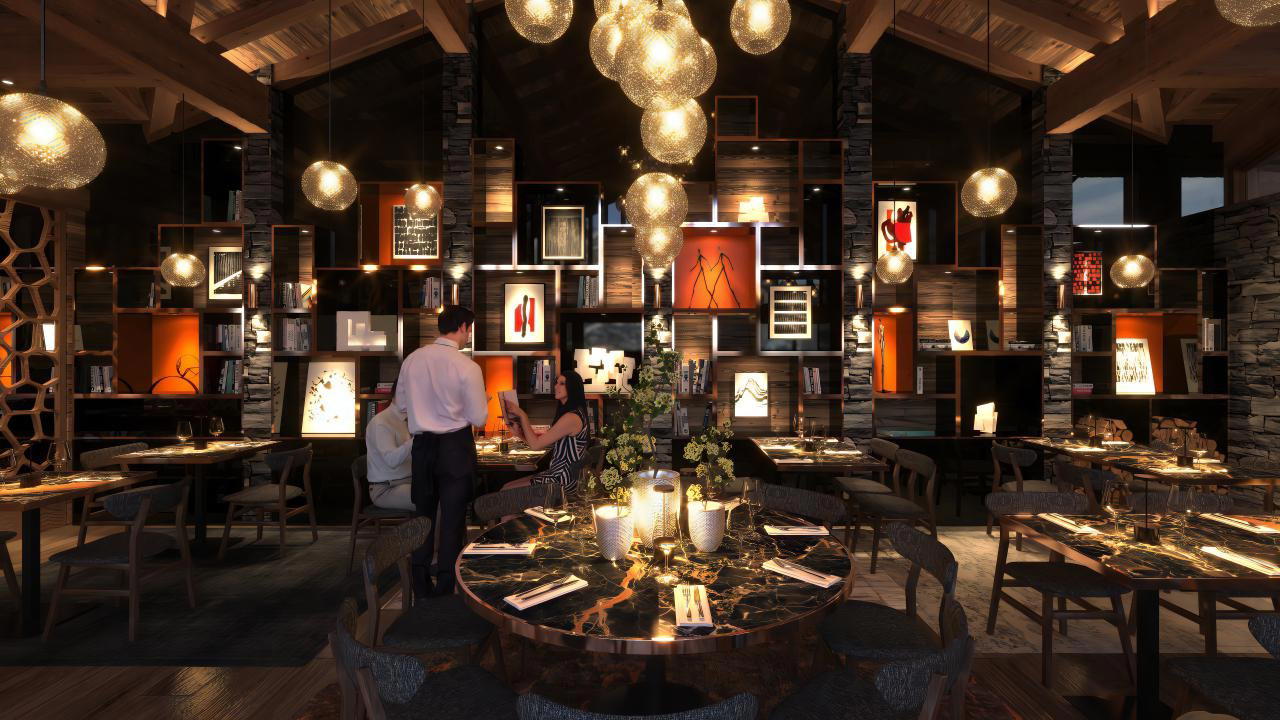
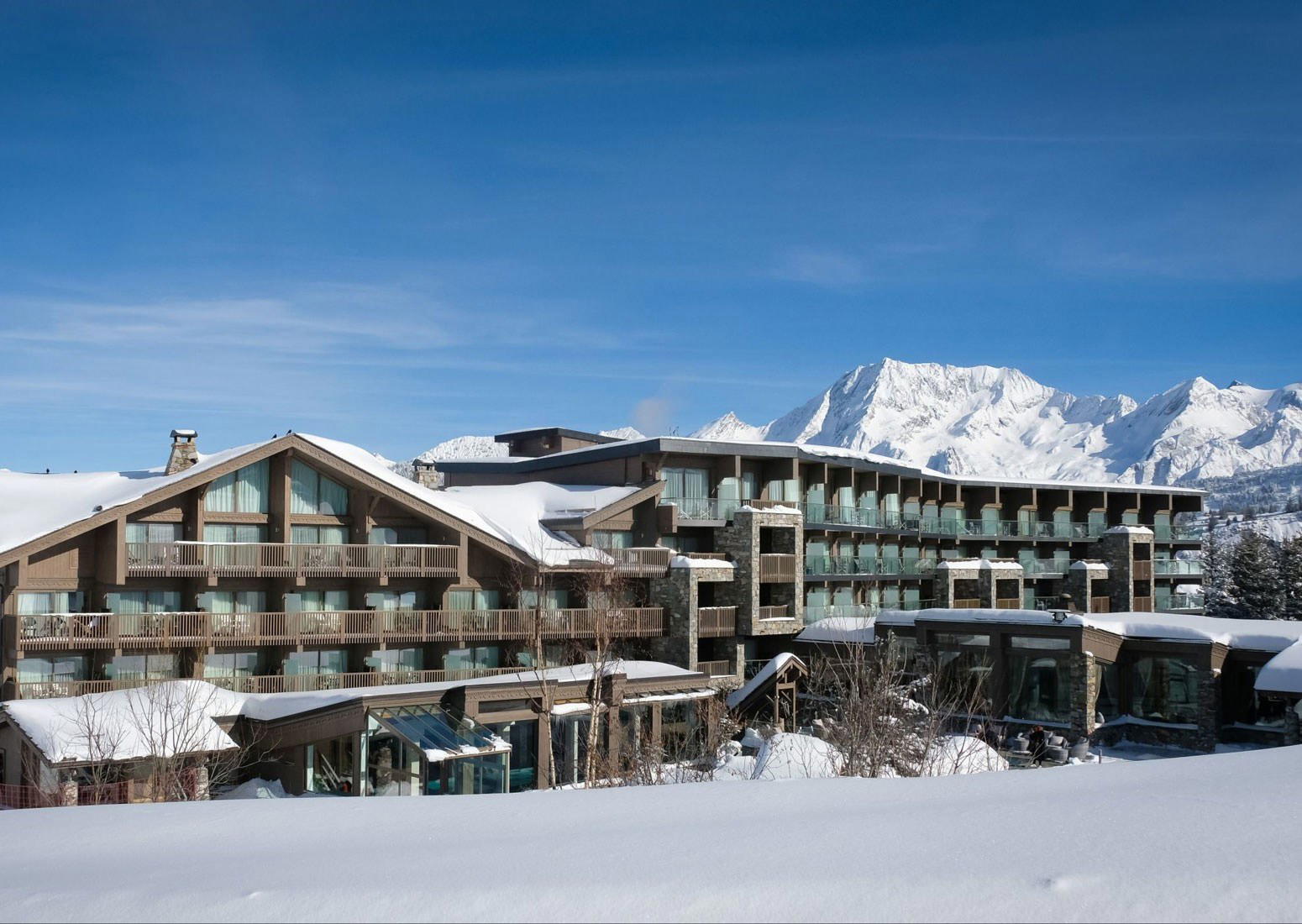
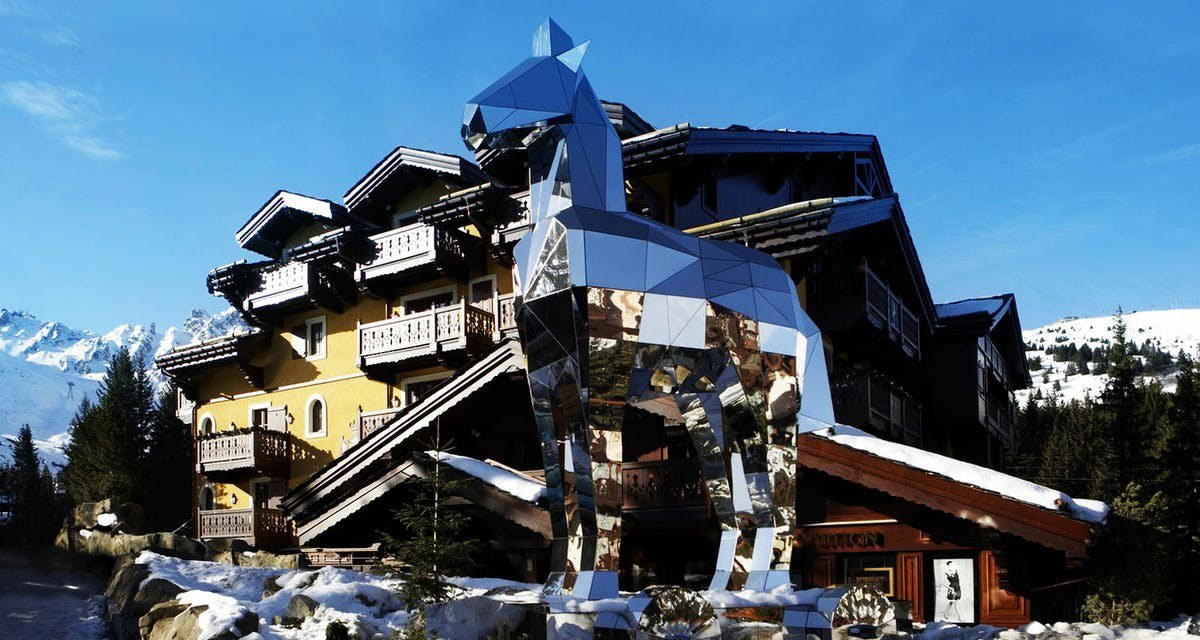
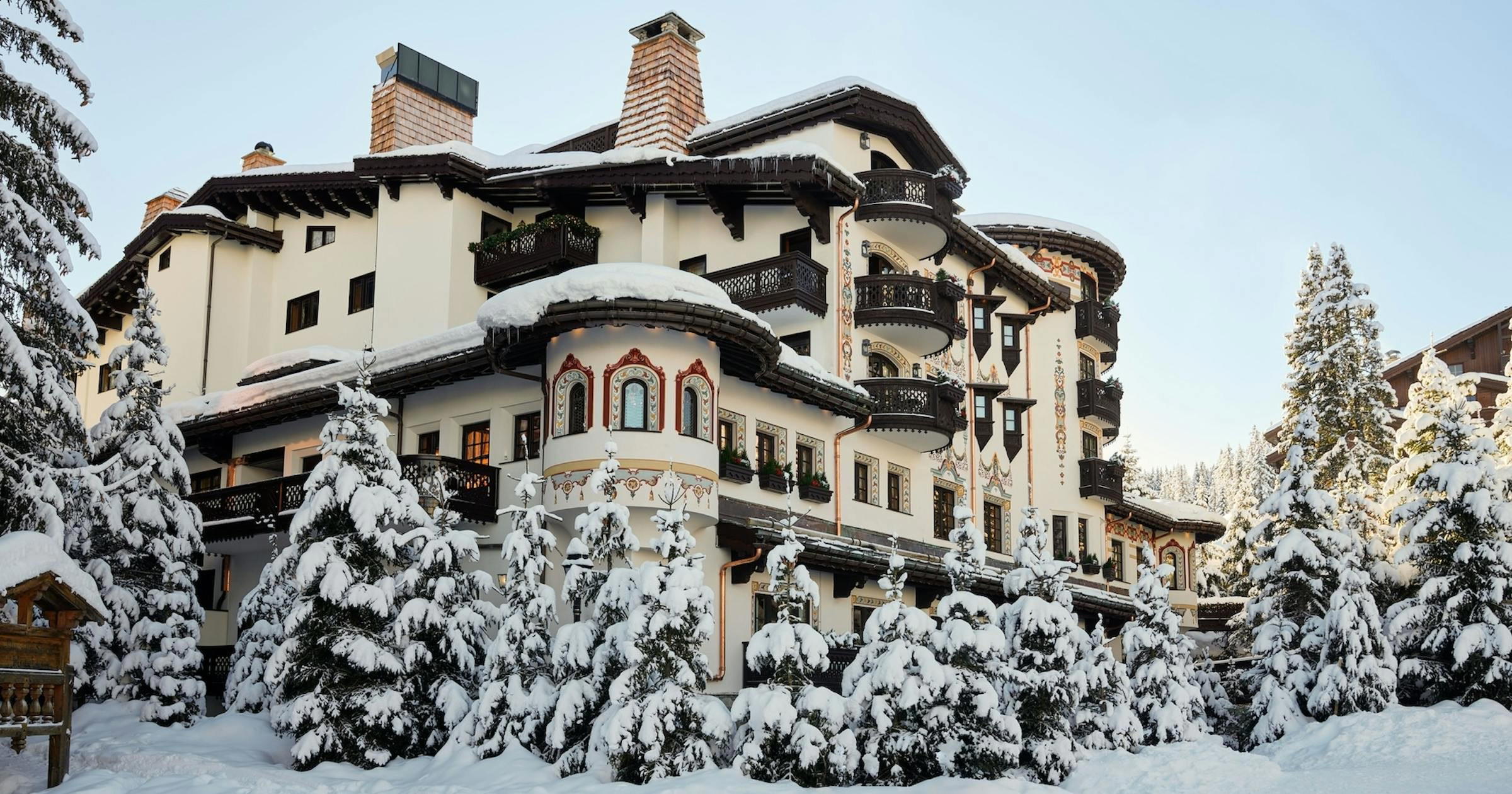
The Annapurna sits along the route de l'Altiport, one of the quieter approaches into Courchevel 1850's upper village. The hotel's dining room is described as a chic, contemporary space, and the terrace functions as a genuine sun-trap facing the mountain. In a resort where many restaurants position themselves between the slopes and the après-ski circuit, La Table de l'Annapurna is emphatically an evening destination: the room is set for the kind of extended dinner that does not compress around a ski schedule.
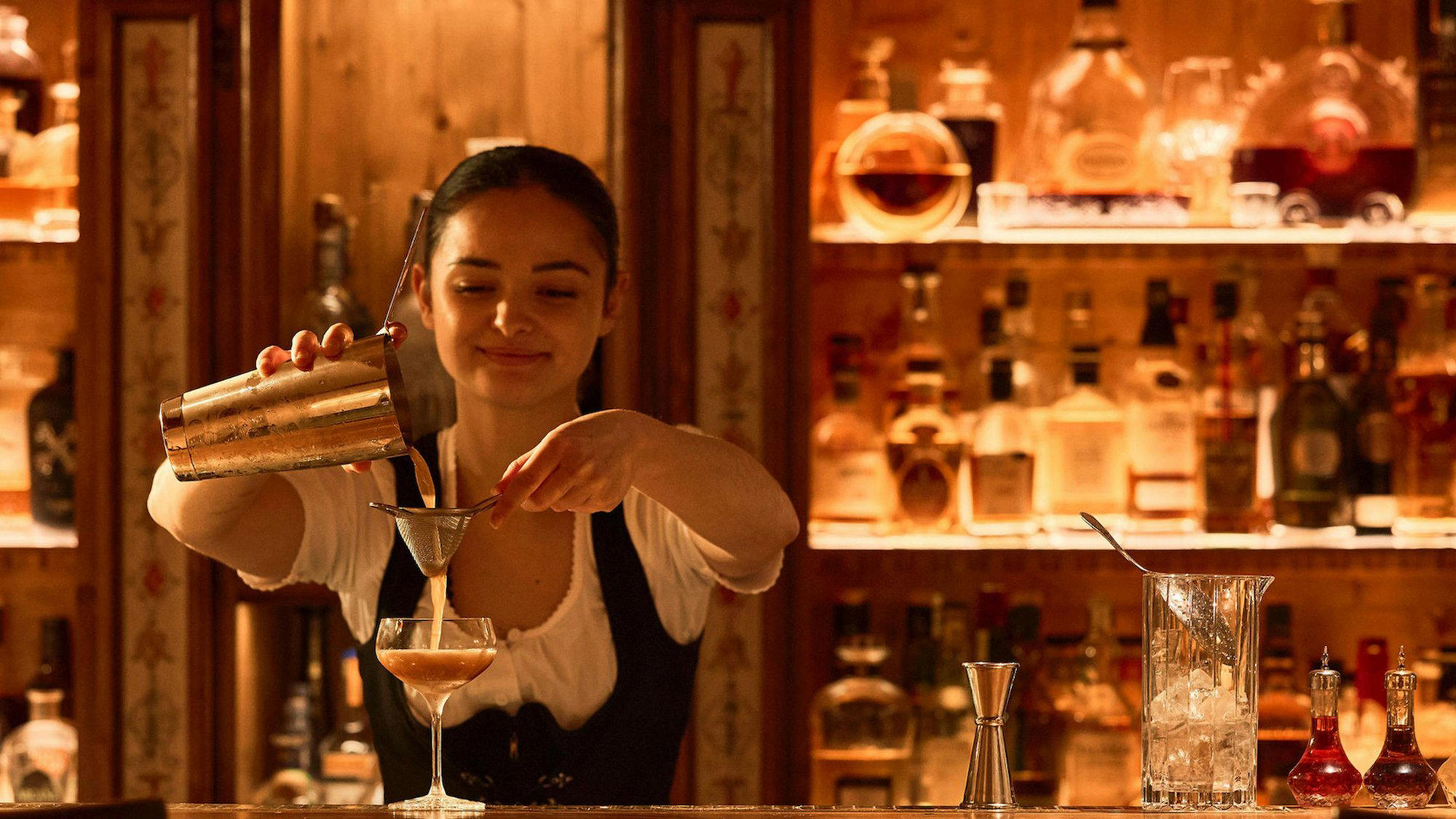
The service format reinforces this. Tableside carving, meticulously laid covers, and flambées performed in the dining room are not theatrical additions bolted onto a menu; they are structurally part of what this restaurant is. In the broader French dining tradition, these gestures carry historical weight — they belong to a service culture that predates open kitchens and tasting menus, and that still commands serious attention at houses like Auberge de l'Ill and Troisgros. When a kitchen chooses to maintain that format in 2024, it is making an argument, not a concession.
Where the Food Comes From and Why That Matters Here
Editorial angle that separates La Table de l'Annapurna from much of the Alpine fine dining scene is sourcing. The most concrete data point in the restaurant's identity is its cheese course, assembled by Bernard Mure-Ravaud, a Grenoble cheesemaker who holds the Meilleur Ouvrier de France designation. The MOF title is awarded by competitive examination across all craft categories in France; in cheesemaking, it represents the country's highest formal recognition of technical mastery. Having an MOF supplier visible and credited on a menu is a trust signal that operates differently from a chef award: it tells you about the supply chain, not just the kitchen.
Savoie and Dauphiné regions that bracket Courchevel are among France's most productive Alpine food zones. Chartreuse, the liqueur that flavours the soufflé on this menu, is produced by monks in the Chartreuse massif less than 90 kilometres from the resort. Frogs' legs, while associated broadly with French cuisine, have a specific presence in the lakes and rivers of the pre-Alpine foothills. Regional gastronomy in this part of France is not a marketing category; it has specific supply chains, specific producers, and specific seasonal rhythms. A kitchen that takes that seriously — as the presence of an MOF cheesemaker suggests this one does, is in dialogue with those chains in a way that more internationally-inflected menus at the same altitude are not. For comparison, Flocons de Sel in Megève pursues a similar argument from the French Alps, albeit through a more contemporary creative register.
Broader French tradition of cooking directly from regional identity rather than treating region as backdrop is what connects this kitchen to dining rooms far outside the Alps: Bras in Laguiole made the Aubrac plateau its subject; Mirazur in Menton works from the Ligurian microclimate. In a ski resort context, that kind of place-rootedness is genuinely rare, and rarer still in a hotel of this category.
The Menu as Regional Argument
Chef Jean-Rémi Caillon leads the kitchen, and the menu his team produces reads like a deliberate statement on what Savoyard and French classical cooking contains. Eggs in red wine sauce (oeufs en meurette in the Burgundian tradition, though interpreted through the Alpine lens here) is a dish with a long history in French domestic and restaurant cooking, the kind of preparation that disappears from menus when trend pressure mounts, and returns when kitchens are confident enough to ignore trend pressure. The Norwegian omelette, that grand old exercise in hot and cold simultaneously deployed on one plate, belongs to a similar register: technically demanding, deeply unfashionable in the 2010s, and now due for reassessment.
The Chartreuse soufflé is the clearest expression of Alpine provenance on the menu. A soufflé is itself a classical French kitchen test; flavoured with a liqueur produced thirty kilometres from the nearest mountain valley, it becomes something more specific. These are not dishes that appear at Le Chabichou or at Alléno Paris au Pavillon Ledoyen. They occupy a specific niche in the French dining spectrum: technically precise, regionally anchored, unfazed by the contemporary creative imperative.
Planning a Visit
La Table de l'Annapurna is located at 734 route de l'Altiport, within the Annapurna hotel in Courchevel 1850. Given its palace hotel setting, the room operates at the upper end of Courchevel's already high price expectations, placing it in the same tier as other resort hotel dining rooms. Reservations should be made well ahead of a ski week, particularly for the winter season when demand across the resort's leading tables is most compressed. The terrace is a specific asset in good weather, and securing a terrace table in late-season conditions (March, early April) when Alpine light is strongest is worth requesting explicitly at booking. For full context on dining options across the resort, see our full Courchevel restaurants guide. Those building a broader trip around the resort can also consult our Courchevel hotels guide, our bars guide, our wineries guide, and our experiences guide for a complete picture of what the resort offers beyond the slopes. For those travelling more widely across France, Le Bernardin in New York and Emeril's in New Orleans offer useful comparative reference points for classical French technique carried into different national contexts.
How La Table de l'Annapurna Courchevel compares with similar nearby venues.
| Venue | Cuisine | Price |
|---|---|---|
| Alpage | Modern Cuisine | €€€€ |
| Rendez-vous | Traditional Cuisine | €€€€ |
| L'Altitude | Cuisine d'auteur | French | Not listed |
| Base Kamp by Aïnata | Lebanese | €€€€ |
Recognition history
Dated appearances from independent guides and award organizations, with the underlying list record or original source where available.
Michelin Plate
Michelin
Continue exploring
More in Courchevel
Restaurants in Courchevel
Browse all →
Bars in Courchevel
Browse all →
At a Glance
- Elegant
- Cozy
- Sophisticated
- Family
- Special Occasion
- Terrace
- Hotel Restaurant
- Open Kitchen
- Extensive Wine List
- Sommelier Led
- Local Sourcing
- Mountain
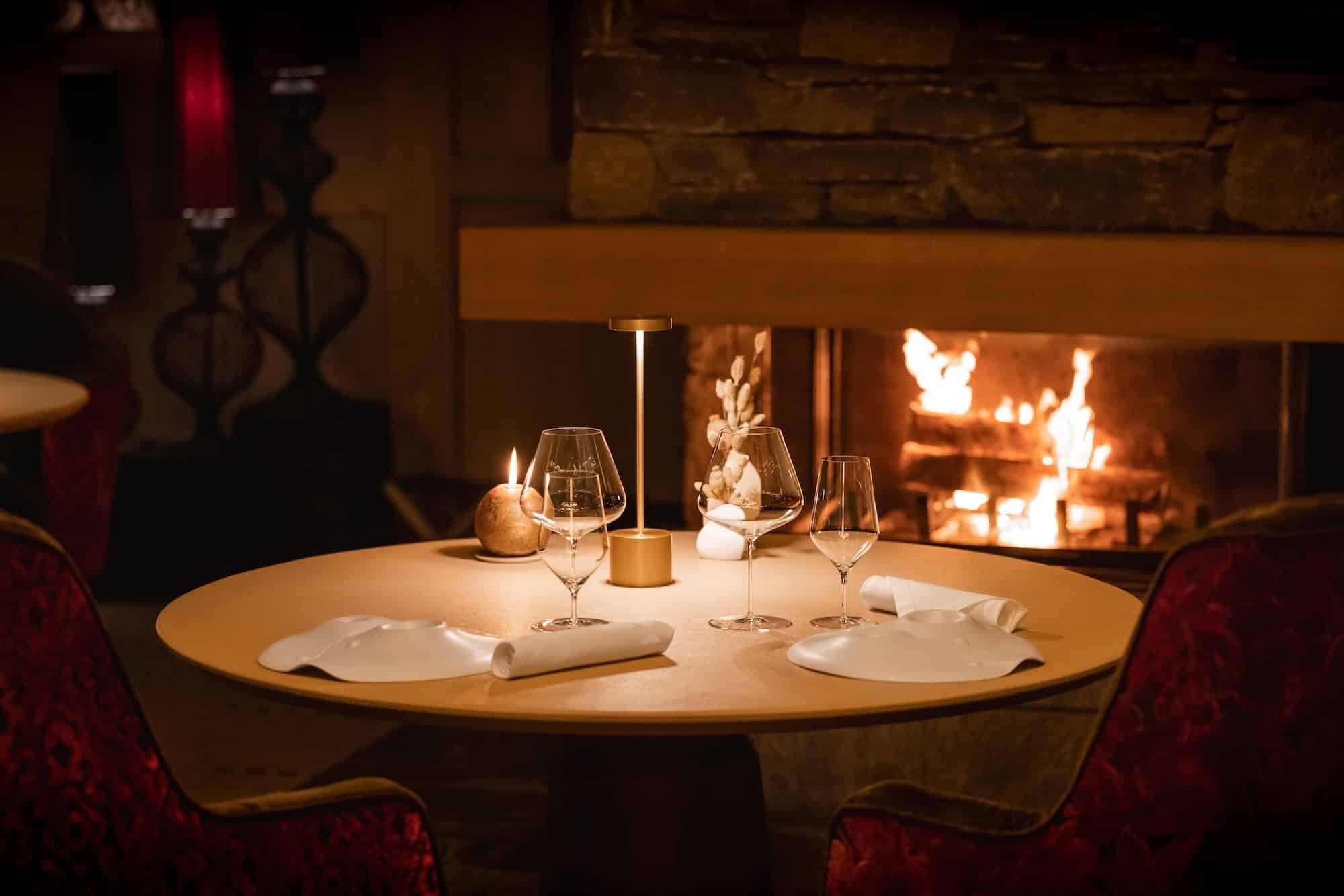
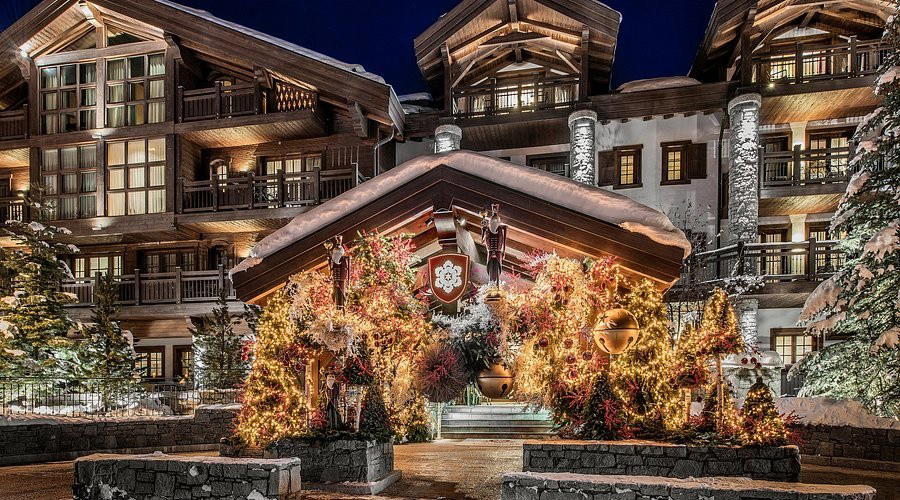
Warm, family-oriented atmosphere with chic contemporary design, meticulously laid tables, and views of Courchevel peaks.
Know Before You Go
- Getting there
- Annapurna, 734 route de l'Altiport, Courchevel 1850