La Table de Jean-Paul Tossens - Monastère de Saint-Mont

Michelin Plate
Our verdict
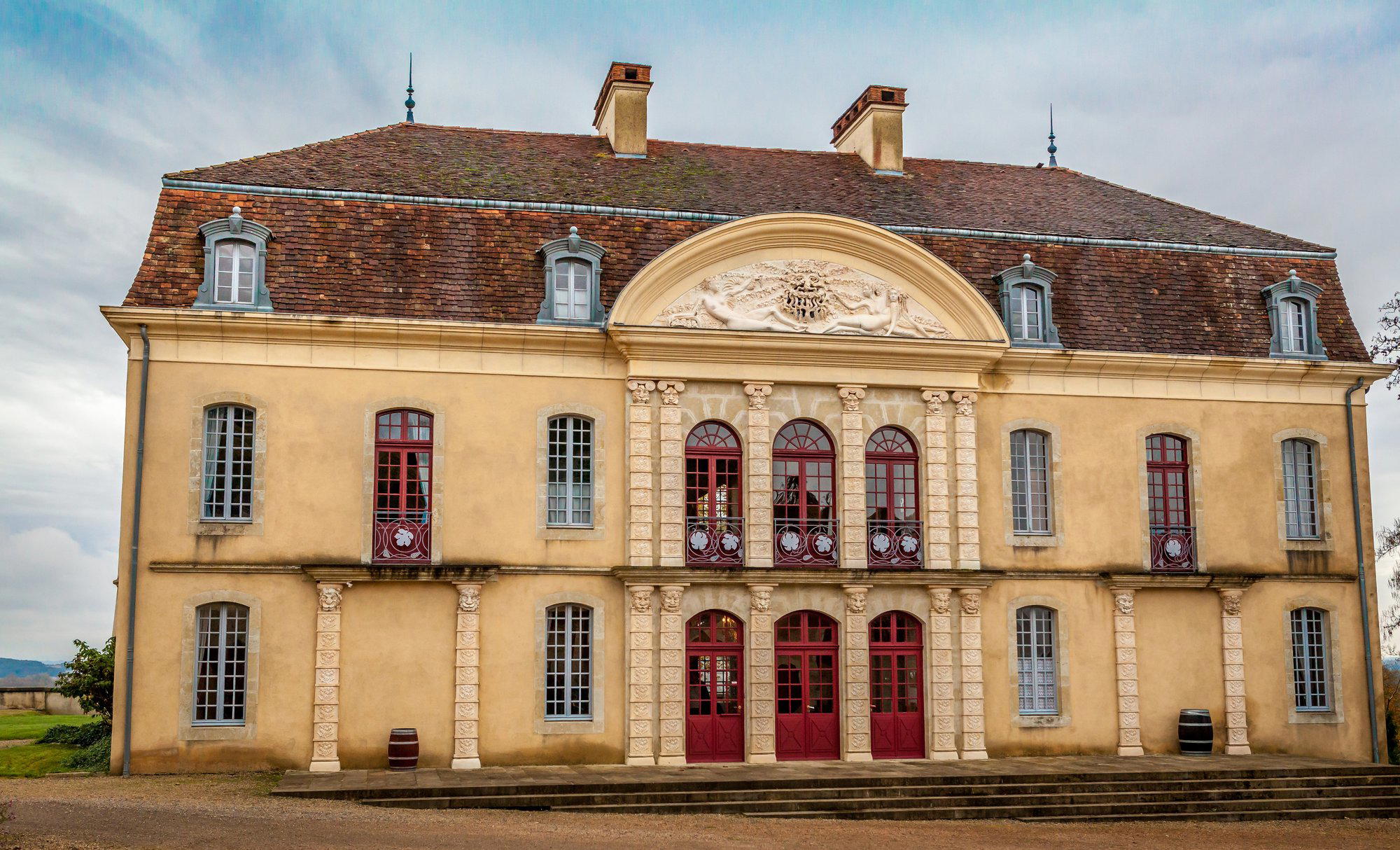
Set within a monastery rebuilt multiple times since the Middle Ages on the site of a Roman oppidum, La Table de Jean-Paul Tossens brings seasonal French cooking to one of the Gers département's most historically layered addresses. A 2024 Michelin Plate recognises the kitchen's commitment to premium ingredients, while guestrooms, a pool, and spa make it a viable overnight destination in the heart of Gascony's wine country.

Pearl is the En Primeur Club membership app — saves, bookings, and concierge access live there. Same editors, same standards.
- Address
- 627 rue Bernard Tumapaler, 32400 Saint-Mont, France
- Phone
- +33 6 32 86 46 11
- Website
- lemonasteredesaintmont.com
- Directions
- Get directions
- Booking
- Book on TheFork
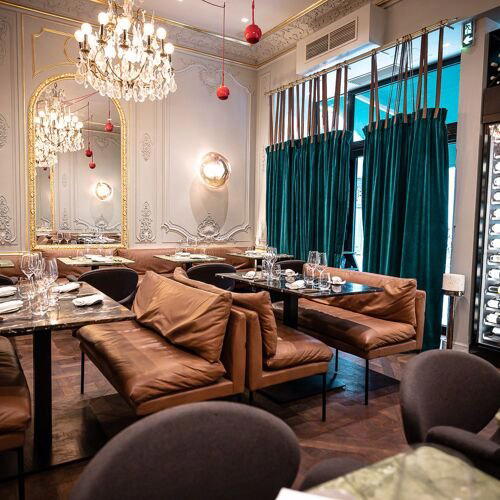
Where Roman Ground Meets the Gascon Table
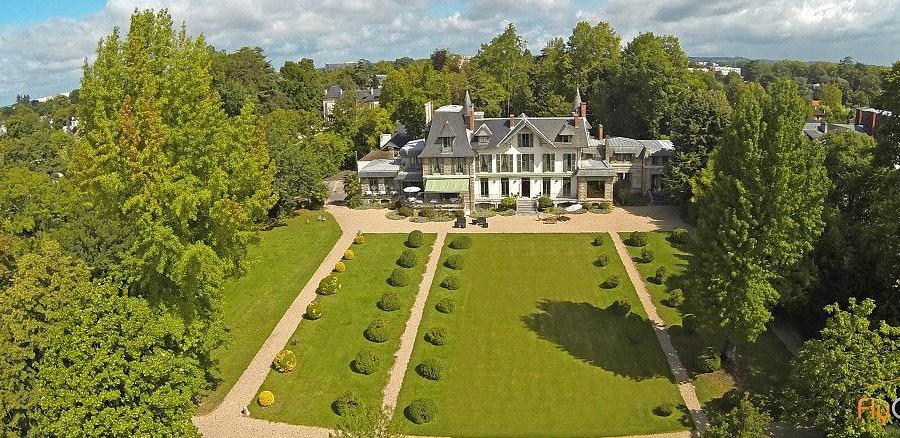
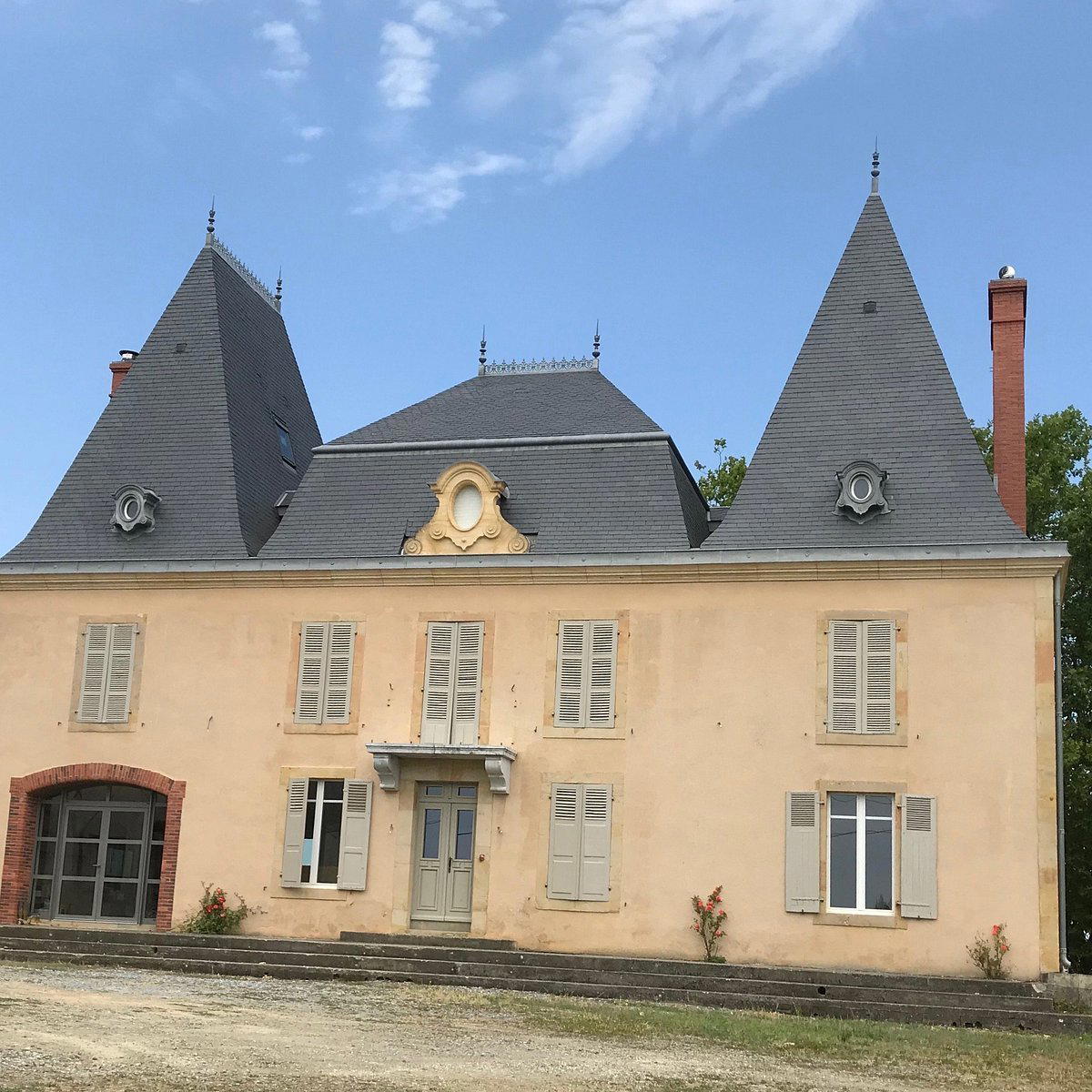
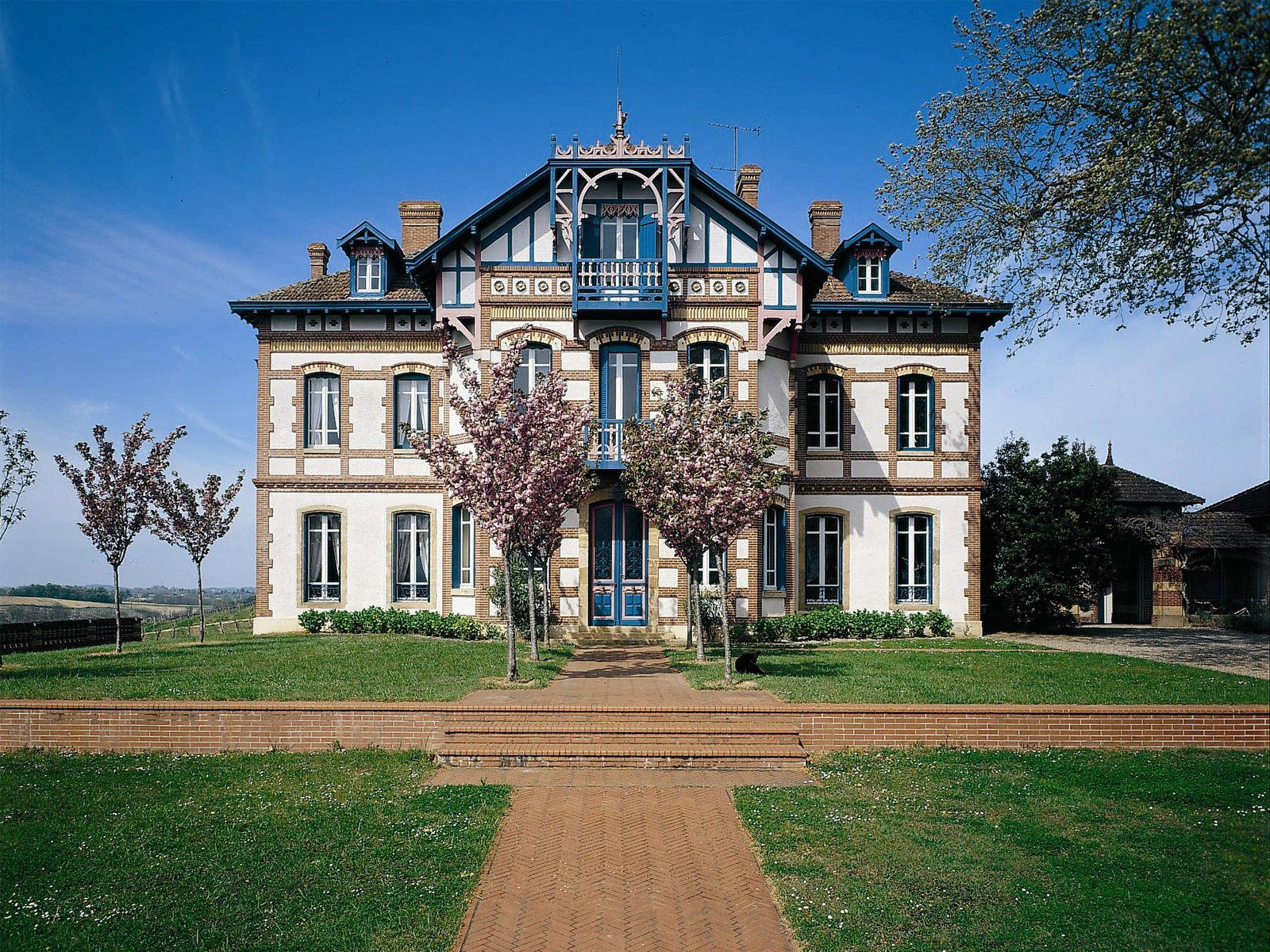
Approaching the Monastère de Saint-Mont, the first thing that registers is the weight of accumulated time. The stone walls have been rebuilt in successive centuries, but the ground beneath them — said to be the site of a Roman oppidum — has never changed hands in the way that modern hospitality properties typically do. This is a place that France's southwest has shaped, not the other way around. The restaurant that operates within it, La Table de Jean-Paul Tossens, draws on that context not as decoration but as culinary logic: the Gascony and wider Gers region that surrounds Saint-Mont is one of France's most ingredient-dense corners, and a kitchen in this position has direct access to produce that restaurants in Lyon or Paris have to order in from afar.
The dining room sits at the €€€ price tier, which in the context of French fine dining positions it well below the multi-starred Paris rooms, think the full-commitment spend of Alléno Paris au Pavillon Ledoyen or Mirazur in Menton, but at a level that signals serious kitchen intent. The 2024 Michelin Plate recognition confirms that the guide's inspectors consider the cooking here worth the trip, even if the monastery's relative remoteness in southwestern France means it operates outside the typical dining-circuit radar.
The Ingredient Logic of Gascony
Provincial French cooking at this level is rarely about improvisation with what's available. It is about place-specific abundance handled with restraint. The Gers département produces duck in volume and quality that has defined southwestern French cuisine for centuries, alongside Armagnac, foie gras, and the dense cereal crops that feed both livestock and table. Saint-Mont itself sits in the appellation zone for wines produced under the Saint-Mont AOC, overseen historically by the Plaimont cooperative, giving the restaurant a short route to wines that are geographically of the same soil as the food on the plate.
This convergence of terroir matters in ways that go beyond marketing language. When a kitchen works with seasonal ingredients drawn from the surrounding region, the supply chain compression changes what's possible at service: products arrive fresher, often at smaller quantities, and with the kind of producer-level traceability that larger urban restaurants find harder to sustain. The seasonal lens that defines the menu here reflects a broader pattern in French regional fine dining, one visible at places like Bras in Laguiole or Auberge du Vieux Puits in Fontjoncouse, where the kitchen's identity is inseparable from the land immediately surrounding it. These are not restaurants that could simply be relocated to a different region and operate the same way.
Modern French Cooking at a Monastic Address
French modern cuisine in a regional context occupies a different register than its Paris counterparts. The reference points for comparison shift from the densely conceptual kitchens of urban three-star dining, Flocons de Sel in Megève, Assiette Champenoise in Reims, or AM par Alexandre Mazzia in Marseille, toward a style that treats the traditional canon of French cooking as a foundation to be updated rather than overturned. The menu revisits French techniques through a seasonal framework, which in the Gers typically means autumn duck and game, spring vegetables from the alluvial plains, and the persistent presence of Armagnac as both a cooking element and a digestif tradition.
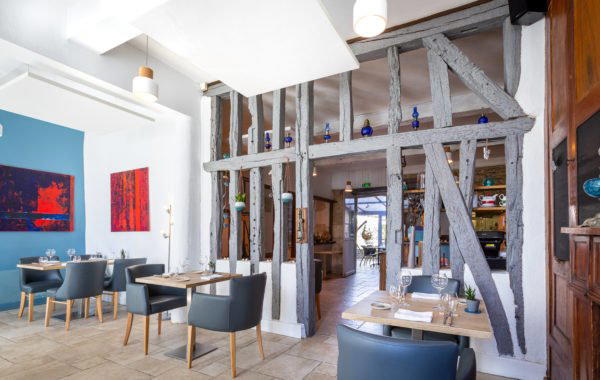
The setting reinforces this register. A monastery rebuilt multiple times since the Middle Ages provides a backdrop that has its own curatorial weight, stone vaulting, deliberate quiet, proportions that predate the concept of a restaurant by centuries. Dining rooms that carry this kind of historical mass tend to calibrate the meal toward ceremony without stuffiness, the environment doing the work that contemporary restaurant design attempts with lighting and materials. Comparable destination-dining addresses in rural France have learned that the building itself is an argument for the food served inside it, and the monastery at Saint-Mont makes that argument without effort.
Staying On-Site: The Hotel and Spa Proposition
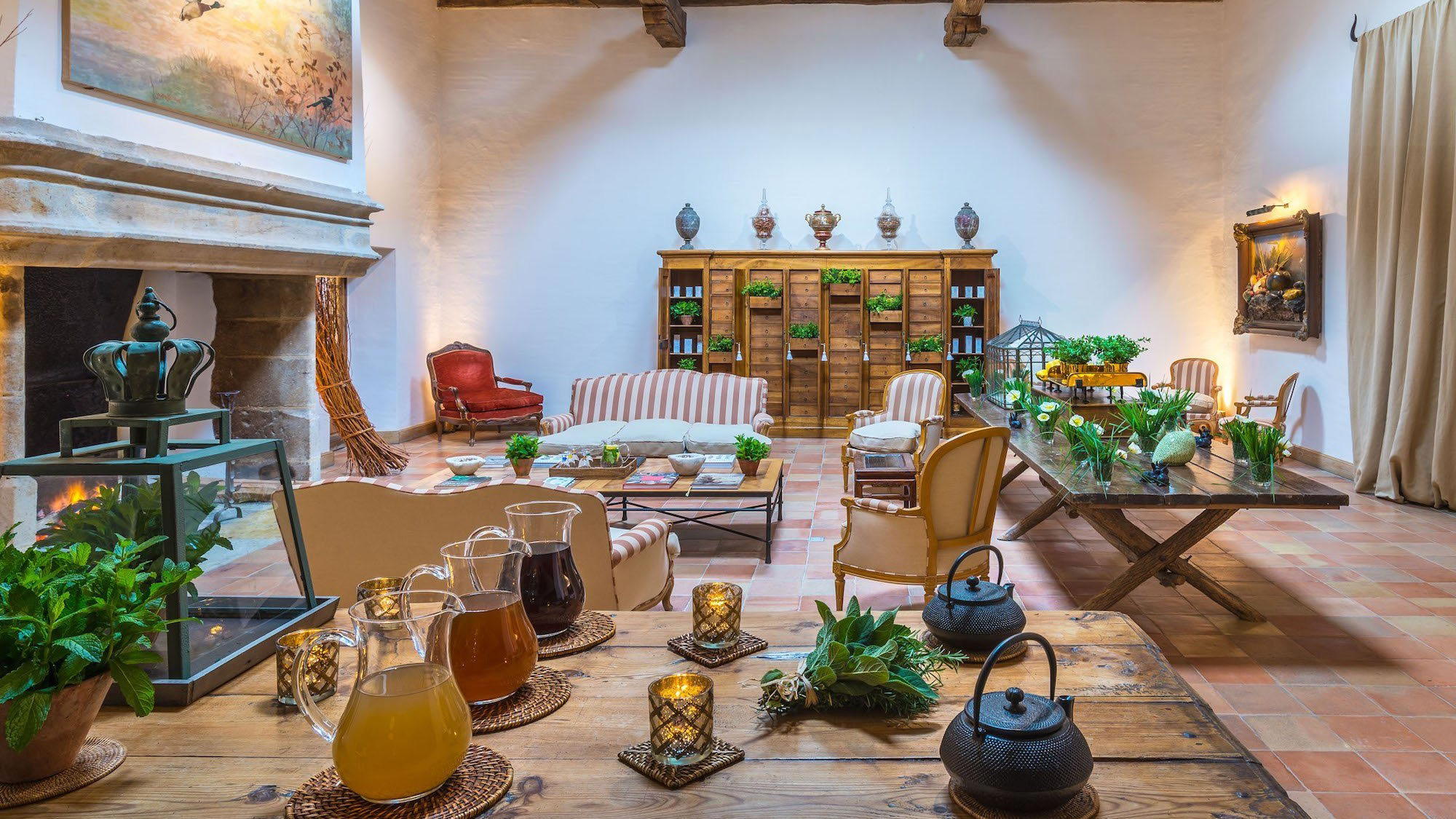
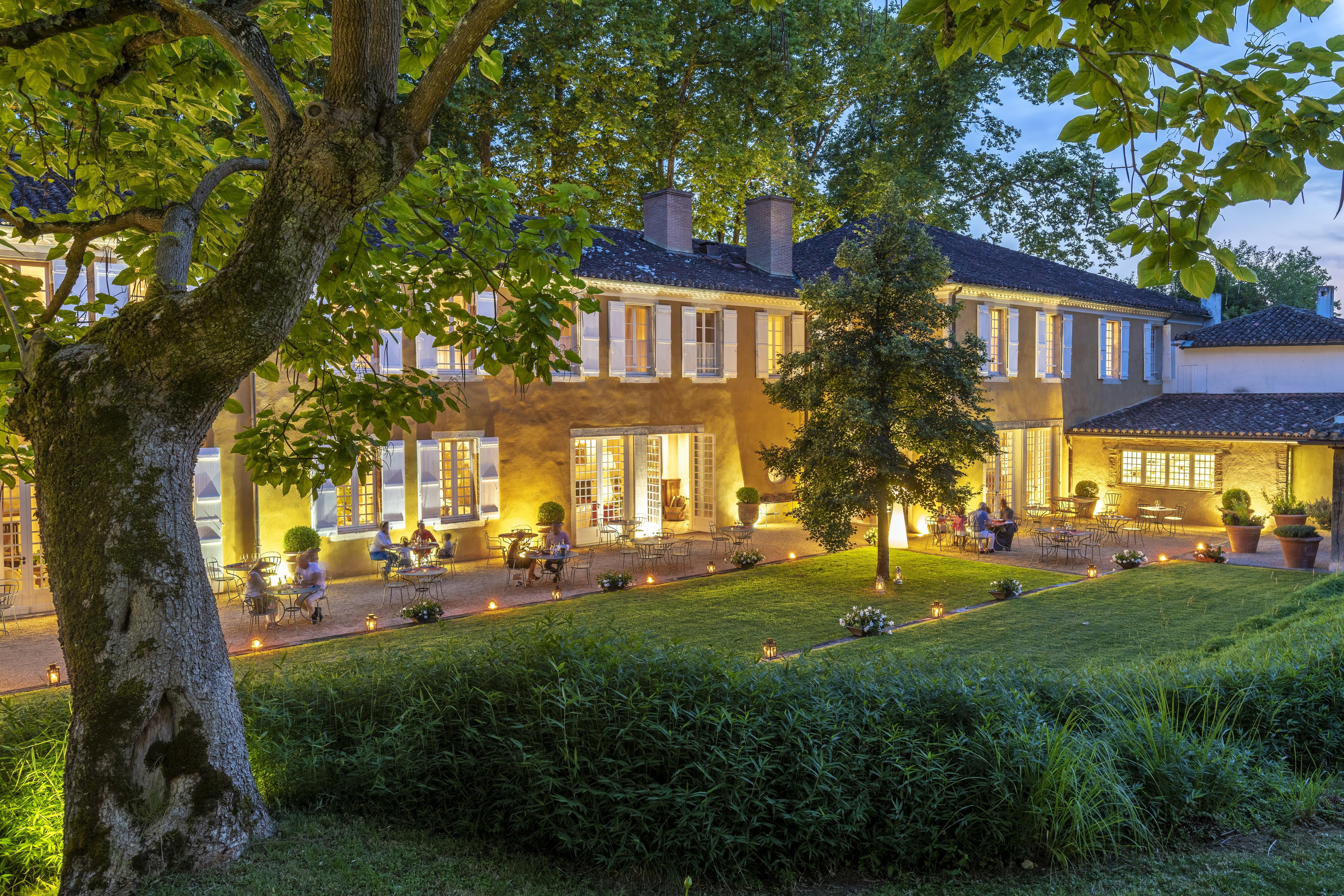
The monastery operates guestrooms alongside its restaurant, with hotel facilities that include a swimming pool and spa. This transforms what might otherwise be a logistical challenge, Saint-Mont is not a town with multiple accommodation tiers, into a coherent overnight proposition. The combination of a Michelin Plate restaurant, regional wine country, and spa facilities at €€€ pricing sits in a different competitive bracket from destination hotel dining in major French cities, and is worth framing as such. For the wider context of where to sleep and drink in the area, our full Saint-Mont hotels guide and our full Saint-Mont bars guide cover the broader options.
Guests arriving for dinner from outside the region would reasonably consider combining the meal with a visit to the surrounding Madiran or Saint-Mont wine appellations, the latter of which begins essentially at the monastery's doorstep. For guidance on the wider dining and wine picture in the area, our full Saint-Mont restaurants guide, our full Saint-Mont wineries guide, and our full Saint-Mont experiences guide offer additional orientation.
Planning Your Visit
Reservations are advisable, particularly for weekend evenings and during the regional harvest season in autumn when demand from both tourists and local celebratory dining tends to peak. The monastery's address is 627 rue Bernard Tumapaler, 32400 Saint-Mont. Guests travelling from Pau or Tarbes will find the drive through the Adour valley a reasonable approach; those coming from further afield typically route via Pau or Auch. The three-price-tier positioning at €€€ places the restaurant above casual regional bistro spending but below the full commitment of a starred urban tasting menu, a range that makes it accessible for a considered dinner rather than a once-a-year occasion.
Frequently asked questions
Is La Table de Jean-Paul Tossens - Monastère de Saint-Mont expensive?
Pricing at La Table de Jean-Paul Tossens - Monastère de Saint-Mont is listed as €€€.
What part of town is La Table de Jean-Paul Tossens - Monastère de Saint-Mont in?
La Table de Jean-Paul Tossens - Monastère de Saint-Mont is located at 627 rue Bernard Tumapaler, 32400 Saint-Mont, France, Saint-Mont.
Comparison Snapshot
| Venue | Cuisine | Price | Awards |
|---|---|---|---|
| La Table de Jean-Paul Tossens - Monastère de Saint-MontThis venue — the venue you are viewing | Modern French Fine Dining | $100–150 | Michelin Plate |
| Alléno Paris au Pavillon Ledoyen | Creative | Not listed | Michelin 3 Star |
| Kei | Contemporary French, Modern Cuisine | Not listed | Michelin 3 Star |
| L'Ambroisie | French, Classic Cuisine | Not listed | Michelin 3 Star |
| Le Cinq - Four Seasons Hôtel George V | French, Modern Cuisine | Not listed | Michelin 3 Star |
| Plénitude | Contemporary French | Not listed | Michelin 3 Star |
Recognition history
Dated appearances from independent guides and award organizations, with the underlying list record or original source where available.
Michelin Plate
Michelin
Full recognition history (3 entries)
Michelin Plate
Michelin
Michelin Plate
Michelin
Continue exploring
More in Saint-Mont
Restaurants in Saint-Mont
Browse all →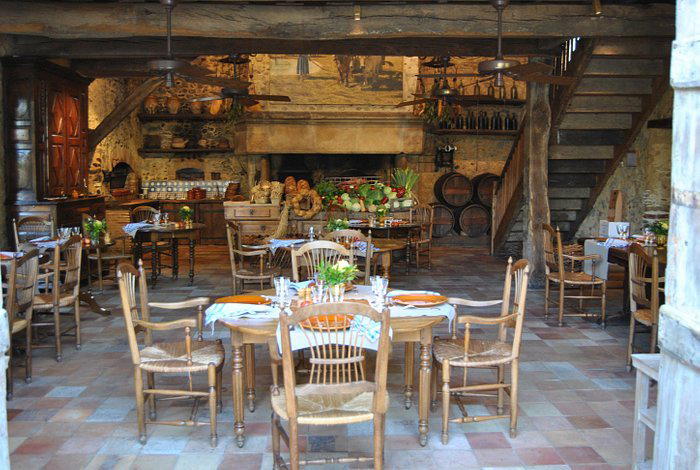
Hotels in Saint-Mont
Browse all →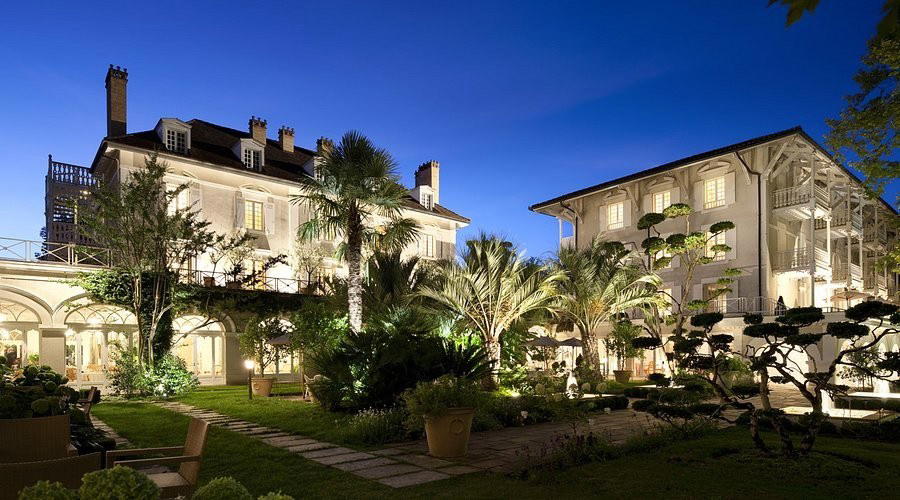

Details
- Elegant
- Rustic
- Intimate
- Sophisticated
- Special Occasion
- Date Night
- Celebration
- Historic Building
- Hotel Restaurant
- Extensive Wine List
- Local Sourcing
- Farm To Table
- Tasting Menu
Feutrée atmosphere with stone walls and exposed beams in a serene, spiritual setting.