La Stellina

Opened in 2023 within The St. Regis Deer Valley, La Stellina arrives as a considered addition to Park City's resort dining tier, where altitude and occasion collide. The setting along Deer Valley Drive places it squarely in ski-country luxury, but the kitchen's ambitions reach well beyond après-ski convention. For visitors working through Park City's dining options, La Stellina represents the St. Regis property's most recent commitment to serious table.
Pearl is the En Primeur Club membership app — saves, bookings, and concierge access live there. Same editors, same standards.
- Address
- 2290 Deer Valley Drive East
- Phone
- 435-940-5760
- Website
- marriott.com
- Directions
- Get directions
 Saves & bookings on Pearl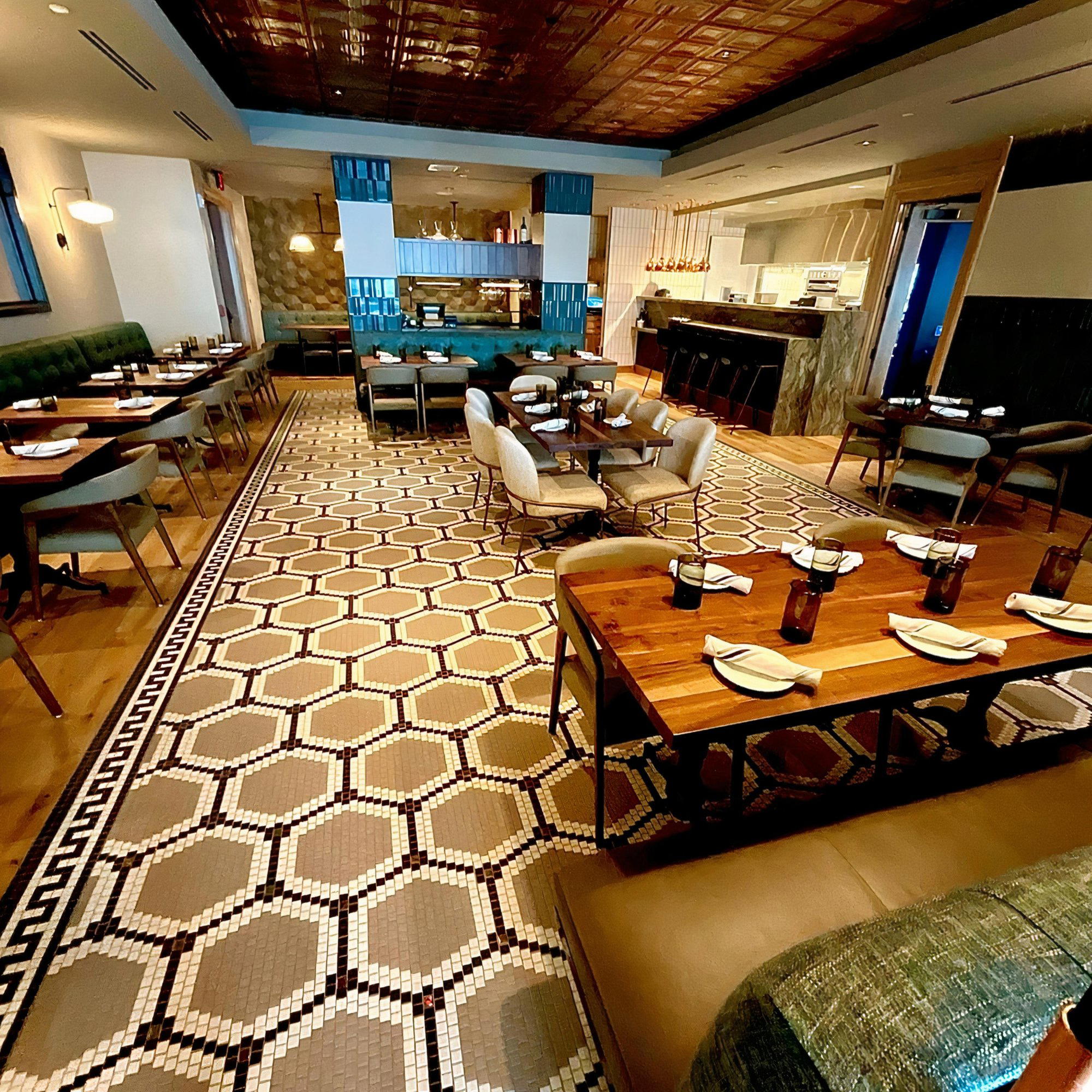
Where Deer Valley's Dining Register Gets Serious
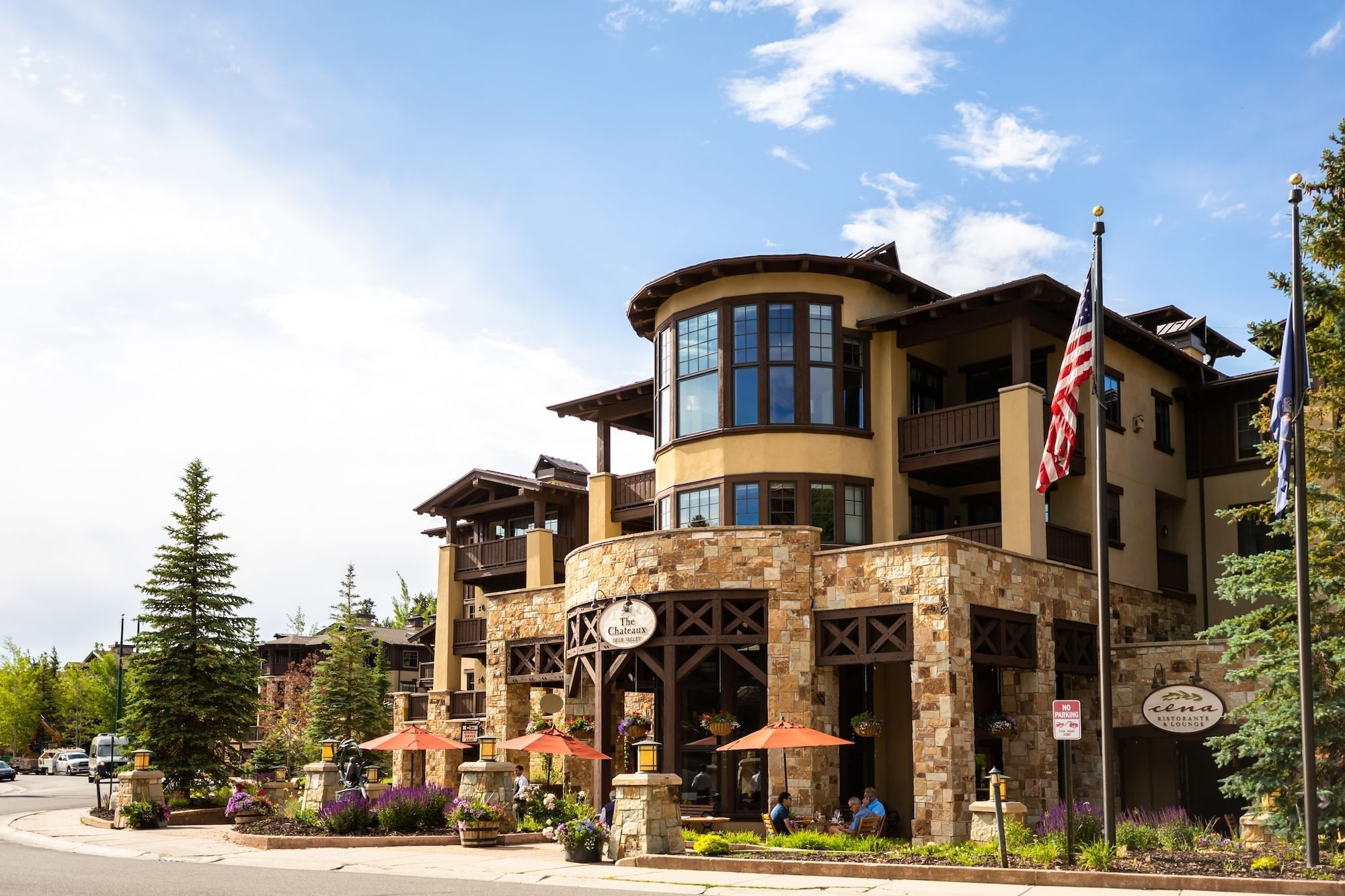
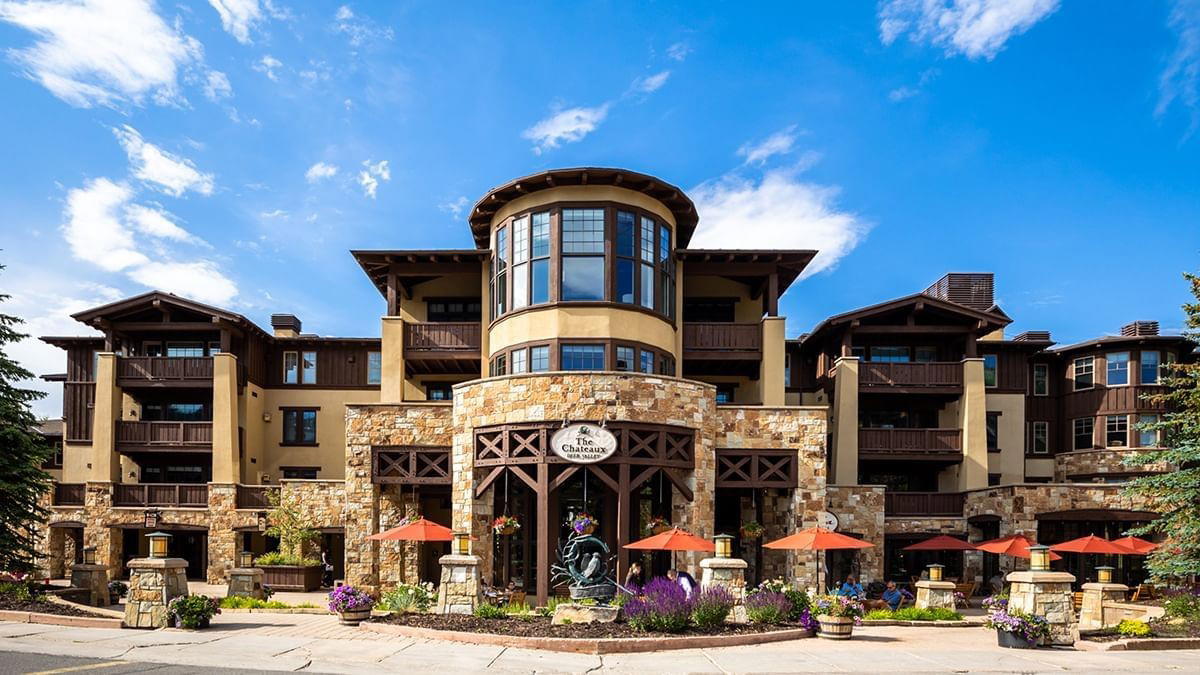
The approach to The St. Regis Deer Valley along the east side of Deer Valley Drive carries a particular weight in winter. The mountain sits close, the air is dry and cold, and the architecture of the property signals that the hotel has committed to a certain level of formality that most ski-resort hotels in the American West have quietly abandoned. When the St. Regis added La Stellina to its dining roster, it was extending an already established culinary identity on the property rather than building one from scratch. That context matters when calibrating what to expect inside.
Resort dining in Utah has split across a visible fault line. On one side sit the gastropub-style venues and casual mountain cafés that serve the après-ski majority, including the influential High West Distillery & Saloon on the lower end of the formality scale. On the other side sits a smaller cluster of table-service restaurants at the upper resort properties, where the brief is to match the accommodation quality with a kitchen that can hold its own against what guests have left behind in their home cities. La Stellina occupies that second tier, positioned alongside Apex and the Glitretind Restaurant as part of Park City's resort fine-dining cohort.
The Sourcing Argument at Altitude
The dominant editorial conversation in American resort dining over the past decade has been about ingredient provenance, and with good reason. At elevation and in seasonal markets, the gap between a kitchen that sources seriously and one that relies on standard hospitality distributors becomes immediately apparent on the plate. The leading American resort kitchens, whether you look at the farm-integrated discipline at Single Thread Farm in Healdsburg or the produce-led precision that defines the upper tier in coastal cities, tend to make sourcing a structural part of the kitchen's identity rather than a marketing footnote.
For a property like The St. Regis Deer Valley, with its scale and international brand standards, that level of sourcing discipline requires deliberate effort. Utah's agricultural calendar is compressed by altitude and climate, which means kitchens serious about regional ingredients must build relationships with producers across an extended radius. The Wasatch Back corridor and Cache Valley to the north have developed a small but committed network of specialty growers and ranchers whose output reaches the better restaurant kitchens in Salt Lake City and Park City. Where La Stellina draws from within that network is the operative question for anyone placing it within the sourcing conversation that now defines the upper bracket of American restaurant culture.
For comparison, the Italian-accented dining format that the name the restaurant implies, a small star in Italian, carries its own sourcing tradition: cured meats, aged cheeses, and dry-goods pantry items from imported producers sit alongside fresh preparations where local sourcing has the strongest argument. This dual-sourcing logic, imported pantry depth combined with proximity-driven fresh components, is the model that has allowed Italian-leaning kitchens at properties like 8½ Otto e Mezzo Bombana in Hong Kong and the restaurants operating under the Alain Ducasse framework, including Louis XV in Monte Carlo, to maintain coherent culinary identity regardless of geography.
Park City's Resort Dining Tier in Broader Context
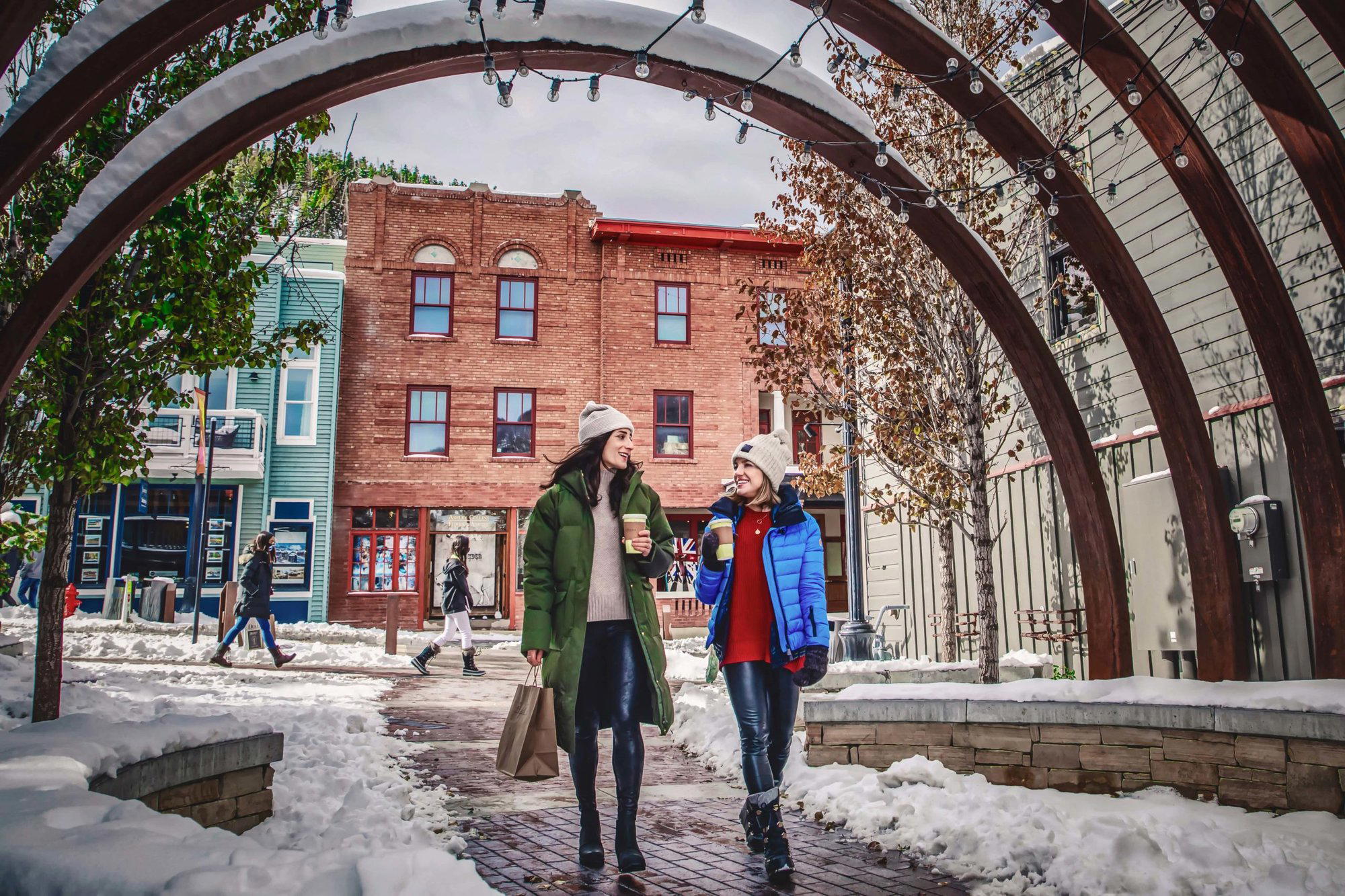
Park City's dining scene has matured significantly since the early 2010s. The Main Street corridor carries a density of independent restaurants that punches above what a town of its permanent population would normally support, driven by the seasonal influx of visitors with high per-capita dining spend and the year-round infrastructure built around the Sundance Film Festival and ski season. Venues like Yuta represent the American steakhouse segment that captures part of that spend, while Bangkok Thai on Main shows the range that the independent sector has developed.
The resort-hotel dining tier, however, operates by different competitive logic. Guests staying at the St. Regis have already pre-selected for a spending level that bypasses the middle market entirely. The relevant comparable set for the restaurant is not the Main Street independent scene but the other hotel and resort restaurants operating at similar accommodation price points across ski country in Colorado, Idaho, and Wyoming. Against that cohort, the density of dining options under one roof at the St. Regis Deer Valley gives the restaurant a structural advantage: guests do not need to leave the property to find variety, which means the restaurant competes primarily on quality rather than on convenience.
Nationally, the restaurants that have defined what Italian-influenced fine dining can achieve in an American context, from the seafood precision of Le Bernardin in New York City to the technique-forward tasting formats at Alinea in Chicago and Lazy Bear in San Francisco, have set expectations for what serious table service looks like. Guests arriving at the restaurant from those reference points will be calibrating accordingly.
Planning a Visit
The restaurant sits within The St. Regis Deer Valley at 2290 Deer Valley Drive East, placing it in the upper mountain zone rather than the town-center cluster. During peak ski season, which runs from December through March, demand at the St. Regis dining outlets is highest and advance reservations carry more weight than at shoulder periods. The Sundance Film Festival window in late January represents a secondary demand spike that affects dining availability across Park City's upper tier. Visitors arriving outside these windows, in late spring or early fall, will find the town's resort properties operating at lower capacity, which can mean easier access to otherwise compressed reservation slots.
Comparison Snapshot
Comparable venues nearby, for context on price, style, and recognition.
| Venue | Cuisine | Price | Notes |
|---|---|---|---|
| La StellinaThis venue — the venue you are viewing | Authentic New York-Italian | $$ | Not listed |
| Este Pizzeria | New York-Style Pizza | $$ | Sidewinder Drive |
| Grappa | Rustic Italian | $$$ | Old Town |
| Squatters Roadhouse Grill Park City | American Gastropub | $$ | Gateway to Park City |
| The Brass Tag | Rustic Italian Brick-Oven Pizza & Pasta | $$$ | Deer Valley |
| Szechwan Chinese Kitchen | Szechuan Chinese | $$ | Kimball Plaza |
Recognition history
Dated appearances from independent guides and award organizations, with the underlying list record or original source where available.
Wine Spectator Best of Award of Excellence
Wine Spectator
Continue exploring
More in Park City
Restaurants in Park City
Browse all →
Bars in Park City
Browse all →
Hotels in Park City
Browse all →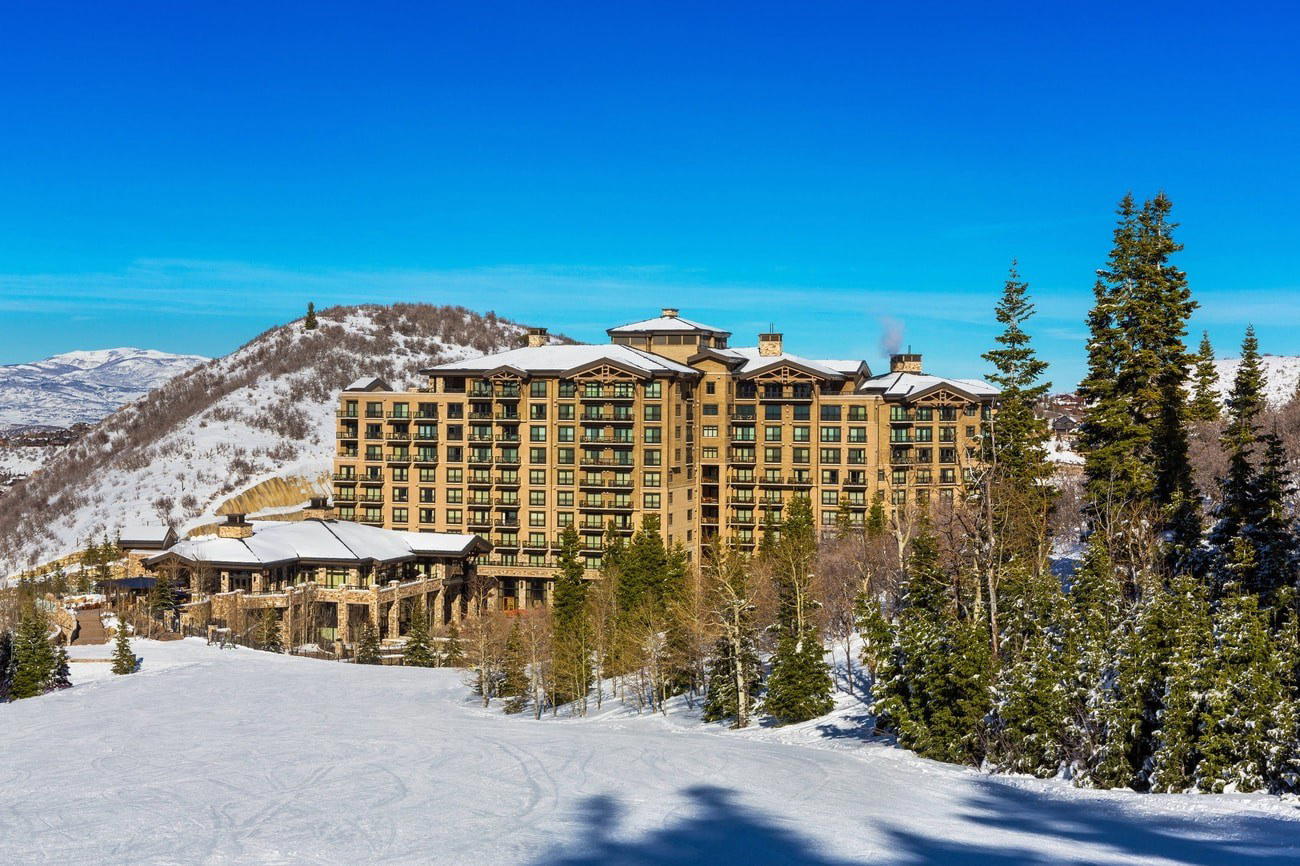
Wineries in Park City
Browse all →
At a Glance
- Cozy
- Rustic
- Family
- Date Night
- Celebration
- Hotel Restaurant
- Extensive Wine List
- Craft Cocktails
- Local Sourcing
- Mountain
Current opening hours
- Monday
- Closed
- Tuesday
- Closed
- Wednesday
- 5–9 PM
- Thursday
- 5–9 PM
- Friday
- 5–9 PM
- Saturday
- 5–9 PM
- Sunday
- 5–9 PM
Hours can change for holidays and private events. Last verified .
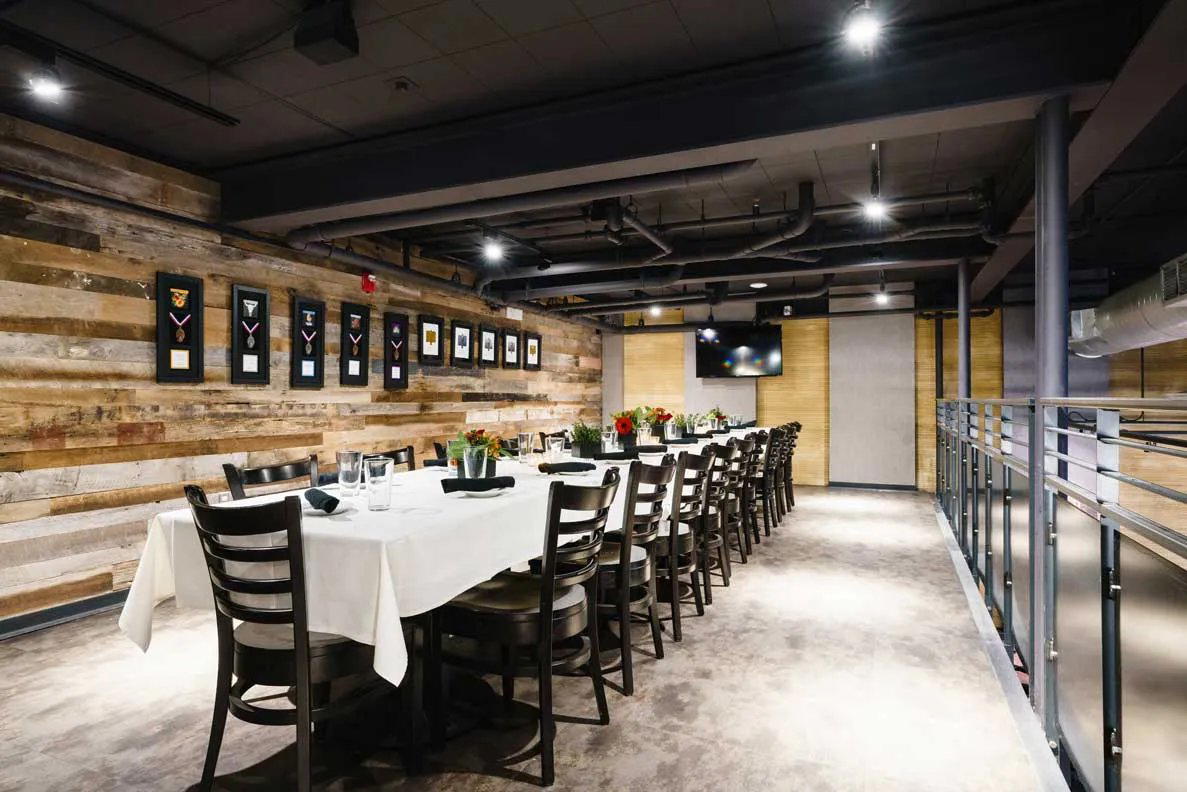
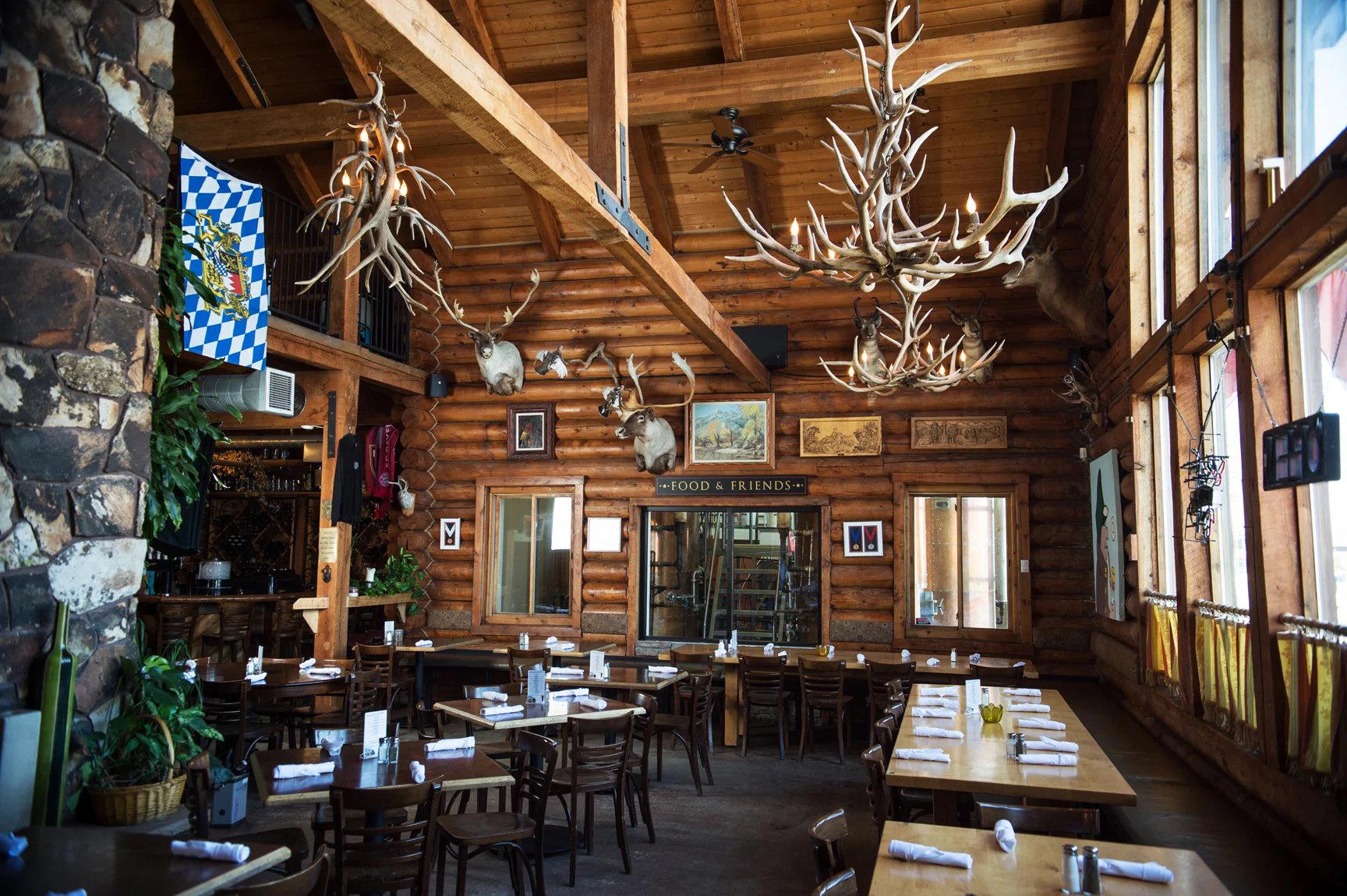
Neutral contemporary decor with black, white, gray tones and splashes of brown; warm and inviting with large windows offering mountain views, though some find it sterile.