La Petite Plage

A Michelin Plate-recognised address on the Saint-Tropez quayside, La Petite Plage works within the Mediterranean tradition of letting fire and salt do the work.
Pearl is the En Primeur Club membership app — saves, bookings, and concierge access live there. Same editors, same standards.
- Address
- 9 Quai Jean Jaurès, 83990 Saint-Tropez, France
- Phone
- +33 4 94 17 01 23
- Directions
- Get directions
 Saves & bookings on Pearl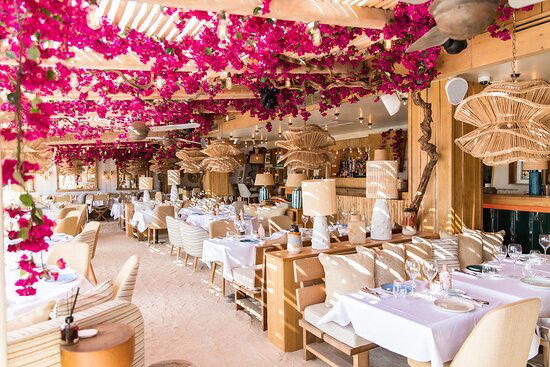
The Quayside Table Saint-Tropez Has Always Made Room For
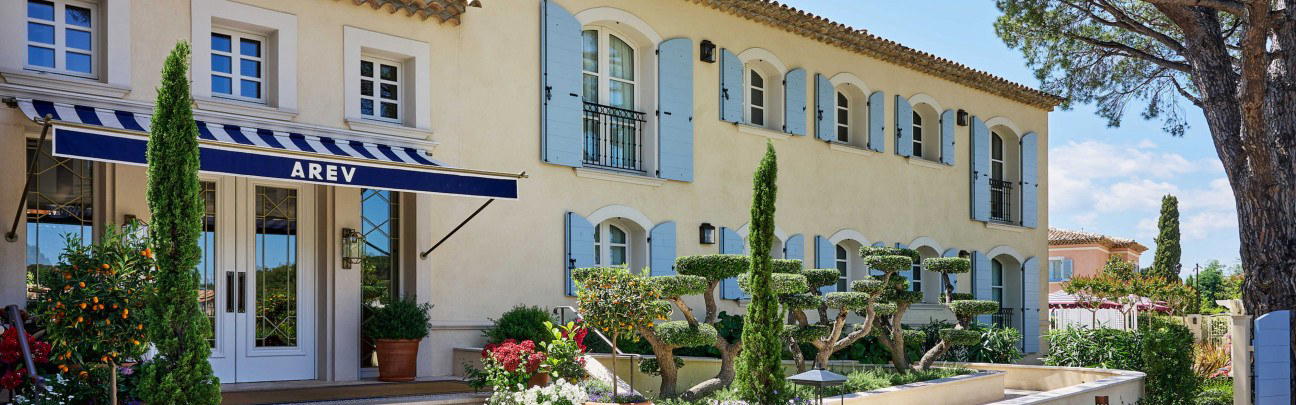
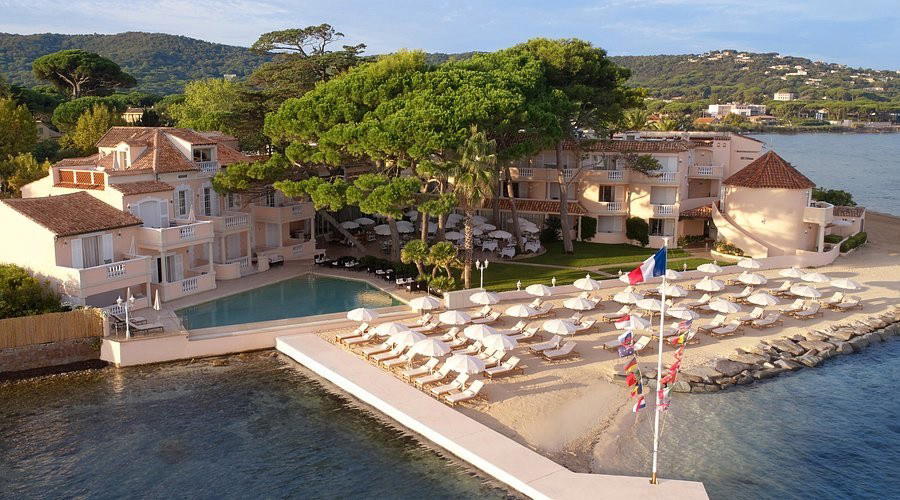
Arrive along the Quai Jean Jaurès on a warm evening and the line between restaurant terrace and harbour life essentially dissolves. The water is close enough that you hear it before you see the menu board, and the smell of charcoal and sea air reaches the pavement before you sit down. This is the register La Petite Plage operates in: not the hermetically sealed dining room with hushed service, but the kind of Mediterranean table where the cooking is frank, the heat is real, and the setting does half the work.
That quayside position is not incidental to the food. The open-flame approach that defines the kitchen here has deep roots along the French and Italian Riviera, where grilling over wood or charcoal has long been the default mode for fish and vegetables, a tradition built on the logic that the leading raw material from the morning market needs almost nothing done to it. What distinguishes serious practitioners of this approach from casual ones is control: the management of distance from heat, the timing of basting, the decision to let a crust form rather than intervene. La Petite Plage's recognition in 2024 and 2025 suggests the kitchen is in the former camp.
Grilled Simplicity in a Town of Escalating Ambition
Saint-Tropez has spent the past decade bifurcating its restaurant scene into two recognisable camps. At one end sits the grand-tasting-menu tier: La Vague d'Or at Cheval Blanc, which holds three Michelin stars, and Arnaud Donckele and Maxime Frédéric at Louis Vuitton, which carries one star and represents the town's growing appetite for chef-driven prestige dining attached to luxury brands. Colette and La Terrasse at Cheval Blanc occupy different positions within that same stratum of modern, Michelin-recognised cooking. Then there are the addresses that operate below that register while still clearing the threshold of quality the Michelin inspectors track.
La Petite Plage sits in this second tier, and that positioning is worth understanding. The Michelin Plate is not a star; it signals a kitchen producing food worth a deliberate detour, without the full apparatus of a multi-course tasting format. For many visitors, that is the more useful proposition. Saint-Tropez summers are long and sensory; a two-hour grilled-fish lunch on the harbour is often the right answer in a way that a four-hour gastronomic sequence is not. The €€€€ pricing places it at the premium end of the casual-to-serious spectrum, where the expectation is excellent primary ingredients treated with restraint rather than complex technique for its own sake.
The broader Mediterranean tradition this sits within is well-represented elsewhere along the coast and inland. Mirazur in Menton and La Brezza in Ascona both work with Mediterranean produce and the logic of proximity to the sea, though at different points on the intervention spectrum. Beat in Calp applies similar principles further along the Spanish coast. The common thread is a conviction that flame, salt, olive oil, and a short distance from where the fish was caught constitute a complete cooking philosophy.
What the Numbers Say
High-traffic harbour restaurants in high-season destinations tend to see their scores pull toward 3.8 or lower once the sheer number of covers forces compromises. Maintaining a 4.2 across that volume points to consistent kitchen output rather than occasional brilliance.
The recognition adds a second layer of verification. Michelin inspectors visit unannounced and return at different points in the season, which means they are testing consistency rather than peak performance. Two consecutive years of recognition at this address, at this price point, in a town that the Guide covers carefully given its density of starred venues, is a reasonable proxy for reliability.
For context on how the Saint-Tropez Michelin tier is structured, the gap between a Plate address and a starred one is real.
Planning Your Visit
The restaurant sits at 9 Quai Jean Jaurès, on the main harbour frontage that curves around the old port. In high season, from late June through August, the quayside restaurants fill early and stay full; booking ahead is recommended at this tier. The address is findable on foot from anywhere in the vieux port area, and the waterfront position means there is no ambiguity about the setting once you arrive.
Saint-Tropez runs on a compressed summer calendar. The town's serious dining scene is largely concentrated between May and September, and many addresses reduce service or close entirely in winter. If you are building a trip around the restaurant specifically, June and early September tend to offer better conditions than the peak August window: the heat is manageable, the crowds thin slightly, and the quality of produce from the market remains high. The season timing also affects what is available from local suppliers, which matters in a kitchen working with minimal-intervention technique.
Pairing a meal here with a visit to the surrounding Var wine producers, whose rosé dominates every table on the harbour, is the logical way to extend the evening's logic.
For those approaching Saint-Tropez as part of a wider tour of serious French cooking, the reference points are varied. The alpine discipline of Flocons de Sel in Megève, the institutional weight of Auberge de l'Ill in Illhaeusern, the terroirist rigour of Bras in Laguiole, and the generational ambition of Troisgros in Ouches each represent a different strand of what French cooking is doing in the current decade. Alléno Paris au Pavillon Ledoyen represents the capital's version of maximum ambition. The restaurant is doing something narrower: executing Mediterranean grilled cooking at a high standard, on a harbour, in one of France's most closely watched summer towns. That is its own discipline. Les Toits at Hôtel de Paris Saint-Tropez provides an alternative angle on refined dining in the same postcode if the comparison is useful.
Reputation First
Comparable venues nearby, for context on price, style, and recognition.
| Venue | Cuisine | Price | Awards | Notes |
|---|---|---|---|---|
| La Petite PlageThis venue — the venue you are viewing | Modern Mediterranean | $$$$ | Michelin Plate | Not listed |
| Les Toits - Hôtel de Paris Saint-Tropez | Modern Mediterranean Rooftop Bistro | $$$$ | Michelin Plate | Saint-Tropez |
| Beefbar | Modern Global Steakhouse | $$$$ | Michelin Plate | Lou Pinet |
| Sénéquier | Classic French Riviera Brasserie & Patisserie | $$$$ | Not listed | Port |
| Dior Des Lices | Modern French Mediterranean | $$$$ | Not listed | Place des Lices |
| La Ponche | Modern Mediterranean Fine Dining | $$$$ | Michelin Plate | La Ponche |
Recognition history
Dated appearances from independent guides and award organizations, with the underlying list record or original source where available.
Michelin Plate
Michelin
Michelin Plate
Michelin
Michelin Plate
Michelin
Continue exploring
More in Saint-Tropez
Restaurants in Saint-Tropez
Browse all →
Bars in Saint-Tropez
Browse all →
Hotels in Saint-Tropez
Browse all →

At a Glance
- Scenic
- Elegant
- Trendy
- Lively
- Bohemian
- Date Night
- Special Occasion
- Group Dining
- Waterfront
- Terrace
- Open Kitchen
- Craft Cocktails
- Waterfront
- Street Scene
Soft mood lighting, eclectic bohemian decor, lively atmosphere with DJ music in evenings and beachy sand floor.