La Maison d'Horbé
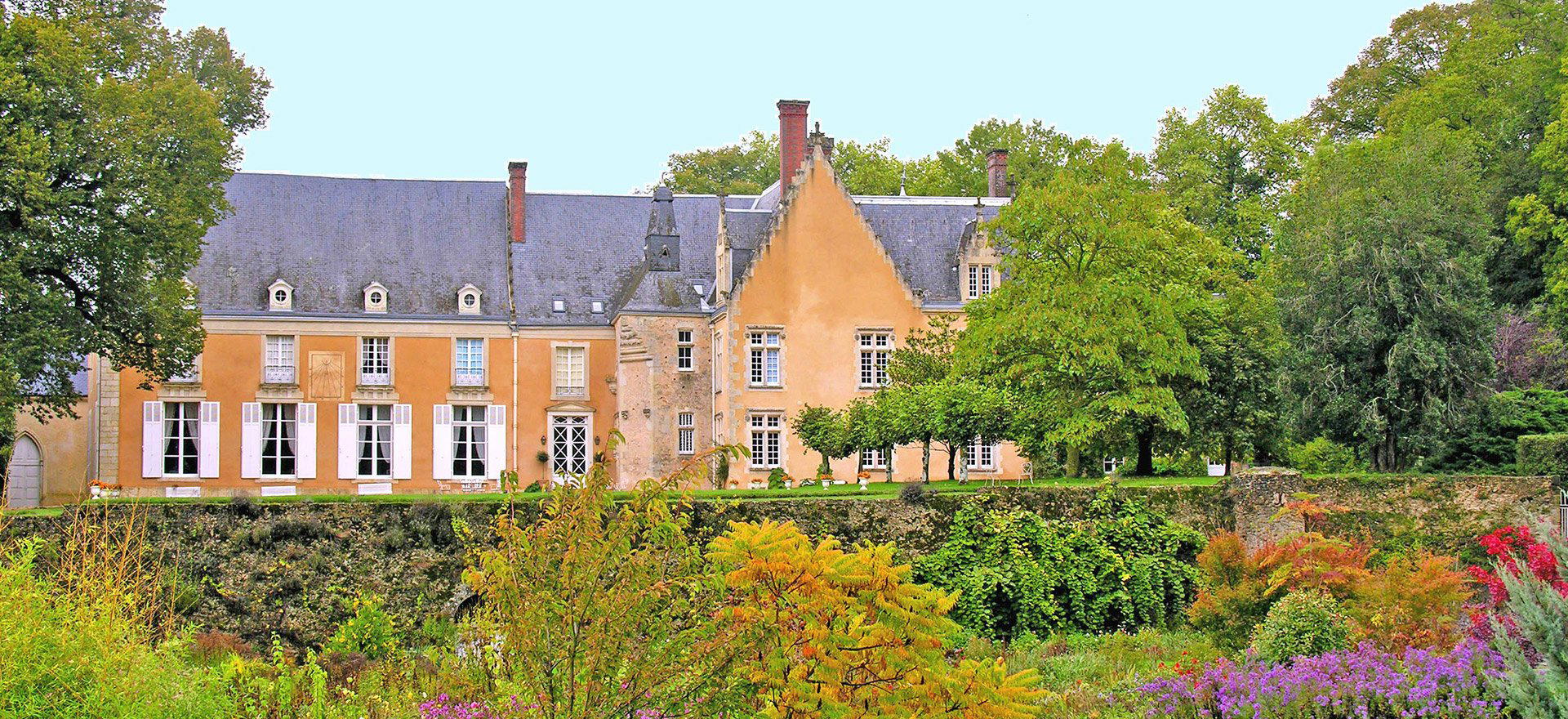
La Maison d'Horbé occupies a stone address on La Grande Place in La Perrière, a medieval hilltop village in the Perche region of Normandy. The surrounding territory, defined by ancient bocage, small farms, and dense apple orchards, shapes what lands on the table as surely as any kitchen philosophy. For those tracking French regional cooking outside the established Michelin corridors, Perche is a region worth understanding.
Pearl is the En Primeur Club membership app — saves, bookings, and concierge access live there. Same editors, same standards.
- Address
- La Grande Place - La Perrière, 61360 Belforêt-en-Perche, France
- Phone
- +33233731841
- Website
- lamaisondhorbe.com
- Directions
- Get directions
 Saves & bookings on Pearl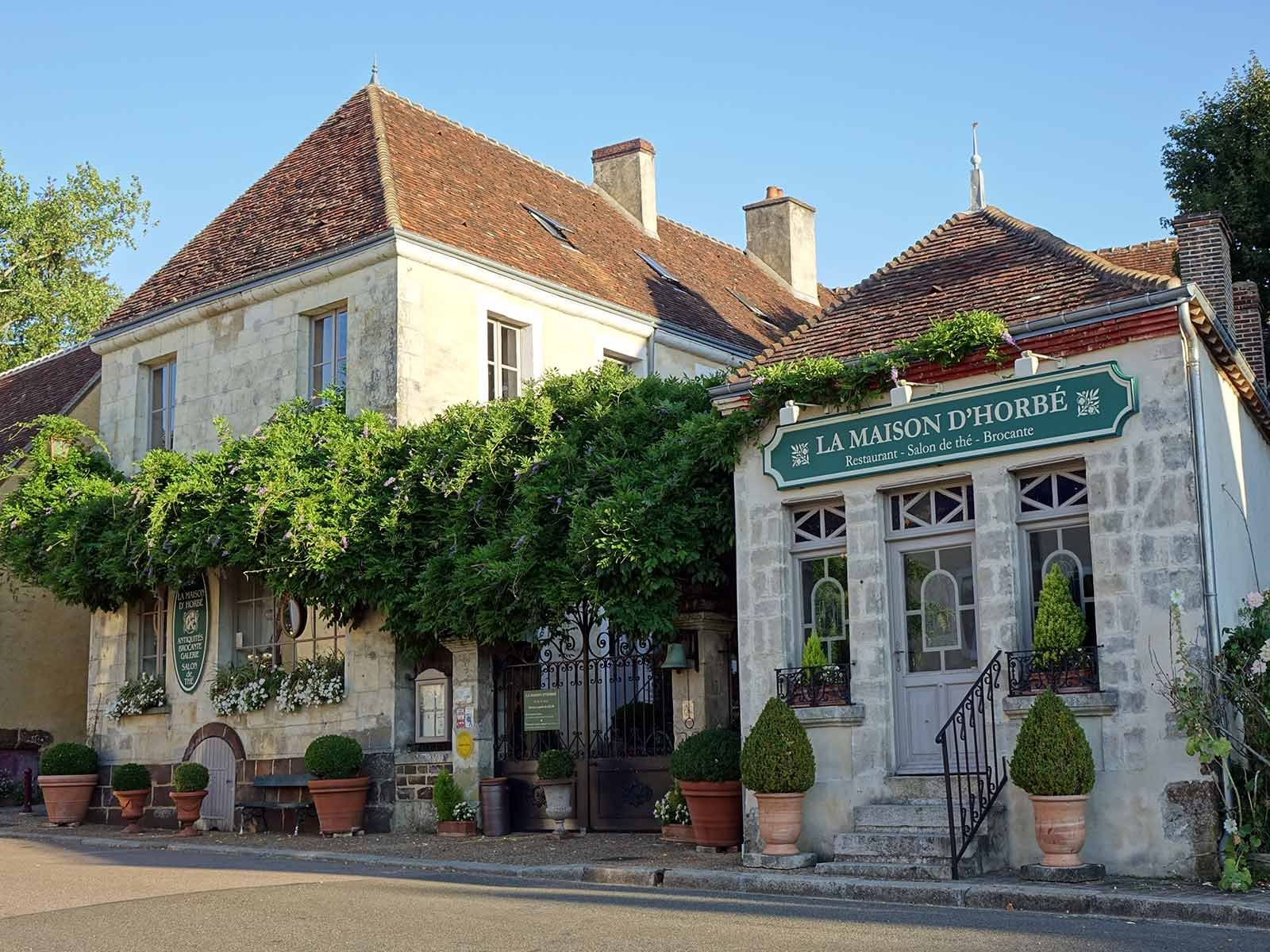
Stone Villages and What They Produce: The Perche Table in Context
France's most-discussed fine dining addresses cluster around Paris, Lyon, and the coastal south. Mirazur in Menton, Flocons de Sel in Megève, and Troisgros - Le Bois sans Feuilles in Ouches all occupy landscapes with strong regional identities that inform their menus. The Perche, a rolling inland territory on the Norman-Manceau border, operates with less visibility but comparable agricultural depth. Its hedged bocage, dairy farms, and apple orchards have fed the region for centuries, and the cooking that emerges from this terroir answers directly to what those fields and forests yield each season.
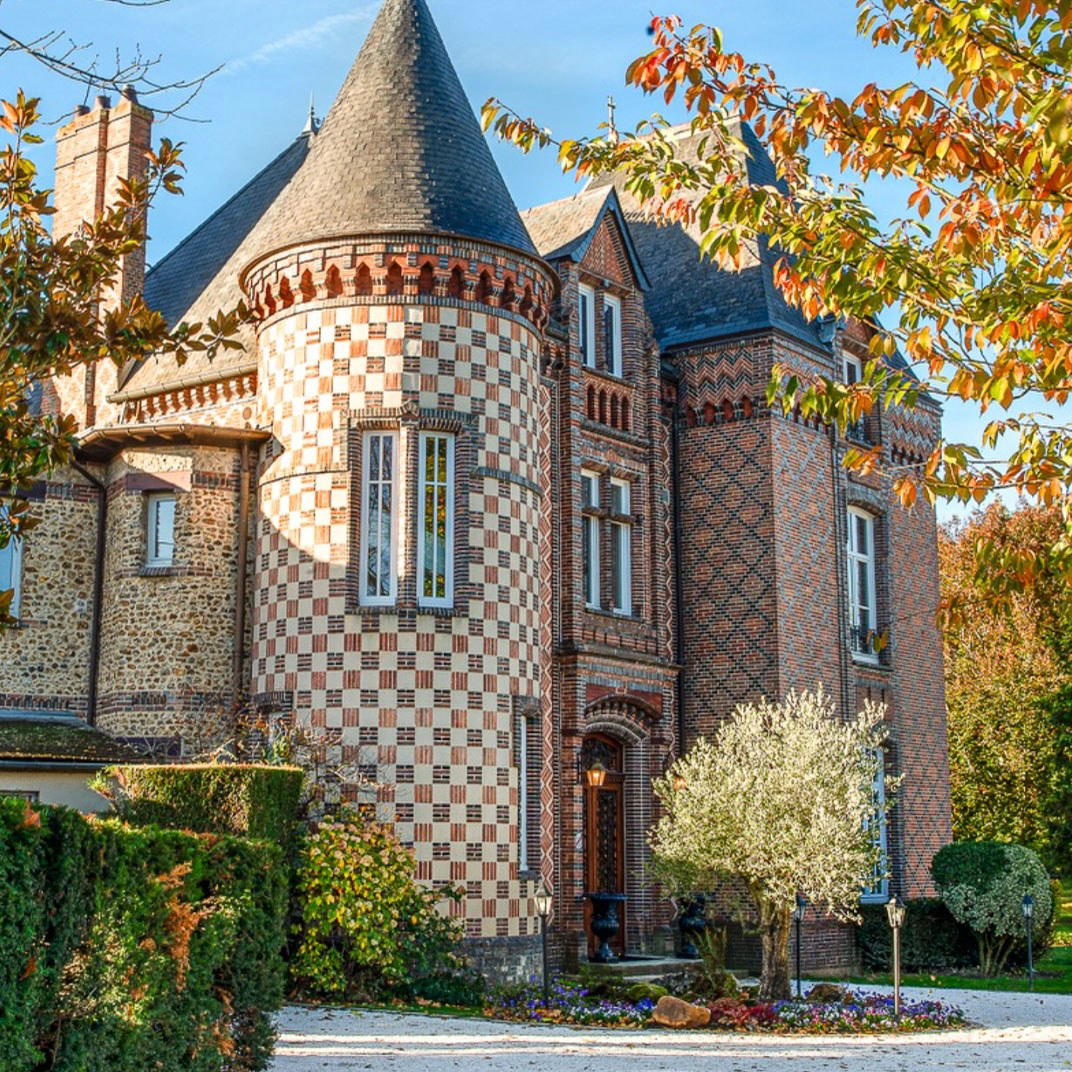
La Perrière, the medieval village where La Maison d'Horbé is addressed at La Grande Place, is among the more architecturally coherent settlements in the Perche. Approaching through lanes bordered by old stonework, with the village sitting on a slight rise above wooded valleys, the physical setting does a great deal of work before you reach the door. This is the kind of location where a restaurant must earn its place by reflecting what surrounds it, not by importing a concept from elsewhere. In that sense, the Perche terroir is both the context and the standard against which any serious table here is measured.
The Agriculture Behind the Plate
What makes the Perche a compelling culinary territory is the specificity of its produce. The region's dark, clay-heavy soils support apple and pear cultivation that has historically fed the cider and calvados industries of neighbouring Normandy. Percheron horses, bred here for centuries, are the region's most famous export, but the lesser-told story is the quality of its small-farm produce: raw-milk dairy, free-range poultry, orchard fruits, and foraged ingredients from the bocage margins. These are the raw materials that define what honest Perche cooking looks like, and they position the region's tables in the same conversation as rurally-rooted addresses like Bras in Laguiole or Auberge du Vieux Puits in Fontjoncouse, where geography and sourcing are inseparable from the dining proposition.
France's broader shift toward terroir-anchored regional cooking, visible in addresses from Christopher Coutanceau in La Rochelle on the Atlantic coast to La Marine in Noirmoutier-en-l'île and L'Oustau de Baumanière in Les Baux in the south, has made the inland Norman-Manceau corridor more legible to international visitors than it was a decade ago. The Perche's relative distance from major tourist routes has kept its agricultural character intact, which is precisely why a table here can offer something that a Paris bistro approximating regional cooking cannot.
A Setting That Shapes the Meal
La Grande Place in La Perrière functions as the social centre of the village, bounded by stone facades and open enough to give a sense of the countryside that begins immediately beyond the village limits. A restaurant at this address occupies a position that is civic as much as culinary: it sits where the community gathers, with a view over rooftops and wooded hills that reminds a guest at every glance where the ingredients originate. This is the structural advantage that rural French tables hold over their urban counterparts. The ingredient chain is short and visible. Compare this to the metropolitan context of Alléno Paris au Pavillon Ledoyen or AM par Alexandre Mazzia in Marseille, where extraordinary cooking still operates at a remove from the land. In the Perche, that remove collapses entirely.
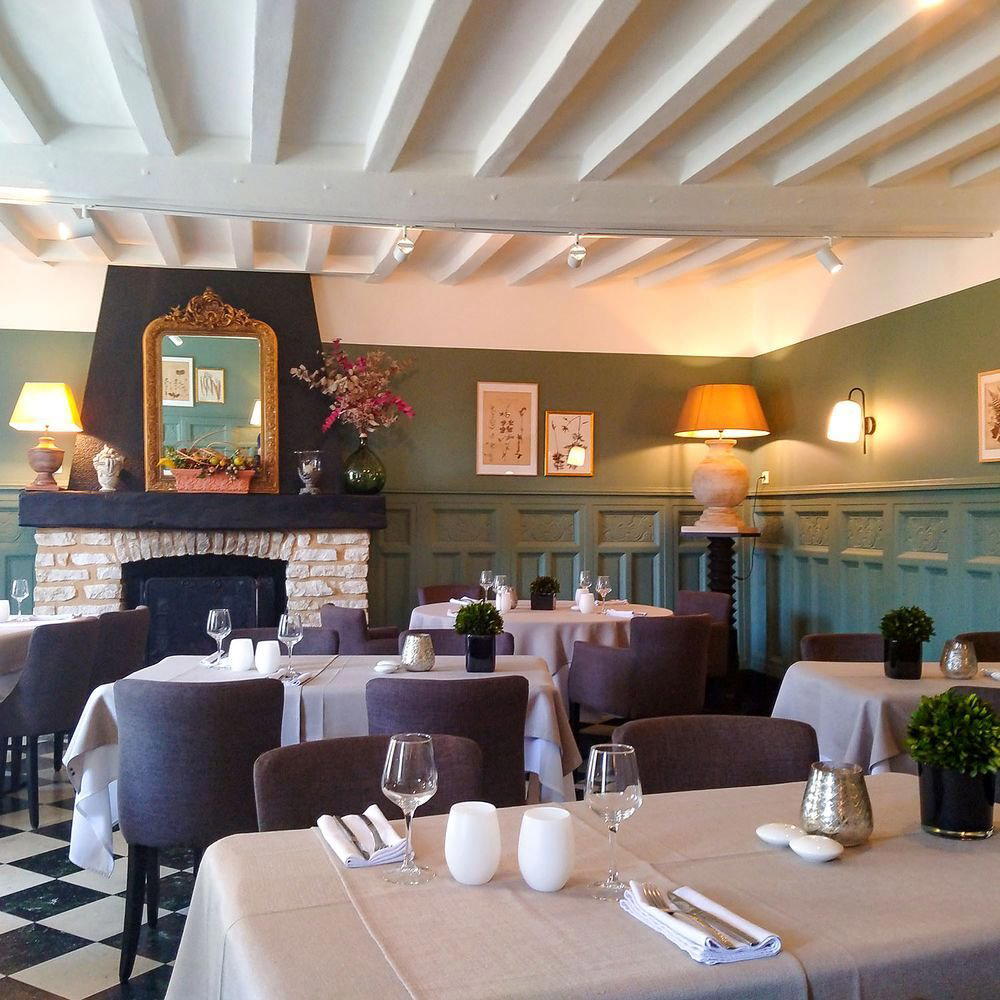
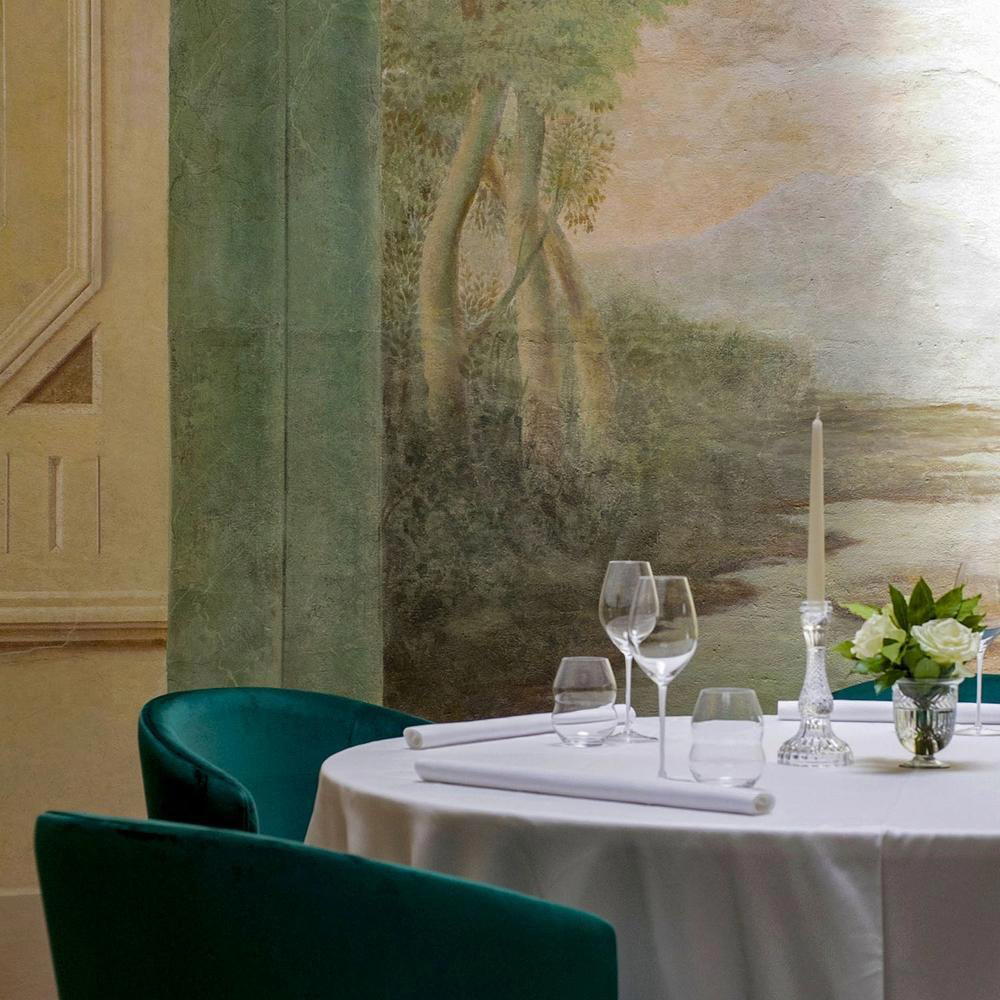
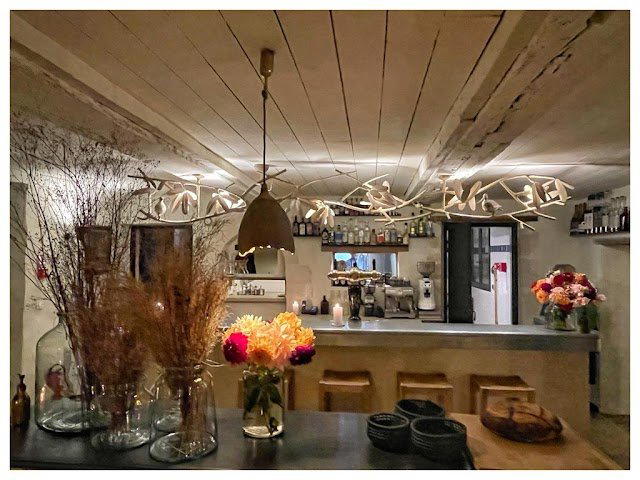
The interior logic of a Perche table follows suit. Stone walls, heavy ceiling beams, and materials drawn from the local built environment are not decorative choices here; they are the architecture of the region, and any room that uses them is in dialogue with centuries of the same. The atmosphere is one of accumulated presence rather than designed curation, which creates a particular kind of ease for the guest: nothing feels imported or performed.
Where La Maison d'Horbé Sits in the French Regional Spectrum
France's regional fine dining has long been weighted toward grandes maisons with multigenerational pedigrees: Paul Bocuse - L'Auberge du Pont de Collonges in Collonges-au-Mont-d'Or, Georges Blanc in Vonnas, and Auberge de l'Ill in Illhaeusern belong to that tradition, where the institution itself carries weight accumulated over decades. Smaller regional addresses operate differently. Their authority comes from specificity of place and the coherence between what they cook and what the land immediately around them produces. See also Assiette Champenoise in Reims and Au Crocodile in Strasbourg for examples of how French regional cooking builds a distinct identity through local anchoring rather than national reputation alone.
La Maison d'Horbé's address in La Perrière places it in the latter category. The village's position within the Perche regional park gives any serious table here access to a defined larder, and the expectation from a guest arriving from outside the region should be calibrated accordingly: this is not a destination where the kitchen imports its ambitions. The Perche itself sets the terms.
For those building a broader itinerary through France's regional tables, the Perche sits within reach of the Loire Valley to the south and Normandy's calvados country to the north, making La Perrière a plausible overnight stop rather than a detour. The village has limited accommodation options, so planning around a single-night stay and an early booking at the restaurant is one direct approach.
Planning Your Visit
The restaurant is located at La Grande Place, La Perrière, within the commune of Belforêt-en-Perche (61360). La Perrière sits in the Orne department, roughly equidistant from Mortagne-au-Perche and Mamers, with road access from the N12 and D938 corridors. Given the village's size, arriving by car is the practical approach. Booking ahead is advisable; tables in small rural French addresses at this kind of location fill on weekends, particularly from late spring through the apple harvest months of autumn. The restaurant is open Friday through Sunday, 12 to 10 PM, and reservations are recommended.
- Scrambled eggs with white truffle
- Veal ris with morels
- Foie gras
- Duck aiguillettes with acacia honey and truffle vinegar
- Marquise d'Horbé
- Tarte Tatin
Comparison Snapshot
Comparable venues nearby, for context on price, style, and recognition.
| Venue | Cuisine | Price | Notes |
|---|---|---|---|
| La Maison d'HorbéThis venue — the venue you are viewing | French Farm-to-Table Bistro | $$$$ | Not listed |
| Alain Passard's Garden | Vegetable-Focused Fine Dining | $$$$ | Bois Giroult |
| Belle Epoque | Classic French with Norman influences | $$$$ | Les Planches |
| Le Lift | Modern French Gastronomy | $$$$ | Centre Ancien (Old Town) |
| Bienheureux | Modern French seasonal tasting menu | $$$ | Wasquehal |
| Hôtellerie du Bas-Bréau | Classic French Bistro with Modern Twist | $$$$ | Barbizon |
Continue exploring
More in Belforet En Perche
Restaurants in Belforet En Perche
Browse all →
At a Glance
- Romantic
- Classic
- Cozy
- Elegant
- Rustic
- Date Night
- Family
- Celebration
- Special Occasion
- Private Dining
- Terrace
- Historic Building
- Extensive Wine List
- Craft Cocktails
- Beer Program
- Farm To Table
- Local Sourcing
- Organic
Current opening hours
- Monday
- Closed
- Tuesday
- Closed
- Wednesday
- Closed
- Thursday
- Closed
- Friday
- 12–10 PM
- Saturday
- 12–10 PM
- Sunday
- 12–10 PM
Hours can change for holidays and private events. Last verified .
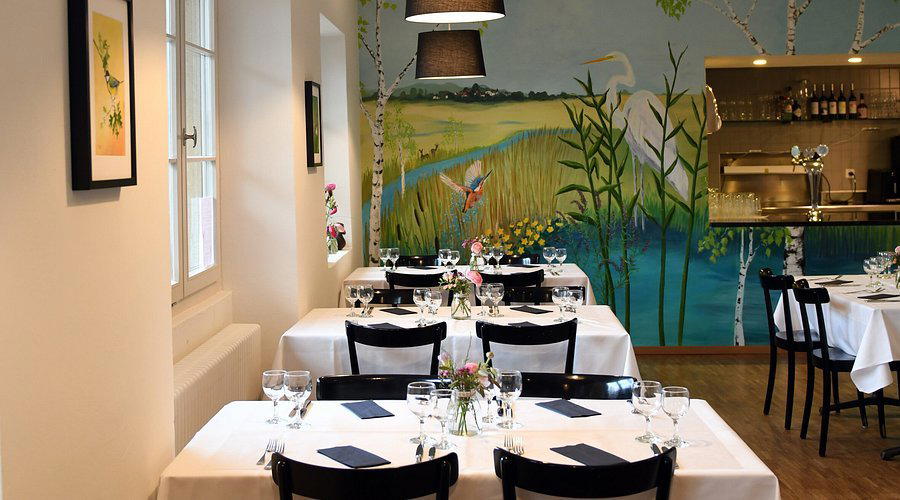
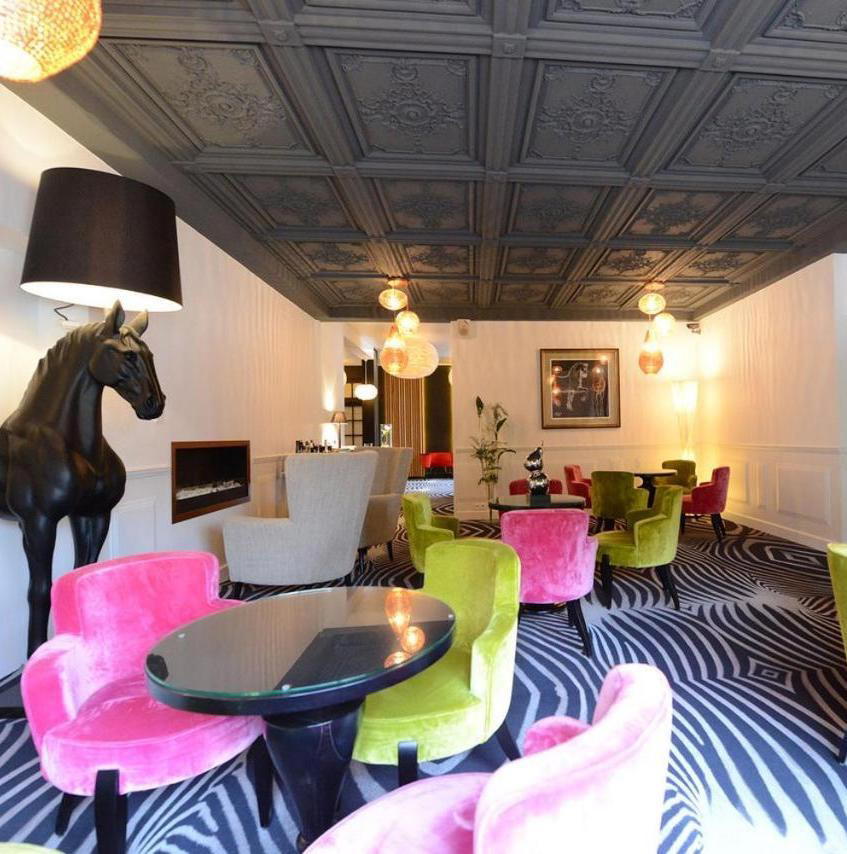
Warm and welcoming with original, antique-filled décor that evokes a sophisticated brocante (flea market) atmosphere; intimate lighting and family-friendly yet refined ambiance.