.png)
In a village whose identity is inseparable from tortellino in brodo, La Lumira holds a Michelin Plate (2025) for Emilian cooking that treats regional ingredients with both fidelity and quiet ambition. Fresh hand-made pasta, traditional balsamic vinegar, and Sangiovese from Romagna anchor a menu that reads as a working argument for why this corner of the Po Valley still matters at the table.
Where the Po Valley Sets the Table
The village of Gualtieri, in the flat agricultural plain between Reggio Emilia and Mantua, is not a place you arrive at by accident. The road runs straight through fields of wheat and sugar beet, past farmsteads that have supplied the region's kitchens for generations. This is the productive interior of Emilia-Romagna, the zone that gives Italian cooking much of its structural backbone: aged Parmigiano-Reggiano, traditional balsamic vinegar from Modena, and the pork that becomes prosciutto and mortadella. La Lumira, on Viale Po at the edge of the village, sits inside that agricultural context rather than apart from it, and the menu reflects the fact directly.
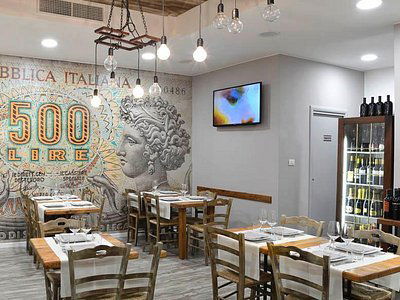
Contemporary decor and attentive service set a tone that is calm rather than ceremonial. This is a mid-price address — €€ in a region where a table at Osteria Francescana in Modena or Le Calandre in Rubano occupies a different tier entirely — and it carries no pretension about that positioning. What it offers instead is a specific, localised reading of Emilian cooking, recognised by a Michelin Plate in 2025, in a room where the atmosphere tilts toward the relaxed end of the dining-out spectrum.
The Ingredient Argument at the Centre of the Menu
Emilian cuisine is, at its core, an argument about provenance. The dishes that define the region , tortellini in brodo, tagliatelle al ragù, cotoletta , derive their authority not from technical complexity but from the quality of specific local materials: the right flour, the right broth, the right aged vinegar. Restaurants in this tradition succeed or fail on how seriously they treat that supply chain, and at La Lumira the sourcing logic is apparent in the structure of the menu itself.
Fresh, hand-made pasta is the centre of gravity. Tortellini here arrive in the form that defines the village , a dish Gualtieri has built a local identity around , and the preparation holds to the conventional standard: thin egg-pasta dough, a meat-and-Parmigiano filling, served in a clear, well-reduced capon or beef broth that carries the accumulated flavour of hours rather than minutes. That broth is the ingredient that separates a credible tortellino in brodo from a casual one, and its quality is the most direct signal of how seriously a kitchen is working.
Alongside the traditional tortellini, the kitchen moves into modern Emilian territory with tagliatelle verdi finished with a beef and pea ragù. Green pasta dough , coloured and flavoured with spinach in the classic regional method , positions the dish within a recognisable local grammar while the ragù's construction, incorporating peas for both sweetness and texture, reflects the incremental modernisation that distinguishes Emilian cooking in the current decade from what it was twenty years ago. This is the kind of update that works precisely because it does not abandon the underlying logic: the pasta is still hand-made, the beef still slow-cooked, the dish still grounded in the region's livestock and arable agriculture.
The veal fillet in traditional balsamic vinegar sauce is the clearest expression of the sourcing argument on the menu. Traditional balsamic vinegar from Modena , the aged, DOP-protected version produced from cooked Trebbiano and Lambrusco grape must, matured through a sequence of wood barrels over a minimum of twelve years , is among the most ingredient-specific condiments in Italian cooking. Using it as a primary sauce component rather than a finishing accent places a significant ingredient at the centre of a dish rather than at its margin, and the result is reportedly full of concentrated, complex flavour. For context: the same vinegar used in this preparation retails at prices that put it in a different category from commercial balsamic entirely. Its presence on a €€ menu, applied to a veal fillet, says something specific about where the kitchen has chosen to put its money.
The Wine List and Romagna's Sangiovese
Emilia-Romagna's wine identity splits along geographic lines. The Emilia side produces Lambrusco in several styles, while Romagna's contribution centres on Sangiovese , a grape that, planted further south in Tuscany, produces Chianti and Brunello, but which reads differently in the Romagna hills: lighter in body, with more transparent fruit, and suited to food pairing precisely because it does not overwhelm. La Lumira's wine list draws from this Romagna production, and the recommendation from the kitchen points to Lillybet, described as a well-structured red with pronounced floral notes. This is the peer style of Sangiovese that local sommeliers have been arguing for internationally: a wine category that merits more attention than it currently receives relative to its Tuscan counterpart.
For diners exploring the wider Italian fine-dining spectrum, the contrast with addresses like Enoteca Pinchiorri in Florence, Dal Pescatore in Runate, or Enrico Bartolini in Milan is instructive. Those are €€€€ operations with multi-star recognitions and international guest profiles. La Lumira operates in a different register , locally anchored, mid-range, Michelin Plate rather than Michelin star , and its closest regional comparators are addresses like Arnaldo - Clinica Gastronomica in Rubiera and Osteria del Viandante in Rubiera, both of which work the same Emilian tradition with similar local commitment.
Planning Your Visit
La Lumira sits at Viale Po, 3 in Gualtieri, a small comune in the Province of Reggio Emilia, not in Castelfranco Emilia as the broader regional listing might suggest. Visitors coming from Modena or Reggio Emilia should allow approximately 30 to 40 minutes by car; public transport connections to Gualtieri are limited, and a car is the practical option for most visitors. The €€ price point makes this a viable lunch or dinner stop on a longer Emilia-Romagna itinerary rather than a special-occasion destination in isolation. The restaurant holds a Google rating of 4.4 across 1,835 reviews as of 2025, a volume that indicates sustained local patronage rather than a transient audience. Reservations are advisable, particularly on weekends, given that combination of recognition and a village-scale dining room. For a fuller picture of what the area offers, see our full Castelfranco Emilia restaurants guide, our hotels guide, our bars guide, our wineries guide, and our experiences guide for the region. Those building a broader Italian itinerary can also consider Piazza Duomo in Alba, Reale in Castel di Sangro, Uliassi in Senigallia, Quattro Passi in Marina del Cantone, Casa Perbellini 12 Apostoli in Verona, and Atelier Moessmer Norbert Niederkofler in Brunico as regional reference points across different price tiers and culinary traditions.
Frequently Asked Questions
- Is La Lumira okay with children?
- At the €€ price point and with a relaxed, welcoming service style, La Lumira sits in the kind of mid-range Italian trattoria tradition that tends to be accommodating for families. The menu's pasta-centred format , tortellini in brodo, tagliatelle, direct main courses , is broadly child-compatible. If you are planning a family visit to the Castelfranco Emilia or Reggio Emilia area and want to set expectations in advance, contacting the restaurant directly before arriving is the sensible approach, as seat count and specific seating arrangements are not confirmed in publicly available data.
- What should I expect atmosphere-wise at La Lumira?
- The dining room is described as contemporary in decor with service that runs on the welcoming, unhurried side. This is a village restaurant with a Michelin Plate (2025) and a Google rating of 4.4 from over 1,800 reviews, which points toward a room that is taken seriously by locals without performing formality. The €€ price bracket in the context of Emilia-Romagna positions it as a place for a considered lunch or dinner rather than a casual snack stop, but the tone is relaxed rather than stiff. Expect the pace of a traditional Emilian meal: multiple courses, wine by the glass or bottle, no particular rush.
- What's the leading thing to order at La Lumira?
- The kitchen's strengths, as documented by Michelin's recognition and the menu record, sit in two areas: the hand-made fresh pasta and the veal fillet with traditional balsamic vinegar sauce. In a village whose local identity is built around tortellino in brodo, ordering the tortellini is the obvious starting point , the quality of the broth is the benchmark by which the kitchen should be measured. The veal in traditional balsamic vinegar is the dish that makes the most direct argument for the Emilian ingredient sourcing approach, given the quality and specificity of aged DOP balsamic as a cooking component. Pair either with the recommended Lillybet Sangiovese from Romagna.
Need a table?
Our members enjoy priority alerts and concierge-led booking support for the world's most difficult tables.
Access the Concierge