La Luciole

La Luciole holds a Michelin Plate for 2024 and 2025, a meaningful signal in a village of fewer than 2,000 people in the Aude. For travellers passing through the Corbières wine country, it is among the more credible dining options in the immediate area.
Pearl is the En Primeur Club membership app — saves, bookings, and concierge access live there. Same editors, same standards.
- Address
- 3 Pl. de la République, 11200 Luc-sur-Orbieu, France
- Phone
- +33 4 68 40 87 74
- Website
- restaurantlaluciole.fr
- Directions
- Get directions
 Saves & bookings on Pearl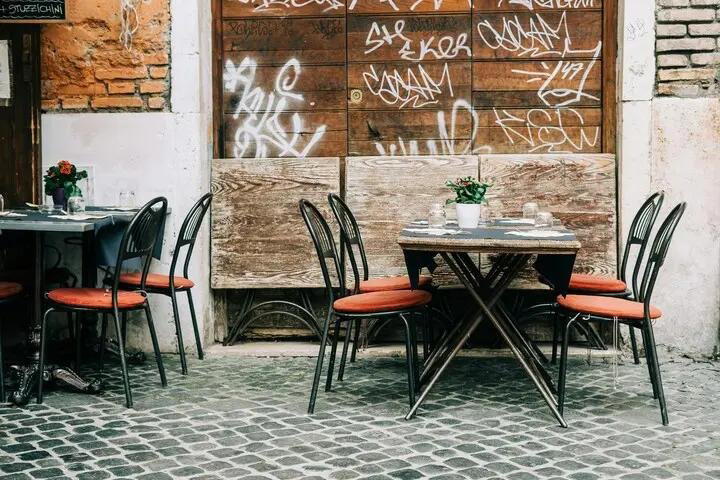
A Village Table in the Corbières
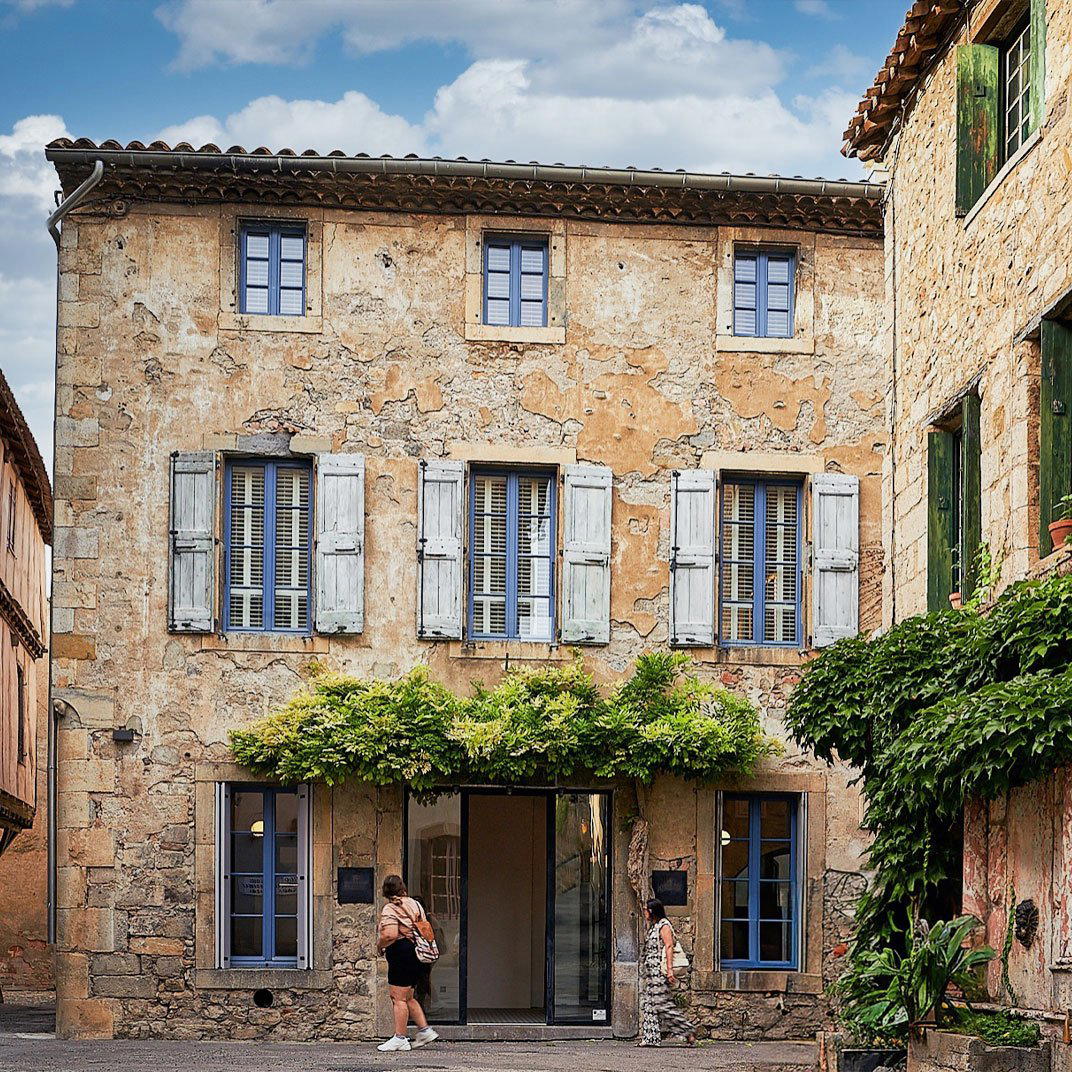
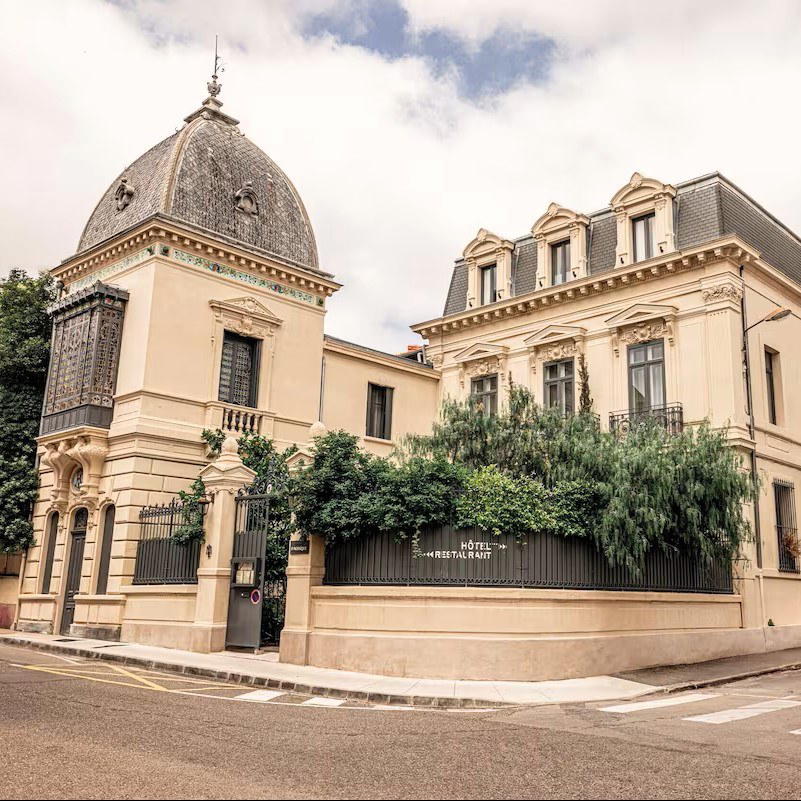
Place de la République in Luc-sur-Orbieu is the kind of square that appears on no shortlist, attracts no food-tourism infrastructure, and looks more or less identical to several hundred other central squares in the Languedoc-Roussillon. A plane tree or two, some worn paving stones, the mairie across the road. La Luciole occupies this setting without apology, and that ordinariness is precisely the context in which its Michelin recognition lands with most force. Michelin awarded the restaurant a Plate in 2024 and again in 2025. In a department where Auberge du Vieux Puits in Fontjoncouse carries the regional flag at the three-star level, a Plate-level address in a commune this size represents real density of culinary commitment along the Orbieu valley.
What the Aude Puts on the Plate
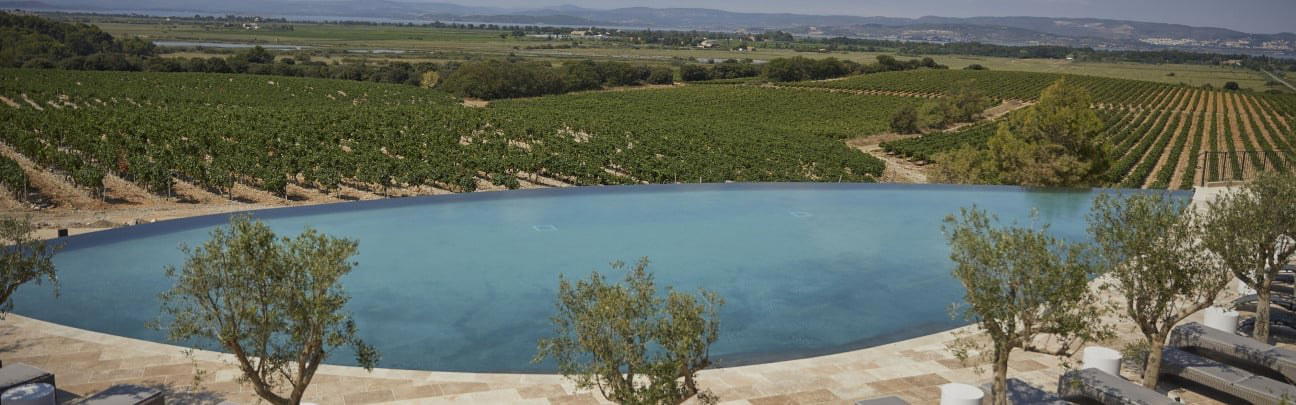
The editorial case for La Luciole runs through the land around it before it runs through the kitchen. The Corbières appellation directly surrounds Luc-sur-Orbieu, producing Grenache, Syrah, and Carignan in soils that shift between schist and limestone depending on which sub-zone you are standing in. Further north along the Aude river corridor, the garrigue gives way to market gardens supplying alliums, courgettes, aubergines, and tomatoes across the growing season. The coast at Narbonne Plage and Gruissan sits roughly thirty kilometres south, putting Mediterranean fish and shellfish within the daily delivery radius that regional kitchens of this type have historically relied upon.
This sourcing geography matters because it shapes what traditional French cuisine means in the Languedoc specifically, as opposed to what it means in Burgundy or Alsace. The pantry here is Mediterranean rather than Continental: olive oil competes with butter, thyme and rosemary edge out tarragon, and the wine that goes into a sauce is as likely to be a local Corbières rouge as a Burgundy. Restaurants working in the traditional register in this part of France are drawing from a distinct regional vocabulary, and that vocabulary is worth understanding before sitting down. For reference on how a different French tradition shapes a menu, Auberge de l'Ill in Illhaeusern shows how Alsatian sourcing produces an entirely different expression of classical French cooking, while Bras in Laguiole demonstrates what hyperlocal Aubrac sourcing produces further north in the Massif Central.
Traditional Cuisine in a Region That Takes It Seriously
The Michelin Plate designation sits below Bib Gourmand and star levels in Michelin's hierarchy, but it signals something specific: the inspectors consider the cooking good. It is a quality floor, not a ceiling assessment. Over two consecutive years, that signal has been renewed, which suggests the kitchen is not coasting on a single strong performance.8 across 250 reviews at the €€ price point reinforces the picture: this is cooking that locals return to, not a destination address that draws only first-time visitors checking a list.
The traditional French category, particularly at this price tier, tends to reward discipline over invention. The cooking that earns consistent recognition in this register is usually built around technique applied to seasonal product: a terrine made properly from properly sourced pork, a fish cooked with attention to temperature and resting, a sauce built from real stock. The Languedoc's traditional repertoire includes dishes like bourride, the garlic-enriched fish stew of the coast, and cassoulet variations that shift from the canonical Castelnaudary version the further south and east you travel. The Corbières context makes local product integration a logical fit.
For comparison on what traditional French cooking looks like at the far end of the ambition and price spectrum, Flocons de Sel in Megève and Troisgros in Ouches represent what the tradition becomes when pursued at three-star intensity. Closer in register, Auberge Grand'Maison in Mûr-de-Bretagne offers a useful parallel: another rural French address in the traditional category, showing how this style performs when executed with regional seriousness in a similarly modest setting.
Arriving and Planning
Luc-sur-Orbieu sits in the Aude, roughly midway between Narbonne and Carcassonne on the D613. The nearest rail access is Narbonne, served by TGV connections from Paris Montparnasse and Marseille Saint-Charles. From Narbonne the village is around fifteen kilometres by road. Travellers spending time in the Corbières wine country, which warrants a dedicated itinerary given the density of interesting domaines across Boutenac, Lagrasse, and Durban, will find La Luciole a sensible anchor for an evening meal. The €€ price bracket puts it comfortably within a mid-range dinner budget for the region. Booking ahead is advisable.
In Context: Similar Options
Comparable venues nearby, for context on price, style, and recognition.
| Venue | Cuisine | Price | Awards | Notes |
|---|---|---|---|---|
| La LucioleThis venue — the venue you are viewing | Modern Mediterranean French Bistro | $$ | Michelin Plate | Not listed |
| Grand Café Occitan | Seasonal Mediterranean Bistro | $$ | Michelin Plate | Félines-Minervois |
| La Balade des Saveurs | Modern French Bistro | $$ | Michelin Plate | L'Isle-sur-la-Sorgue |
| Le Bistro Urbain | Modern French Bistro | $$ | Michelin Plate | Saint-Roch |
| Le Galie | Modern French Bistro | $$$ | Michelin Plate | Prades |
| La Table des Merville | Modern French Gastronomic | $$$ | Michelin Plate | Castanet-Tolosan |
Recognition history
Dated appearances from independent guides and award organizations, with the underlying list record or original source where available.
Michelin Plate
Michelin
Michelin Plate
Michelin
Continue exploring
More in Luc-sur-Orbieu
Restaurants in Luc-sur-Orbieu
Browse all →
Bars in Luc-sur-Orbieu
Browse all →
Hotels in Luc-sur-Orbieu
Browse all →

At a Glance
- Cozy
- Rustic
- Intimate
- Date Night
- Family
- Casual Hangout
- Terrace
- Local Sourcing
- Street Scene
Current opening hours
- Monday
- 12–1:30 PM, 7:30–9 PM
- Tuesday
- 12–1:30 PM, 7:30–9 PM
- Wednesday
- Closed
- Thursday
- 12–1:30 PM, 7:30–9 PM
- Friday
- 12–1:30 PM, 7:30–9 PM
- Saturday
- 7:30–9 PM
- Sunday
- Closed
Hours can change for holidays and private events. Last verified .
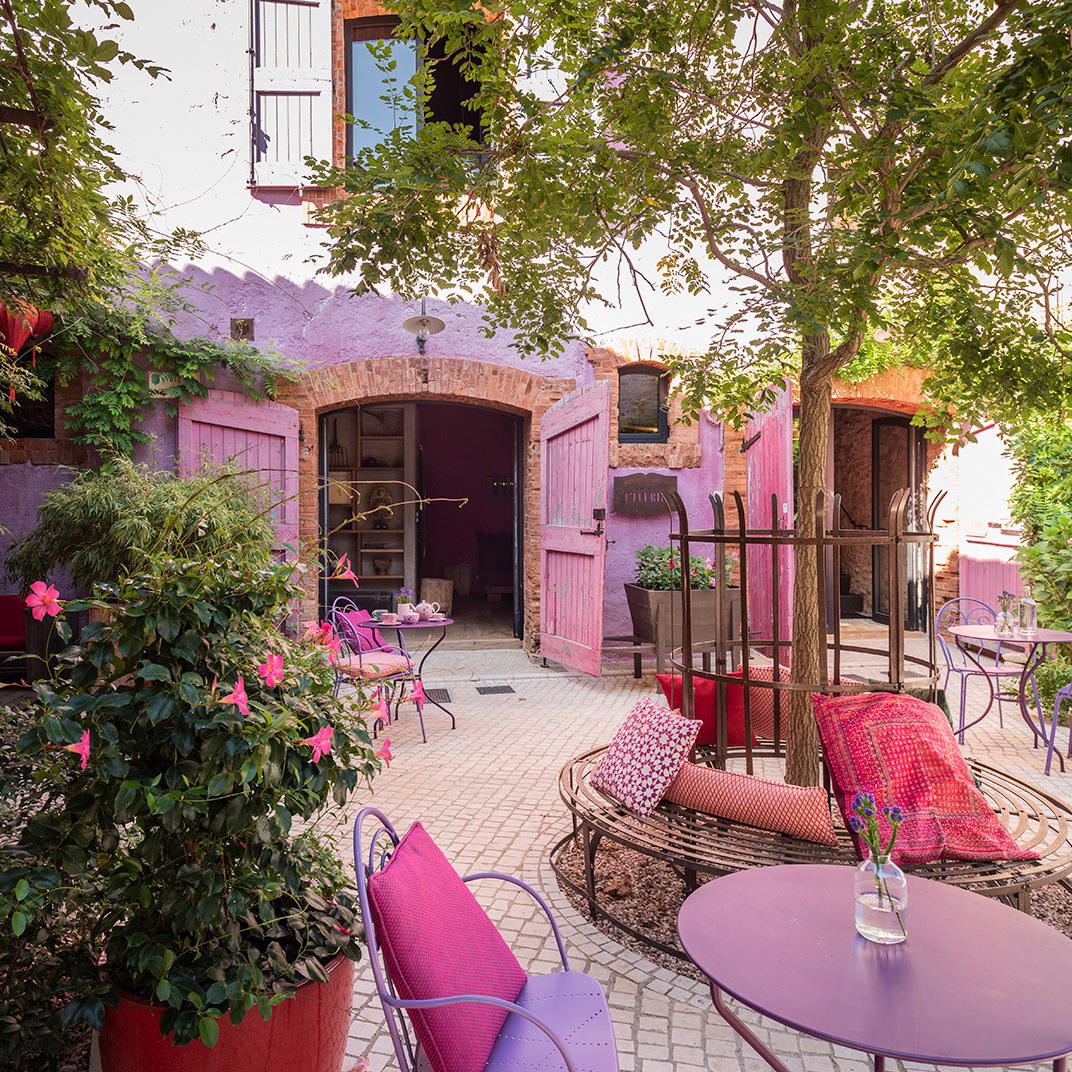
Warm, welcoming atmosphere with careful presentation and friendly service, enhanced by terrace shaded by centennial plane trees.