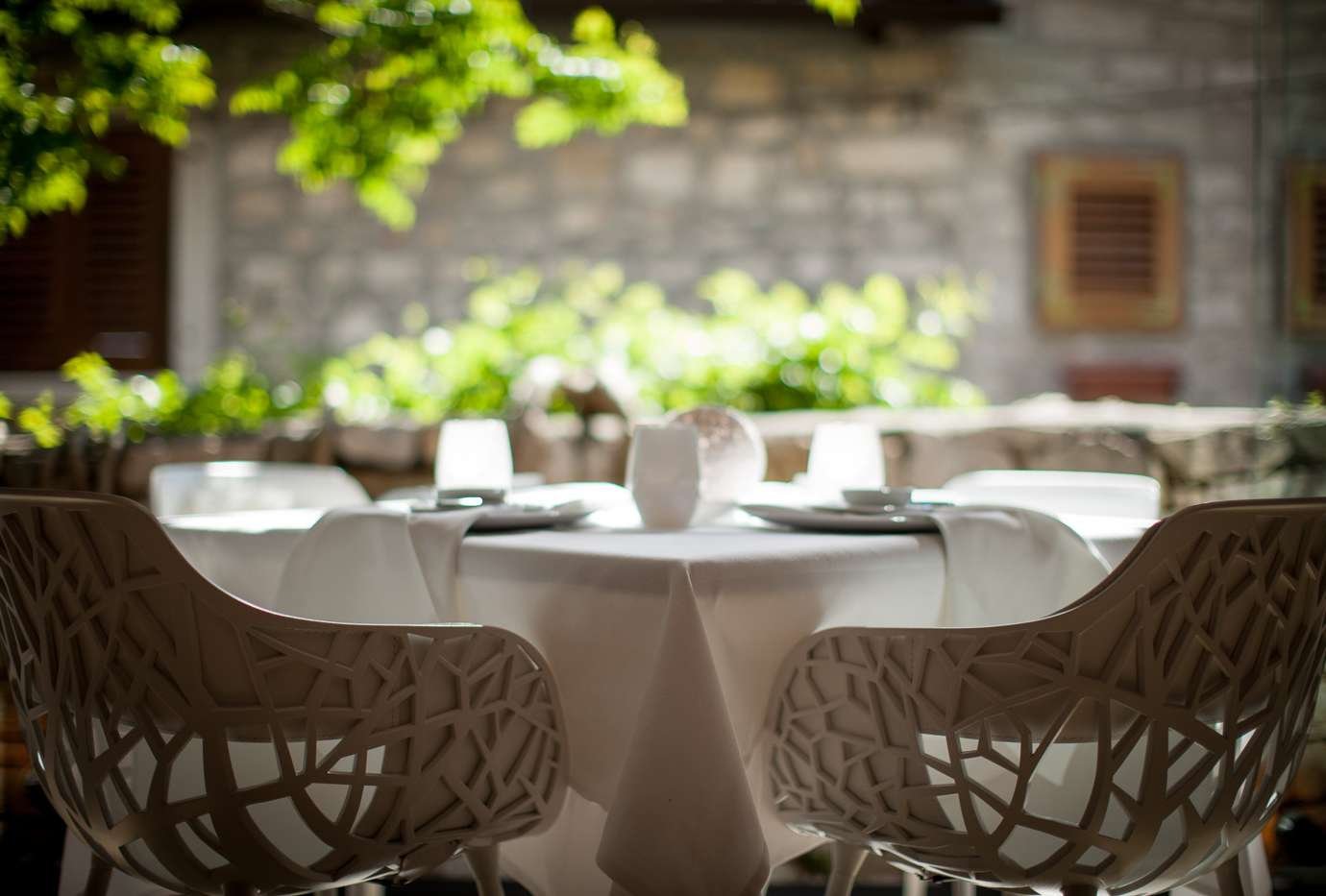
La Grisa sits on the edge of Bale, one of Istria's least-trafficked medieval hill towns, in a setting that frames the surrounding farmland as directly as it frames the plate. The kitchen draws on the immediate agricultural and pastoral geography of western Istria, placing it in a category of rural Croatian dining where provenance is the organizing principle rather than the finishing touch.
Pearl is the En Primeur Club membership app — saves, bookings, and concierge access live there. Same editors, same standards.
- Address
- la grisa 23, 52211, Bale, Croatia
- Phone
- +385992982946
- Website
- la-grisa.com
- Directions
- Get directions
 Saves & bookings on Pearl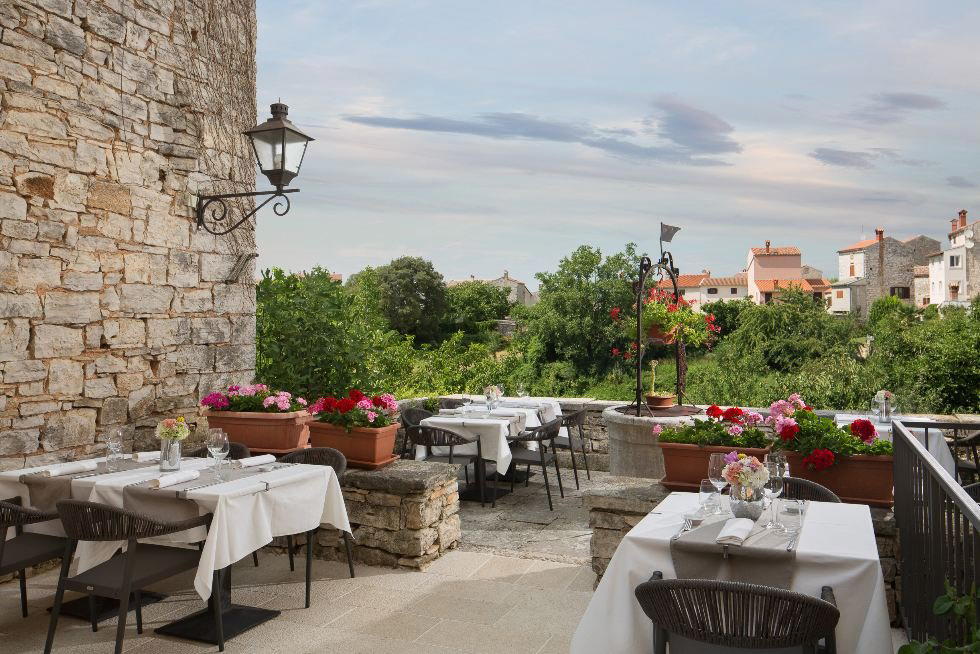
Stone, Soil, and the Fields Around Bale
Bale is the kind of Istrian hill town that most visitors to the peninsula pass without stopping. Smaller than Rovinj, quieter than Poreč, it sits on a modest ridge above the agricultural plain of western Istria, its medieval core largely unchanged by the tourism infrastructure that has reshaped much of the coast. The address at la grisa 23 places La Grisa in Bale, where the built edge of town gives way to open farmland and the geography of Istrian food production becomes literal rather than metaphorical. Approaching the property, the context is unmistakable: this is a part of the world where the land is still the dominant fact of any meal.
That physical setting matters because it shapes what ingredient-led dining means here compared to the coastal restaurant tier. At Agli Amici Rovinj in Rovinj or Pelegrini in Sibenik, sourcing credentials arrive through supplier relationships and careful menu language. In Bale, the suppliers are often visible from the table. The land is not an abstraction to be cited on a menu, it is the immediate surround. That distinction places La Grisa within a small cohort of rural Istrian restaurants where provenance is structural rather than aspirational.
What Istrian Ingredient Culture Actually Means
Istria has developed a credible claim as one of Croatia's most ingredient-conscious regions, built on a short list of genuinely distinguished local products: the truffles of the Motovun forest, olive oils pressed from Buža and Istarska Bjelica cultivars, Teran and Malvazija wines, and a pastoral tradition that produces lamb, game, and cheese with regional character. What distinguishes the inland and agricultural parts of Istria from the coastal dining strip is the directness of access to those ingredients. A kitchen in Bale does not need a distributor for the truffle or the cheese, it needs a relationship with the producer down the road.
This is the model that defines the better rural Istrian tables, and it sets them apart from the high-end Croatian coastal tier. Restaurant 360 in Dubrovnik operates in a different register entirely, where international guests, harbour-view real estate, and formal service structure push the price and format toward the €€€€ bracket. The Bale model is more vernacular: fewer covers, shorter supply chains, and a menu logic driven by what is available rather than what is standardized. Among Bale's own dining options, Kamene priče and Meneghetti represent adjacent reference points for how this town approaches food and hospitality.
The Broader Pattern of Rural Croatian Dining
One interesting development in Croatian fine dining over the past decade has not been the rise of coastal fine-dining rooms, that story is largely told, but the quiet consolidation of a serious rural tier. Places like Boskinac in Novalja, Korak in Jastrebarsko, and Dubravkin Put in Zagreb have demonstrated that the country's most considered cooking is not always happening at the water's edge. These kitchens tend to share a commitment to regional agriculture, a scepticism of imported luxury signals, and a guest profile that is increasingly domestic and food-literate rather than purely tourist-driven.
The restaurant belongs to this pattern by geography and by context. The address in a small Istrian agricultural town, combined with the regional tradition it operates within, places it in that rural-provenance tier rather than the coastal-spectacle tier. For visitors arriving from the busier Istrian resorts, the shift in register is part of the point. Nebo by Deni Srdoč in Rijeka and Alfred Keller in Mali Losinj represent what the northern Adriatic does at the technically ambitious end; Bale represents a different kind of ambition, one organized around place rather than technique.
How to Approach a Visit
Bale rewards visitors who treat it as a destination rather than a detour. The town itself warrants time: the Romanesque-Gothic Soardo-Bembo Castle, the compact medieval lanes, and the absence of mass-market souvenir infrastructure create a pace that coastal Istria rarely delivers in summer. The restaurant's address on the town's agricultural edge means that arriving by car is the practical approach; Bale sits roughly between Rovinj and Pula, making it accessible from either direction without significant deviation from the main Istrian driving routes.
The restaurant is open Tuesday through Sunday from 12 to 10 PM, and closed on Mondays.
For those building a longer Croatian itinerary, the island and coastal options provide useful contrast to the inland Istrian experience. LD Restaurant in Korčula, Krug in Split, and BioMania Bistro Bol in Bol each represent the Dalmatian approach to local sourcing and seasonal cooking, a useful point of comparison for understanding how much regional variation exists within a relatively small country. And for readers who use international benchmarks, the gap between what a Le Bernardin in New York City or Atomix in New York City represents versus a rural Istrian table is not simply a matter of price, it reflects entirely different definitions of what a meal is supposed to do. The Bale version is quieter, more rooted, and less concerned with performance. That is a feature, not a limitation.
A Quick Peer Check
Comparable venues nearby, for context on price, style, and recognition.
| Venue | Cuisine | Price | Awards | Notes |
|---|---|---|---|---|
| La GrisaThis venue — the venue you are viewing | Istrian Mediterranean | $$ | Not listed | Not listed |
| "Kamene priče" rooms, music and food | Istrian Mediterranean Jazz Tavern | $$ | Not listed | Castel |
| Meneghetti | Modern Mediterranean Istrian | $$$$ | Michelin Plate | Bale |
| Puli Pineta | Traditional Istrian | $$ | Not listed | Zminj |
| Roko | Traditional Croatian Mediterranean Seafood | $$ | Not listed | Opatija Center |
| Konoba Ćakula | Istrian Seafood & Mediterranean | $$ | Not listed | Poreč |
Continue exploring
More in Bale
Restaurants in Bale
Browse all →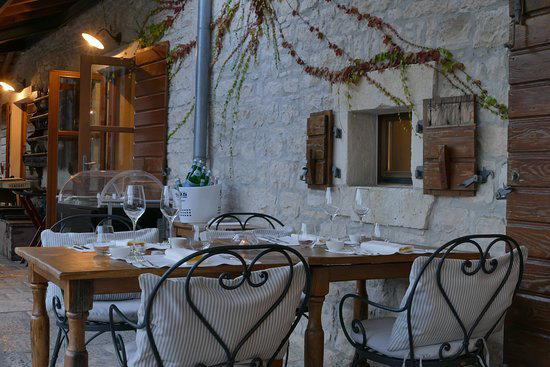
Bars in Bale
Browse all →
Hotels in Bale
Browse all →

At a Glance
- Rustic
- Cozy
- Intimate
- Elegant
- Date Night
- Special Occasion
- Terrace
- Historic Building
- Hotel Restaurant
- Extensive Wine List
Current opening hours
- Monday
- Closed
- Tuesday
- 12–10 PM
- Wednesday
- 12–10 PM
- Thursday
- 12–10 PM
- Friday
- 12–10 PM
- Saturday
- 12–10 PM
- Sunday
- 12–10 PM
Hours can change for holidays and private events. Last verified .
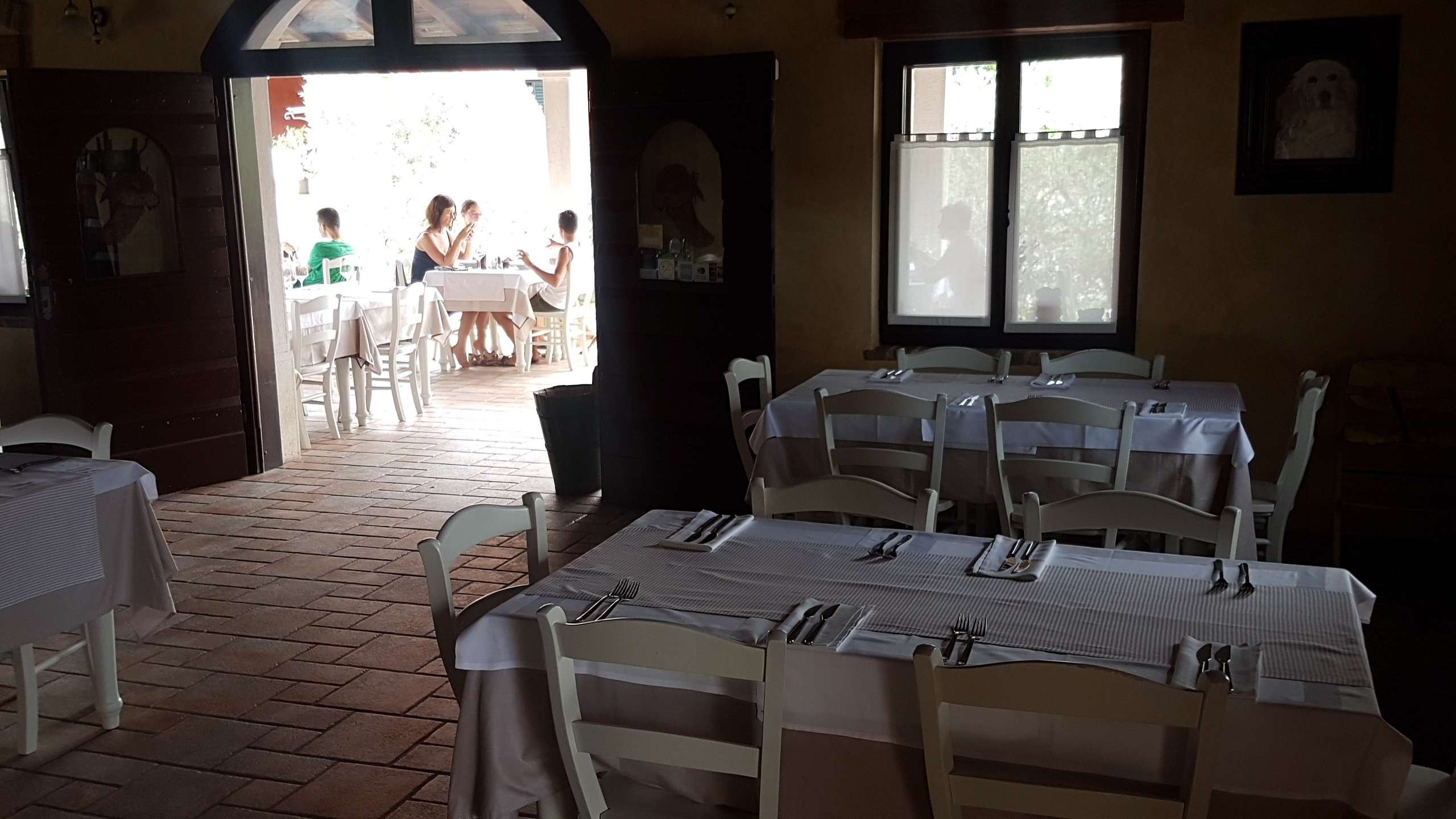
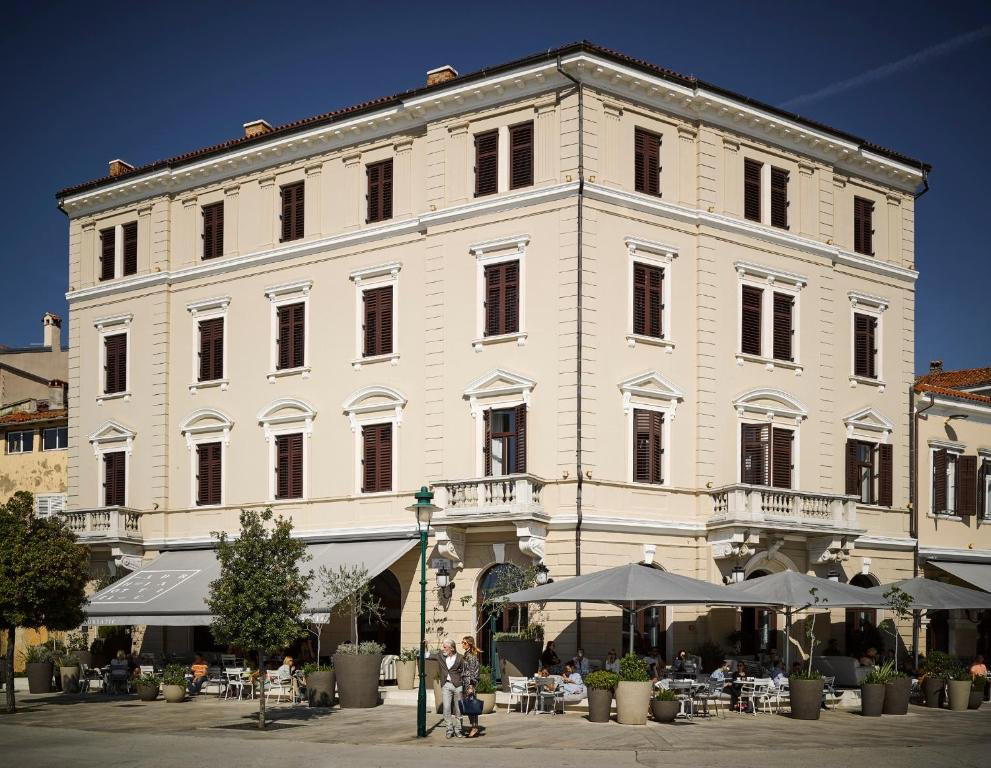
Tranquil and intimate atmosphere in a historic setting with cozy courtyard and rustic outdoor terrace.