La Gran Uruguaya Restaurant
"La Gran Uruguaya Cafe, Jackson Heights by Diane Shaw. Uruguayans have a deep love for their baked goods, clear to see here at La Gran. In order to get how special this place is, you have to grab a seat and soak it in. Fútbol paraphernalia and yerba mate gourds of all shapes and sizes line the walls. Buzz of locals chatting while waiting in the ever-present line (no matter the time of day) fills the air along with the sweet, unmistakable smell of freshly baked pastries. The demand for their huge assortment of traditional Uruguayan desserts and bizcochos is so high, it's enough to keep two storefronts open and constantly bustling. La Nueva, their sister bakery, is just down the block and offers the same items. Snack on bizcochos salados (savory pastries), empanadas, sandwiches de miga (a well-suited stack of crustless tea sandwiches) and dulce de leche-laden alfajores. Or go all out and order a postre chajá, an extreme creation of sponge cake and peaches covered in chards of merengue."
Pearl is the En Primeur Club membership app — saves, bookings, and concierge access live there. Same editors, same standards.
- Address
- 85-02 37th Ave, Jackson Heights, NY 11372
- Phone
- +1 718 505 0400
- Website
- lagranuruguaya.com
- Directions
- Get directions
 Saves & bookings on Pearl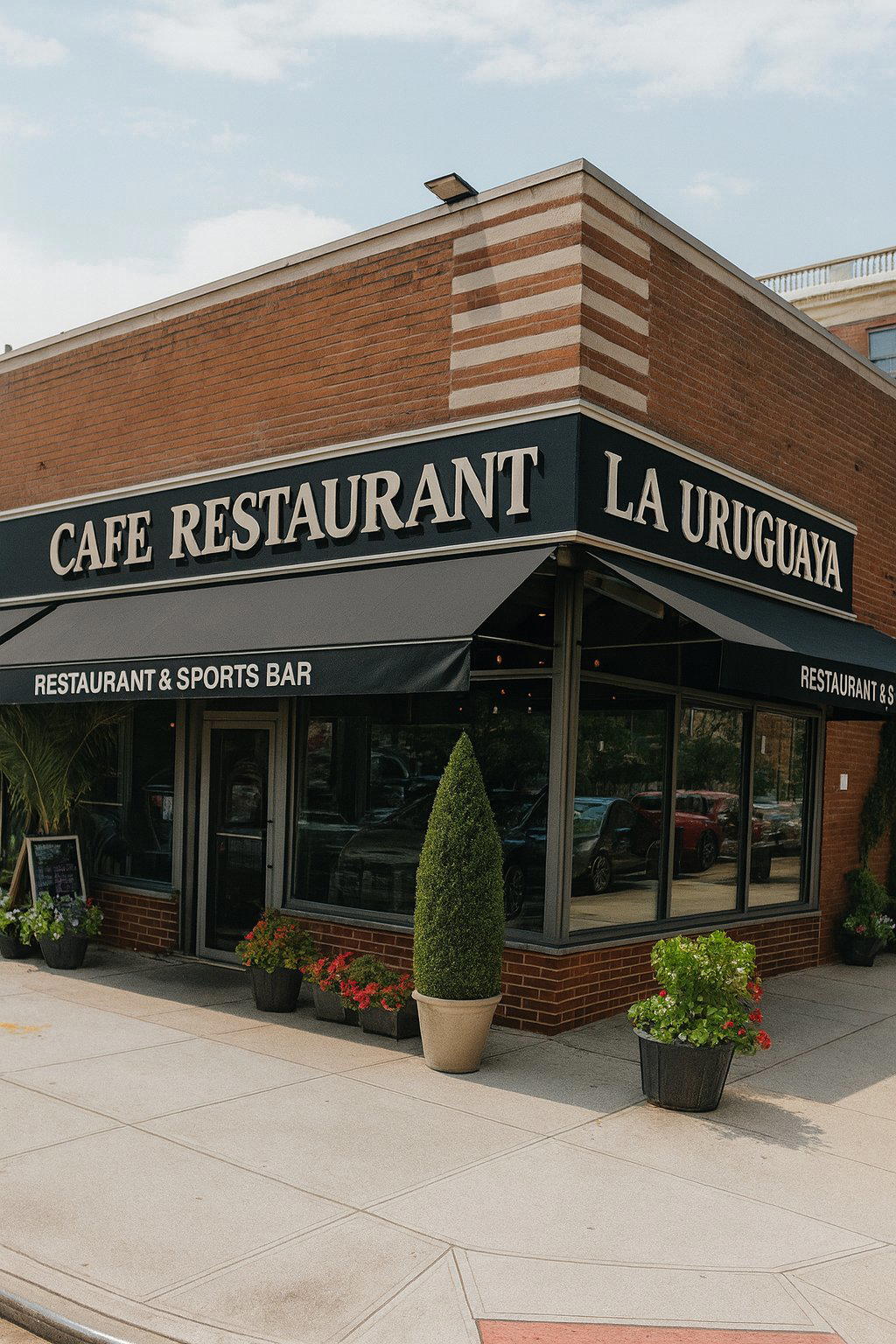
Jackson Heights on a Saturday Afternoon
The stretch of 37th Avenue running through Jackson Heights operates on a different clock than Midtown Manhattan. On weekends, the sidewalk outside 85-02 fills with the particular energy of a neighborhood that takes eating seriously: families moving between grocers and restaurants, the smell of charcoal and roasting meat drifting past storefronts with hand-lettered signs. La Gran Uruguaya sits inside this corridor not as a destination import but as a neighborhood fixture, the kind of place that has regulars who arrive without menus and leave without checking the bill too carefully.
Jackson Heights has long functioned as one of New York's most concentrated immigrant dining zones. The neighborhood draws Colombians, Ecuadorians, Bangladeshis, and Uruguayans into a remarkably small geographic footprint, and the restaurants that survive here do so because locals choose them week after week, not because tourist traffic sustains them. That selection pressure tends to produce kitchens that cook for people who know the cuisine, not approximations designed for unfamiliar palates.
What the Regulars Know
Uruguayan cooking sits in an unusual position within New York's South American restaurant scene. Argentine cuisine has a higher profile in the city, with a handful of steakhouses in Manhattan drawing comparisons to the Le Bernardin tier of destination dining, but Uruguayan food remains a quieter category. The differences between the two traditions are real: Uruguay's cattle culture runs parallel to Argentina's, but the cooking tends toward simpler preparations, heavier reliance on offal cuts, and a chivito sandwich culture that has no equivalent on the Argentine side. Regulars at La Gran Uruguaya understand these distinctions without being told.
The clientele here includes Uruguayan expatriates who use the restaurant as a cultural anchor, as well as Jackson Heights neighbors who have learned the menu through proximity rather than research. That second group, the accidental regulars, often becomes especially loyal: people who arrived once because it was nearby and returned because the food was consistent and the portions honest. In a neighborhood where dining is a practical daily matter rather than an occasion, consistency carries more weight than novelty.
This pattern of loyal return-visit dining is distinct from the reservation-required formality at Manhattan's top tier. Venues like Atomix or Masa operate on a different axis entirely, where scarcity and ceremony are part of the value. La Gran Uruguaya operates where frequency and familiarity are the measure. Both models are valid; they serve different needs and different moments in a city this large.
The Chivito and the Asado Tradition
Uruguayan cuisine is built on two pillars that any serious visit should cover. The asado tradition, which involves slow-grilled beef and offal over wood or charcoal, reflects a cattle-ranching culture as entrenched as anything found in the Pampas. Uruguay has one of the highest per-capita beef consumption rates in the world, and that abundance shapes the cooking from the ground up: cuts that might be considered secondary in other traditions appear here as primary draws, treated with the respect that comes from generations of practice.
The chivito, Uruguay's national sandwich, is the second pillar. At its core a beef tenderloin sandwich layered with ham, bacon, melted cheese, egg, and assorted garnishes, it functions in Uruguayan culture the way a proper cheesesteak functions in Philadelphia: the quality of the execution matters more than the concept, and locals know immediately whether the kitchen is doing it right. In Jackson Heights, a neighborhood accustomed to calling out shortcuts, a weak chivito does not survive long on the menu.
For visitors coming from other parts of the city, the broader New York restaurant context offers useful framing. The tasting menu tier represented by Eleven Madison Park or Per Se involves a completely different set of expectations around pacing, format, and cost. Neighborhood restaurants in Jackson Heights price against local incomes and compete on value per dollar, which often produces a more direct and less mediated eating experience. The trade is worth understanding before you go.
How Jackson Heights Fits the Wider City Map
Jackson Heights is accessible from Midtown via the E, F, M, R, and 7 trains to Roosevelt Avenue-Jackson Heights, making it one of the more reachable outer-borough dining destinations. The neighborhood's restaurant density along Roosevelt Avenue and 37th Avenue means a visit can extend across multiple stops rather than centering on a single table.
Beyond New York, the model of neighborhood-anchored immigrant cooking that La Gran Uruguaya represents appears in different forms across American cities. Emeril's in New Orleans connects to a different kind of local culinary identity, one built over generations into the city's cultural fabric. Frasca Food and Wine in Boulder demonstrates how a specific regional European tradition can be transplanted with enough fidelity to satisfy specialists. The ambition differs, but the underlying impulse to cook for people who know the food rather than people discovering it for the first time is consistent.
For readers interested in farm-driven American cooking that shares the sourcing discipline of asado culture, Blue Hill at Stone Barns in Tarrytown and Single Thread Farm in Healdsburg represent the high-production end of that same conversation. Lazy Bear in San Francisco and Smyth in Chicago occupy a similar position on the West Coast and Midwest respectively. Providence in Los Angeles, Addison in San Diego, The French Laundry in Napa, and The Inn at Little Washington each anchor their regional dining scenes in ways that local neighborhood institutions like La Gran Uruguaya anchor theirs, at a different scale but with the same function of defining a place's culinary character. Further afield, Atelier Moessmer Norbert Niederkofler in Brunico and Dal Pescatore in Runate show how deeply rooted regional identity translates into destination dining on the European side.
Planning Your Visit
La Gran Uruguaya is located at 85-02 37th Ave, Jackson Heights, NY 11372.
Peers Worth Knowing
Comparable venues nearby, for context on price, style, and recognition.
| Venue | Cuisine | Price | Notes |
|---|---|---|---|
| La Gran Uruguaya RestaurantThis venue — the venue you are viewing | Authentic Uruguayan Parrillada | $$ | Not listed |
| Chococo Café (Upper East Side location) | Artisan Chocolate Café & British Chocolatier | $$ | Upper East Side |
| Buenos Aires | Authentic Argentine Steakhouse | $$ | East Village |
| JOE & THE JUICE | Healthy Juice Bar & Café | $$ | Midtown-Times Square |
| Oda House | Authentic Georgian | $$ | Upper East Side-Lenox Hill-Roosevelt Island |
| Le Pain Quotidien | Belgian Bakery Cafe | $$ | Midtown-Times Square |
Continue exploring
More in New York City
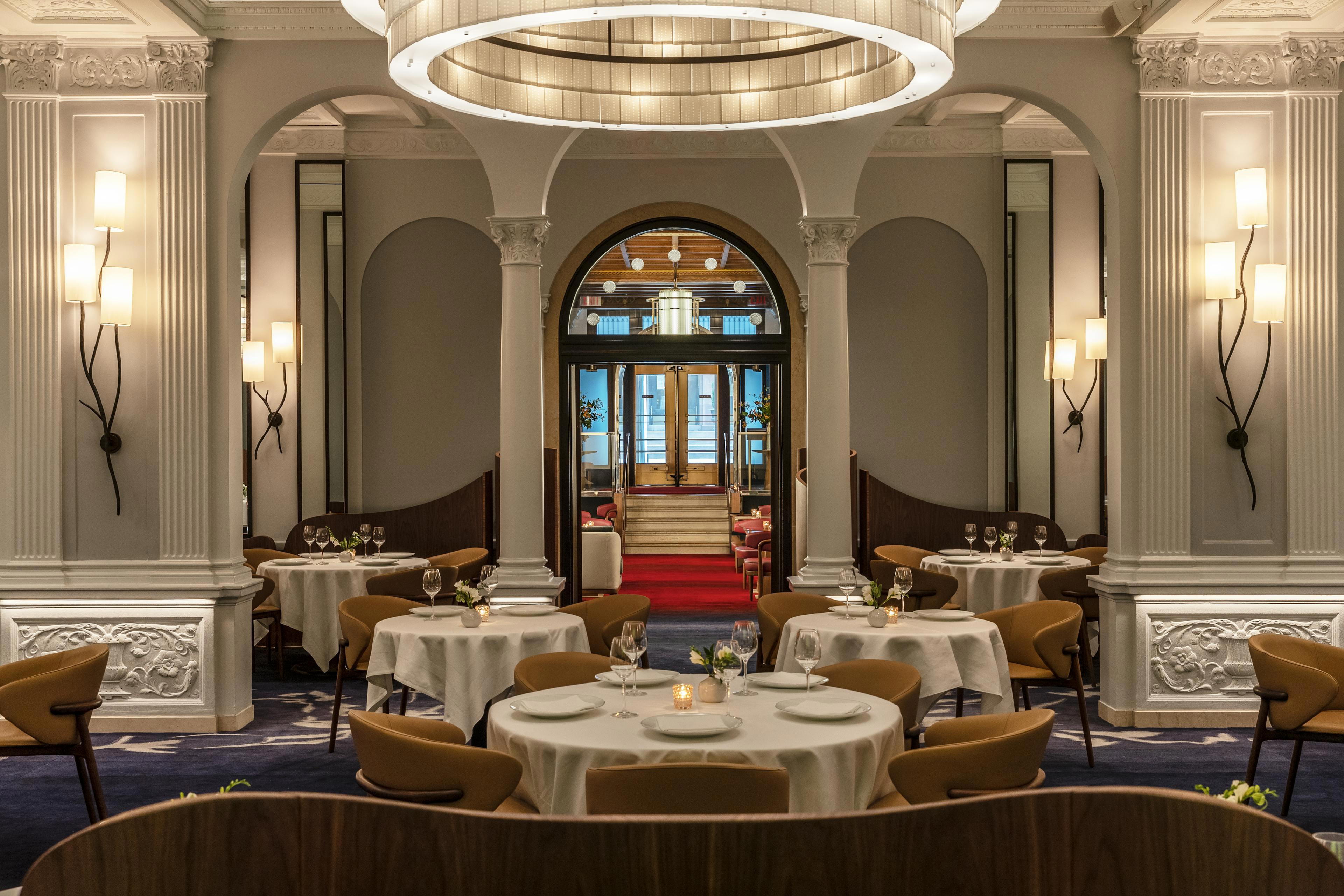
Restaurants in New York City
Browse all →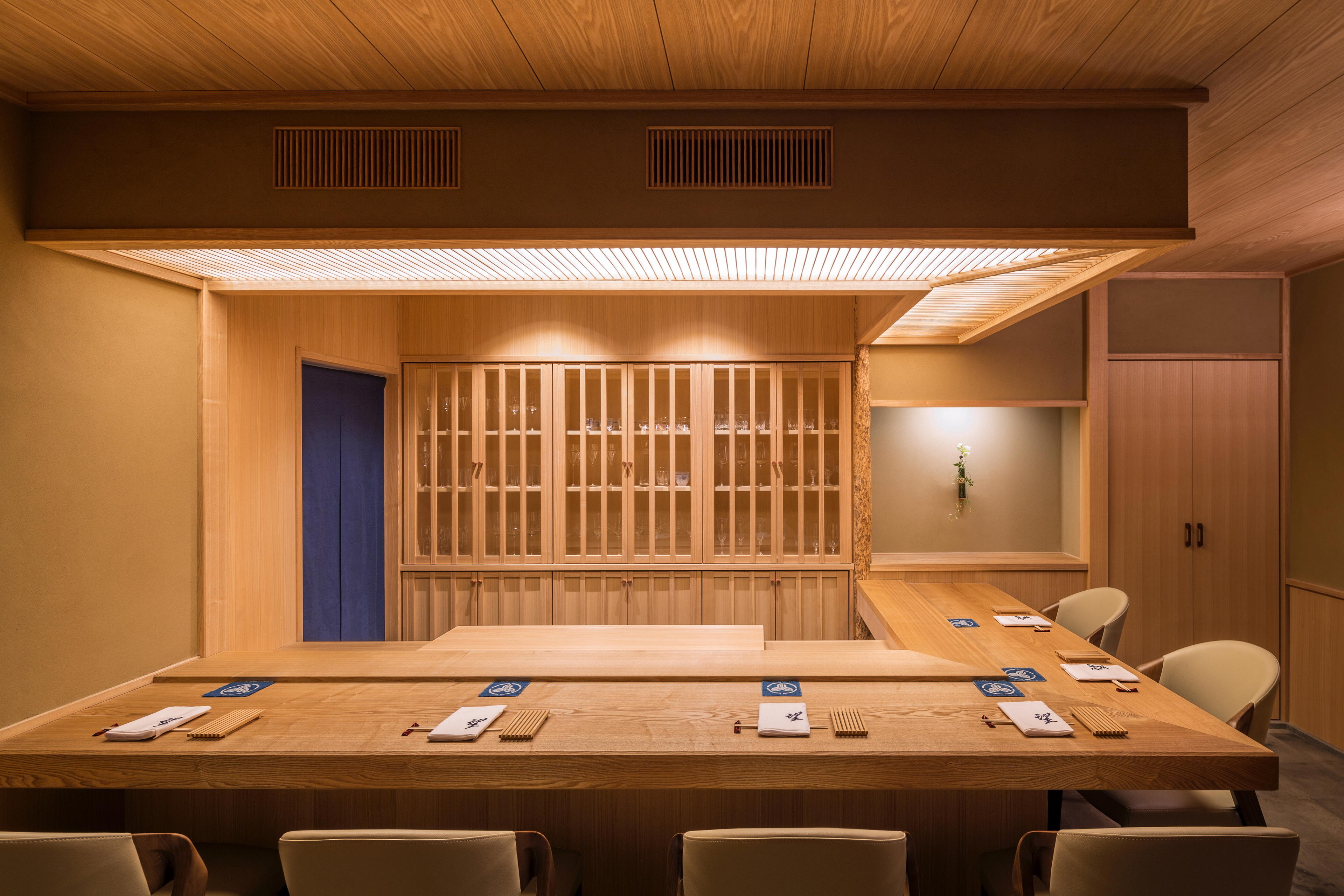
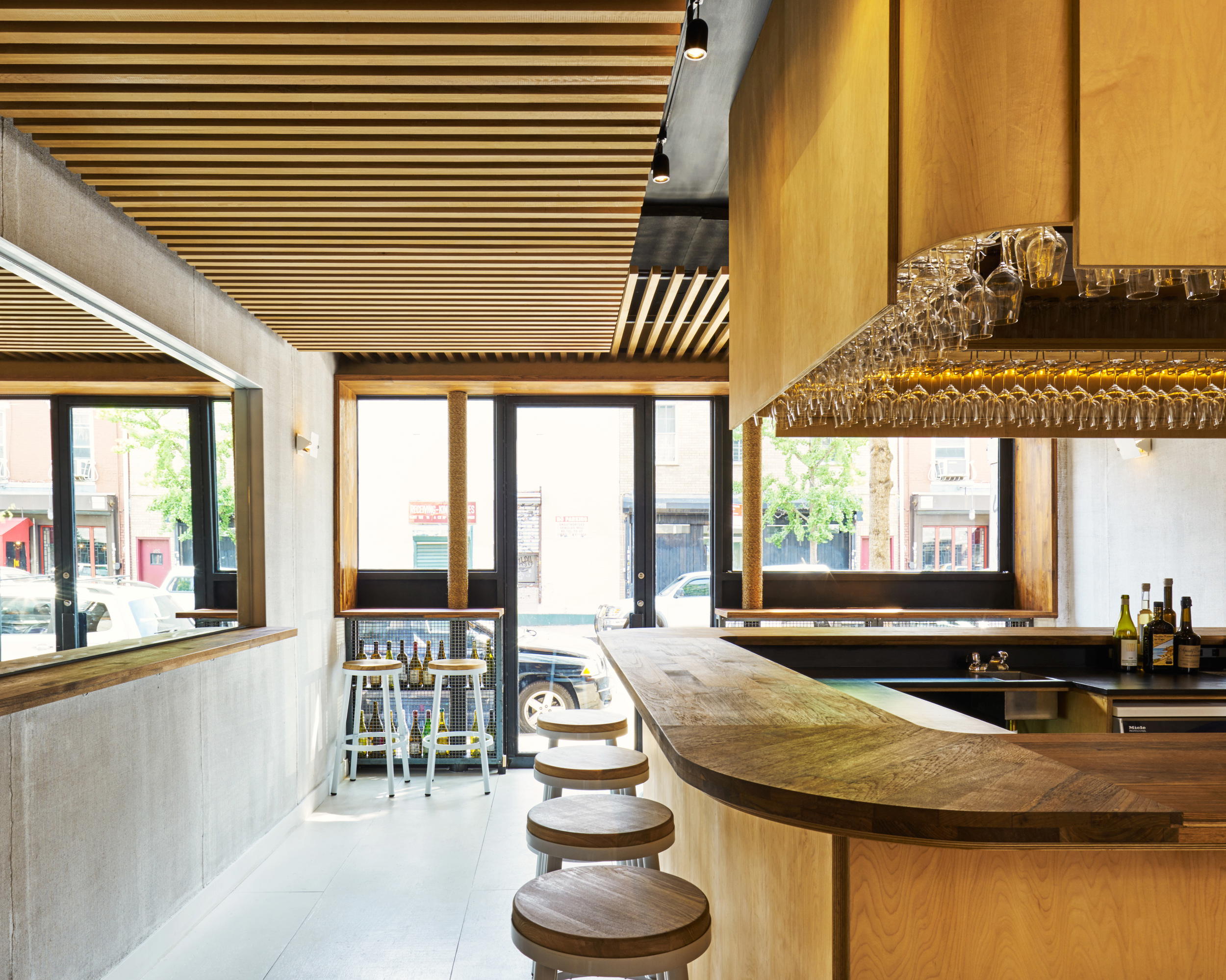
Bars in New York City
Browse all →
Hotels in New York City
Browse all →






At a Glance
- Lively
- Casual
- Casual Hangout
- Group Dining
- Live Music
Current opening hours
- Monday
- 12–11 PM
- Tuesday
- 12–11 PM
- Wednesday
- 12–11 PM
- Thursday
- 12–11 PM
- Friday
- 12 PM–12 AM
- Saturday
- 12 PM–12 AM
- Sunday
- 12–11 PM
Hours can change for holidays and private events. Last verified .
Bustling dining room with a lively sports bar atmosphere, featuring live entertainment on weekends.