Among Grenoble's mid-range dining addresses, La Girole occupies a quieter register than the city's headline creative tables, positioning itself closer to the neighbourhood bistro tradition than to destination-dining spectacle. Located on Rue du Dr Mazet in central Grenoble, it draws a local crowd that values familiarity over theatre. For visitors building a picture of how Grenoble actually eats, it belongs in the broader itinerary.
Pearl is the En Primeur Club membership app — saves, bookings, and concierge access live there. Same editors, same standards.
- Address
- 15 Rue du Dr Mazet, 38000 Grenoble, France
- Phone
- +33476430970
- Website
- lagirole.com
- Directions
- Get directions
 Saves & bookings on Pearl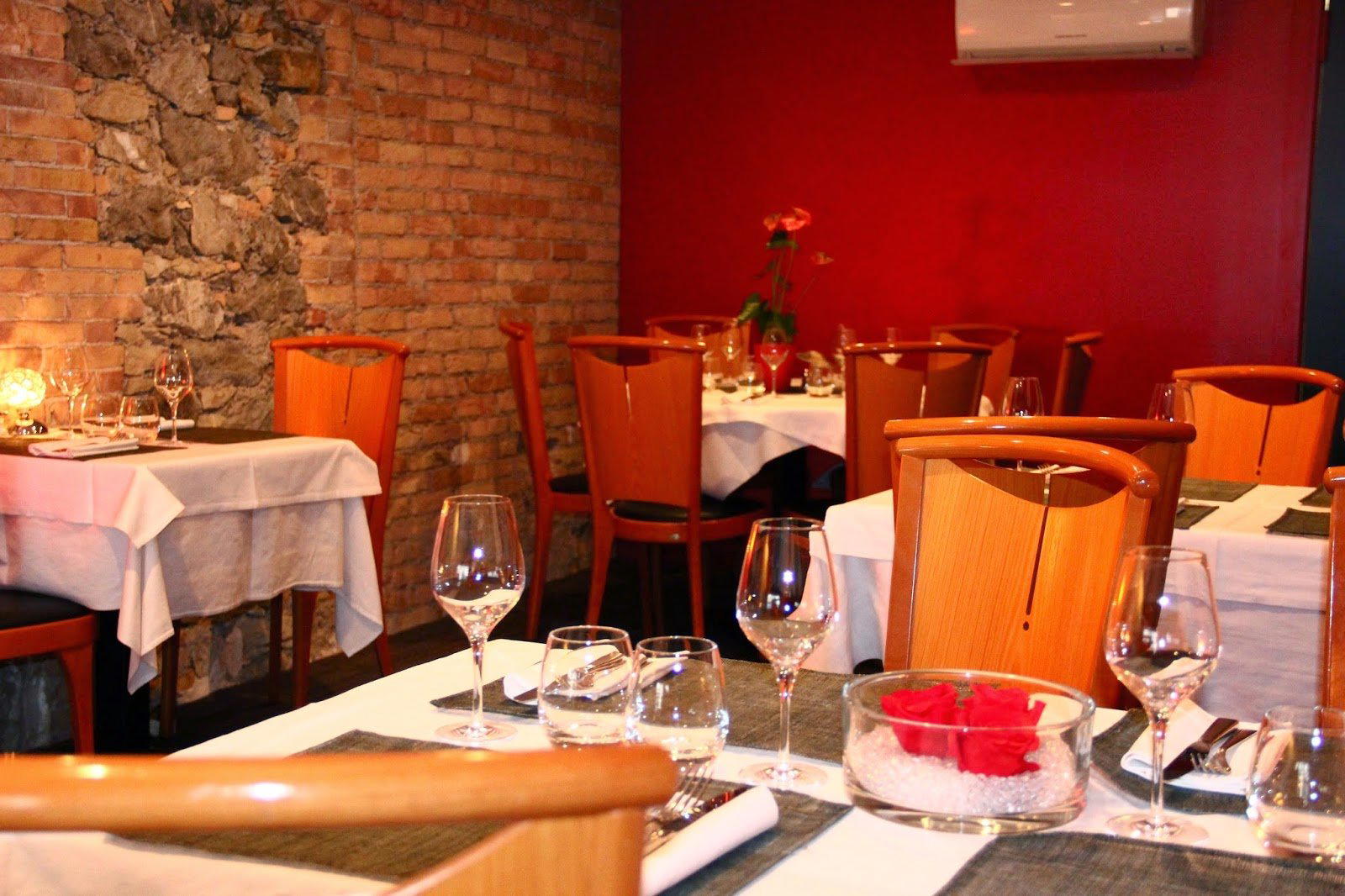
Where Grenoble Eats Without an Audience
The restaurants that define a city's dining character are rarely the ones with the longest press clippings. In Grenoble, a city that sits at the intersection of Alpine produce traditions and a dense, educated urban population, the more instructive picture often comes from the neighbourhood tables operating below the level of creative tasting menus. These are the addresses where sourcing discipline and seasonal rotation matter because the clientele notices, not because a guide inspector might. La Girole, on Rue du Dr Mazet in central Grenoble, belongs to that register.
Grenoble's food culture draws from a larder that few French cities can match at close range. Chartreuse herbs, Isère walnuts with their protected designation, Royans goat cheeses, and the game and mushroom cycles of the surrounding Vercors and Belledonne massifs all arrive quickly and with low intermediary cost. The name La Girole itself points directly at this tradition: the girolle, or chanterelle mushroom, is one of the defining seasonal markers of the Alpine foothills, appearing in late summer and autumn with a provenance that local cooks treat as a point of professional pride. A restaurant named for it is making a statement about orientation before a dish is served.
The Sustainability Frame in Alpine Bistro Cooking
Across France's provincial dining scene, the conversation around ethical sourcing has bifurcated. At the high end, it has become a formal program with named supplier lists and forager credits on menus. At the bistro level, it tends to be structural rather than performative: shorter menus that change with availability, whole-animal approaches driven as much by cost control as by principle, and relationships with local producers that predate the marketing vocabulary of sustainability by decades. La Girole's positioning within Grenoble's neighbourhood dining tier places it inside that second tradition.
This matters for how a visitor should interpret what they find on the plate. A short menu in a Grenoble bistro context is not a sign of limited ambition; it is a signal that the kitchen is working with what the market delivered that week. The Isère department's agricultural calendar moves quickly in autumn, when walnuts, wild mushrooms, and game converge, and slows to root vegetables and preserved goods through the harder months. Restaurants that track this rhythm tend to produce food that feels coherent with where you are, rather than food that could have been prepared anywhere. For the sustainability-conscious diner, this structural alignment with local seasonality carries more weight than a printed pledge.
Grenoble's wider dining scene offers a useful comparison point. At the upper end, Le Fantin Latour under Stéphane Froidevaux operates at a creative and price level that makes its sourcing commitments into a deliberate part of its identity. Brasserie Chavant holds a more traditional position, anchored in the regional bourgeois cooking that precedes contemporary sustainability discourse entirely. Au Clair de Lune, Camillo, and Et Si each occupy different corners of the mid-market. La Girole reads closest to the neighbourhood end of that range, where the implicit contract with local producers is simply how things are done.
Reading the Address
Rue du Dr Mazet sits in the older residential fabric of central Grenoble, away from the main tourist circulation around Place Grenette and the cable car terminus. Streets like this one tend to attract the kind of restaurant that depends on repeat local custom rather than tourist traffic: the tables turn on familiarity rather than novelty. For the visitor, this is a meaningful distinction. A room full of regulars is a different social contract than a room full of first-timers, and the food tends to reflect it. Dishes are calibrated to satisfy rather than impress, portions to sustain rather than signal.
Approaching from the city centre on foot, the street has the unhurried quality of Grenoble's older residential quarters, where the Alpine city's dual identity as a university town and an industrial hub has produced a population more interested in value and quality than in dining spectacle. This is the city that incubated research institutions and outdoor sports culture in roughly equal measure, and its neighbourhood restaurants carry that pragmatic, knowledgeable character.
Placing La Girole in the Broader French Dining Map
For context on where bistro-tier regional cooking sits within France's larger picture, it helps to consider the range that exists above it. The southeastern arc from Grenoble takes in Flocons de Sel in Megève and Mirazur in Menton, both operating at entirely different price and ambition registers. France's canonical restaurant names, from Paul Bocuse's Auberge du Pont de Collonges to Troisgros in Ouches and Bras in Laguiole, represent the institutionalised end of the country's culinary ambition. Auberge de l'Ill in Illhaeusern, Au Crocodile in Strasbourg, and Assiette Champenoise in Reims each anchor their respective regions in a similar way. At the international end, Alléno Paris au Pavillon Ledoyen, AM par Alexandre Mazzia in Marseille, and, across the Atlantic, Le Bernardin and Atomix in New York City sit at the furthest remove from the neighbourhood bistro model. The restaurant occupies the opposite end of that spectrum, where the value proposition is proximity to place rather than distance from the ordinary.
That positioning is not a consolation prize. Within France's dining culture, the bistro that tracks its local market with genuine attention is doing something that the destination restaurant cannot replicate by definition. The girolle on a Grenoble plate in September, sourced from the Vercors foothills, is a different object from the same mushroom shipped to a Paris kitchen. The address on Rue du Dr Mazet is part of what it is.
Planning a Visit
The restaurant is located at 15 Rue du Dr Mazet, 38000 Grenoble, within walking distance of the city centre. Grenoble is served by a mainline SNCF station with direct TGV connections to Paris Lyon in around two hours and ten minutes, and to Lyon Part-Dieu in under an hour. The autumn window, when the Isère's mushroom and walnut harvest peaks, is a logical time to visit if the seasonal sourcing dimension is part of the appeal.
The Essentials
Comparable venues nearby, for context on price, style, and recognition.
| Venue | Cuisine | Price | Notes |
|---|---|---|---|
| La GiroleThis venue — the venue you are viewing | Not listed | $$$ | Not listed |
| Le Goût des Autres | Not listed | $$$ | Centre-ville, French Bistronomique with Notable Wines |
| À Ma Façon | Not listed | $$$ | Hyper-Centre, Modern French Seasonal Bistro |
| Le Bistrot Parisien | Centre-ville, Traditional French Bistro | $$$ | Not listed |
| L'Escalier | Not listed | $$$ | Saint-Laurent - Lavalette, Classic French Gastronomic |
| Restaurant La Belle idée | Not listed | $$ | Hyper-centre, Traditional French Brasserie |
Continue exploring
More in Grenoble
Restaurants in Grenoble
Browse all →
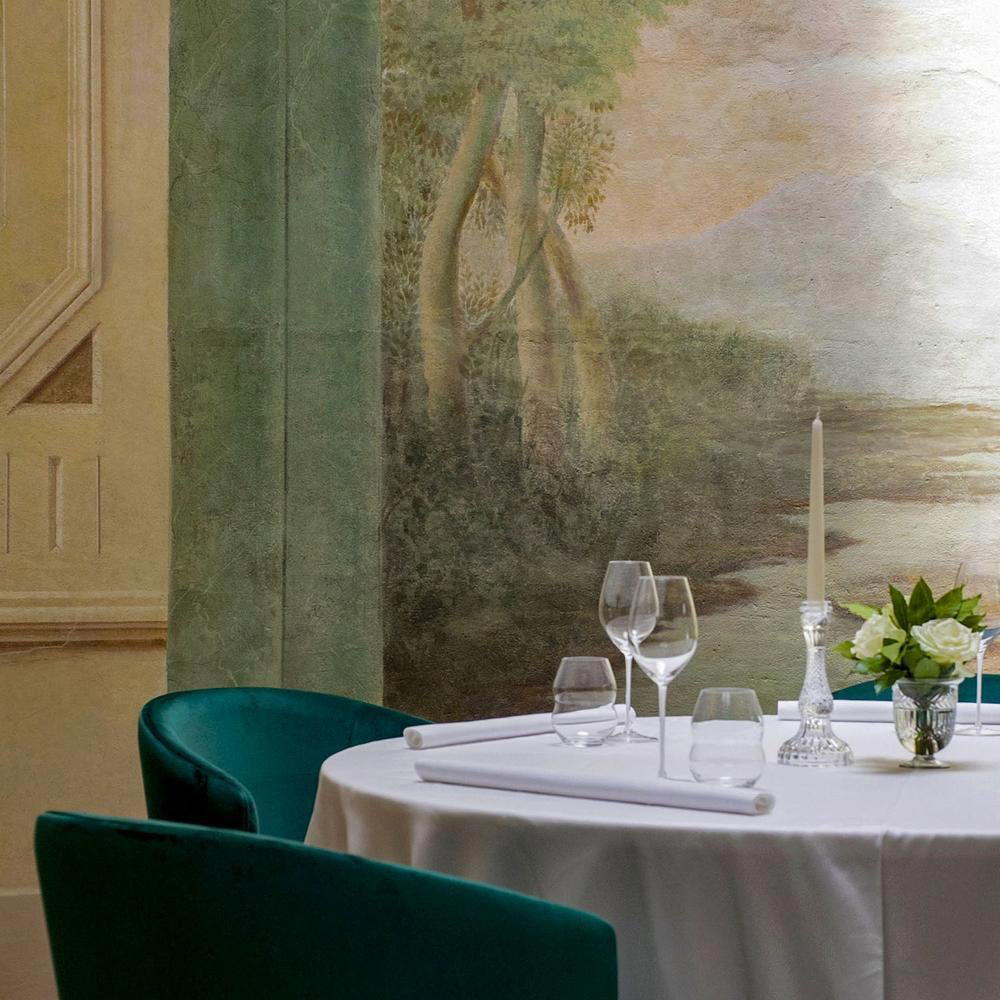
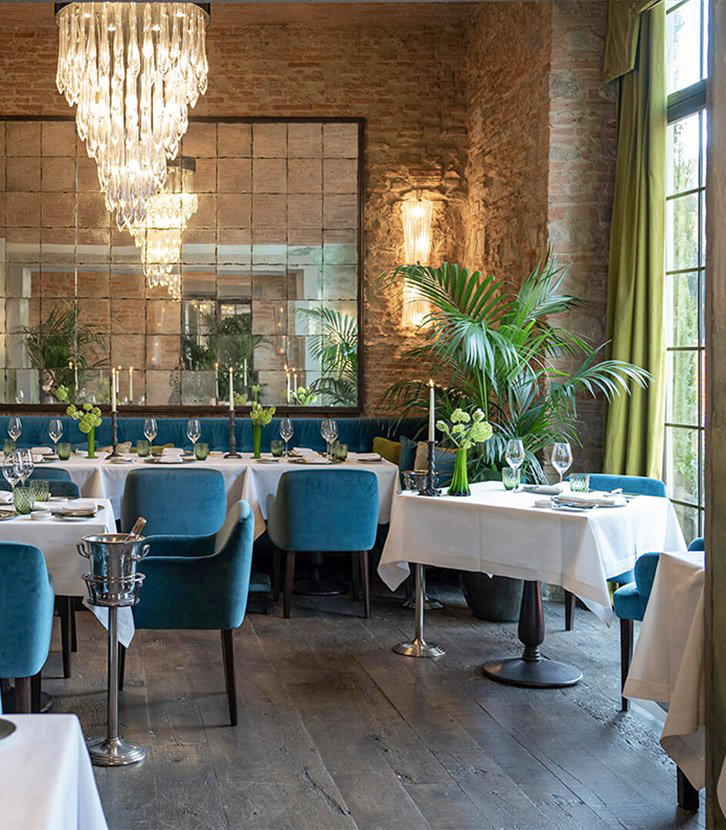
Bars in Grenoble
Browse all →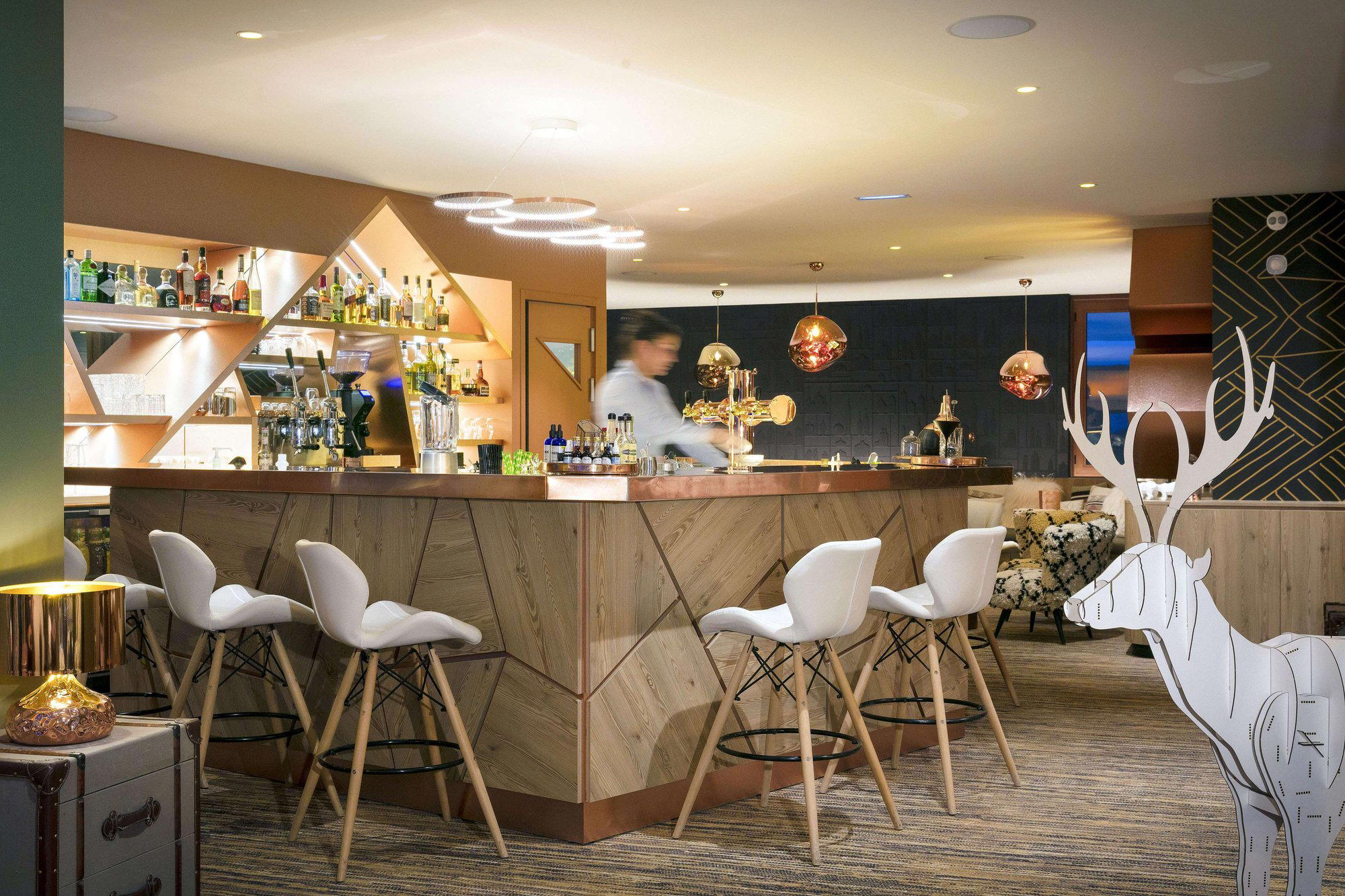
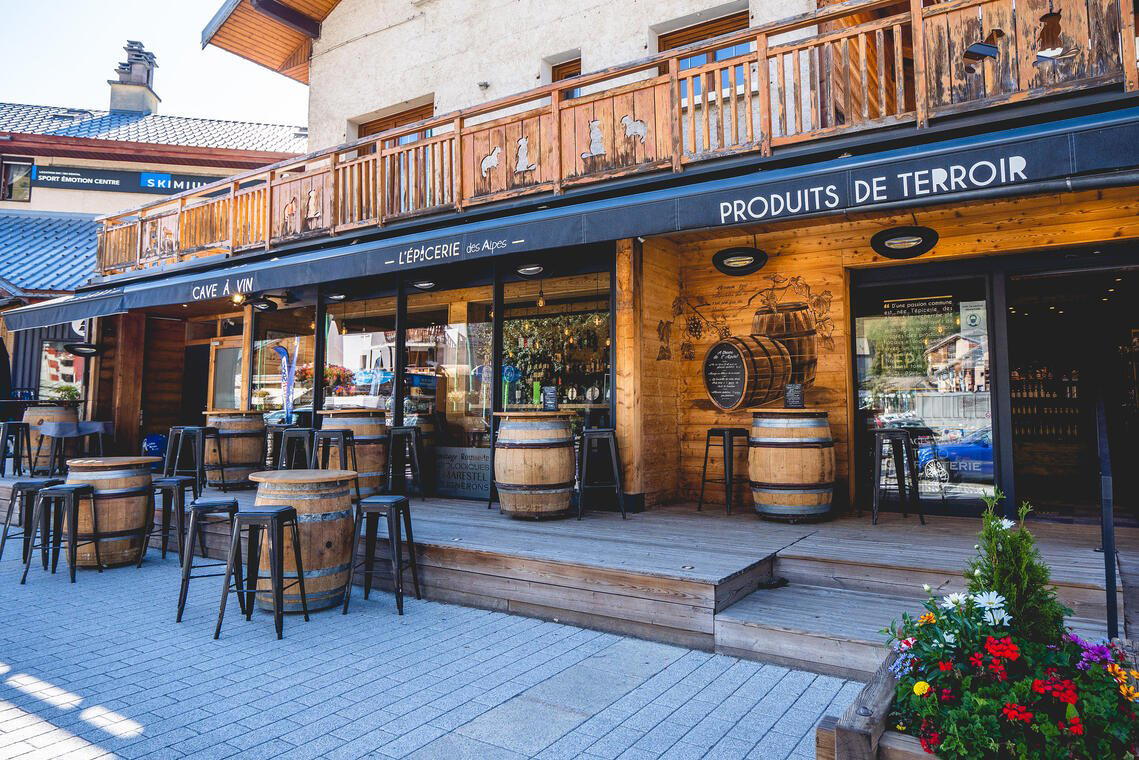
Hotels in Grenoble
Browse all →

At a Glance
- Romantic
- Elegant
- Intimate
- Modern
- Date Night
- Business Dinner
- Special Occasion
- Celebration
- Private Dining
- Standalone
- Sommelier Led
- Local Sourcing
Current opening hours
- Monday
- Closed
- Tuesday
- 12–2 PM, 7:30–9 PM
- Wednesday
- 12–2 PM, 7:30–9 PM
- Thursday
- 12–2 PM, 7:30–9 PM
- Friday
- 12–2 PM, 7:30–9 PM
- Saturday
- 7:30–9 PM
- Sunday
- Closed
Hours can change for holidays and private events. Last verified .
Modern and refined with brick walls, intimate mezzanine area, double-height ceiling with Picasso-esque artwork, fabric tablecloth and ironed linens, warm lighting conducive to personal conversation.