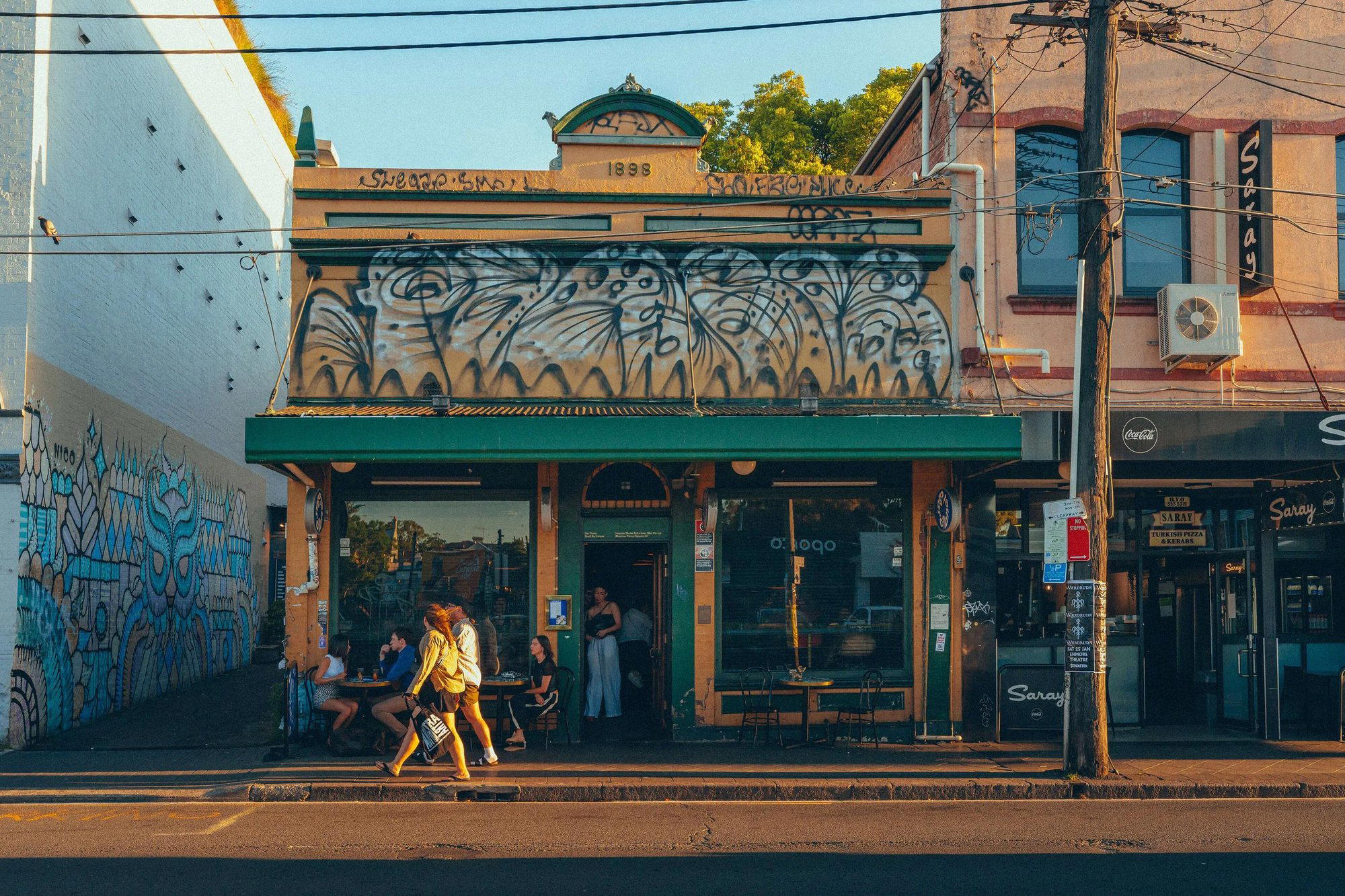
On King Street in Newtown, La Favola occupies a stretch of Sydney's most argumentative dining corridor, where Italian-leaning kitchens compete against a neighbourhood that demands both conviction and value. The address puts it squarely inside the inner-west's informal dining culture, where the cooking tends to carry more ambition than the room suggests. Regulars return for the kitchen's willingness to let local produce drive the menu rather than tradition alone.
Pearl is the En Primeur Club membership app — saves, bookings, and concierge access live there. Same editors, same standards.
- Address
- 170 King St, Newtown NSW 2042, Australia
- Phone
- +61280210002
- Website
- favola.com.au
- Directions
- Get directions
 Saves & bookings on Pearl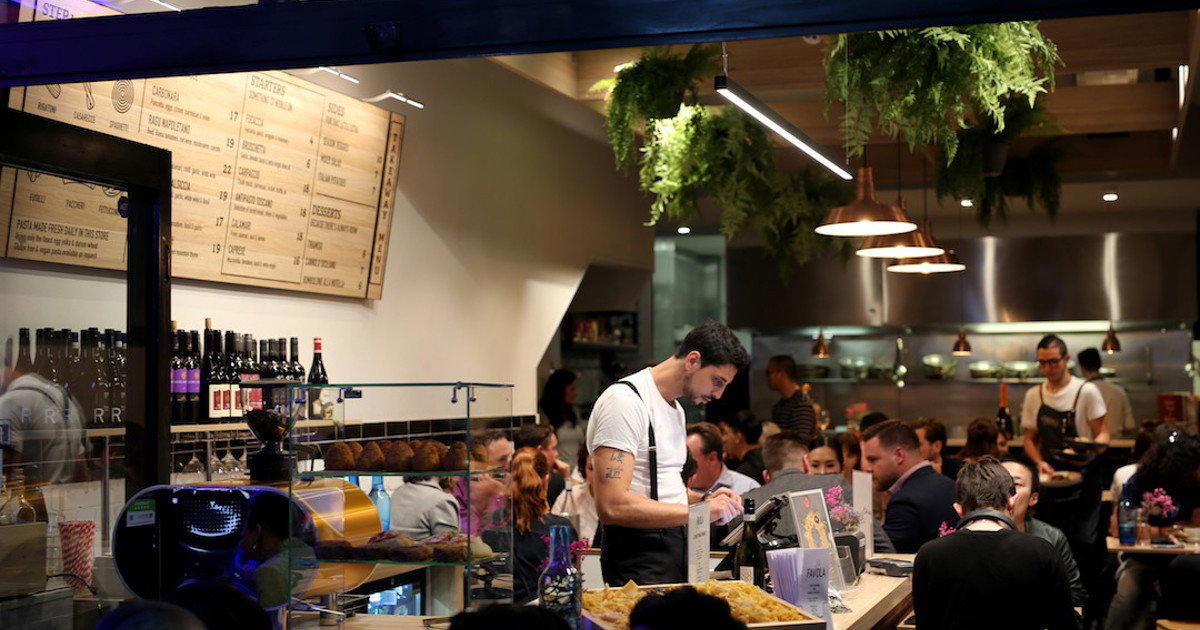
King Street and the Inner-West Italian Tradition
Newtown's King Street has never been a single-register dining strip. It absorbs everything from Sri Lankan curry houses to natural wine bars, and the Italian restaurants that have survived there have done so by adapting rather than preserving. The ones that last tend to read the neighbourhood correctly: a crowd that is food-literate, not especially impressed by formality, and unlikely to return if the cooking feels like it was imported wholesale from somewhere else. La Favola, at 170 King St, sits inside that tradition. The address is walkable from Newtown Station, which places it in the denser, more competitive section of the strip rather than the quieter residential edges where ambition sometimes softens.
The inner-west Italian scene in Sydney has a different character from the North Shore or eastern suburbs equivalents. It skews younger, more experimental in its wine choices, and more likely to take cues from what is arriving at the markets than from what a Roman or Neapolitan template would prescribe. That editorial instinct — local product, technique borrowed from elsewhere — is the lens through which La Favola makes most sense as a dining proposition. For context on how Australian kitchens are applying imported European frameworks to indigenous and regional produce, it is worth reading how Rockpool (Australian Cuisine) and Saint Peter (Australian Seafood) have approached the same tension at a higher price tier.
Local Produce Through an Italian Lens
The broader shift in Australian Italian cooking over the past decade has been less about authenticity and more about where the ingredients come from. Kitchens that once imported their reference points wholesale, San Marzano tomatoes, particular cuts, specific aged cheeses, have increasingly turned to what New South Wales farmers, fishers, and foragers can supply, then applied Italian technique to the result. This is not fusion in the blurry sense; it is disciplined cooking that uses a European grammar to express local vocabulary.
At the price tier and neighbourhood position La Favola occupies, that intersection tends to manifest in pasta made with local-milled flour, proteins sourced from within the state, and vegetable work that follows what is actually in season in the Hunter Valley and Southern Highlands rather than what an imported menu template would call for. Sydney's inner-west has become one of the more reliable places to find this approach executed with some rigour, partly because the neighbourhood's demographic will notice if the kitchen is cutting corners, and partly because the rent economics are more forgiving than in the CBD or the eastern suburbs, which gives kitchens slightly more room to work with smaller margins on quality produce.
For a sense of how this local-product ethos plays out across different formats in the broader Australian dining scene, Attica in Melbourne and Brae in Birregurra represent the high-commitment, ingredient-first end of the spectrum. La Favola operates in a more accessible register, but the underlying instinct, let Australian seasons and producers set the agenda, is shared.
The Newtown Room and What It Signals
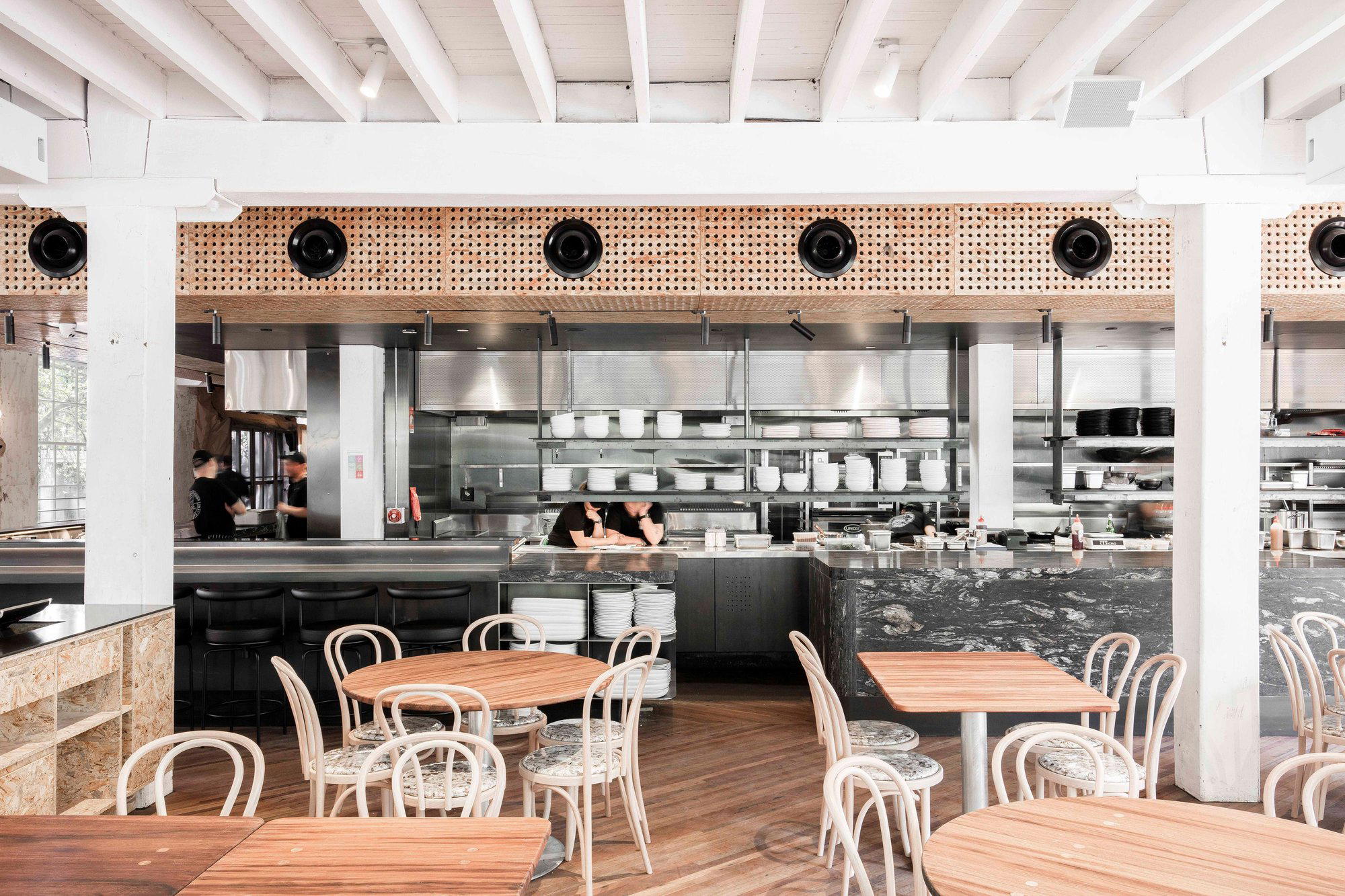
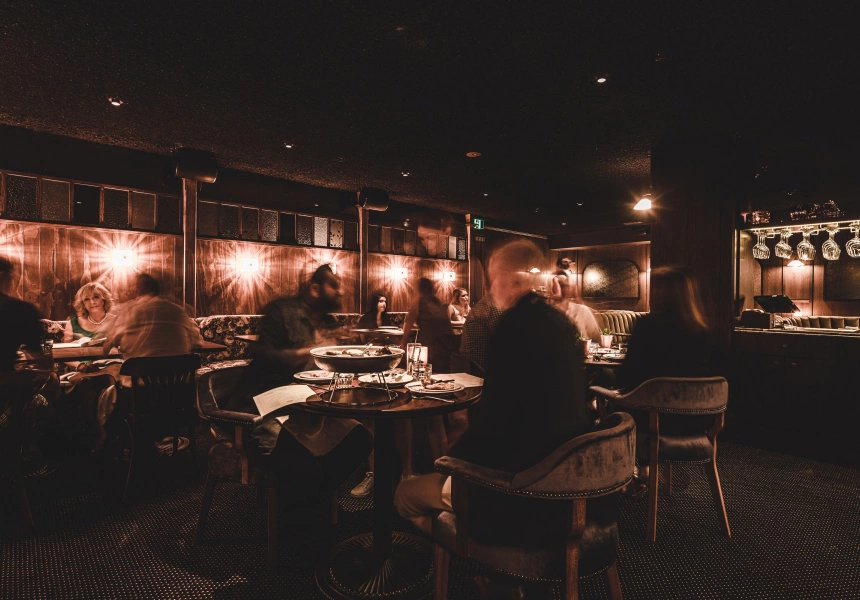
Italian restaurants on King Street tend to communicate their intentions through the room before the menu arrives. The stripped-back trattorias signal that the kitchen is doing the talking; the ones with more investment in tablecloths and candles are usually making a different argument about occasion dining. La Favola's positioning on the strip suggests the former rather than the latter, a room that prioritises the cooking over the setting, and a clientele that shows up prepared to engage with what is on the plate.
That register is consistent with what the inner-west supports well. Newtown diners have access to a wide range of reference points, many of them eat well and travel widely, and they tend to be sceptical of restaurants that use atmosphere as a substitute for substance. The kitchens that have built loyal followings in this neighbourhood have done so through consistency and a legible point of view about what they are cooking and why.
Other Sydney neighbourhoods offer useful contrasts. Bayly's Bistro in Kirribilli and bills in Bondi Beach illustrate how Sydney's casual dining culture shifts in character across postcodes. The inner-west version tends to be less style-conscious and more technique-driven. For the full picture of where La Favola sits in Sydney's broader restaurant field, our full Sydney restaurants guide maps the city's dining by neighbourhood and price tier.
Seasonal Timing and When to Go
Sydney's Italian kitchens track Australian seasons, which run counter to the European calendar that originally shaped the cuisine. Autumn in New South Wales, running from March through May, tends to be when the produce alignment is strongest: stone fruits have given way to pumpkins, chestnuts, and the first of the brassicas, all of which sit naturally inside Italian technique. Winter, from June through August, is when braises and slow-cooked pastas make the most sense climatically, and when the kitchen's judgment about protein sourcing is most visible.
Spring, by contrast, brings the pressure test: peas, asparagus, and lighter herbs arrive quickly and leave quickly, and the kitchens that handle them well demonstrate a responsiveness to the market that the slower months do not require in the same way. If you are timing a visit around the question of what the kitchen does with seasonal produce, late autumn through winter is the most instructive window at an Italian restaurant operating in this mode.
Within the inner-west specifically, La Favola competes with a cluster of restaurants that have built their identities around accessible price points and genuine kitchen commitment. Beyond the Italian category, the neighbourhood's dining culture is broader, 10 William St has made its case from Paddington with a wine-forward Italian model, and 10 Pounds operates in a different register entirely. The comparison is useful because it shows the range of what Italian-influenced dining looks like across Sydney's inner suburbs: some of it prioritises the cellar, some of it prioritises the kitchen, and the leading cases make both arguments simultaneously.
Internationally, the template of applying classical European technique to local ingredients is well-established. Le Bernardin in New York City represents the French-technique-plus-local-seafood end of that spectrum at the high-investment level, while Atomix in New York City demonstrates how Korean kitchens have made a similar argument. The Australian version of this story is still being written, and the inner-west Italian restaurants are a live chapter of it. Further afield, 1021 Mediterranean offers another Sydney example of Mediterranean-framework cooking applied to Australian produce.
Planning a Visit
La Favola is located at 170 King Street, Newtown, a few minutes on foot from Newtown Station on the T3 line, which connects directly to Central in under ten minutes. King Street is walkable and densely served by buses, making the address direct to reach from most inner-city Sydney postcodes without a car. Given the absence of published booking details in current listings, checking directly with the restaurant about walk-in availability or reservation options is the practical first step, particularly on weekend evenings when King Street as a whole operates at capacity. For Italian dining at different price points and formats elsewhere in the region, Hungry Wolfs Italian Restaurant in Newcastle offers a useful regional comparison.
Continue exploring
More in Sydney
Restaurants in Sydney
Browse all →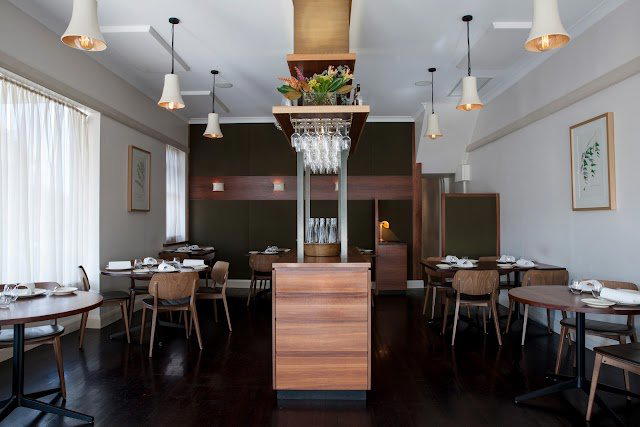
Bars in Sydney
Browse all →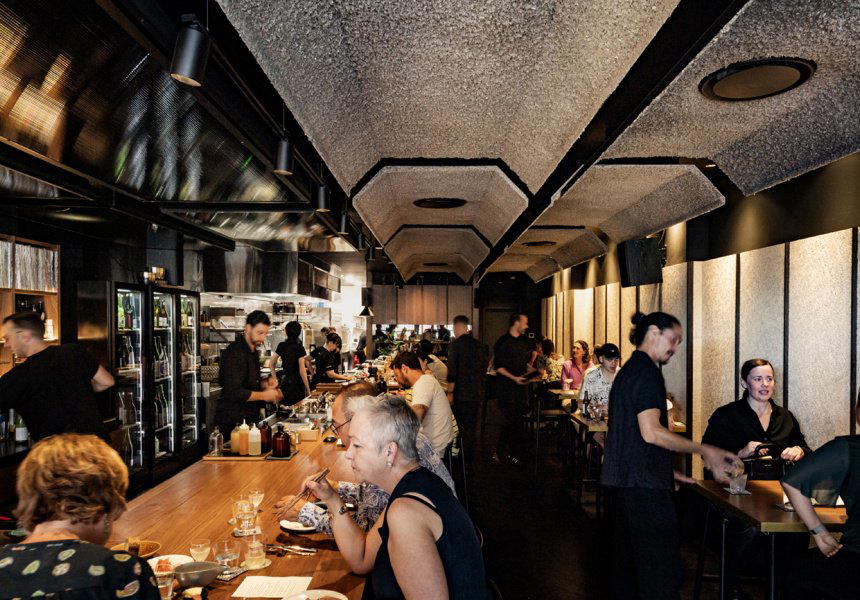
Hotels in Sydney
Browse all →


At a Glance
- Cozy
- Elegant
- Intimate
- Date Night
- Group Dining
- Casual Hangout
- Open Kitchen
- Extensive Wine List
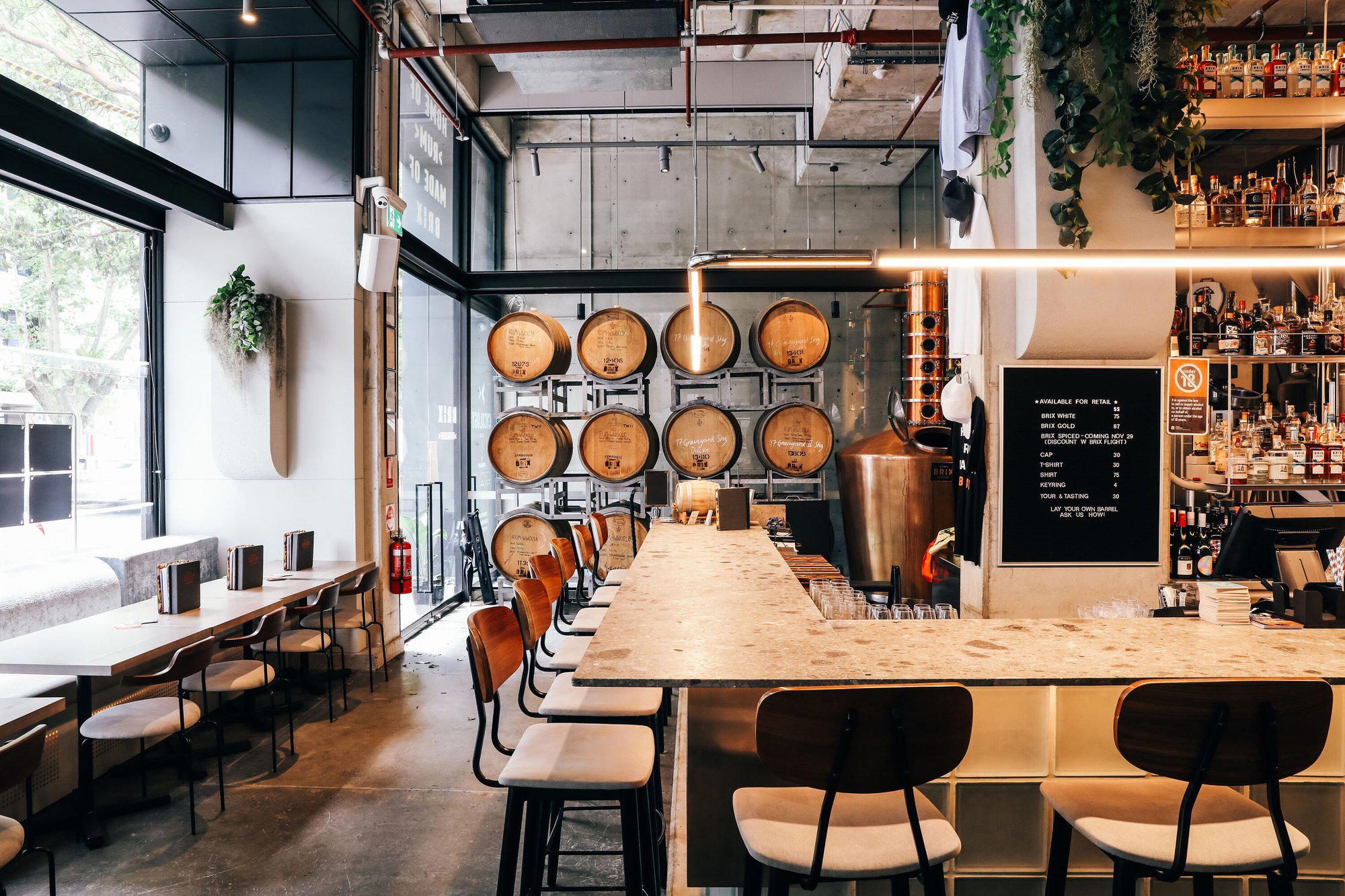
Modern casual Italian design with a relaxed, family-table atmosphere.
Know Before You Go
- Getting there
- 170 King St, Newtown NSW 2042, Australia