La Crémaillère
La Crémaillère sits on Avenue de la Combattante in Courseulles-sur-Mer, a Normandy fishing port where the Channel sets the terms of what ends up on the plate. The restaurant operates in a coastal tradition where proximity to the source is the kitchen's primary advantage. For visitors exploring the Calvados coast, it represents the direct case for eating where the catch is landed rather than transported.
Pearl is the En Primeur Club membership app — saves, bookings, and concierge access live there. Same editors, same standards.
- Address
- 23-25 Av. de la Combattante, 14470 Courseulles-sur-Mer, France
- Phone
- +33231374673
- Website
- la-cremaillere.com
- Directions
- Get directions
 Saves & bookings on Pearl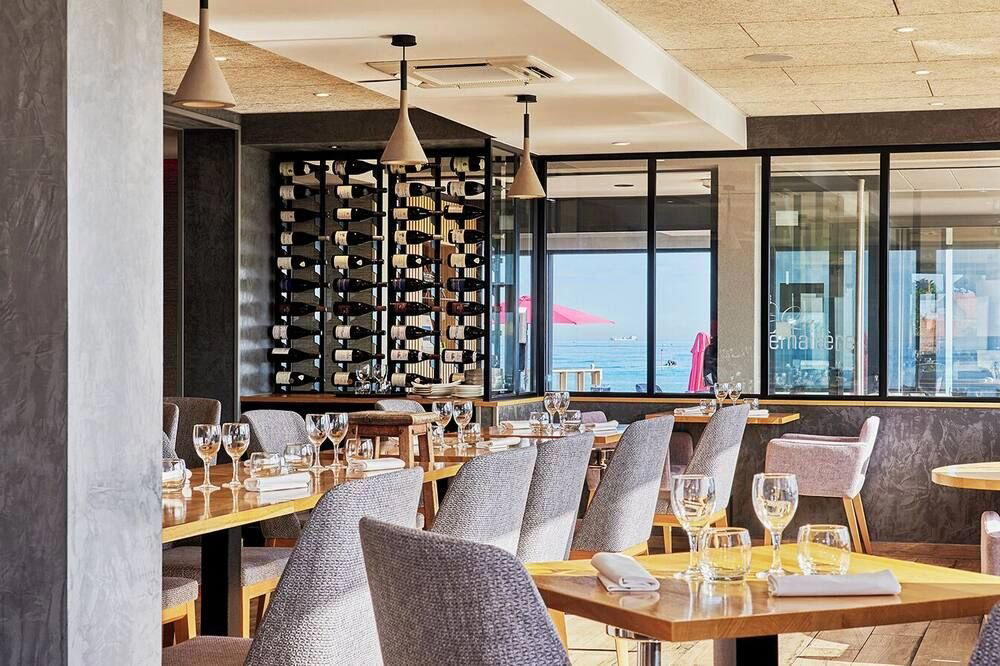
Where the Channel Does the Work
Normandy's coastal restaurants occupy a specific position in French dining: close enough to the water that the supply chain is almost irrelevant, in a region where fishing culture and agricultural heritage create an unusually self-sufficient kitchen. Courseulles-sur-Mer sits on the Calvados coast, a stretch of shoreline better known internationally for its D-Day beaches than its seafood, yet the port has been landing oysters, scallops, and flat fish for generations. The restaurants along the harbour front, La Crémaillère among them at 23-25 Avenue de la Combattante, operate within that coastal economy rather than outside it. The proximity to landing points is not a marketing position here; it is simply how the supply chain works in a working fishing town.
In the broader context of French coastal dining, this matters. The French Atlantic and Channel coasts have produced some of the country's most ingredient-led cooking precisely because geography enforces discipline. What arrives on the boat determines what appears on the menu. That logic runs through kitchens across the Normandy shore and connects, at the higher end of the price spectrum, to the sourcing rigour you find at places like Christopher Coutanceau in La Rochelle, where the Atlantic catch drives a three-Michelin-star programme. La Crémaillère operates in a different register, serving a local and visitor population rather than a destination-dining audience, but the underlying premise is the same: start with what the water provides.
The Courseulles-sur-Mer Setting
Courseulles-sur-Mer is not a town that performs its coastal character. The port is functional, the market is weekly, and the oyster beds in the bay are among the more productive in Calvados. The town sits roughly equidistant between Bayeux and Caen, drawing visitors who combine a visit to the nearby Canadian war memorial at Juno Beach with time along the seafront. Avenue de la Combattante, where La Crémaillère is addressed, runs through the commercial core of the town rather than along the water's edge, placing the restaurant in the neighbourhood's daily rhythm rather than on a scenic promenade.
The town's oyster production is worth understanding as context. The waters off Courseulles are cold, tidal, and mineral-rich, producing flat oysters and creuses that feature on menus throughout Calvados and beyond. For kitchens in the town itself, the supply is immediate. That immediacy shapes not just what is served but how it is priced: shellfish here does not carry the transport costs or intermediary margins that inflate the same product in Paris or Lyon. A plate of local oysters in Courseulles is a different economic proposition from the same dish at Alléno Paris au Pavillon Ledoyen, where the sourcing story is told through a different price point.
Normandy's Ingredient Logic
The Normandy kitchen is built on a relatively small set of primary ingredients that appear in different combinations across price tiers. Butter, cream, apples, cider, Calvados, dairy from Isigny and the Pays d'Auge, and the seafood pulled from the Channel: these are the structural elements. What separates restaurants within the region is less what they use and more how carefully they use it. Well-regarded tables in Normandy treat the dairy and the seafood as the argument, not the backdrop. That approach connects, at the level of fine dining, to what you find at Flocons de Sel in Megève or Bras in Laguiole, where a specific terroir defines the entire kitchen vocabulary. In coastal Normandy, the terroir is the sea.
For a restaurant like La Crémaillère, working within this tradition means the kitchen's relationship with local suppliers is the central operational fact. The La Pêcherie also draws from the same Courseulles supply base, which gives diners in the town a useful point of comparison when thinking about how different kitchens interpret the same source material. The conversation between two restaurants using the same coastal suppliers is often more revealing than comparing either to a restaurant in a different region entirely.
France's Coastal Dining Spectrum
France's coastal restaurant culture spans an enormous range, from the three-star destination dining of Mirazur in Menton on the Mediterranean to the working-port bistros of Brittany and Normandy where the menu changes with the catch. The middle of that spectrum is where most travellers actually eat, and it is also where regional identity tends to be most intact. Grand restaurants at the level of Paul Bocuse's Auberge du Pont de Collonges or Auberge de l'Ill in Illhaeusern carry their regional identity through accumulated reputation and formal structure. Smaller coastal tables carry it through supply chain proximity and a lack of pretension about what the kitchen is doing. Both are legitimate expressions of French regional cooking; they serve different purposes for different kinds of visit.
Travellers who want to understand where French fine-dining ambition is currently pointing should look at AM par Alexandre Mazzia in Marseille or Assiette Champenoise in Reims. Those who want to understand what French coastal cooking looks like when geography does most of the work should look closer to the water, in towns like Courseulles-sur-Mer where the supply is still immediate and the restaurant's job is not to transform the ingredient but to present it at its leading.
Planning a Visit
Courseulles-sur-Mer is approximately 15 kilometres north of Caen, accessible by car via the D7 in under 25 minutes. The town is a natural stopping point on any itinerary that combines the Calvados coast with the D-Day memorial sites, and weekend visits during the summer months bring higher visitor volumes, which affects availability at smaller restaurants throughout the town. Visiting midweek in late spring or early autumn tends to mean quieter service and the same seasonal seafood without the August crowd. The restaurant's address at 23-25 Avenue de la Combattante places it within easy walking distance of the port and the town centre. Confirm opening hours directly with the venue before you go.
How It Stacks Up
Comparable venues nearby, for context on price, style, and recognition.
| Venue | Cuisine | Price | Awards | Notes |
|---|---|---|---|---|
| La CrémaillèreThis venue — the venue you are viewing | Traditional French Seafood | $$$ | Not listed | Not listed |
| La Pêcherie | Traditional French Seafood | $$$ | Not listed | Courseulles-sur-Mer |
| Restaurant de L'Île Benoist | Modern French Seafood | $$ | Michelin Plate | Courseulles-sur-Mer |
| Bienheureux | Modern French seasonal tasting menu | $$$ | Not listed | Wasquehal |
| La Paquine | Refined French Bistro | $$$ | Not listed | Ouilly-du-Houley |
| Le Comptoir et la Table | Classic French Brasserie | $$$ | Not listed | Port |
Continue exploring
More in Courseulles-sur-Mer
Restaurants in Courseulles-sur-Mer
Browse all →
Bars in Courseulles-sur-Mer
Browse all →
At a Glance
- Cozy
- Classic
- Family
- Celebration
- Waterfront
- Terrace
- Historic Building
- Extensive Wine List
- Local Sourcing
- Waterfront
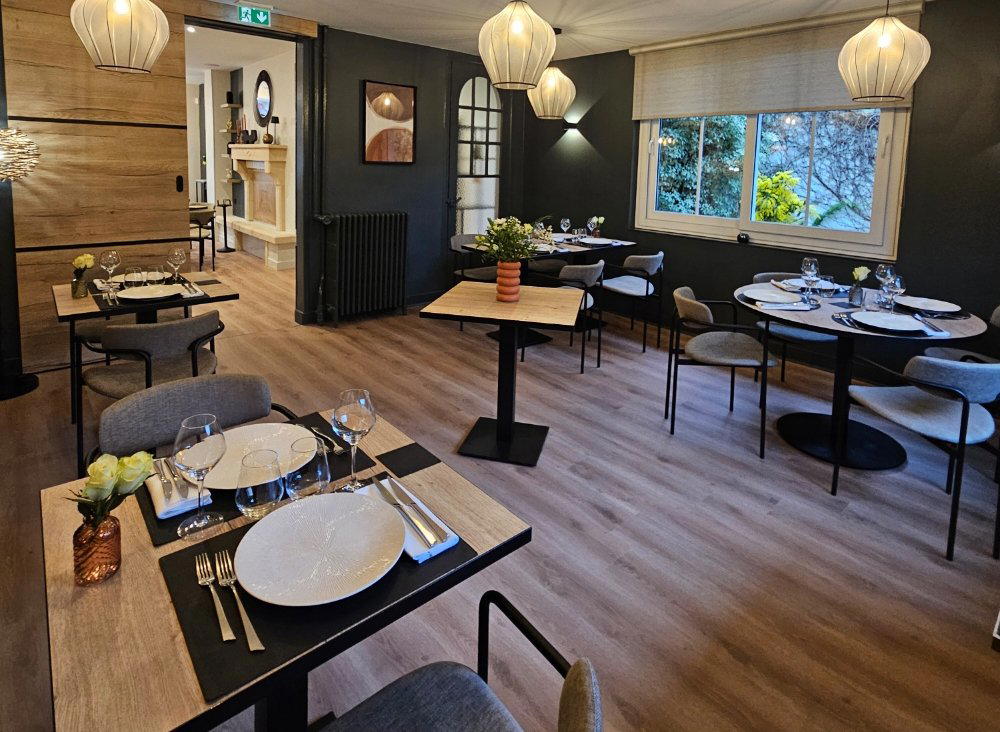
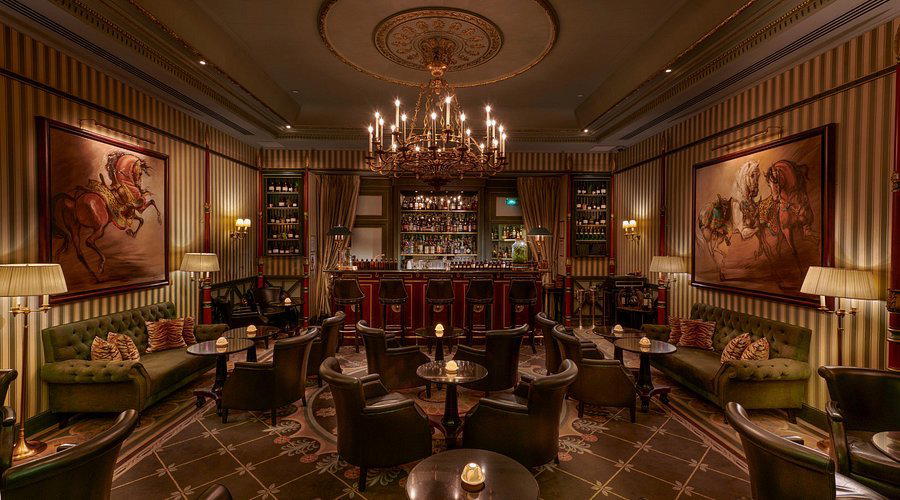
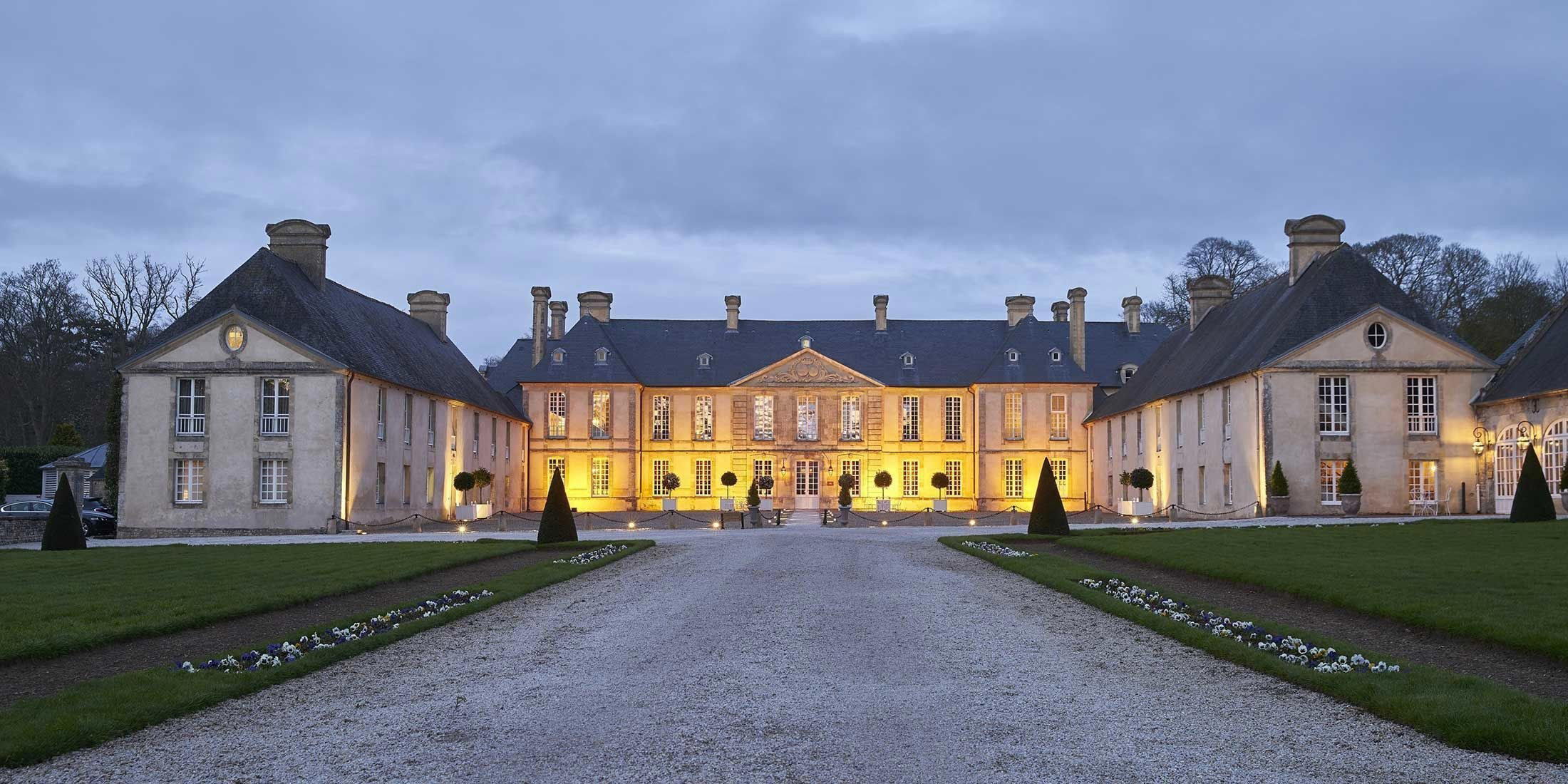
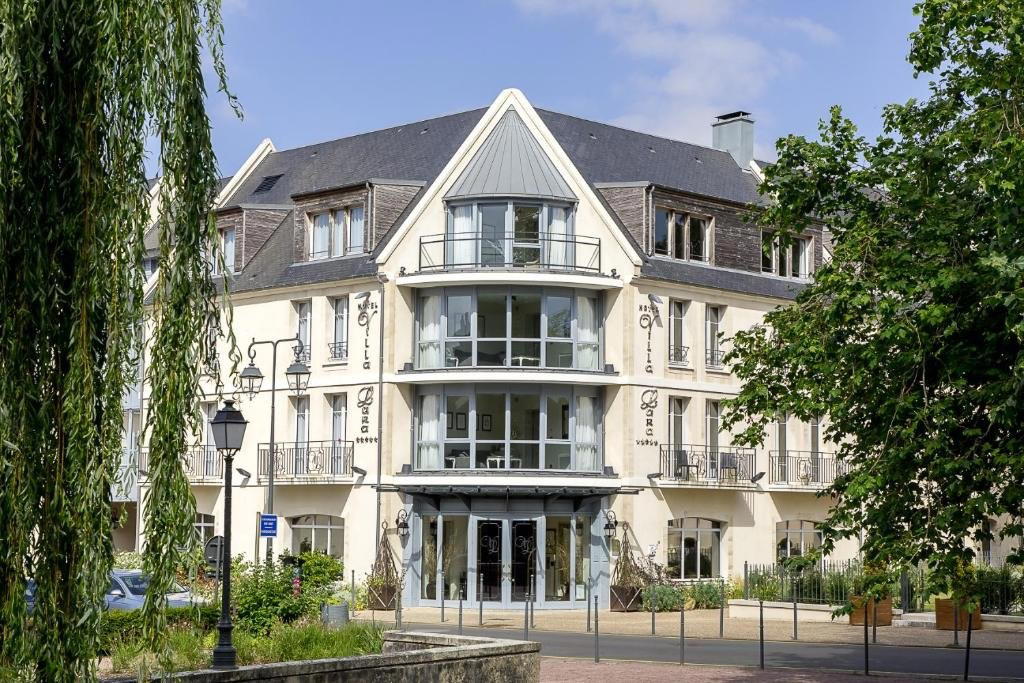
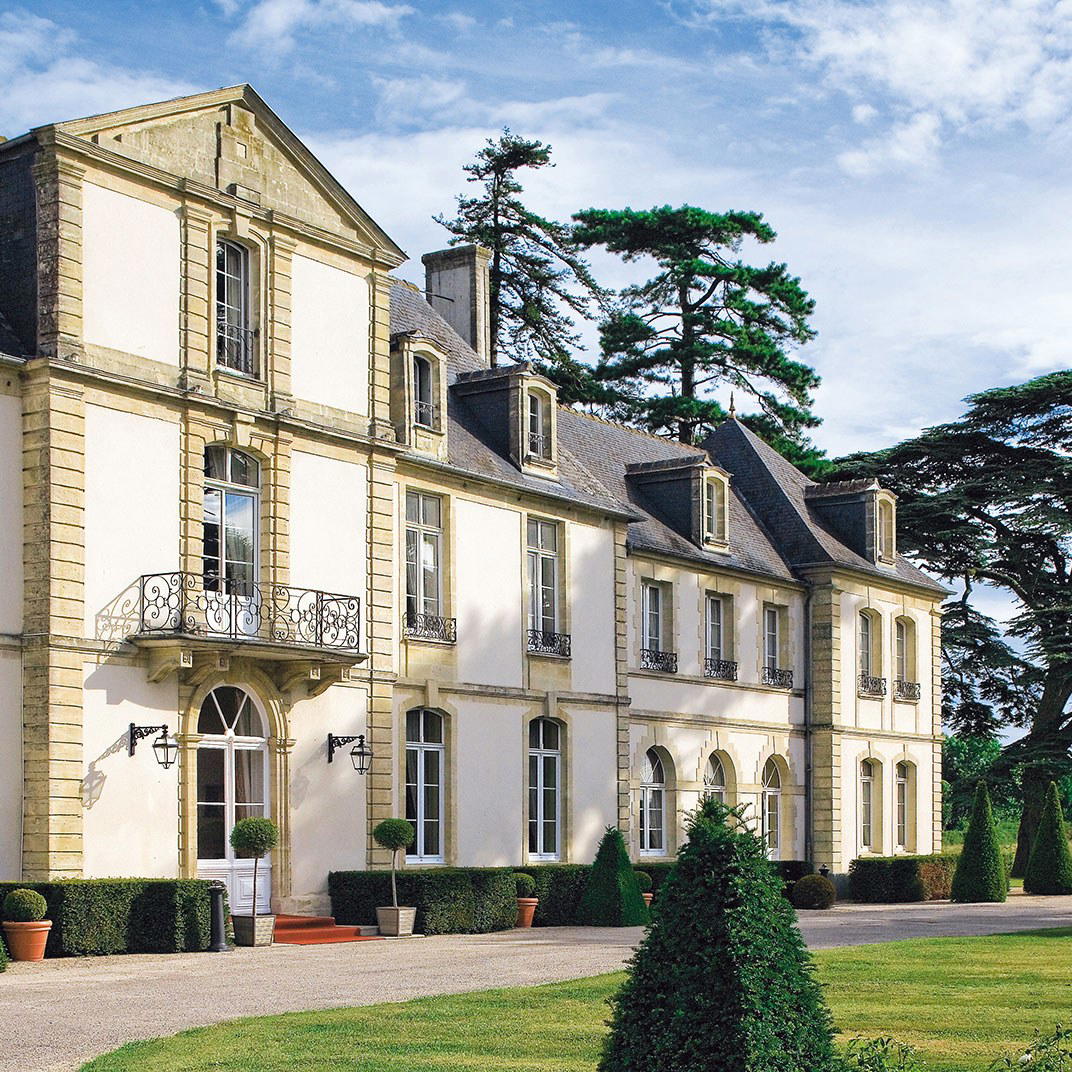
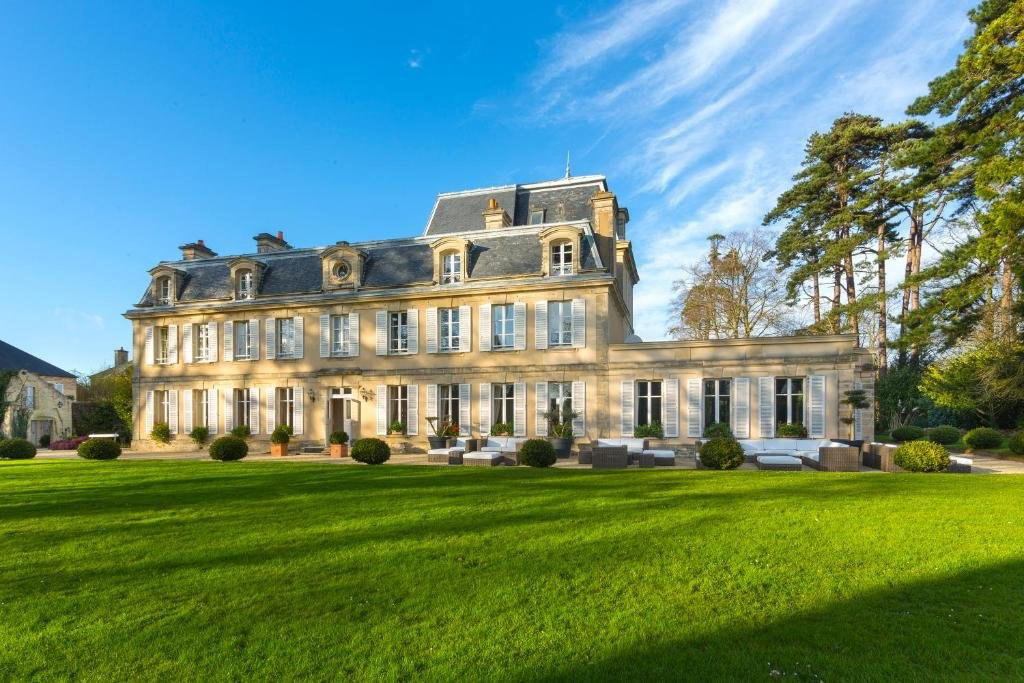
Family-friendly and warm atmosphere with professional yet convivial service, contemporary and cozy dining rooms, and terrace seating.