Google: 4.8 · 728 reviews
La Casa de Manolo Franco


A Michelin-starred tasting menu restaurant in the Sierra de Guadarrama foothills, La Casa de Manolo Franco translates mountain terroir into contemporary cooking with a seriousness that few small-town kitchens match. The seasonal Open Your Eyes menu draws on hyper-local sourcing, including aromatic plants gathered weekly from the surrounding sierra, alongside Valdemorillo lamb and locally raised meat. Open Wednesday, Saturday, and Sunday for lunch, with Saturday dinner service also available.

Pearl is the En Primeur Club membership app — saves, bookings, and concierge access live there. Same editors, same standards.

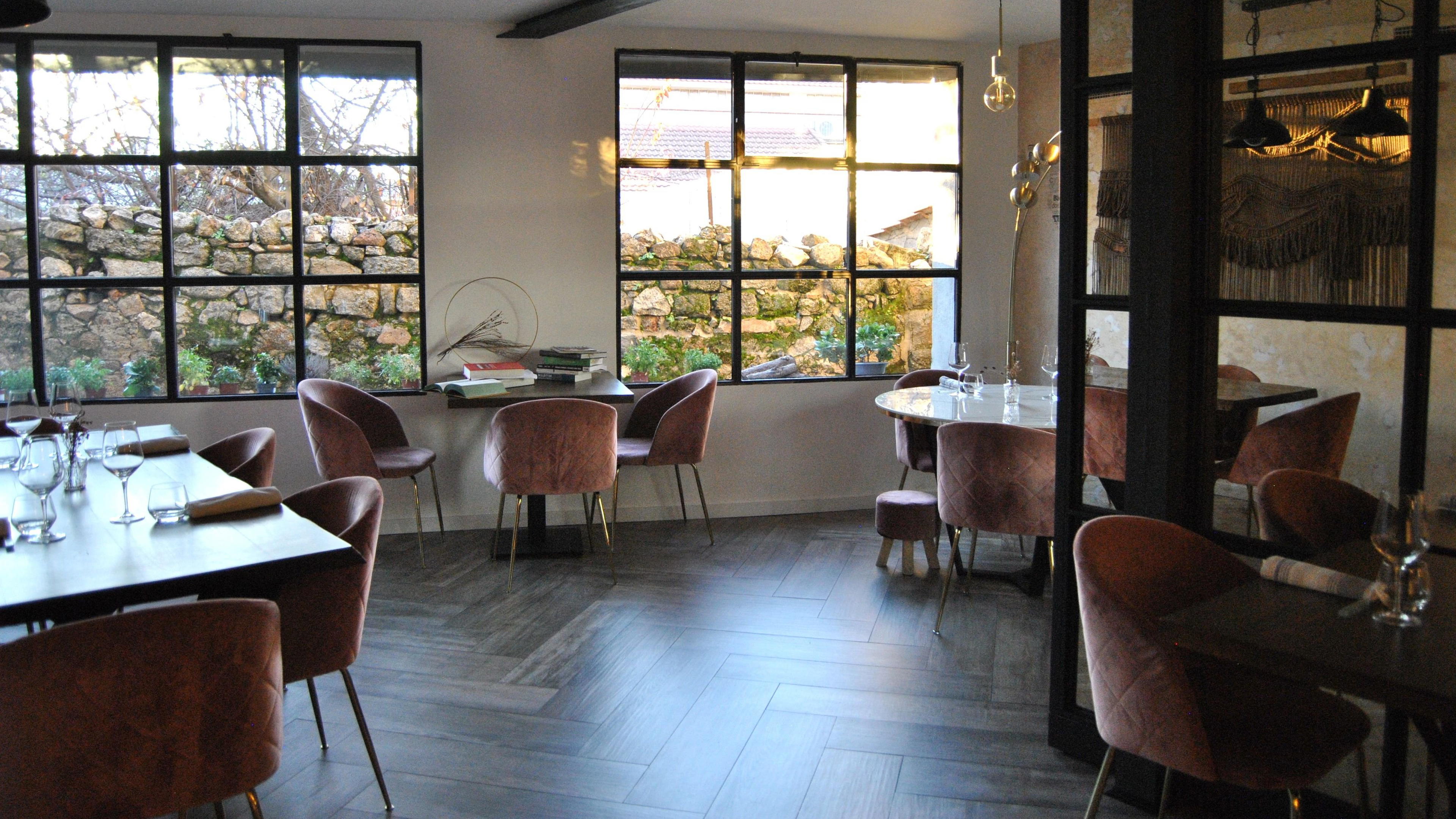
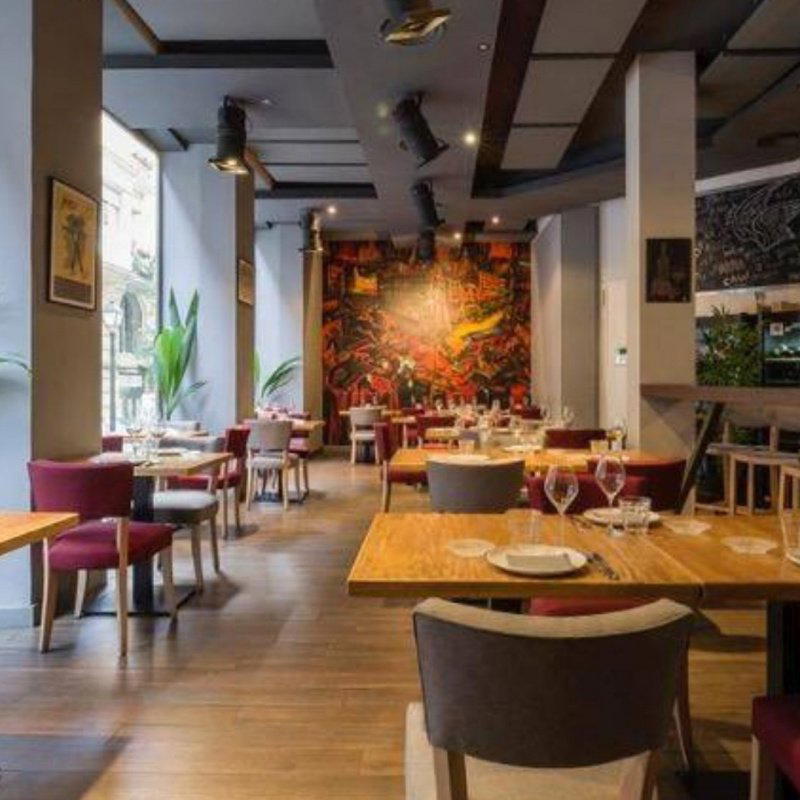
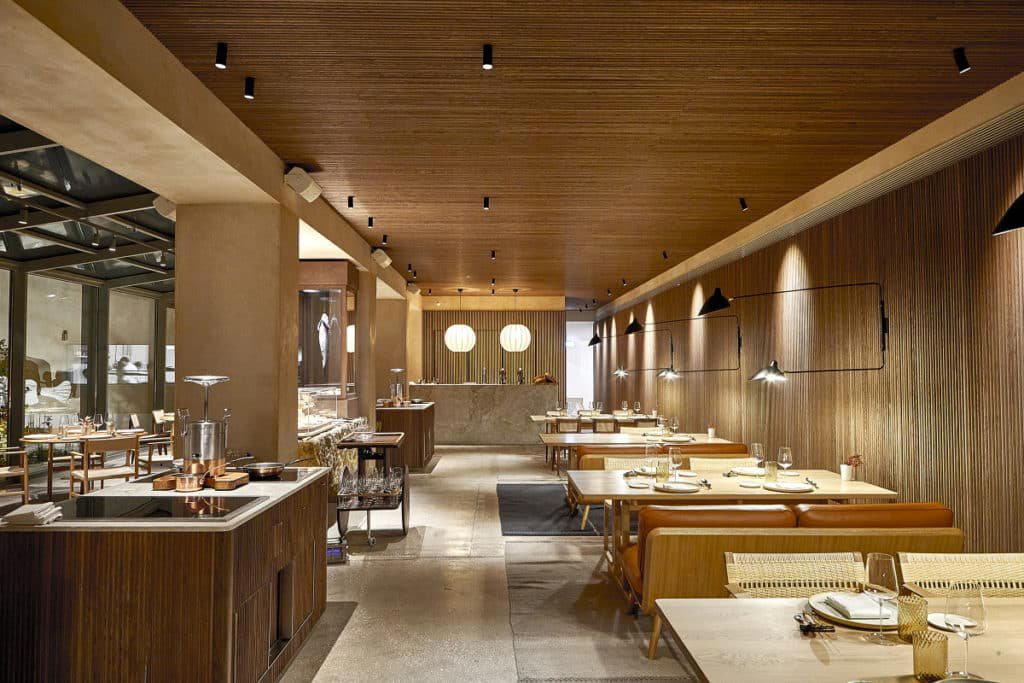
The drive into Valdemorillo, a small town in the Madrid sierra roughly forty kilometres northwest of the capital, does not announce itself as a destination for serious contemporary cooking. The granite hills of the Sierra de Guadarrama roll into view; the road narrows; the built landscape thins. Then, on a street called La Fuente, a former village bar has been converted into something the Michelin inspectors saw fit to award a star in 2024. The physical setting, a mix of rustic stone and considered modern detail, matches the culinary proposition exactly: rooted in place, but applied with precision.
This kind of cooking, where the surrounding countryside functions not as a romantic backdrop but as a literal supply chain, has become a meaningful strand in Spanish contemporary cuisine. The country's Michelin-starred tier has long included restaurants that draw on hyper-regional ingredients, from the Atlantic coast fish preparations at Aponiente in El Puerto de Santa María to the Basque farmland influences woven through Azurmendi in Larrabetzu. La Casa de Manolo Franco belongs to that tradition, though it operates at a fraction of the scale and price of those three-star houses, sitting instead in the €€€ bracket where the sourcing ambition is arguably more visible because the kitchen cannot rely on elaborate technique to compensate for ingredient distance.
What the Sierra Puts on the Plate
The sourcing model here is specific enough to be taken seriously. Aromatic plants, including thyme and lavender, are gathered from the sierra weekly by the kitchen team. Lamb comes from Valdemorillo itself. Vegetables follow the season, shaped by the altitude and the particular microclimate of the Madrid sierra rather than by what a central-market supplier happens to have available. The result is a menu anchored to a tight geographic radius in a way that most city-based contemporary restaurants, however well-intentioned, find logistically difficult to sustain.
The tasting menu, called Open Your Eyes, runs in two versions, a shorter and a longer format, both changing with the seasons. The framing, spending a day in the mountains, is not merely poetic: it describes the actual source territory for nearly everything on the table. Michelin's inspectors noted, with apparent enthusiasm, a rice dish built around Valdemorillo lamb, a demi-glaze reduction, and lavender, a combination that reads as a precise distillation of the sierra's flavour profile. Rice with lamb is a deeply traditional format across central Spain, but the lavender introduces the specific aromatic identity of this landscape in a way that separates it from generic mountain cooking.
Spain's broader contemporary scene has increasingly rewarded this kind of declared localism. The restaurants that have climbed highest in the country's reputation, from El Celler de Can Roca in Girona to Martin Berasategui in Lasarte-Oria, all carry a strong sense of territorial identity even as their techniques reach internationally. La Casa de Manolo Franco operates at a different scale, but the underlying commitment to place reads similarly.
The Owner-Chef and the Context That Produced Him
The background of the kitchen's owner-chef is part of the public record. He spent years working as a journalist in Formula 1 before leaving that career to take over the former family bar and redirect it toward contemporary tasting-menu cooking. The detail matters not because of its biographical colour but because of what it signals about the restaurant's formation: this is not a project built from a culinary-school pipeline or a stage in an established brigade. The ambition and technical skill noted by Michelin were built into a setting where the family connection to the space and the community provides the sourcing relationships that a newcomer would take years to establish.
That community embeddedness shows in the operation. Weekly foraging runs for aromatics require local knowledge and access to land; sourcing lamb directly from within the municipality rather than through a regional distributor requires trust built over time. For the reader trying to assess what a Michelin star in this context actually certifies, it certifies that the technique is there, but also that the supply chain is real rather than aspirational.
How It Sits in the Madrid Region's Dining Scene
Madrid's fine dining conversation centres heavily on the capital itself, anchored by operations like DiverXO, which holds three Michelin stars and operates at a price point and conceptual register far removed from the sierra. The Madrid region's sierra towns have historically offered a different proposition: weekend escapes from the city, traditional roast lamb and suckling pig restaurants, and the kind of cooking that tourists and madrileños both understand as quintessentially Castilian. La Casa de Manolo Franco takes that terroir base and applies contemporary tasting-menu logic to it, creating a category position that the Michelin guide has now formally recognised.
For comparison, the broader Spanish scene produces a handful of similar cases each year, small-town or rural restaurants earning first stars for cooking that is clearly of a place rather than generically European contemporary. Quique Dacosta in Dénia and Ricard Camarena in València both demonstrate how strong regional identity can support serious fine dining without relying on the gravitational pull of a major city. La Casa de Manolo Franco is earlier in that arc, but the 2024 star suggests the inspectors consider it on a credible trajectory.
Internationally, the model echoes what restaurants like Jungsik in Seoul or César in New York City pursue in their own contexts: contemporary technique applied to ingredients with a declared sense of origin. The geography differs; the structural ambition reads similarly.
Visiting: What to Know Before You Go
The schedule is the first thing to plan around. La Casa de Manolo Franco opens for lunch only on Wednesdays, Saturdays, and Sundays, running from 1:30 PM to 4:30 PM. Saturday extends to an evening service from 8:30 PM to 10:30 PM. Monday, Tuesday, Thursday, and Friday are closed. This is a focused, limited-service operation, and the hours reflect the kitchen's capacity and sourcing rhythm rather than commercial compromise.
The drive from central Madrid takes under an hour on a clear run, making this a viable day trip that pairs naturally with the sierra landscape the menu itself describes. The €€€ price positioning places it above a casual lunch but below the €€€€ tier occupied by Spain's three-star houses, making it accessible to the same travellers who follow the country's serious dining circuit without requiring a three-star budget. Booking ahead is advisable, particularly for weekend services, given the limited capacity of a former village bar converted to a tasting-menu restaurant.
Those spending longer in the area can consult our full Valdemorillo restaurants guide alongside guides to hotels, bars, wineries, and experiences in the area. The sierra offers enough to justify an overnight stay, and the restaurant is a strong anchor for building a Madrid-region itinerary that moves beyond the capital's centre.
Spain's Michelin map beyond the headline three-star addresses includes restaurants like Arzak in San Sebastián, Mugaritz in Errenteria, Cocina Hermanos Torres in Barcelona, and Atrio in Cáceres, each making a case for regional specificity over generic fine dining. La Casa de Manolo Franco, rated 4.8 across 665 Google reviews, has built a local following that preceded the Michelin recognition, which is usually a reliable indicator that a restaurant's appeal is not built for inspectors alone.
Quick Comparison
These are the closest comparables we have in our database for quick context.
| Venue | Cuisine | Price | Awards | Notes |
|---|---|---|---|---|
| La Casa de Manolo Franco | Contemporary | €€€ | Michelin 1 Star | This venue |
| Aponiente | Progressive - Seafood, Creative | €€€€ | Michelin 3 Star | Progressive - Seafood, Creative, €€€€ |
| Arzak | Modern Basque, Creative | €€€€ | Michelin 3 Star | Modern Basque, Creative, €€€€ |
| DiverXO | Progressive - Asian, Creative | €€€€ | Michelin 3 Star | Progressive - Asian, Creative, €€€€ |
| El Celler de Can Roca | Progressive Spanish, Creative | €€€€ | Michelin 3 Star | Progressive Spanish, Creative, €€€€ |
| Quique Dacosta | Creative | €€€€ | Michelin 3 Star | Creative, €€€€ |
Continue exploring
More in Valdemorillo
Restaurants in Valdemorillo
Browse all →Bars in Valdemorillo
Browse all →At a Glance
- Intimate
- Rustic
- Cozy
- Elegant
- Special Occasion
- Private Dining
- Local Sourcing
- Mountain
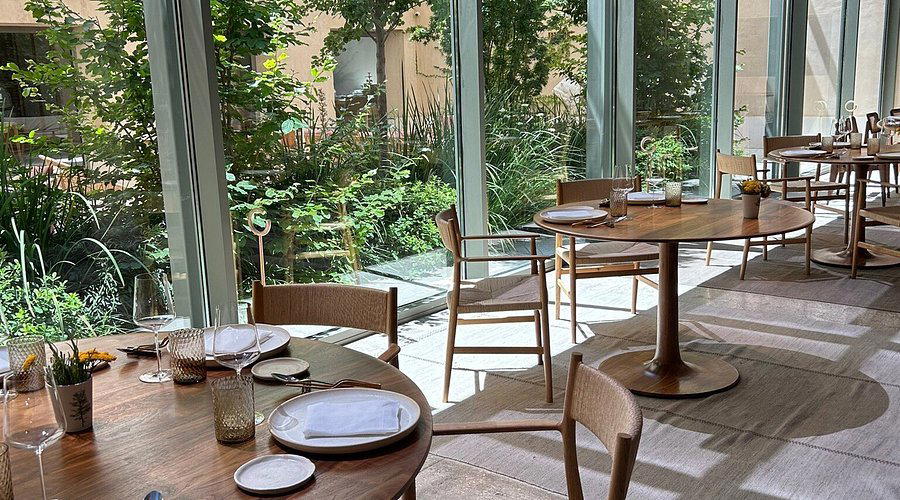
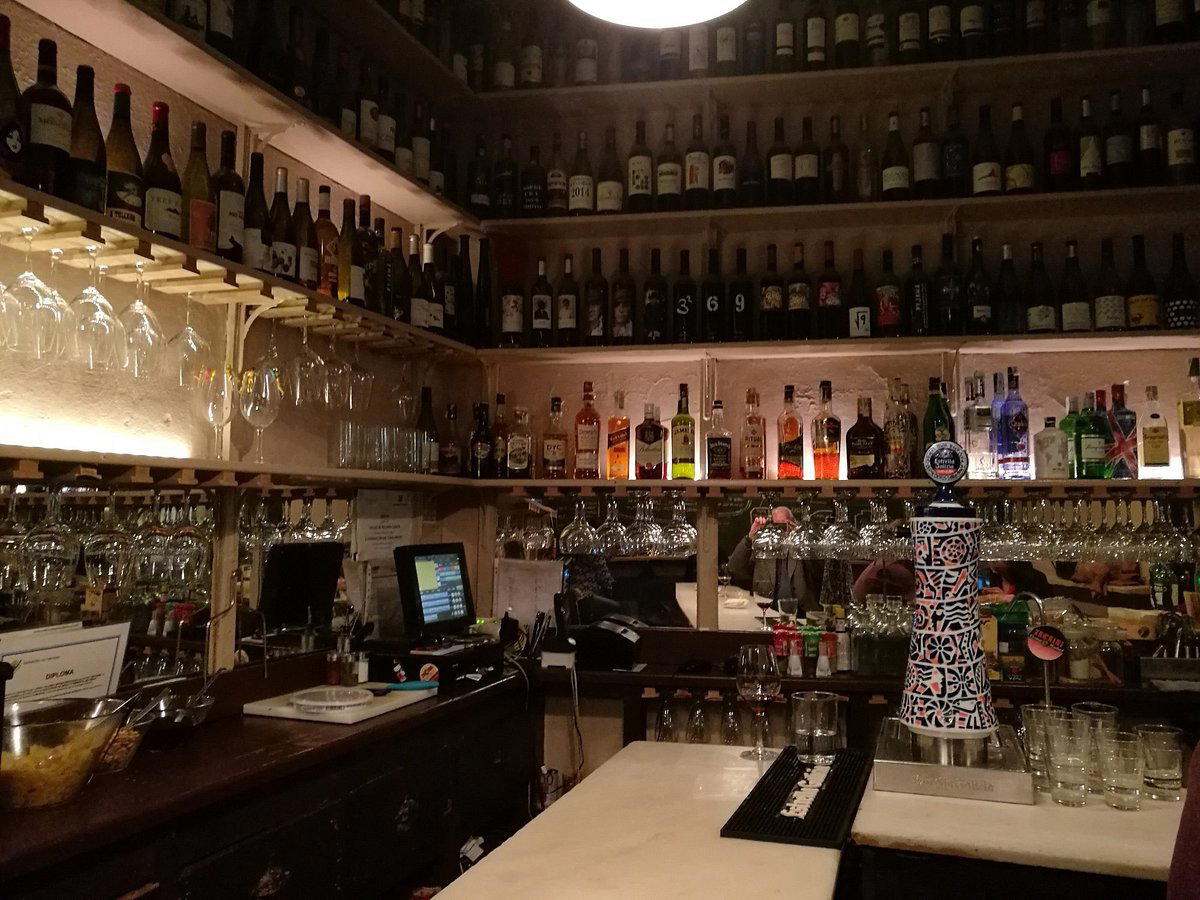
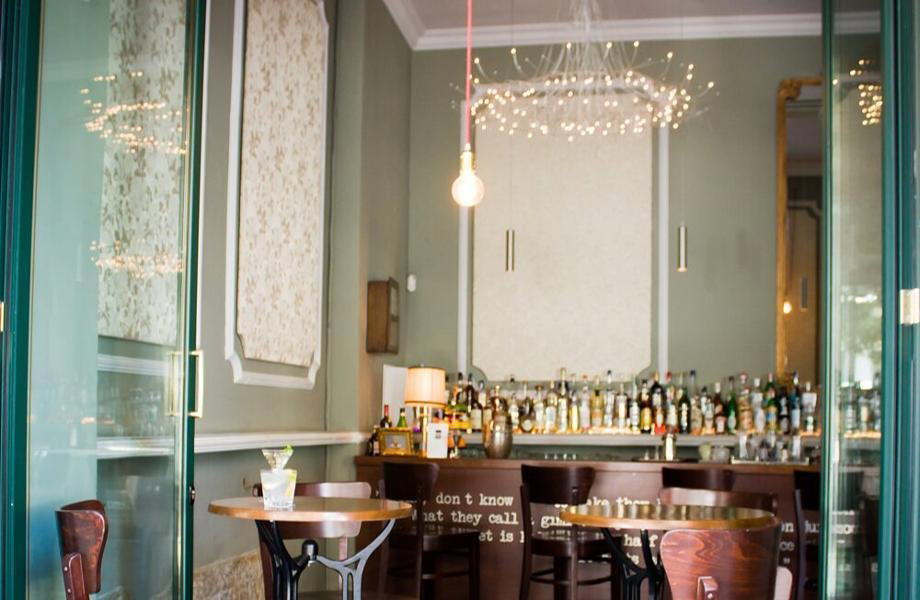
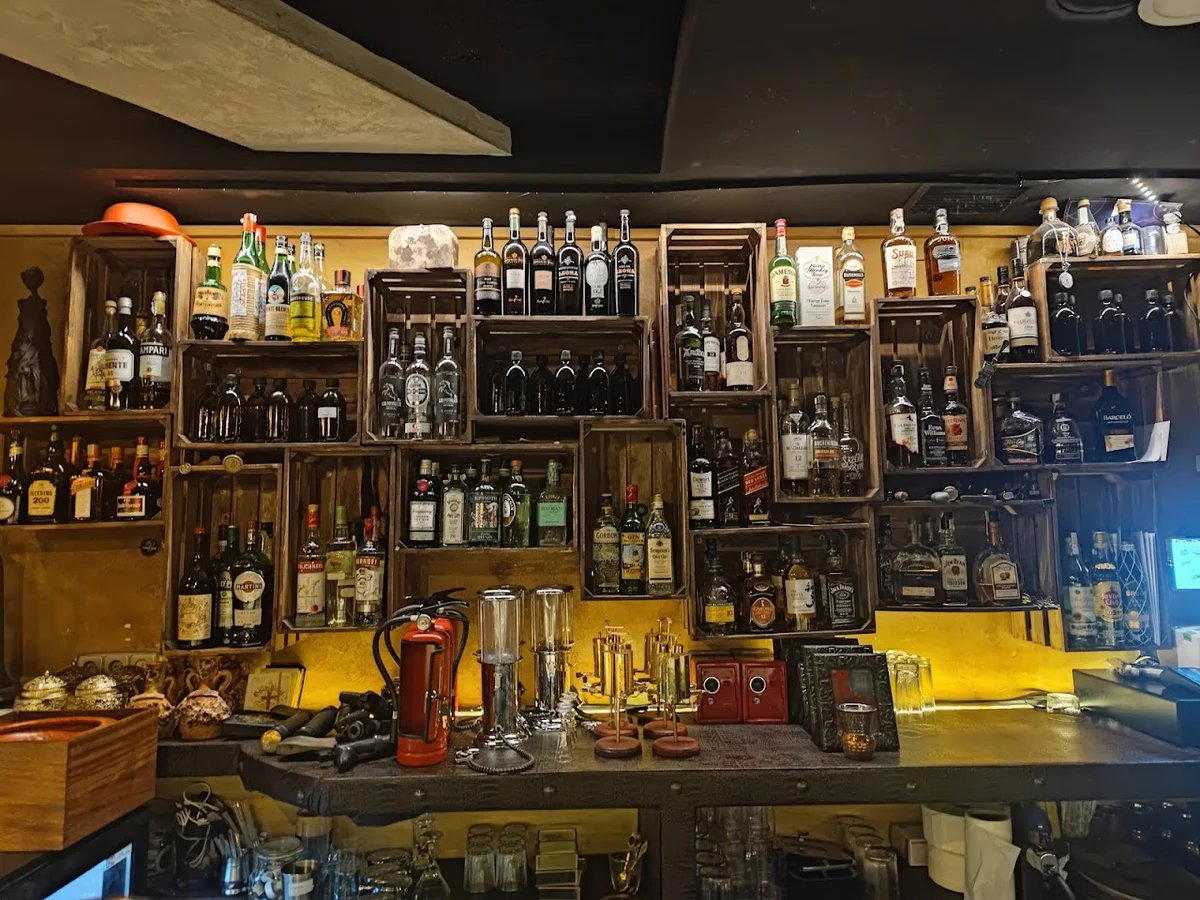
Warm, unhurried atmosphere blending rustic charm with modern refinement, praised for its intimate and welcoming setting.