
A 16th-century farmhouse outside Cureggio, La Capuccina earns its 2025 Michelin Plate through a kitchen that draws directly from its own kitchen garden, vineyards, and livestock. The menu applies contemporary technique to Piedmontese tradition, while a wine list anchored in Ghemme, Gattinara, and neighbouring Upper Piedmont appellations gives the experience a distinctly local coherence.
Pearl is the En Primeur Club membership app — saves, bookings, and concierge access live there. Same editors, same standards.
- Address
- Str. Capuccina, 7, 28060 Cureggio NO, Italy
- Phone
- +39 0322 839930
- Website
- lacapuccina.it
- Directions
- Get directions
 Saves & bookings on Pearl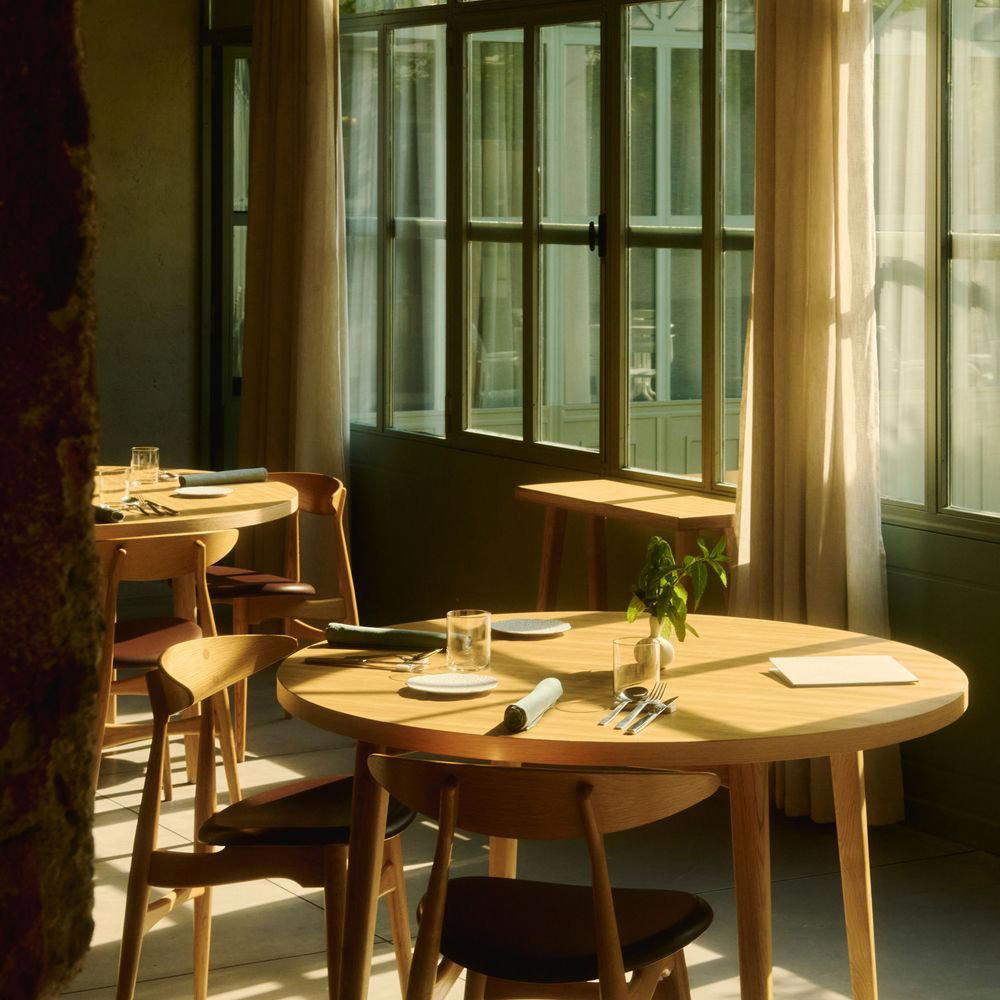
A Farmhouse That Feeds Itself
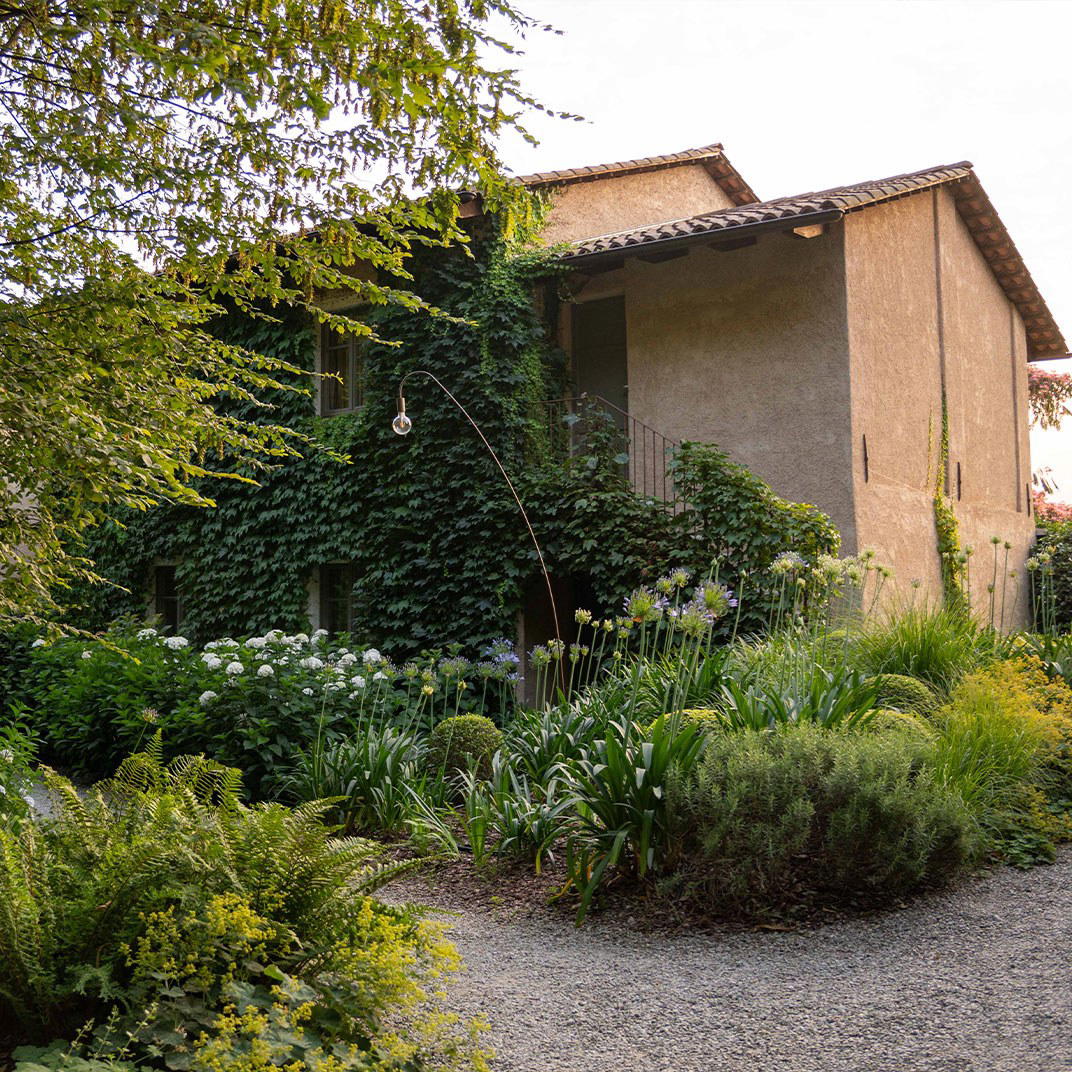
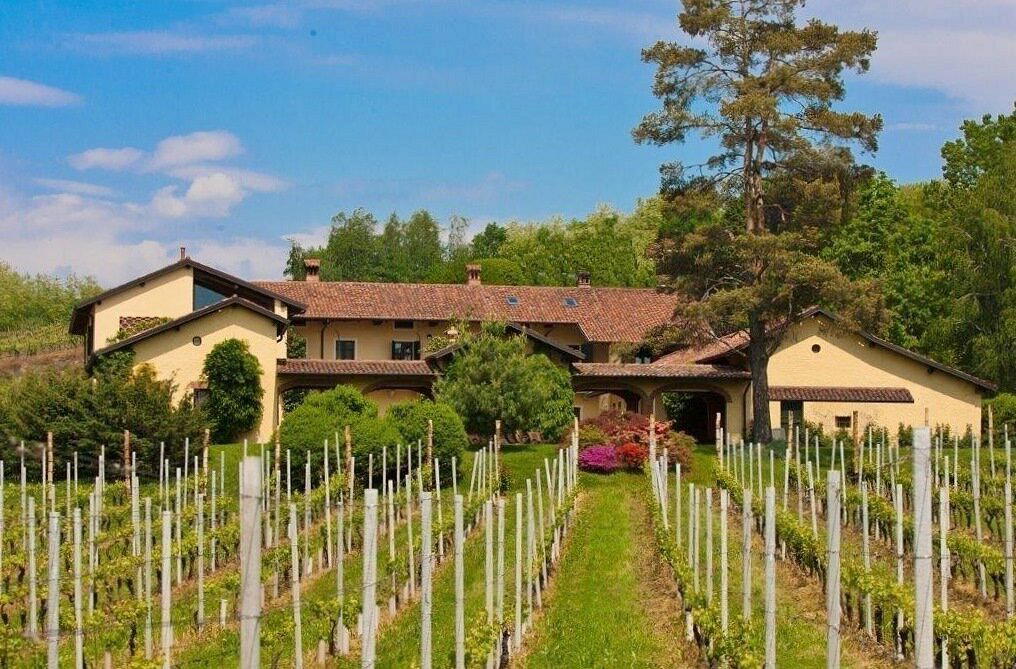
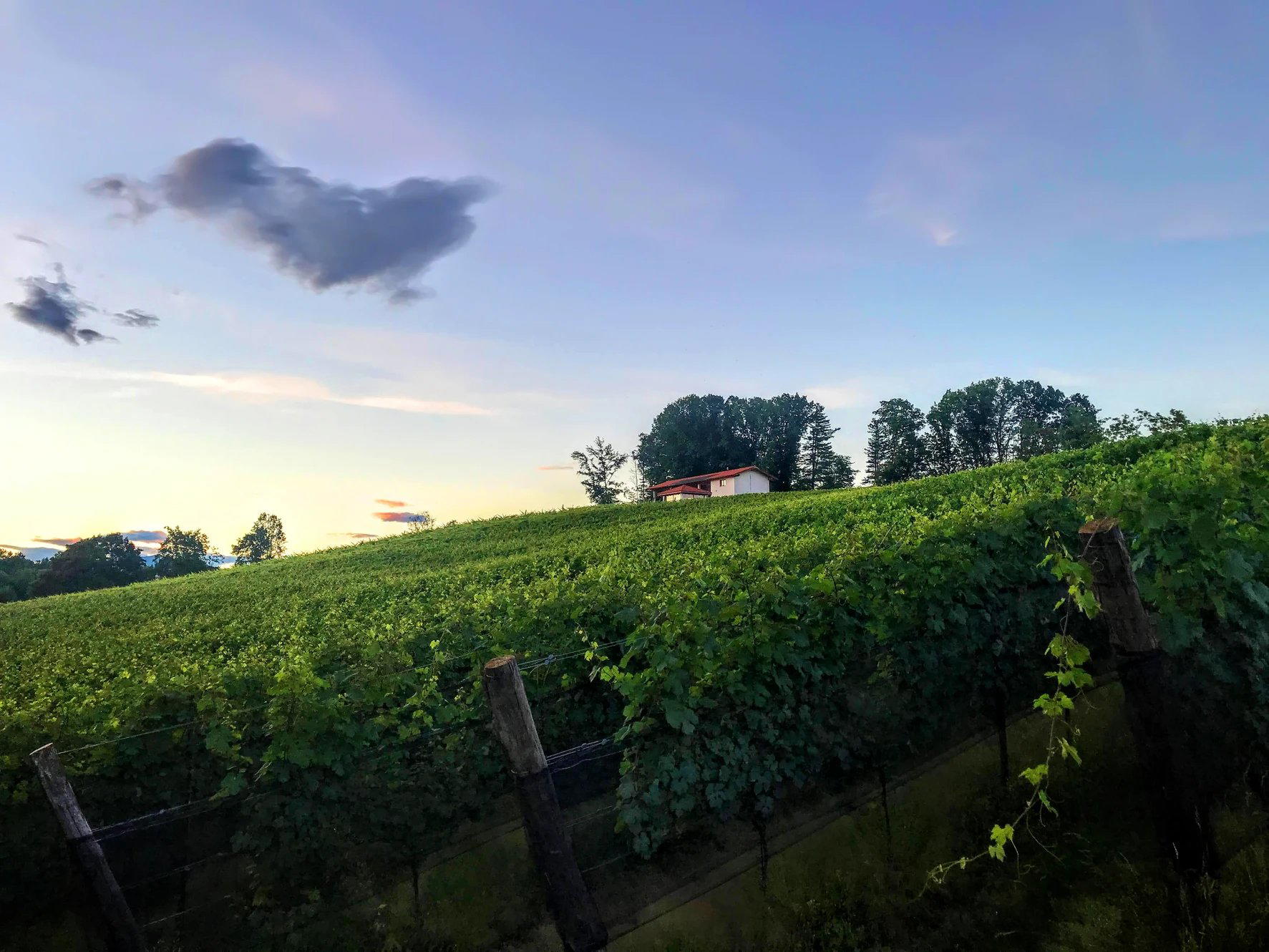
There is a particular kind of Italian restaurant that earns its authority not from a city address or a famous alumni list, but from the land it sits on. La Capuccina, housed in a 16th-century farmhouse on the road outside Cureggio, in the quiet Novara province of Upper Piedmont, belongs to that tradition. The approach to the building sets a mood before you reach the door: countryside on all sides, a working farm visible behind the property, vineyards and vegetable plots that are not decorative but operational. This is not a rural setting deployed as atmosphere. It is a supply chain.
Upper Piedmont's dining scene occupies a different register from the region's more celebrated southern reaches around Alba and the Langhe. While Piazza Duomo in Alba and Antica Corona Reale in Cervere carry the white-truffle-and-Barolo narrative that international visitors expect of Piedmont, the northern zone around Ghemme and Gattinara operates with less fanfare and more self-sufficiency. La Capuccina fits that character. Its 2025 Michelin Plate signals a kitchen cooking at a consistent level without the full-ceremony format of starred neighbours.
Where the Food Comes From
The sourcing model at La Capuccina is more integrated than at most farm-to-table operations, where the phrase often describes a supplier relationship rather than actual on-site production. Here, the estate produces its own vegetables, raises livestock, and maintains vineyards. The kitchen garden supplies directly to the menu, which means the selection tracks what is growing rather than what is fashionable. In a region where Piedmontese cooking is already deeply seasonal by tradition, that constraint becomes a creative framework.
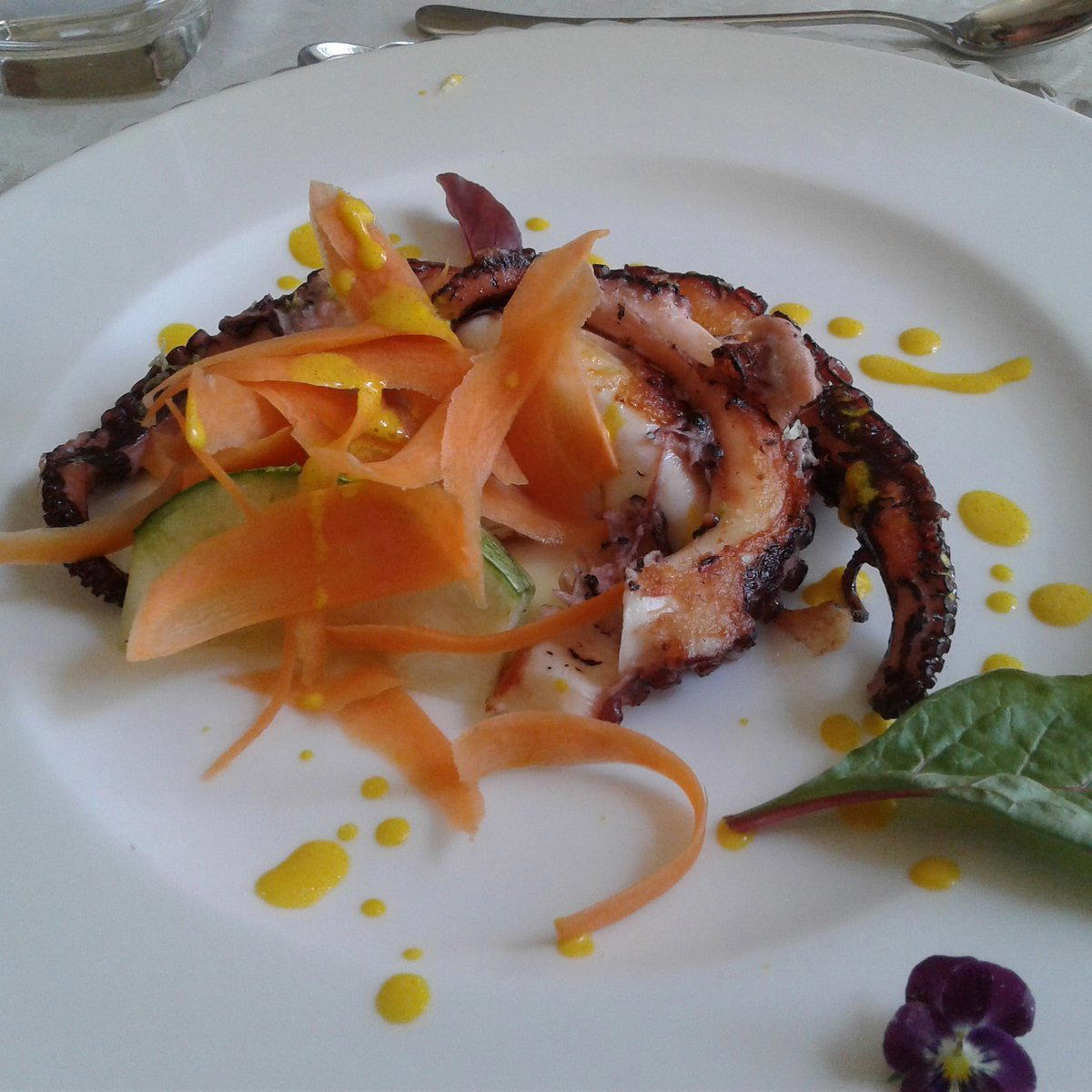
Contemporary Italian restaurants that operate this way tend to develop a particular culinary personality: the cooking becomes responsive rather than fixed. A tasting structure built around estate produce will shift week to week in ways that a menu engineered around imported luxury ingredients does not. The recipes at the restaurant draw on classic Piedmontese flavour profiles but apply modern technique, including siphon whipping and what the kitchen describes as express cooking methods, to achieve results that feel familiar without being static. The outcome is cooking grounded in comfort rather than spectacle, which aligns with the Upper Piedmont temperament.
This approach places the restaurant in a broader Italian conversation about what farm-sourced cooking actually means at a serious level. Contrast this with the vertically integrated ambition of Reale in Castel di Sangro, where the Niko Romito group's agricultural projects feed a three-Michelin-star kitchen, or the hyper-local sourcing models at Atelier Moessmer Norbert Niederkofler in Brunico, which operates at the summit end of the price and ambition spectrum. The restaurant functions at the €€ price tier, which makes its level of sourcing integration relatively rare: genuine farm production at an accessible price point is harder to sustain than at the luxury end, where the economics are more forgiving.
The Wine Logic
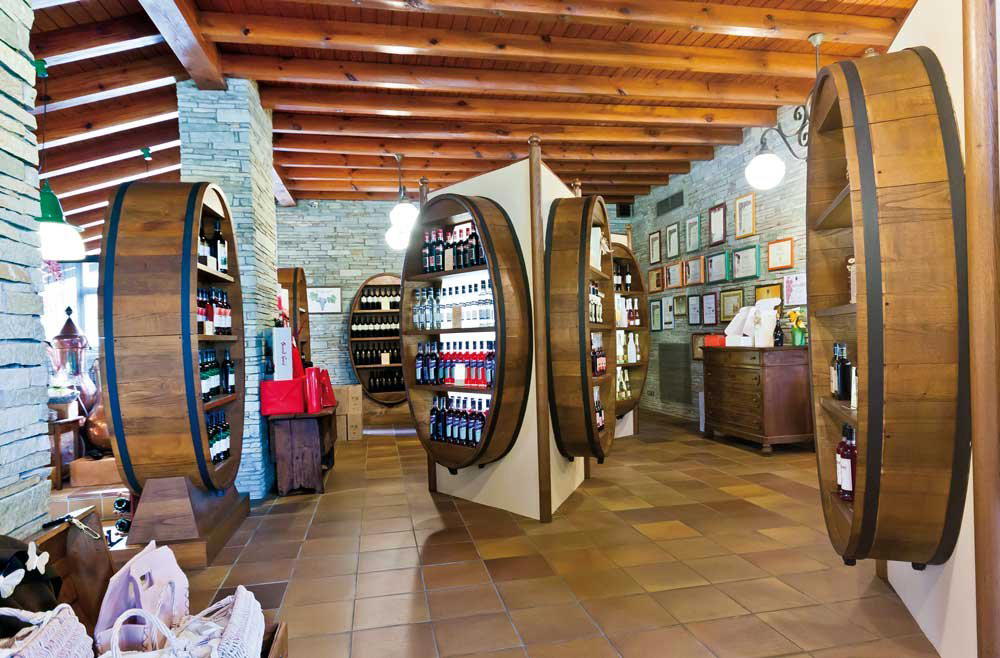
The wine programme follows the same territorial logic as the kitchen. The list prioritises the appellations closest to the estate: Ghemme, Gattinara, Boca, and Sizzano, the four key DOC and DOCG zones of Upper Piedmont's Nebbiolo belt. These wines are structurally related to Barolo and Barbaresco in the south but carry a cooler, more austere signature that suits the kitchen's preference for restrained flavour over richness. The estate also produces its own wine, which appears on the list alongside the regional selection. A small allocation of champagne provides the only deviation from the local focus.
For wine-oriented travellers, this list represents one of the more focused surveys of Upper Piedmont available at a single sitting. Ghemme and Gattinara receive less critical attention internationally than their southern Piedmontese counterparts, but producers in both zones have been building a quiet case for their quality for decades. A restaurant that anchors its wine programme here, rather than defaulting to Barolo, is making an editorial statement about regional identity. For context on how Piedmontese fine dining treats its wine programme at greater scale and price, Locanda Sant'Uffizio Enrico Bartolini in Cioccaro represents the starred tier of the same regional tradition.
The Room and the Setting
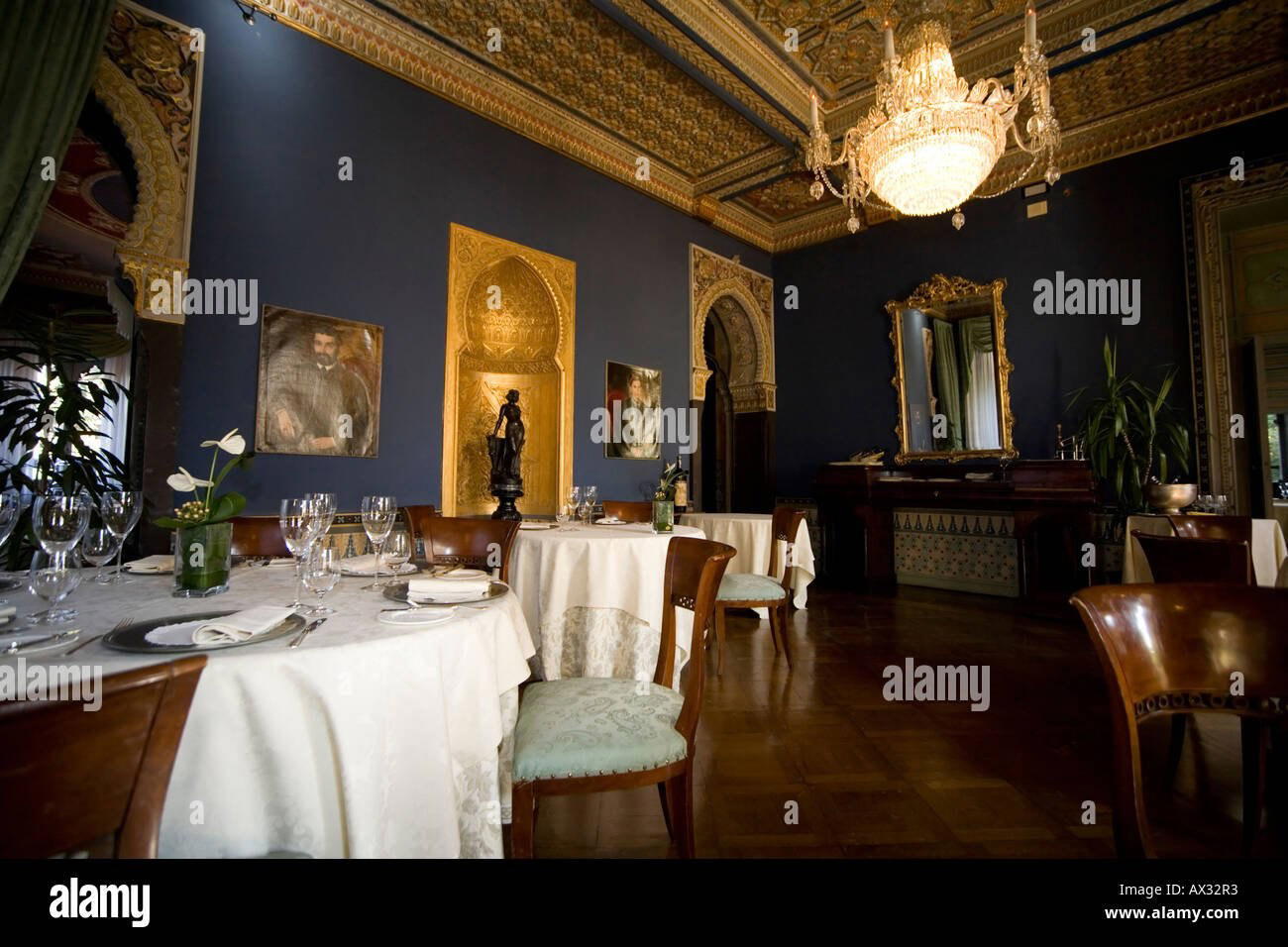
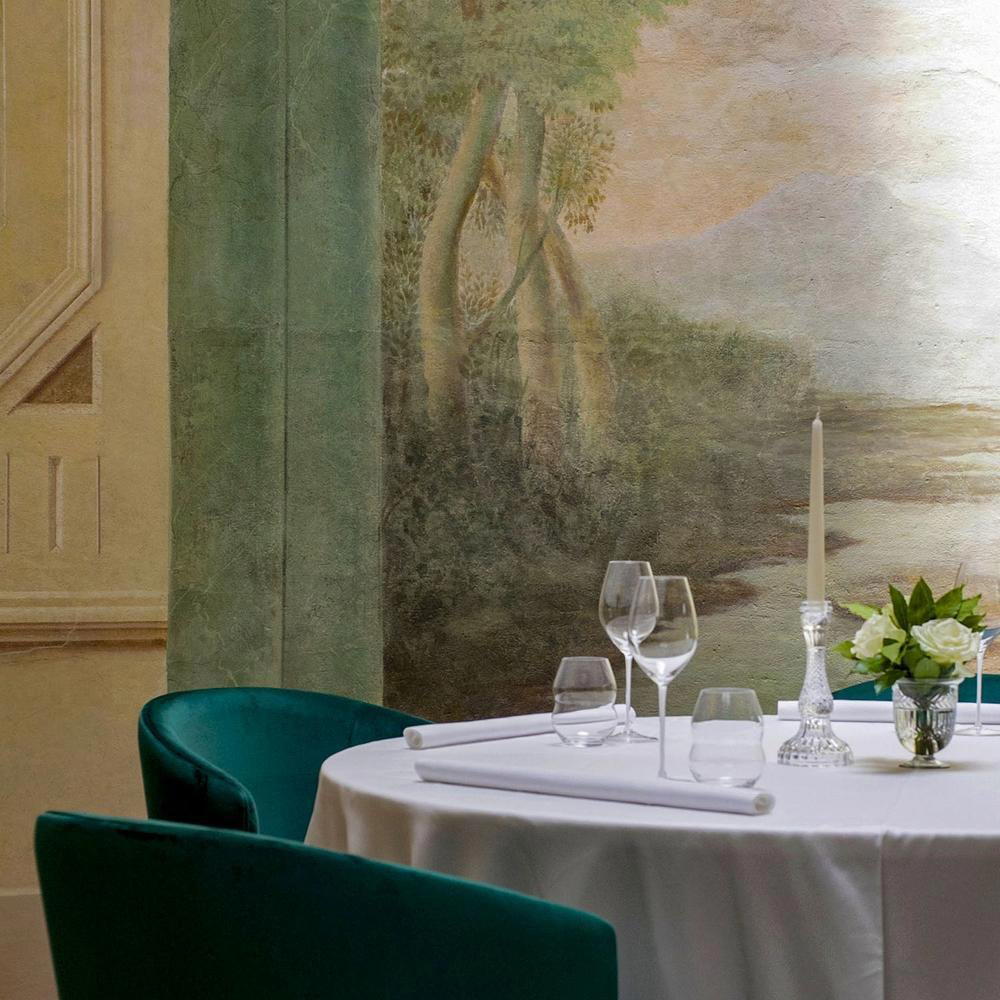
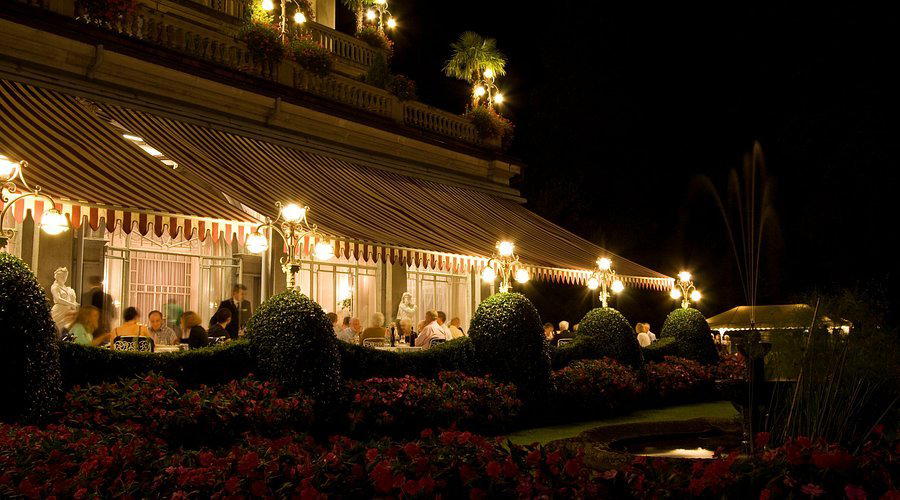
The 16th-century farmhouse structure has been restored with care for its original materials without being converted into a period piece. The family that runs the restaurant has preserved the agricultural working character of the property: livestock, garden, and vineyard remain active rather than ornamental. Dining in this context carries a different register from urban Italian fine dining. The formality is quieter, the sense of place more immediate. There is no city noise to locate you elsewhere.
The setting positions the restaurant within a category of Italian destination restaurants that reward the decision to leave a major urban centre. The Italian tradition of driving an hour for a serious rural meal is well established, and the leading examples of that format, from Dal Pescatore in Runate to Casa Perbellini 12 Apostoli in Verona, demonstrate that distance from a city centre does not limit culinary ambition. The restaurant operates at the Michelin Plate level rather than the starred tier of those references, but it belongs to the same cultural pattern: a kitchen that uses its location as an asset rather than an obstacle.
Planning Your Visit
The restaurant sits at Strada Capuccina 7 in Cureggio, in the Novara province of Piedmont, roughly an hour from Milan and within a short drive of Novara and the Lago d'Orta area. The price range sits at €€€, making it accessible relative to the starred Piedmontese alternatives in the region. Given the farm-driven menu format, seasonal timing matters: spring and summer, when the kitchen garden is at full output, likely represent one expressive period for the cooking, though the estate's own produce means there is a direct food source year-round. Booking in advance is recommended. Reservation arrangements are best confirmed directly.
How It Stacks Up
Comparable venues nearby, for context on price, style, and recognition.
| Venue | Cuisine | Price | Awards | Notes |
|---|---|---|---|---|
| La CapuccinaThis venue — the venue you are viewing | Contemporary Piedmontese | $$$ | Michelin Plate | Not listed |
| Verbano | Modern Italian Lake Fish Fine Dining | $$$ | Michelin Plate | Isola Pescatori |
| Caffè delle Rose Bistrot | Modern Italian Bistro | $$$ | Michelin Plate | Pallanza |
| Olona - "Da Venanzio" dal 1922 | Traditional Italian Trattoria | $$$ | Michelin Plate | Induno Olona |
| La Brughiera | Traditional Lombardian | $$$ | Michelin Plate | Senago |
| Cascina Vittoria | Modern Piedmontese Farm-to-Table | $$$ | Michelin Plate | Rognano, Province of Pavia |
Recognition history
Dated appearances from independent guides and award organizations, with the underlying list record or original source where available.
Michelin Plate
Michelin
Michelin Plate
Michelin
Michelin Plate
Michelin
Continue exploring
More in Cureggio
Restaurants in Cureggio
Browse all →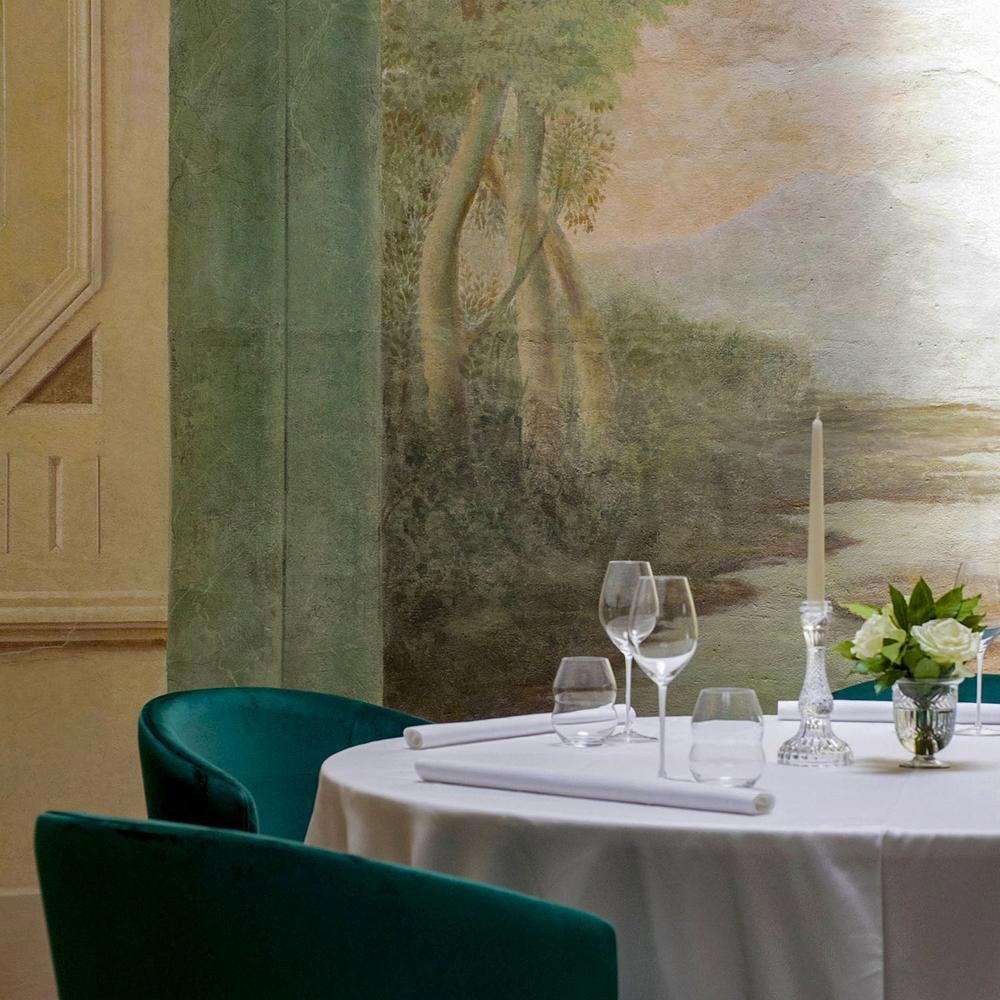
Bars in Cureggio
Browse all →
Hotels in Cureggio
Browse all →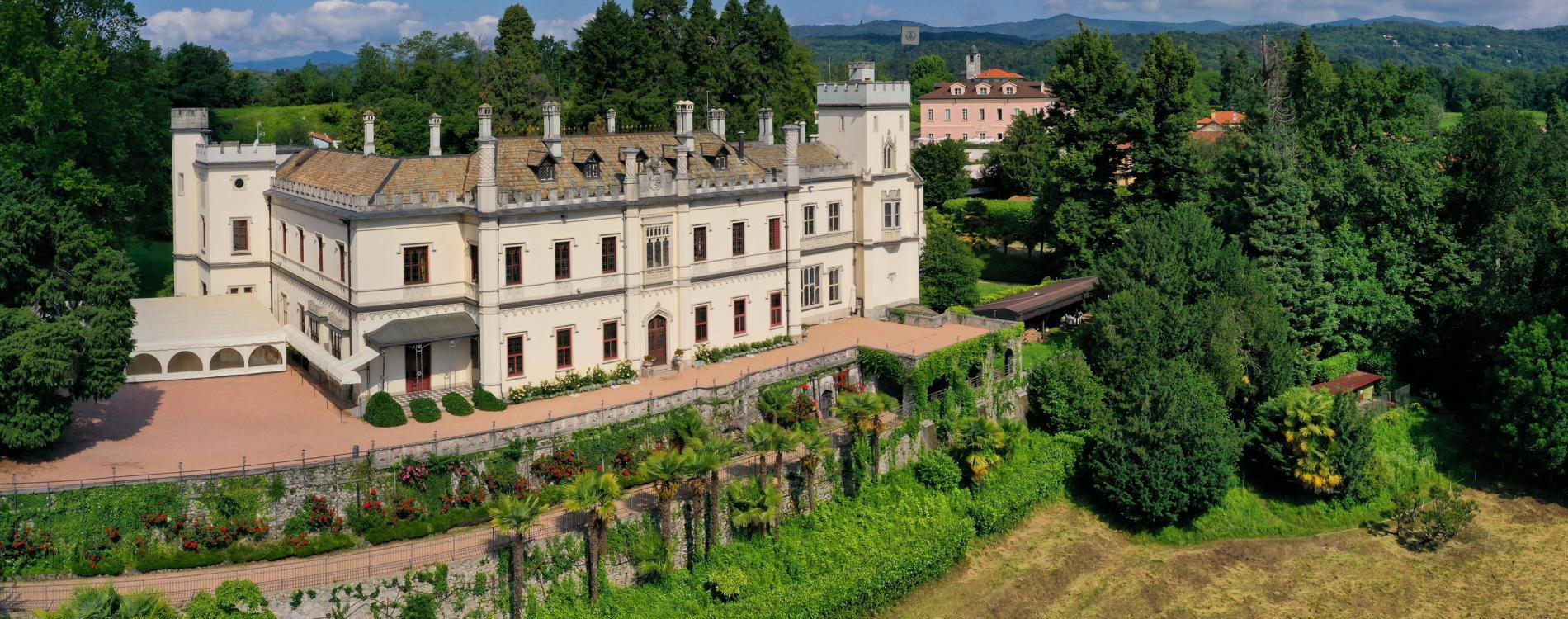
At a Glance
- Rustic
- Romantic
- Cozy
- Elegant
- Date Night
- Special Occasion
- Historic Building
- Extensive Wine List
- Farm To Table
- Local Sourcing
Serene, peaceful, and inviting atmosphere in a renovated historic farmhouse with bright, friendly spaces and attentive service.