La Cantine de Babel

We're Smart World 1 Radish
Our verdict
La Cantine de Babel sits at the practical intersection of ecological responsibility and global flavour, operating in Cherbourg-en-Cotentin with a strict commitment to fresh local, organic, and seasonal produce. Aligned with the Slow Food movement and the Bon pour le Climat initiative, it positions itself as a canteen in the honest sense: nourishing, principled, and rooted in Normandy's agricultural and coastal supply chain.

Pearl is the En Primeur Club membership app — saves, bookings, and concierge access live there. Same editors, same standards.
- Address
- Rue Carnot, 50110 Cherbourg-en-Cotentin, France
- Phone
- +33 6 75 13 63 76
- Hours
- Mon–Fri 12–1:30 PMSat–Sun Closed
- Website
- lacantinedebabel.fr
- Directions
- Get directions
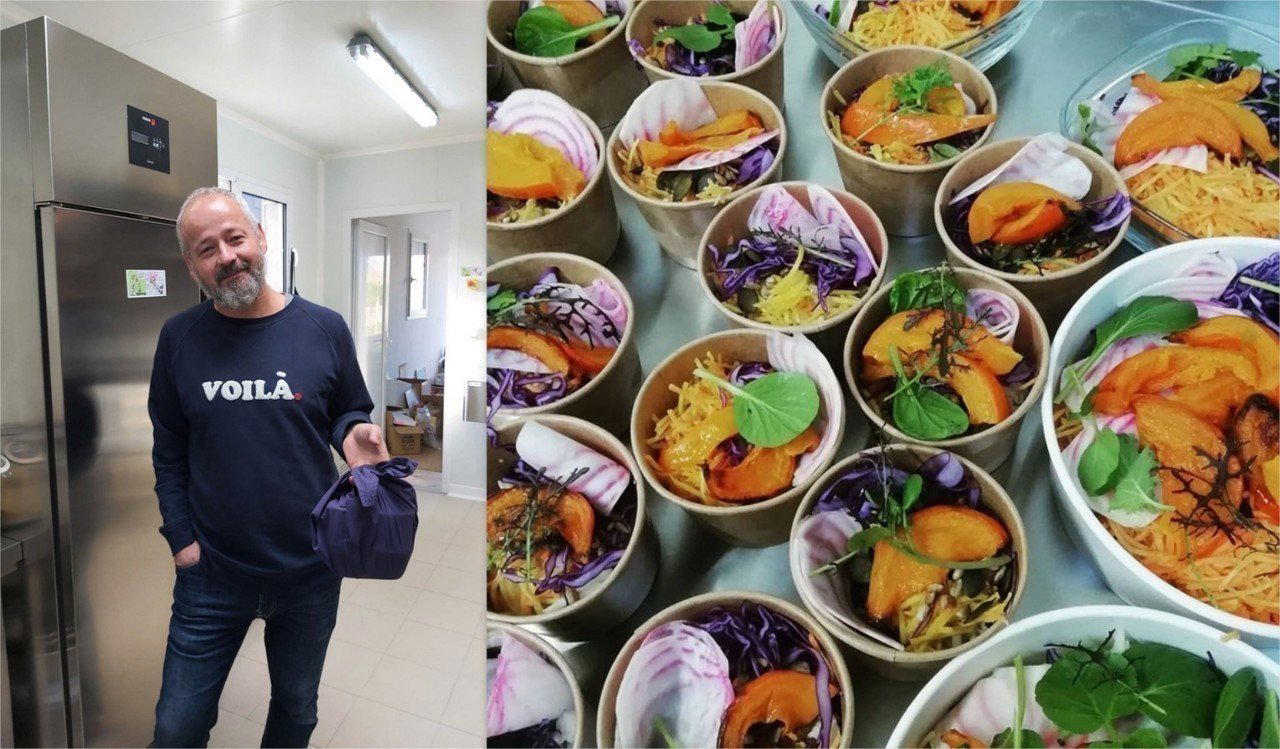
Where Normandy's Larder Meets a Global Palate
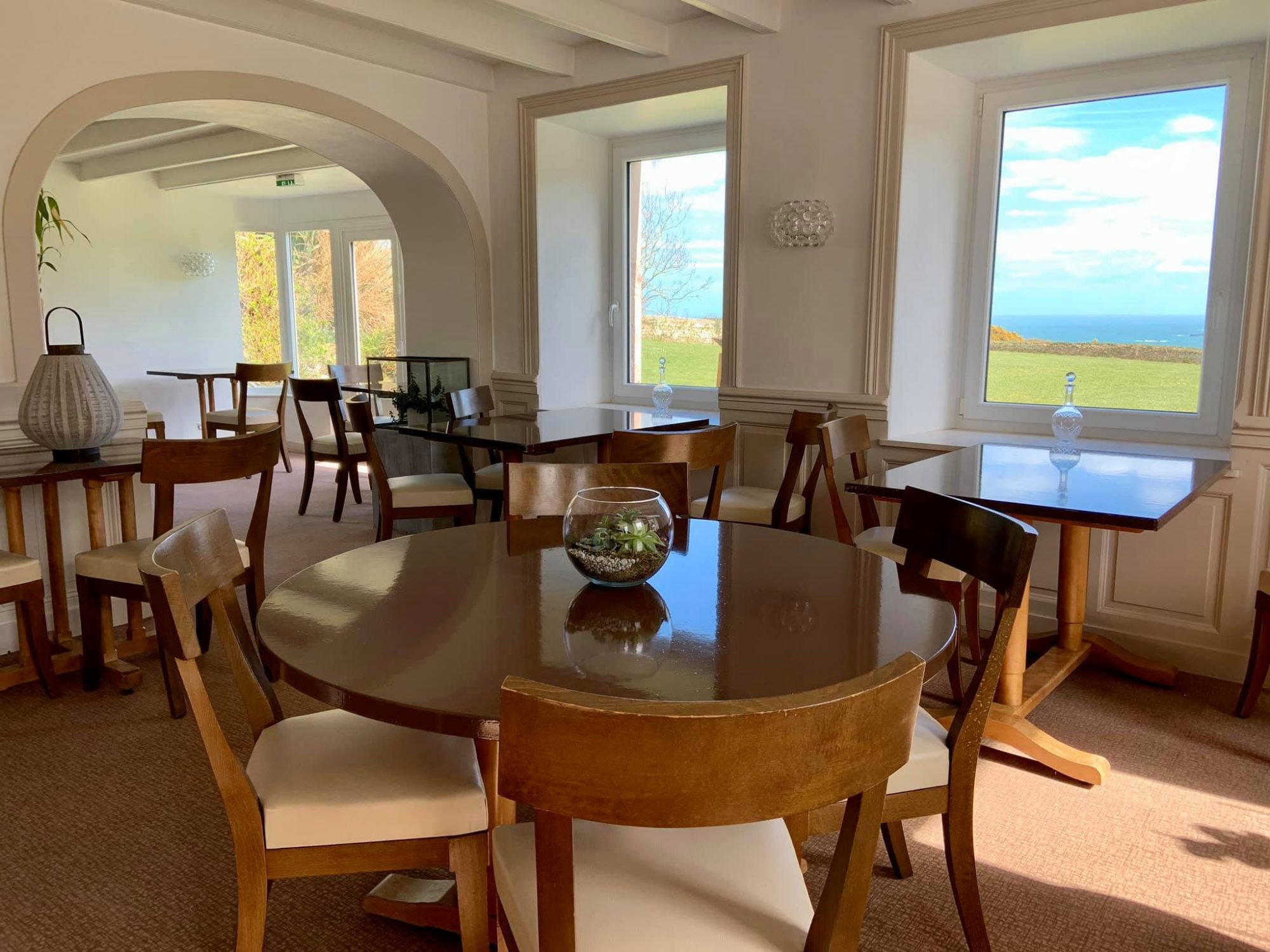
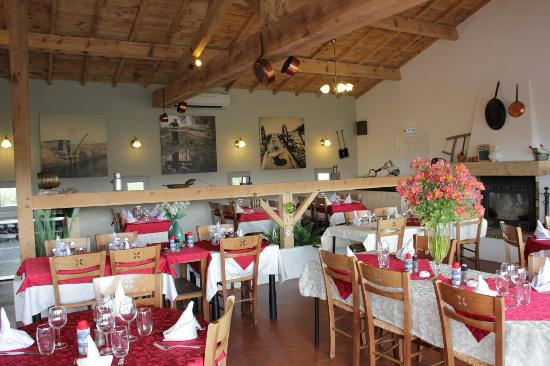
The canteen format has a long and serious history in French food culture — not the institutional tray-and-ladle version, but the neighbourhood table where a cook of conviction feeds a community from what the season and the land provide. In the Cotentin peninsula, where the Atlantic coast, bocage farmland, and market gardens converge within a few kilometres of each other, that format carries particular weight. La Cantine de Babel, on Rue Carnot in the Cherbourg-en-Cotentin commune that includes Tourlaville, operates inside that tradition while pulling its flavour references considerably further afield. The result is a dining room that reads, at once, as deeply local and conspicuously open to the world.
Cherbourg is not a city that attracts the kind of gastronomic tourism that flows toward, say, Mirazur in Menton or the institutions of the Rhône valley like Troisgros in Ouches. What it has instead is a working port, a pronounced Norman identity, and a food culture built around producers rather than prestige. La Cantine de Babel positions itself squarely within that ecosystem. The cooking draws entirely on fresh local and organic produce, sourced seasonally, and the kitchen's orientation toward vegetables as a primary rather than supporting element aligns it with a broader shift in serious French cooking away from protein-centred menus.
The Logic of Sourcing in the Cotentin
The Cotentin peninsula produces with unusual variety for its size. Dairy from the bocage, shellfish and fish from the Channel coast, root vegetables and brassicas from the interior market gardens — the supply chain here is dense and short. For a kitchen committed to seasonal and local procurement, this is a material advantage. The Slow Food movement, with which La Cantine de Babel's operator Laurent Porée is formally connected, frames this kind of sourcing not as a marketing position but as a set of obligations: to producers who farm without industrial inputs, to supply chains that don't span continents, and to menus that change when the harvest does rather than when the calendar says they should.
The Bon pour le Climat label, also associated with the operation, adds a measurable dimension to these commitments. Restaurants operating under that framework are assessed on their carbon footprint, which means procurement decisions carry documented consequences rather than existing as stated intentions. This places La Cantine de Babel in a small peer group of French restaurants where ecological responsibility is a verified operational condition rather than a point of differentiation deployed for marketing purposes. For context, France's most decorated restaurants, from Alléno Paris au Pavillon Ledoyen to Bras in Laguiole, have grappled with similar sourcing ethics, but the formal certification structure adopted here is less common at the neighbourhood scale.
Vegetables at the Centre, Spice at the Edges
Kitchen's focus on vegetables, combined with what Porée describes as cooking that is purified, spicy, and open to the world, suggests a menu that uses the produce of Normandy as its raw material while drawing on flavour traditions well outside the Norman canon. This is not an uncommon approach in contemporary French cooking, AM par Alexandre Mazzia in Marseille is perhaps the most cited example of a kitchen that uses French ingredients through a global spice and technique vocabulary, but it is relatively unusual in a port-city canteen setting rather than a fine-dining one.
Specific dishes at La Cantine de Babel are not published here, and any honest account of what arrives on the plate would need to be grounded in current, verified menu data rather than inference. What can be said is that a kitchen operating strictly within seasonal and local produce constraints in the Cotentin will be working with Channel fish and shellfish during colder months, an abundance of brassicas and root vegetables through winter, and a gradual broadening of the produce palette through spring and summer. The spice element described by Porée is the variable that makes this compositionally distinct from a standard farm-to-table format: it implies flavour architecture that moves beyond the butter-cream-cider axis that defines Norman cooking at its most traditional.
Situating the Canteen in French Dining's Broader Moment
French dining has spent the better part of a decade in productive disagreement with itself about what a serious restaurant should look like. The grandes maisons, Auberge de l'Ill in Illhaeusern, Paul Bocuse's Auberge du Pont de Collonges, Assiette Champenoise in Reims, represent one tradition: formal, multi-course, deeply invested in classical technique and service ritual. Against that, a different model has emerged, particularly in provincial cities: smaller, less formal operations where the cook's ethical commitments are legible in the sourcing, the price, and the format. La Cantine de Babel, with its canteen name and its Slow Food affiliations, is a deliberate participant in that second current.
This does not make it a lesser proposition. In some respects, the discipline required to cook without recourse to luxury imports or out-of-season produce is more demanding than the discipline of classical haute cuisine, where budget absorbs the pressure of scarcity. Cooking well within strict seasonal and local constraints requires that the kitchen's skill express itself through organisation, timing, and flavour rather than through the inherent prestige of the ingredient.
Planning a Visit
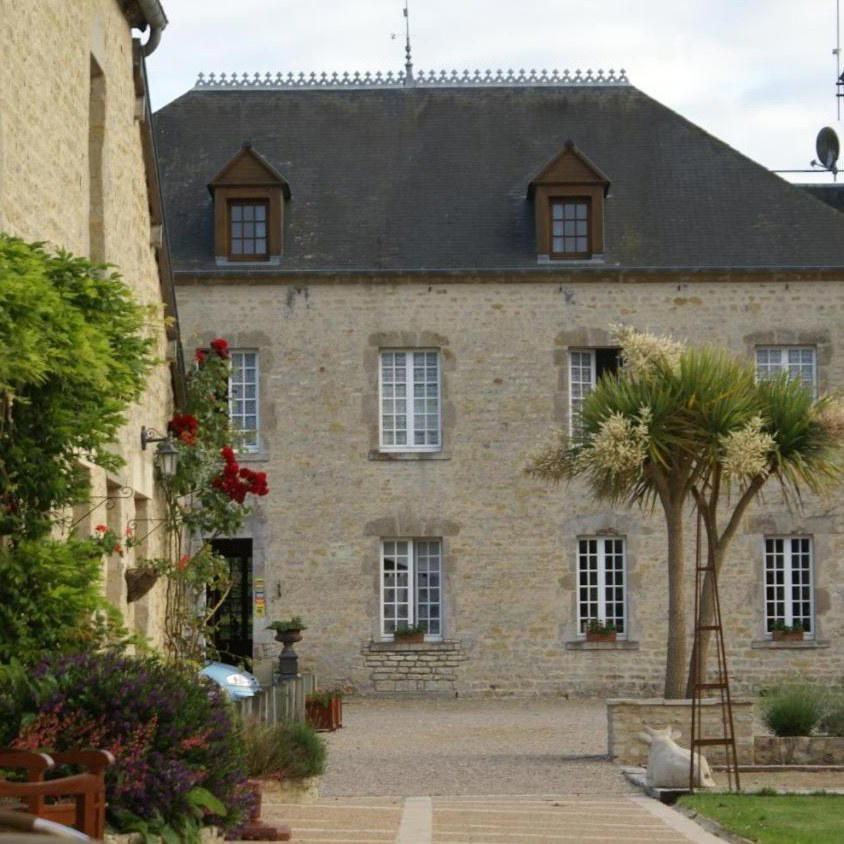
La Cantine de Babel is located on Rue Carnot in Cherbourg-en-Cotentin, within the commune that encompasses Tourlaville. For visitors exploring the wider Normandy region, Cherbourg is accessible by train from Paris-Saint-Lazare in approximately three hours, and the Cotentin's ferry connections to Ireland and England make it a practical stop for cross-Channel travellers. The canteen's format and its alignment with the Slow Food model suggest a setting more suited to lunch or an unhurried evening than a quick stop. Booking in advance is advisable given the likely small scale of the operation. For broader orientation, our full Tourlaville restaurants guide covers the wider dining context, while our Tourlaville hotels guide, bars guide, wineries guide, and experiences guide provide context for building a fuller stay in the area. Visitors interested in how this kind of principled, ingredient-led cooking scales into different formats might also look at Flocons de Sel in Megève, Au Crocodile in Strasbourg, or Auberge du Vieux Puits in Fontjoncouse for points of comparison in other regions.
Frequently asked questions
Is La Cantine de Babel a family-friendly restaurant?
The canteen format at La Cantine de Babel, with its vegetable-centred menu built on fresh local and organic Cotentin produce, lends itself to a relaxed, inclusive table. The ecological ethos championed by Laurent Porée, aligned with the Slow Food movement, tends to favour unfussy, honest cooking over formal service codes. That said, specific family amenities are not documented, so contacting the venue directly before visiting with young children is advisable.
Is La Cantine de Babel better for a quiet night or a lively one?
The canteen model Porée has built, described as ecologically responsible and rooted in neighbourhood dining tradition, points toward a convivial rather than hushed atmosphere. Think shared values around the table rather than a white-tablecloth performance. It sits closer to the animated end of the spectrum, but the vegetable-forward, globally spiced cooking keeps the focus on the plate rather than the spectacle.
What kind of recognition has La Cantine de Babel received?
La Cantine de Babel has received recognition including: Laurent Porée is connected with the 'Bon pour le Climat' and Slow Food movement. He calls his canteen 'ecologically responsible' and cooks with vegetables, purified, spicy and open to the world. You will only find dishes with fresh local pr….
What's the best thing to order at La Cantine de Babel?
Specific menu items change with the season, which is deliberate given the kitchen's commitment to fresh, local Cotentin produce and organic sourcing tied to the 'Bon pour le Climat' framework. What the menu consistently builds around is vegetables, treated as the main event rather than accompaniment, with global spicing that Porée describes as open to the world. Checking with the restaurant at the time of booking will give the clearest picture of what's on.
In Context: Similar Options
Comparable venues nearby, for context on price, style, and recognition.
| Venue | Cuisine | Price | Awards | Notes |
|---|---|---|---|---|
| La Cantine de BabelThis venue — the venue you are viewing | Mediterranean and Oriental Vegetarian | Not listed | We're Smart World 1 Radish | Not listed |
| Bistrot Marcel | Classic French Bistro | $20–30 | Not listed | Rezé |
| Crêperie Des Grèves | Breton Crêperie | $10–20 | Not listed | Langueux |
| Dubble Caen Saint-Contest | Healthy Fast-Casual Bowls | $10–20 | Not listed | Saint-Contest |
| Saturne | Modern French with Nordic Influences | Not listed | Not listed | 2nd Arrondissement |
| Annadata | Gourmet Vegetarian French | Not listed | Not listed | Intra-Muros |
Recognition history
Dated appearances from independent guides and award organizations, with the underlying list record or original source where available.
We're Smart World 1 Radish
We're Smart World
Continue exploring
More in Tourlaville
Restaurants in Tourlaville
Browse all →
Details
- Family
- A La Carte
- Vegetarian Friendly
Current opening hours
- Monday
- 12–1:30 PM
- Tuesday
- 12–1:30 PM
- Wednesday
- 12–1:30 PM
- Thursday
- 12–1:30 PM
- Friday
- 12–1:30 PM
- Saturday
- Closed
- Sunday
- Closed
Hours can change for holidays and private events. Last verified .