Osteria Fagetti
Our verdict
Osteria Fagetti sits along the Via Cantonale in San Vittore, a quiet Ticino valley commune where Italian-speaking Switzerland meets the Graubünden foothills. In a canton where trattoria culture runs deep and sourcing from local producers is a point of civic pride, this address draws on that tradition rather than departing from it. For visitors tracing the region's osteria circuit, it belongs on the itinerary alongside La Brasera.

Pearl is the En Primeur Club membership app, where members save venues, book tables and use the concierge.
The menu
What to order
- Homemade ravioli
- Veal osso buco
- Sliced beef
Where the Via Cantonale Meets the Plate
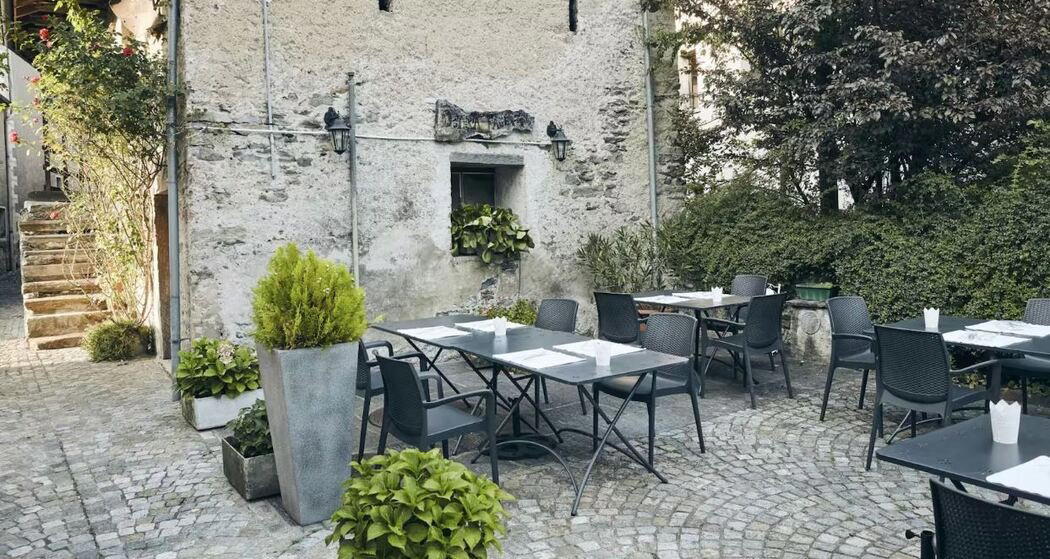
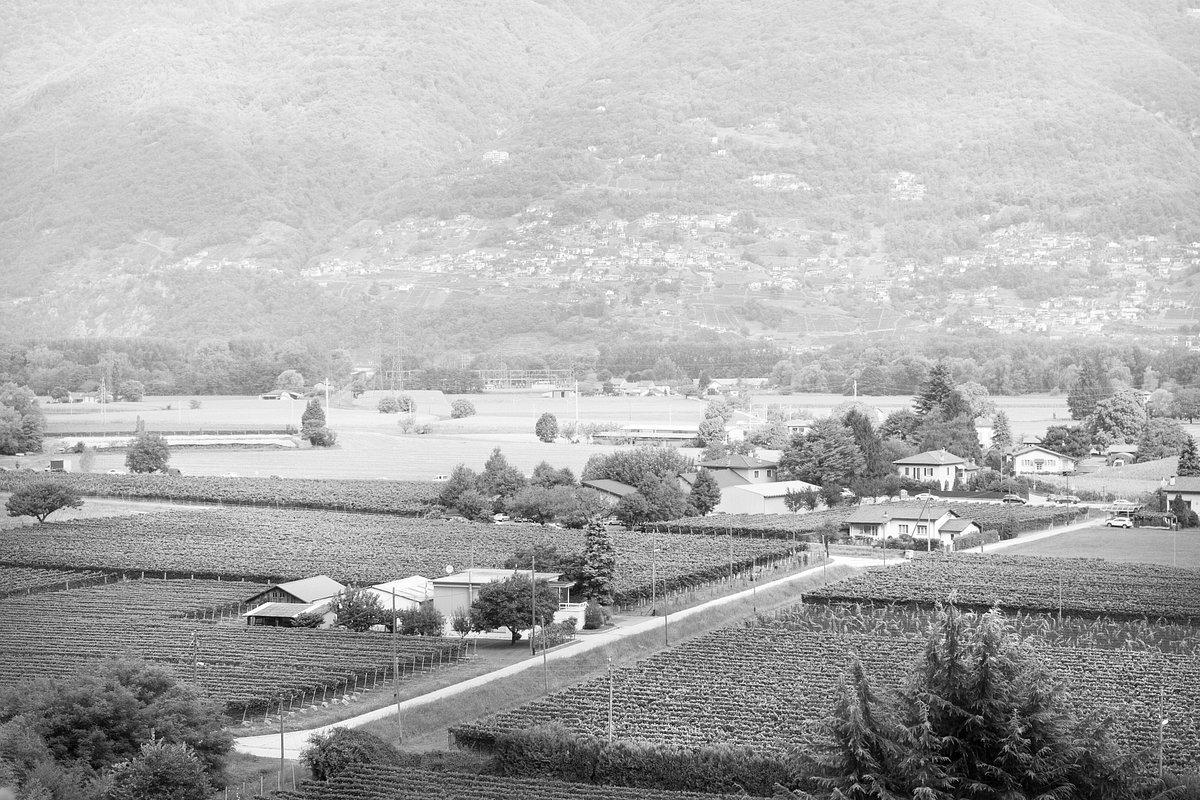
San Vittore sits in the lower Moesano valley, a stretch of Graubünden where the spoken language tips into Italian and the food culture follows suit. The Via Cantonale, the old cantonal road running the spine of the valley, is lined with the kind of low-key addresses that have always fed working families and passing travellers rather than culinary tourists. Osteria Fagetti at Str. Cantonale 168 occupies that civic function: a roadside osteria in a commune of a few hundred residents, operating within a local dining tradition that predates any contemporary interest in regional Italian-Swiss cooking. The physical approach tells you something before you step inside, the building sits flush with the road in the manner of valley osteirie that were built for access, not atmosphere theatre.
This part of Ticino-adjacent Graubünden has its own identity, distinct from the lakeside polish of Lugano or the Alpine resort economy of St. Moritz. For broader context on what the region's dining circuit looks like at its most ambitious, Da Vittorio - St. Moritz in St. Moritz and La Brezza in Ascona represent one pole of Italian-influenced Swiss dining. Osteria Fagetti operates at the other end of that spectrum, where the point is not spectacle but continuity.
Sourcing as Tradition, Not Trend
Across Italian-speaking Switzerland, the osteria format has always been grounded in whatever the surrounding valleys could produce: cured meats from the Bregaglia, polenta from local mills, game from the Moesano hillsides, wine from the southern cantonal slopes. The best of these addresses do not need to make a marketing point about provenance because the sourcing was never a decision, it was simply how things were done before supply chains made distance irrelevant.
The Moesano valley runs between the Italian border at Mesocco and the Rhine plain at Bellinzona, giving it access to both Alpine pastoral products and the warmer-climate agriculture of the south. Ticino's merlot-dominant wine culture crosses the cantonal border informally here, and valley osteirie in this corridor have historically poured local bottles from producers who rarely appear in export catalogues. That pattern, hyper-local wine with hyper-local food, is the baseline against which an osteria in San Vittore should be read, not against the benchmark of destination restaurants like Schloss Schauenstein in Fürstenau or Memories in Bad Ragaz, which operate in an entirely different register of intention and investment.
Switzerland's fine dining circuit, addresses like Hotel de Ville Crissier in Crissier, Cheval Blanc by Peter Knogl in Basel, or focus ATELIER in Vitznau, draws on Swiss produce with deliberate, documented sourcing programs. The valley osteria tradition achieves something adjacent through default: the radius of supply is small because the community is small, not because a chef made a sourcing manifesto. Both approaches arrive at locality; the means differ substantially.
The Osteria Format in Context
The Italian-Swiss osteria occupies a category that has no clean equivalent in French-speaking Switzerland or the German cantons. It is not a ristorante with tablecloths and a wine list architecture, nor is it a bar open for aperitivo alone. The format implies a kitchen running a short daily menu, a room that serves both locals on weekday lunch and families on Sunday, and a proprietorial style where the same family or individual runs service and cooking across years rather than seasons. This continuity is the format's main credential: osteirie that survive in small valley communes do so because they are genuinely useful to the community, not because they have cultivated a visitor economy.
That utility model contrasts with the curated sharing formats and progressive tasting menus that dominate Switzerland's recognised dining circuit, IGNIV Zürich by Andreas Caminada in Zurich being the clearest example of how a Swiss chef has formalised the communal eating instinct into a premium product. The osteria does not formalise anything. It maintains the original.
Planning a Visit to San Vittore
San Vittore sits on the A13 motorway corridor between Bellinzona and Chur, which means it is logistically direct to reach from both the Ticino capital to the south and the Graubünden capital to the north. The village is served by the cantonal road rather than a major rail stop, so a car or the PostBus network are the practical options for most visitors. Given the commune's size and the osteria's local-first character, contacting the venue directly before making a special journey is advisable, hours and kitchen availability at small valley addresses can vary with season and local demand in ways that are not always reflected in online listings.
Visitors combining a Moesano valley visit with broader Graubünden dining should note that 7132 Silver in Vals and Einstein Gourmet in Sankt Gallen sit within a reasonable driving range, though they represent categorically different experiences. For a full picture of what the S Vittore dining scene looks like at street level, our full S Vittore restaurants guide maps the options in the commune, including La Brasera, which shares the same village address.
For those approaching from Geneva or Lausanne, the contrast with addresses like L'Atelier Robuchon in Geneva, La Table du Lausanne Palace in Lausanne, or Colonnade in Lucerne underscores how wide Switzerland's dining range actually runs. The valley osteria and the grand hotel dining room exist in the same country and, on occasion, the same day's itinerary. Internationally, the shift in register is as pronounced as moving between Le Bernardin in New York City and a neighbourhood trattoria, or between Atomix in New York City and a corner Korean diner, the comparison is not pejorative in either direction. And for Graubünden visitors with an interest in Magdalena in Schwyz, the eastward routing through the cantons passes close enough to make a valley stop practical.
Frequently asked questions
Where is Osteria Fagetti in S Vittore?
Osteria Fagetti is located at îStr. Cantonale 168, 6534 San Vittore, Switzerland, S Vittore.
Is Osteria Fagetti worth stopping at when driving the A13 between Bellinzona and Chur?
San Vittore sits directly on the A13 motorway corridor, making Osteria Fagetti on Str. Cantonale 168 one of the more accessible osterie in the Italian-speaking valleys of Graubünden for travellers moving between Ticino and the German-speaking cantons. The Moesano valley marks the linguistic and culinary boundary where Italian-Swiss food culture asserts itself clearly, and an osteria at this point on the route offers a more grounded encounter with that tradition than motorway stops further north.
What's the best thing to order at Osteria Fagetti?
In this corridor, that typically means cured meats, polenta-based preparations, and seasonal vegetables rooted in Italian-Swiss tradition. Arriving without a fixed plan and following the daily specials is the sensible approach for any osteria of this type.
How far ahead should I plan for Osteria Fagetti?
San Vittore is a small commune on the A13 corridor between Bellinzona and Chur, and the osteria format at this scale rarely operates on a structured reservations system. That said, smaller osterie in the Moesano valley can fill quickly at lunch, particularly on weekends when through-traffic from the motorway corridor picks up. Calling ahead when possible is practical; no phone number is currently listed in the public record for this address.
What has Osteria Fagetti built its reputation on?
In the Italian-speaking valleys of Graubünden, an osteria's standing is built through sustained local relevance rather than award cycles or critical recognition in the French or German Swiss press. Osteria Fagetti sits on the Str. Cantonale in San Vittore, a position that places it along the main artery of the lower Moesano, where regular local trade rather than destination tourism shapes the character of the kitchen over time.
What if I have allergies at Osteria Fagetti?
No phone number or website is currently listed in the public record for Osteria Fagetti at Str. Cantonale 168, San Vittore. If you have serious dietary requirements or allergen concerns, arriving and speaking directly with staff is the most reliable option, as osterie in this tradition typically handle requests through conversation rather than printed allergen documentation.
Should I splurge on Osteria Fagetti?
The osteria format in this part of Graubünden is structurally different from the premium dining tier represented by Michelin-recognised Swiss addresses, and pricing in the Moesano valley reflects that positioning. The value case here is in straightforward, valley-rooted cooking at accessible prices, not in a special-occasion splurge.
Comparable Venues
Comparable venues nearby, for context on price, style, and recognition.
| Venue | Cuisine | Price | Awards | Notes |
|---|---|---|---|---|
| Osteria FagettiThis venue (the venue you are viewing) | Swiss-Italian Osteria | $50–100 | Not listed | Not listed |
| La Brasera | Italian Fine Dining with French and Swiss Influences | $50–100 | Not listed | San Vittore |
| Radici | Italian Bistronomic | $30–50 | Gambero Rosso 1 Forchetta | Penthaz |
| BUTEGAR | Roman-Style Pizza al Taglio | $20–30 | Not listed | Aussersihl |
| il Basilico | Italian Pizzeria | $20–30 | Not listed | Friesenberg |
| Pizzeria Artechiara | Authentic Neapolitan Pizza | $20–30 | Not listed | Dietikon |
Continue exploring
More in S Vittore
Restaurants in S Vittore
All restaurants in S Vittore →
Bars in S Vittore
Browse all →


Details
- Cozy
- Rustic
- Intimate
- Casual Hangout
- Standalone
- Local Sourcing
- Street Scene
- A La Carte
- Vegetarian Friendly
- Gluten Free Options
Current opening hours
- Monday
- Closed
- Tuesday
- 12–3 PM, 7–10 PM
- Wednesday
- 12–3 PM, 7–10 PM
- Thursday
- 12–10 PM
- Friday
- 12–3 PM, 7–11 PM
- Saturday
- 12–3 PM, 7–11 PM
- Sunday
- 12–3 PM, 7–10 PM
Hours can change for holidays and private events. Hours as of .
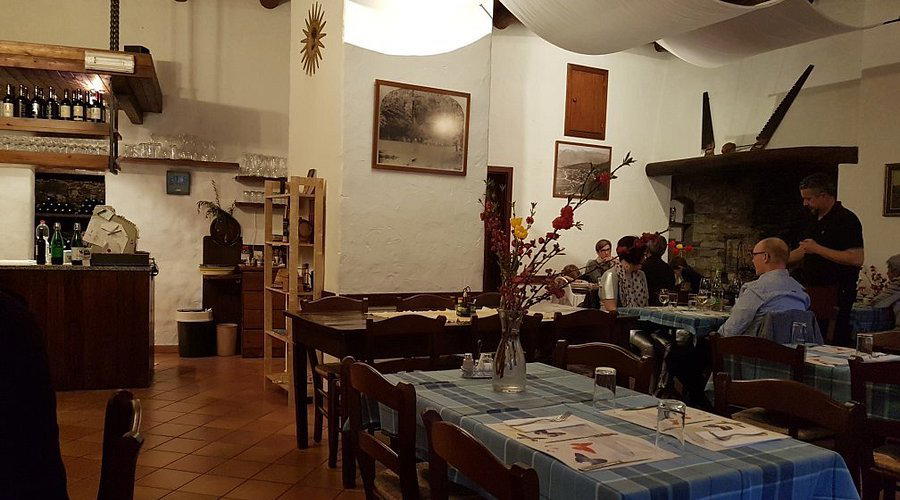
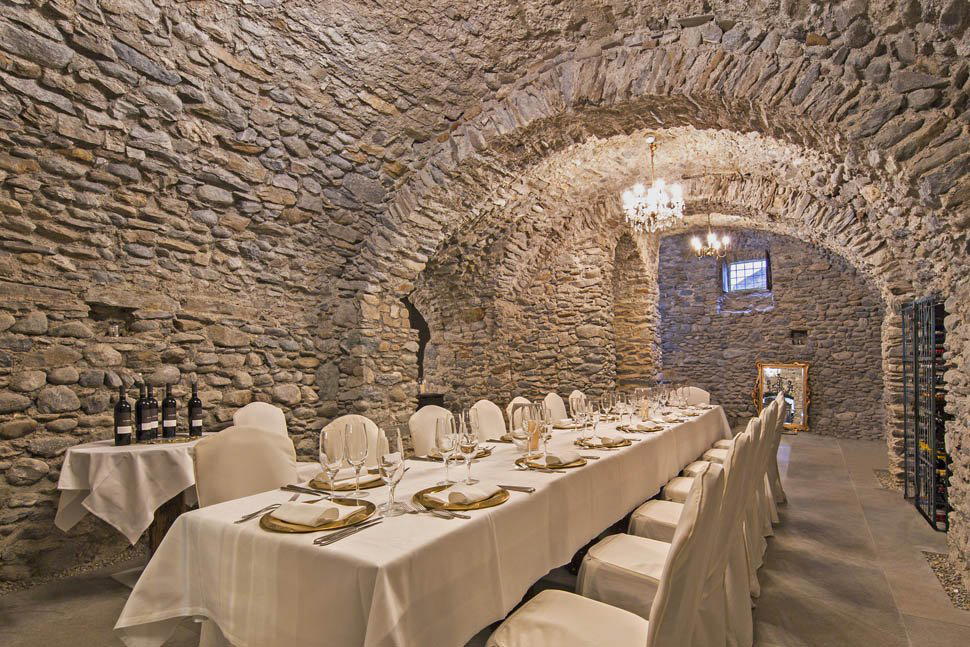
Warm, cozy atmosphere praised by guests for its intimate and inviting feel.