

La Barra de Cañabota operates as the more accessible counter-format sibling to Seville's respected seafood restaurant Cañabota, applying the same sourcing philosophy at a slightly simpler register. The bar runs on whatever the fishing boats bring in that day, making the menu a direct record of Atlantic and Andalusian coastal conditions. Expect a standing-room crowd, an open prep area, and fish treated with the same seriousness found across town at the full-service original.
Pearl is the En Primeur Club membership app — saves, bookings, and concierge access live there. Same editors, same standards.
- Address
- Orfila 5
- Phone
- +34 954 91 34 32
- Website
- canabota.es
- Directions
- Get directions
 Saves & bookings on Pearl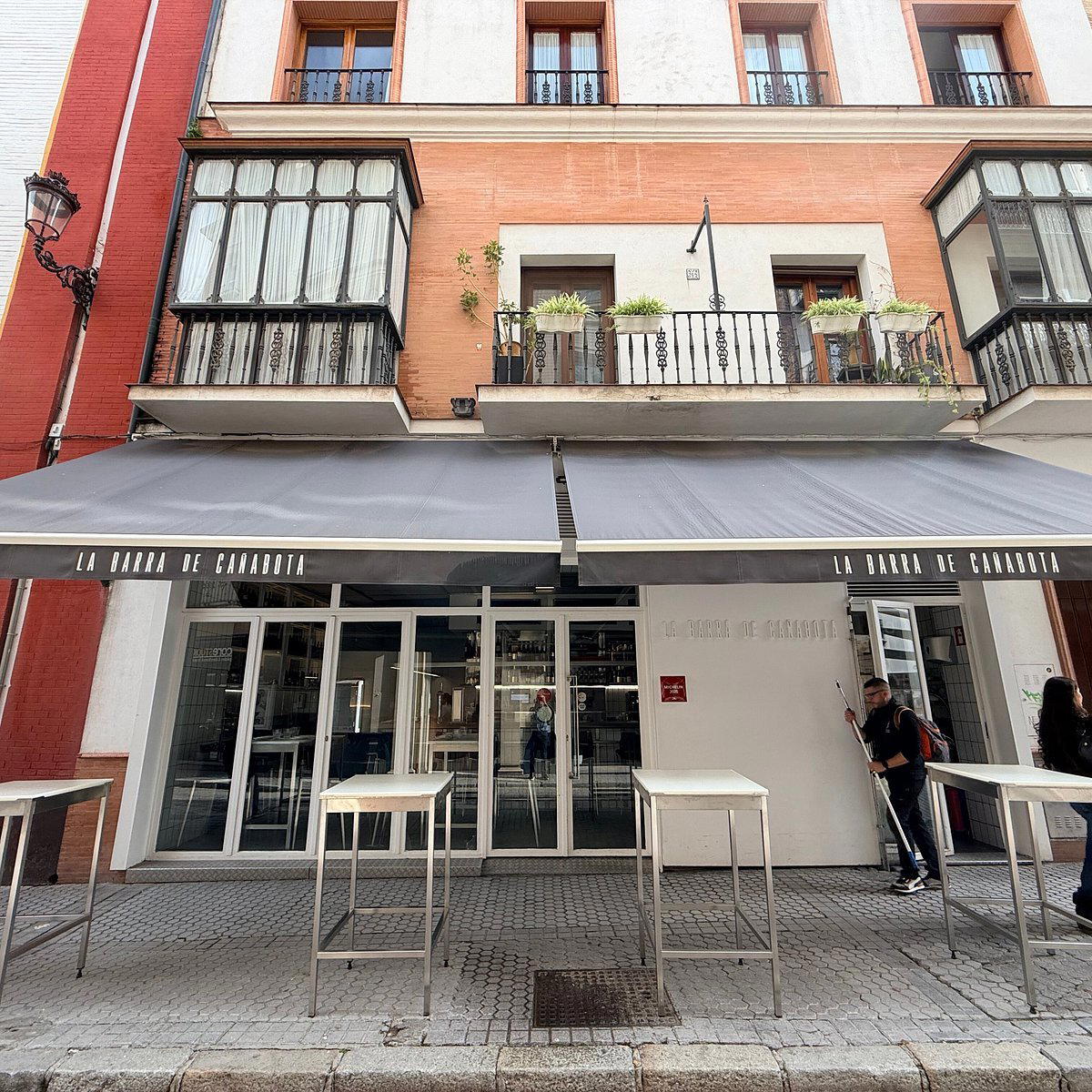
The Counter, the Catch, and What Arrives on the Day
Seville's bar scene has always moved faster than its restaurant scene. You eat standing up, you order by eye, and the rhythm of the room tells you more about what to drink than any list. La Barra de Cañabota, on Orfila 5 in Seville, operates inside that tradition while applying a sourcing standard that most tapas bars in the city do not attempt. The premise here is direct: the menu is determined not by a printed card designed months in advance but by what fishermen actually brought back. That is a constraint that few kitchens accept, and it shapes everything about the experience.
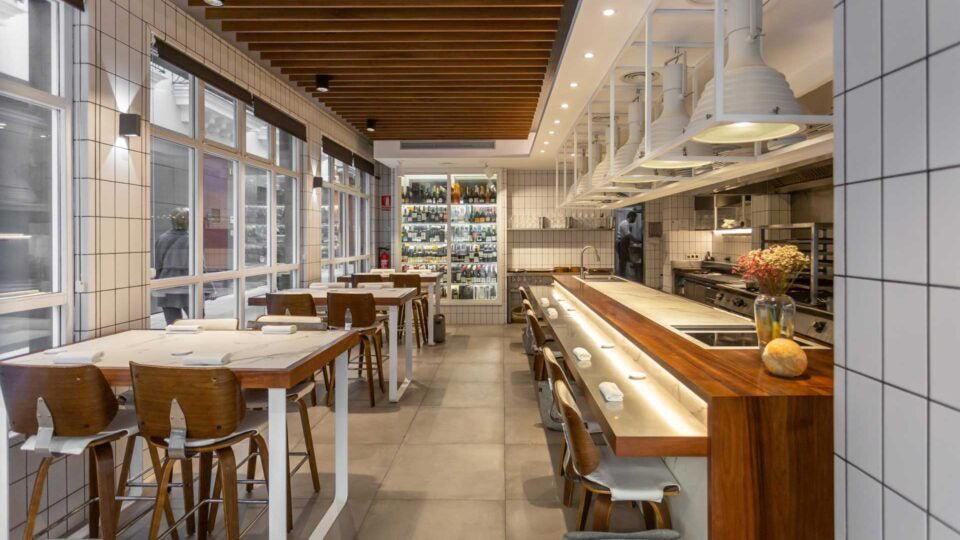
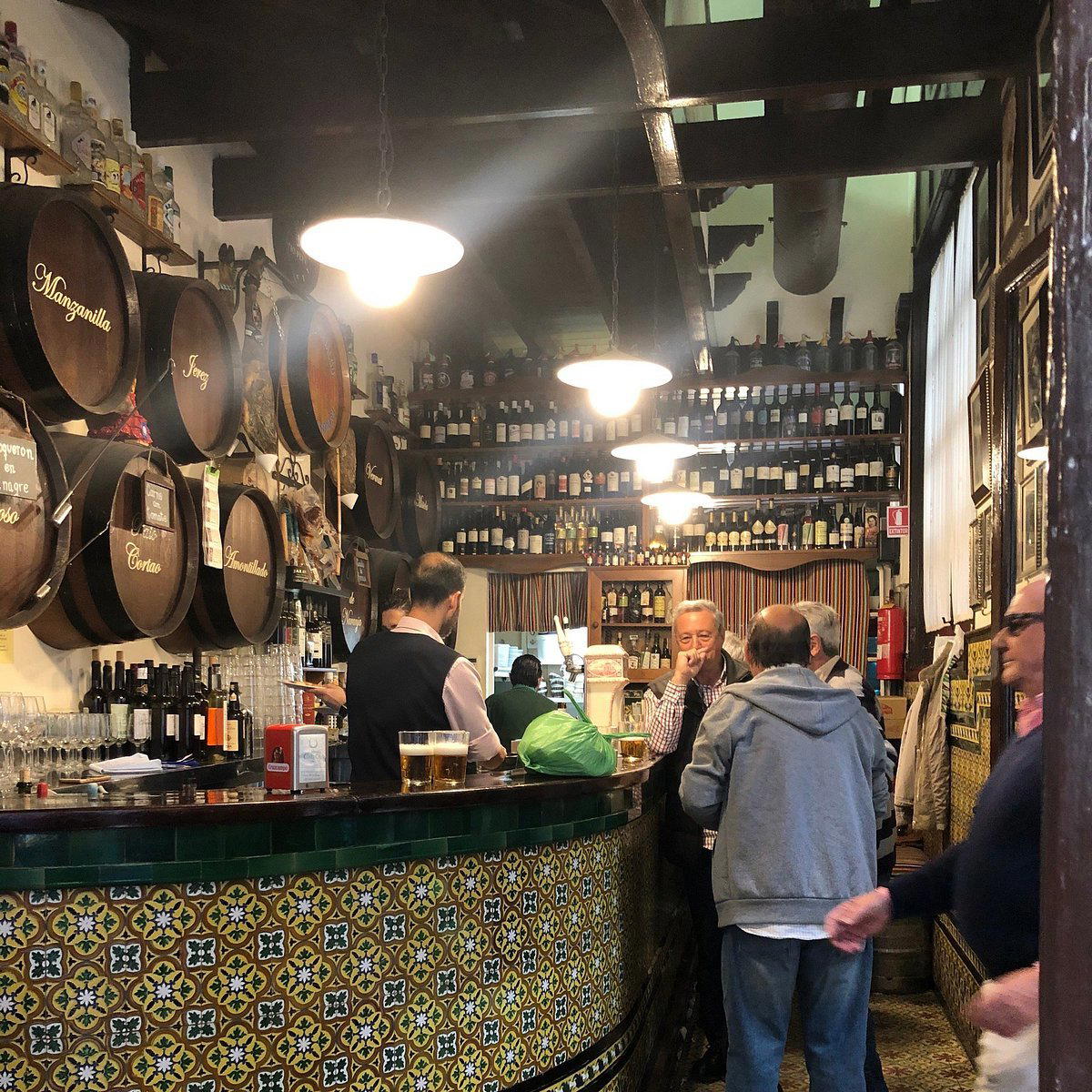
At the counter, you can watch preparations happen in front of you, which in a city where bar theatre is partly the point, adds a specific kind of transparency. What is being prepared is not theatrical for its own sake; it reflects the product that arrived that morning. The bar is consistently busy, and the crowd reflects both locals who treat the place as a reliable weekly stop and visitors with enough context to understand what the sourcing position means.
A Sourcing Logic Borrowed from Fishing Schedules, Not Kitchen Calendars
Spain's coastal restaurant tradition has long maintained that the leading fish preparation is the one that lets the product speak, but translating that into a bar format requires a particular kind of operational discipline. Seasonal adaptation is standard in European cooking; adaptation to the actual conditions and luck of the fishing fleet is less common and harder to sustain. La Barra de Cañabota states this explicitly: the menu changes not only with the season but with what the boats return with on a given day.
This positions the bar within a broader shift in how the Iberian Atlantic coastline has been interpreted at the table. At the high end of that register, places like Aponiente in El Puerto de Santa María have built three-Michelin-star reputations around radical seafood-centricity and fishing-driven sourcing. La Barra operates at a different register entirely, but the underlying logic shares a common ancestor: the idea that the sea sets the menu, not the other way around.
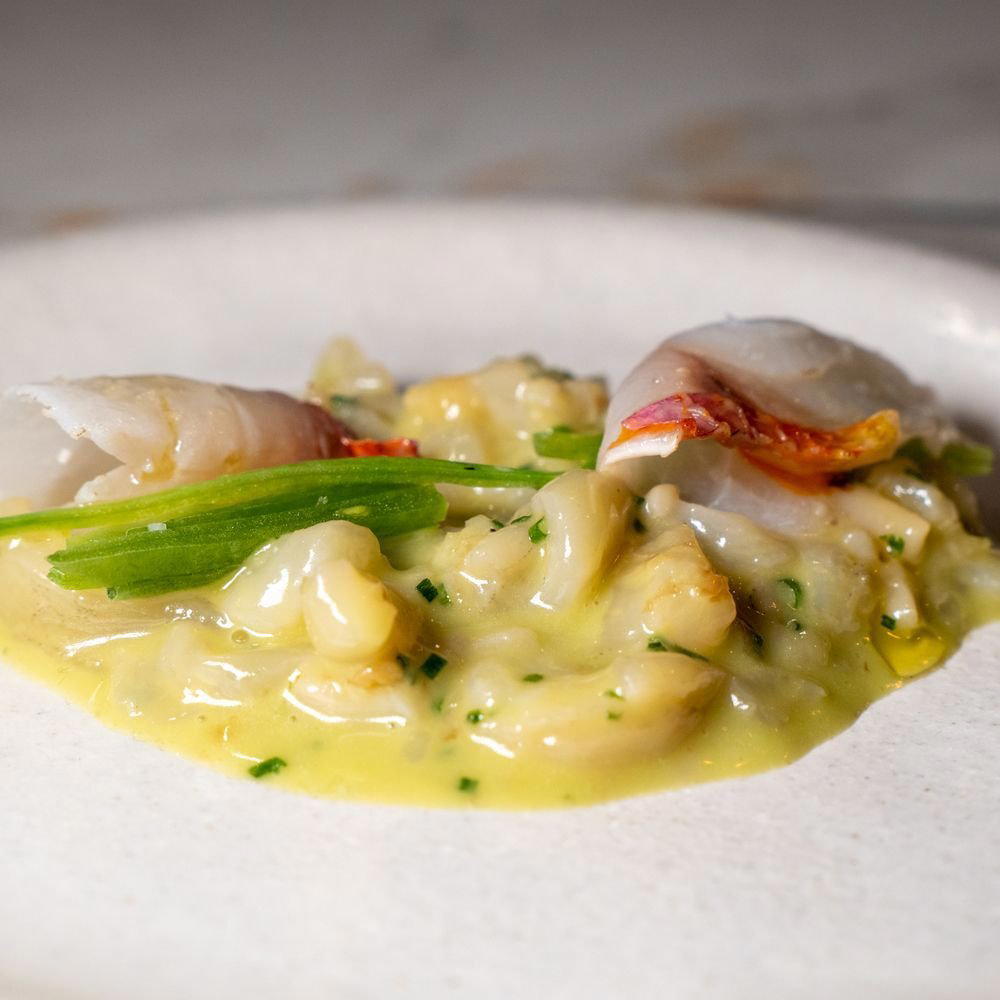
What that means in practice for the diner is that returning visits will often produce a different experience. A white prawn from the Gulf of Cádiz available one week may not be there the next. A specific cephalopod or a particular cut of blue fin may appear briefly and disappear. This creates a genuine argument for multiple visits rather than a single definitive one, which is part of what sustains the bar's reputation locally.
Cañabota, Its Sibling, and What the Relationship Tells You
Understanding La Barra is easier if you understand its relationship to Cañabota, the seafood restaurant from which it derives both its name and its philosophy. Cañabota operates at the €€€ tier within Seville's dining structure, with a more formal setting, a fuller service format, and a reputation that places it clearly among the city's serious fish restaurants. La Barra applies the same sourcing standards and the same ingredient commitment at a simpler register, with shorter preparations and a counter format that drops the table-service overhead.
This is a pattern that recurs in Spanish food culture: the casa madre and the satellite tapas bar, where the second venue allows daily experimentation and faster throughput without diluting the quality position of the original. It is a model that works when the sourcing chain is genuinely shared and the kitchen discipline carries across formats. On that measure, La Barra appears to hold. The description that dishes are somewhat simpler but built around the same principles and the same quality of ingredients is not a hedge; it is the operational truth of what a counter format allows.
Within Seville's broader restaurant scene, the comparison set is worth mapping. At the higher tiers, Abantal operates as the city's tasting-menu standard for modern Spanish cooking, while places like Az-Zait and Balbuena y Huertas represent the contemporary mid-range. Almansa · Pasión & brasas takes the asador route. La Barra occupies a specific niche that none of these covers: high-sourcing-standard seafood in a genuinely casual, counter-based format. That combination is rarer than it sounds in a city where seafood bars are common but sourcing rigour at this level is not.
Placing Seville's Seafood Counter in a Wider Spanish Context
Spain's fish and seafood culture is not homogeneous. The Basque Country, with restaurants like Arzak and the broader San Sebastián tradition, has long refined seafood within tasting-menu frameworks. Catalonia, with operations like Cocina Hermanos Torres, approaches it through technique-led creative cooking. Andalusia's tradition is different: frying, grilling, and the preservation of product character over transformation. La Barra sits in that Andalusian register, where the question is not what you can do to a fish but how clearly you can present what it already is. That is a less celebrated position internationally, partly because it does not produce the kind of complex plated dishes that travel well in food media, but it is a defensible one and a harder discipline.
For context outside Spain, the closest philosophical comparison is not a Spanish venue but something like Le Bernardin in New York City, which has built a decades-long identity around the idea that technique exists to serve the fish, not to express the chef. The gap in price point and format is enormous, but the sourcing logic has the same directional orientation.
Planning Your Visit
La Barra de Cañabota is at Orfila 5 in Seville. The bar operates at the pace of its parent restaurant and the fishing fleet simultaneously, which means arriving early in a service gives you a better read of what the day's supply looked like. The bar is consistently described as busy, and the counter seats are one instructive position in the room if you want to watch what is being prepared.
Comparison Snapshot
Comparable venues nearby, for context on price, style, and recognition.
| Venue | Cuisine | Price | Awards | Notes |
|---|---|---|---|---|
| La Barra de CañabotaThis venue — the venue you are viewing | Modern Spanish Seafood Tapas | $$$ | Michelin Plate | Not listed |
| Almansa · Pasión & brasas | Spanish Grill & Steakhouse | $$$ | Not listed | Alfalfa |
| Jaylu | Classic Andalusian Seafood | $$$ | Michelin Plate | Triana Este |
| Yo, Cocina Contemporánea | Dining | Not listed | Michelin Plate | Museo |
| Ispal | Modern Sevillian Tapas | $$$ | Not listed | San Bernardo |
| Chicarreros | Contemporary Spanish with French Influences | $$$ | Michelin Plate | Santa Cruz |
Recognition history
Dated appearances from independent guides and award organizations, with the underlying list record or original source where available.
Michelin Plate
Michelin · 2026 Michelin Plate
Opinionated About Dining Casual in Europe Recommended
Opinionated About Dining
Opinionated About Dining Newly Added European Restaurants
Opinionated About Dining
At a Glance
- Modern
- Minimalist
- Lively
- Date Night
- Casual Hangout
- Open Kitchen
- Extensive Wine List
- Local Sourcing
Current opening hours
- Monday
- 1–4 PM, 7–10:30 PM
- Tuesday
- 1–4 PM, 7–10:30 PM
- Wednesday
- 1–4 PM, 7–10:30 PM
- Thursday
- 1–4 PM, 7–10:30 PM
- Friday
- 1–4 PM, 7–10:30 PM
- Saturday
- 1–4 PM, 7–10:30 PM
- Sunday
- 1–4 PM, 7–10:30 PM
Hours can change for holidays and private events. Last verified .
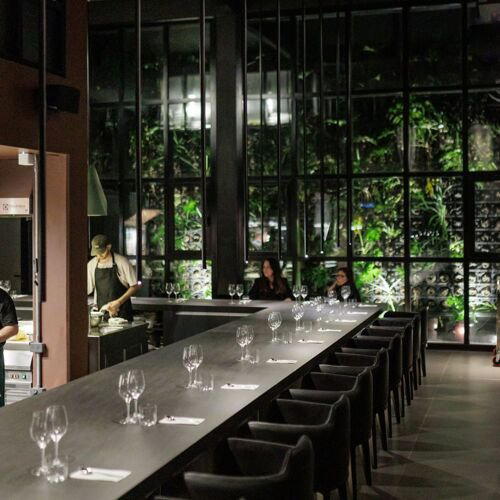
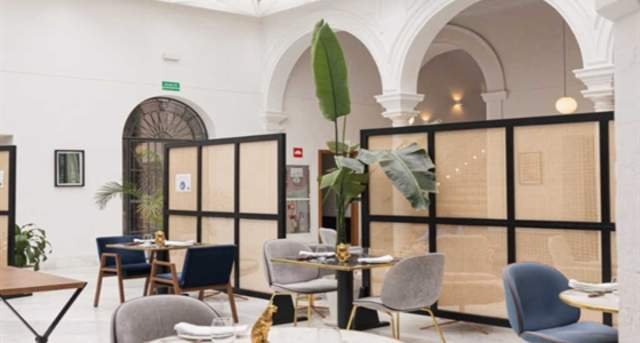
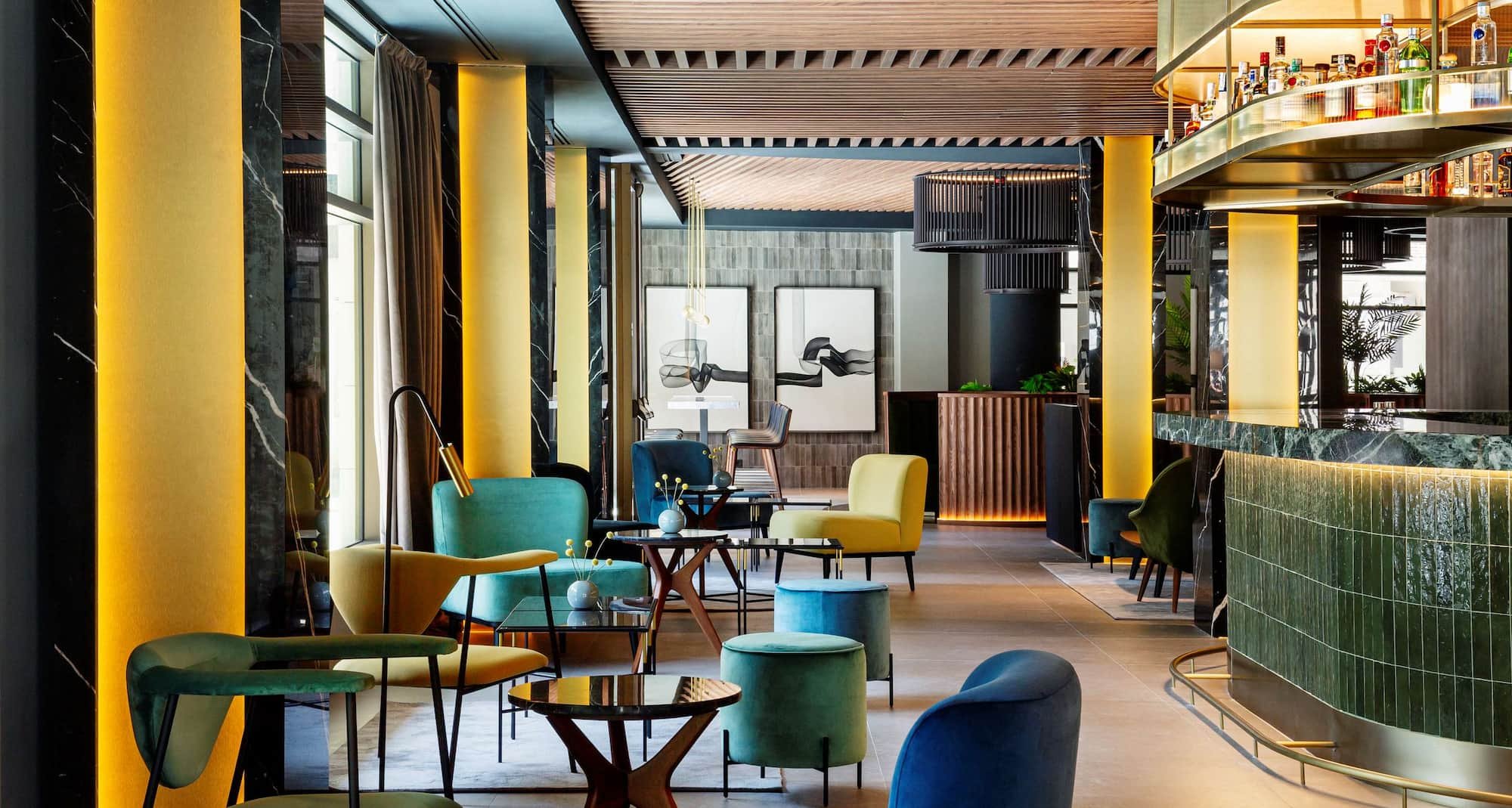
Modern minimalist atmosphere with white tiles, light and airy space, open kitchen counter seating.