


Michelin Plate · Guía Repsol 1 Sol · Macarfi 8.3 Food Rating
Our verdict
KUMA occupies a precise position in Bilbao's dining scene: a Japanese kitchen operating inside Basque Country, holding back-to-back Michelin Plates (2024, 2025). Chef Daniel Lomana's repeated training trips to Japan underpin a menu that moves between hamachi sashimi, sea bass nigiri, and à la carte fusion dishes, with a tasting menu available for those who want the full progression.

Pearl is the En Primeur Club membership app, where members save venues, book tables and use the concierge.
The menu
What to order
- Tuna_tartare
- Tempura_fried_eggplant
- Carabinero_nigiri
- Wagyu_nigiri
Japanese Discipline in a Basque City
Bilbao's restaurant culture is shaped by one of the most self-confident culinary traditions in Europe. Pintxos bars dominate the old quarter; the €€€ and €€€€ tiers are anchored by Basque-rooted kitchens at Nerua Guggenheim Bilbao, Zarate, and Aitor Rauleaga; and Michelin's local attention tends to follow produce sourced from the Bay of Biscay or the surrounding valleys. Into that context, KUMA operates as a deliberate counterpoint. The cuisine is Japanese, the address is Ercilla Kalea in the Abando district, and the kitchen has earned back-to-back Michelin Plates in 2024 and 2025, a signal that the guide's inspectors regard its execution as serious rather than novelty.
Spanish cities have developed a consistent appetite for Japanese dining at the premium tier, with kitchens in Madrid and Barcelona drawing significant critical attention. In Bilbao, however, the category remains sparse.
The Architecture of a Meal at KUMA
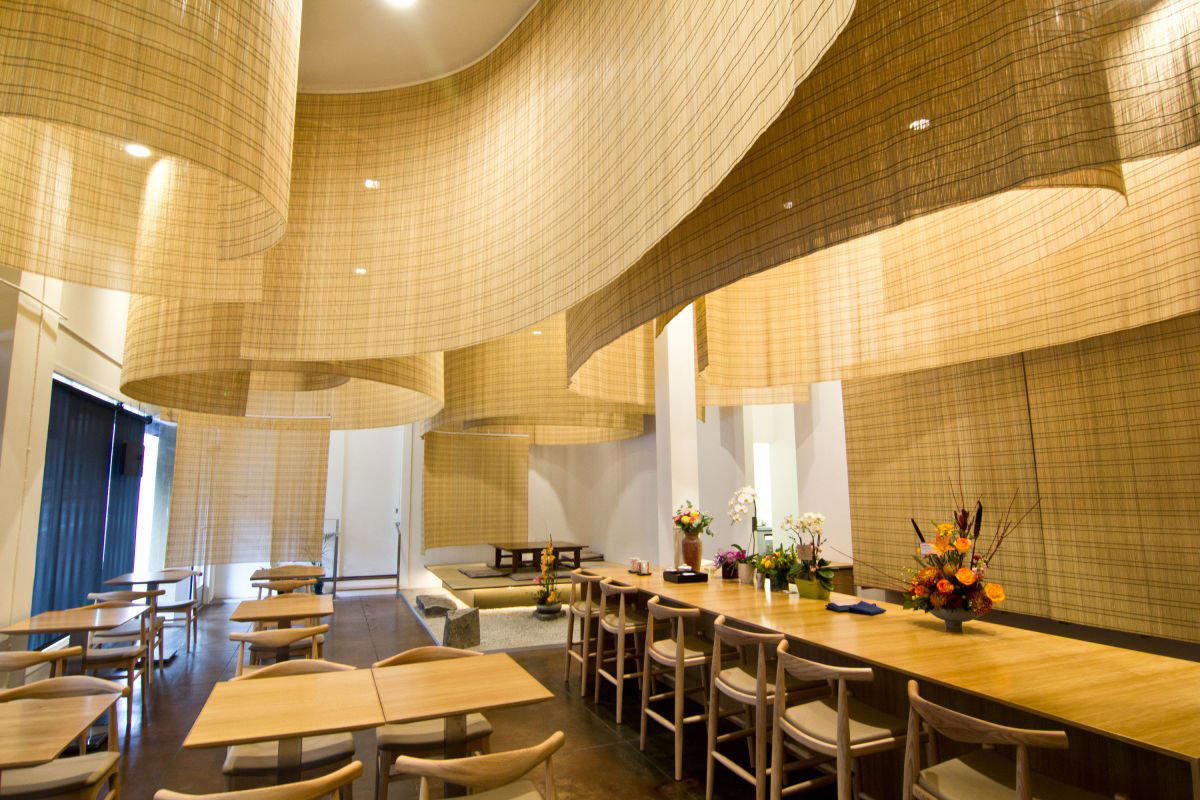
The dining ritual at a counter-forward Japanese restaurant in Europe follows a particular logic. The bar seat is the primary format: it places the guest close enough to watch preparation, compresses the distance between kitchen and plate, and imposes a pace that the kitchen controls rather than the guest. KUMA's layout offers both counter seating and adjoining tables, which means the experience is adjustable without abandoning the format's underlying discipline. The counter remains the position from which the meal reads most clearly.
Japanese fusion at this level operates by moving between two culinary vocabularies without losing coherence in either. The à la carte menu at KUMA illustrates the range: hamachi sashimi and sea bass nigiri represent the Japanese foundation; amberjack with KUMA ceviche introduces Latin acid structure into a fish that Japanese kitchens traditionally treat with restraint; fried aubergines with white sesame vinaigrette apply a Japanese condiment logic to a Mediterranean vegetable. These are not arbitrary combinations. They reflect a kitchen that has spent time understanding what each tradition can contribute to a shared plate, rather than simply layering one onto the other.
For guests who want the kitchen's own sequencing rather than à la carte assembly, a tasting menu is available. In Japanese dining tradition, and at its finest expressions in Tokyo, where kitchens like Myojaku and Azabu Kadowaki operate in the omakase format, the tasting sequence is the argument. Each course builds on the previous one, proteins shift in weight and texture, and the pacing is deliberate. KUMA's tasting menu carries that logic, translated into a kitchen that works with Basque-country sourcing alongside Japanese technique.
The meal ends, by KUMA's own recommendation, with mochi rice cakes. In Japanese confectionery tradition, wagashi and mochi serve as the closing register of a meal: lighter than Western pastry, restrained in sweetness, and textured rather than rich. As a closing ritual, it brings the meal back to its Japanese foundation after whatever fusions have preceded it.
Chef Credentials and the Training Line
In Japanese dining outside Japan, the credibility question is consistent: how does a kitchen operating thousands of kilometres from its source tradition maintain technical currency? Repeated direct training in Japan is one answer, and it is the approach that defines KUMA's kitchen under chef Daniel Lomana. The Michelin Plate, awarded in both 2024 and 2025, functions here as external verification that the technique holds up against the guide's standards, not just local enthusiasm.
Lomana's lineage places KUMA in a wider cohort of European chefs who have built serious Japanese credentials through time spent in Japanese kitchens rather than through formal apprenticeship to a named Japanese master.
Where KUMA Sits in Bilbao's Premium Tier
At the €€€ price point, KUMA competes directly with Nerua Guggenheim Bilbao and Zarate, both Michelin one-star kitchens operating in Basque idioms. The distinction is not quality, it is category. Nerua and Zarate are expressions of local identity; KUMA is a studied import. Guests spending at that tier in Bilbao are choosing between a deep investment in what the Basque Country does natively and an encounter with a Japanese tradition brought here with technical seriousness.
The broader Bilbao dining scene also includes Mina and Ola Martín Berasategui at the €€€€ level, both holding Michelin stars and operating in creative or traditional Spanish frameworks. Spain's wider Michelin map, from Arzak in San Sebastián to Azurmendi in Larrabetzu, from DiverXO in Madrid to El Celler de Can Roca in Girona to Cocina Hermanos Torres in Barcelona and Aponiente in El Puerto de Santa María, is almost entirely rooted in Spanish and regional European tradition. KUMA occupies a distinct niche within that map.
Planning a Visit
KUMA is located at Ercilla Kalea 8 in Abando, one of Bilbao's central residential and commercial districts, within direct reach of the city's main transport corridors. The format offers both à la carte and tasting menu, which means the decision about how structured you want the evening to be can be made at the point of booking. For guests building a wider Bilbao itinerary, the full Bilbao restaurants guide, hotels guide, bars guide, wineries guide, and experiences guide provide context for building the days around the meal.
Frequently asked questions
What price level is KUMA?
Pricing at KUMA is listed as €€€.
At-a-Glance Comparison
| Venue | Cuisine | Price | Awards | Notes |
|---|---|---|---|---|
| KUMAThis venue (the venue you are viewing) | Modern Japanese Sushi | $100–150 | Michelin Plate · Guía Repsol 1 Sol | Not listed |
| Nerua Guggenheim Bilbao | Modern Basque Fine Dining | $150–200 | 1 Michelin Star · World's 50 Best #32 | Progressive Spanish, Progressive |
| Mina | Modern Basque Fine Dining | $100–150 | 1 Michelin Star · Star Wine List | Modern Spanish, Creative |
| Zarate | Modern Basque Seafood | $100–150 | 1 Michelin Star · Macarfi 8.1 Food Rating | Seafood |
| Ola Martín Berasategui | Modern Basque Haute Cuisine | $300–500 | 1 Michelin Star · Guía Repsol 1 Sol | Traditional Cuisine |
| Irrintzi | Modern Basque Pintxos | $20–30 | Not listed | Tapas Bar |
Recognition history
Dated appearances from independent guides and award organizations, with the underlying list record or original source where available.
Michelin Plate
Michelin
Guía Repsol 1 Sol
Guía Repsol
Macarfi 8.3 Food Rating
Macarfi
Full recognition history (5 entries)
Michelin Plate
Michelin
Michelin Plate
Michelin
Continue exploring
More in Bilbao
Restaurants in Bilbao
All restaurants in Bilbao →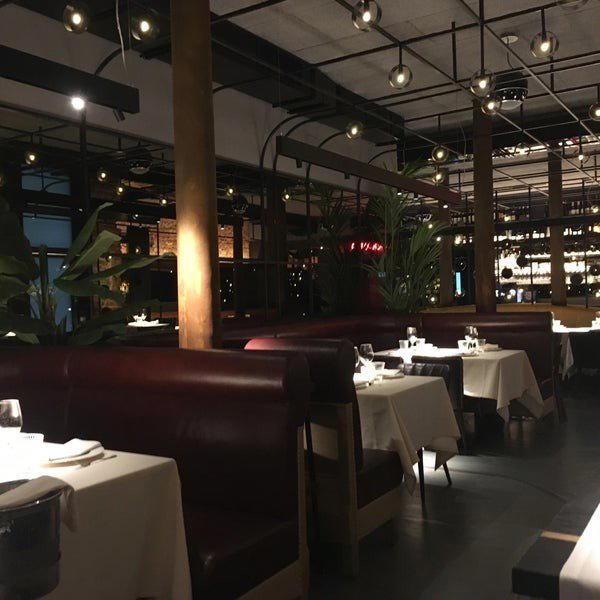
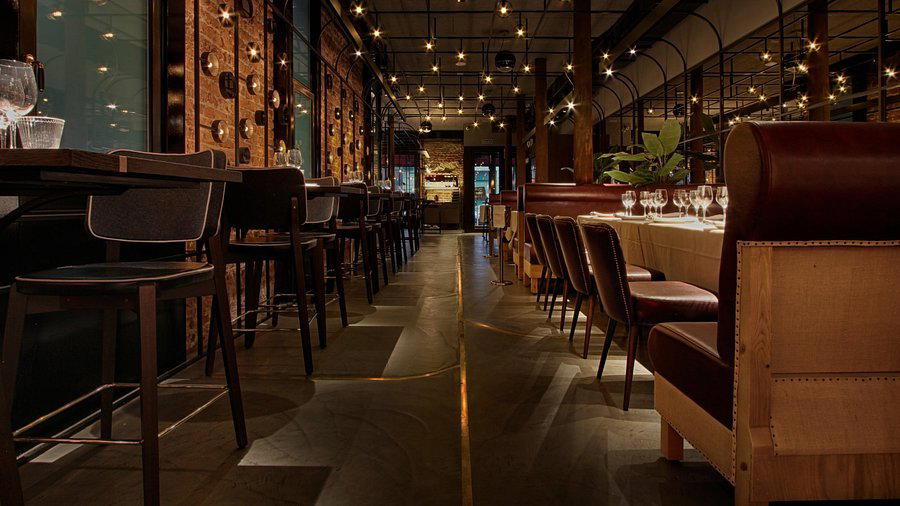
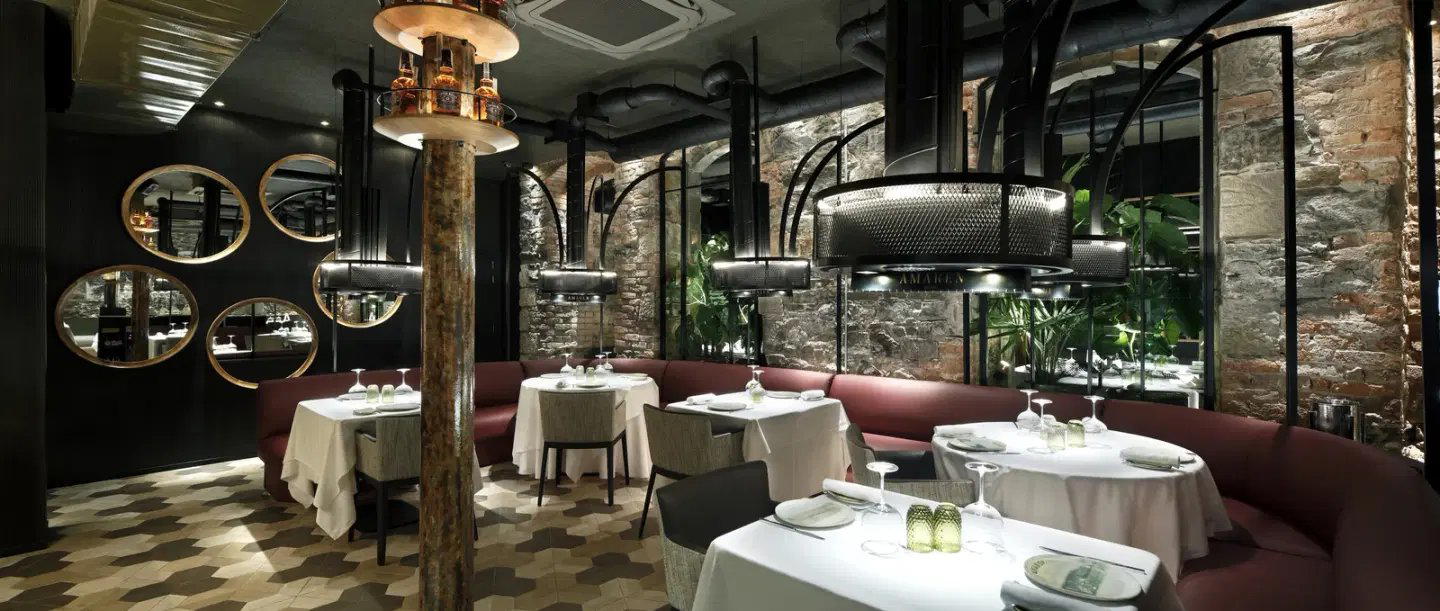
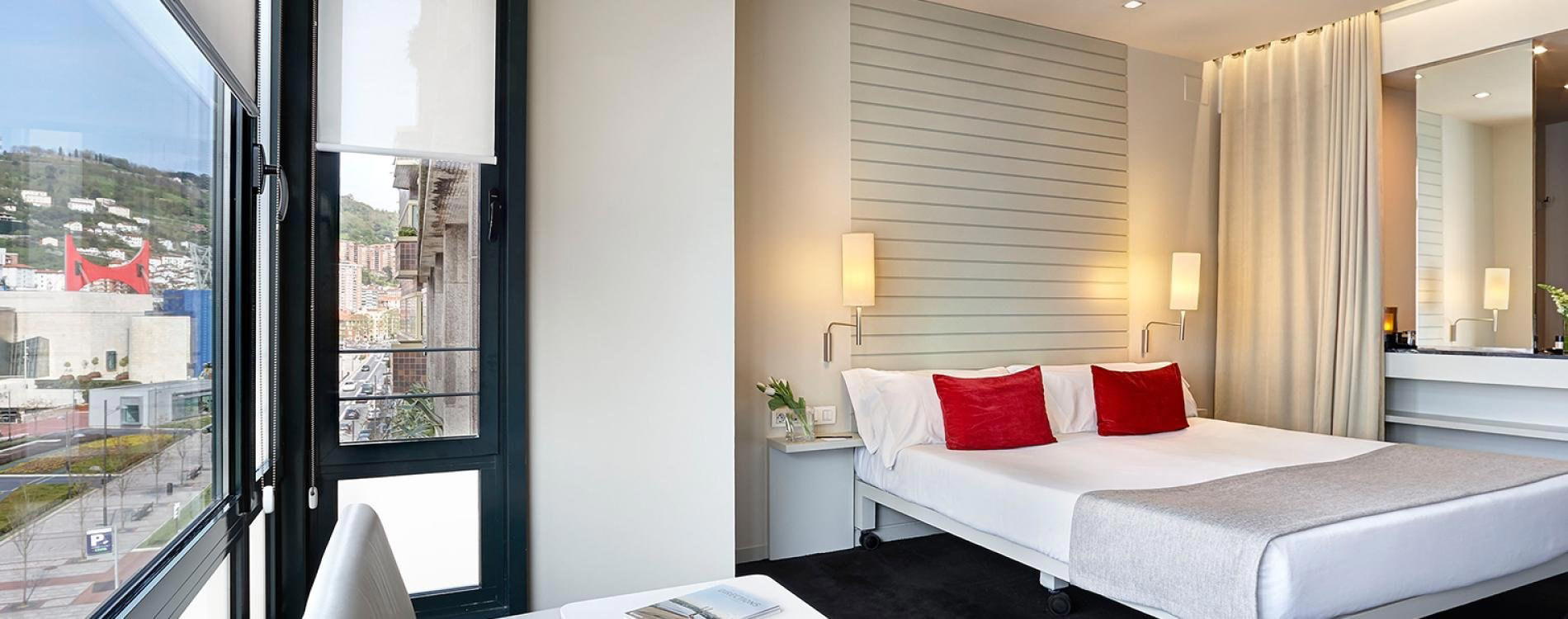
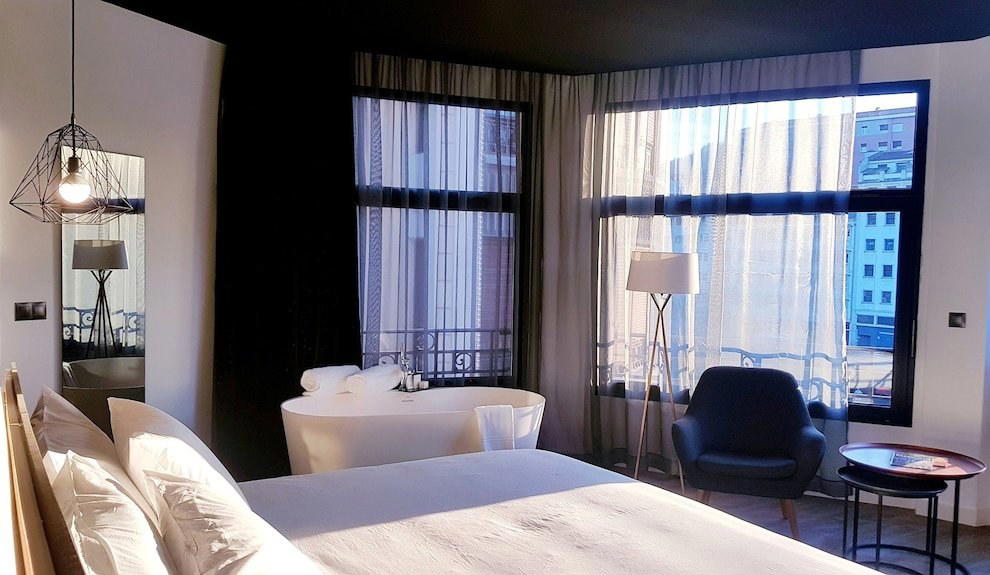
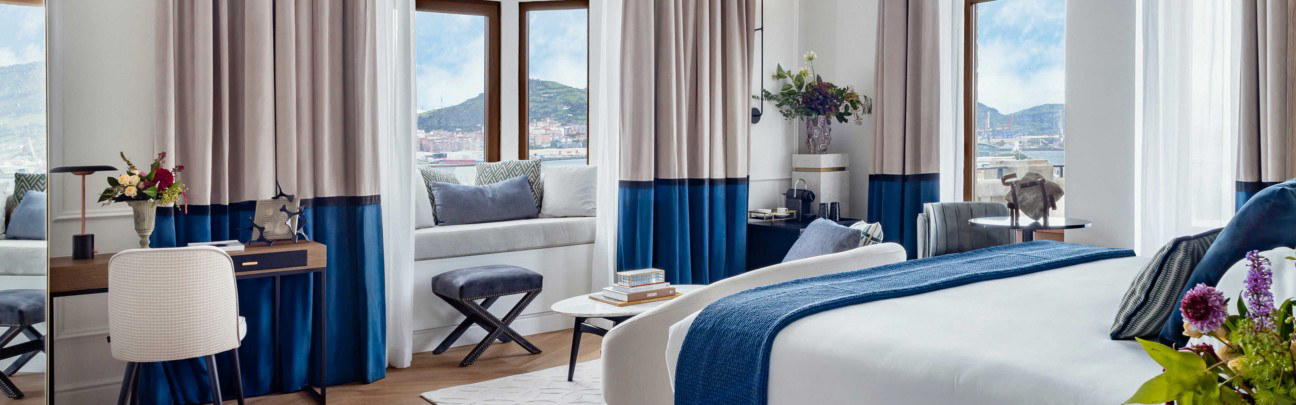
Hotels in Bilbao
All hotels in Bilbao →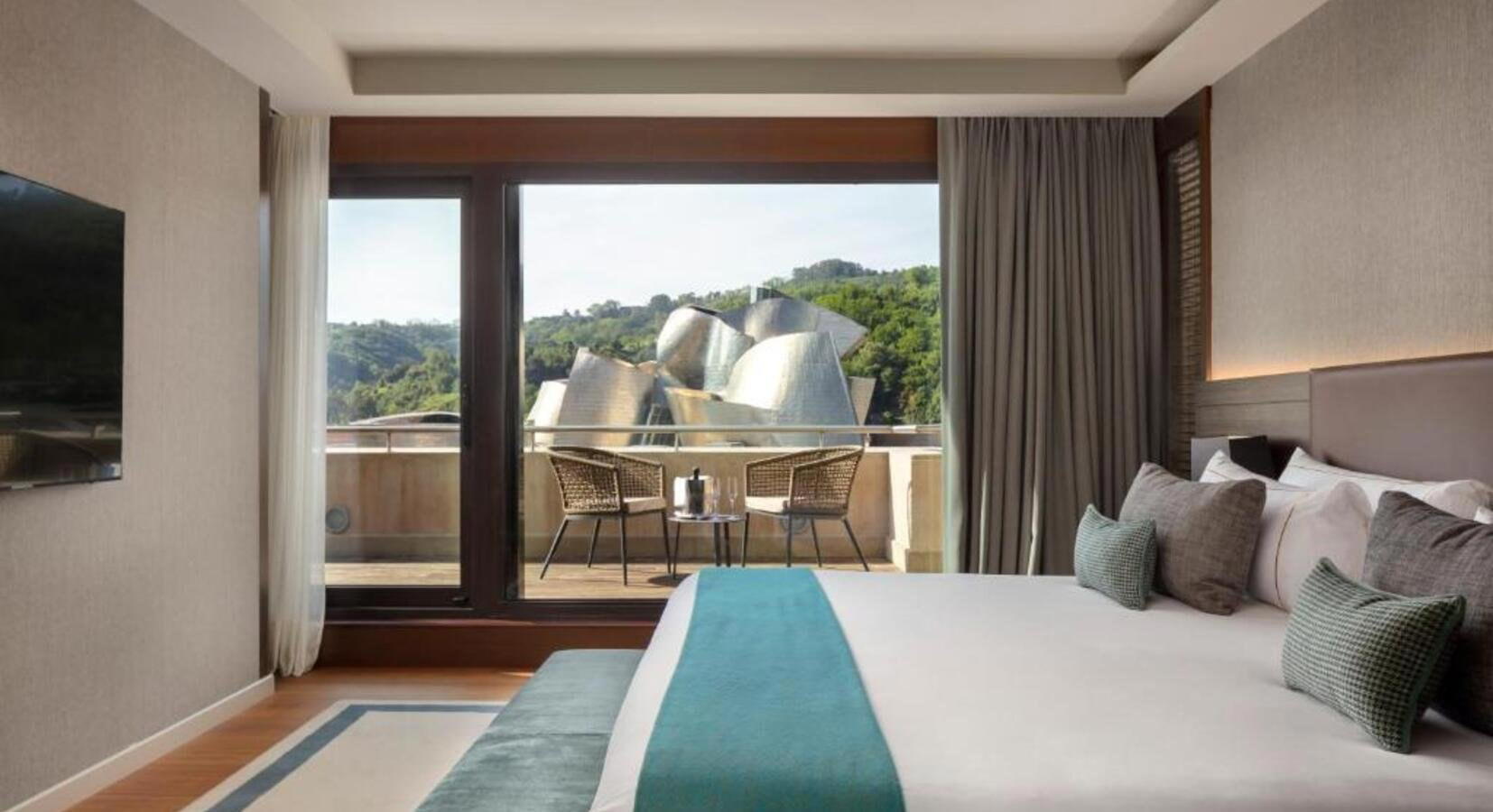
Wineries in Bilbao
Browse all →
Details
- Sophisticated
- Minimalist
- Intimate
- Modern
- Elegant
- Date Night
- Special Occasion
- Business Dinner
- Open Kitchen
- Chefs Counter
- Extensive Wine List
- Local Sourcing
- Tasting Menu
- A La Carte
- Small Plates
Current opening hours
- Monday
- Closed
- Tuesday
- 2–3:15 PM, 9–10:15 PM
- Wednesday
- 2–3:15 PM, 9–10:15 PM
- Thursday
- 2–3:15 PM, 9–10:15 PM
- Friday
- 2–3:15 PM, 9–10:15 PM
- Saturday
- 2–3:15 PM, 9–10:15 PM
- Sunday
- Closed
Hours can change for holidays and private events. Hours as of .
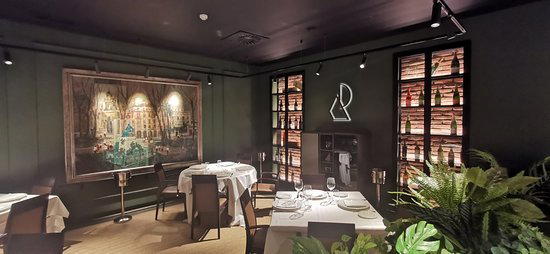
Sleek, low-lit dining room with minimalist decor, refined and calming atmosphere enhanced by intimate lighting.