KPOT Korean BBQ & Hot Pot
KPOT Korean BBQ & Hot Pot on Birmingham Highway brings the dual-format Korean table cooking tradition to Opelika, Alabama, combining grilled meats and simmering hot pot broths in a single communal format. The setup invites a social, hands-on meal where diners control their own cook times and flavor combinations. For the Alabama corridor between Auburn and Birmingham, it fills a specific gap in the regional dining map.
Pearl is the En Primeur Club membership app — saves, bookings, and concierge access live there. Same editors, same standards.
- Address
- 2301 Birmingham Hwy, Opelika, AL 36801
- Phone
- +13347375335
- Website
- thekpot.com
- Directions
- Get directions
 Saves & bookings on Pearl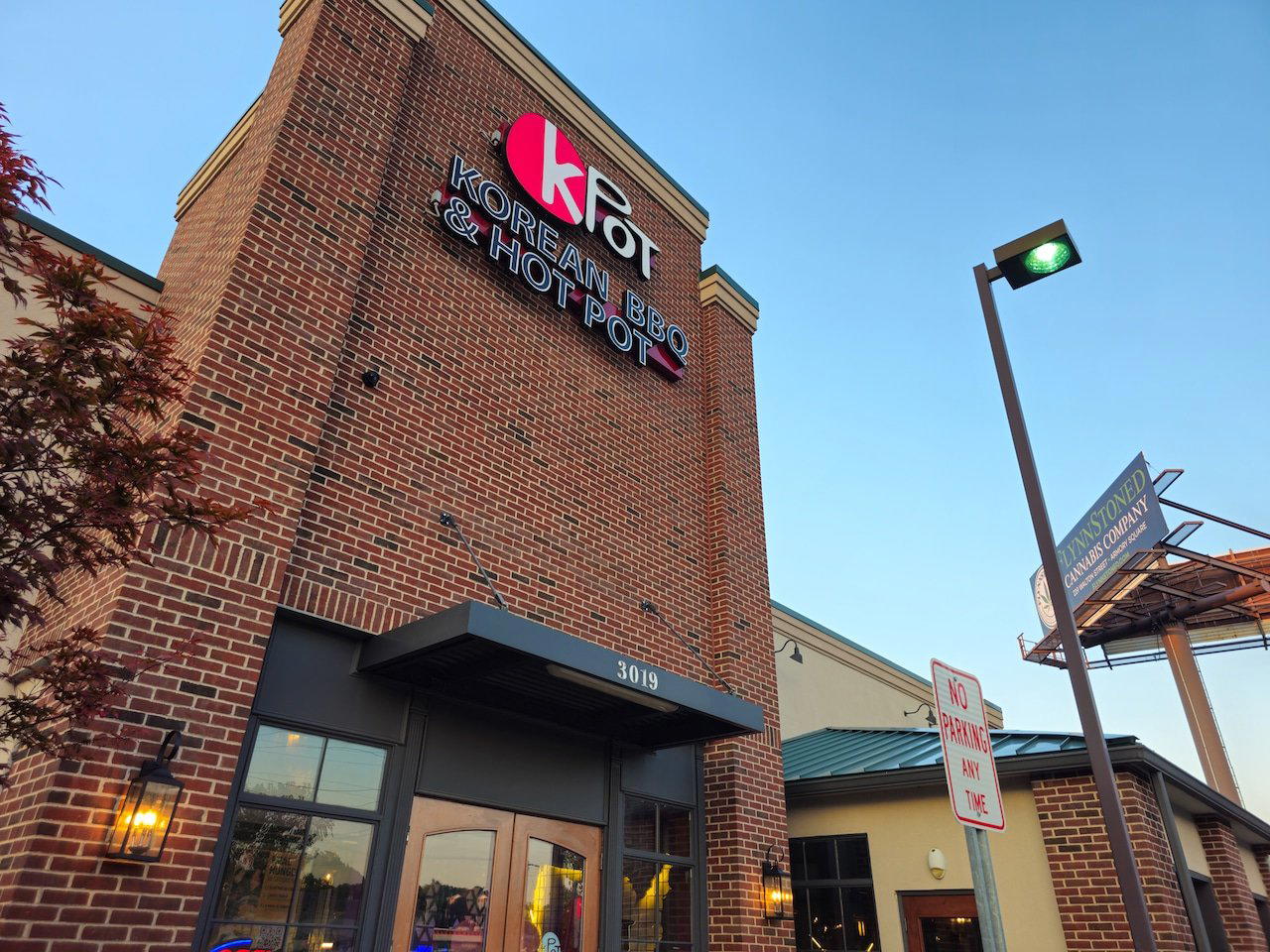
Coal, Broth, and the Architecture of the Korean Table
Walk into any serious Korean BBQ and hot pot operation and the first thing you register is infrastructure: ventilation hoods suspended over each table, gas burners or induction rings set flush into the surface, and the faint smell of sesame and charcoal already threading through the room. At KPOT Korean BBQ & Hot Pot on Birmingham Highway in Opelika, Alabama, that architecture is the dining experience. The room does not ask you to admire it; it asks you to get to work. That is the point.
The dual Korean BBQ and hot pot format has a particular logic that separates it from most American restaurant categories. You are not a passive recipient of plated food. The table is a cooking station, and the meal unfolds over time, measured in sear marks and broth temperatures rather than courses arriving from a kitchen. In a state where most dining rooms still operate on the conventional plate-service model, that format shift is more significant than it might appear on a map.
What the Format Actually Involves
Korean BBQ and hot pot as a combined format is relatively uncommon even in cities with established Korean communities. The two traditions draw on different ingredient logics. Korean BBQ centers on marinated or unmarinated cuts of meat grilled directly over heat, with banchan (small side dishes) providing acidity, crunch, and fermented counterpoint. Hot pot operates on a broth base into which proteins, vegetables, and starches are submerged and cooked at the table, with the broth itself becoming progressively deeper in flavor as the meal continues.
Running both from a single kitchen and serving both at a single table requires a supply chain that covers a wide range of proteins, produce, aromatics, and broth bases simultaneously. The Korean culinary tradition behind this format is rooted in communal eating, with shared pots and shared grills functioning as social infrastructure as much as cooking methods. Restaurants like Atomix in New York City occupy the high-tasting-menu end of modern Korean cooking, where that communal spirit is reinterpreted through a fine-dining lens. KPOT operates at the opposite end of the formality spectrum, but draws from the same foundational tradition of shared, participatory eating.
Ingredient Sourcing and the Logic of the Korean Table
The editorial angle that matters most when assessing a Korean BBQ and hot pot operation is sourcing. The format lives or dies on protein quality and broth depth. For the grilled side, the standard cuts include thinly sliced beef brisket (chadolbaegi), short rib (galbi), pork belly (samgyeopsal), and marinated bulgogi. Each cut behaves differently over direct heat, and the margin between a good and a mediocre result is often measured in seconds. Thin slices of well-sourced brisket caramelize quickly; overcooked, they tighten and lose the fat-to-lean balance that makes the cut work.
For the hot pot component, broth is the foundational ingredient. Traditional Korean hot pot broths range from the mild, anchovy-and-kelp base of a standard doenjang-adjacent stock to the fiery, Sichuan-influenced mala variants that have become common across American Korean restaurant chains in the past decade. The quality of that broth matters more than almost any other single variable, because it is not a backdrop: it is the cooking medium, and every ingredient that enters the pot changes it. Restaurants with serious sourcing programs treat the broth as the centerpiece.
The broader American Korean BBQ market has moved significantly in the past five years, with regional outposts of larger chains bringing standardized supply chains and consistent sourcing profiles to cities that previously had no Korean dining presence. Opelika sits in that pattern. The Auburn-Opelika corridor has grown steadily as a dining market driven in part by the Auburn University population, and Korean BBQ formats have followed the same demographic logic that drove their expansion into mid-size college towns across the South. For readers curious about how farm-to-table sourcing philosophies translate into restaurant formats, venues like Blue Hill at Stone Barns in Tarrytown and Single Thread Farm in Healdsburg provide useful context. KPOT operates in a different register entirely, but the underlying logic of sourcing quality affecting table outcomes applies across every tier.
The Regional Context: Opelika and the Alabama Dining Corridor
Opelika is not a city that appears frequently in national dining coverage, but the Auburn-Opelika metro functions as a genuine dining destination for a population that includes university faculty, students, and a broader regional draw from smaller surrounding communities. Opelika's broader dining scene spans conventional Southern cooking, a growing number of international formats, and a bar scene tied closely to the university calendar.
Within that context, a Korean BBQ and hot pot operation fills a specific gap. The format has high repeat-visit potential because the variables change with each visit: different broth selections, different protein combinations, different dipping sauce ratios. That variability is built into the format, not added as a marketing feature. For diners accustomed to the more prescribed experience of a chef-driven tasting menu, such as those at Lazy Bear in San Francisco or Alinea in Chicago, the open-ended assembly logic of Korean BBQ reads as informal. That is an accurate read, but informality is not the same as low engagement. A well-run Korean BBQ table demands more active attention from the diner than most tasting menu formats.
The broader American South has seen a marked increase in Korean and Korean-adjacent dining over the past decade. Bacchanalia in Atlanta anchors the fine dining end of Georgia's culinary scene, and Atlanta's Buford Highway corridor has long been the Southeast's most concentrated destination for Korean dining. Opelika draws from a different catchment area, but Korean BBQ as a format has shown consistent demand in university-adjacent markets across the region.
Planning Your Visit
KPOT is located at 2301 Birmingham Highway, Opelika, Alabama 36801, on a commercial corridor that is direct to reach by car from downtown Opelika or the Auburn University campus. The restaurant sits in a retail-adjacent strip that characterizes much of Birmingham Highway's commercial development, which means parking is not a constraint. The format rewards a group of three or more: hot pot and BBQ both scale better socially, and a larger table allows for more variety across both broth bases and protein selections. Solo visits and couples are workable, but the communal format is designed for shared decision-making. The restaurant is walk-in friendly, and the corridor sees significant volume during Auburn football weekends, so plan accordingly.
Fast Comparison
Comparable venues nearby, for context on price, style, and recognition.
| Venue | Cuisine | Price | Notes |
|---|---|---|---|
| KPOT Korean BBQ & Hot PotThis venue — the venue you are viewing | Korean BBQ & Hot Pot | $$ | Not listed |
| K-Pop Diner Korean Restaurant | Authentic Korean Diner | $$ | Eastern Blvd |
| Bamboo on 2nd | Pan-Asian Sushi & Ramen | $$ | Downtown Loft District |
| SAW's Soul Kitchen | Southern BBQ and Soul Food | $$ | Avondale |
| La Jolla | Upscale American with Seafood | $$$ | EastChase |
| Mr Chen's Authentic Chinese Cooking | Authentic Chinese & Taiwanese | $$ | Hoover |





At a Glance
- Lively
- Modern
- Trendy
- Energetic
- Group Dining
- Casual Hangout
- Family
- Open Kitchen
- Craft Cocktails
Current opening hours
- Monday
- 11 AM–10 PM
- Tuesday
- 11 AM–10 PM
- Wednesday
- 11 AM–10 PM
- Thursday
- 11 AM–10 PM
- Friday
- 11 AM–11 PM
- Saturday
- 11 AM–11 PM
- Sunday
- 11 AM–10 PM
Hours can change for holidays and private events. Last verified .
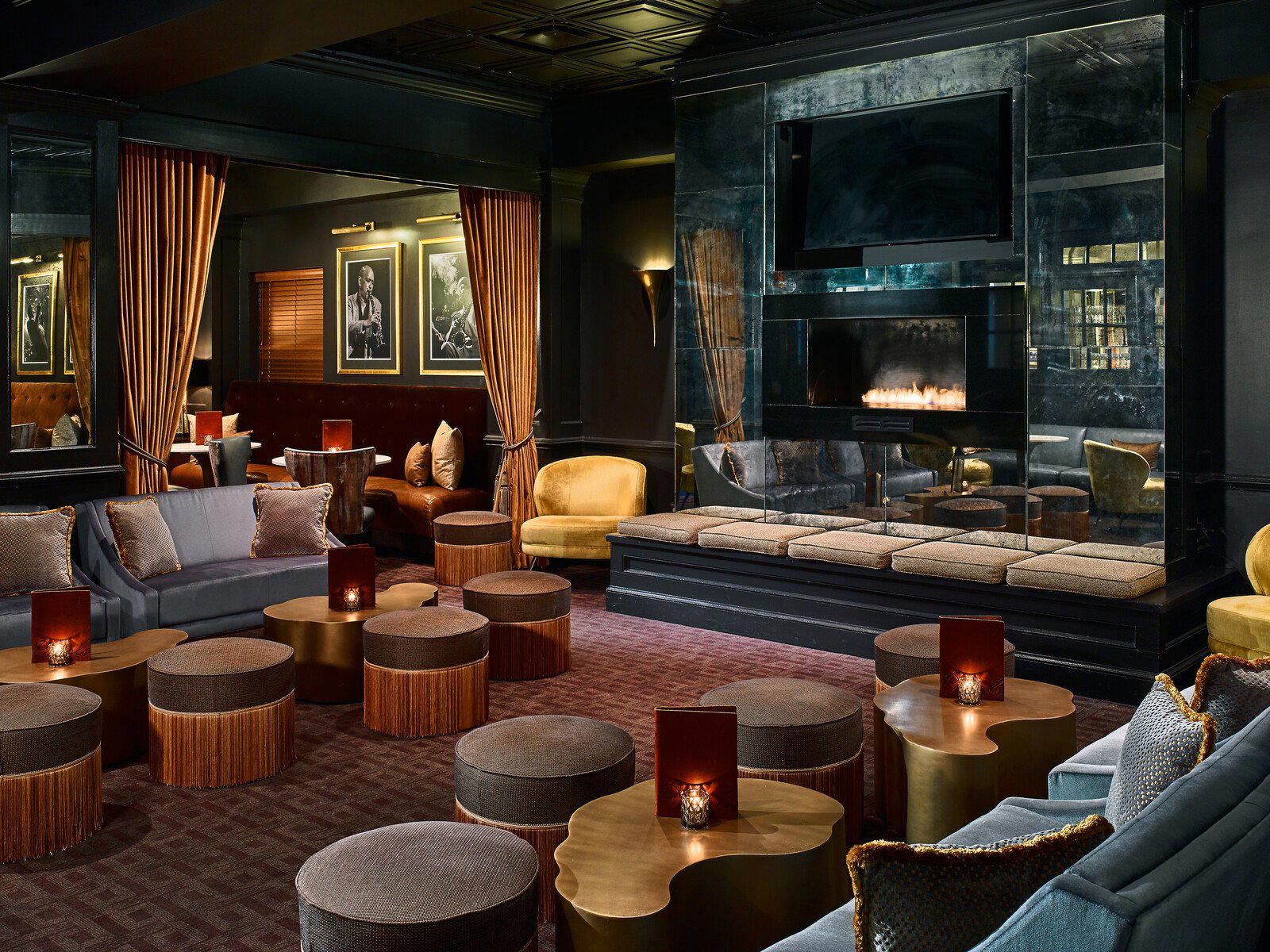
Modern nightlife atmosphere with full bar.