Cafe de Fleur
Our verdict
A French Name in a College Town That Takes Its Food Seriously Auburn, Alabama is not a city that typically draws comparisons to Lyon or Paris, but its dining culture has quietly sharpened over the past decade into something more considered than...

Pearl is the En Primeur Club membership app, where members save venues, book tables and use the concierge.
The menu
What to order
- Escargot
- French Onion
- Steak & Pommes de Terre
- Fruits de mer Pasta
A French Name in a College Town That Takes Its Food Seriously
Auburn, Alabama is not a city that typically draws comparisons to Lyon or Paris, but its dining culture has quietly sharpened over the past decade into something more considered than the SEC-town stereotype suggests. The stretch of Moores Mill Road where Cafe de Fleur operates at Suite 208 sits within a commercial corridor that has become a reliable address for residents who want something beyond the predictable chain options that ring a university town. That positioning matters: Auburn's better independent restaurants occupy a specific niche, serving a community that includes faculty, longtime residents, and visitors who arrive expecting more than tailgate food.
The name itself carries a certain implicit promise. Cafes with French inflections in American cities tend to fall into one of two camps: those that commit to a sourcing-first approach, letting the quality of ingredients carry the room, and those that lean on romantic association without doing much in the kitchen to back it up. Auburn's dining scene, which includes farm-to-table operators like Acre and Italian-focused work at Ariccia Cucina Italiana, has trended toward the former. The expectation that local sourcing and seasonal awareness will inform a menu is baked into how Auburn diners now read a restaurant's identity.
Ingredient Sourcing and the Alabama Larder
The American South is one of the more underappreciated agricultural regions in the country when it comes to fine dining supply chains. Alabama in particular sits within reach of Gulf Coast seafood, Appalachian forage traditions, and a strong culture of small-scale livestock and produce farming. Restaurants operating in the Auburn and Lee County area have access to a regional larder that, when used thoughtfully, produces food that carries a distinct sense of place. French culinary tradition, at its core, is about exactly that: the terroir of the plate rather than the terroir of the vineyard.
Cafes that operate within this tradition, whether consciously or by proximity to a strong local food culture, tend to distinguish themselves by how honestly they present their ingredients. The French cafe format, at its finest, is not about elaborate technique. It is about sourcing a good tomato, a properly raised egg, a fish that was swimming recently, and getting out of the way. That discipline, applied in a Southern context, creates a version of casual French dining that the region's climate and agricultural calendar make genuinely possible. Auburn's latitude and growing season are assets that the leading local kitchens treat as such.
For context on what this sourcing philosophy looks like when pushed to its furthest extreme, Blue Hill at Stone Barns in Tarrytown operates its own farm and has built a national reputation on the argument that the source of an ingredient is inseparable from its flavor. Closer to Auburn's price tier and scale, places like Acre demonstrate that the same philosophy can function in a college-town setting without the infrastructure of a dedicated farm. Single Thread Farm in Healdsburg and Smyth in Chicago represent the upper tier of ingredient-driven American dining, where supply chain decisions become the creative core of the menu. Cafe de Fleur operates further down that spectrum in terms of scale, but the underlying logic of French cafe cooking rewards the same kind of sourcing honesty.
Auburn's Dining Context and Where Cafe de Fleur Sits
Auburn's restaurant scene breaks broadly into three tiers. At the leading end, 1856 - Culinary Residence and 1856 Restaurant ($$$$ · Contemporary) operate at a price point and ambition level more commonly associated with Birmingham or Atlanta. Below that sits a layer of polished independents, including Italian and Mediterranean-leaning concepts, that serve the faculty and professional resident base. Then there is the everyday category, where a place like Cafe de Fleur occupies the role of a neighborhood anchor: consistent, accessible, and serving food that does not require a special occasion to justify the visit.
Katrina's Café operates in a comparable register, and the competition between cafes of this type in a mid-sized Southern city is actually where a great deal of daily dining quality gets determined. These are the rooms where someone goes on a Tuesday, where the lunch crowd defines the character of the neighborhood, and where sourcing decisions are made under cost constraints that fine dining operations do not face. Getting it right at that level, without the margin to absorb mistakes, is its own form of discipline.
Nationally, the ingredient-sourcing conversation has been dominated by restaurants operating at the higher end. Providence in Los Angeles treats its seafood sourcing as a moral and culinary argument simultaneously. Le Bernardin in New York City has built a four-decade institution on the premise that fish handled with minimal intervention is the most honest form of luxury. The French Laundry in Napa grows ingredients on a property across the street from the restaurant. The argument those kitchens make filters down, over time, into how diners at every price point begin to read their menus and ask questions about where things come from. That cultural shift reaches Auburn, too.
Planning a Visit
Cafe de Fleur is located at 2272 Moores Mill Road, Suite 208, Auburn, AL 36830, within a suite-format commercial space that suggests a relaxed, accessible setting rather than destination dining. Moores Mill Road is drivable from central Auburn in under ten minutes, and parking is generally direct in this type of retail corridor. For broader orientation to what Auburn offers across price points and cuisines, the full Auburn restaurants guide covers the range from neighborhood cafes to the more formal end of the local dining scene.
Those curious about how Auburn's dining compares to ingredient-driven programs elsewhere in the American South and beyond can use Emeril's in New Orleans, Addison in San Diego, The Inn at Little Washington in Washington, Atomix in New York City, Lazy Bear in San Francisco, and Atelier Moessmer Norbert Niederkofler in Brunico as reference points for understanding what the leading ingredient-led kitchens look like at their ceiling. Cafe de Fleur operates well below that tier, but the principles that make those restaurants worth the effort are the same ones that make a well-run neighborhood cafe worth the return visit.
Frequently asked questions
Is Cafe de Fleur suitable for children?
The suite-format setting at 2272 Moores Mill Road suggests a relaxed, accessible atmosphere rather than a formal dining room, which generally works in favor of families. Without a published menu or specific family policy on record, the physical format is the strongest indicator that the environment is low-pressure. Calling ahead to confirm any children's provisions is the practical move before arriving with younger guests.
What's the overall feel of Cafe de Fleur?
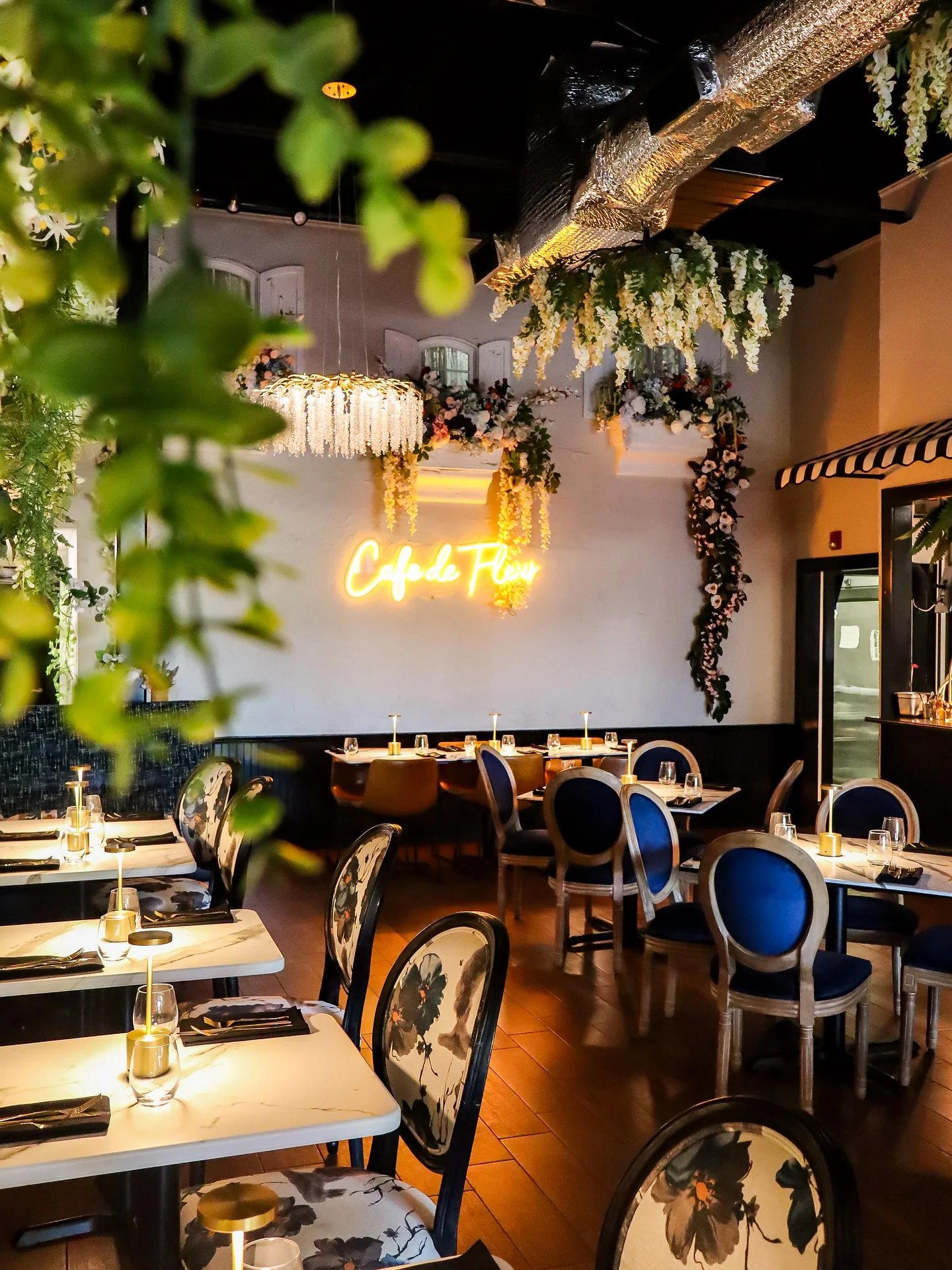
Cafe de Fleur occupies a commercial suite space on Moores Mill Road in Auburn, a format that reads as approachable and neighborhood-oriented rather than white-tablecloth formal. Auburn's dining culture has sharpened considerably over the past decade, and Cafe de Fleur fits within a scene that takes food seriously without performing ceremony around it. The French name signals a European sensibility, but the setting grounds that in an accessible, everyday register.
How does Cafe de Fleur fit into Auburn's dining scene compared to the city's higher-end restaurants?
Auburn's top dining tier is anchored by 1856 - Culinary Residence and 1856 Restaurant, both operating at the contemporary fine-dining level. Cafe de Fleur, based at 2272 Moores Mill Road in a suite-format commercial space, occupies a distinct position in the city's restaurant hierarchy, French-inflected and neighborhood-accessible rather than destination-tasting-menu territory. That positioning makes it relevant to a different kind of Auburn dining occasion, one less about ceremony and more about regularity.
What do people recommend at Cafe de Fleur?
Auburn's broader dining scene draws on Alabama's strong agricultural supply chains, and French-influenced kitchens in the region tend to lean into local produce and Southern proteins.
A Quick Peer Check
Comparable venues nearby, for context on price, style, and recognition.
| Venue | Cuisine | Price | Awards | Notes |
|---|---|---|---|---|
| Cafe de FleurThis venue (the venue you are viewing) | Classic French Bistro | $50–100 | Not listed | Not listed |
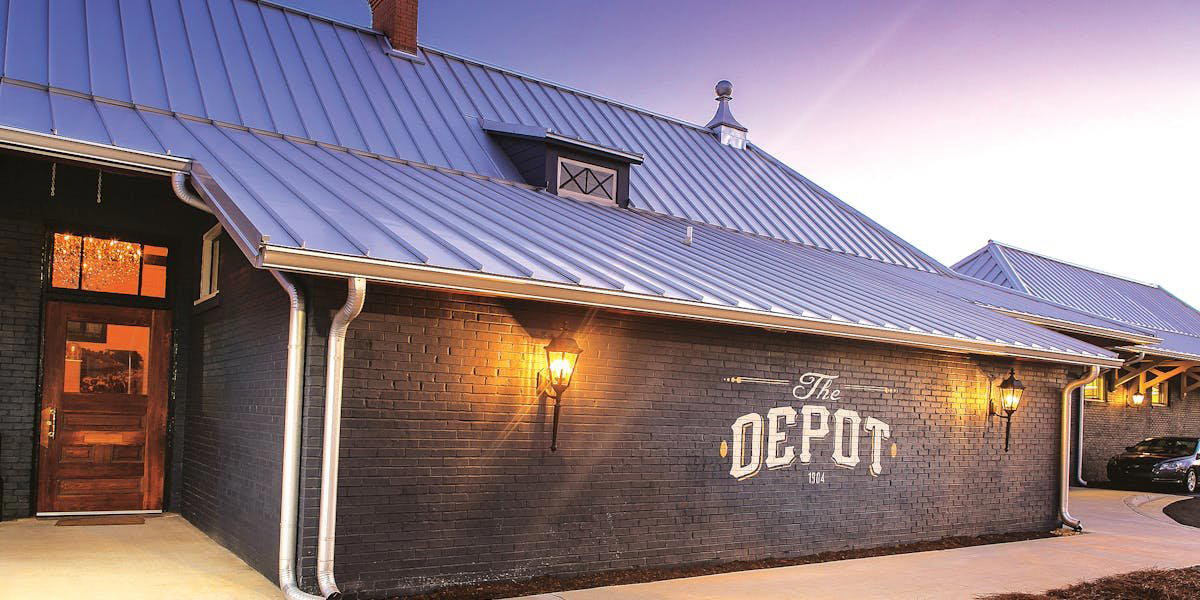
| The Depot | Modern American Seafood | $50–100 | Wine Spectator Award of Excellence | downtown auburn |
| Ariccia Cucina Italiana | Rustic Italian Trattoria | Not listed | Star Wine List | Auburn |
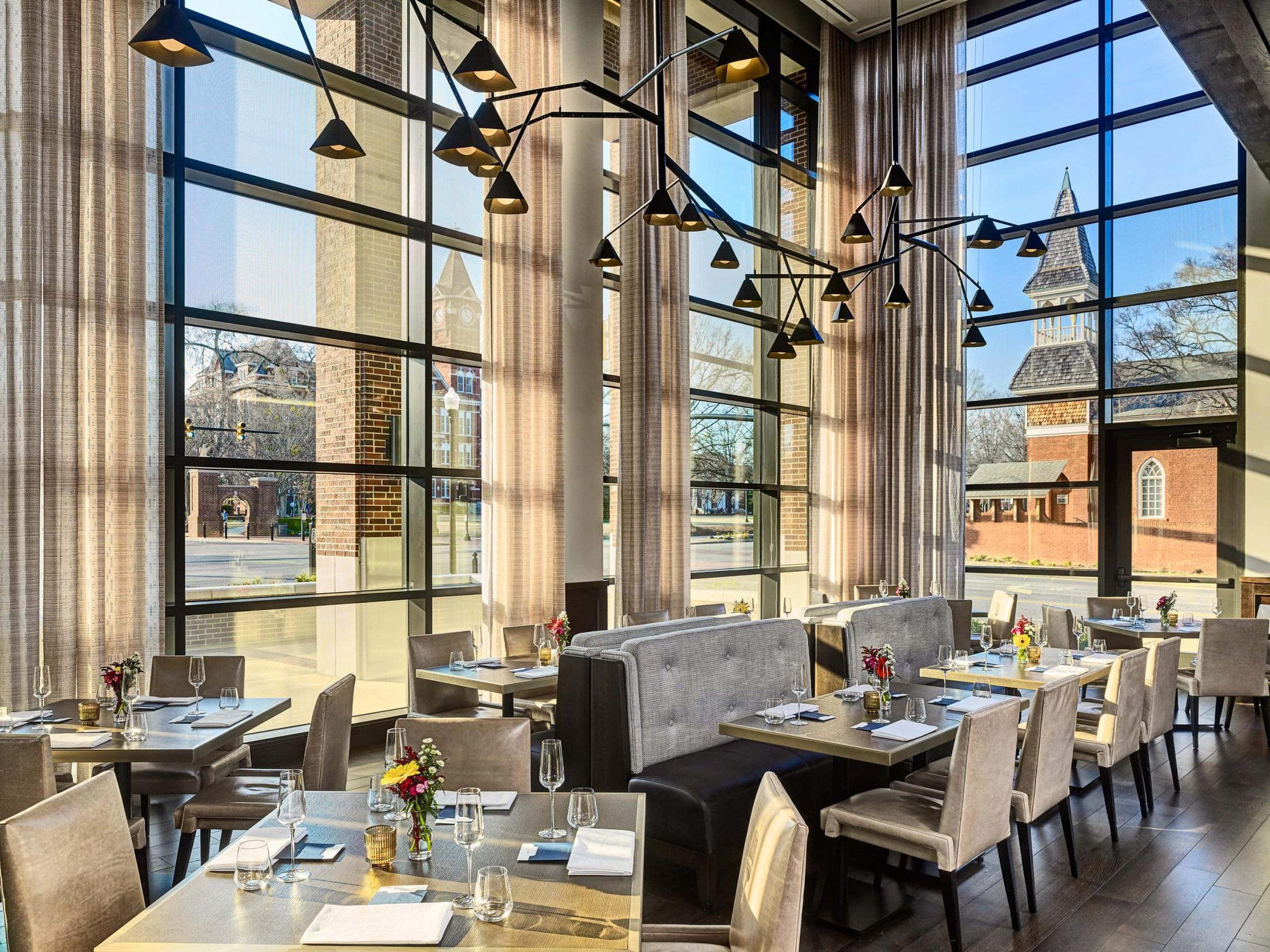
| 1856 - Culinary Residence | Contemporary French Fine Dining | $100–150 | Michelin Plate · Wine Spectator Best of Award of Excellence | Auburn University |
| 1856 Restaurant | Contemporary French Fine Dining | $100–150 | Michelin Plate · Wine Spectator Best of Award of Excellence | Auburn |
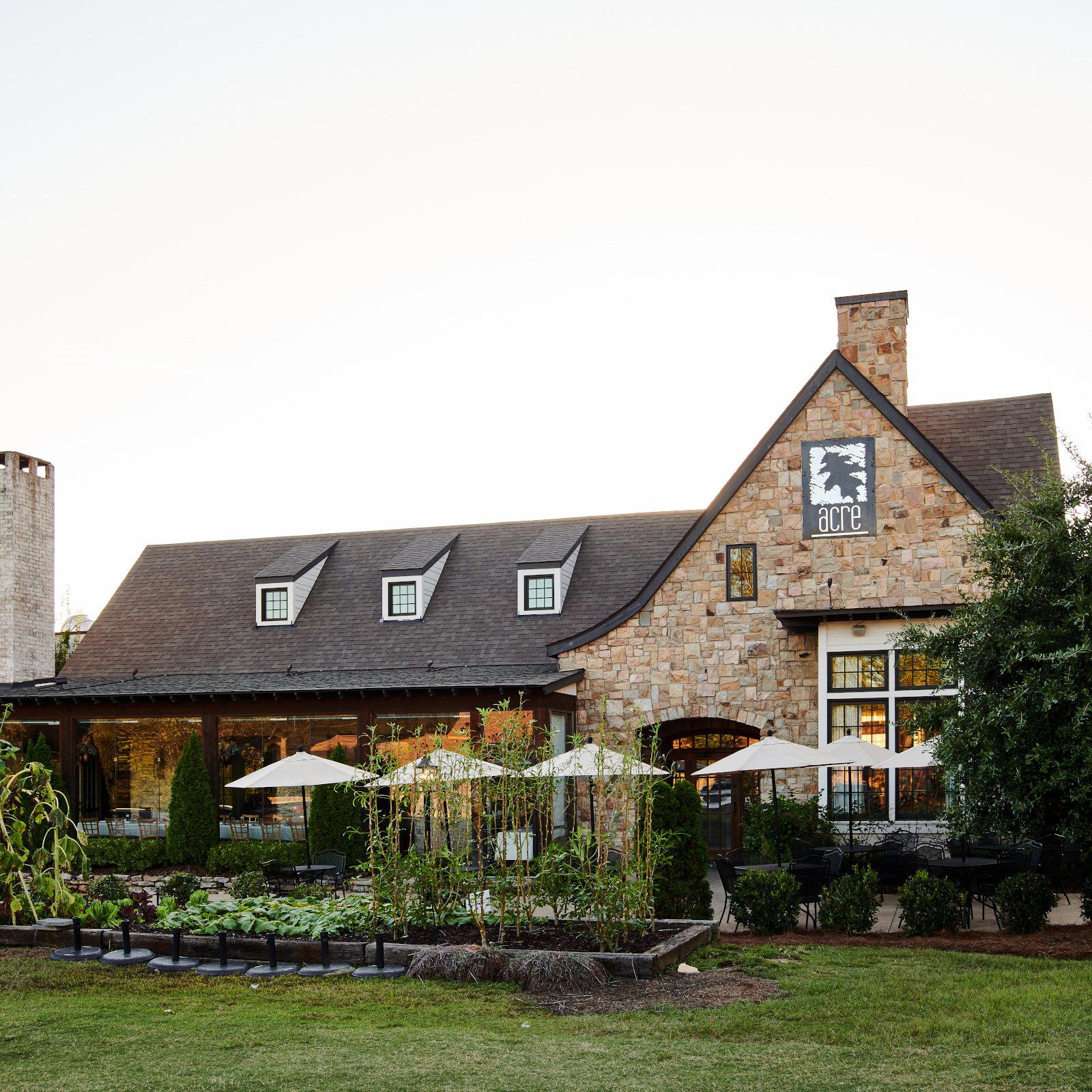
| Acre | Modern Southern Farm-to-Table | $50–100 | Star Wine List · James Beard Award Semi Finalist | Auburn |
Continue exploring
More in Auburn
Restaurants in Auburn
All restaurants in Auburn →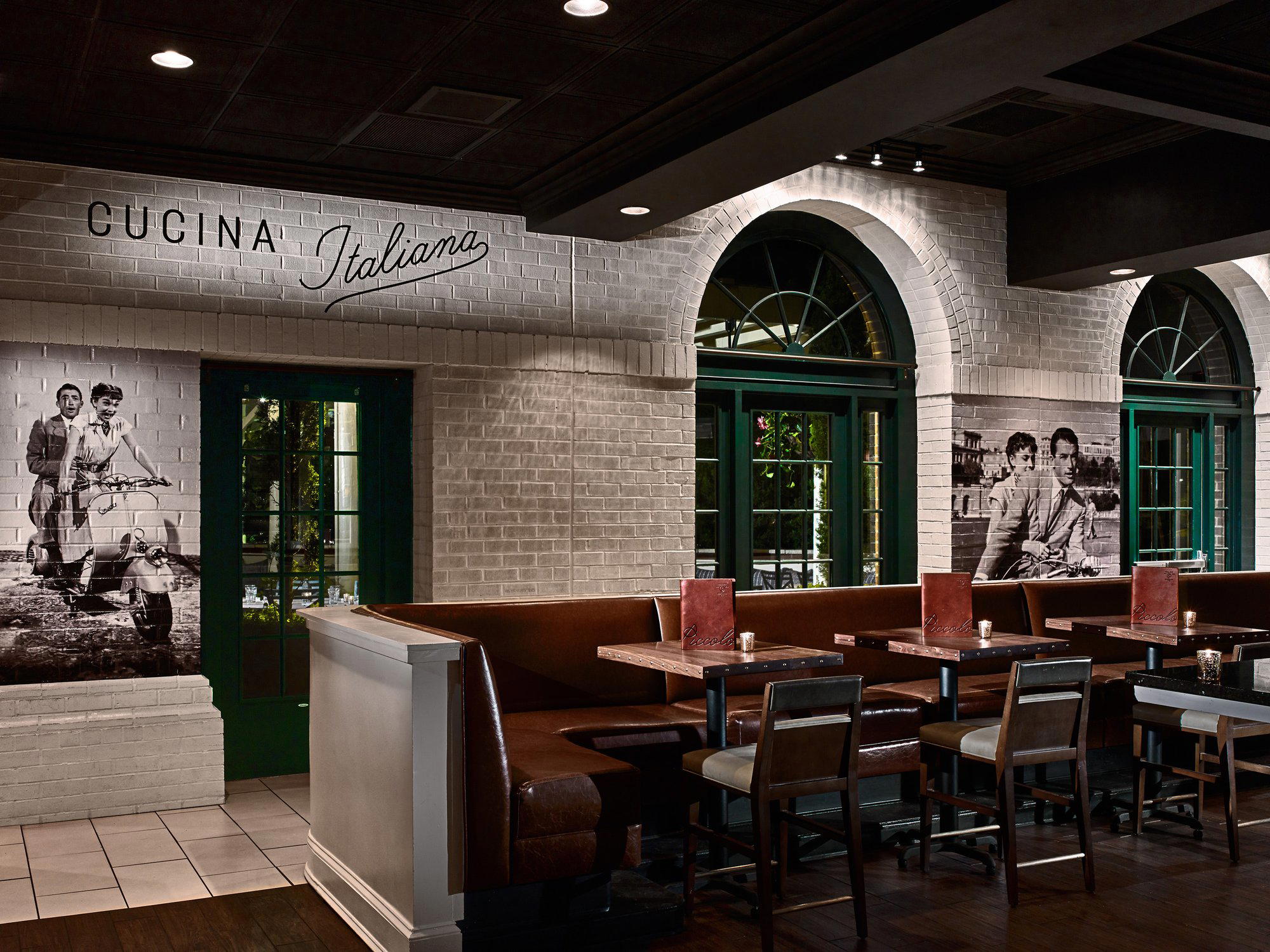
Bars in Auburn
Browse all →

Details
- Elegant
- Romantic
- Classic
- Cozy
- Sophisticated
- Date Night
- Special Occasion
- Business Dinner
- Historic Building
- Extensive Wine List
- A La Carte
- Tasting Menu
- Wine
Current opening hours
- Monday
- Closed
- Tuesday
- Closed
- Wednesday
- 4:30–9 PM
- Thursday
- 4:30–9 PM
- Friday
- 10 AM–2 PM, 4:30–10 PM
- Saturday
- 10 AM–2 PM, 4:30–10 PM
- Sunday
- 10 AM–2 PM, 4:30–9 PM
Hours can change for holidays and private events. Hours as of .
Elegant ambiance with detailed Parisian decor and Southern hospitality.