1856 - Culinary Residence


Michelin Plate · Wine Spectator Best of Award of Excellence
Our verdict
A culinary residence occupying a historic address on South College Street in Auburn, Alabama, 1856 brings a format rarely seen in smaller Southern cities: a dining experience anchored in cultural roots and regional tradition rather than standard restaurant conventions. The name references the year Auburn University was founded, grounding the concept in local identity. For Auburn’s dining scene, it represents a more considered tier of hospitality.

Pearl is the En Primeur Club membership app, where members save venues, book tables and use the concierge.
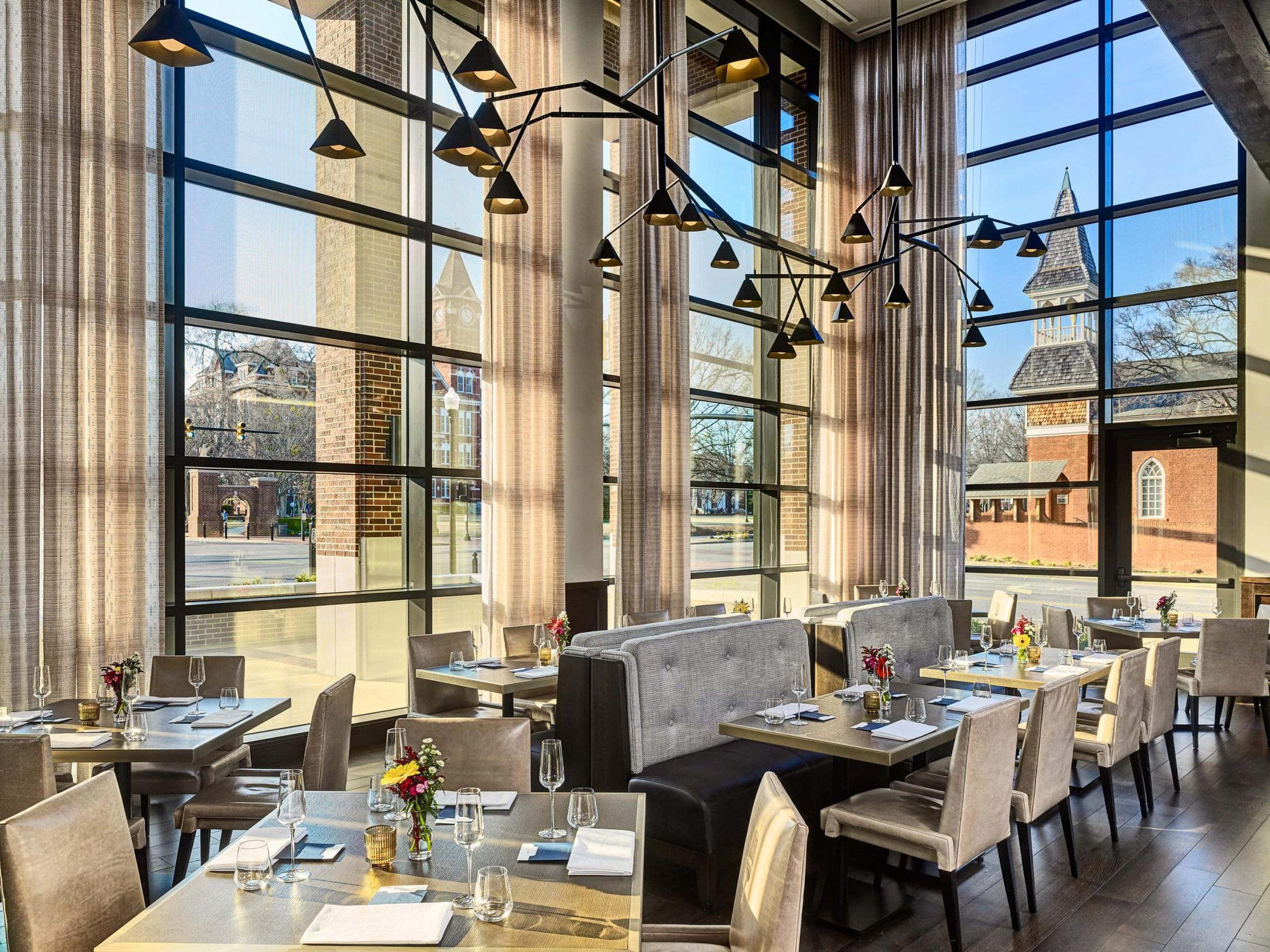
A Different Kind of Dining Address in Auburn
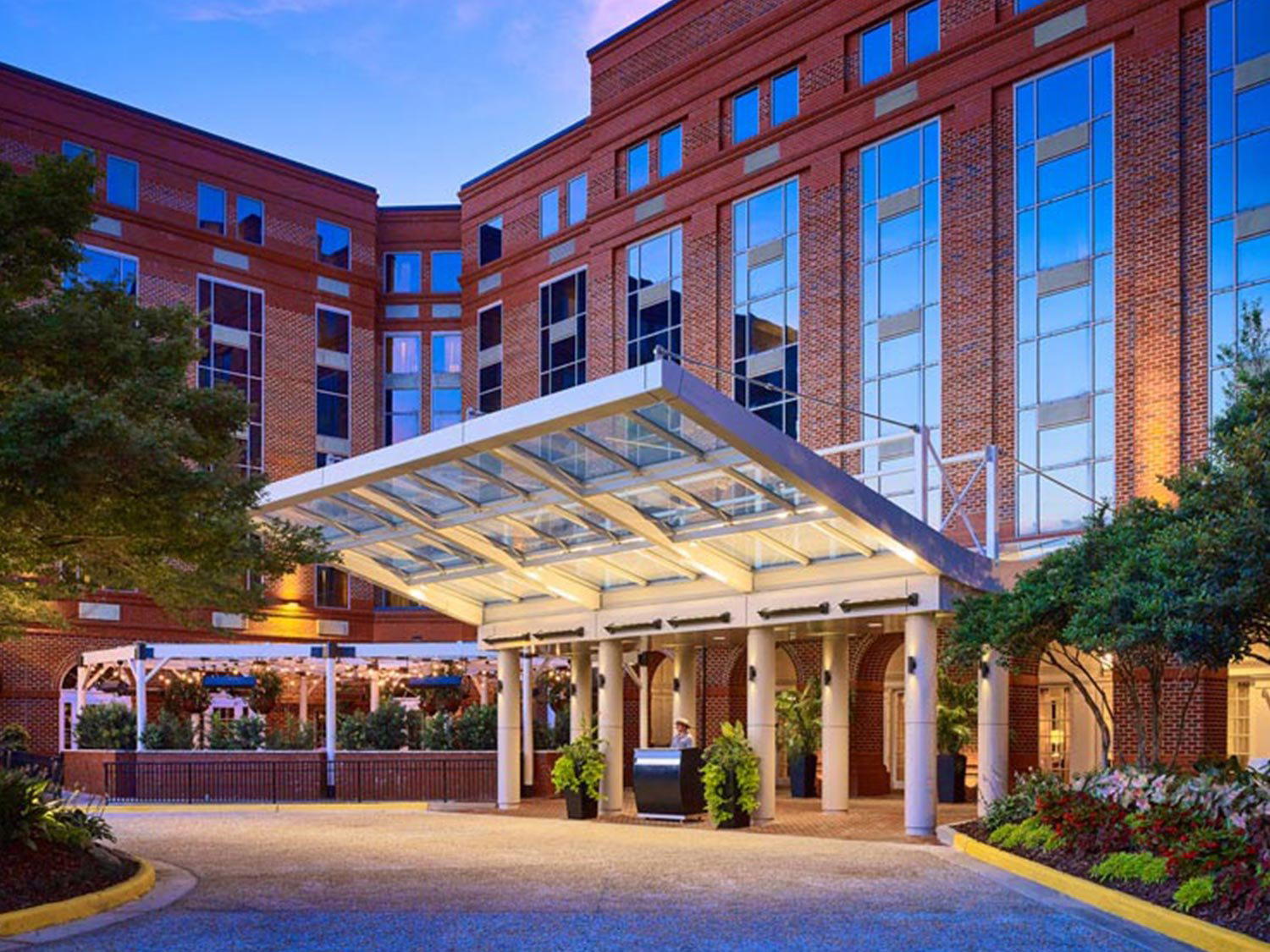
South College Street in Auburn, Alabama runs through a town shaped almost entirely by the rhythms of a university. Most of its restaurants pitch to students, game-day crowds, and the broad middle of the market. The address at 205 S College St, however, signals something outside that default. The name “1856 - Culinary Residence” references the founding year of Auburn University, a deliberate act of grounding in local identity rather than the generic hospitality language that tends to colonize smaller college towns. That framing matters: a culinary residence, as a format, implies permanence, intention, and a slower relationship with food than a restaurant built around table turns.
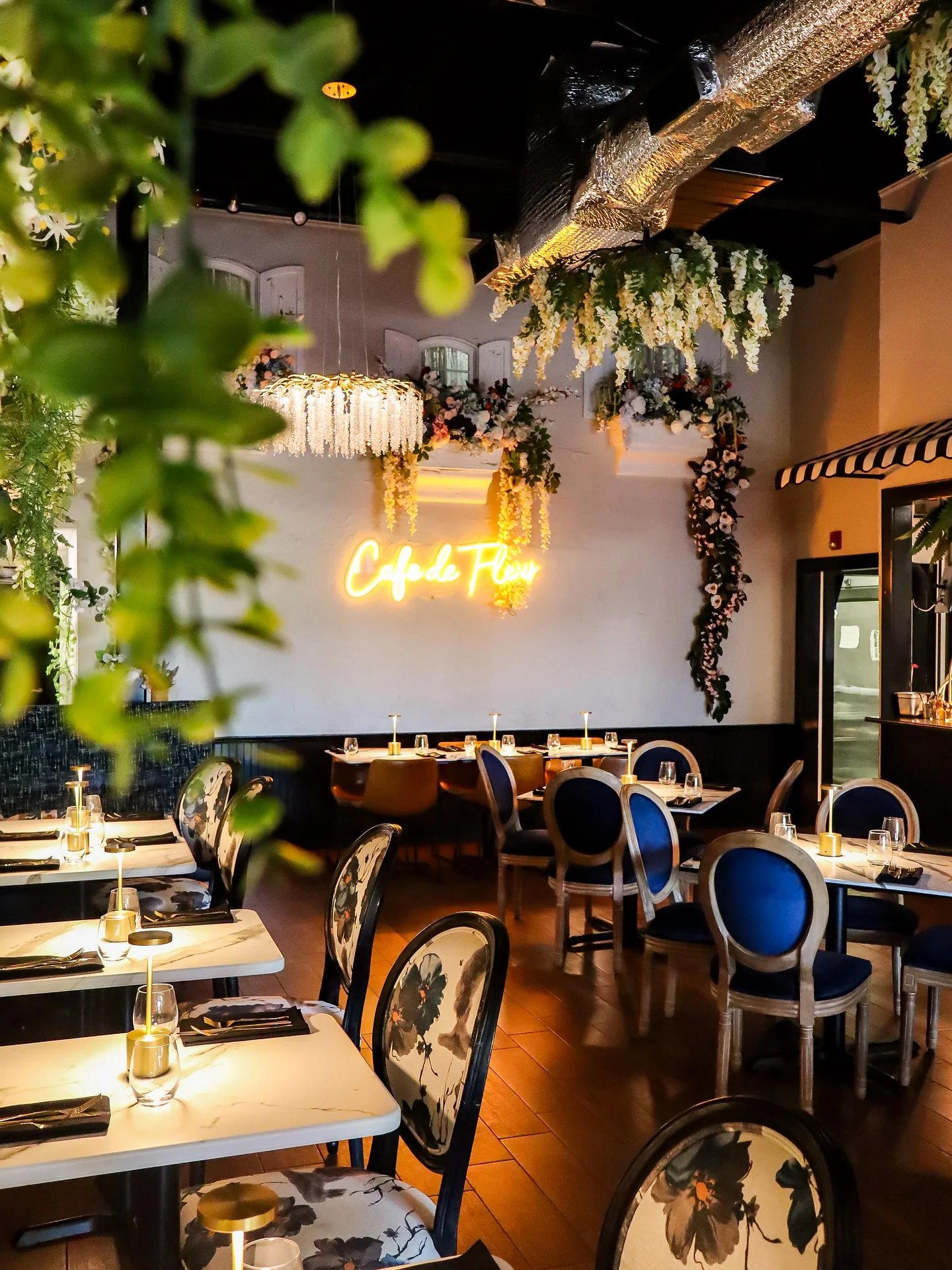
Auburn’s dining scene has developed meaningfully over the past decade, moving beyond the game-day-centric model that once dominated. A small cohort of independent operators has pushed the city toward more considered formats. Acre built its identity around seasonal Southern produce. Ariccia Cucina Italiana brought a more specific regional Italian lens to the city. Cafe de Fleur and Katrina’s Café represent the lighter, all-day end of that same ambition. 1856 - Culinary Residence sits at a different register from all of them, closer in concept to a chef’s table or dedicated tasting format than to a conventional restaurant.
The “Residence” Format and What It Signals
The use of “culinary residence” rather than “restaurant” is not incidental. Across American dining, that language has been adopted by a specific tier of operation: those where the cooking is the primary communication and the hospitality is designed around it, rather than the reverse. Venues operating under similar frameworks nationally include Lazy Bear in San Francisco, which pioneered a communal-table tasting format built around a specific culinary point of view, and Blue Hill at Stone Barns in Tarrytown, where the farm-to-table relationship is the architecture of the entire experience. At the more formally structured end of that spectrum sit Alinea in Chicago and The French Laundry in Napa, where the concept of a fixed, curated progression is built into every reservation.
1856 operates in a smaller market, but the conceptual alignment with those formats is worth noting for a traveler calibrating expectations. This is not a restaurant where you arrive without a plan. The “residence” model typically asks more of the guest: more time, more engagement with the menu as a sequence rather than a set of individual choices, and more willingness to let the kitchen lead. That contract is the point.
Cultural Roots and the Southern Table
Alabama’s culinary identity draws from several distinct traditions: the Gulf Coast seafood culture of Mobile and the coastal plain, the Appalachian-inflected food of the north, and the Deep South agricultural base that runs through the Black Belt. Auburn sits in the eastern part of the state, close enough to Georgia to absorb some of that border influence, but culturally and historically rooted in Alabama’s agricultural past. A culinary residence anchored to 1856 as its founding metaphor is implicitly making a claim about that history.
Southern fine dining has undergone a significant reappraisal over the past fifteen years. What was once dismissed as regional or parochial has been reframed, partly through the national visibility of chefs working in Charleston, Atlanta, and Birmingham, as a cuisine with genuine depth and a traceable set of cultural roots. Institutions like Emeril’s in New Orleans helped establish the South’s credibility on the national dining stage. More recently, venues like Addison in San Diego and Single Thread Farm in Healdsburg have shown how a tightly defined sense of place can anchor a high-commitment dining format. In Auburn, 1856 - Culinary Residence is operating within that broader conversation, bringing a similar degree of intentionality to a city that rarely gets written into that national frame.
For context on how Auburn’s overall dining scene positions itself, our full Auburn restaurants guide maps the range of options across price points and formats. The comparison set matters: within Auburn, 1856 Restaurant ($$$$ · Contemporary) occupies the premium contemporary tier and provides a useful reference point for understanding where the Culinary Residence format sits relative to established local benchmarks.
Planning a Visit
Auburn is a small city, which means dining at this level requires some advance coordination. The venue sits at 205 S College St, in the central part of the city and walkable from the main university corridor. As with most culinary residence formats nationally, the booking window and table availability are likely tighter than a conventional restaurant of comparable size: these formats depend on controlled capacity to deliver on their promise. Visitors traveling specifically for this experience should treat it as the anchor of their Auburn itinerary rather than a spontaneous addition.
The broader Auburn dining circuit offers useful framing before or after: Acre for farm-driven Southern cooking, Ariccia Cucina Italiana for a more European register, and Cafe de Fleur for daytime meals. Travelers arriving from elsewhere in the Southeast or comparing Auburn’s higher-end options against regional peers might also look at how the format compares to what Le Bernardin in New York City, Providence in Los Angeles, Atomix in New York City, The Inn at Little Washington, and 8 1/2 Otto e Mezzo Bombana in Hong Kong represent at the global end of the residence-style dining spectrum. That context is not meant to set an expectation of equivalence but to clarify the tradition 1856 - Culinary Residence is drawing from.
Frequently asked questions
Is 1856 - Culinary Residence a family-friendly restaurant?
The "culinary residence" format, as used at 205 S College St in Auburn, typically signals an intimate, adult-oriented setting oriented around focused dining rather than casual group meals. Families with older children who are comfortable at a formal table would likely find it manageable, but it is not structured around a family dining model.
What's the overall feel of 1856 - Culinary Residence?
The residence framing sets the tone: this is Auburn's answer to the private-house dining model, where the room functions more like a host's home than a conventional restaurant floor. South College Street is a university corridor, and 1856 sits deliberately outside that register, aiming at something closer to occasion dining than everyday hospitality. The name itself references the year with some specificity, which suggests an investment in local or historical identity rather than trend-chasing.
How does 1856 - Culinary Residence differ from other Auburn restaurants?
Auburn's dining scene is largely shaped by the university's student population, which pushes most operators toward casual, high-volume formats. At 205 S College St, 1856 positions itself in a different category entirely, using the "culinary residence" designation to signal a slower, more structured approach to service and seating. That places it in a small peer group of Southern fine dining rooms that treat the meal as the primary event rather than a backdrop to the broader college-town social circuit.
What should I order at 1856 - Culinary Residence?
What the residence format typically emphasizes is a curated, limited selection rather than a broad à la carte spread, so expect the kitchen to guide the experience more than the diner. Reaching out to 1856 ahead of your visit is the most reliable way to understand what's on the current menu.
What's the address for 1856 - Culinary Residence?
1856 - Culinary Residence is located at 205 S College St, Auburn, AL 36830, Auburn.
Price and Recognition
Comparable venues nearby, for context on price, style, and recognition.
| Venue | Cuisine | Price | Awards | Notes |
|---|---|---|---|---|
| 1856 - Culinary ResidenceThis venue (the venue you are viewing) | Contemporary French Fine Dining | $100–150 | Michelin Plate · Wine Spectator Best of Award of Excellence | Not listed |
| 1856 Restaurant | Contemporary French Fine Dining | $100–150 | Michelin Plate · Wine Spectator Best of Award of Excellence | Auburn, Contemporary French Fine Dining |
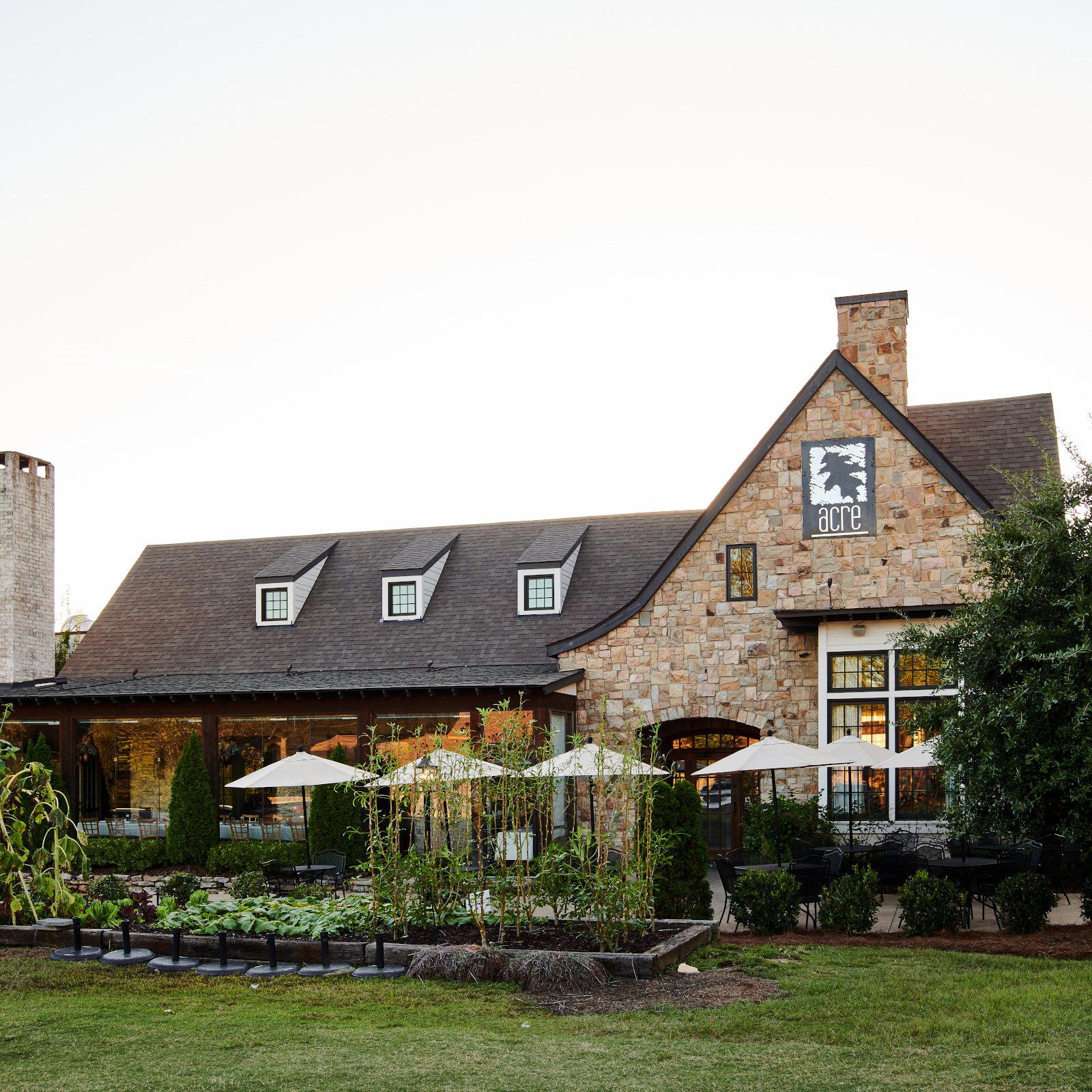
| Acre | Modern Southern Farm-to-Table | $50–100 | Star Wine List · James Beard Award Semi Finalist | Not listed |
| Cafe de Fleur | Classic French Bistro | $50–100 | Not listed | Moores Mill, Classic French Bistro |
| Ariccia Cucina Italiana | Rustic Italian Trattoria | Not listed | Star Wine List | Not listed |
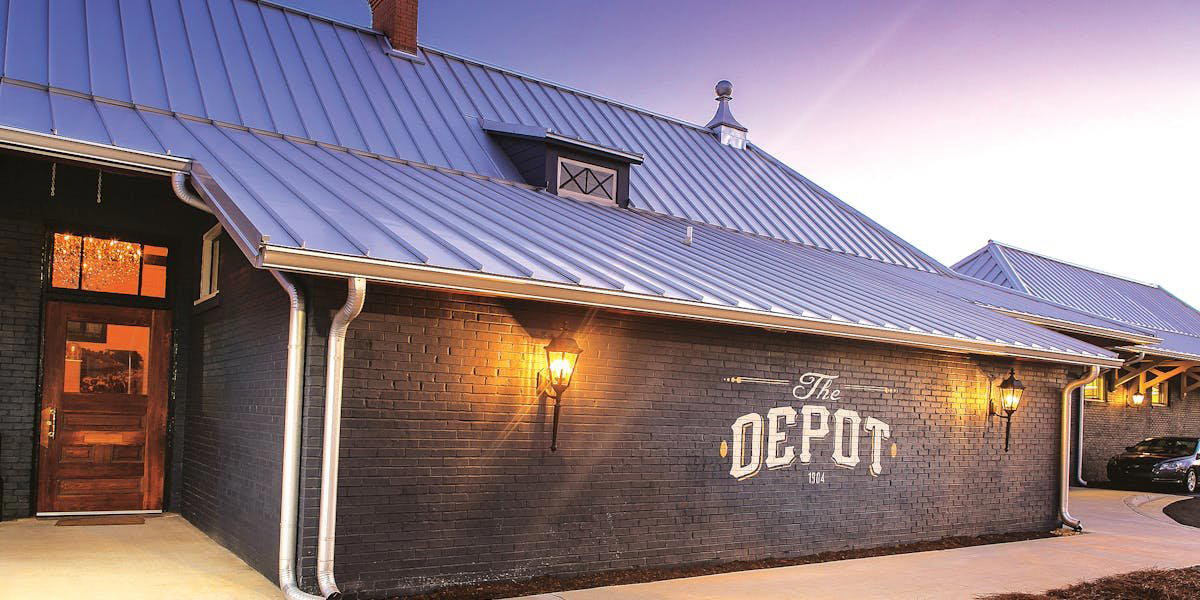
| The Depot | Modern American Seafood | $50–100 | Wine Spectator Award of Excellence | downtown auburn, Modern American Seafood |
Recognition history
Dated appearances from independent guides and award organizations, with the underlying list record or original source where available.
Michelin Plate
Michelin
Wine Spectator Best of Award of Excellence
Wine Spectator
Continue exploring
More in Auburn
Restaurants in Auburn
All restaurants in Auburn →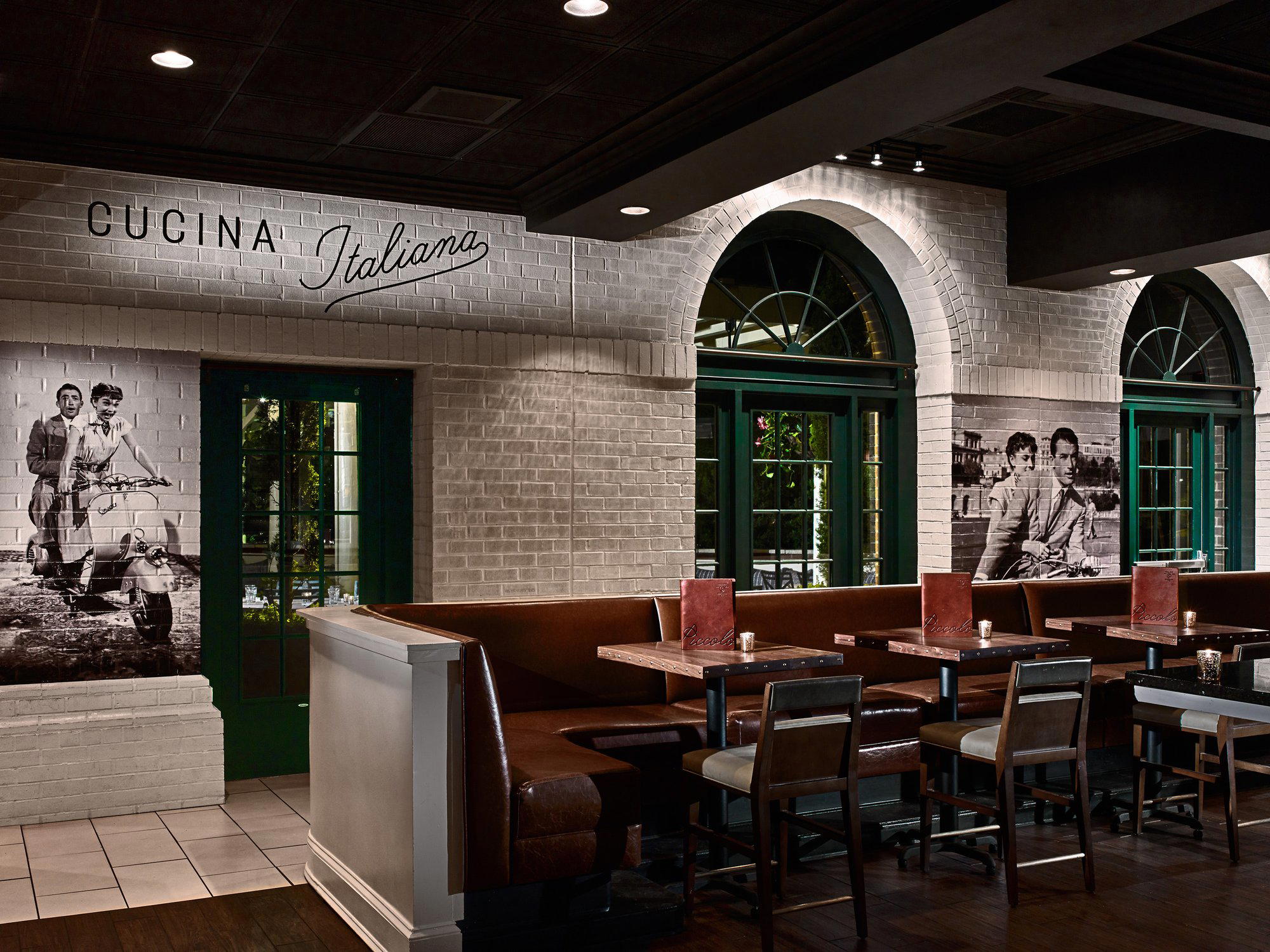
Bars in Auburn
Browse all →

1856 - Culinary Residence
The wine
1856 - Culinary Residence holds the Wine Spectator Best of Award of Excellence, which Wine Spectator gives to lists of usually 350 or more selections.
- Wine program
- Deep wine list
- Wine Spectator
- Wine Spectator Best of Award of Excellence
- Extensive wine list
- Sommelier-led
Details
- Elegant
- Sophisticated
- Intimate
- Modern
- Date Night
- Special Occasion
- Celebration
- Open Kitchen
- Extensive Wine List
- Sommelier Led
- Local Sourcing
Current opening hours
- Monday
- Closed
- Tuesday
- 11 AM–2 PM, 5:30–9 PM
- Wednesday
- 11 AM–2 PM, 5:30–9 PM
- Thursday
- 11 AM–2 PM, 5:30–9 PM
- Friday
- 11 AM–2 PM, 5:30–9 PM
- Saturday
- 11 AM–2 PM, 5:30–9 PM
- Sunday
- Closed
Hours can change for holidays and private events. Hours as of .
Expansive modern dining room with high glass walls, intimate setting, and meticulously attentive service creating a polished, educational fine dining atmosphere.