KPOT Korean BBQ & Hot Pot
KPOT Korean BBQ & Hot Pot brings the dual-format Korean dining model to Odessa, Texas, combining tableside grilling and communal hot pot in a single visit. The format puts raw ingredients and cooking control in the diner's hands, a structure that has driven KPOT's national chain expansion across mid-sized American cities. For West Texas, it represents a relatively rare entry point into Korean communal dining traditions.
Pearl is the En Primeur Club membership app — saves, bookings, and concierge access live there. Same editors, same standards.
- Address
- 4015 E 42nd St Bldg A Ste 110, Odessa, TX 79762
- Phone
- +14323318888
- Website
- thekpot.com
- Directions
- Get directions
 Saves & bookings on Pearl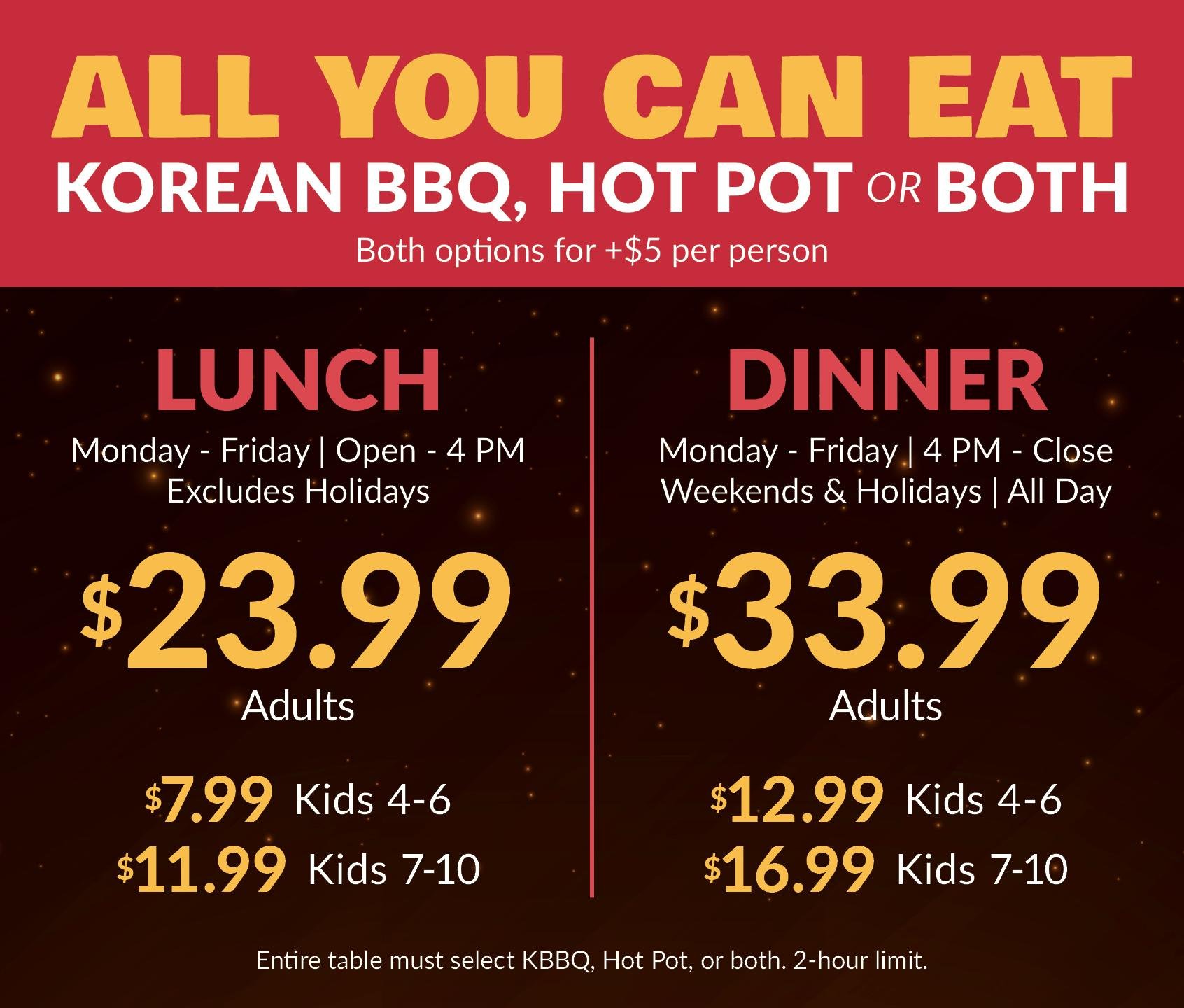
The Format That Travels: Korean Dual Dining in West Texas
Walk into a KPOT location anywhere in the country and the room reads the same way: long rows of tables fitted with induction burners, ventilation hoods hanging overhead, raw ingredients arriving in small dishes arrayed around the cooking surface. The setup is functional by design, built around the Korean principle that the table itself is the kitchen. At the Odessa location on East 42nd Street, that format lands in a city where Korean communal dining has limited competition, making KPOT the primary point of access to a tradition that, in larger American cities, now occupies an entire category of its own. For context on how chef-driven Korean cuisine at the fine dining end operates, Atomix in New York City represents the opposite pole of the same culinary tradition — tasting menus built around Korean technique and sourcing, prix-fixe structure, no open flame at the table. KPOT operates at the participatory, informal end of that spectrum.
Two Formats, One Table: The Logic of BBQ and Hot Pot Together
The dual-format model — Korean BBQ and hot pot occupying the same sitting, is not incidental. In Korean dining culture, both formats share a foundational logic: raw or minimally processed ingredients, communal cooking, and a meal that extends over time rather than arriving in a fixed sequence. The hot pot side involves a broth base kept at a rolling simmer into which proteins, vegetables, and starches are added incrementally. The BBQ side places marinated or unmarinated meats directly over a heat source at the table, with char and caramelization developing in real time in front of the diner. Offering both at once gives groups flexibility that neither format alone provides, and it is part of why the KPOT chain model has found traction in markets where a standalone Korean BBQ restaurant or a standalone hot pot restaurant would each struggle to reach critical mass independently.
The ingredient question is where this format type gets interesting. Unlike fixed tasting menus at restaurants such as The French Laundry in Napa or Blue Hill at Stone Barns in Tarrytown, where sourcing is curated by the kitchen and presented as editorial, the KPOT model inverts that relationship. Sourcing transparency here comes through volume and variety rather than through provenance storytelling. What you see on the table is what you are cooking; nothing is obscured by plating or sauce work. The quality of the raw ingredient is exposed directly, which makes the baseline of what arrives at the table the central variable in the dining experience.
West Texas Context: Why the Format Matters Here
Odessa is a meat-eating city with a strong culture around grilled proteins, driven in part by the ranching and oil-patch demographics that have defined the Permian Basin for decades. Korean BBQ maps onto that existing preference in a way that other Asian food formats sometimes do not. The communal grilling ritual, the emphasis on beef cuts, and the high-volume, informal structure of the meal align with the social eating patterns already common in the region. What the format adds that is less familiar is the marinade tradition, gochujang-based sauces, sesame and soy combinations, and the interplay between sweet, fermented, and smoky, alongside the hot pot side, which asks more of the diner in terms of flavor-building from a broth base.
For diners accustomed to sourcing-forward American restaurants, places like Single Thread Farm in Healdsburg or Bacchanalia in Atlanta, where the farm relationship is central to the menu narrative, the KPOT model represents a different kind of transparency. The sourcing is not localized or curated for regional identity, but the format's open-table cooking means the diner interacts with the raw ingredient directly rather than receiving a finished plate. That is its own kind of legibility.
The Chain Model and What It Delivers in a Mid-Sized Market
KPOT operates as a national chain, and the Odessa location on East 42nd Street fits the brand's standard deployment pattern: strip mall or shopping center adjacency, accessible parking, a format designed to absorb large groups and family-size parties. That positioning is deliberate. The all-you-can-eat model common to many KPOT locations nationally makes the format viable for groups with varied appetites and removes the per-dish negotiation that can slow communal meals. In mid-sized American cities without a deep bench of Korean restaurant options, that structure makes a chain entry the most accessible introduction to the format. Compare that to the specialist operator model visible at ITAMAE in Miami or Causa in Washington, D.C., where tight menus and small kitchens produce a very different kind of focused, chef-driven Asian-influenced dining. KPOT occupies a different tier entirely, but it solves a different problem: volume, accessibility, and format education for markets encountering the tradition for the first time.
The broader American picture of Korean dining at the premium level is visible in restaurants like Atomix, while the ingredient-driven farm-to-table American model sits at places like Brutø in Denver or Frasca Food and Wine in Boulder. KPOT sits outside both of those tracks, functioning instead as a format-delivery vehicle: the goal is to put the Korean dual-cooking experience in front of as many diners as possible, in as many mid-sized American cities as the model can reach. For Odessa, that makes KPOT a category opener as much as a restaurant. See our full Odessa restaurants guide for broader context on where Korean BBQ fits within the city's dining options.
Planning Your Visit
KPOT Korean BBQ and Hot Pot is located at 4015 East 42nd Street, Building A, Suite 110, Odessa, TX 79762. The strip-center location offers direct parking access, and the format is well-suited to larger parties or family groups. The all-you-can-eat structure common across KPOT locations nationally requires pacing and attention to broth management on the hot pot side, so first-time visitors benefit from arriving without time pressure.
Continue exploring
More in Odessa
Restaurants in Odessa
Browse all →
At a Glance
- Lively
- Energetic
- Group Dining
- Family
- Casual Hangout
- Open Kitchen
Current opening hours
- Monday
- 11:30 AM–10 PM
- Tuesday
- 11:30 AM–10 PM
- Wednesday
- 11:30 AM–10 PM
- Thursday
- 11:30 AM–10 PM
- Friday
- 11:30 AM–11 PM
- Saturday
- 11:30 AM–11 PM
- Sunday
- 11:30 AM–10 PM
Hours can change for holidays and private events. Last verified .
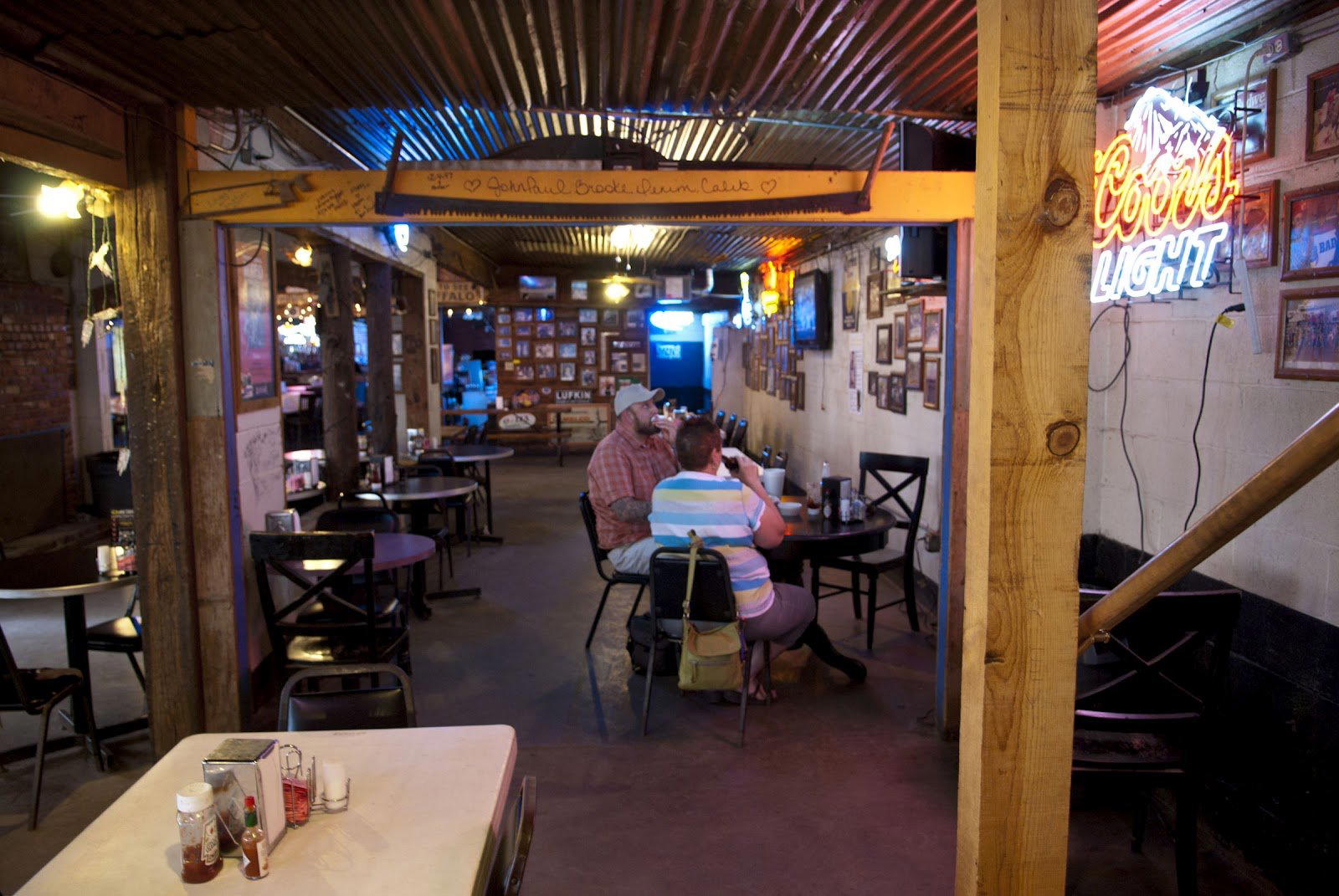
Energetic and social atmosphere centered around interactive table-side grilling and hot pot cooking.
Know Before You Go
- Getting there
- 4015 E 42nd St Bldg A Ste 110, Odessa, TX 79762