Our verdict
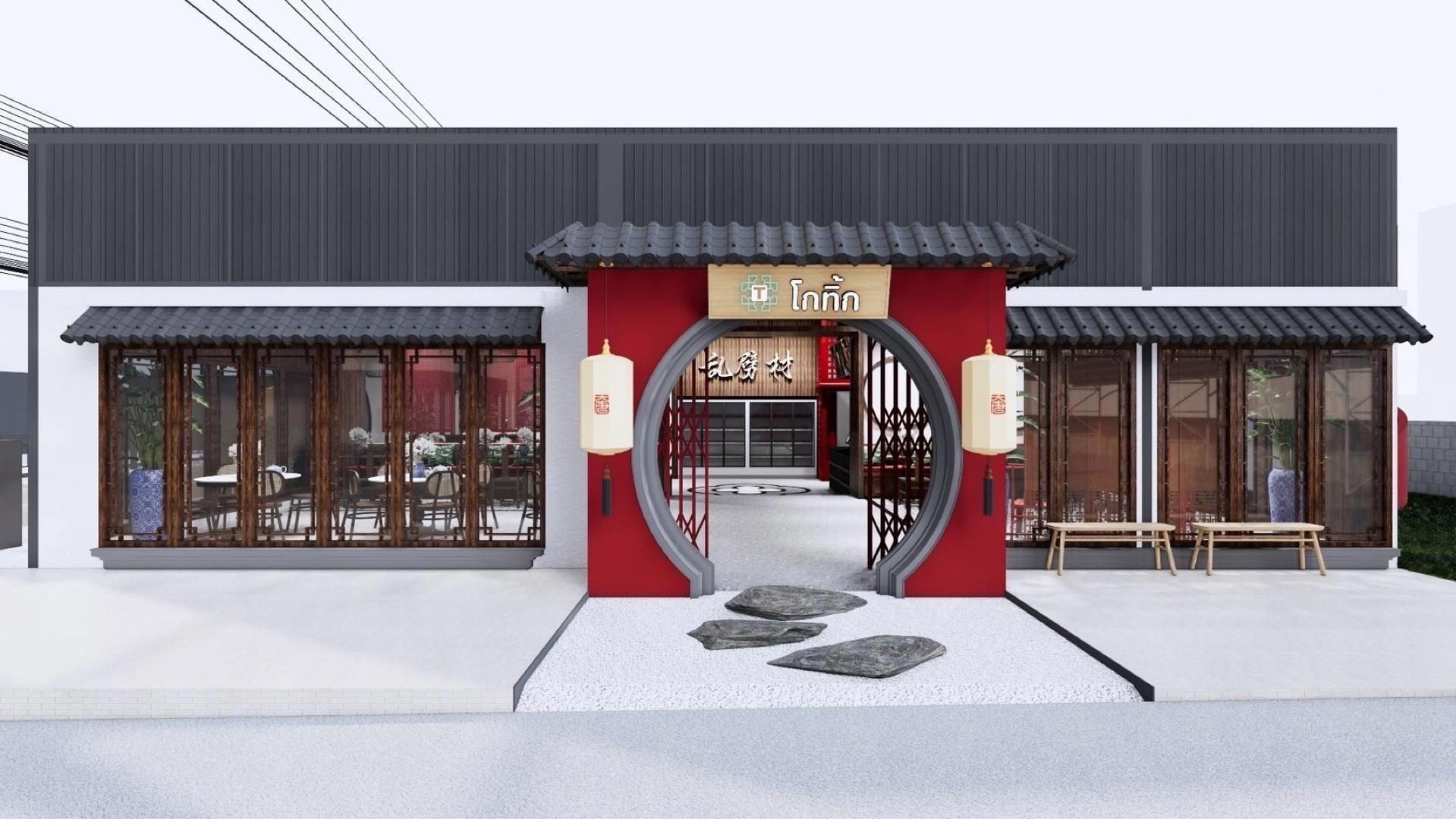
Ko-Tig sits in Saen Suk, Mueang Chon Buri, a coastal district where the gap between local market eating and destination dining remains genuinely narrow. The address places it outside the Bangkok circuit, in a part of the Eastern Seaboard where ingredient provenance and regional cooking traditions carry more weight than awards recognition. For travellers moving between Bangkok and the Gulf Coast, it represents a grounded alternative to the capital's high-concept Thai dining scene.

Pearl is the En Primeur Club membership app, where members save venues, book tables and use the concierge.
The menu
What to order
- ข้าวต้มปลา
- ติ่มซำ
- ปลานึงซีอิ๋ว
- เกี๋ยวน้ำ
- ขนมจีบ
- ฮะเก๋า
Chon Buri and the Coastal Ingredient Belt
Thailand's Eastern Seaboard has never positioned itself as a fine-dining corridor. The stretch of coastline running through Chon Buri province, past Pattaya and toward Rayong, is better understood as a supply zone: fishing communities, agricultural land, and proximity to the Gulf of Thailand combine to produce some of the country's most reliable raw material for Thai cooking. What reaches the plate in towns like Saen Suk tends to arrive with fewer intermediaries than the equivalent ingredient in Bangkok, and that proximity to source shapes the character of local eating in ways that no amount of kitchen technique can replicate after the fact.
Ko-Tig occupies an address in Tambon Saen Suk, within Mueang Chon Buri, a district that sits outside the well-documented dining routes most international visitors follow. The restaurants here are not calibrated for the Bangkok weekend-trip market or the Pattaya resort circuit in the way that somewhere like Krua Laew Tae R-Rom in Pattaya might be. They exist in a more localised register, which carries its own set of advantages and constraints. Provenance tends to be direct, portions tend to be generous, and the pricing logic follows local demand rather than tourist-market expectations.
Where the Ingredient Conversation Matters Most
Across Thailand's serious restaurant tier, the sourcing question has become a defining fault line. At the Bangkok end, places like Sorn have built entire identities around controlled Southern Thai supply chains, where specific farms, specific fishing villages, and specific seasonal windows are documented and presented as part of the dining proposition. PRU in Phuket takes a similar position, anchoring its menu to an on-property farm. These are deliberate, resource-intensive approaches to provenance that require scale and infrastructure to sustain.
The Chon Buri coastal context operates differently. Here, the proximity to source is structural rather than staged. The Gulf catch that arrives in local markets each morning doesn't require a sourcing narrative because the distance from water to kitchen is genuinely short. For a venue operating in Saen Suk, that geographic reality is the foundation, not a marketing layer placed on top of it. The cooking tradition in this part of the Eastern Seaboard draws on that closeness in ways that feel organic rather than designed, which is a meaningfully different relationship to ingredients than what you find in Bangkok's high-concept Thai dining rooms.
This positions Ko-Tig within a distinct category of Thai dining: places where regional identity and raw material quality are intertwined with location, rather than assembled from a supply network built to simulate that relationship. It's a pattern visible across Thailand's coastal provinces, from Hoy Tord Chao Lay in Bangkok's Watthana district, which built its reputation on a specific style of oyster pancake rooted in coastal tradition, to the simpler street-register cooking found throughout the Eastern Seaboard.
The Saen Suk Setting
Tambon Saen Suk is a sub-district that most international visitors pass through rather than stop in. It sits on the coast northeast of the city centre of Mueang Chon Buri, close enough to the water that the cooking vocabulary of the area reflects what the sea provides. The local eating culture here runs parallel to but separate from the more visible tourism infrastructure further down the coast. For those willing to move off the main Pattaya-Bangkok axis, the neighbourhood offers a denser concentration of working local restaurants than most of the resort strip manages.
Getting to Ko-Tig from Bangkok requires approximately ninety minutes by road, depending on traffic on the motorway heading east. From Pattaya, the drive north along the coast takes considerably less time. There is no rail connection to Saen Suk that makes the journey direct, so road travel is the practical option for most visitors. Those combining a visit with other Eastern Seaboard stops, such as Benz Restaurant at Soneva Kiri on Koh Kood further southeast, might build the region into a longer coastal itinerary rather than treating it as a single-venue day trip.
The broader Mueang Chon Buri restaurant scene rewards that kind of deliberate planning. The city itself doesn't have the critical mass of dining destinations to anchor an entire trip, but as a waypoint on the Eastern Seaboard it fits naturally into a journey rather than a destination-first logic.
Comparison and Context: What the Eastern Seaboard Offers Against Bangkok
The comparison that matters for Ko-Tig isn't within Chon Buri but between the coastal province and the capital. Bangkok's high-end Thai dining, represented by the ฿฿฿฿ tier that includes Sorn, Baan Tepa, and Sühring, operates in a highly competitive, internationally-recognised environment. Those restaurants compete on technique, sourcing narrative, and service architecture in ways that require significant overhead. The result is exceptional cooking, but cooking that exists at considerable remove from its ingredient origins, however carefully those origins are documented.
Coastal province alternative represented by venues like Ko-Tig trades some of that structural sophistication for directness. Fewer layers between source and table, less formal service architecture, and a pricing model that reflects local rather than international demand. For a certain kind of traveller, that trade-off is clearly preferable. For those who want to understand how Thai coastal cooking actually functions as a daily practice rather than as a dining experience shaped for guests, moving away from the capital and into the Gulf Coast supply zones makes sense. Other regional examples, from AKKEE in Pak Kret just north of Bangkok to Loet Rot in Chiang Mai, show how regional specificity produces cooking that the capital's dining rooms study but cannot fully replicate.
Planning a Visit
Given the venue's location in a local-facing neighbourhood rather than a tourist-infrastructure zone, booking practices likely follow informal channels typical of the Thai provincial restaurant market, including direct walk-in or phone contact rather than online reservation platforms. Visiting during weekday lunch, when local ingredient supply is freshest and competition for tables is lower than weekend evening service, tends to produce the most direct experience at this tier of coastal Thai restaurant. Cross-referencing with local Thai-language review platforms before travelling is advisable given the limited English-language documentation available for this address.
Frequently asked questions
Is Ko-Tig okay with children?
Tambon Saen Suk sits within a coastal district where family dining is the norm rather than the exception. Mueang Chon Buri's local restaurant culture is built around communal tables and multi-generational groups, making venues in this neighbourhood broadly compatible with children. Nothing in Ko-Tig's profile signals a format that would exclude families.
Is Ko-Tig better for a quiet night or a lively one?
Mueang Chon Buri's restaurant scene skews communal, local dining in coastal districts like Saen Suk tends toward shared tables and group meals rather than paired tasting-menu silence. Ko-Tig's address on the Gulf-facing edge of the province puts it squarely in that tradition. Expect a room that reflects the neighbourhood: social, unhurried, and oriented around the table rather than the occasion.
How does Ko-Tig's location in Tambon Saen Suk compare to dining in central Chon Buri?
Tambon Saen Suk is a coastal sub-district positioned northeast of Chon Buri's city centre, closer to the Gulf shoreline than the urban commercial strip. That proximity shapes what local restaurants source and serve: the Eastern Seaboard's fishing activity runs through this stretch of coast, making Saen Suk-area venues more directly connected to the day's catch than their inland or city-centre counterparts. For anyone eating their way along Thailand's eastern coast between Bangkok and the lower Gulf destinations, Ko-Tig's address at 19 Tambon Saen Suk places it on the coastal side of that corridor.
What do regulars order at Ko-Tig?
In a coastal Chon Buri setting like Tambon Saen Suk, regular patronage at local restaurants typically centres on Gulf of Thailand seafood, grilled or steamed catch, regional curries, and produce sourced from the Eastern Seaboard's agricultural belt. Those patterns hold across the area's serious local venues.
What's Ko-Tig's location?
Ko-Tig is located at 19 à¸.à¸à¸£à¸´à¸à¸à¸£à¹ Tambon Saen Suk, à¹à¸¡à¸·à¸à¸ Chon Buri 20130, Thailand, Mueang Chon Buri.
What's the best way to book Ko-Tig?
Phone and in-person contact are the standard booking channels for local-facing restaurants in Mueang Chon Buri's coastal neighbourhoods. Venues of this type in the province typically operate without online reservation systems.
What is Ko-Tig known for?
Ko-Tig operates in Tambon Saen Suk, a coastal sub-district of Mueang Chon Buri where the Gulf of Thailand seafood supply and Eastern Seaboard regional ingredients define what serious local restaurants put on the table. The venue sits in a part of Thailand's eastern province that most international visitors move through without pausing, which keeps the clientele local and the sourcing conversation grounded. It represents the kind of provincial coastal dining that Bangkok's high-end Thai restaurants frequently reference as a benchmark for ingredient provenance.
In Context: Similar Options
Comparable venues nearby, for context on price, style, and recognition.
| Venue | Cuisine | Price | Awards | Notes |
|---|---|---|---|---|
| Ko-TigThis venue (the venue you are viewing) | Hong Kong-Style Dim Sum | $10–20 | Not listed | Not listed |
| Rong Klan Nuea | Braised Beef Noodles | $10–20 | Not listed | Samphanthawong |
| Choy | Cantonese Roast Duck | $10–20 | Not listed | Bang Khae |
| Jok Khlong San | Porridge Shop | Not listed | Not listed | Bang Wa |
| Chai Jia Chai | Modern Cantonese Omakase | $200–300 | Black Pearl 2 Diamond | Sukhumvit 31 / Khlong Toei Nuea, Watthana |
| Yong He Dou Jiang (น้ำเต้าหู้ หย่งเหอ) | Taiwanese Breakfast & Soy Milk | Not listed | Not listed | Bang Rak |
Continue exploring
More in Chon Buri
Restaurants in Chon Buri
All restaurants in Chon Buri →
Details
- Classic
- Casual Hangout
- Small Plates
Current opening hours
- Monday
- 7 AM–3:30 PM
- Tuesday
- 7 AM–3:30 PM
- Wednesday
- 7 AM–3:30 PM
- Thursday
- 7 AM–3:30 PM
- Friday
- 7 AM–3:30 PM
- Saturday
- 7 AM–3:30 PM
- Sunday
- 7 AM–3:30 PM
Hours can change for holidays and private events. Hours as of .
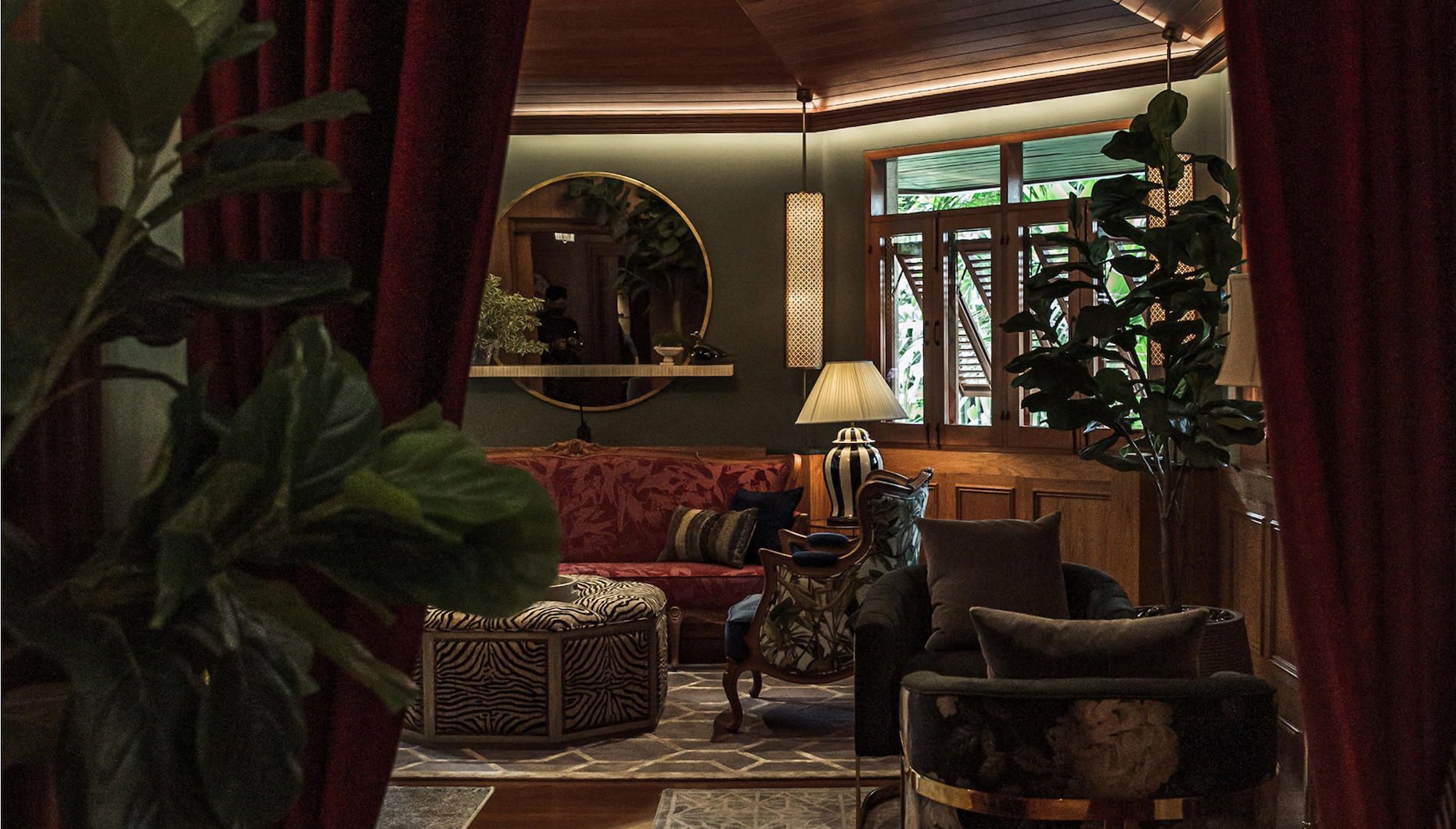
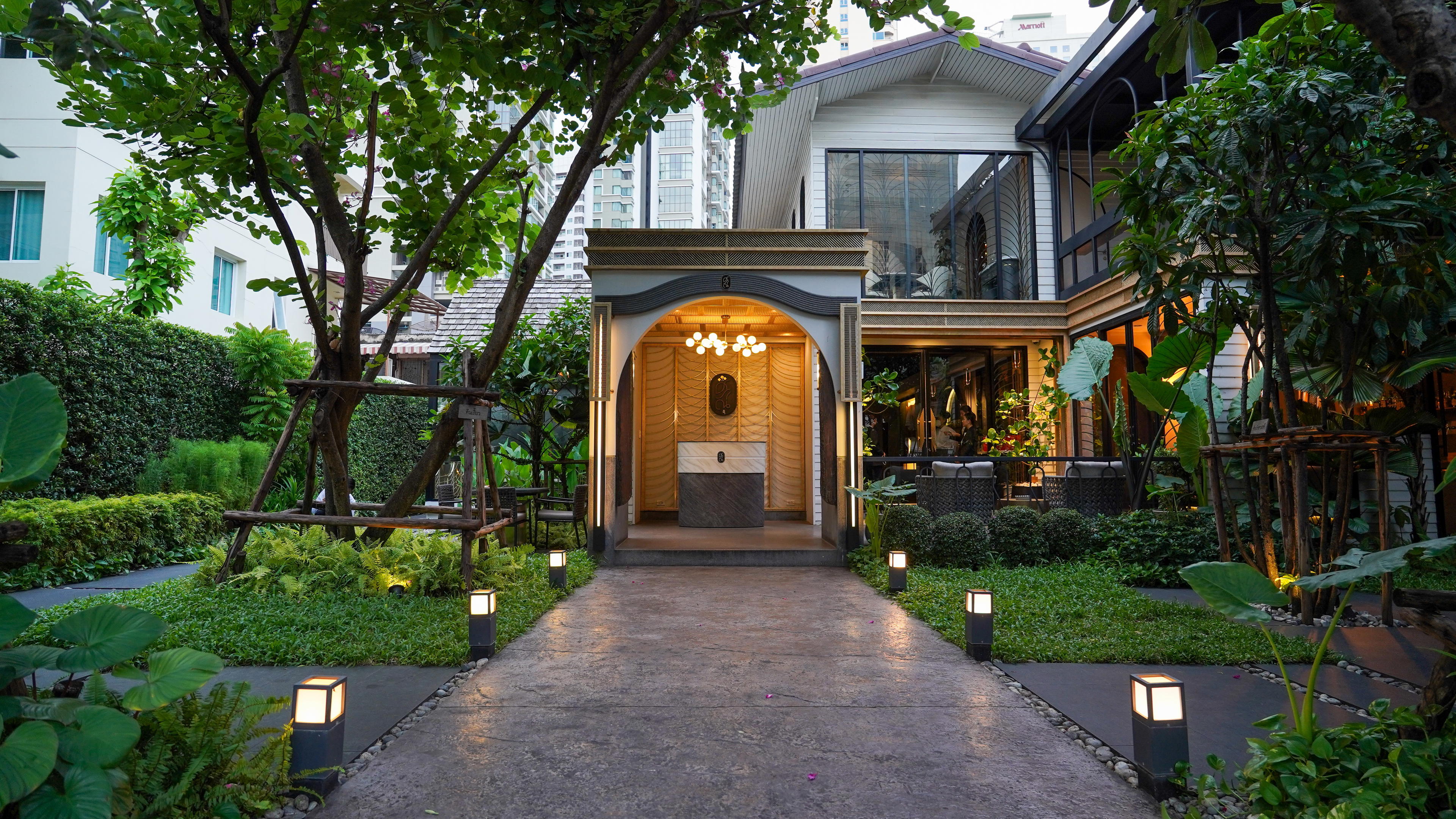
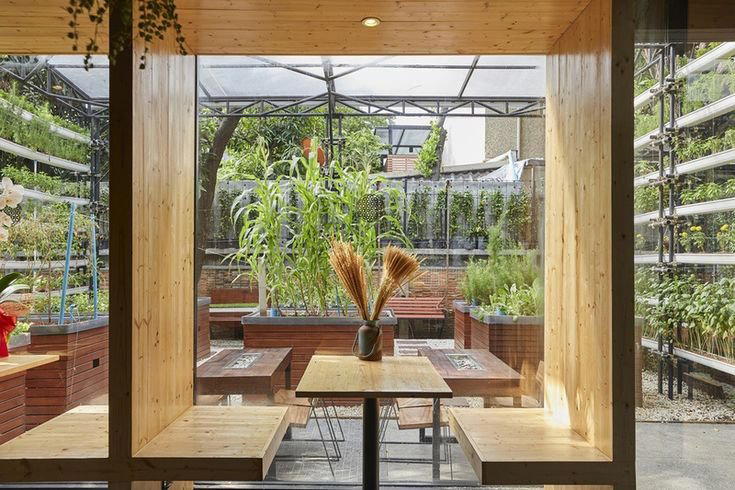
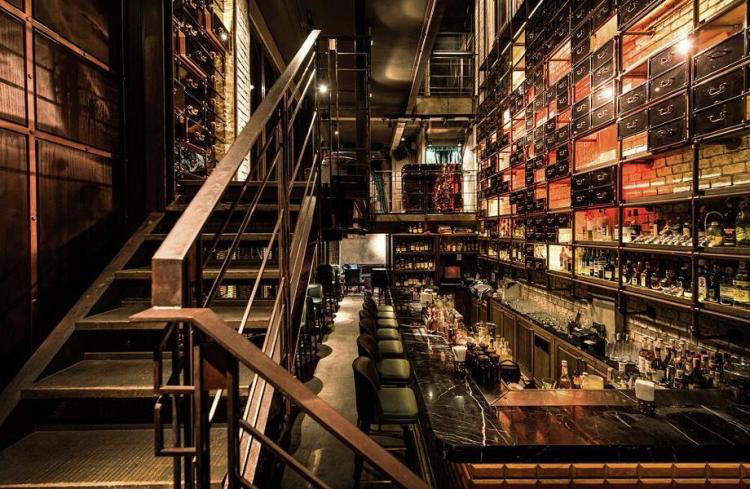
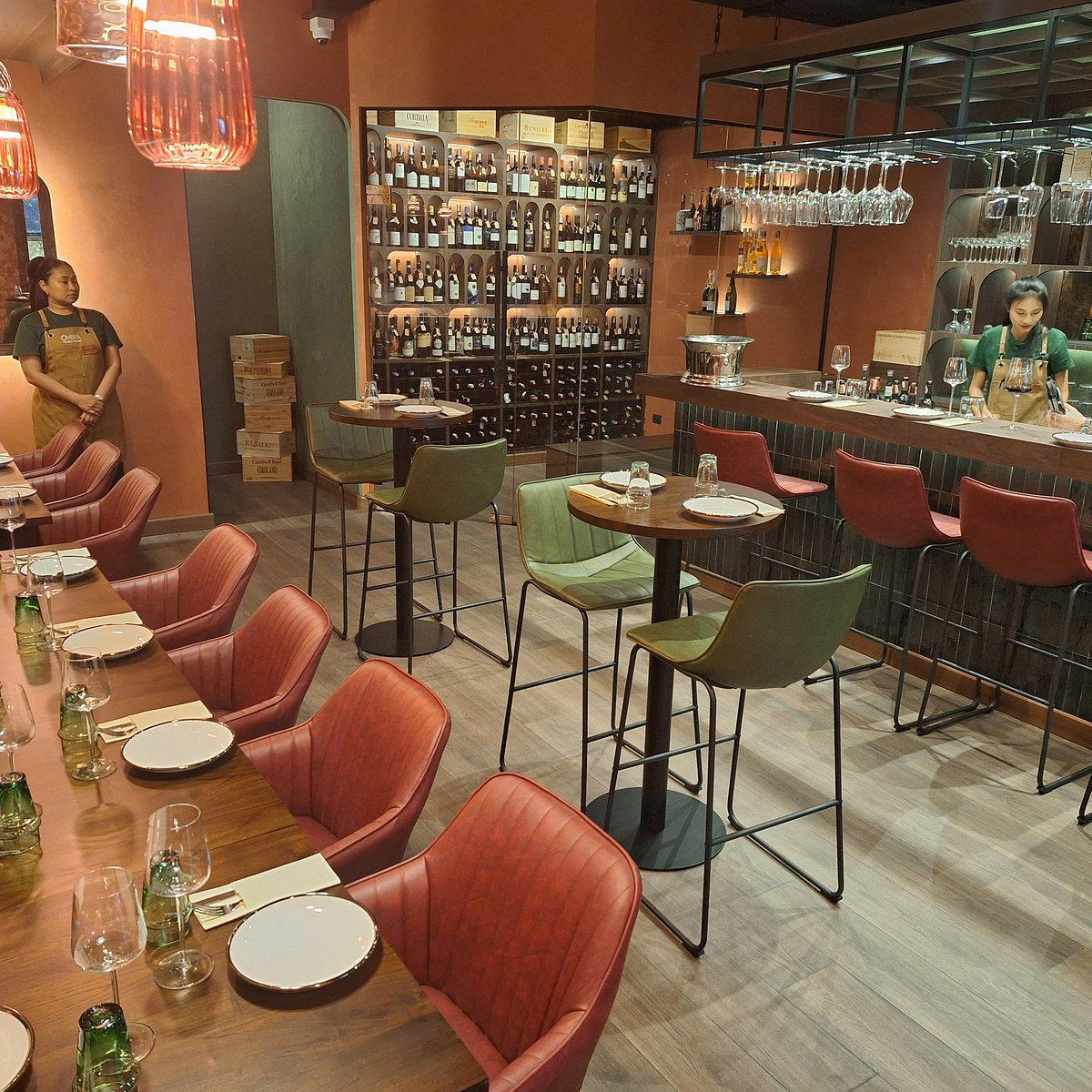
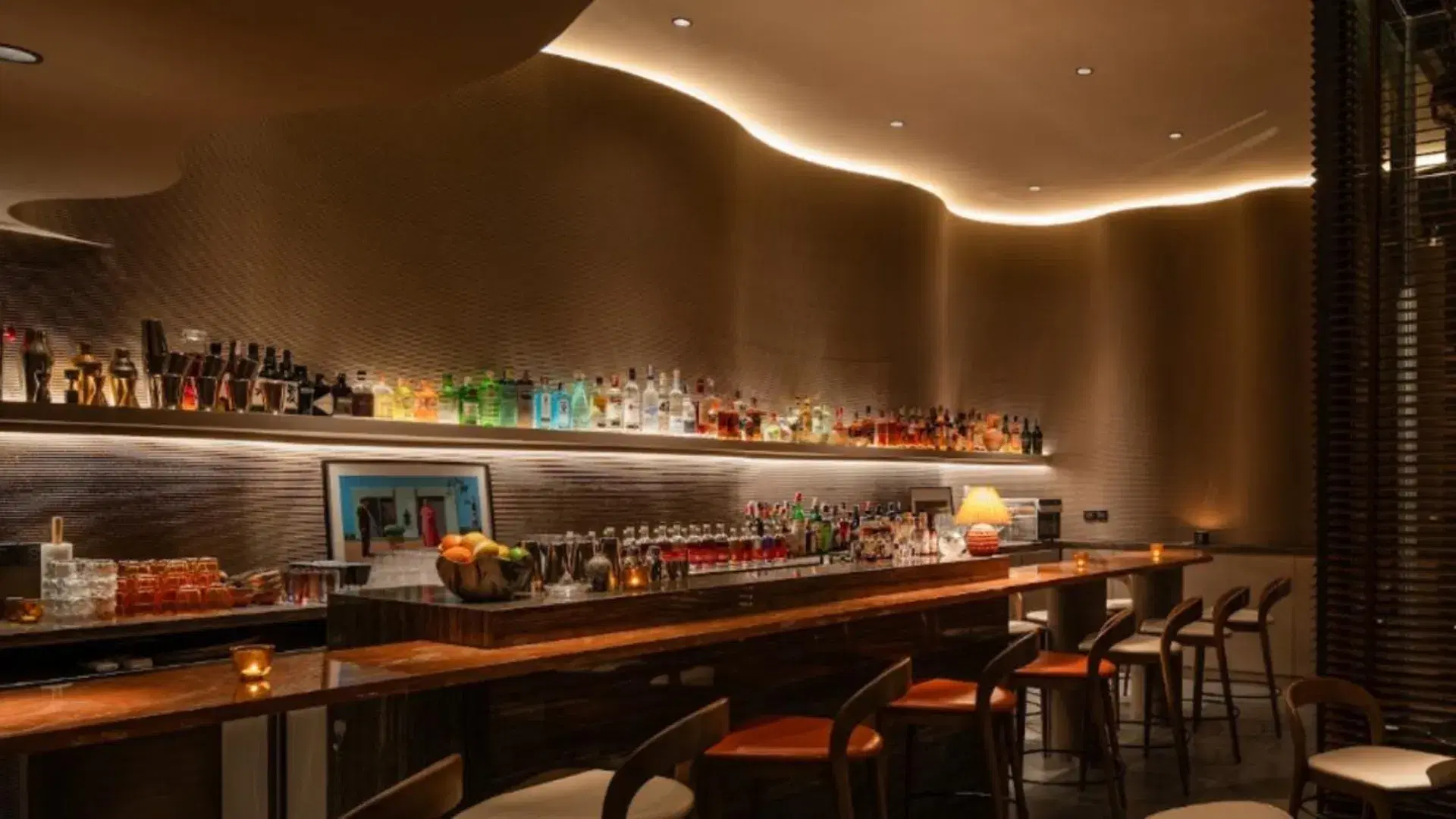
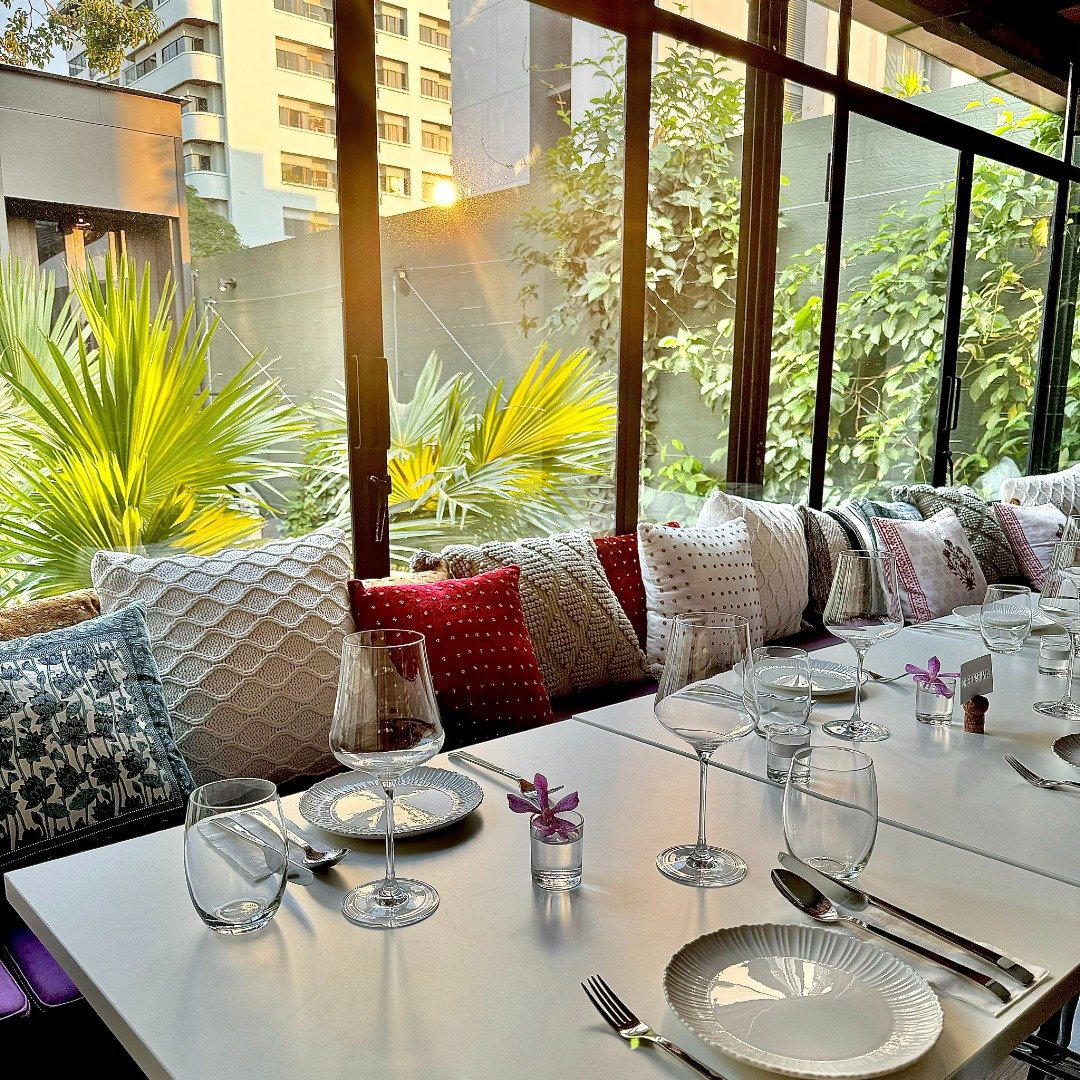
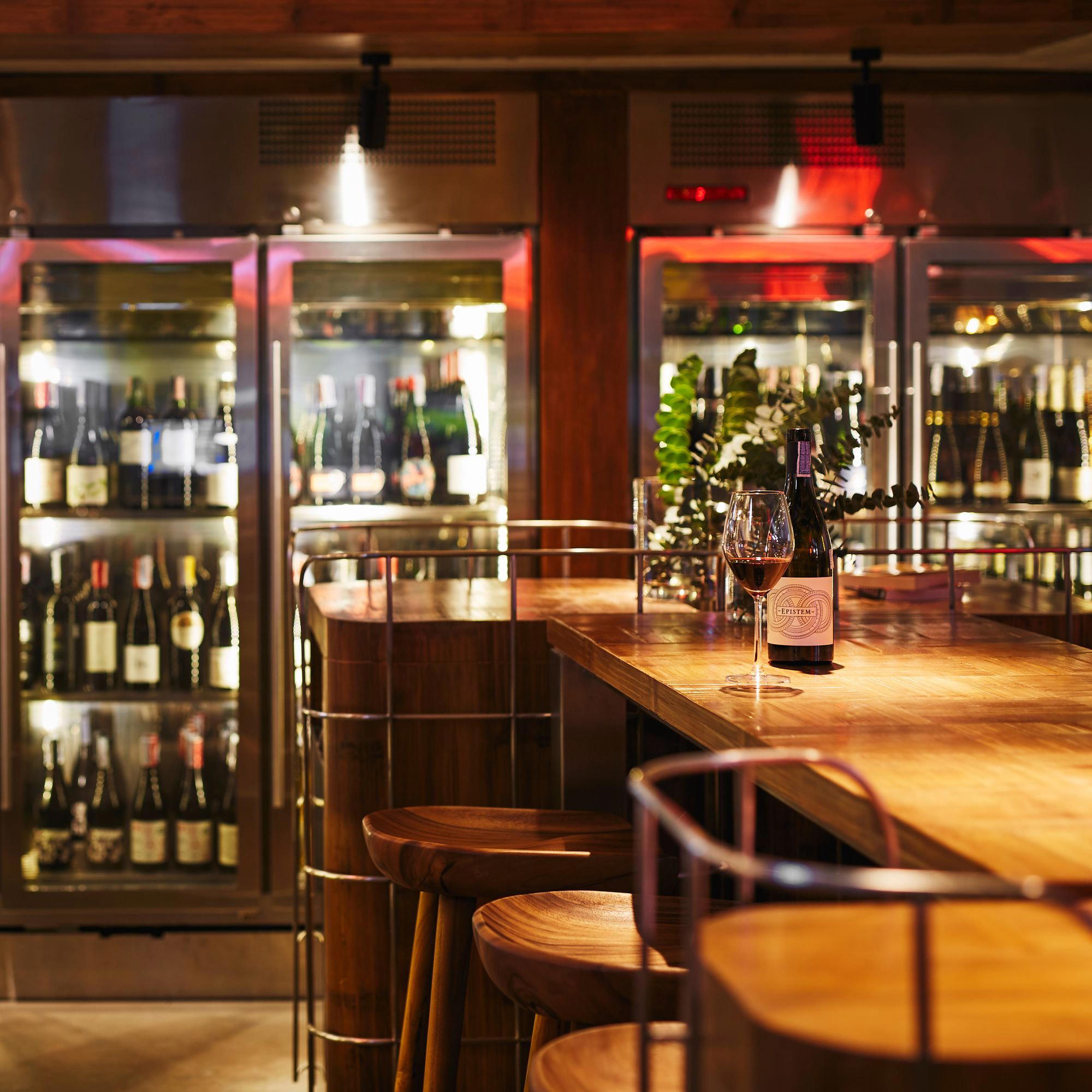
Modern Chinese-style decor creating a classic and inviting atmosphere.