
Tabelog 100 #48
Our verdict
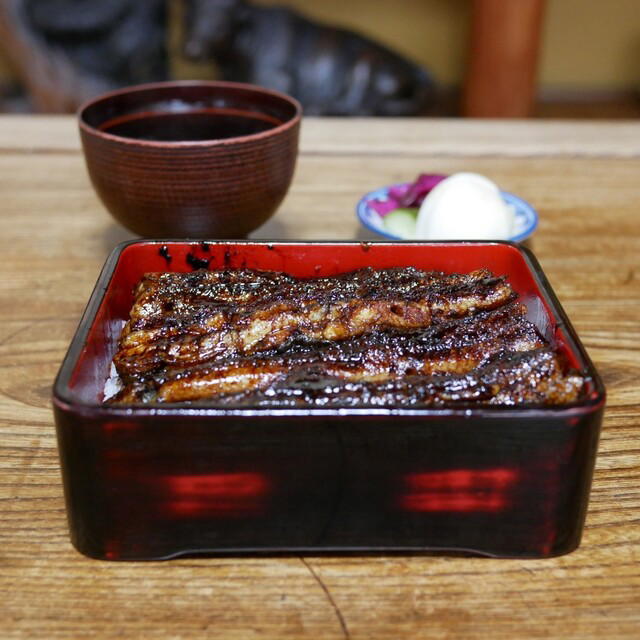
Kokuya puts Maebashi’s unagi tradition into a compact tatami-room format rather than a Tokyo counter narrative. The draw is specificity: eel and fugu, sake, 12 seats, and recognition in Tabelog 100 - Unagi - 2024, placing it in Japan’s specialist eel conversation rather than the city’s broader casual dining lane.

Pearl is the En Primeur Club membership app, where members save venues, book tables and use the concierge.
The menu
What to order
- Unaju (grilled eel over rice)
- Unagi donburi
- Grilled fugu (seasonal, by reservation)
- Boiled fugu dishes (seasonal, by reservation)
A Maebashi restaurant can change a meal before the first order: the room slows, voices drop, and attention shifts from décor to timing, rice, lacquer, sauce, fish, and the narrow line between patience and fatigue that defines good unagi cooking. In Maebashi, that format matters. The city’s dining scene is not built around spectacle; it rewards places preserving a focused craft with the discipline to earn repeat local attention.
Kokuya belongs to the Japanese category of specialist restaurants where handling and consistency matter more than menu breadth. Its public category is unagi, with fugu also listed: freshwater eel as the regular anchor, pufferfish as another branch of fish cookery. For travelers used to Tokyo’s tasting-menu grammar, this is another register. The question is not how many courses arrive, but how confidently one ingredient can support the meal.
Eel as a regional craft, not a luxury performance
Unagi restaurants in Japan operate under a quiet hierarchy. Some trade on inherited sauce pots and urban name recognition; others sit in regional cities and build authority through consistency and a narrow repertoire. Kokuya’s selection for Tabelog 100 - Unagi - 2024 places it in that conversation: not a general Japanese restaurant with eel as an incidental reference, but a specialist recognized in a national category where small differences in fish selection, steaming, grilling, and sauce discipline become the point.
That matters in Maebashi because the restaurant’s appeal is not about spectacle. Eel here is procurement, preparation, and tradition. The restaurant’s public category frames the meal correctly. The sourcing story is not a named farm or chef manifesto; it is the expectation that a specialist eel house treats fish as the organizing principle, not one option among many.
The fugu listing adds another signal. In Japan, pufferfish is governed by strict licensing and preparation rules, and its colder-season cultural rhythm is separate from eel. At Kokuya, the presence of fugu keeps that side of the kitchen close to planned fish dining rather than a generic menu spread. For readers mapping Maebashi by category, the restaurant is a fish specialist first and a neighborhood meal second.
Maebashi’s competitive set is varied rather than crowded in one lane. el viento sits in a different dining rhythm, while nagi offers another local reference point. Indian Shokudo Charakara shows casual international cooking has its audience. cépages and 白井屋ザ・レストラン point to more design-conscious or contemporary Maebashi dining. Against those references, Kokuya is less about novelty than the persistence of a Japanese fish-house form.
A focused room changes the dining calculus
Format is part of the read. A specialist eel restaurant does not need counter-dining choreography or the theatrical language of a high-end sushi room. Kokuya is better understood through concentration: a Maebashi setting, a focused public category, and enough structure that fish remains the reason to come.
The setting also helps travelers read Japanese dining through formats rather than adjectives. An eel meal encourages a slower lunch or early dinner, because serious unagi is rarely hurried. Rice must carry sauce without turning slack; fish must feel deliberate rather than rushed. Specific sensory claims should be earned at the table, but the category has clear demands, and Kokuya’s recognition suggests those demands are met at a level noticed beyond Maebashi.
For a city itinerary, this pairs better with a restrained day than a stacked crawl. Maebashi’s visitor circuit is more scattered than Tokyo’s neighborhood-by-neighborhood restaurant density, so a specialist meal must justify the detour through clarity. The case is clear: a regional city, focused fish cookery, eel as the main argument, fugu as an additional category, and a national unagi selection giving the restaurant more weight than a casual listing.
Travelers comparing regional Japanese dining can use Kokuya as a corrective to the idea that serious meals must be urban, expensive, or chef-branded. Other dining in Japan may frame tradition through beef, tuna, charcoal, cafés, or casual regional formats. The lesson is category literacy. A good Japan itinerary is stronger when eel, curry, sake bars, cafés, and regional rooms are not forced into one evaluative frame.
How to place it within a Maebashi trip
Kokuya is for travelers who want one meal saying something precise about Japanese fish cookery outside major tourist corridors. It is not positioned here through a chef biography, a tasting-menu reveal, or a hotel-restaurant frame. The value lies in the narrowness: eel, fish, and a format focused enough that the specialist identity remains visible. That makes it a stronger editorial choice than an interchangeable stop, especially for visitors using Our full Maebashi restaurants guide to separate local institutions from newer dining rooms.
The restaurant also fits a wider Maebashi plan. Dining can be matched with the city’s lodging, drinks, wine, and culture through Our full Maebashi hotels guide, Our full Maebashi bars guide, Our full Maebashi wineries guide, and Our full Maebashi experiences guide. For readers extending beyond Gunma, generic category comparisons can sharpen the itinerary: narrow-format restaurants, bars, cafés, and casual counters each show how focus can carry a whole dining identity.
The verdict is simple: Kokuya is a specialist address to choose when eel is the point, not a side order. Its Tabelog 100 - Unagi - 2024 recognition, Maebashi setting, and fish-led category give it a defined role in Maebashi’s dining map. In a city where dining rewards are often specific rather than loud, that definition is the appeal.
Frequently asked questions
Is Kokuya a family-friendly restaurant?
Kokuya is best understood as a focused fish specialist in Maebashi. For family visits, confirm current seating and service details directly with the restaurant before going.
What's the overall feel of Kokuya?
Expect a specialist-restaurant atmosphere in Maebashi. The focus is on unagi and fugu rather than room theatrics, with the public recognition centered on Kokuya’s eel cooking.
What's the price range at Kokuya?
Pricing at Kokuya is listed as Dinner: JPY 3,000 - JPY 3,999; Lunch: JPY 3,000 - JPY 3,999.
What time does Kokuya open and close?
Current opening hours for Kokuya should be confirmed directly with the restaurant before visiting.
Where is Kokuya in Maebashi?
Maebashi.
What's the signature at Kokuya?
Unagi is the headline here, backed by Kokuya’s selection in Tabelog 100 Unagi 2024. Fugu is also listed as one of the restaurant’s public categories.
At-a-Glance Comparison
Comparable venues by cuisine and price in the same metro.
| Venue | Cuisine | Price | Awards | Notes |
|---|---|---|---|---|
| KokuyaThis venue (the venue you are viewing) | Traditional Unagi & Fugu Restaurant | $30–50 | Tabelog 100 #48 | Not listed |
| nagi | Creative Japanese Izakaya | $50–100 | Tabelog 100 #91 | Central Maebashi |
| el viento | Spanish Tapas & Paella | $30–50 | Tabelog 100 #97 | Central Maebashi |
| cépages | Contemporary French with Gunma Influences | $200–300 | Tabelog Bronze #45 | Chiyoda-cho |
| Indian Shokudo Charakara | South Indian canteen-style curry house | $10–20 | Tabelog 100 #24 | Soja |
| 白井屋ザ・レストラン | Innovative Joushu Cuisine (Gunma Regional Fine Dining) | $150–200 | Tabelog 100 #18 | Honcho, Maebashi |
Recognition history
Dated appearances from independent guides and award organizations, with the underlying list record or original source where available.
Tabelog 100 #48 · No. 48
Tabelog · Tabelog 100 - Unagi - 2024
Continue exploring
More in Maebashi
Restaurants in Maebashi
All restaurants in Maebashi →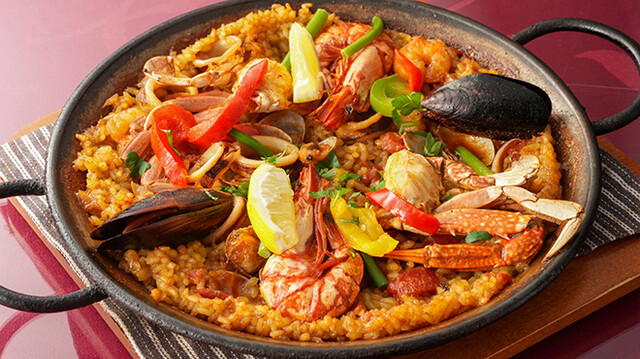
Hotels in Maebashi
All hotels in Maebashi →
Wineries in Maebashi
Browse all →
Details
- Classic
- Cozy
- Quiet
- Intimate
- Family
- Group Dining
- Casual Hangout
- Solo
- Special Occasion
- Standalone
- Sake Program
- Sustainable Seafood
- A La Carte
- Set Menu
- Sake
- Beer
- Soft Drinks
- Pescatarian Friendly
Current opening hours
- Monday
- 11 AM–2 PM, 5–7 PM
- Tuesday
- 11 AM–2 PM, 5–7 PM
- Wednesday
- Closed
- Thursday
- Closed
- Friday
- 11 AM–2 PM, 5–7 PM
- Saturday
- 11 AM–2 PM, 5–7 PM
- Sunday
- 11 AM–2 PM, 5–7 PM
Hours can change for holidays and private events. Last verified .
Traditional tatami-room setting in a converted house with only a handful of tables, creating a calm, intimate atmosphere focused on carefully prepared eel and fish dishes rather than décor or theatrics.