
Tabelog 100 #91
Our verdict
Maebashi’s serious dining culture is not only about formal kaiseki rooms; it also runs through compact Japanese counters where fish, sake and small-format cooking carry the argument. nagi belongs to that category, with Tabelog Japanese cuisine EAST 100 selections in 2021, 2023 and 2025, a 24-seat scale and a dinner budget around JPY 5,000 to JPY 5,999.

Pearl is the En Primeur Club membership app, where members save venues, book tables and use the concierge.
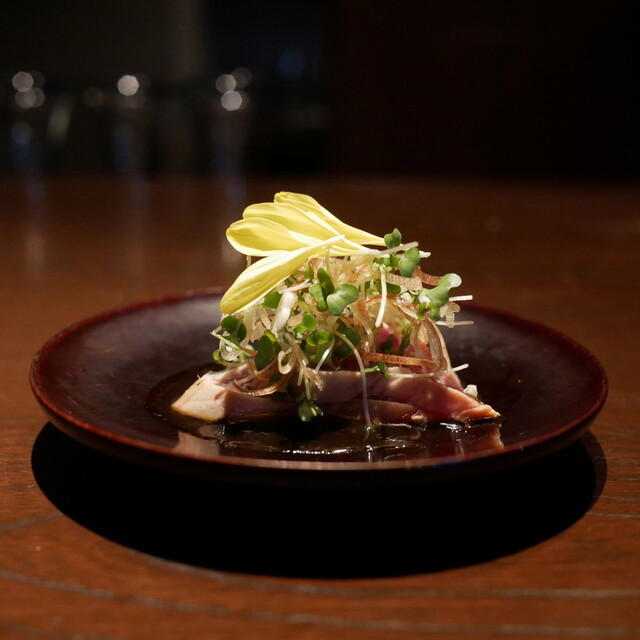
Maebashi moves more quietly than Japan’s major dining capitals: compact rooms, local confidence, and restaurants built less on spectacle than repeat custom. In that setting, nagi fits a specific Japanese dining grammar: Japanese cuisine with izakaya and creative elements, positioned for dinner without making the evening feel ceremonial. The point is not rural nostalgia, but how a mid-priced Japanese restaurant outside Tokyo can make local dining confidence feel closely tied to the city around it.
Maebashi context matters. The city lacks the density of larger dining centers, so recognition signals differently: restaurants must earn attention without the traffic of a national dining district. Tabelog selected nagi for Japanese cuisine EAST 100 in 2025, placing it among recognized eastern Japan Japanese-cuisine addresses, not just in a local conversation. For travellers, that matters because Maebashi rewards targeted planning; its better rooms are spread across categories, from cépages and 白井屋ザ・レストラン to el viento, Indian Shokudo Charakara and Kokuya.
Japanese cooking in an izakaya frame
Japanese cuisine outside the luxury circuit often works through overlap rather than purity. A restaurant can be listed as Japanese cuisine, izakaya and creative without contradiction; that usually means seasonal plates, drink-led pacing and more flexible formality than kaiseki. Here, the key public signal is category rather than a single signature dish: nagi is presented as Japanese cuisine with izakaya and creative dimensions, giving diners a clear sense of format without reducing the meal to one narrow label.
That matters in Maebashi, where a restaurant cannot rely on the shorthand of a national dining district. It must communicate intent through consistency, atmosphere and meal structure. Many serious izakaya-style rooms in Japan build loyalty this way, making dinner a repeatable proposition rather than only a special-occasion tasting menu. nagi sits in that register, with a listed dinner budget of JPY 5,000 to JPY 5,999. The range is useful for travellers because it places the restaurant in a planned-dinner category while keeping the spend below luxury-counter territory.
The listed categories define the meal. Japanese cuisine, izakaya and creative cooking are not separate promises so much as overlapping cues: a Japanese table, a relaxed drinking-room sensibility and enough flexibility to keep the format from feeling rigid. No unsupported signature dish or named pairing format is needed; the restaurant’s public profile already gives diners a practical sense of how to approach the evening.
A compact Maebashi room with national-list credibility
Scale shapes the experience as much as recognition, but the most reliable public signal here is not a precise seat count or room plan. It is the way nagi is positioned: a Maebashi Japanese restaurant with izakaya and creative elements, operating at a dinner price that invites a considered evening rather than a luxury splurge. That frame encourages attentive ordering and gives travellers a clear alternative to both casual grazing and formal destination dining.
The Tabelog Japanese cuisine EAST 100 selection in 2025 is the strongest external trust signal. It puts nagi in a broader eastern Japan conversation, while the price point keeps it grounded. This is not presented as high-counter omakase or ryotei-style luxury. It belongs to the more useful traveller category: a serious local Japanese dinner that can anchor an evening without a luxury budget. Against Maebashi peers, it offers a Japanese-cuisine and izakaya frame distinct from Indian Shokudo Charakara, Kokuya, cépages, el viento and 白井屋ザ・レストラン.
Its current profile is built on recognition rather than an invented origin story. The 2025 Japanese cuisine EAST 100 listing gives nagi a measurable place in the regional dining landscape, while its Tabelog score of 3.65 adds another public reference point. In regional Japanese cities, that kind of platform visibility can matter as much as opening-year mythology. The restaurant’s appeal should be judged through its category, price and Maebashi context rather than unsupported biographical detail.
How to place it within a Maebashi itinerary
For travellers using Maebashi as more than a transit point, nagi works after a day built around the city, not as a destination detached from it. The location should be understood simply as Maebashi, so it fits best for diners already planning an evening in the city. Advance planning remains sensible for a recognized restaurant, especially if dinner timing is important. The practical anchor is clear: a Japanese-cuisine, izakaya and creative venue with a published dinner budget of JPY 5,000 to JPY 5,999.
The practical decision is category, not hype. Choose nagi for a Japanese dinner with izakaya energy and a creative edge. Consider cépages, el viento, 白井屋ザ・レストラン, Indian Shokudo Charakara or Kokuya when another Maebashi dining format better fits the evening. For broader planning, use Our full Maebashi restaurants guide alongside Our full Maebashi hotels guide, Our full Maebashi bars guide, Our full Maebashi wineries guide and Our full Maebashi experiences guide.
Readers mapping Japanese dining beyond Gunma can compare how format changes by city without needing to force a direct rivalry. Some cities foreground specialist counters, others casual drinking rooms, hotel restaurants or contemporary dining; Maebashi’s argument is more modest and more specific. Against that broader field, nagi’s case is clear enough: Japanese cuisine, izakaya structure, creative flexibility, a Tabelog Japanese cuisine EAST 100 selection in 2025 and a dinner budget that makes it a practical anchor for a focused Maebashi evening.
Frequently asked questions
How much does it cost to eat at nagi?
Pricing at nagi is listed as JPY 5,000 - JPY 5,999.
Where is nagi located?
Maebashi.
How far ahead should I plan for nagi?
Reservations may be worth planning early because nagi has Tabelog Japanese cuisine EAST 100 recognition for 2025 and a listed dinner budget of JPY 5,000 - JPY 5,999. Check the venue's official channels for current booking details.
What's the defining dish or idea at nagi?
The clearest cue in the public record is its category mix: Japanese cuisine, izakaya, and creative cooking. Think of it as a Maebashi dinner room with Tabelog Japanese cuisine EAST 100 recognition in 2025. Check the venue's official channels for the latest details.
In Context: Similar Options
Nearby venues at a similar price tier for orientation.
| Venue | Cuisine | Price | Awards | Notes |
|---|---|---|---|---|
| nagiThis venue (the venue you are viewing) | Creative Japanese Izakaya | $50–100 | Tabelog 100 #91 | Not listed |
| Kokuya | Traditional Unagi & Fugu Restaurant | $30–50 | Tabelog 100 #48 | Central Maebashi |
| 白井屋ザ・レストラン | Innovative Joushu Cuisine (Gunma Regional Fine Dining) | $150–200 | Tabelog 100 #18 | Honcho, Maebashi |
| Indian Shokudo Charakara | South Indian canteen-style curry house | $10–20 | Tabelog 100 #24 | Soja |
| el viento | Spanish Tapas & Paella | $30–50 | Tabelog 100 #97 | Central Maebashi |
| cépages | Contemporary French with Gunma Influences | $200–300 | Tabelog Bronze #45 | Chiyoda-cho |
Recognition history
Dated appearances from independent guides and award organizations, with the underlying list record or original source where available.
Tabelog 100 #91 · No. 91
Tabelog · Tabelog 100 - Japanese cuisine - EAST - 2025
Continue exploring
More in Maebashi
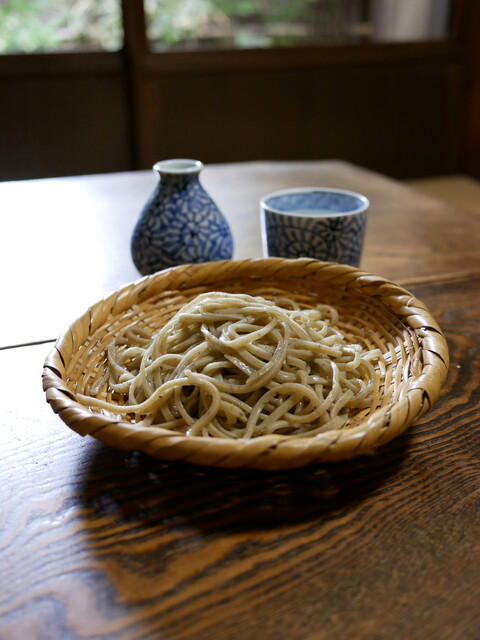
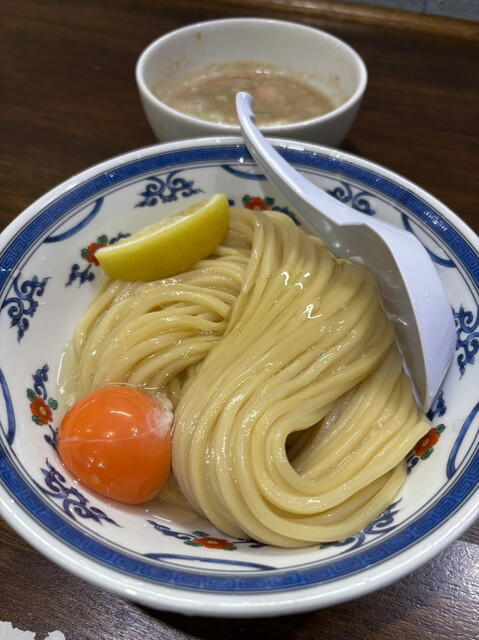
Restaurants in Maebashi
All restaurants in Maebashi →
Hotels in Maebashi
All hotels in Maebashi →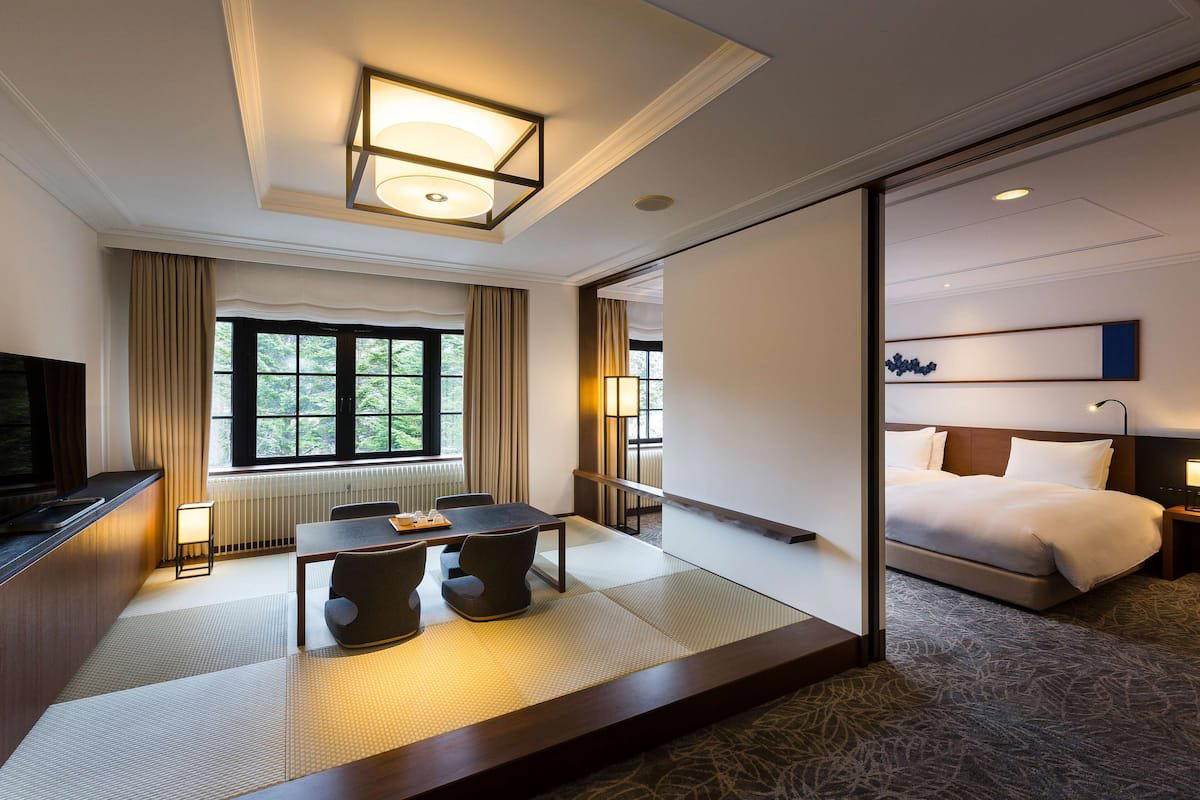
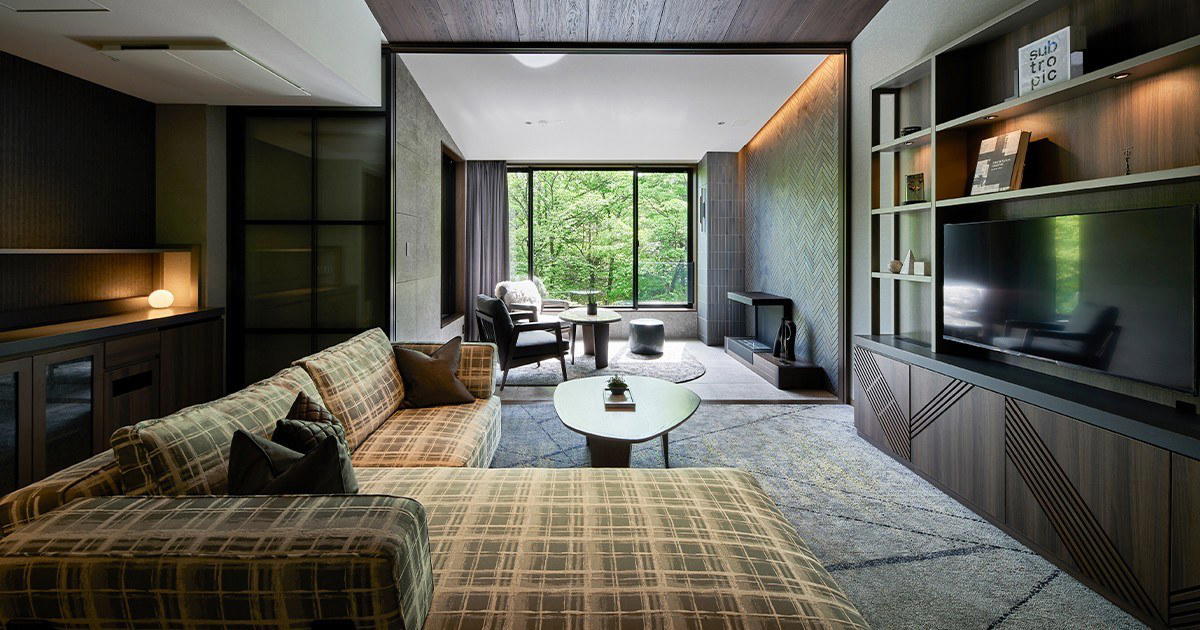
Wineries in Maebashi
Browse all →
Details
- Cozy
- Romantic
- Elegant
- Modern
- Date Night
- Casual Hangout
- After Work
- Group Dining
- Solo
- Special Occasion
- Standalone
- Private Dining
- Sake Program
- Beer Program
- Street Scene
- A La Carte
- Small Plates
- Counter Dining
- Sake
- Shochu
- Wine
Current opening hours
- Monday
- Closed
- Tuesday
- 5 PM–12 AM
- Wednesday
- 5 PM–12 AM
- Thursday
- 5 PM–12 AM
- Friday
- 5 PM–12 AM
- Saturday
- 5 PM–12 AM
- Sunday
- 5 PM–12 AM
Hours can change for holidays and private events. Hours as of .
An intimate, stylish and relaxing hideout-like space with counter seating and small private rooms, softly lit and well suited to dates or quiet drinks with friends rather than a loud izakaya scene.