Knepp Wilding Kitchen

Michelin Plate
Our verdict
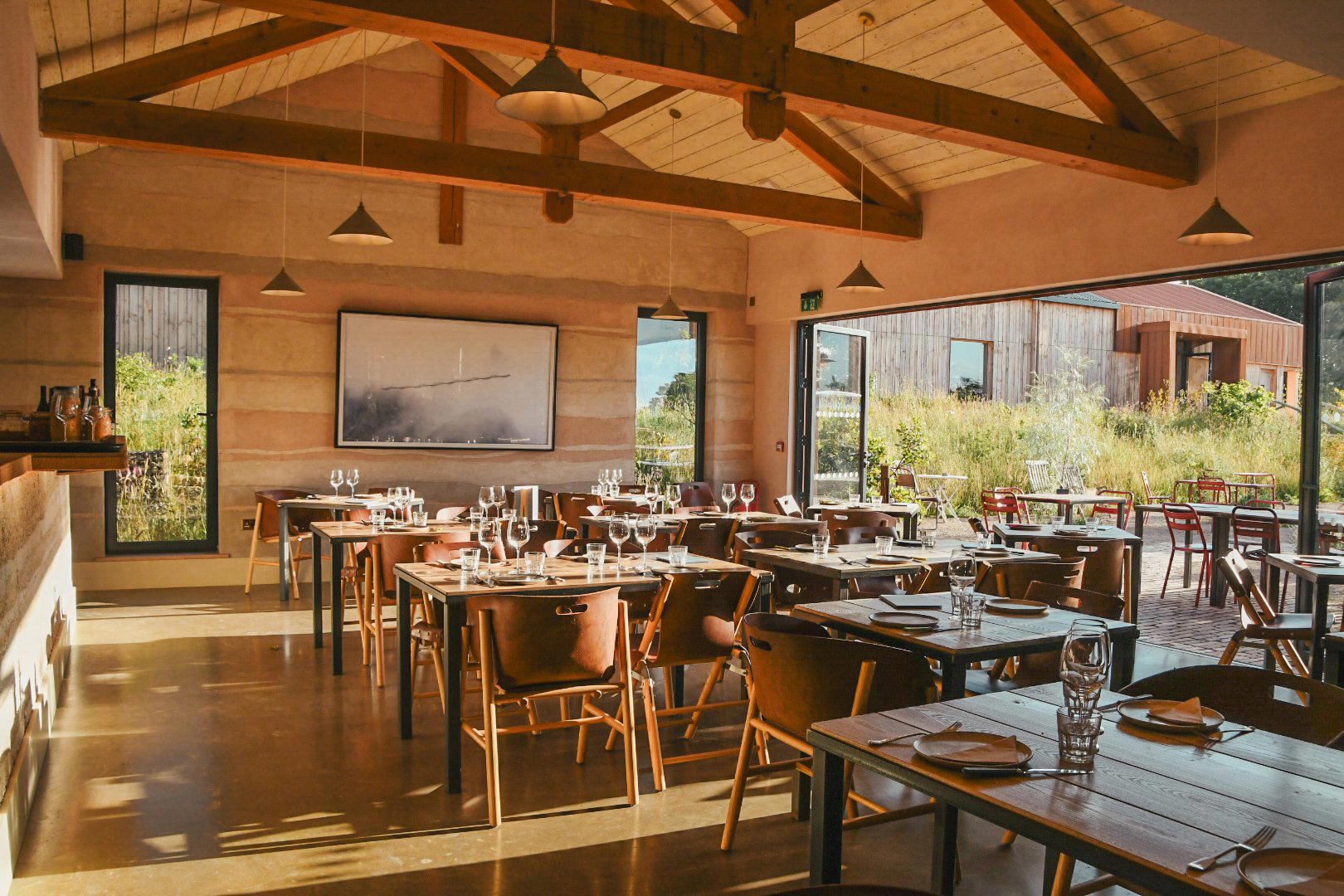
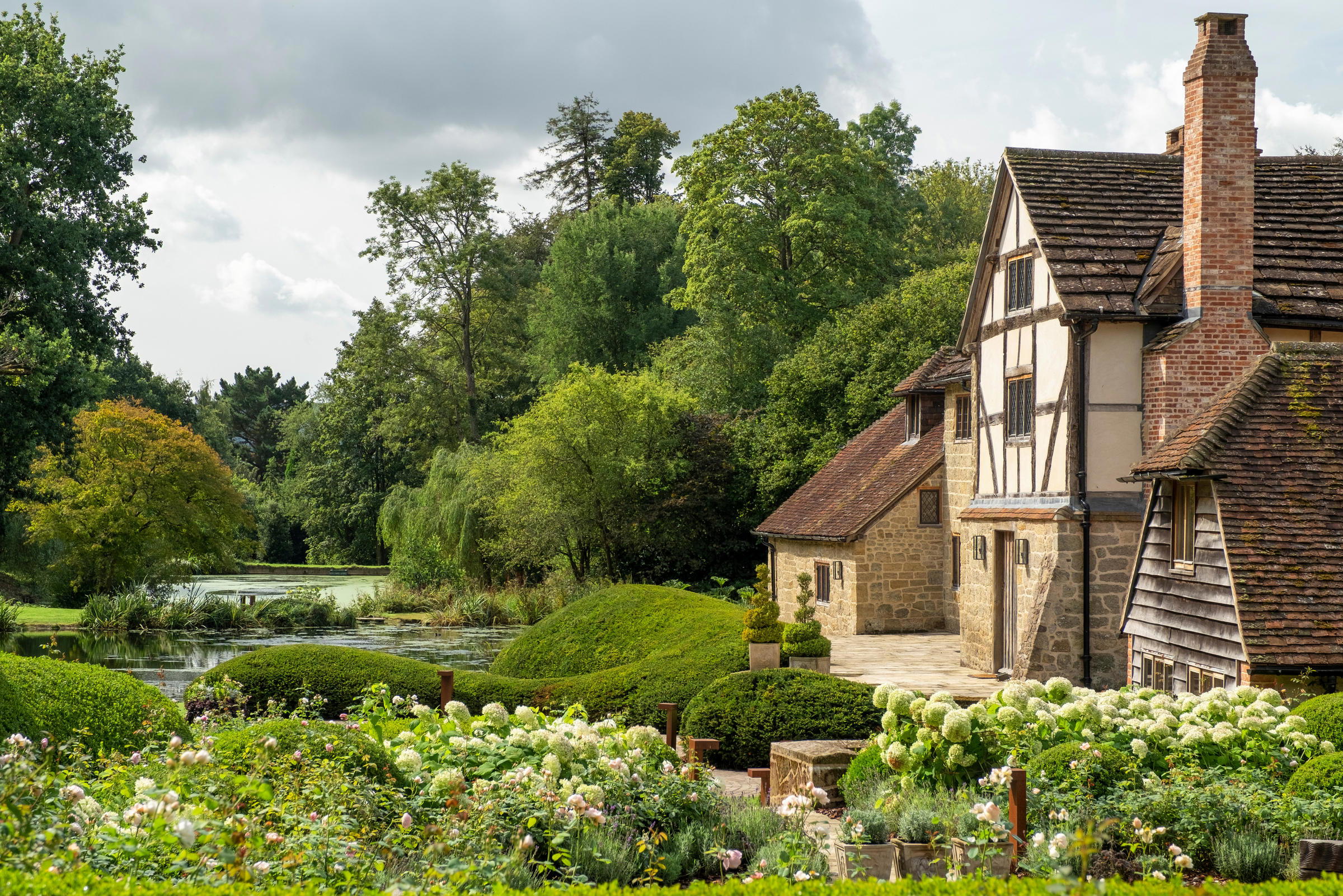
Set inside an 18th-century barn on the celebrated Knepp Estate in West Sussex, Knepp Wilding Kitchen takes its cues directly from the land around it. The menu is overtly seasonal, drawing heavily on estate-grown and foraged ingredients, with the wild garlic butter flatbreads a reliable early highlight. Lunch is the primary service, with occasional summer BBQ evenings rounding out the calendar.

Pearl is the En Primeur Club membership app — saves, bookings, and concierge access live there. Same editors, same standards.
- Address
- Worthing Rd, Dial Post, Horsham RH13 8NQ, United Kingdom
- Hours
- Mon–Fri 9 AM–5 PMSat 9 AM–5 PM, 6–9:30 PMSun 9 AM–5 PM
- Website
- knepp.co.uk
- Directions
- Get directions
- Booking
- Book on SevenRooms
The menu
What to order
- Fire-Roasted Strawberry Baked Alaska
- Knepp beef rib eye
- Market Garden beetroot with cashew dressing
Where the Food Follows the Land
Approaching Knepp Estate along the Worthing Road outside Dial Post, the shift is perceptible before you arrive at the barn. The hedgerows grow wilder, the fields rougher, the margins wider than the managed farmland that dominates much of West Sussex. This is rewilding territory, some 3,500 acres of it, and the barn restaurant at its centre does not exist separately from that project. It is an expression of it.
The 18th-century barn that houses Knepp Wilding Kitchen is a working part of a larger estate that has become one of the most discussed rewilding experiments in Britain. That ecological context is not background atmosphere; it drives the kitchen's sourcing logic and, by extension, what ends up on the plate. In an era when farm-to-table has become a marketing phrase applied to almost anything, Knepp is one of the few places in southern England where the relationship between landscape and menu is literal rather than rhetorical.
The Cooking and Its Context
British seasonal cooking has its own long tradition, but the version practised here occupies a more specific niche than most country restaurants. The kitchen works with ingredients from the estate itself, which means the menu moves with what the land actually produces rather than what a seasonal calendar suggests it should. This is a materially different constraint from the broad seasonality claimed by most farm-adjacent restaurants, and it shapes the character of the food accordingly.
The flatbreads served with wild garlic butter have become the reliable opening move, and they illustrate the kitchen's general approach: a simple format given weight by the quality of a single estate-sourced ingredient. Wild garlic is a spring crop that the Knepp land produces abundantly, and the butter that carries its flavour here is sharp and direct rather than decorative. It is the kind of dish that works because the ingredient is doing the work.
The broader menu maintains this logic across courses. The cooking is overtly seasonal, which at Knepp means tightly seasonal, and the range of dishes reflects what the estate and its surrounding suppliers can provide at any given point in the year rather than a static kitchen identity. For visitors accustomed to seeing similar dishes on similar menus across the Sussex and Surrey countryside, this specificity reads differently.
For context on how estate-driven cooking sits within the wider British restaurant scene, the approach at Knepp occupies a different register from the destination fine dining of properties like Le Manoir aux Quat' Saisons in Great Milton or the technique-led precision of L'Enclume in Cartmel. Where those restaurants frame the landscape as inspiration filtered through culinary craft, Knepp inverts the hierarchy: the land is the primary author, and the kitchen's role is to interpret with as little interference as possible. It sits closer in spirit to the forager-led model than the country house dining tradition, even though the physical setting is rural and historic.
Regionally, Horsham has a developing food culture anchored by a small number of serious operators. Ben Wilkinson at The Pass represents the more technically ambitious end of that scene. Knepp Wilding Kitchen operates at a different register, with accessibility and estate context rather than fine-dining precision as the primary proposition. The two restaurants together suggest a local scene with more range than the town's size might imply.
Planning Your Visit
The practical shape of a visit to Knepp Wilding Kitchen is worth understanding before you book. The restaurant operates primarily for lunch, which means the experience is structured around a midday meal rather than an evening out. In summer, BBQ evenings extend the calendar, but these are seasonal additions rather than a permanent offering. For visitors travelling from London or further afield, the lunch-only format makes sense to build around a half-day or full-day visit to the estate, which has walking routes, a farm shop selling estate produce, and grounds that reward time spent at a slower pace.
The estate is located on the Worthing Road at Dial Post, south of Horsham, and is most practically reached by car. The surrounding area offers walking routes across the rewilded land, which means the restaurant works as one component of a longer day rather than a standalone destination visit. A morning walk followed by lunch in the barn is the format that makes most sense geographically and logistically.
Booking ahead is advisable, particularly for weekend lunches and the summer BBQ evenings, when demand from visitors to the estate and from local residents converges on a limited dining room inside a fixed historic space. Arriving without a reservation on a busy spring or summer day carries meaningful risk of a turn-away.
For those spending more time in the area, the broader Horsham food and drink scene is worth exploring. Our full Horsham restaurants guide, Horsham bars guide, Horsham hotels guide, Horsham wineries guide, and Horsham experiences guide cover the wider picture.
Where Knepp Sits in the Broader Scene
Estate-driven and rewilding-adjacent restaurants occupy a small but growing niche in British dining. The broader category of countryside restaurants with serious seasonal credentials includes places like Gidleigh Park in Chagford and Moor Hall in Aughton, both of which combine rural settings with high-specification cooking. Knepp differs from both in that its identity is ecological before it is culinary. The rewilding mission of the estate is the primary frame, and the restaurant serves that mission rather than the reverse.
This positions Knepp Wilding Kitchen at a specific intersection: accessible enough for a casual lunch visit, serious enough about provenance to reward attention, and rooted in a place so particular that the food cannot be replicated elsewhere without the land behind it. That specificity is the most honest case for making the trip.
Other reference points in the British seasonal cooking conversation include CORE by Clare Smyth, Midsummer House in Cambridge, hide and fox in Saltwood, and Hand and Flowers in Marlow, each representing a different point on the spectrum between technique and terroir. For a transatlantic perspective on what rigorous sourcing can mean in a restaurant context, Le Bernardin in New York City and Atomix in New York City demonstrate the same principle applied at a higher level of formal ambition. And for further examples of the countryside fine dining tradition in Britain, The Fat Duck in Bray and Opheem in Birmingham illustrate how differently that tradition can be interpreted when the kitchen, rather than the land, sets the terms.
Frequently asked questions
What's the address for Knepp Wilding Kitchen?
Knepp Wilding Kitchen is located at Worthing Rd, Dial Post, Horsham RH13 8NQ, United Kingdom, Horsham.
Does Knepp Wilding Kitchen have a Michelin star or similar recognition?
Knepp Wilding Kitchen has received recognition including: The Knepp Estate is such a special place; from a dog walk around the gorgeous natural grounds to browsing produce in the farm shop, you could easily spend most of your day here. At the heart of it all is an ethos of rewilding, something whi….
What's the signature dish at Knepp Wilding Kitchen?
The flatbreads served with wild garlic butter are the most consistently recommended starting point. Both draw directly on the Estate's rewilding ethos: the wild garlic is foraged from Knepp's grounds, and the flatbreads are the kind of simple, ingredient-led cooking that defines the kitchen's approach.
How hard is it to get a table at Knepp Wilding Kitchen?
The kitchen operates primarily at lunchtime, which limits covers compared with a full-service restaurant. Summer BBQ evenings add some capacity, but the lunch-only model means weekend tables at Knepp Wilding Kitchen, Worthing Rd, Dial Post, Horsham, move quickly — booking ahead is advisable.
What makes Knepp Wilding Kitchen worth seeking out?
Few UK restaurants operate inside an active rewilding estate of Knepp's scale, where the land management philosophy directly shapes what ends up on the plate. The 18th-century barn setting, estate-sourced ingredients, and overtly seasonal menus put this in a narrower category than the average countryside lunch spot — closer to a working farm restaurant than a rural gastropub.
A Pricing-First Comparison
Comparable venues nearby, for context on price, style, and recognition.
| Venue | Cuisine | Price | Awards | Notes |
|---|---|---|---|---|
| Knepp Wilding KitchenThis venue — the venue you are viewing | British Wilding Farm-to-Table | $50–100 | Michelin Plate | Not listed |
| The Pass | Not listed | Not listed | Not listed | Lower Beeding, Modern British Fine Dining |
| Ben Wilkinson at The Pass | Modern British Fine Dining | $150–200 | 1 Michelin Star · AA Rosettes 4 Rosettes | Lower Beeding, Modern British Fine Dining |
| Lury | Modern British-Sri Lankan Tasting Menu | $50–100 | Michelin Plate | Hastings Town Centre, Modern British-Sri Lankan Tasting Menu |
| Holborn Dining Room | Modern British Brasserie | $50–100 | World's Best Wine Lists Awards WBWL 2-Star | Lincoln's Inn, Modern British Brasserie |
| Don't Tell Dad | Modern British | $50–100 | Michelin Plate · The Good Food Guide Britain's Best Bakeries | Kilburn, Modern British |
Recognition history
Dated appearances from independent guides and award organizations, with the underlying list record or original source where available.
Michelin Plate
Michelin
Continue exploring
More in Horsham
Restaurants in Horsham
Browse all →
Bars in Horsham
Browse all →
Hotels in Horsham
Browse all →

Details
- Rustic
- Cozy
- Scenic
- Casual Hangout
- Family
- Brunch
- Open Kitchen
- Courtyard
- Garden
- Farm To Table
- Local Sourcing
- Organic
- Garden
- Small Plates
- A La Carte
- Vegetarian Friendly
- Vegan Options
Current opening hours
- Monday
- 9 AM–5 PM
- Tuesday
- 9 AM–5 PM
- Wednesday
- 9 AM–5 PM
- Thursday
- 9 AM–5 PM
- Friday
- 9 AM–5 PM
- Saturday
- 9 AM–5 PM, 6–9:30 PM
- Sunday
- 9 AM–5 PM
Hours can change for holidays and private events. Last verified .
Relaxed and charming rural atmosphere with beautiful interior details like hide chairs, open kitchen, and courtyard seating.