Kismayo Kitchen
Kismayo Kitchen brings Somali and East African cooking to Burlington's Riverside Ave corridor, filling a gap in Vermont's otherwise European-leaning restaurant scene. The kitchen draws on the spice traditions of the Horn of Africa, from aromatic rice dishes to slow-cooked meats, in a setting that shifts noticeably between a relaxed midday pace and a more communal evening atmosphere.
Pearl is the En Primeur Club membership app — saves, bookings, and concierge access live there. Same editors, same standards.
- Address
- 505 Riverside Ave., Burlington, VT 05401
- Phone
- +18024483032
- Website
- sites.google.com
- Directions
- Get directions
 Saves & bookings on Pearl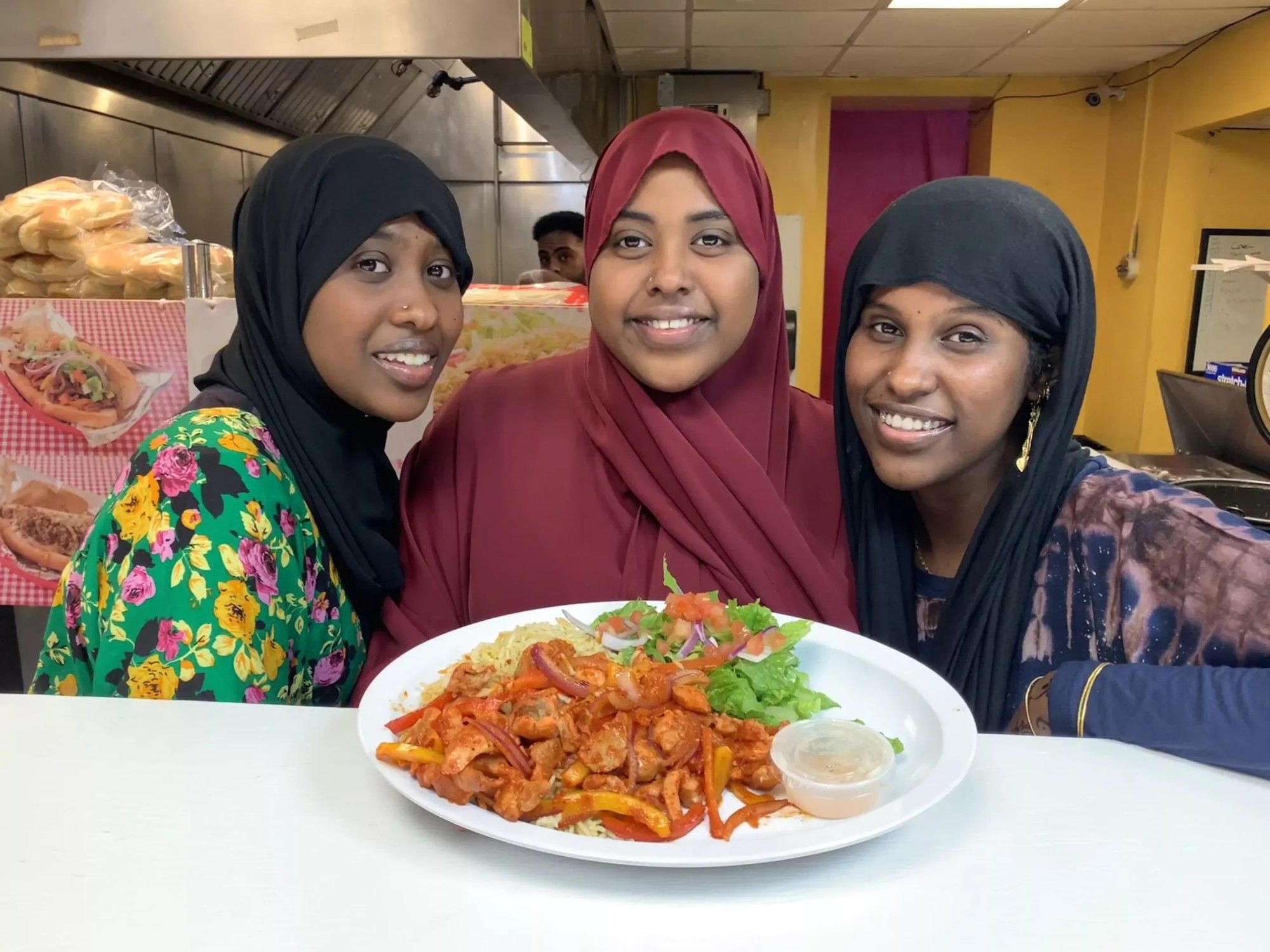
East African Cooking in a New England City
Burlington's restaurant scene has long been shaped by European imports: scratch pasta at places like Bardō Brant, wood-fired American at American Flatbread, steakhouse formality at black & blue Steak and Crab. What the city has historically lacked is a serious foothold in East African cooking, where aromatic spice layering, slow-braised protein, and communal eating formats operate by a different logic entirely. Kismayo Kitchen, at 505 Riverside Ave. Burlington, VT 05401, is a casual Somali restaurant. It addresses that absence directly. It represents the culinary tradition of Mogadishu and the broader Somali diaspora: a cuisine built around long cooking times, cumin-forward spice profiles, and rice dishes that carry more complexity than their modest presentation suggests.
For visitors more accustomed to tasting menus at places like The French Laundry in Napa or the precision-led formats at Atomix in New York City, Kismayo Kitchen operates in a fundamentally different register. The value here is not in theatrical technique or chef-driven narrative. It sits in the authenticity of a regional tradition that rarely travels intact outside its community of origin, presented in a mid-sized New England college city where that tradition has almost no competition.
How Daytime and Evening Service Differ
The lunch and dinner divide at Kismayo Kitchen is worth understanding before you visit, because the two services function as different experiences. Midday service at Somali restaurants of this type tends toward the utilitarian: faster turnover, counter-style or cafeteria-adjacent energy, and a menu weighted toward rice plates and stews that hold well across a service window. The atmosphere is more transactional, suited to the lunch crowd from the surrounding Riverside Ave corridor rather than to lingering. That is not a criticism. It is the format's natural shape, and it delivers the food in its most direct, unadorned state.
Evening service shifts the register. The pace slows. The communal dimension of East African eating, where large shared plates are the norm rather than the exception, becomes more visible. Dinner at the restaurant is where the eating format itself becomes part of the experience: platters of rice, meat, and vegetables placed at the center of the table, eaten without the choreography of courses that shapes fine dining. For readers who have spent time with the more structured service models at Lazy Bear in San Francisco or Alinea in Chicago, this format reads as a useful counterpoint rather than a lesser experience. The communal plate is its own discipline.
On the question of value, Somali restaurants in this category typically operate at price points well below the Burlington dining median, which skews toward mid-range American and Italian. That positions the restaurant as one of the more accessible options in the city, even setting aside the cuisine type.
The Cuisine Tradition Behind the Menu
Somali cuisine sits at a crossroads of influences: Arab trade routes brought rice and spice traditions; Italian colonial history introduced pasta, which now appears alongside traditional dishes in the Somali canon; the nomadic pastoral economy shaped a heavy reliance on goat and camel meat. The result is a cuisine that looks simple at the table but carries real historical density. Xalwo, the dense sesame-and-cardamom confection served at celebrations, and bariis iskukaris, the spiced rice dish that functions as the backbone of most Somali meals, both require long preparation and specific spice sequencing that most non-specialist kitchens in the United States do not attempt.
Burlington sits at an interesting inflection point for this kind of cooking. Vermont's Somali refugee community, concentrated primarily in Burlington, represents one of the larger per-capita East African populations in New England. That demographic reality gives the restaurant a natural constituency that keeps the cooking calibrated to community standards rather than to a diluted version of the cuisine adapted for outside audiences. This is the mechanism by which diaspora restaurants maintain quality: they answer first to the community that knows the food, not to the tourist market. The comparison is useful: A Single Pebble in Burlington operates on a similar principle within Cantonese cooking, and Barra Fion demonstrates how a specific regional tradition can find a committed local following in a small city.
Planning Your Visit
Riverside Ave. runs along Burlington's western edge, accessible by car and reasonably served by local bus routes from the Church Street core. The address, 505 Riverside Ave. places it outside the main downtown dining cluster, which means it draws a neighborhood-first crowd rather than tourists browsing the pedestrian mall. That geographic remove is worth factoring into a visit: it is not a drop-in stop between other downtown restaurants but a deliberate destination. Arriving at lunch means a faster, more casual meal; arriving at dinner, particularly with a group, allows the communal format to function as intended. The restaurant is walk-in friendly and is open Wednesday and Thursday from 12 to 7 PM, Friday from 2 to 8 PM, Saturday from 12 to 8 PM, and Sunday from 12 to 7 PM.
For visitors building a broader Burlington itinerary, the contrast between the restaurant's East African format and the European-inflected options elsewhere in the city is itself an argument for inclusion. The Riverside Ave. corridor does not overlap with the wine-bar and farm-to-table circuits that dominate Burlington's food press coverage. It operates in a different register, one that the city's dining scene needs even if it does not always promote it. Restaurants like Emeril's in New Orleans or Blue Hill at Stone Barns in Tarrytown draw on specific regional food traditions with depth and rigor; the restaurant operates on the same principle, at a fraction of the price and without the infrastructure of a celebrated kitchen behind it. The two are not in the same competitive tier, but they share the underlying logic: food rooted in a specific place and tradition is more interesting than food assembled for general appeal.
Where It Fits
Comparable venues nearby, for context on price, style, and recognition.
| Venue | Cuisine | Price | Notes |
|---|---|---|---|
| Kismayo KitchenThis venue — the venue you are viewing | Somali | $ | Not listed |
| Gold Restaurant | Italian-inspired with handmade pastas | $$ | Old North End |
| American Flatbread | Wood-Fired Artisan Flatbread Pizza | $$ | Downtown |
| Sorella | Modern Tuscan Italian | $$$ | The District |
| Honey Road | Eastern Mediterranean Mezze | $$$ | Church Street Marketplace |
| Burlington Beer Company | Craft Beer Gastropub | $$ | South End |
Continue exploring
More in Burlington
Restaurants in Burlington
Browse all →


At a Glance
- Cozy
- Casual Hangout
Current opening hours
- Monday
- Closed
- Tuesday
- Closed
- Wednesday
- 12–7 PM
- Thursday
- 12–7 PM
- Friday
- 2–8 PM
- Saturday
- 12–8 PM
- Sunday
- 12–7 PM
Hours can change for holidays and private events. Last verified .
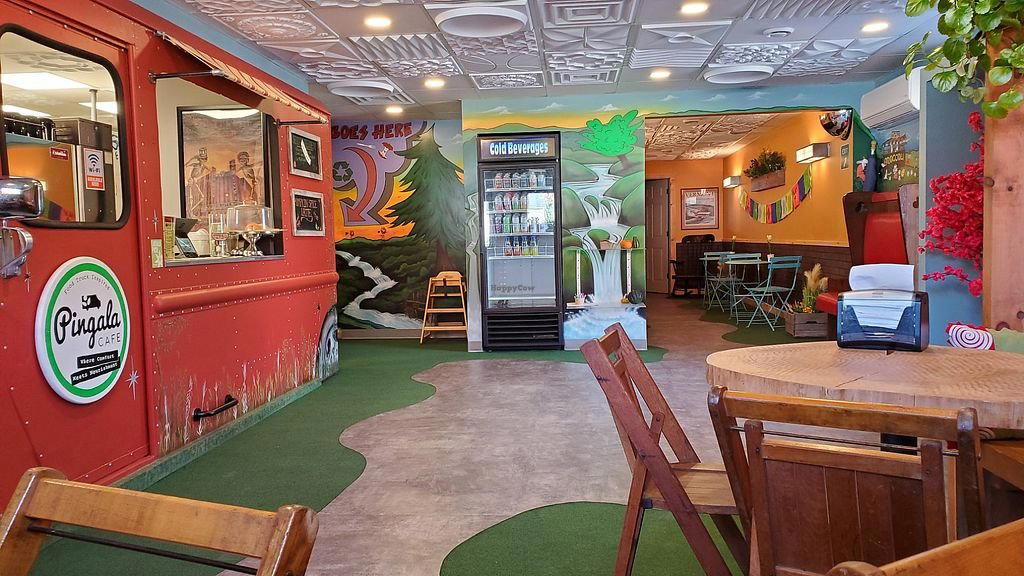
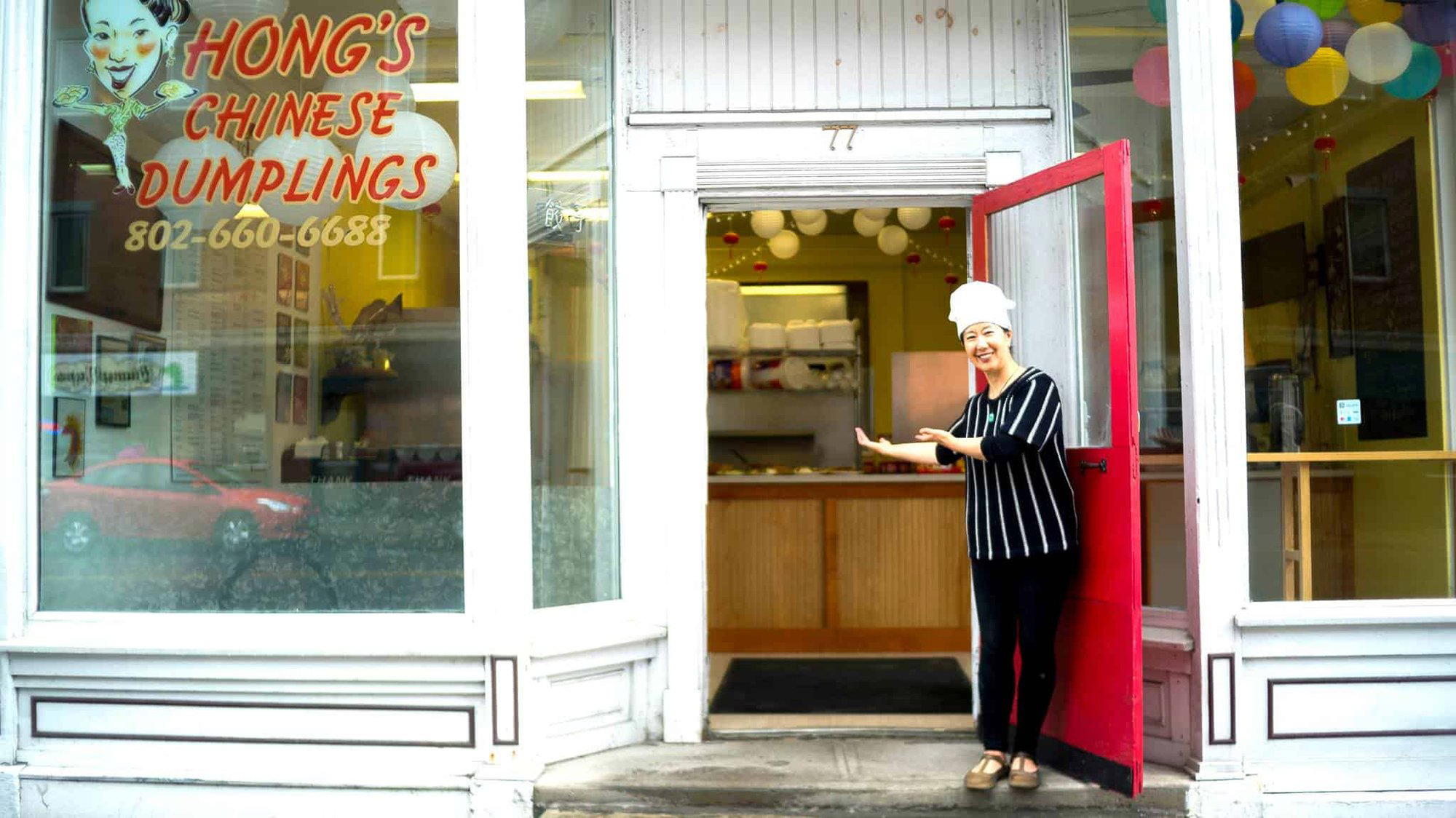
Small, bright space with red and yellow colors, clean and cozy with a friendly, hospitable atmosphere.