Kilauea Fish Market
Our verdict
Kilauea Fish Market fits the North Shore Kauai habit of eating close to the source: casual, direct, and built around fish rather than ceremony. The draw is the island lunch-and-dinner format, where beach-day practicality meets a market-counter sensibility in Kilauea’s small-town dining circuit.

Pearl is the En Primeur Club membership app, where members save venues, book tables and use the concierge.
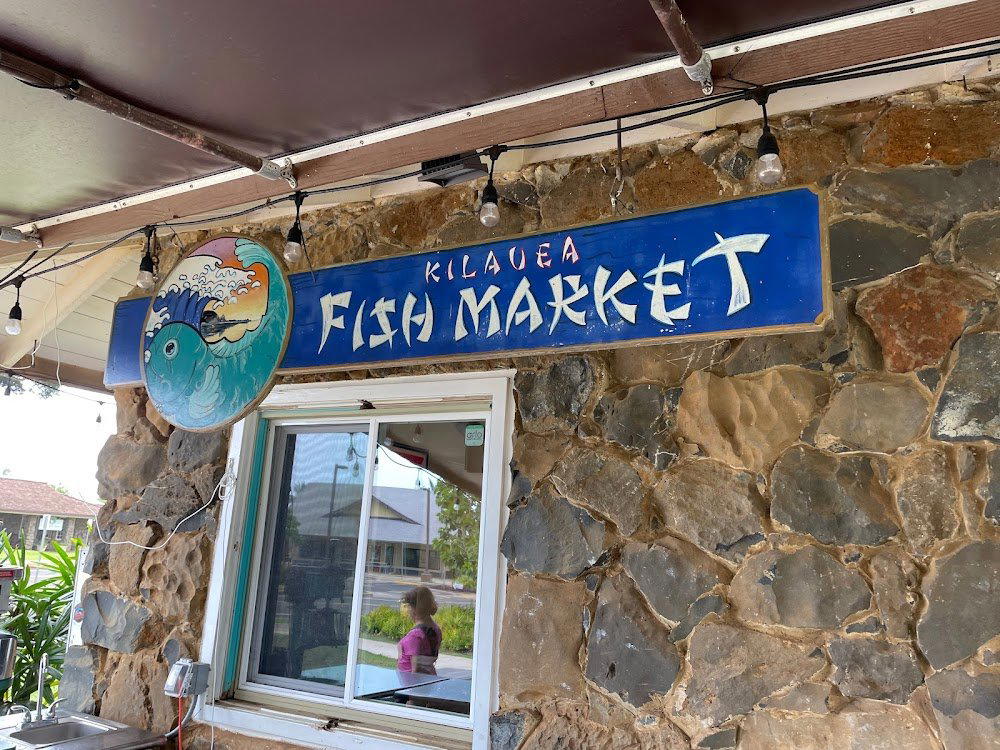
Approaching a fish market in Kilauea means entering a different rhythm from resort dining. The North Shore is not built around grand dining rooms or tasting-menu theatre; it runs on surf schedules, roadside produce, plate lunches, and the practical appetite that follows a morning in the water. Kilauea Fish Market belongs to that register: a casual local counter where the central question is not how elaborately seafood can be plated, but how directly it can move from island supply to a meal that makes sense after the beach, after a hike, or between errands in town.
That matters on Kauai because sourcing is not a decorative talking point here. Island restaurants deal with freight, seasonality, fishing conditions, and the reality that freshness is both a promise and a constraint. The more convincing casual seafood rooms on Kauai tend to keep the format plain: fish, rice, greens, sauces, and portions that suit the climate. Kilauea’s dining scene rewards that kind of clarity. It is smaller and less nightlife-driven than resort corridors, so a fish counter with daily utility can carry more weight than a polished room built for a single occasion.
North Shore seafood without resort choreography
The appeal of Kilauea Fish Market sits in the gap between grocery seafood case, plate-lunch counter, and casual restaurant. That hybrid form is common across Hawaii, but it lands differently on Kauai’s North Shore, where visitors and residents often want the same thing at lunch: something fast enough for the day’s plans, substantial enough to count as a meal, and tied to the island rather than imported dining fashion. The lack of formal awards or chef-driven mythology is part of the read. This is not a room asking to be judged against tasting counters; it belongs to the everyday seafood economy of the island.
For travelers mapping Kilauea, the useful comparison is not a single rival table but a broader category decision. A juice stop such as Kauai Juice Co serves a different part of the day, while a sit-down address such as The Bistro fits a more conventional restaurant slot. Kilauea Fish Market is the seafood-counter option in that mix, better understood as part of a daytime-to-early-evening circuit than as a long-dinner destination. For the wider local map, Our full Kilauea restaurants guide gives the broader dining context.
Why ingredient sourcing defines the meal
Seafood on an island menu carries an expectation that mainland restaurants often simulate: proximity. That does not mean every item is automatically local, nor should diners assume a romantic dock-to-counter narrative without specifics. The smarter reading is structural. In Hawaii, casual fish markets have long functioned as places where procurement, portioning, and cooking sit close together, and the menu usually makes sense when it respects that supply chain instead of burying it under trend language. At Kilauea Fish Market, the format points toward that tradition: the fish is the anchor, the counter is the mode, and the rest of the meal is there to support it.
This sourcing-first lens also explains why the experience can feel more relevant than a dressed-up seafood dinner. Kauai’s produce culture, fishing culture, and plate-lunch culture overlap in everyday places rather than only in formal dining rooms. Travelers who care about food provenance should pay attention to these formats because they reveal how an island actually eats when not staging itself for visitors. The lesson is less about rarity and more about fit: seafood that suits the town, the weather, and the way people move through the North Shore.
How to place it in a Kilauea day
Kilauea is compact, and its food stops work better when treated as part of a day’s route rather than a separate evening production. The fish market format suits families, beach groups, and travelers who want a meal without surrendering the afternoon to service pacing. Sunday closure shapes planning, so the safer play is to fold it into a weekday or Saturday itinerary. The town also rewards pairing food with the larger Kauai circuit: restaurants, bars, hotels, wineries, and experiences occupy separate planning tracks, and the right choice depends on whether the day is built around the coast, a slower meal, or a place to stay nearby.
For broader trip planning, use Our full Kilauea hotels guide, Our full Kilauea bars guide, Our full Kilauea wineries guide, and Our full Kilauea experiences guide alongside the restaurant map. Readers tracking casual, ingredient-led formats beyond Kauai may also find useful parallels in 'Ai Love Nalo in Waimanalo Beach, 'āina in San Francisco, 'Ama 'Ama in Kapolei, Onigiri Time in Pasadena, Jōdo Saké Bar in Los Angeles, ¿Por Qué No? in Portland, 'Dashery in Baltimore, 'inoteca in New York City, ‘O Munaciello in Miami, -Grilled beef Sukiyaki- KAMAKURA TANUKIAN 鎌倉 たぬき庵 in Kamakura, and ¡Salud! in Los Angeles.
Frequently asked questions
Can I bring kids to Kilauea Fish Market?
Yes. The counter-service setup at 4270 Kilauea Rd in Kilauea suits families, and the daily hours, Monday through Saturday from 11 AM to 8 PM, make it easy to fit into a daytime stop.
What's the vibe at Kilauea Fish Market?
It reads as a casual seafood counter in Kilauea, not a formal dining room. The weekday-and-Saturday schedule, with Sunday closed, supports a relaxed lunch-or-dinner stop rather than a long sit-down meal.
When is Kilauea Fish Market open?
Hours at Kilauea Fish Market: Mon: 11 AM–8 PM; Tue: 11 AM–8 PM; Wed: 11 AM–8 PM; Thu: 11 AM–8 PM; Fri: 11 AM–8 PM; Sat: 11 AM–8 PM; Sun: Closed.
How do I find Kilauea Fish Market?
Kilauea Fish Market is located at 4270 Kilauea Rd, Kilauea, HI 96754, Kilauea.
Price Lens
Comparable venues nearby, for context on price, style, and recognition.
| Venue | Cuisine | Price | Awards | Notes |
|---|---|---|---|---|
| Kilauea Fish MarketThis venue (the venue you are viewing) | Fresh Hawaiian Seafood Market | $20–30 | Not listed | Not listed |
| The Bistro | Euro-Pacific Rim Fusion | $30–50 | Relais Chateaux Award | Kilauea, North Shore, Euro-Pacific Rim Fusion |
| Kauai Juice Co | Healthy Juice Bar & Cafe | $10–20 | Not listed | Kilauea, Healthy Juice Bar & Cafe |
| Romy's Kahuku Prawns & Shrimp | Hawaiian Garlic Shrimp | $10–20 | Not listed | Kahuku, Hawaiian Garlic Shrimp |
| Lawai'a Fish Co | Fresh Local Poke & Seafood | $10–20 | Not listed | Lihue Industrial, Fresh Local Poke & Seafood |
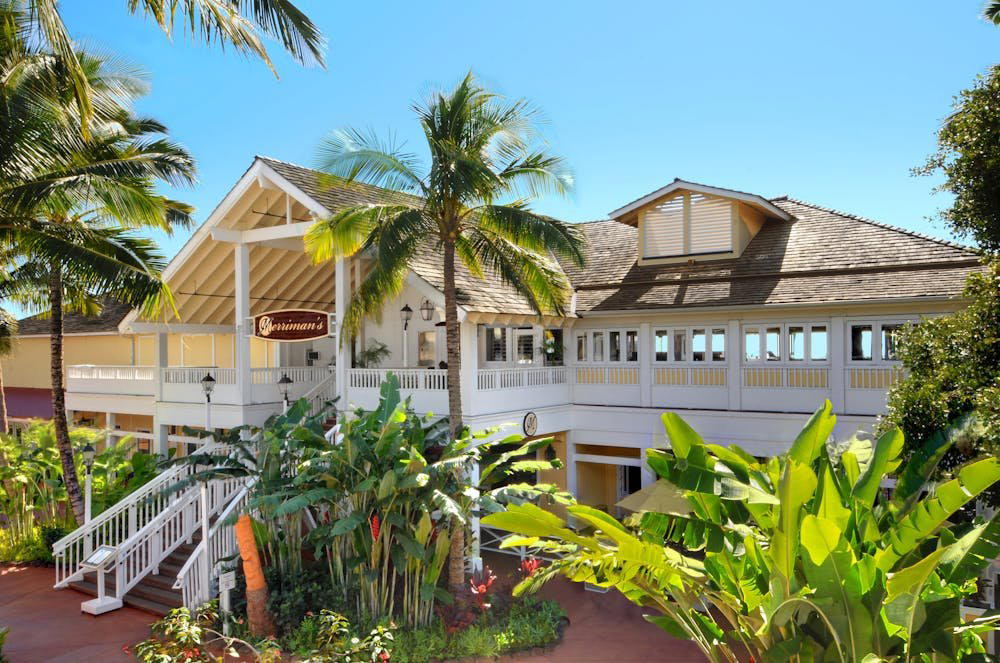
| Merriman's Kauai | Hawaii Regional Cuisine | $50–100 | Star Wine List · Wine Spectator Award of Excellence | Poipu, Hawaii Regional Cuisine |
Continue exploring
More in Kilauea
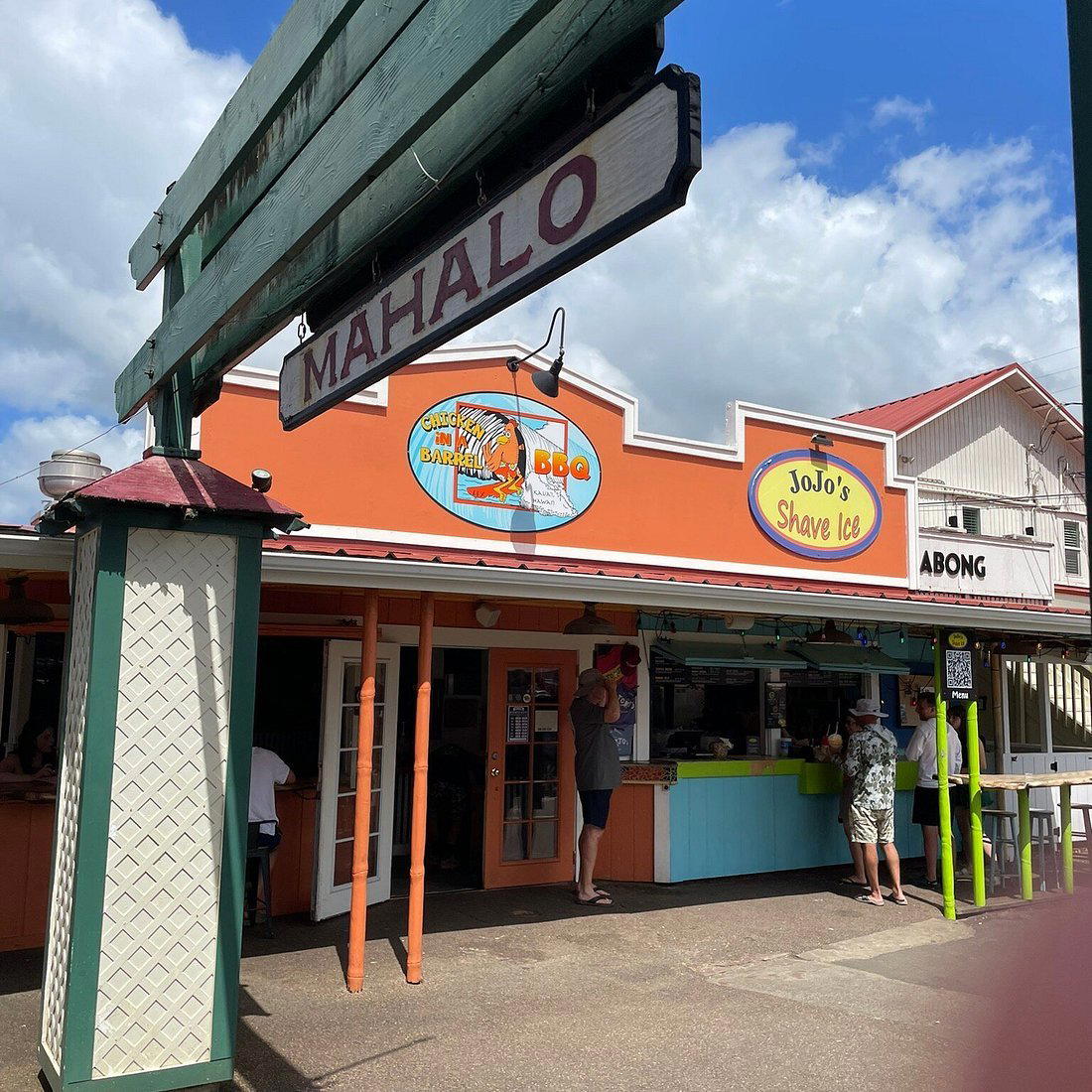
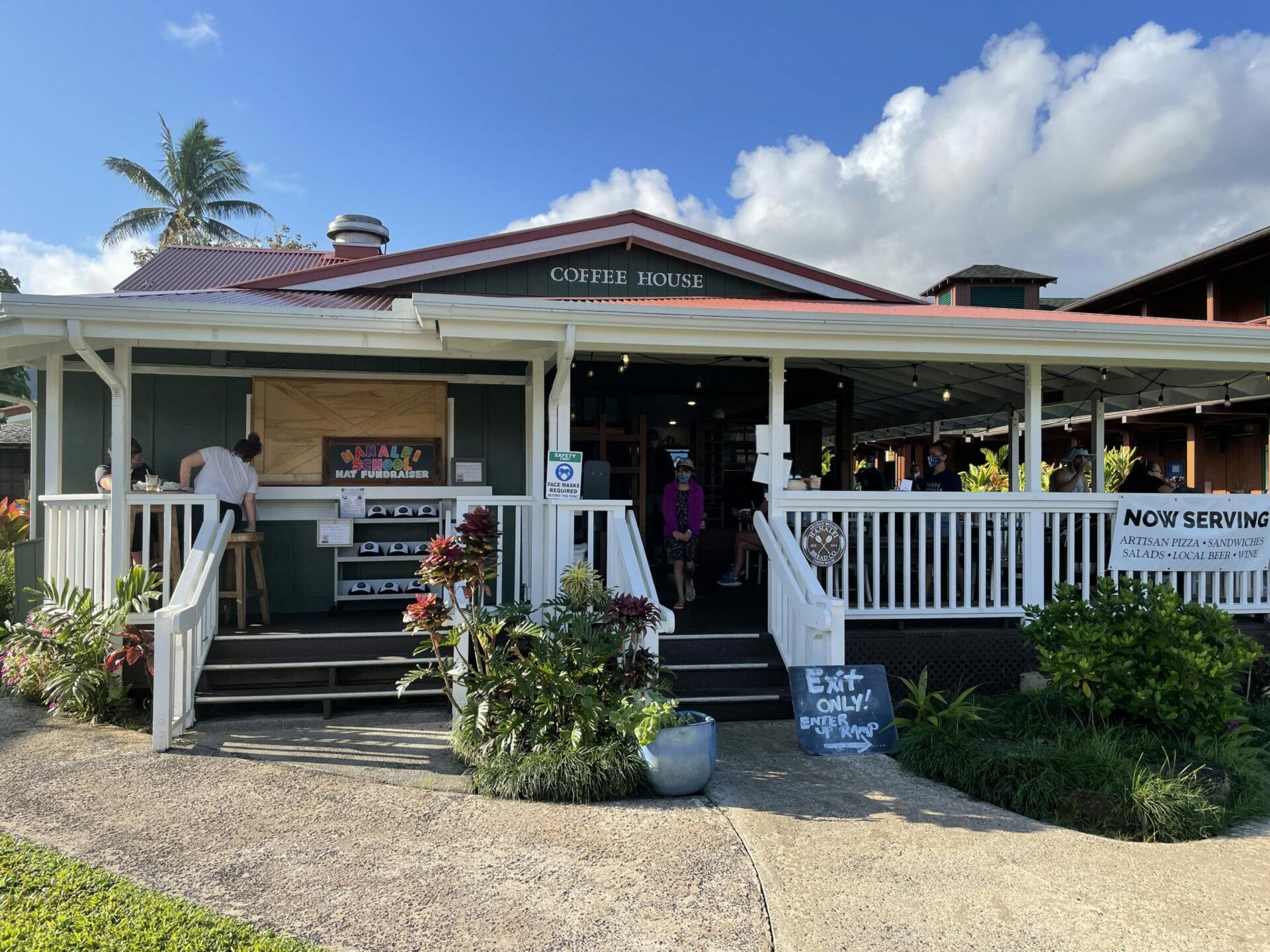
Restaurants in Kilauea
All restaurants in Kilauea →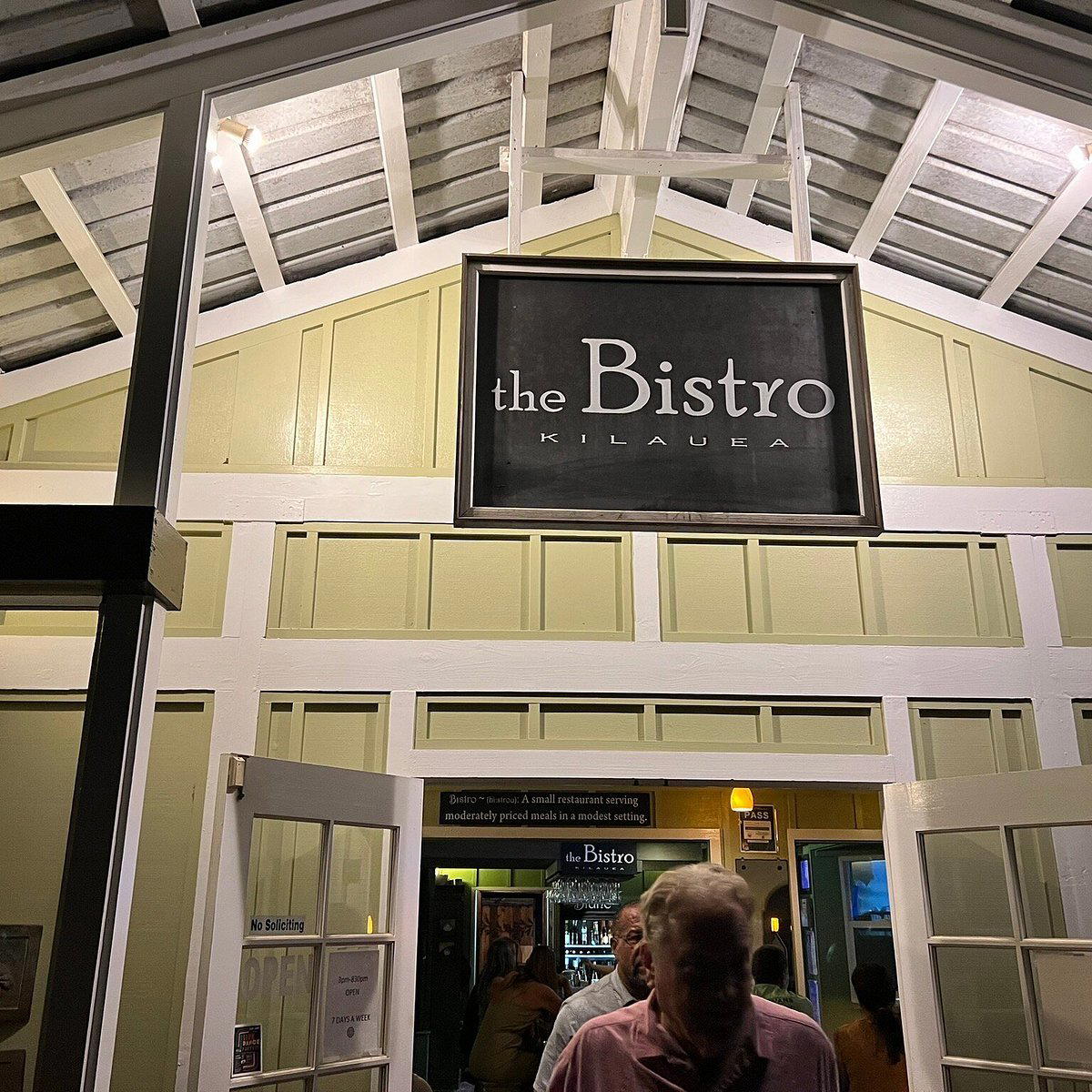
Bars in Kilauea
Browse all →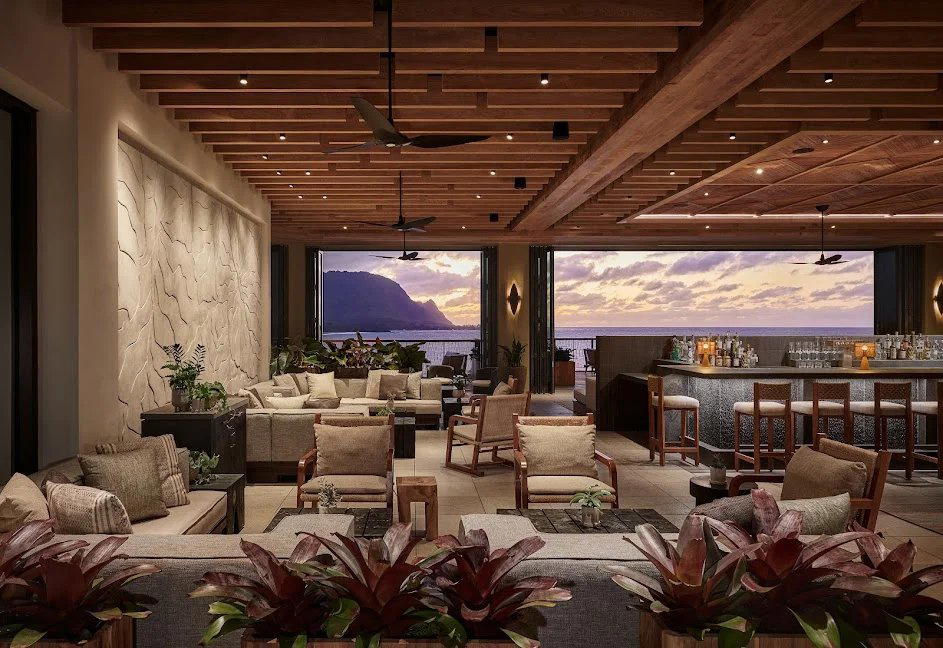


Details
- Rustic
- Cozy
- Casual Hangout
- Family
- Local Sourcing
- Sustainable Seafood
- A La Carte
- Vegetarian Friendly
- Gluten Free Options
Current opening hours
- Monday
- 11 AM–8 PM
- Tuesday
- 11 AM–8 PM
- Wednesday
- 11 AM–8 PM
- Thursday
- 11 AM–8 PM
- Friday
- 11 AM–8 PM
- Saturday
- 11 AM–8 PM
- Sunday
- Closed
Hours can change for holidays and private events. Hours as of .
Casual outdoor picnic table seating under covered patio with a laid-back, breezy island vibe.