Key Largo Conch House
Our verdict
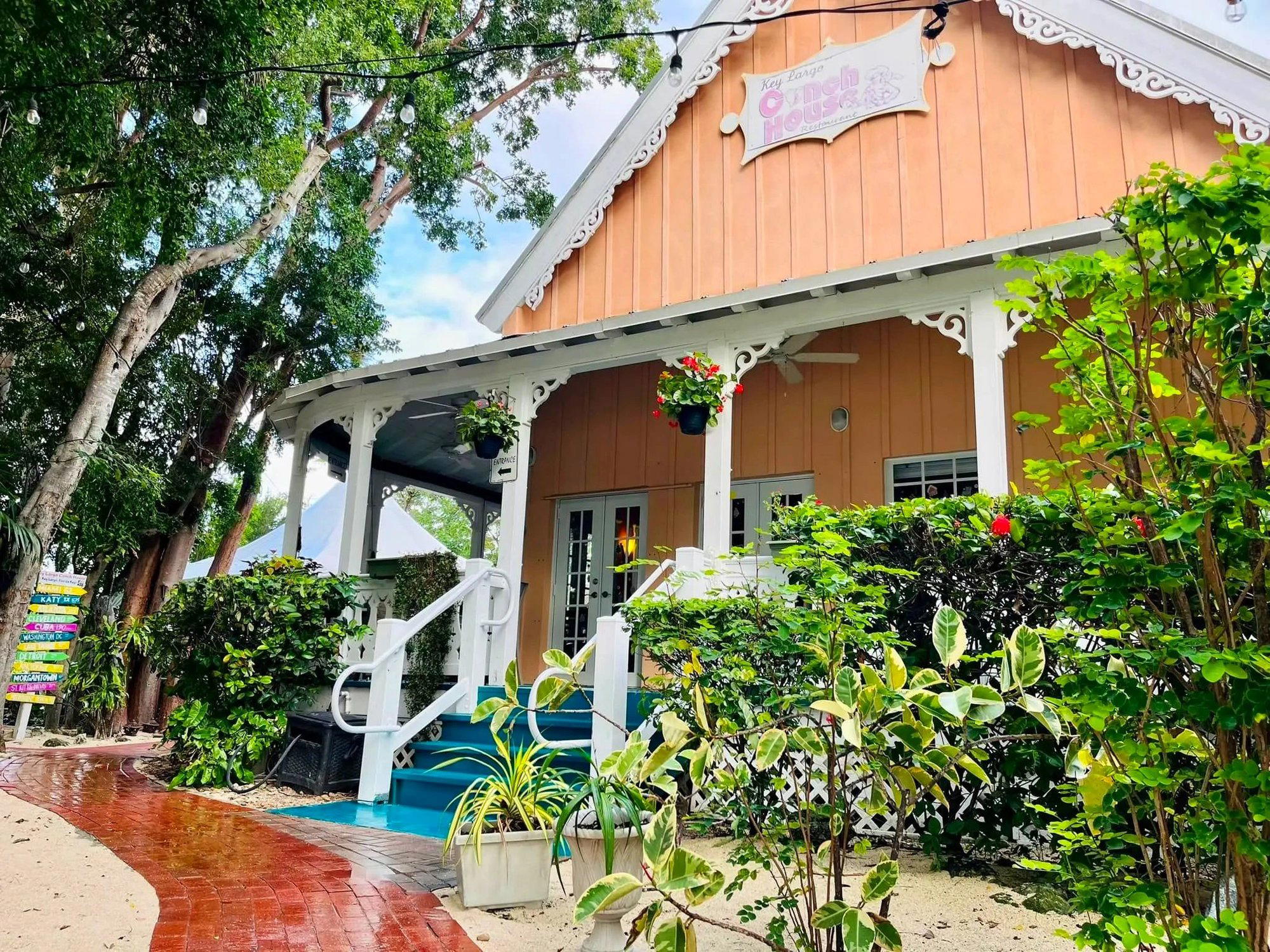
A Keys roadside fixture on the Overseas Highway, Key Largo Conch House draws on the Florida Keys' proximity to some of the most productive fishing waters in the continental United States. The setting trades urban polish for open-air informality, and the food reflects the logic of a coastline where the catch rarely needs to travel far to reach the plate.

Pearl is the En Primeur Club membership app, where members save venues, book tables and use the concierge.
The menu
What to order
- Conch Fritters
- Eggs Benedict
- Cracked Conch
- Conch Chowder
- Key Lime Pie
Where the Overseas Highway Meets the Water
The Florida Keys operate on a different culinary logic than most of the American South. Here, the proximity to the Gulf Stream, the backcountry flats, and the reef ecosystem means that the distance between ocean and kitchen can be measured in minutes rather than days. That compression changes what a restaurant can honestly put on a plate. Key Largo Conch House, at mile marker 100 on the Overseas Highway, sits at the northern gateway to this fishing corridor, where the Atlantic and the Gulf of Mexico begin their slow convergence around the island chain.
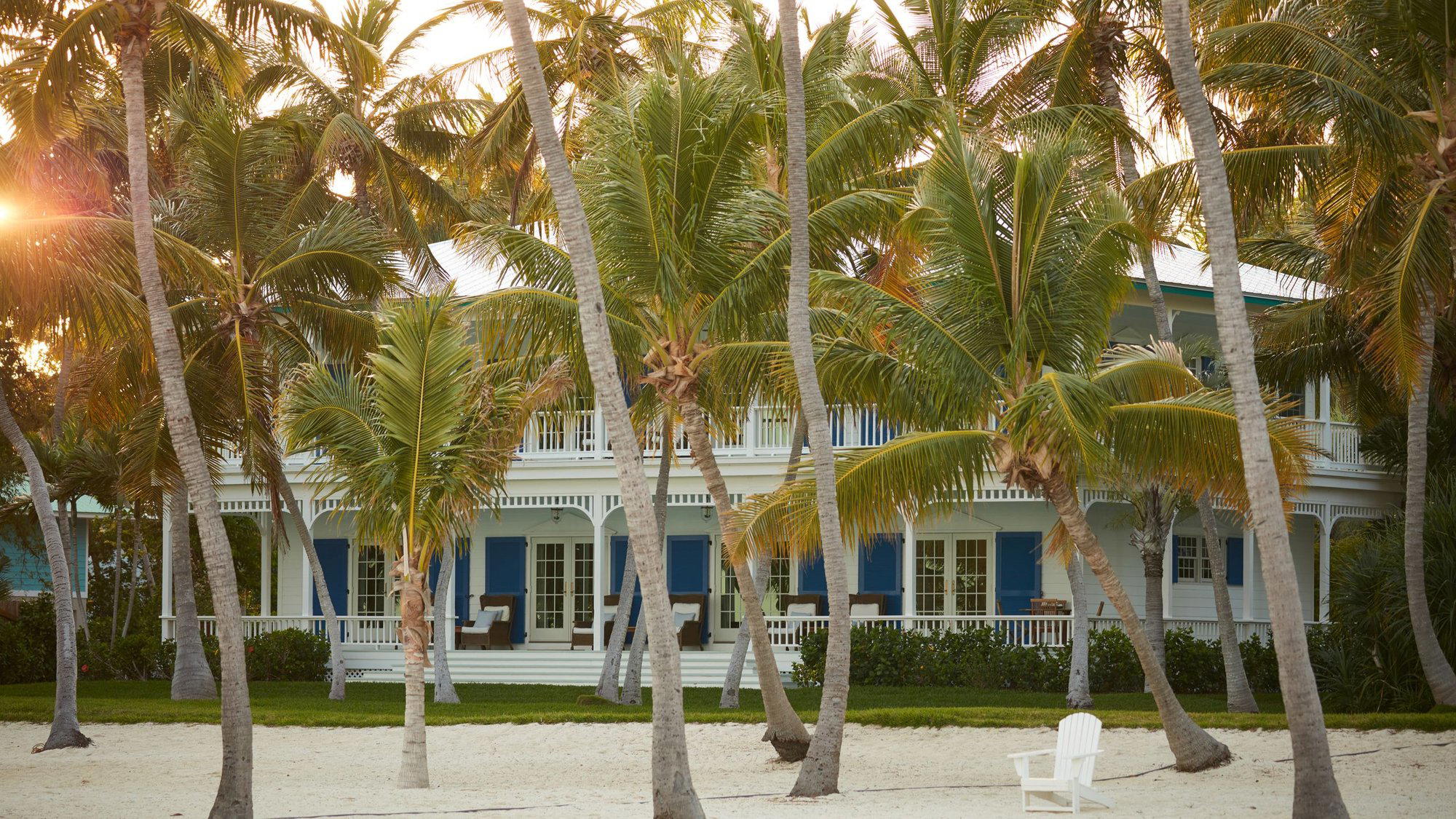
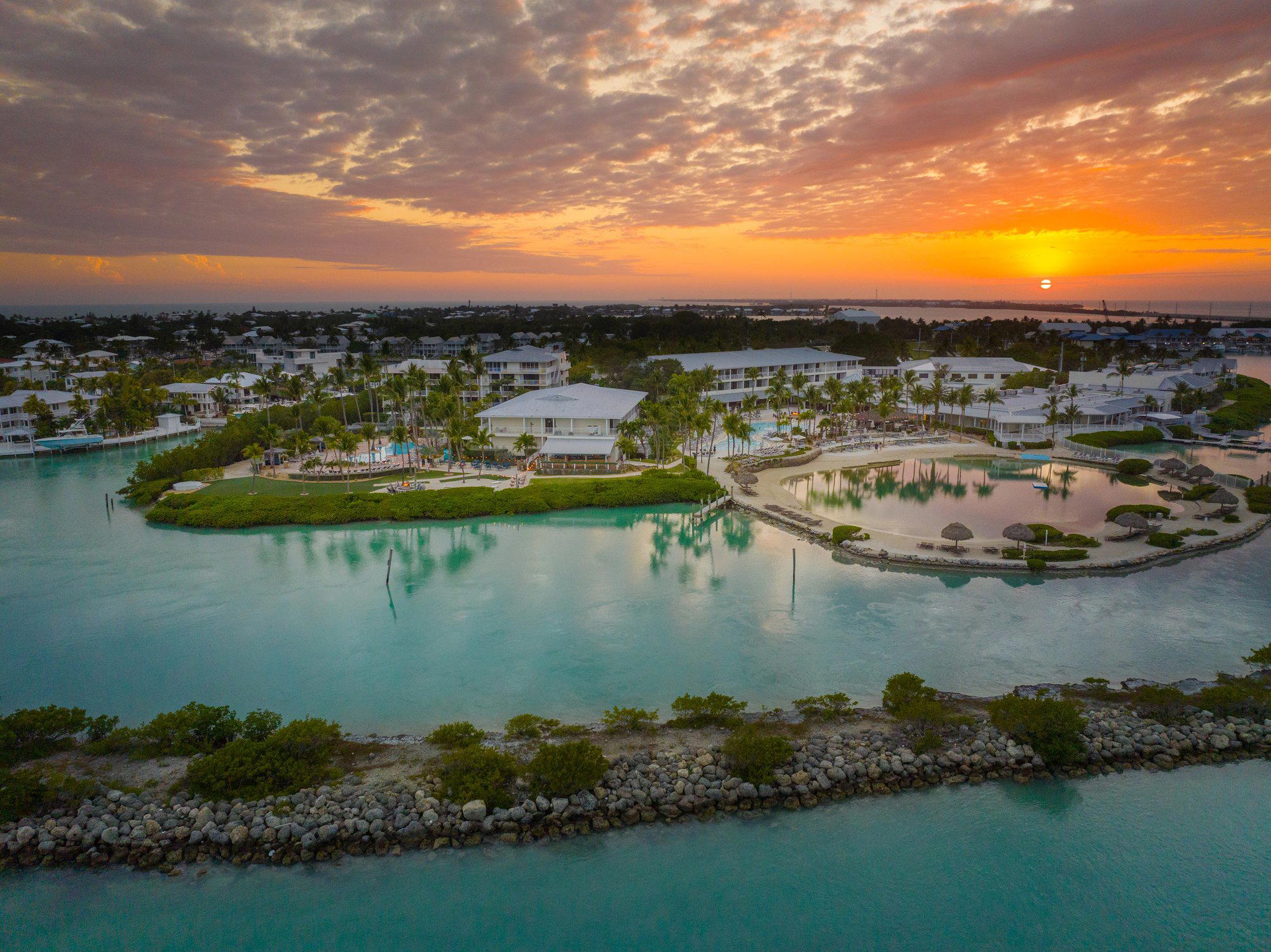
Approaching on US-1, the built environment of Key Largo is low-slung and sun-bleached, interrupted by mangroves and marina signage. The Conch House fits that register: it reads as a place shaped by its geography rather than imported from somewhere else. That alignment between setting and source is increasingly rare in American coastal dining, where waterfront addresses often pair with supply chains that have no particular connection to the water outside.
Ingredient Sourcing and the Keys Fishing Tradition
The editorial case for Florida Keys cuisine rests almost entirely on what the water produces. The reef system running along the Atlantic side of the Keys supports spiny lobster populations harvested under Florida Fish and Wildlife Conservation Commission regulation, with a commercial season that runs from August through March and a recreational mini-season in late July. Stone crab claws, another Keys staple, are harvested from October through May under a managed claw-only protocol that allows the crab to survive and regenerate. Conch itself, the mollusk that names both the Keys' native-born residents and this venue, has been under federal protection in US waters since 1986 due to population decline; any conch served in the Keys today is imported, primarily from the Bahamas and the Turks and Caicos.
That last fact matters for how to read a menu here. The "conch" in Key Largo Conch House is as much a cultural identifier as a sourcing descriptor. The name signals an allegiance to Keys culinary identity: fritters, chowder, and cracked preparations that have defined the local food tradition for generations, even as the ingredient itself now arrives from the Caribbean. The honesty of that distinction separates the better Keys restaurants from those that lean on regional mythology without acknowledging the regulatory and ecological realities underneath it.
What does source locally and abundantly is fin fish. Mahi-mahi, caught in the warm Gulf Stream waters off the Keys, is available year-round and represents one of the most responsibly managed fish populations in the Atlantic. Yellowtail snapper, a reef fish with a mild, clean flavor profile, is another Keys constant. Grouper, though subject to periodic seasonal closures to protect spawning aggregations, appears on menus throughout the island chain. Restaurants in this tier of Keys dining, casual to mid-range with a strong local identity, tend to source these fish through a mix of commercial dockside buyers and direct relationships with charter and commercial captains operating out of Key Largo marinas.
For context on how sourcing philosophy scales up the American dining spectrum, properties like Single Thread Farm in Healdsburg and Blue Hill at Stone Barns in Tarrytown have made farm-to-table and sea-to-table sourcing the explicit architecture of their menus and their price points. At the other end of the formality register, Keys spots like the Conch House operate on a version of the same principle, where proximity to supply does the work that elaborate procurement systems do at higher price tiers. Le Bernardin in New York City has long demonstrated that rigorous seafood sourcing can anchor a four-star restaurant; the Keys model shows the same logic applied to an open-air fish shack aesthetic.
The Keys Dining Scene in Context
Key Largo functions as the first substantial commercial node on the Keys chain, which means it absorbs a significant volume of day-trippers and weekend visitors from Miami and Fort Lauderdale before they commit to driving further south toward Islamorada, Marathon, or Key West. That traffic pattern shapes what the restaurant market here looks like: a mix of marina-adjacent seafood spots, dive bars with food programs, and a smaller number of destinations that attract repeat visitors from within the Keys themselves.
Snappers represents the marina-integrated end of Key Largo dining, with direct water access and a well-documented local following. The Conch House occupies a slightly different position on the highway, readable from the road and accessible without a boat slip. For a fuller picture of how these venues map against each other, our full Key Largo restaurants guide places them in neighborhood and category context.
The broader American seafood-focused dining scene has produced some of its most decorated rooms far from the water: Providence in Los Angeles, Addison in San Diego, and Emeril's in New Orleans each demonstrate how seriously coastal American kitchens take their sourcing narratives. The Keys version is less formal but no less rooted in place. Venues like Lazy Bear in San Francisco and Alinea in Chicago sit in a different category entirely, where the ingredient is a starting point for technical transformation. Keys cooking tends in the opposite direction: the fish is good enough that the most defensible preparation is often the simplest one.
Other restaurants with strong sourcing identities worth referencing for comparison include Bacchanalia in Atlanta, The French Laundry in Napa, Brutø in Denver, Frasca Food & Wine in Boulder, Causa in Washington, D.C., The Inn at Little Washington in Washington, and Atomix in New York City, as well as 8 1/2 Otto e Mezzo Bombana in Hong Kong, all of which treat ingredient origin as a load-bearing element of their identity, regardless of price tier or format.
Planning Your Visit
Key Largo Conch House is located at 100211 Overseas Highway, Key Largo, FL 33037. The Overseas Highway (US-1) is the single road connecting the Keys to the mainland, so traffic timing matters, particularly on Friday afternoons heading south and Sunday afternoons heading north. The drive from Miami International Airport runs approximately 60 miles to this stretch of Key Largo. For current hours, reservation policy, and menu details, visiting the restaurant directly is advisable, as publicly available online data for this location is limited.
Frequently asked questions
Where is Key Largo Conch House located?
Key Largo Conch House is located at 100211 Overseas Hwy, Key Largo, FL 33037, Key Largo.
Is Key Largo Conch House a good dining option for visitors driving the Florida Keys for the first time?
Key Largo is the first substantial town on the Keys chain after crossing from the mainland, and the Conch House sits directly on US-1 at mile marker 100211, meaning no route deviation is required. For first-time Keys drivers, it offers an immediate introduction to the regional seafood tradition, conch in particular, that defines the cuisine of the archipelago. It functions as a practical and geographically logical first stop before heading further south toward Islamorada or Marathon.
What should I order at Key Largo Conch House?
The name points directly to the house focus: conch, a Florida Keys staple tied to the reef fisheries running along the Atlantic side of the archipelago. Beyond that, the Keys fishing tradition favors whatever the backcountry flats and nearshore reefs are producing. Ask your server what came in that day rather than defaulting to a fixed recommendation.
Is Key Largo Conch House reservation-only?
Given that Key Largo absorbs heavy day-tripper and weekend traffic as the first major commercial stop on US-1, arriving early or mid-week reduces wait time considerably. Calling ahead is advisable during peak season.
What's the standout thing about Key Largo Conch House?
Its position at 100211 Overseas Highway puts it squarely on the single road connecting the Florida mainland to the Keys chain, making it a natural stop rather than a detour. The conch-forward identity anchors it within a specific regional cooking tradition that few spots outside the Keys can replicate with the same proximity to source. That geographic specificity is the point.
Comparison Snapshot
Comparable venues nearby, for context on price, style, and recognition.
| Venue | Cuisine | Price | Notes |
|---|---|---|---|
| Key Largo Conch HouseThis venue (the venue you are viewing) | Fresh Local Seafood & Caribbean | $30–50 | Not listed |
| Alabama Jacks | Florida Keys Seafood Dive | $20–30 | Key Largo |
| Snappers | Oceanfront Seafood & Contemporary American | $20–30 | Key Largo |
| Captain's Tavern | Classic Florida Seafood | $30–50 | Pinecrest |
| Cajun Boil Flagler St | Cajun Seafood Boil | $30–50 | Sweetwater |
| Chowder Heads | Traditional New England Seafood | $20–30 | Driftwood Plaza |
Continue exploring
More in Key Largo
Restaurants in Key Largo
All restaurants in Key Largo →
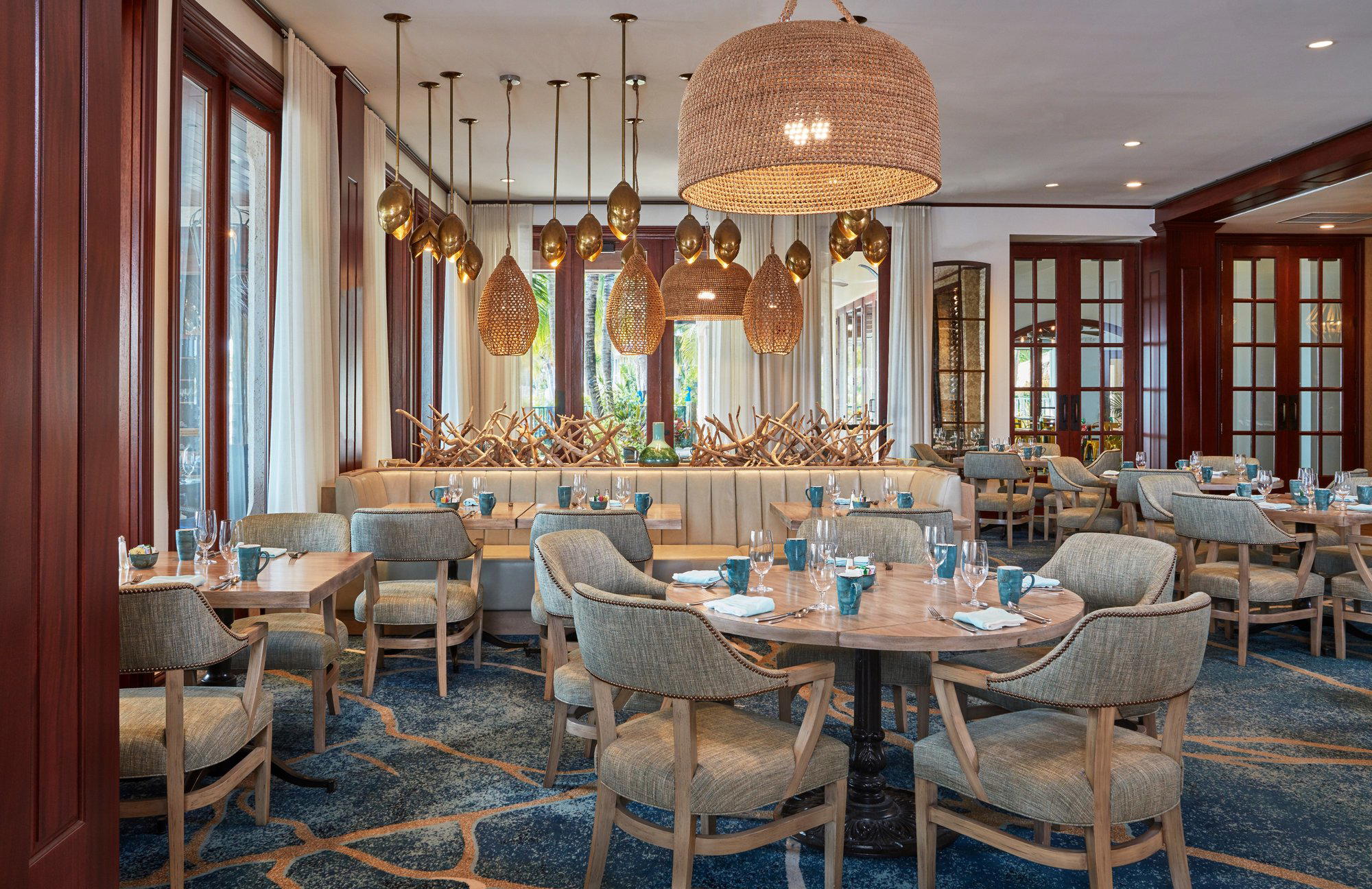
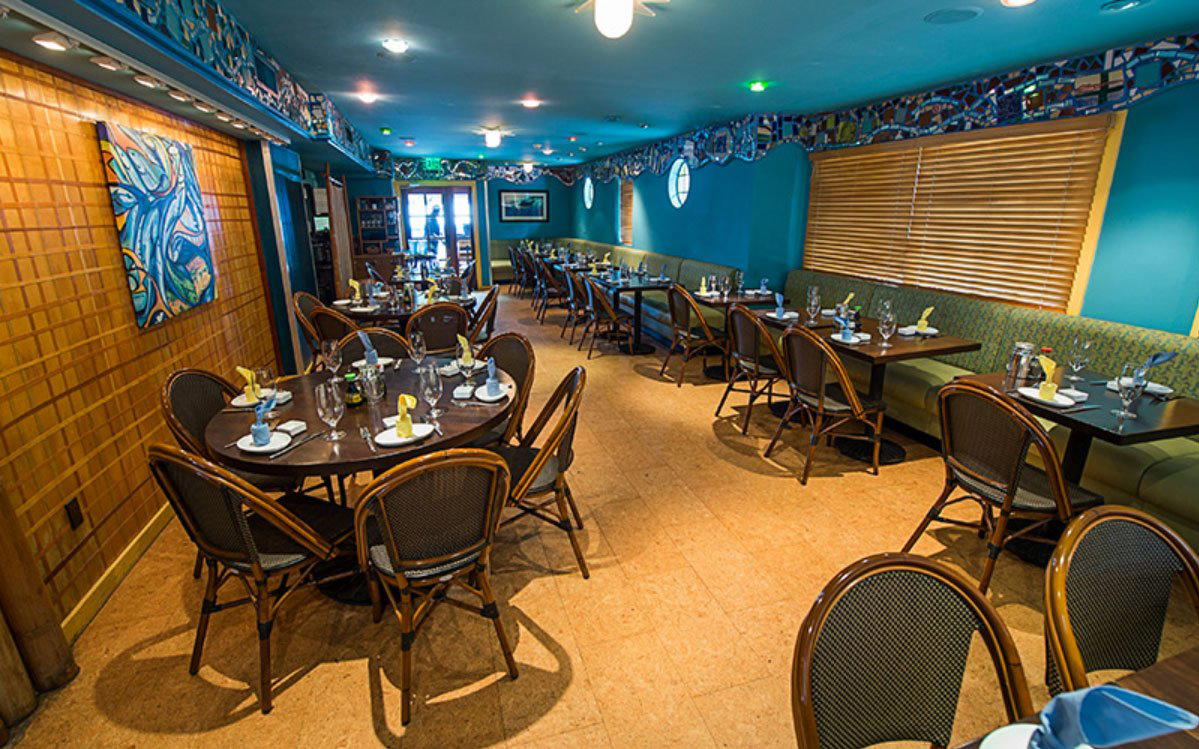
Bars in Key Largo
Browse all →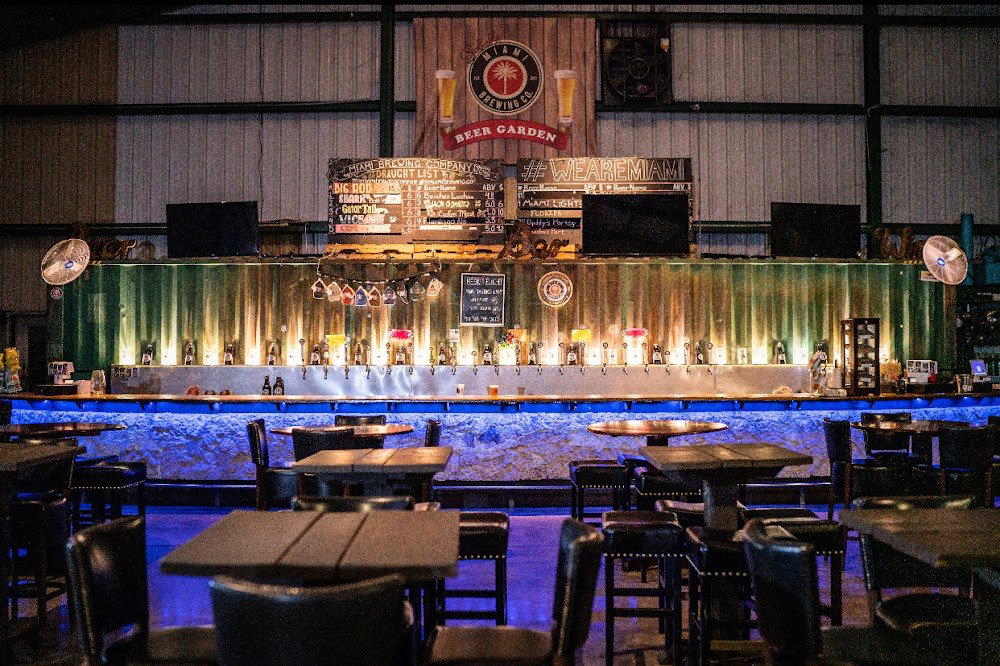
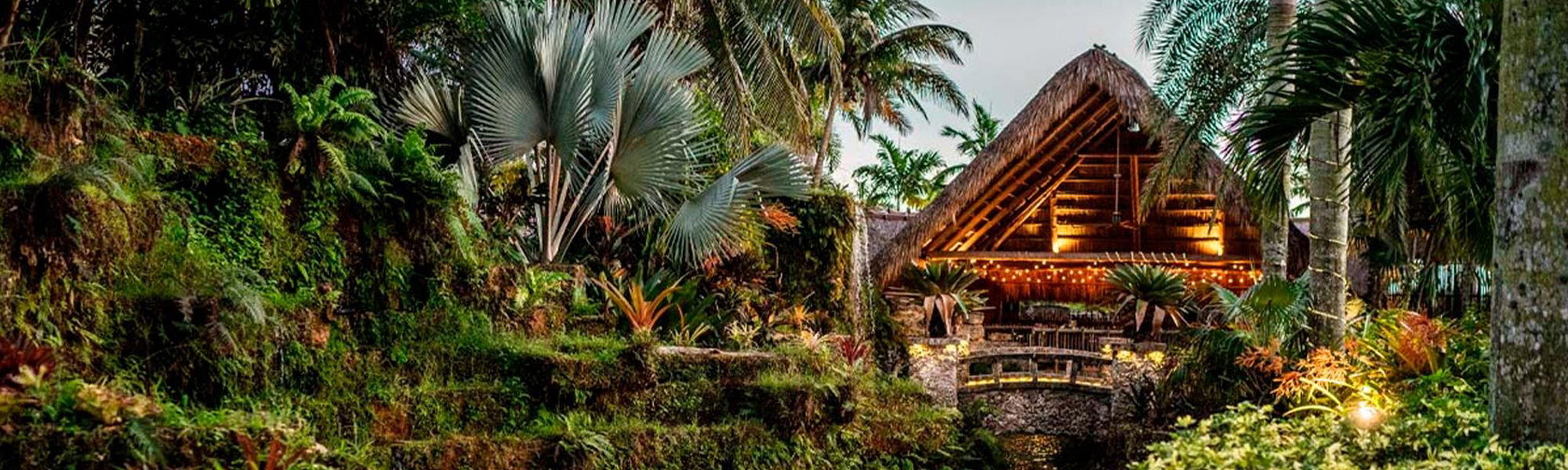
Details
- Casual
- Relaxed
- Scenic
- Family
- Group Dining
- Casual Hangout
- Celebration
- Private Event
- Waterfront
- Standalone
- Beer Program
- Local Sourcing
- Sustainable Seafood
- A La Carte
- Florida Craft Beer
- Coffee
- Pescatarian Friendly
Current opening hours
- Monday
- 8 AM–9 PM
- Tuesday
- 8 AM–9 PM
- Wednesday
- Closed
- Thursday
- 8 AM–9 PM
- Friday
- 8 AM–9 PM
- Saturday
- 8 AM–9 PM
- Sunday
- 8 AM–9 PM
Hours can change for holidays and private events. Hours as of .
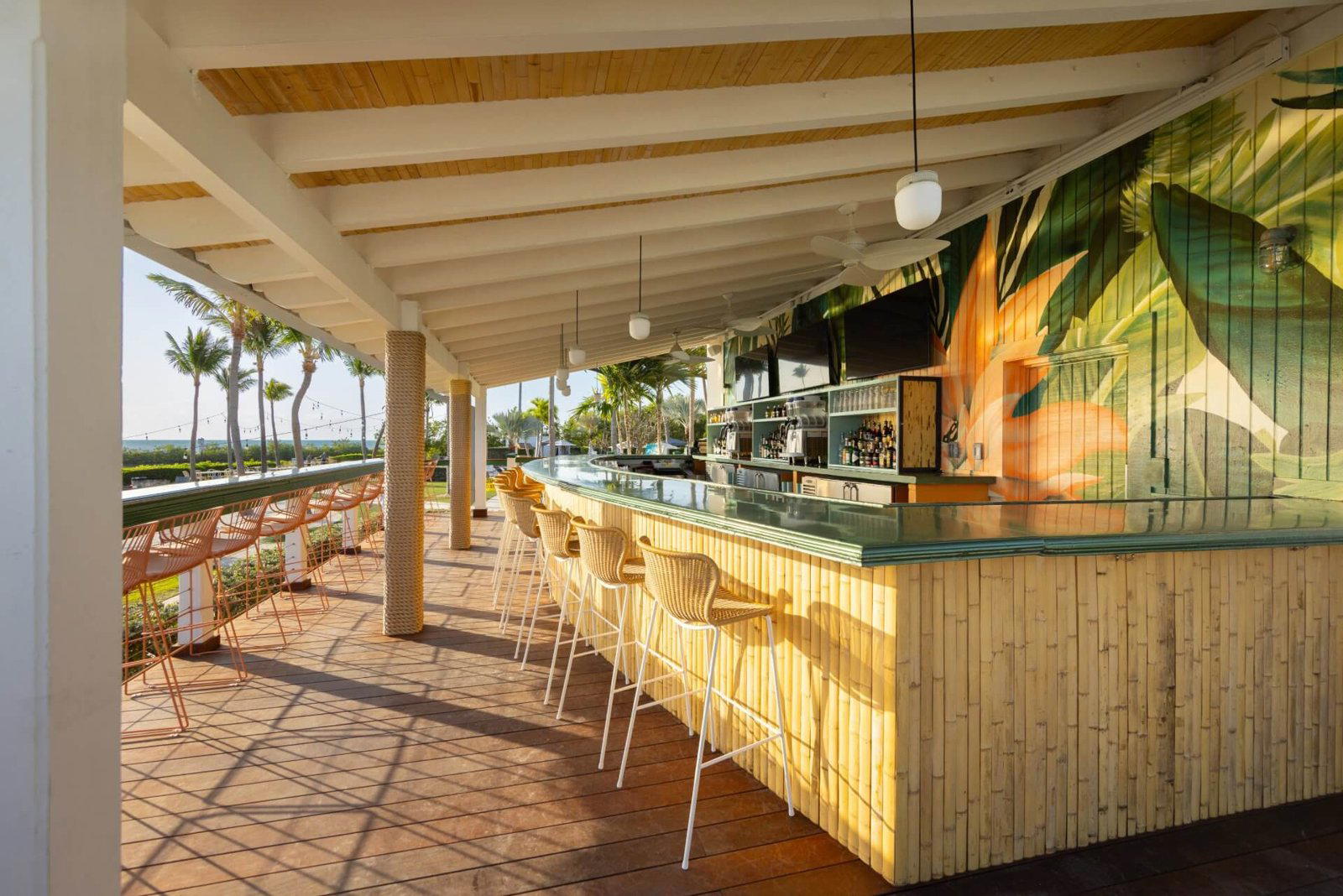
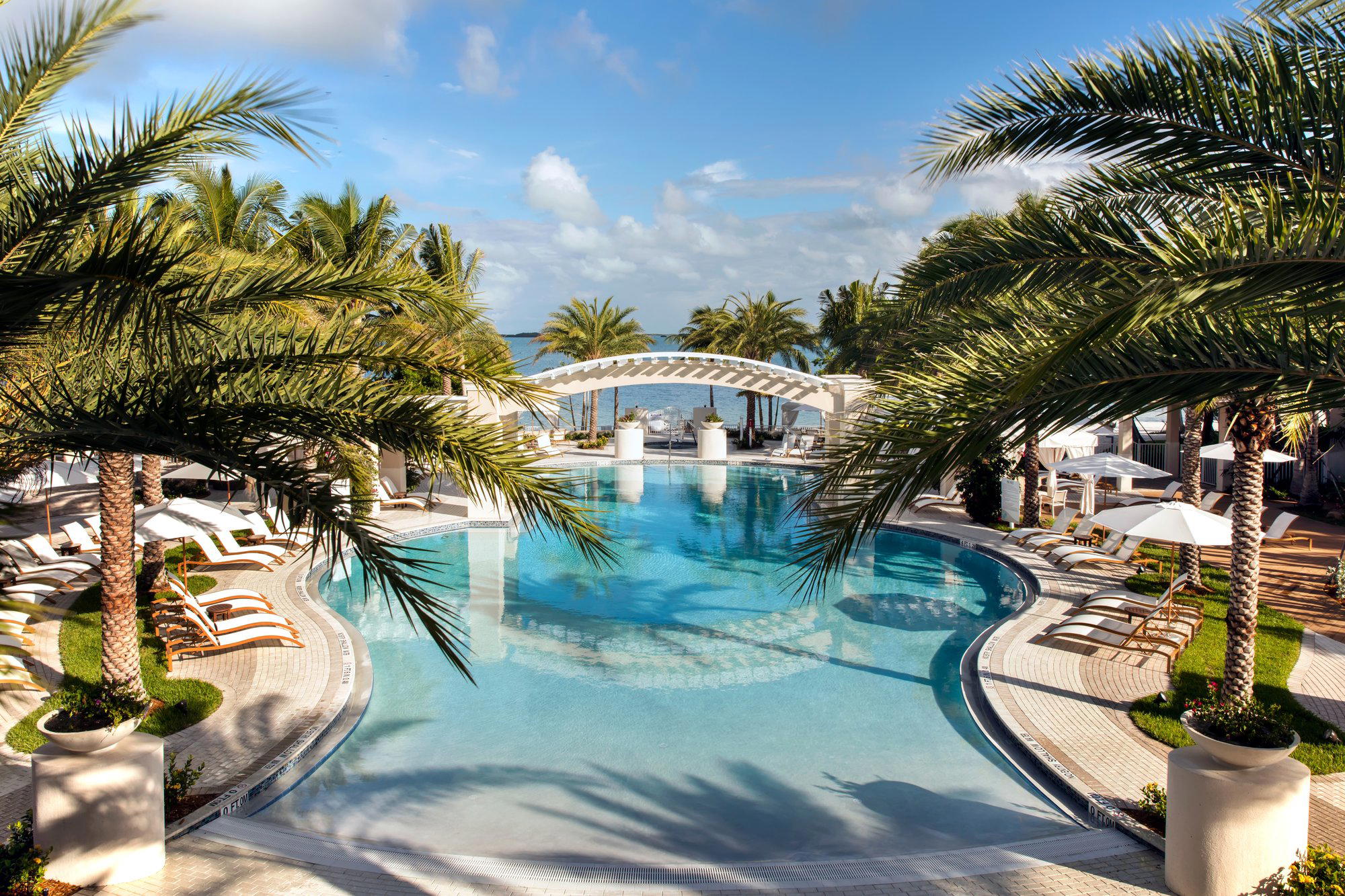
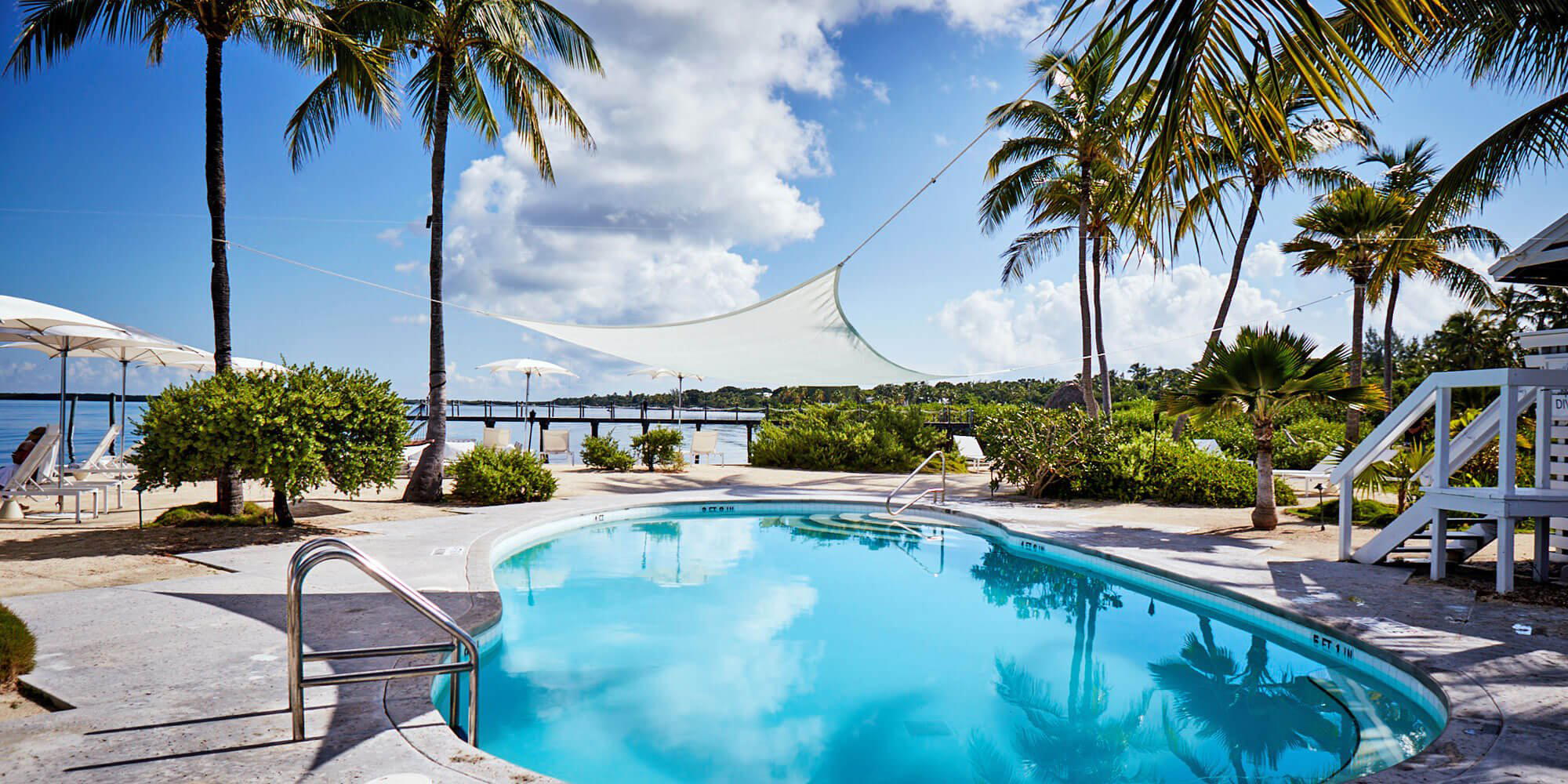
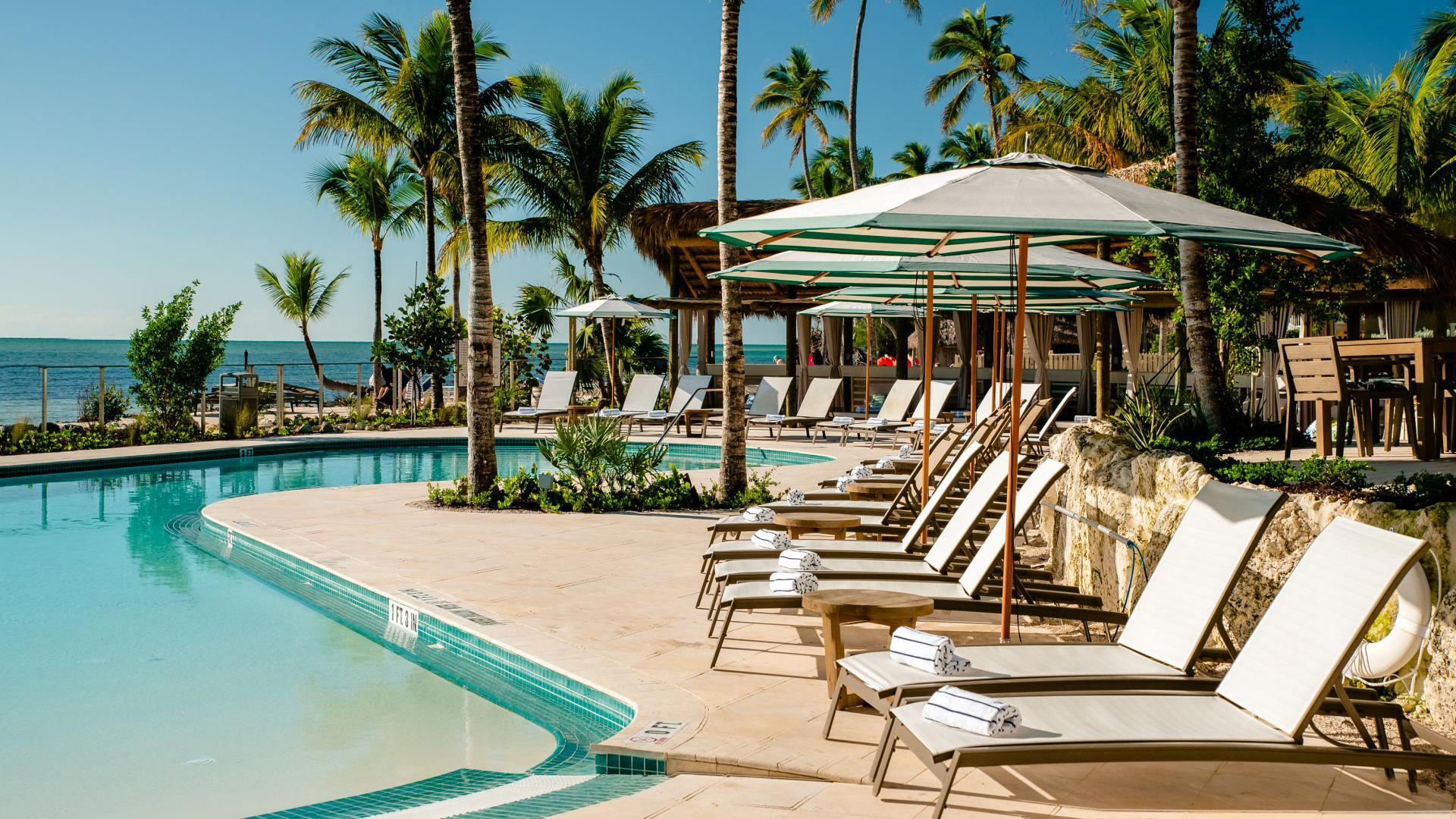
Open and relaxed tropical atmosphere with a casual, welcoming vibe ideal for families and groups seeking authentic Florida Keys dining.