Miami Brewing Company
Miami Brewing Company operates out of Homestead, Florida, placing craft beer culture at the agricultural edge of Miami-Dade County. The brewery sits in the Redland district, where South Florida's farming heritage and subtropical climate shape what ends up in the glass. For visitors exploring the county's southern corridor, it offers a grounded alternative to the urban bar scene farther north.

Pearl is the En Primeur Club membership app, where members save venues, book tables and use the concierge.
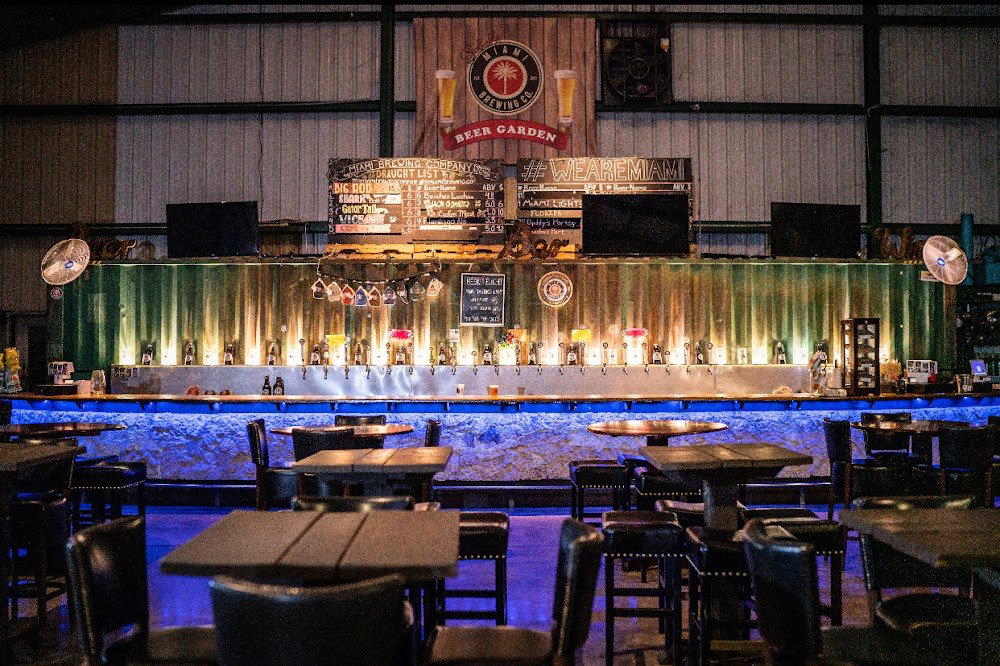
Where the County Ends and the Beer Begins
South Florida's craft brewing scene has long been concentrated in Miami proper and the northern suburbs, but the Redland district tells a different story. This agricultural belt, stretching through Homestead toward the edge of Everglades National Park, has developed its own food and drink identity rooted in tropical farming rather than urban nightlife. Miami Brewing Company, at 30205 SW 217th Ave, sits squarely inside that tradition, occupying a part of Miami-Dade County that most visitors never reach. That distance from the city's commercial core is not a limitation so much as a positioning statement: this is beer made and consumed in proximity to the land that shapes it.
The broader context matters here. Homestead and the Redland sit in a microclimate distinct from the rest of South Florida, with richer soils and a history of tropical fruit cultivation that has no parallel elsewhere in the continental United States. Breweries in this corridor, including the nearby Schnebly Redland's Winery & Brewery, have drawn on that agricultural identity to produce flavors and formats that diverge from the standard American craft beer playbook. Miami Brewing Company operates within that same regional logic, even as its specific tap list and production details remain outside what can be confirmed here.
The Redland Setting and What It Signals
Arriving at a brewery this far south in the county is a different experience than walking into a Wynwood taproom. The SW 217th Ave address places the brewery in open, low-density terrain where warehouse and farmland coexist. That physical context shapes the atmosphere before you've touched a glass. Craft breweries that choose agricultural outskirts over urban neighborhoods typically operate with more outdoor space, a more deliberate visitor base, and a crowd that has made a conscious decision to make the drive. The casual foot traffic of a bar district doesn't apply here.
This matters for how you plan the visit. Homestead is roughly 35 miles southwest of downtown Miami, and the drive down US-1 or the Florida Turnpike takes between 40 minutes and an hour depending on traffic and your starting point. Unlike the brewery clusters in Little Havana or around Brickell, this requires genuine commitment, which in practice filters the room toward people who are specifically interested in what the brewery is doing rather than dropping in between other stops. For context on the broader Miami-Dade drinking scene, see our full Miami Dade County restaurants guide.
Craft Beer at the Agricultural Margin
American craft brewing has matured into a category with recognizable subcategories: the hop-forward West Coast IPA tradition, the hazy New England variants, the barrel-aging programs associated with the Midwest, and the ingredient-forward experimentation that has spread from the Pacific coast eastward. Southern Florida occupies a specific niche within that map, shaped by heat, humidity, and access to tropical fruit that no brewer in Chicago or San Francisco can replicate from local sourcing.
Breweries working in this part of Miami-Dade have a genuine argument to make about terroir in the brewing sense: the guava, lychee, passionfruit, and citrus grown commercially in the Redland appear in local fermentation in ways that are regionally specific. Whether Miami Brewing Company draws on that agricultural adjacency directly, and to what degree, is a question leading answered by visiting the taproom and talking to whoever is pouring. What the address confirms is proximity to those raw materials.
For comparison, bars and breweries in other American cities that have developed strong place-specific identities include Julep in Houston, which draws on Southern American drinking tradition, and Kumiko in Chicago, where Japanese spirits and culinary philosophy define the program. The editorial point is that the most interesting bars and brewing operations tend to be those that make their geography legible in the glass. South Florida has the raw ingredients to do that; the Redland is where the argument is most credible.
The Broader Miami-Dade Drinking Context
Miami's bar and brewery scene has shifted significantly over the past decade. The city that once imported most of its craft beer now has a functioning local production ecosystem, and the range has expanded from predictable lagers to complex mixed-fermentation and adjunct-heavy formats. That evolution has followed different paths in different parts of the county. In Wynwood and the Design District, bars compete on cocktail sophistication and atmosphere, a tier represented in Miami by Bar Kaiju and further south by Finka Table & Tap, which blends Latin flavors with American bar formats.
The Homestead corridor represents a different tendency: production-first, with less emphasis on design-led hospitality and more on what's in the fermenter. That is not a value judgment in either direction. It reflects a genuine split in how craft brewing has developed in American cities. Operations like ABV in San Francisco and Allegory in Washington, D.C. have pursued the cocktail-bar sophistication end of the spectrum, while production breweries on agricultural or industrial land have tended to keep the focus on the liquid itself. Miami Brewing Company's location suggests the latter orientation.
For those building a longer South Florida drinks itinerary, the Redland brewery visit pairs logically with Schnebly's winery and brewery operation nearby, making the county's southwestern edge a half-day destination rather than a single stop. Farther afield, the hospitality programs at Bar Leather Apron in Honolulu, Jewel of the South in New Orleans, and Superbueno in New York City illustrate how American bars are increasingly defined by regional identity rather than generic craft positioning. The Parlour in Frankfurt offers a European reference point for how agricultural provenance can anchor a bar program. Miami Brewing Company's Redland setting gives it a version of that argument to make, if it commits to it.
Planning the Visit
Homestead visits work leading combined with other Redland-area stops, whether that is Schnebly's, the Fruit and Spice Park, or the agricultural farms that sell direct to visitors. The area rewards slow exploration rather than a quick in-and-out. Arriving in the morning or early afternoon gives the most flexibility and tends to avoid the heavier US-1 traffic that builds in the early evening heading back north.
Cost and Credentials
Comparable venues nearby, for context on price, style, and recognition.
| Venue | Cuisine | Price | Notes |
|---|---|---|---|
| Miami Brewing CompanyThis venue (the venue you are viewing) | Not listed | $20–30 | Not listed |
| Schnebly Redland's Winery & Brewery | Not listed | $20–30 | Redland, wine_bar |
| Elbo Room | Central Beach, Bar | $10–20 | Not listed |
| The Vegan Marie | Little Haiti, lounge | $10–20 | Not listed |
| Sushi Cafe & Shilla Korean BBQ | Flagler Park, Bar | $20–30 | Not listed |
| The Dead Flamingo | Not listed | $20–30 | Little Havana, tiki_bar |
Continue exploring
More in Homestead
Bars in Homestead
All bars in Homestead →
Restaurants in Homestead
Browse all →
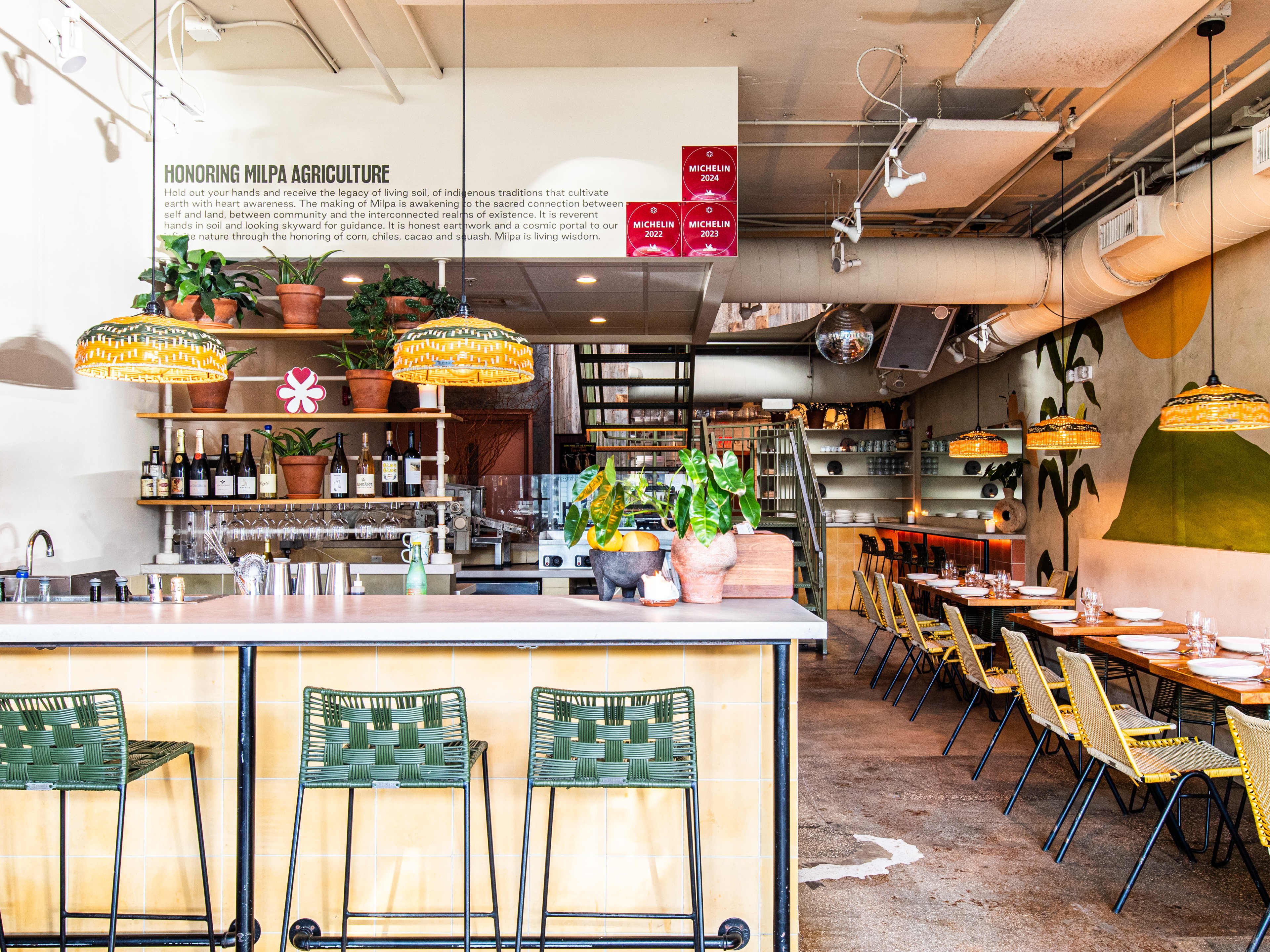
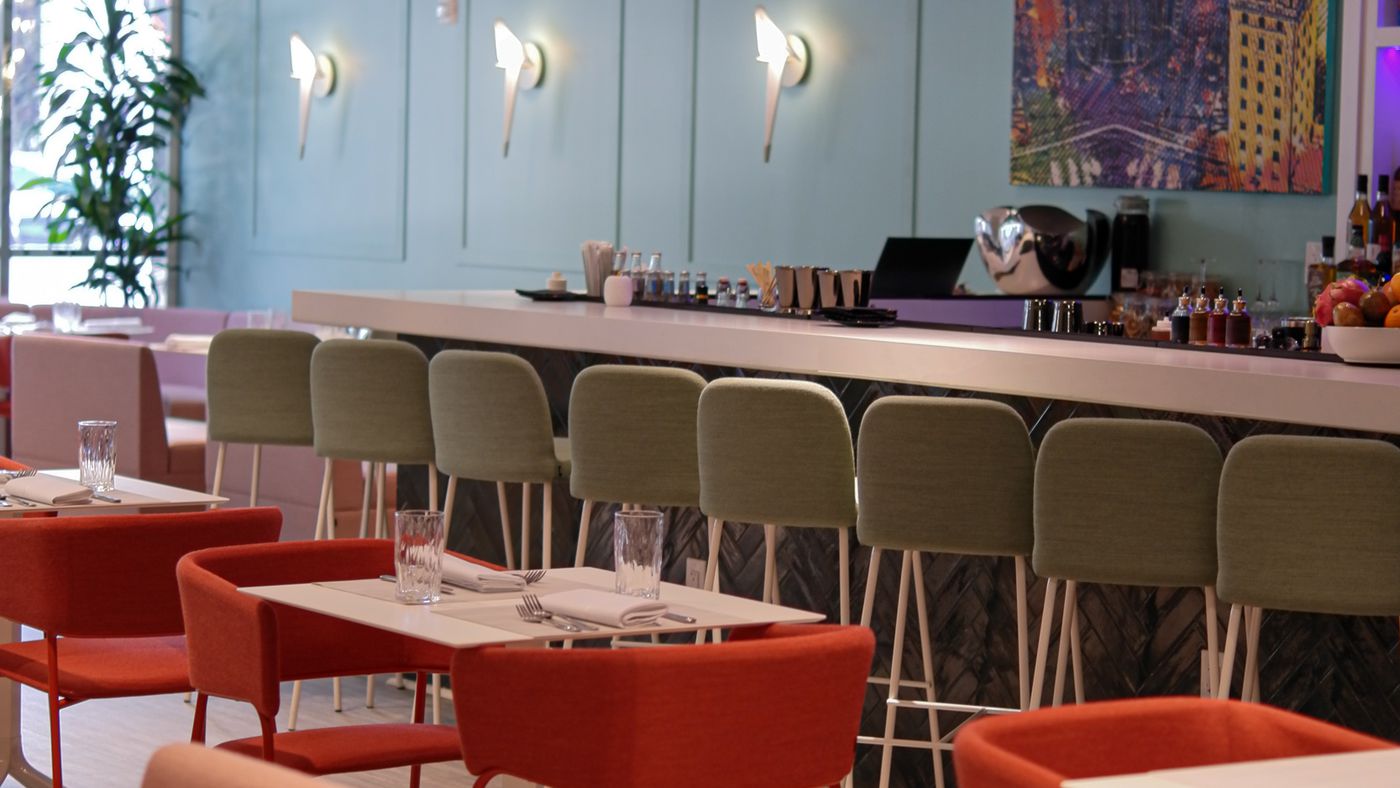
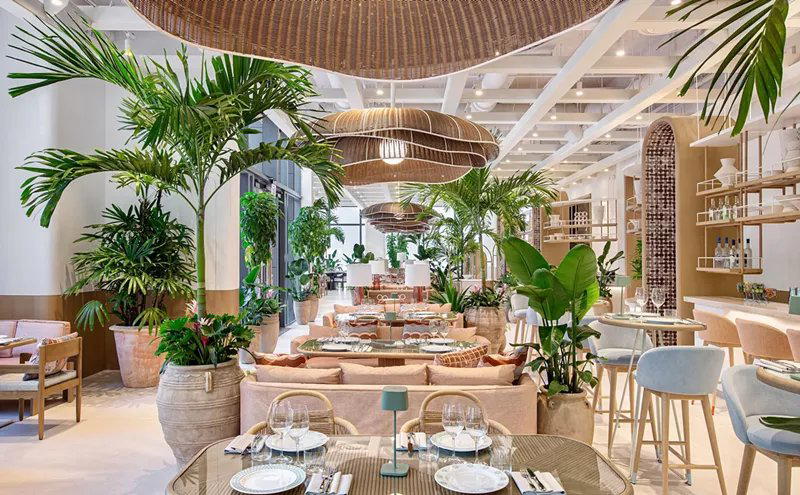
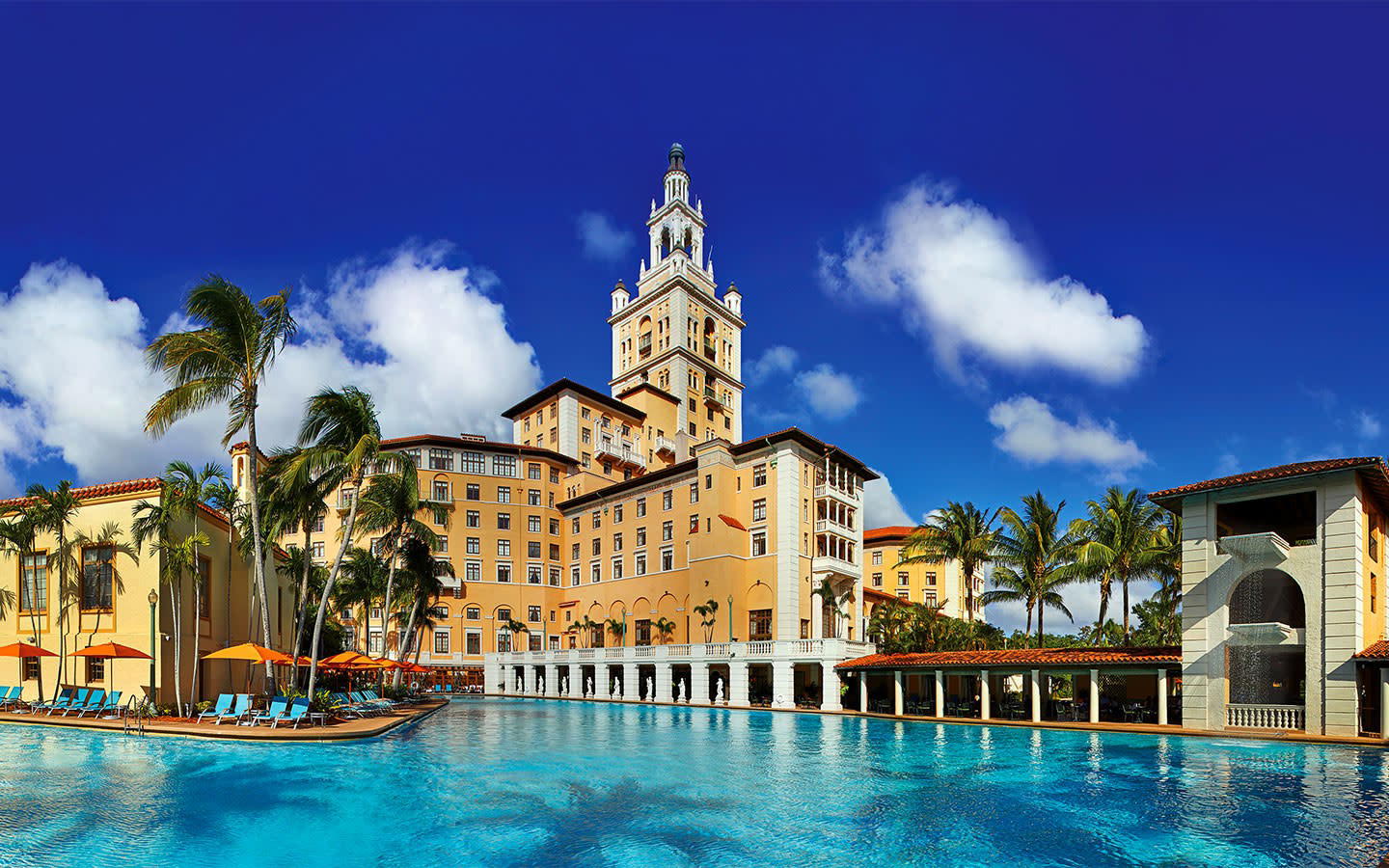
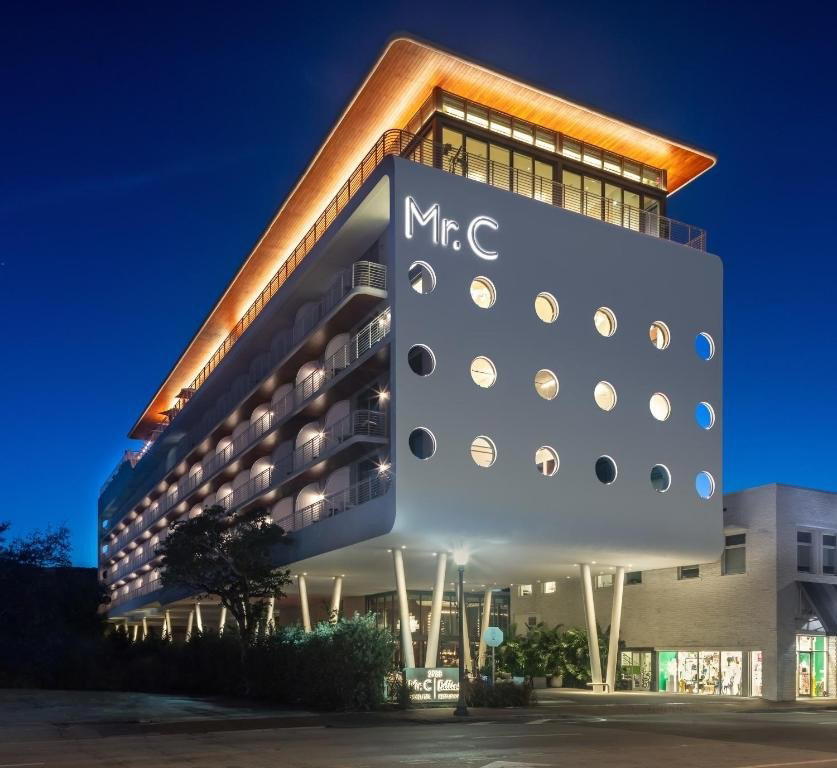
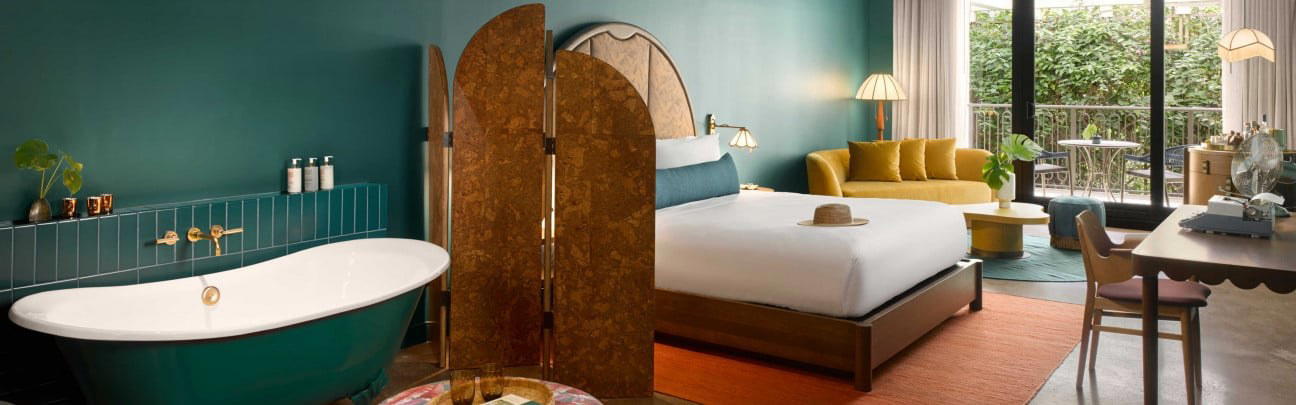
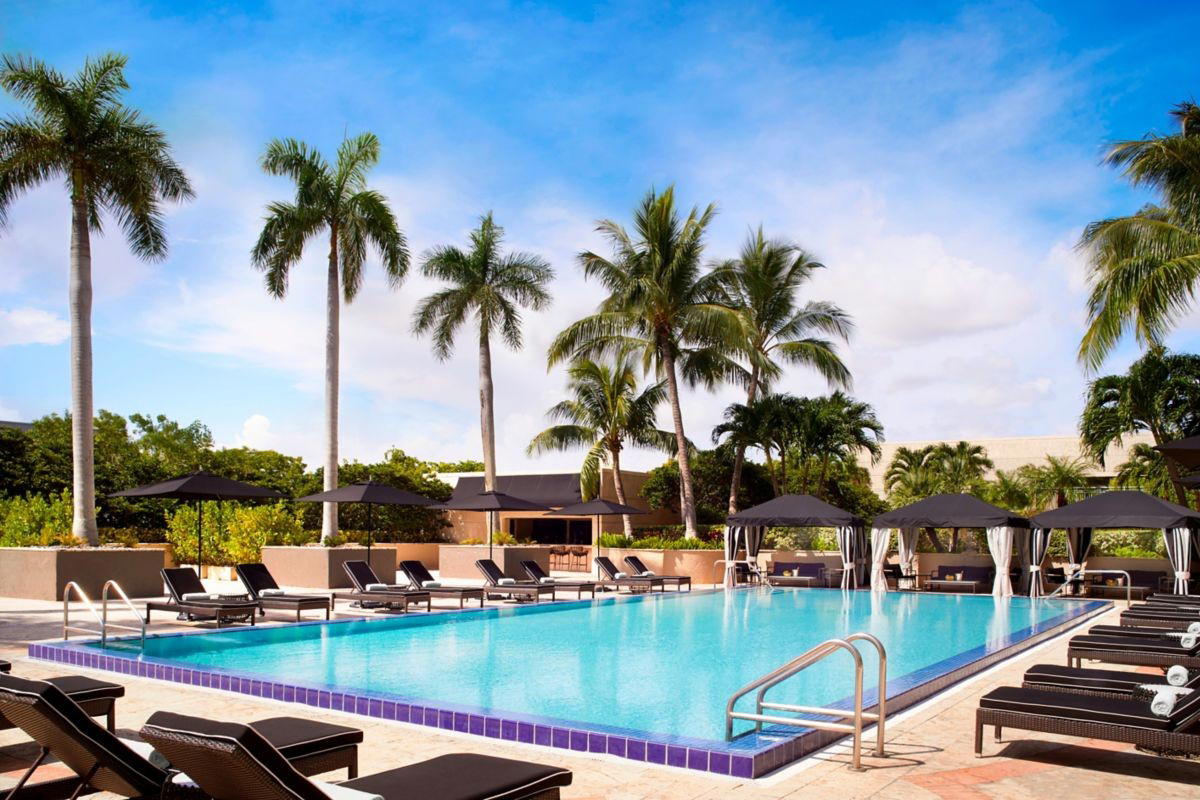
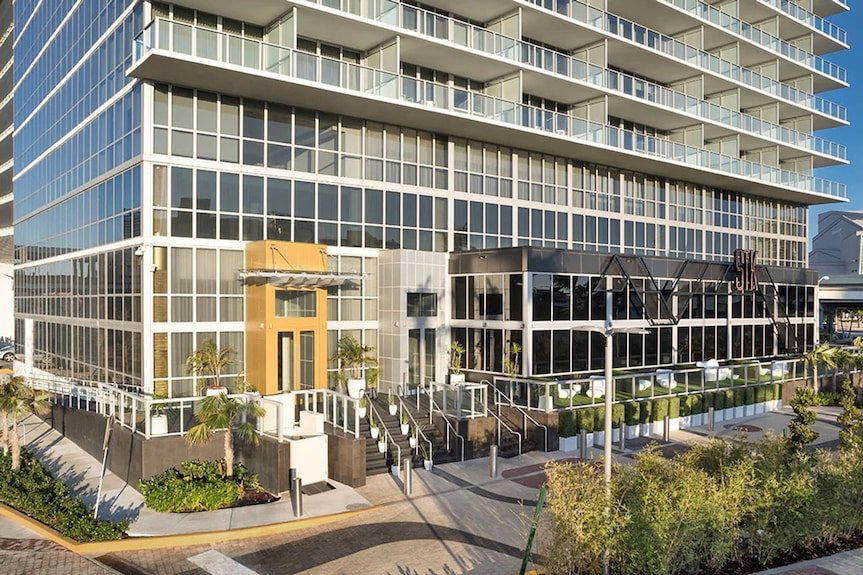
Miami Brewing Company
The drinks
- Craft beer
Signature drinks: Shark Bait Mango Wheat Ale, Krome Ave, Big Rod Coconut Ale.
Details
- Lively
- Energetic
- Trendy
- Group Outing
- Casual Hangout
- Late Night
- Live Music
- Standing Room
- Communal Tables
- Craft Beer
Current opening hours
- Monday
- 12–5 PM
- Tuesday
- 12–5 PM
- Wednesday
- 3–8 PM
- Thursday
- 3–8 PM
- Friday
- 3–11 PM
- Saturday
- 12–11 PM
- Sunday
- 12–9 PM
Hours can change for holidays and private events. Hours as of .
Lively taproom atmosphere with low lights, energetic dancing, and a blend of country music and Miami tropical vibes.