Kaiyo Grill & Sushi
Our verdict
Kaiyo sits on Old Highway in Islamorada, where the Florida Keys dining scene splits between casual waterfront fish shacks and restaurants that treat the surrounding reef ecosystem as a serious culinary argument. The address alone, mile marker territory on the original two-lane road, signals a kitchen more interested in what the water produces than in marina-view theatrics.

Pearl is the En Primeur Club membership app, where members save venues, book tables and use the concierge.
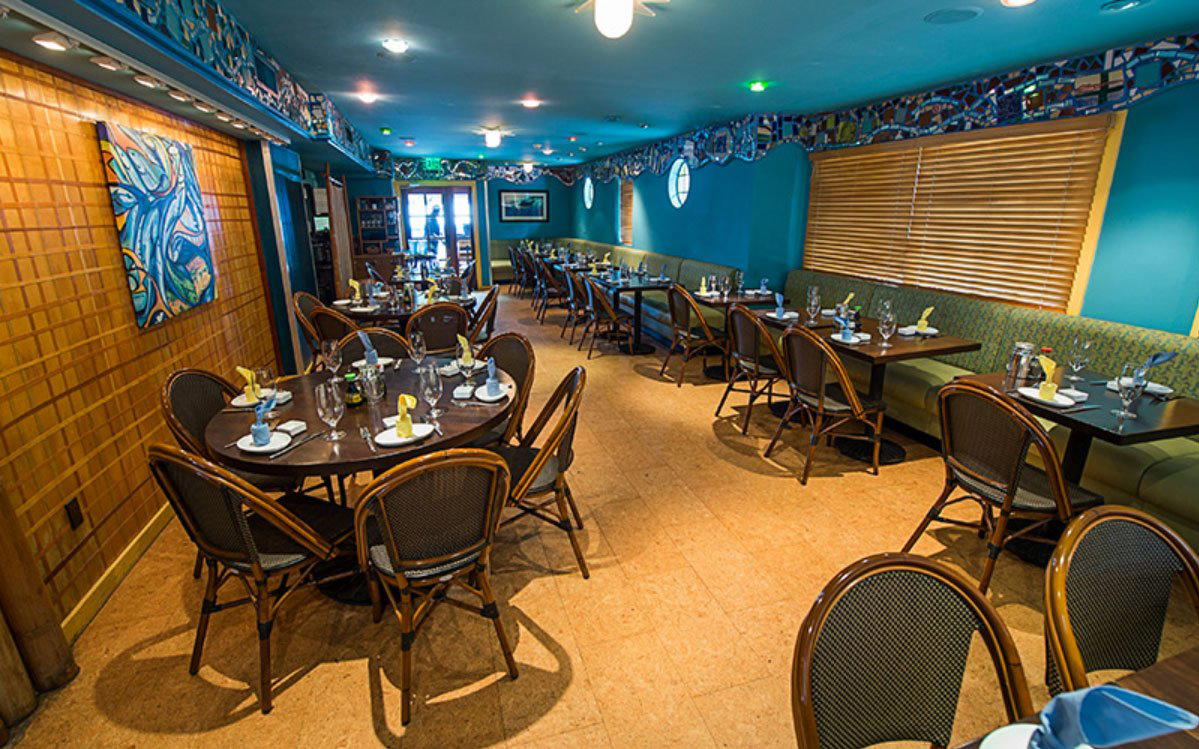
The menu
What to order
- Wood-Fire Grilled Filet Mignon with Gorgonzola and Shiitake
- Rack of Lamb with Honey and Brandy Glaze
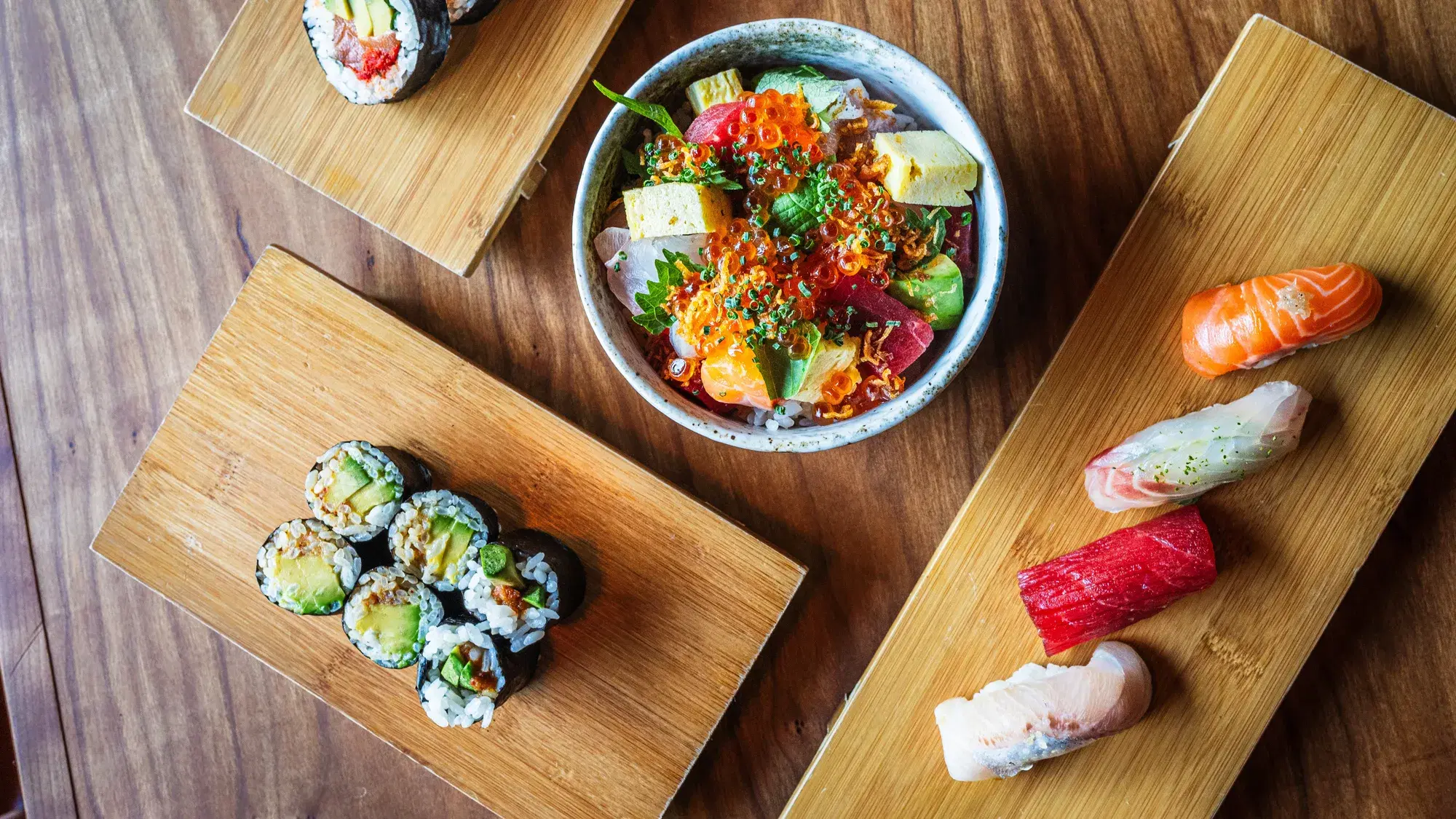
- Yellowfin Tuna Sashimi
- Macadamia Hogfish Roll
- Coco Loco Roll
Old Highway, New Seriousness
Islamorada's dining geography divides along a clear axis. The bay-side and oceanside spots with docks and sunset views, places like Morada Bay and Marker 88, trade on atmosphere as much as plate. A smaller group of addresses on the old highway corridor operates differently: the physical setting is quieter, less theatrical, and the kitchen is expected to carry more of the weight. Kaiyo, at 81701 Old Highway, belongs to that second category. The road itself is a signal. Before US-1 became the Keys' main artery, this was the route, and properties along it tend to attract diners who already know where they're going rather than ones following waterfront signage.
That positioning matters for how you read the menu. In a destination where Hungry Tarpon anchors the casual, laid-back end of the spectrum and Pierre's occupies the formal, occasion-dining tier, Kaiyo occupies territory in between: a kitchen that takes ingredient sourcing and menu architecture seriously without requiring a jacket or a reservation made weeks in advance.
How the Menu Is Built, and What That Tells You
In most Keys restaurants, the menu is organized around protein: grilled fish, fried seafood, stone crab when in season, lobster when the calendar allows. That taxonomy is logical in a region where the day's catch is the main event, and it works well at spots like Atlantic's Edge, which positions its menu around local reef fish prepared with technical competence. Kaiyo's menu architecture takes a different approach, one that draws on Japanese culinary tradition, particularly the structure of a Japanese-influenced seafood kitchen, to organize what is caught in the same waters.
That structural choice is editorial in itself. Japanese technique applied to Florida Keys fish is not a novelty concept; it is a considered argument about how to treat delicate, warm-water species. The precision of knife work required for crudo or sashimi-style preparation puts more pressure on sourcing than a braise or a fry does. When a kitchen builds its identity around that kind of preparation, the quality of the fish at the point of purchase becomes non-negotiable. It also means the menu will shift more frequently than a static comfort-food list, tracking what the boats brought in rather than what the printer produced six months ago.
For context, this kind of menu architecture, using Asian culinary frameworks to re-examine local American seafood, has become one of the more productive tensions in American fine dining over the past decade. Le Bernardin in New York City made the argument that French technique could serve as a lens for the same kind of ingredient-first thinking. Providence in Los Angeles demonstrated that a coastal American city could sustain a serious, technique-heavy seafood program at high price points. In Islamorada, the audience is smaller and the price expectations are different, but the underlying editorial logic of the menu, let technique illuminate the ingredient rather than transform it, connects to the same tradition.
The Keys Seafood Context
What the Florida Keys offer a serious seafood kitchen is specificity. Yellowtail snapper, mahi-mahi, grouper, hogfish, and Florida spiny lobster are not generic seafood-counter items; they are species with distinct texture and fat profiles that reward different treatments. Hogfish, in particular, has a sweetness and delicacy that makes it more forgiving of raw or lightly cured preparations than a denser, oilier species would be. That kind of knowledge is embedded in a menu that uses Japanese structural thinking: you are not just ordering fish, you are ordering a specific proposition about how that fish should arrive at the table.
Seasonality in the Keys operates on a different calendar than the Northeast. Stone crab season runs October through May. Florida spiny lobster has its own regulated season. Mahi tends to run strong in spring and summer. A kitchen organized around what the water produces in real time will reflect those rhythms, which means the menu in December and the menu in July are making different arguments. That temporal discipline is one marker of a kitchen taking its sourcing seriously, and it is worth factoring into when you plan a visit.
Islamorada's Dining Tier, Where Kaiyo Fits
Across the Keys dining scene, the competitive set for a Japanese-inflected seafood kitchen is thin. The area's most formally recognized address, Pierre's, operates in a colonial-house setting with tablecloths and a wine program calibrated to occasion dining. Atlantic's Edge at the Cheeca Lodge occupies a resort-hotel tier with corresponding pricing. Kaiyo operates outside both of those formats: it is neither a resort restaurant nor a white-tablecloth special-occasion room. That leaves it in a niche that benefits from relatively low competition at the technique level.
For comparison across American dining, the kind of kitchen that takes local seafood and applies serious structural thinking to it, rather than defaulting to crowd-pleasing preparations, tends to punch above its market size when it executes well. Lazy Bear in San Francisco, Single Thread Farm in Healdsburg, and Blue Hill at Stone Barns in Tarrytown each make a version of that argument at different price points. In a Keys context, the ambition is necessarily scaled differently, but the underlying premise, that local ingredients organized by a coherent culinary framework produce something worth seeking out, is the same.
Planning a Visit
Kaiyo is at 81701 Old Highway in Islamorada, which places it on the original pre-US-1 road corridor rather than the main highway strip. That address is worth noting for navigation: GPS should handle it, but first-time visitors driving from the north on US-1 may need to double back slightly. The Keys' single-road geography means traffic patterns on US-1 during peak season (winter and early spring, when snowbird traffic is heaviest) can affect travel time from Key Largo or Marathon by thirty minutes or more. For a full picture of dining options in the area and how to structure a Keys eating itinerary, our full Islamorada restaurants guide maps the scene by style and occasion. Additional points of reference for serious seafood programs elsewhere in the country include Addison in San Diego, Atomix in New York City, Alinea in Chicago, Emeril's in New Orleans, The French Laundry in Napa, The Inn at Little Washington, and 8 1/2 Otto e Mezzo Bombana in Hong Kong, each representing a different national or international answer to the same question of how much technique a seafood-forward kitchen can sustain.
Frequently asked questions
Where do I go for Kaiyo?
Kaiyo is located at 81701 Old Hwy, Islamorada, FL 33036, Islamorada.
How does Kaiyo compare to other Japanese-inflected seafood restaurants in the Florida Keys?
The competitive set for Japanese-influenced seafood kitchens across the Keys is thin, most addresses in the Islamorada dining scene orient around grilled or fried local catch in a casual waterfront format. Kaiyo's position on Old Highway rather than the main US-1 strip, combined with its Japanese culinary framework, places it in a category largely by itself in this market.
What's the signature dish at Kaiyo?
That intersection of local catch and Japanese technique is the organizing idea of the menu rather than any single dish.
Can I walk in to Kaiyo?
Kaiyo sits at 81701 Old Highway in Islamorada, off the main US-1 corridor, which suggests a destination visit rather than a casual drop-in.
What's the defining dish or idea at Kaiyo?
The defining idea is the application of Japanese culinary structure to the hyperlocal seafood supply of the Florida Keys. The Keys produce some of the most species-specific wild seafood in the continental United States, and Kaiyo's menu appears built around that specificity rather than a generic Keys-casual format.
Credentials Lens
Comparable venues nearby, for context on price, style, and recognition.
| Venue | Cuisine | Price | Notes |
|---|---|---|---|
| KaiyoThis venue (the venue you are viewing) | Island-Asian Sushi & Wood-Fire Grill | $50–100 | Not listed |
| Morada Bay | Caribbean-Mediterranean Beachfront Bistro | $30–50 | Islamorada |
| Atlantic's Edge | Modern Island-Inspired Seafood | $50–100 | Islamorada |
| Marker 88 | Fresh Florida Seafood | $30–50 | Plantation Key |
| Pierre's | French Fusion with Regional Influences | $50–100 | Islamorada |
| Hungry Tarpon | Florida Keys Seafood | $20–30 | Robbie's Marina |
Kaiyo Grill & Sushi
Featured Guides
Continue exploring
More in Islamorada
Restaurants in Islamorada
All restaurants in Islamorada →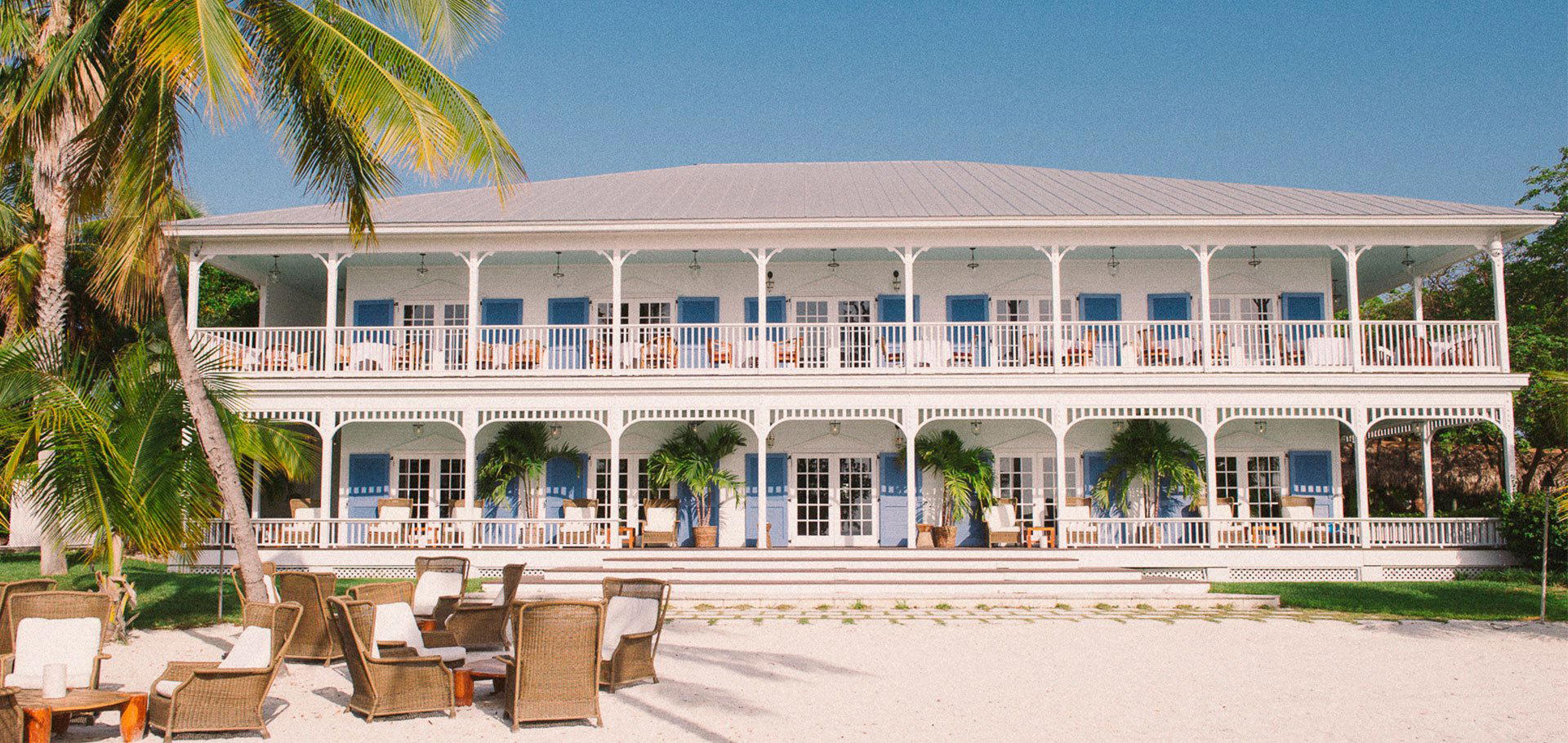
Bars in Islamorada
Browse all →
Details
- Elegant
- Scenic
- Date Night
- Special Occasion
- Group Dining
- Terrace
- Waterfront
- Open Kitchen
- Extensive Wine List
- Sake Program
- Local Sourcing
- Sustainable Seafood
- Garden
- Waterfront
- A La Carte
- Omakase
- Sake
- Wine
- Vegetarian Friendly
- Vegan Options
- Gluten Free Options
Current opening hours
- Monday
- Closed
- Tuesday
- 5–9 PM
- Wednesday
- 5–9 PM
- Thursday
- 5–9 PM
- Friday
- 5–9 PM
- Saturday
- 5–9 PM
- Sunday
- Closed
Hours can change for holidays and private events. Last verified .
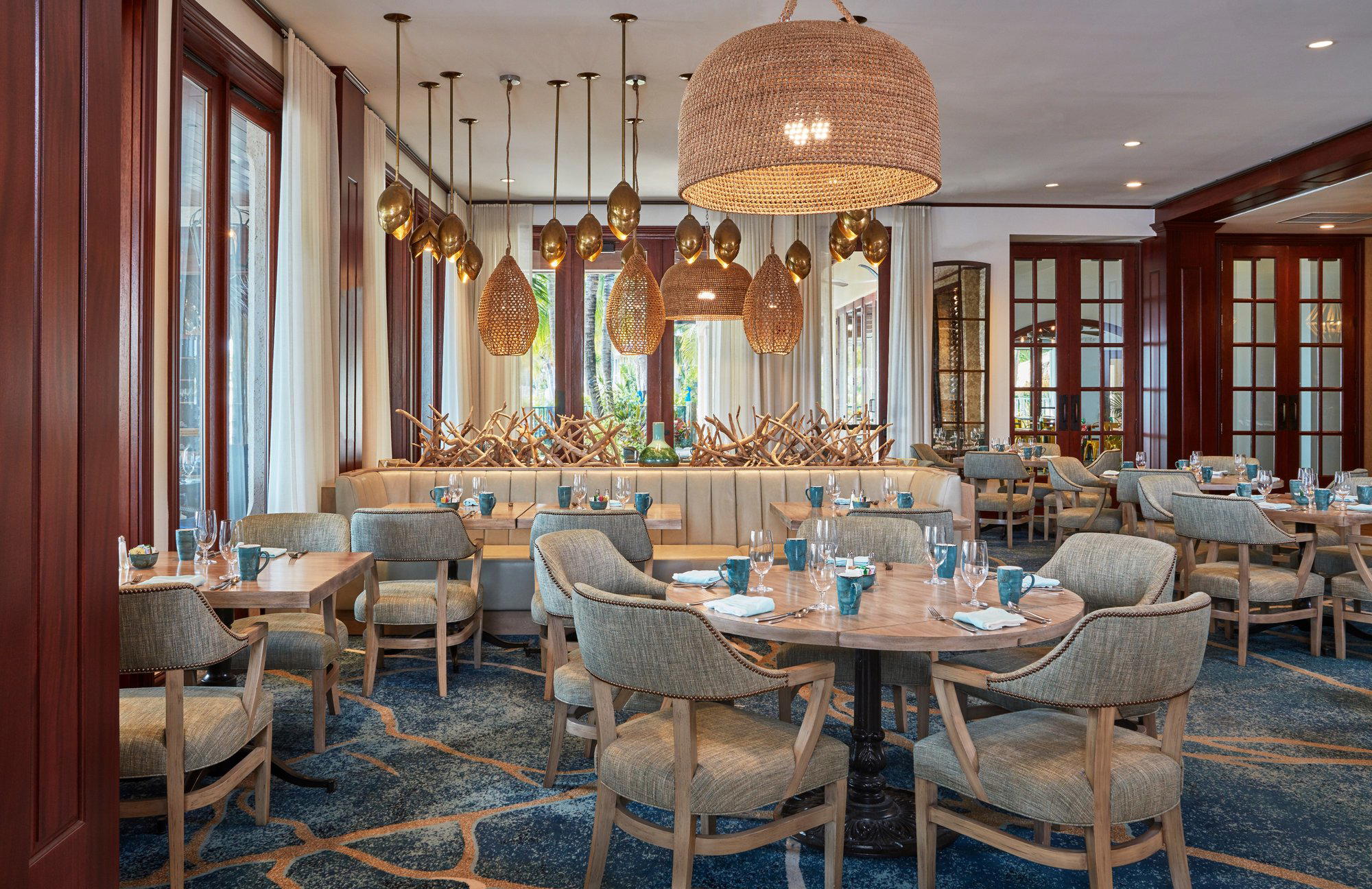
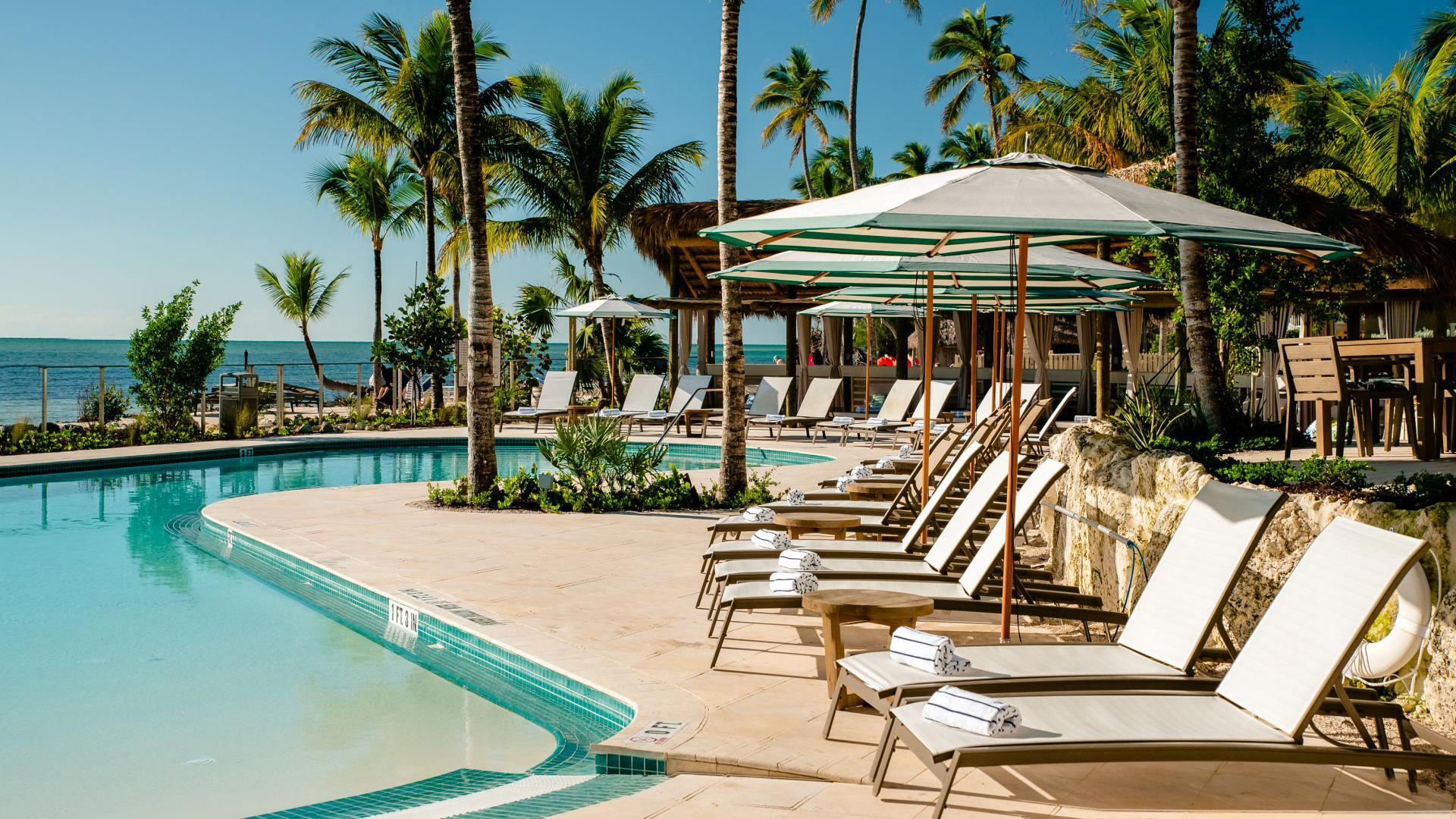
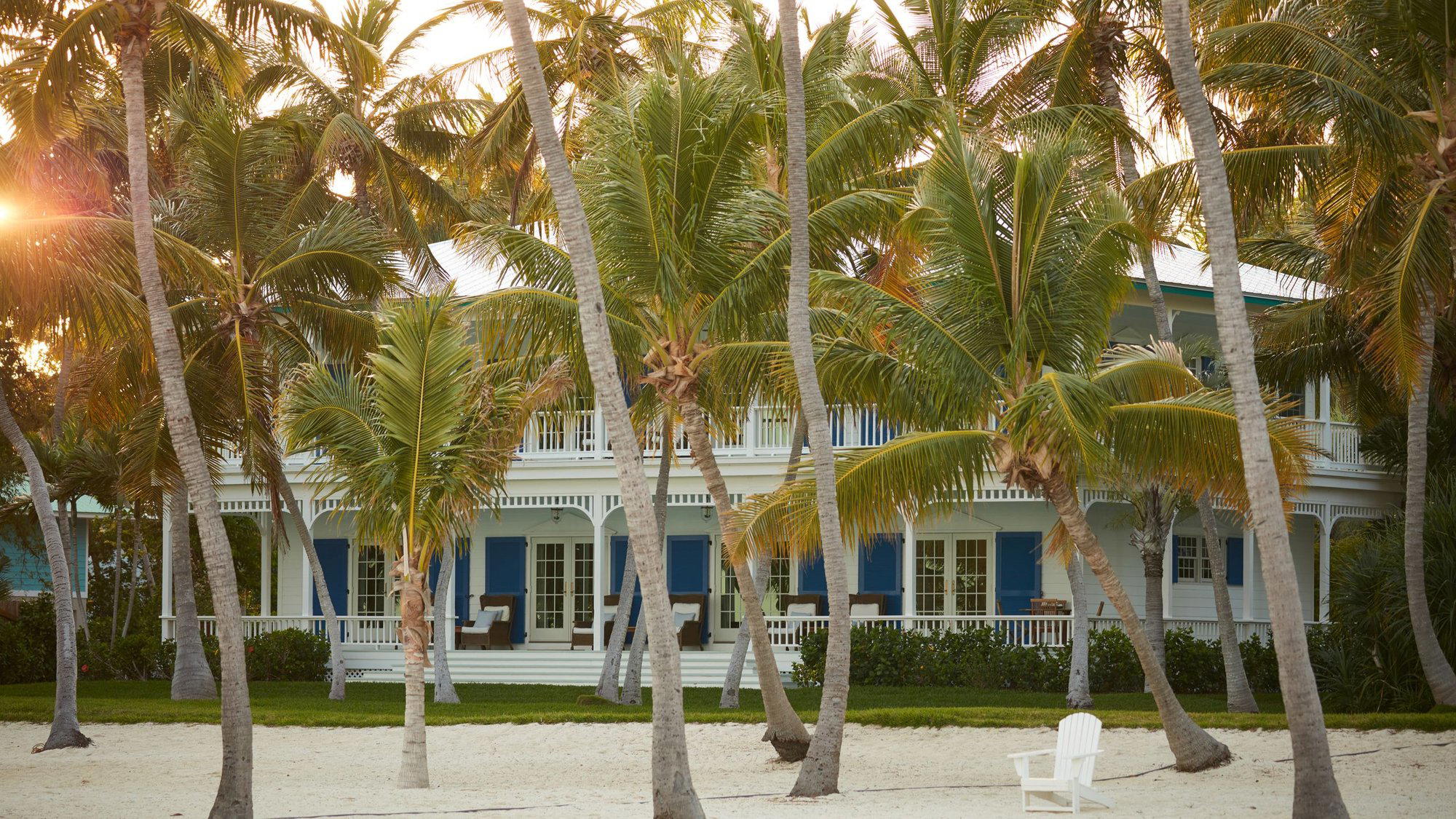
Warm and inviting with twinkling patio lights, garden scents, cool breezes on the wrap-around porch overlooking Florida Bay mangroves, and alluring aromas from the open kitchen.