Schnebly Redland's Winery & Brewery
Set at the southern edge of Miami-Dade on working agricultural land, Schnebly Redland's Winery & Brewery turns South Florida's tropical fruit harvest into wines and craft beers with no direct equivalent in the region. The Redland agricultural district provides the raw material; the open-air setting provides the context. It is a genuinely different proposition from anything on the urban Miami drinking circuit.

Pearl is the En Primeur Club membership app, where members save venues, book tables and use the concierge.
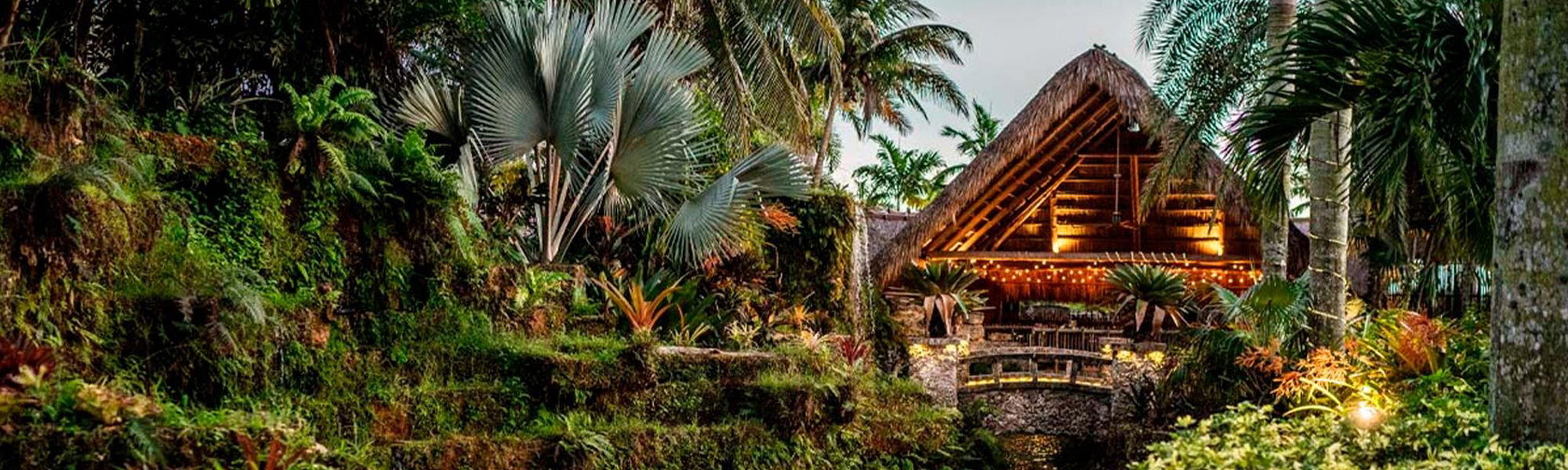
Where the Grove Meets the Glass
South Florida's agricultural fringe is not where most people expect to find a serious drinking destination. The Redland district, the southernmost agricultural zone in the continental United States, sits far enough from Miami's urban grid that the approach itself changes the register of the visit. Flat fields of tropical fruit trees, limestone rock nurseries, and roadside farm stands mark the route toward Homestead. By the time you reach 30205 SW 217th Ave, the contrast with Brickell or Wynwood is total. That contrast is the point.
Schnebly Redland's Winery & Brewery occupies a physical space that is inseparable from its product. The open-air design pulls the outside in, with the surrounding grove functioning as both backdrop and ingredient source. This is not the climate-controlled, dimly lit tasting room format common to California or Pacific Northwest wine tourism. The heat, the light, and the organic noise of a working agricultural property all register here, shaping the atmosphere in ways that no interior designer could fully replicate. For drinking venues across the South, the relationship between setting and product is frequently discussed but rarely this literal.
Tropical Fermentation as a Regional Proposition
The broader American craft beverage scene has spent two decades expanding its ingredient vocabulary, with producers in unexpected climates finding commercial traction by working with what their geography actually offers rather than replicating what works elsewhere. South Florida grows avocados, carambola, lychee, passion fruit, and guava at scale. Schnebly channels that harvest into its winery and brewery programs, producing wines and beers built around tropical fruit rather than wine grapes in the European tradition.
This positions Schnebly within a small but growing category of American producers who treat regional agricultural identity as a winemaking premise rather than a marketing angle. The peer comparison is not Napa or Sonoma. It is closer to the mead producers working with local honey varietals, or the cider houses in the Pacific Northwest drawing on specific orchard cultivars. The credibility of the product rests on the specificity of the local raw material, and the Redland agricultural district has the growing conditions and the fruit diversity to support that argument.
For Miami-Dade's drinking scene, which more typically runs toward cocktail bars and brewery taprooms in urban settings, Schnebly represents a different tier of engagement. Venues like Finka Table & Tap and Miami Brewing Company anchor the county's more accessible drinking culture. Schnebly operates at a remove, both geographically and conceptually, from that circuit. See our full Miami Dade County restaurants guide for the wider picture across price points and neighborhoods.
The Atmosphere as the Primary Argument
The design logic at Schnebly is expansive rather than intimate. Open-air pavilions, water features, and tropical landscaping create a setting where the visit extends well beyond the pour. This is a place built for lingering in a climate that, for much of the year, makes outdoor sitting viable in a way that northern venues cannot replicate. The effect is something closer to an agritourism destination than a standard tasting room, and the atmosphere rewards visitors who arrive with time rather than just curiosity.
The sensory environment here tracks differently from urban craft beverage venues. Where bars like Bar Kaiju in Miami or technically precise programs such as Kumiko in Chicago, ABV in San Francisco, or Allegory in Washington, D.C. operate through controlled interior environments where lighting and acoustics are tools in service of a defined mood, Schnebly works with the uncontrolled. The humidity, the birdsong, the open sky over the pavilion: these are features, not inconveniences. It is a different contract with the visitor, and it suits a different kind of trip.
Contrast with more architecture-driven drinking destinations internationally, such as The Parlour in Frankfurt on the Main or the considered interiors at Bar Leather Apron in Honolulu, makes the point cleanly. Those venues derive atmosphere from what is built. Schnebly derives atmosphere from what is grown.
Placing It on the Map
Regional craft beverage scene has several reference points worth knowing. Venues such as Julep in Houston, Jewel of the South in New Orleans, and Superbueno in New York City each draw on regional identity in their programs, but through the cocktail format and an urban frame. Schnebly's proposition is structurally different: the agricultural source is not an inspiration for the drink program but the literal feedstock. That distinction places it in a narrower category, and one with fewer direct competitors in the southern United States.
Homestead's location, roughly an hour south of Miami proper depending on traffic, means the visit requires planning. The distance filters out casual drop-ins and draws visitors who have made the winery the purpose of the trip rather than an add-on. That self-selection shapes the audience and, in turn, the atmosphere. Weekend visits, particularly in the cooler months between November and March when the South Florida climate is at its most cooperative, draw a mix of Miami residents making the drive and tourists who have built the agricultural district into a broader itinerary that might include Everglades National Park and Biscayne National Park, both of which are within close range.
Planning the Visit
Visitors arriving by car should allow sufficient time to move between Miami and Homestead, where weekend traffic on the Florida Turnpike and US-1 can extend journey times considerably. The address, 30205 SW 217th Ave, sits within the Redland agricultural district proper rather than in Homestead's commercial center. The surrounding area warrants a half-day rather than a quick stop: the grounds, the product range, and the pace of the place are not designed for efficiency.
For visitors building a wider South Florida trip, the agricultural district south of Miami offers a context that the city itself cannot replicate. The winery's dual winery-brewery format means the product range is broader than a single-category operation, giving visitors without strong wine preferences an entry point through the craft beer side of the program.
Cuisine-First Comparison
| Venue | Cuisine | Price | Awards |
|---|---|---|---|
| Schnebly Redland's Winery & BreweryThis venue (the venue you are viewing) | Not listed | $20–30 | Not listed |
| Julep | Not listed | Not listed | World's 50 Best |
| Kumiko | Not listed | Not listed | World's 50 Best |
| ABV | Cocktail Bar | $20–30 | World's 50 Best #39 · Eater Cocktail Bar Guide |
| Bisous | Not listed | $20–30 | World's 50 Best #30 · James Beard Award Semi Finalist |
| Canon | Not listed | Not listed | World's 50 Best |
Continue exploring
More in Homestead
Bars in Homestead
All bars in Homestead →
Restaurants in Homestead
Browse all →
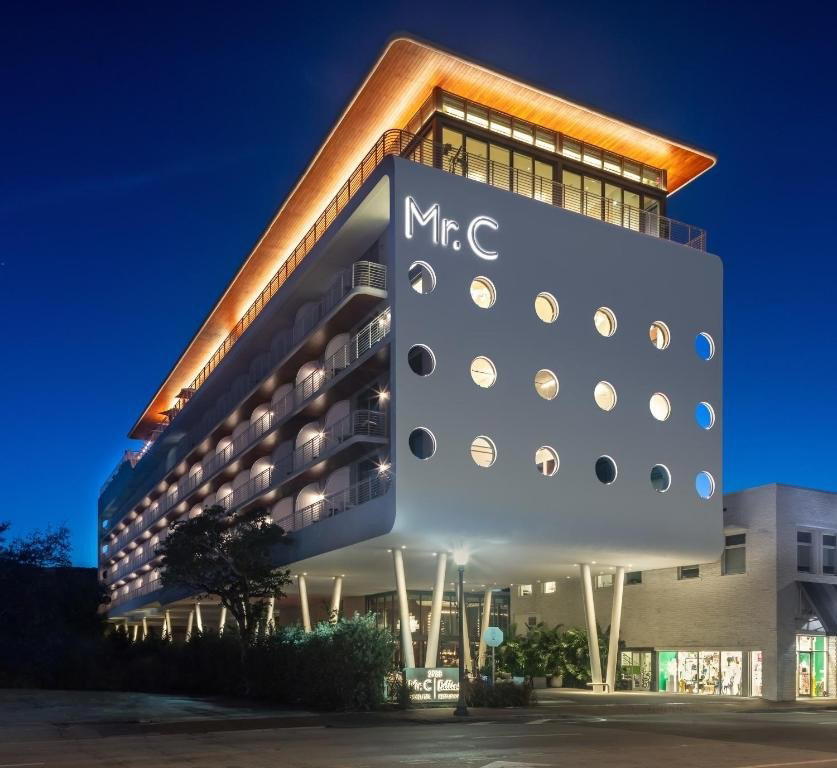
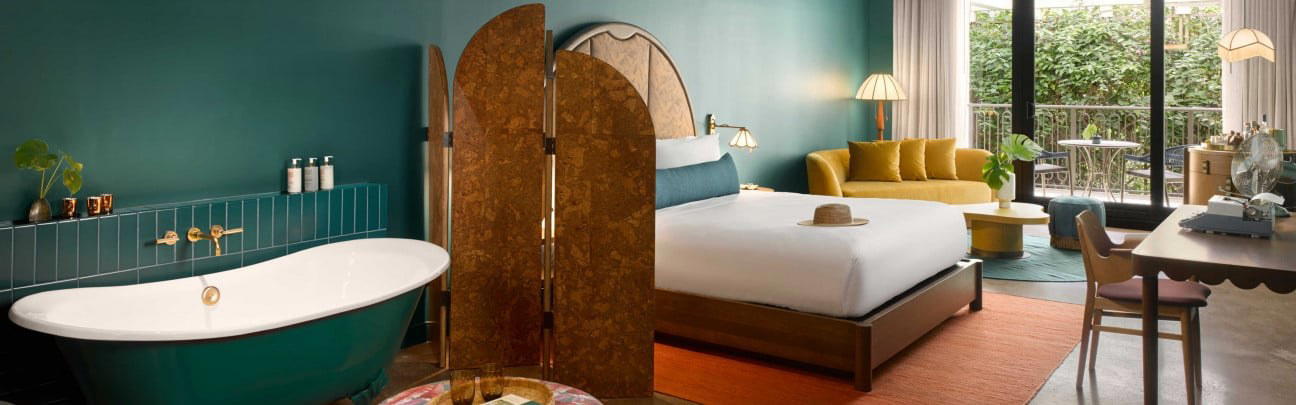
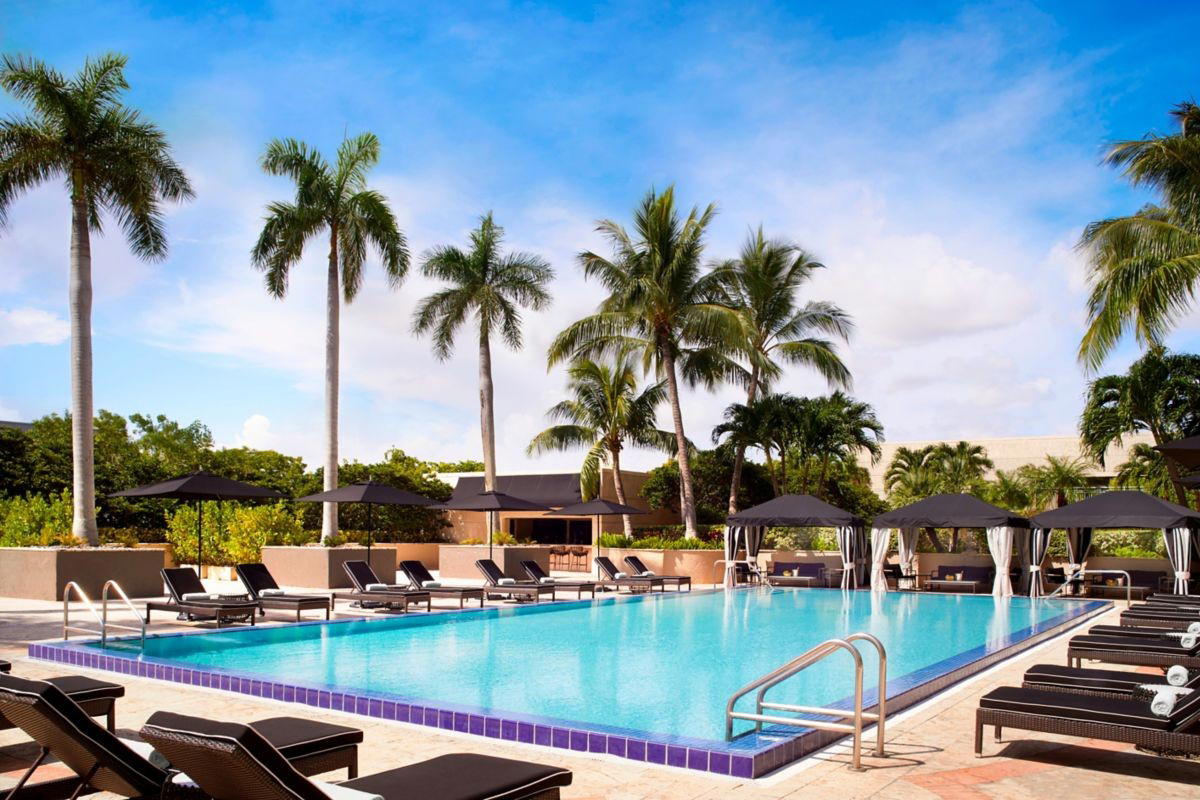
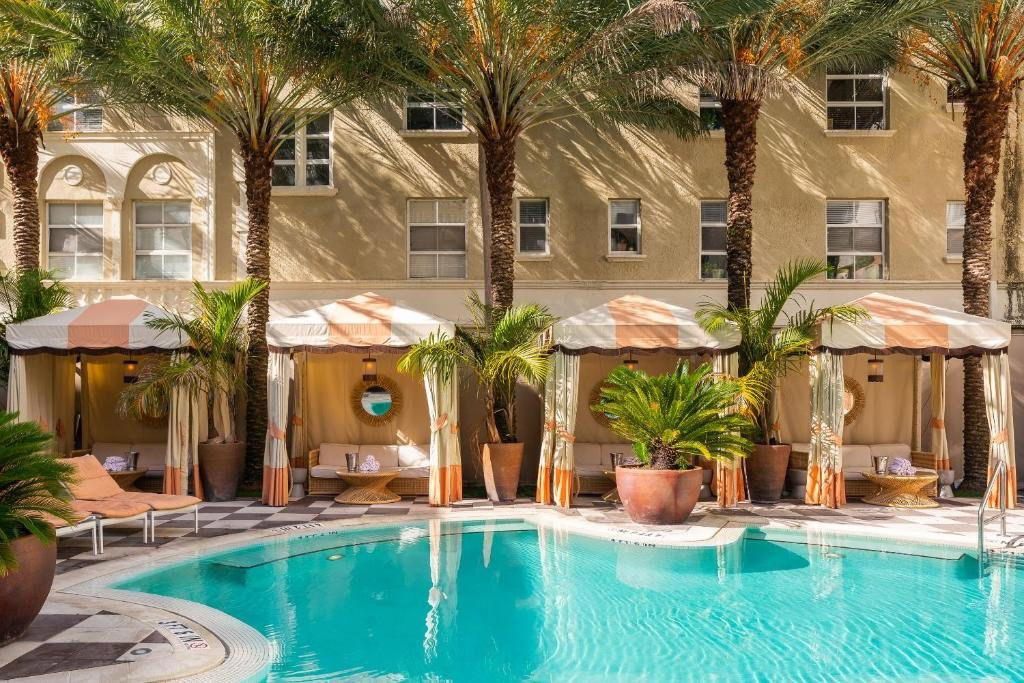
Schnebly Redland's Winery & Brewery
The drinks
- Craft beer
Signature drinks: Avovino, Mango Wine, Passion Fruit Wine, Lychee Wine.
Details
- Scenic
- Rustic
- Lively
- Group Outing
- Casual Hangout
- Celebration
- Garden
- Live Music
- Outdoor Terrace
- Lounge Seating
- Conventional Wine
- Craft Beer
- Garden
- Vineyard
Current opening hours
- Monday
- 12–5 PM
- Tuesday
- 12–5 PM
- Wednesday
- 12–5 PM
- Thursday
- 12–5 PM
- Friday
- 11 AM–12 AM
- Saturday
- 11 AM–12 AM
- Sunday
- 11 AM–8 PM
Hours can change for holidays and private events. Hours as of .
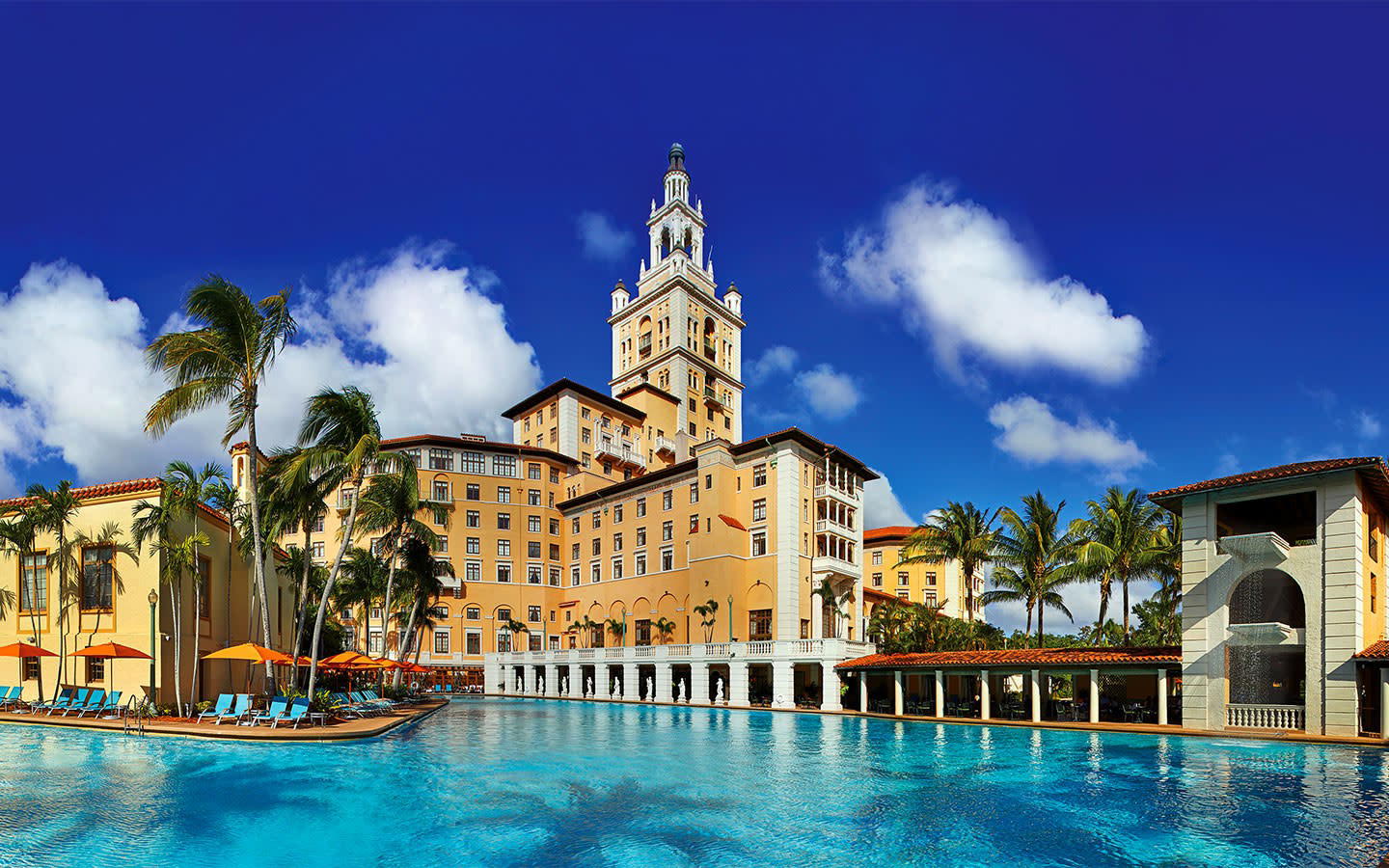
Lush tropical paradise with waterfalls, tiki huts, shaded garden seating, and open-air grounds.