
Tabelog 100 #73
Our verdict
Tokyo’s lower-priced South Indian and ethnic-cuisine scene rarely receives the same visitor attention as sushi counters or kaiseki rooms, yet Tabelog’s 2024 Asian/Ethnic Tokyo selection gives this Omori address a clear critical marker. Kerala no Kaze no Morning sits at the intersection of Indian cooking, kissa culture, breakfast service, and vegetable-led dining, with a compact room and a reputation built on format rather than spectacle.

Pearl is the En Primeur Club membership app, where members save venues, book tables and use the concierge.
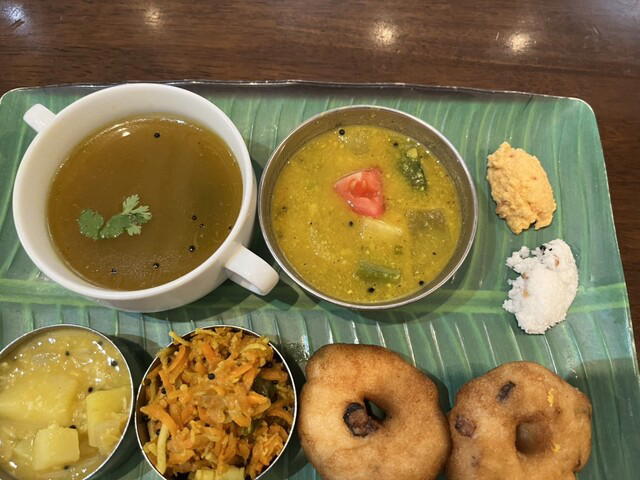
The menu
What to order
- Dosa
- Idli
- Vada
- Uttapam
- Upma
- Chai
Tokyo is not only hotel-lobby dining rooms or Ginza counters. Its rhythm can also be residential and everyday: station traffic, small storefronts, coffee-shop habits, and lunch rooms that serve regulars before they serve itineraries. In that setting, Indian cooking takes on a different role. It is not framed only as destination theatre; it becomes part of the city’s everyday eating culture, close to the kissa tradition of modest rooms, focused service, and repeatable meals.
That context matters because Tokyo’s ethnic-cuisine recognition has widened beyond central wards and high-design dining. Kerala no Kaze no Morning was recognized in Tabelog Hyakumeiten in 2024. For a venue categorized as Indian and kissa, that signal places it in a more interesting bracket than a standard neighbourhood breakfast shop. The point is not luxury; the point is critical acknowledgement for a narrow, disciplined format in a city where small rooms can acquire serious reputations without adopting tasting-menu codes.
Indian cooking filtered through Tokyo's kissa habits
Tokyo has long absorbed foreign cuisines through local formats: ramen shops borrow Chinese roots, kissaten absorb Western coffee culture, curry shops turn spice into routine. Indian cooking fits that pattern differently from restaurant tropes built around larger formal service. A casual format shifts attention toward simple meals and the idea of spice as part of an ordinary day rather than only an evening occasion.
Kerala no Kaze no Morning works because it sits inside that overlap. The room is best understood through a modest, everyday lens rather than a formal dining-room structure. Simple use is part of the appeal, which says more about the format than any decorative claim could. This is the Tokyo version of specialist casual dining: modest spend, local familiarity, and a menu identity defined by an Indian reference rather than a generic café label.
The recognition is useful because Tokyo’s casual Indian field is broad and uneven. A Hyakumeiten selection does not turn a place into fine dining, and it should not be read that way. It tells the reader that the venue has crossed a local critical threshold. That is a different kind of trust signal from Michelin, and in this category it may be more relevant: it reflects sustained local attention in a field where value, repeatability, and category clarity matter.
Why the Tokyo setting changes the reading
Tokyo gives the meal an everyday city frame rather than a tourist-centre one. The appeal is not density of headline restaurants; it is the way ordinary urban routines preserve highly specific food rooms. That distinction is useful for travellers building a Tokyo itinerary beyond the usual trophy stops. A meal here belongs with the city’s specialist casual addresses, not with formal reservations or late-night bar circuits.
In price-tier terms, it also belongs to a Tokyo category that is easy to underestimate. Compared with Sushidokoro Shishi, a sushi address operating in a higher spend band, or Tenfuku, where the evening range moves far above casual lunch territory, this Tokyo room represents another type of seriousness: low spend, high specificity, and local recognition. Oshokuji Maruyama and Tonkatsu Kurogane occupy nearby everyday price territory, while Coffee Tei Ruan sits even lower; the useful comparison is not cuisine, but the way Tokyo’s smaller venues can build identity without luxury cues.
That is the editorial reason to pay attention. Tokyo dining coverage often overweights scarcity, counter intimacy, and chef hierarchy. This format pushes against that bias. It shows how reputation can attach to a casual service and a modest room where the category itself is the draw. For readers mapping the city through food culture rather than trophy meals, it adds a useful Indian-kissa note to an itinerary otherwise dominated by sushi, yakitori, ramen, and French-Japanese tasting rooms.
How to place it in a Tokyo dining day
The decision is less about ceremony than sequencing. This is a casual specialist, better treated as a planned stop than a flexible fallback. Its appeal sits in the disciplined format: a modest price band, a casual setting, and a clearly defined category. Those details make it a poor fit for a lingering business meal, but a strong fit for visitors who want Tokyo’s ethnic-cuisine scene at street level.
For broader planning, pair the Tokyo stop with a citywide view rather than forcing it into a neighbourhood crawl. EP Club’s Our full Tokyo restaurants guide is the better starting point for building the food day, while Our full Tokyo hotels guide, Our full Tokyo bars guide, Our full Tokyo wineries guide, and Our full Tokyo experiences guide help place it within a larger trip.
Readers comparing casual Tokyo genres can also look sideways: other spice-focused rooms for another reference point, counter-format specialists for precision, central-city dining for contrast, seafood and charcoal restaurants for a different everyday register, and cafés for another expression of Tokyo coffee-shop culture. Outside Tokyo, the comparison widens only in general terms: Japan and other dining cities show how modest venues can build strong identities without needing luxury cues.
Kerala no Kaze no Morning is strongest as evidence of a broader Tokyo truth: the city’s serious food culture is not confined to expensive rooms. In the right category, a casual address can carry as much editorial weight as a far costlier counter, provided the format is specific and the local reception is clear. Here, the case rests on Indian identity, kissa context, everyday utility, and selection in a respected Tabelog list.
A Lean Comparison
Comparable venues by price and recognition.
| Venue | Cuisine | Price | Awards | Notes |
|---|---|---|---|---|
| Kerala no Kaze no MorningThis venue (the venue you are viewing) | Kerala South Indian Breakfast | $10–20 | Tabelog 100 #73 | Not listed |
| Oshokuji Maruyama | Tonkatsu and Japanese set-meal counter | $10–20 | Tabelog 100 #22 | JPY 1,000 - JPY 1,999 JPY 1,000 - JPY 1,999 |
| Coffee Tei Ruan | Not listed | $1–10 | Tabelog 100 | JPY 999 |
| Sushidokoro Shishi | Niigata-Style Omakase Sushi | Not listed | Michelin Plate | Sushi |
| Tenfuku | Edomae Tempura & Tendon | $20–30 | Tabelog 100 #36 | JPY 10,000 - JPY 14,999 JPY 1,000 - JPY 1,999 |
| Tonkatsu Kurogane | Specialist Tonkatsu (Japanese Pork Cutlet) | $20–30 | Tabelog 100 #83 | JPY 1,000 - JPY 1,999 JPY 2,000 - JPY 2,999 View spending breakdown |
Recognition history
Dated appearances from independent guides and award organizations, with the underlying list record or original source where available.
Tabelog 100 #73 · No. 73
Tabelog · Tabelog 100 - Asian cuisine / Ethnic cuisine - TOKYO - 2024
Continue exploring
More in Tokyo
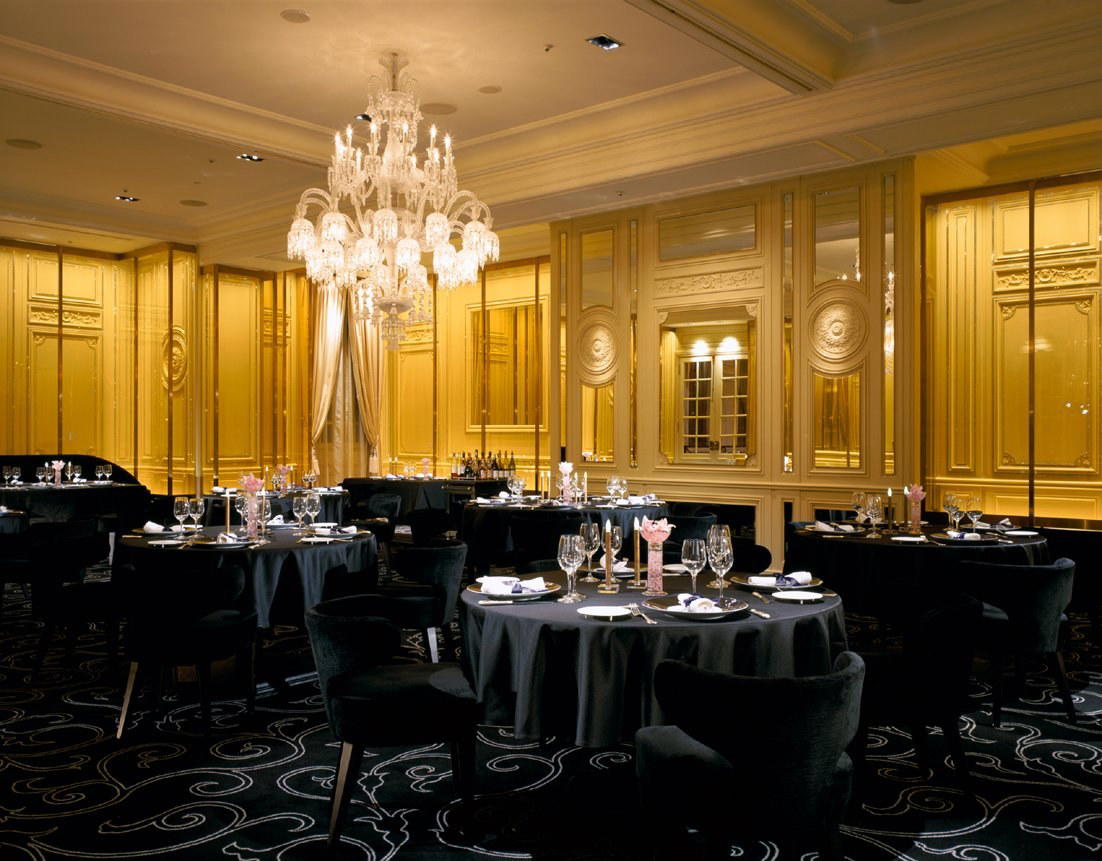
Restaurants in Tokyo
All restaurants in Tokyo →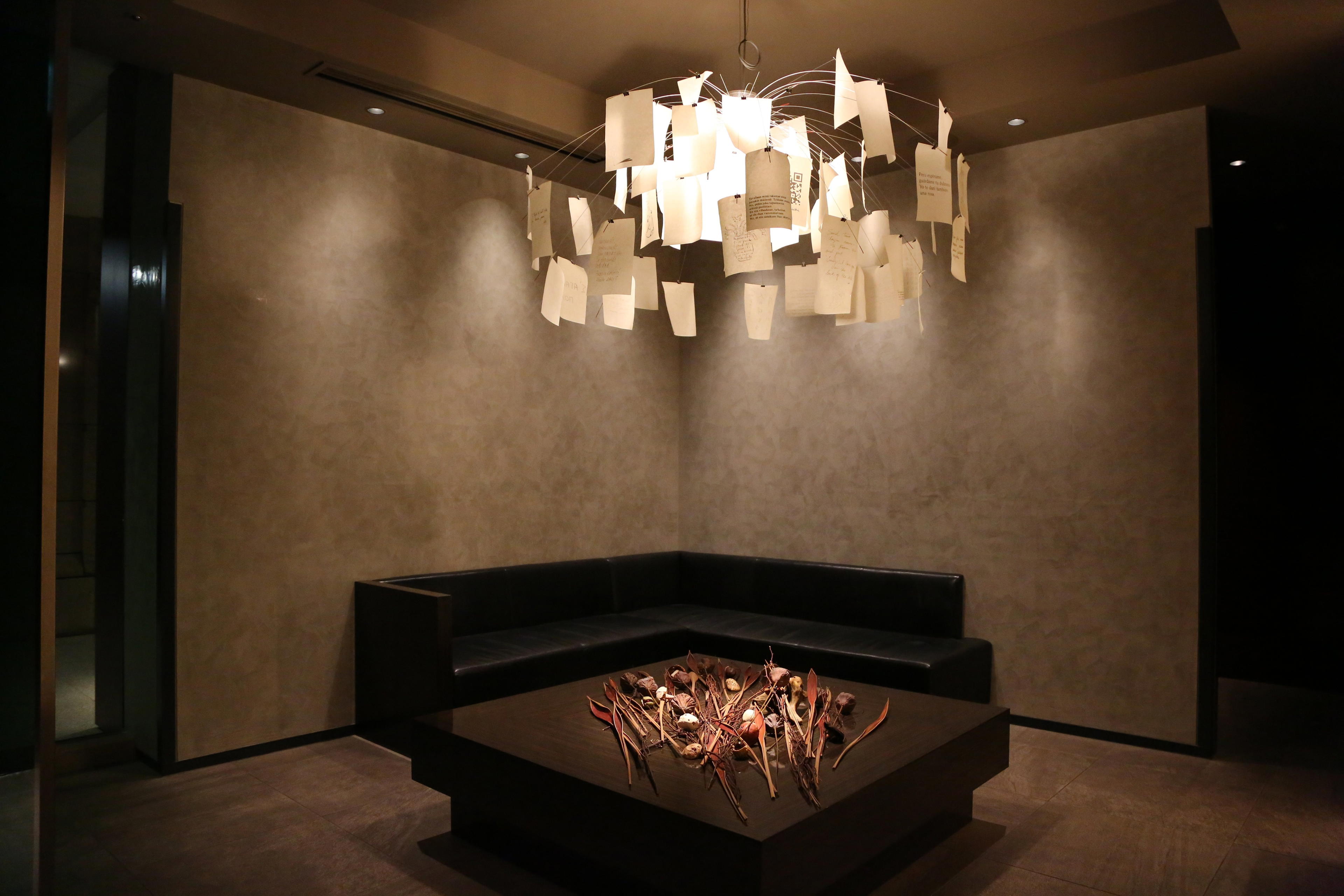

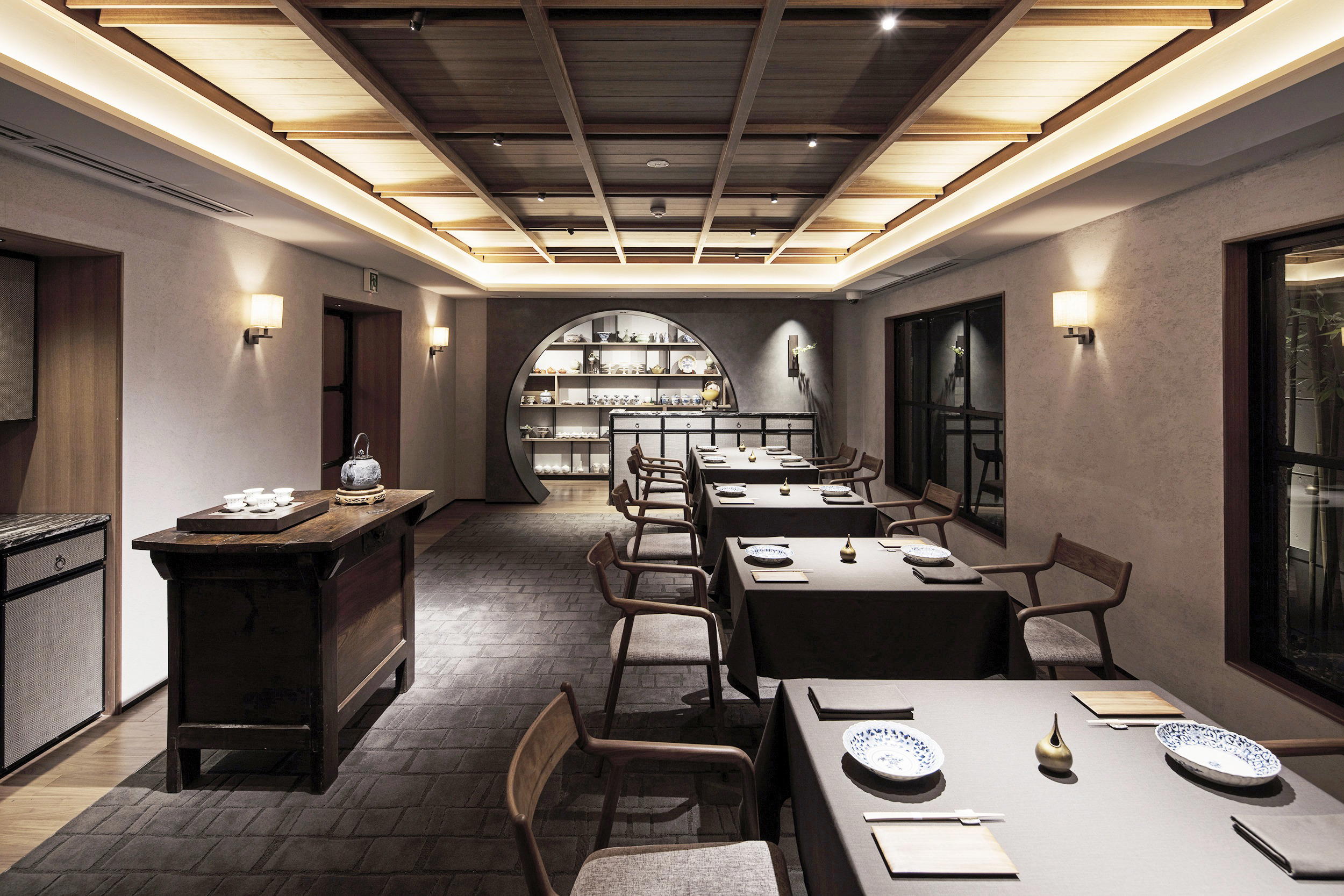
Bars in Tokyo
All bars in Tokyo →




Details
- Cozy
- Classic
- Brunch
- Solo
- Casual Hangout
- Standalone
- Zero Proof
- A La Carte
- Set Menu
- Tea
- Chai
- Vegetarian Friendly
Current opening hours
- Monday
- 10 AM–2 PM
- Tuesday
- Closed
- Wednesday
- Closed
- Thursday
- Closed
- Friday
- 10 AM–2 PM
- Saturday
- 10 AM–2 PM
- Sunday
- 10 AM–2 PM
Hours can change for holidays and private events. Hours as of .
A modest, cozy daytime restaurant with a light-meal, neighborhood feel and a calm breakfast-and-lunch atmosphere.