KEK Seafood serves Singaporean Hainanese zi char in a casual, lively standalone setting, with Moonlight Hor Fun, Coffee Pork Ribs, and Salted Egg Squid on the signature list.

Pearl is the En Primeur Club membership app — saves, bookings, and concierge access live there. Same editors, same standards.
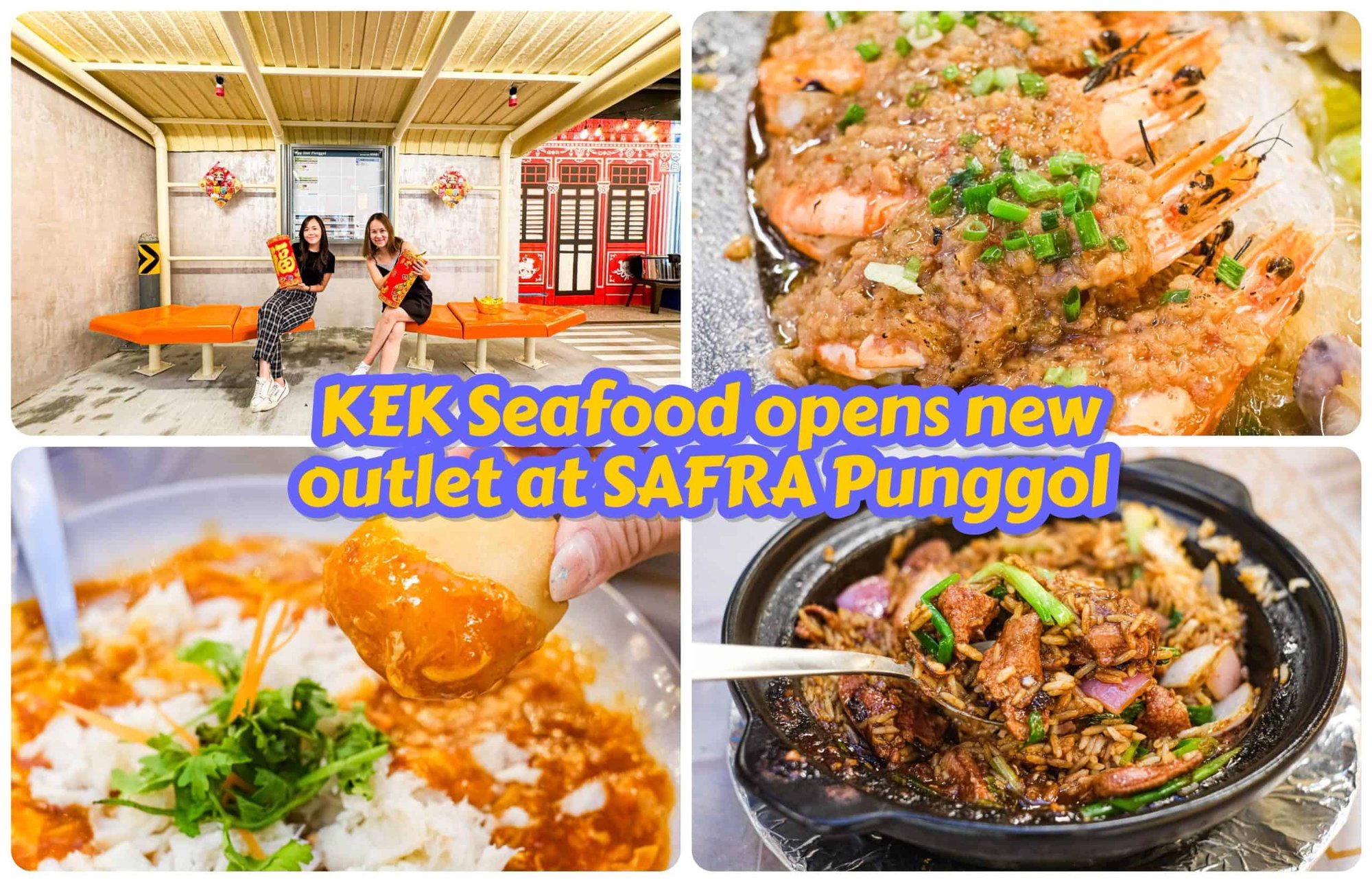
The Ritual of Return: Singapore's Seafood Table Culture
There is a particular kind of restaurant that Singaporeans keep to themselves. Not out of secrecy, but because the relationship between a regular and their preferred seafood house is personal in a way that resists easy description. Tables are claimed through habit rather than reservation, orders placed without menus, and the measure of quality is not what arrives on the first visit but what has kept the same people coming back across years. KEK Seafood is a Singaporean Hainanese Zi Char restaurant in Singapore, priced at about US$42 per person, and it occupies this kind of position in Singapore's broader seafood dining scene, a city where chilli crab, black pepper crab, and steamed whole fish are not novelties but weekly rituals for large portions of the population.
Singapore's seafood restaurant category is among the more competitive in Southeast Asian dining. The city's coastal Chinese cooking tradition, built from Teochew, Hokkien, and Cantonese techniques applied to locally landed and imported live seafood, has produced dozens of operations ranging from open-air zinc-roofed establishments to air-conditioned dining rooms. Within that range, the restaurants that attract genuine repeat custom tend to share a common profile: consistent sourcing, a kitchen that does not overcomplicate, and a floor team that recognises faces. KEK Seafood fits the pattern that defines the mid-tier and neighbourhood-anchor segment of this tradition.
What Regulars Actually Order
The unwritten menu at a place like this is always more revealing than the printed one. In Singapore's seafood houses, regulars typically arrive with a sequence already decided: a wok-fried crab preparation as the centrepiece, supplemented by a steamed fish chosen from the live tank, and a series of vegetable and tofu dishes that the kitchen executes with the same attention given to the headline proteins. The logic is cumulative. No single dish is meant to carry the meal; the table is designed to feed a group across multiple rounds, with rice ordered late and eaten to finish.
This format places a significant premium on pacing and kitchen timing, qualities that reveal themselves only over repeated visits. A seafood house that manages its wok heat across a full room, times its whole fish steaming to land at the table with the crabs rather than ten minutes earlier, and keeps its sauce-to-protein ratios consistent service after service is doing something technically demanding. That is what regulars are actually assessing, visit by visit, even if they would not describe it in those terms.
Singapore's Seafood Scene: Context and Competitive Set
Across Singapore, the seafood restaurant tier sits in an interesting relationship with the city's fine dining circuit. The Michelin-starred end of Singapore dining, represented by destinations like Odette, Les Amis, and Zén, operates on a completely different logic of tasting menus, advance booking, and per-head pricing that begins where a seafood table's per-table bill ends. The contemporary innovators, such as Meta and Jaan by Kirk Westaway, occupy a creative register that has little overlap with the live-tank, high-wok-heat model. And yet the seafood house is not a lesser category. It is, for most Singaporeans, the setting for the meals that matter most: birthdays, family reunions, the kind of dinners that require a round table large enough to seat twelve.
That social function shapes the entire operation. Tables at Singapore's established seafood restaurants are booked not weeks but months in advance for weekend evenings, particularly around Chinese New Year and National Day periods when multi-generational dinners peak. The city's restaurant guides and platforms that track broader dining in Singapore, from the neighbourhood specialists listed in our full Singapore restaurants guide to the more considered addresses like Béni in Orchard and Imperial Treasure Fine Chinese Cuisine in Downtown Core, reflect a dining city that moves across registers with unusual ease. A Singaporean who eats at a three-Michelin-starred counter on Friday may be at a coffee-shop seafood table on Saturday, and neither experience registers as incongruous.
The neighbourhood seafood house tradition extends across the island. Spots like 93 Kallang and KTMW chicken rice tea-cafe in Bedok represent the same logic applied to different protein categories and different postcodes. The commonality is a local customer base that has made a deliberate, repeat choice rather than a tourist population seeking a single representative experience.
The Practical Picture
This is standard practice for the segment: seafood houses in Singapore frequently operate across multiple premises, adjust hours seasonally, and manage reservations through direct telephone rather than third-party systems. Arriving without a reservation on a Friday or Saturday evening at any established Singapore seafood restaurant is a gamble; calling ahead, even the same day for a weeknight, usually resolves the question. Pricing in this category is typically calculated per dish and per person rather than as a fixed set menu, with the crab ordered by weight and the fish priced from the live tank, so bills can vary considerably depending on what the table orders and the market rate on the day.
For those building a wider Singapore itinerary, the city's eating range is broad. From the comfort formats at Haidilao Hot Pot at Sun Plaza in Sembawang and Asian Twist by 365 Food in Queenstown to the more niche specialists like Fu He Delights in Rochor and Du Du Shou Shi in Jurong West, Singapore rewards the visitor who plans across neighbourhoods rather than clustering in the central districts. The seafood table, wherever it sits geographically, tends to function as a social anchor point rather than a destination-in-isolation. The distance between fine dining benchmarks and a neighbourhood seafood house is obvious, but the underlying seriousness about sourcing and execution is not as different as the settings suggest.
Other options rounding out a multi-neighbourhood Singapore itinerary include Etna Restaurant in Outram and Little Italy Katong in Marine Parade, both of which serve communities that use their local restaurants in the same habitual, loyalty-driven way that defines the seafood house tradition.
Cuisine and Awards Snapshot
Comparable venues nearby, for context on price, style, and recognition.
| Venue | Cuisine | Price | Notes |
|---|---|---|---|
| KEK SeafoodThis venue — the venue you are viewing | Singaporean Hainanese Zi Char | $$ | Not listed |
| Cheese Wonder (pop-up) | Viral Hokkaido frozen cheesecake pop-up | $$ | Orchard |
| The Coastal Settlement | Local Fusion with Contemporary Twist | $$ | CHANGI POINT |
| FOOK KIN 福劲 | Cantonese Roast Meats | $$ | OXLEY |
| Long Beach DEMPSEY | Singaporean Seafood | $$$ | RIDOUT |
| No Signboard Seafood | Singaporean Seafood - White Pepper & Chili Crab | $$$ | ALJUNIED |
Continue exploring
More in Singapore
Restaurants in Singapore
Browse all →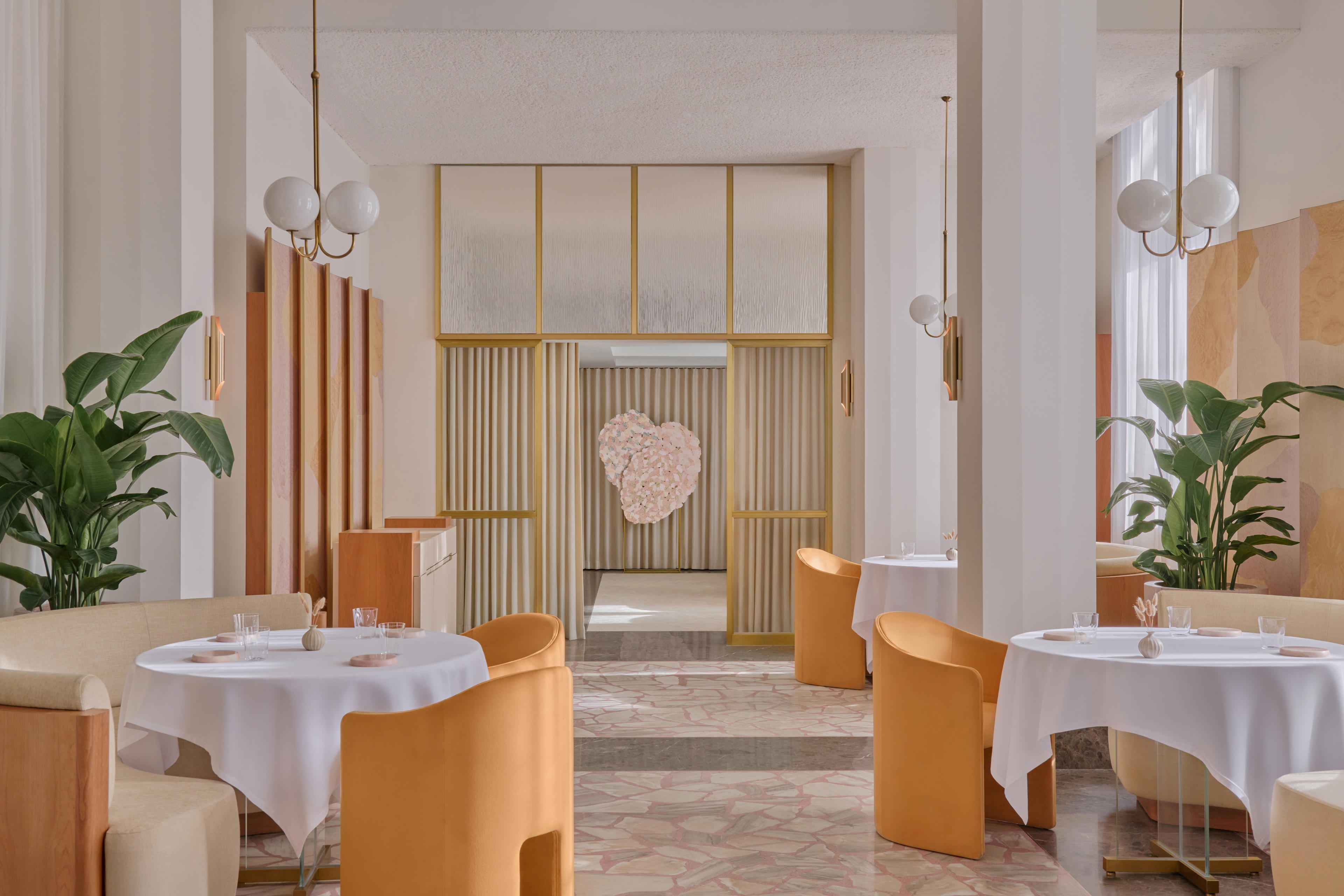
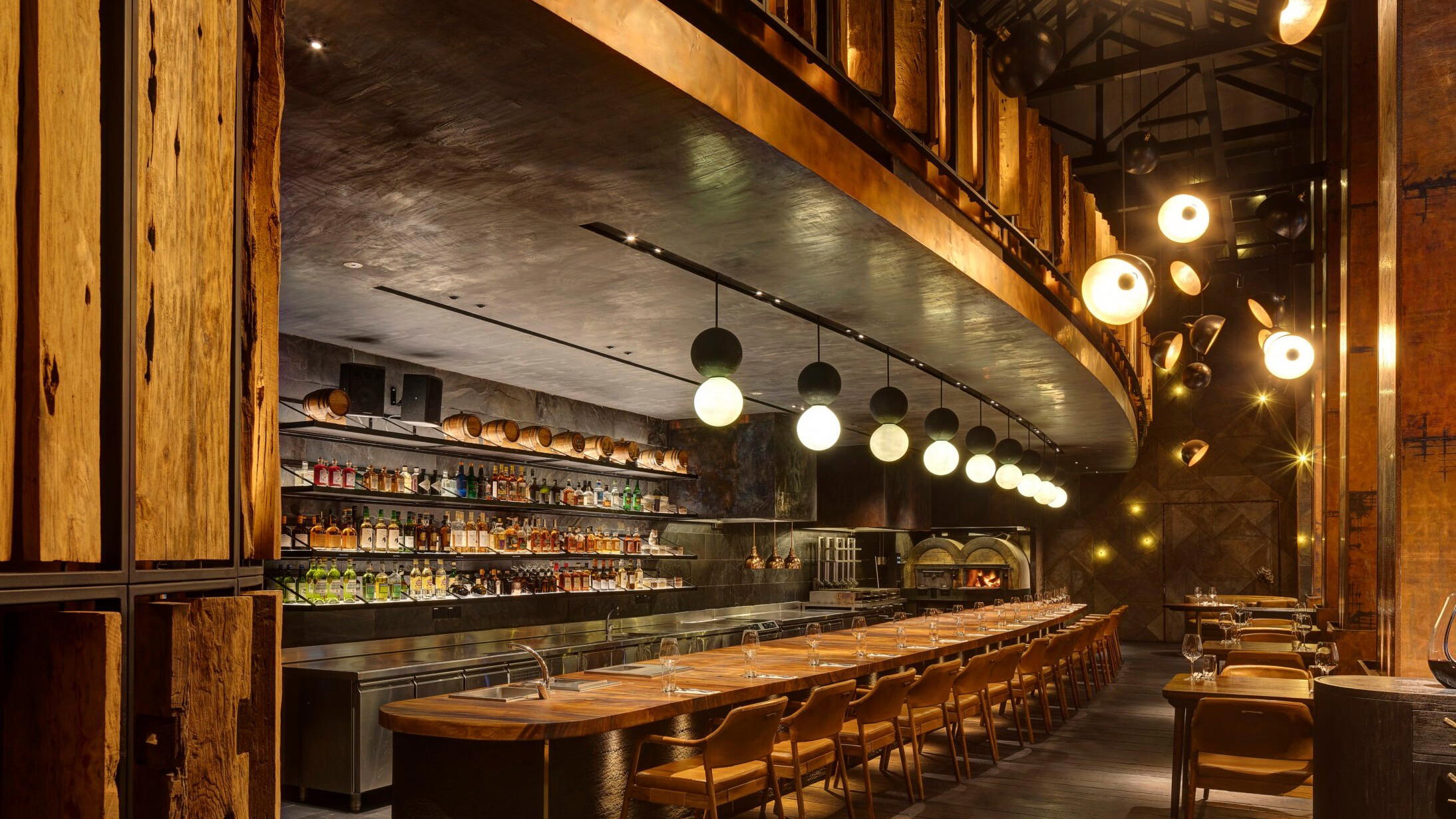
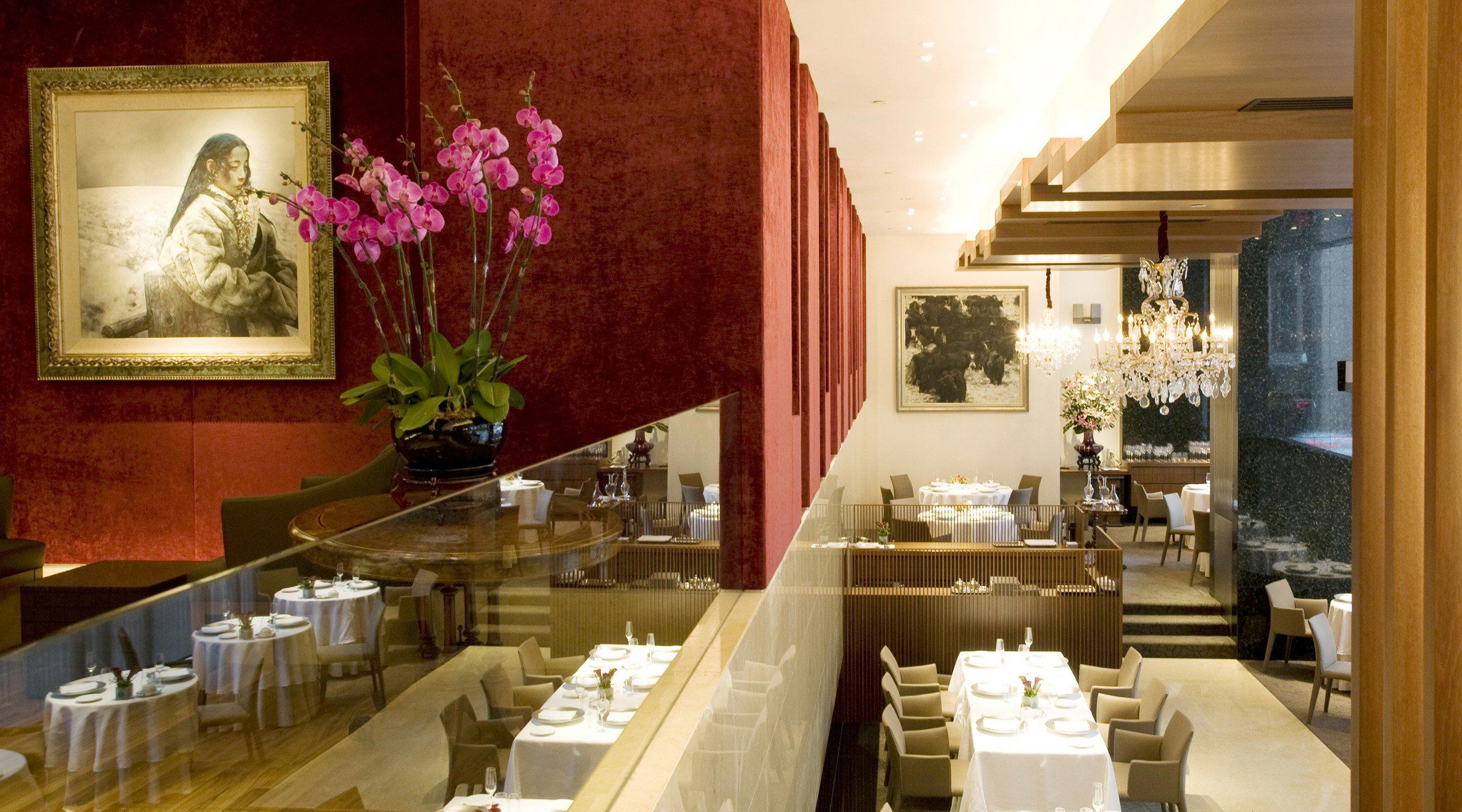
Bars in Singapore
Browse all →
At a Glance
- Lively
- Casual
- Group Dining
- Family
- Casual Hangout
- Standalone
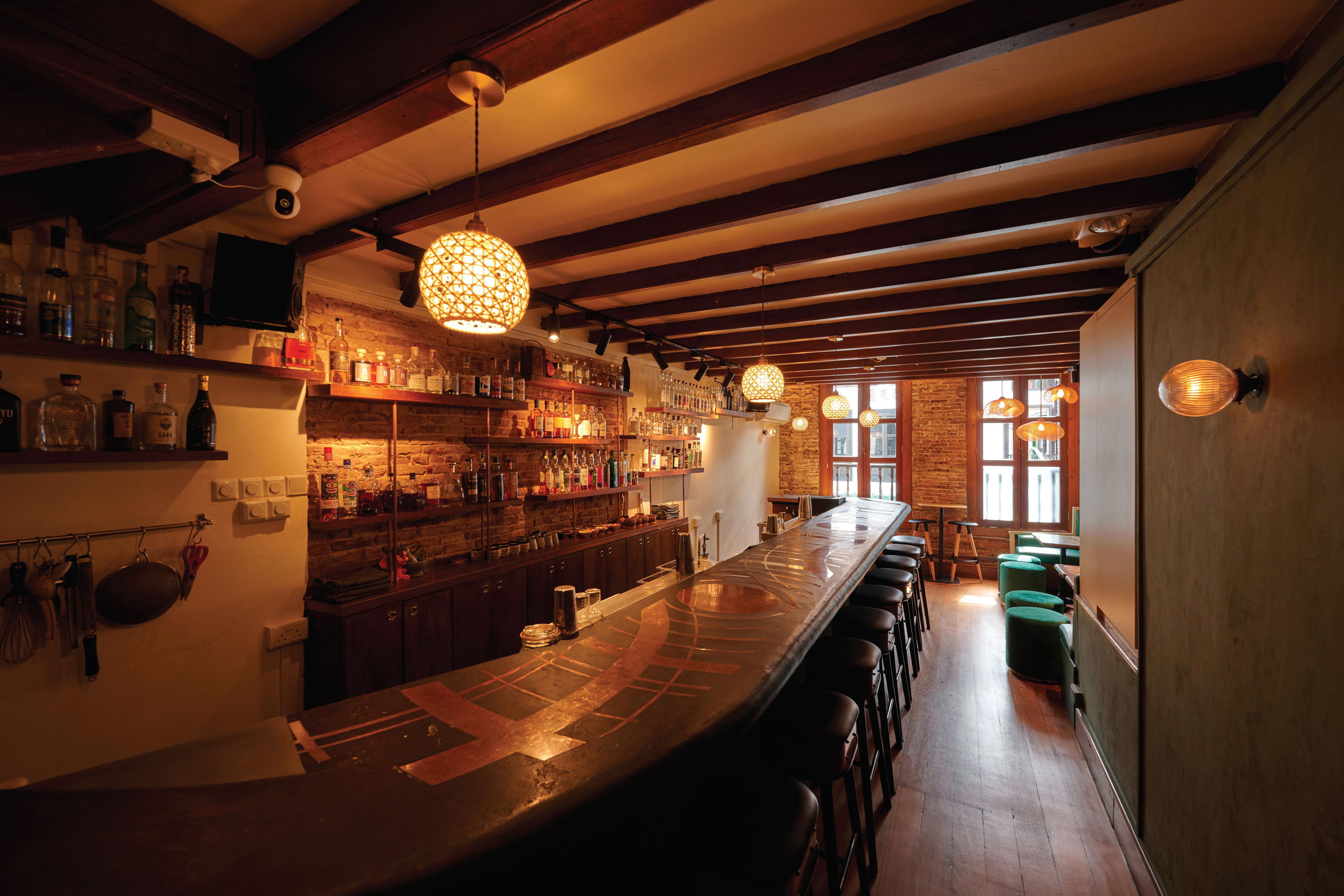
Casual hawker-like setting with yellow plastic chairs outdoors and a smaller air-conditioned indoor area.