Keeku Da Dhaba

Named among the San Francisco Chronicle's Best New Bay Area Restaurants for 2025, Keeku Da Dhaba on Mission Boulevard brings the dhaba tradition to Fremont's East Bay dining corridor. The format draws on the roadside diner culture of the Indian subcontinent, where cooking is direct, portions are generous, and the sourcing logic follows the season rather than the menu trend.
Pearl is the En Primeur Club membership app — saves, bookings, and concierge access live there. Same editors, same standards.
- Address
- 39935 Mission Blvd, Fremont, CA 94539, United States
- Phone
- +1 510-789-3437
- Website
- keekuz.com
- Directions
- Get directions
 Saves & bookings on Pearl
The Dhaba Format in the Bay Area Context
The dhaba is among the more durable eating formats in South Asian food culture: a roadside canteen where the cooking is unpretentious, the portions reflect hunger rather than theater, and the kitchen's relationship with its ingredients tends to be closer to a home cook's than to a restaurant's. That model has migrated across diaspora communities worldwide, and Fremont, with one of the densest concentrations of South Asian residents in California, is among the more logical places in the United States for it to take serious root. Keeku Da Dhaba on Mission Boulevard operates within that tradition, and its recognition by the San Francisco Chronicle as among the stronger New Bay Area Restaurants in 2025 signals that it is doing something beyond the familiar.
Fremont's Mission Boulevard corridor is not a destination dining strip in the way that San Francisco's Hayes Valley or Berkeley's Shattuck Avenue are. It is a working neighborhood artery, and the restaurants that earn attention there tend to do so through the quality of the cooking rather than through room design or media positioning. That context matters when assessing what the Chronicle recognition actually means for Keeku Da Dhaba. Awards lists weighted toward fine dining and tasting menus, like those populated by Lazy Bear in San Francisco, The French Laundry in Napa, or Alinea in Chicago, occupy a different tier of the critical conversation. A Leading New Restaurant nod in a regional newspaper list is a different category of signal, but in a market as competitive and food-literate as the Bay Area, it is not an easy credential to earn.
Sourcing Logic and the Dhaba Tradition
The dhaba kitchen, in its traditional form, is not a concept kitchen. It is a practical one. The cooking follows what is available, what travels well, and what holds over a wood fire or a flat iron griddle. Lentils, ghee, fresh dairy, seasonal vegetables, and whole spices are the working vocabulary. That ingredient logic, stripped of the tasting-menu apparatus that defines places like Blue Hill at Stone Barns or Single Thread Farm in Healdsburg, is in some ways more demanding: the cooking has nowhere to hide. When the format works, it is because the sourcing is honest and the technique is calibrated to the ingredient rather than imposed upon it.
Northern California gives this kind of kitchen genuine advantages. The Central Valley's agricultural output, the proximity to dairy operations in the East Bay and Marin, and the year-round availability of fresh produce mean that a kitchen committed to ingredient-led South Asian cooking in Fremont has access to a supply chain that matches what the dhaba tradition asks of it. That is not a minor point. The same sourcing proximity that gives operations like Providence in Los Angeles or Addison in San Diego their seasonal flexibility applies at a different price tier here, where the ingredient quality shows up not in the elaborateness of the dish but in the directness of its flavor.
Fremont's Position in the Bay Area Dining Map
The East Bay has long operated as a counterweight to San Francisco's dining scene: more neighborhood-focused, less attuned to media cycles, and historically more willing to sustain cuisines that serve specific communities rather than general audiences. Oakland has drawn the bulk of critical attention in recent years, particularly for its progressive American and West African kitchens. Fremont sits further south, and its dining profile reflects its demographics more directly than its proximity to the broader Bay Area food conversation.
The South Asian restaurant category in Fremont is substantial and competitive. A kitchen earning Chronicle recognition within it is competing against establishments with long community histories and loyal customer bases. That competitive context is worth holding in mind: the Chronicle list is not a charity award for underrepresented cuisines. It reflects a judgment that the cooking at Keeku Da Dhaba warrants attention from readers across the Bay Area, not just from within the immediate community.
What the Format Signals for the Dining Experience
Dhaba-style restaurants in the United States have historically operated in two registers: the utilitarian, where the priority is feeding people quickly and cheaply, and the refined, where the format is used as a conceptual frame while the price point and room design move upmarket. The Chronicle recognition for the restaurant suggests a third register: a kitchen that takes the format seriously on its own terms, where the quality is present not as a departure from the tradition but as an expression of it. That is a harder position to maintain and, when it works, a more interesting one.
In practical terms, the address at 39935 Mission Blvd places the restaurant within Fremont's most accessible commercial stretch, reachable by car from across the East Bay and from San Jose to the south.
For broader comparison against the national field of dining that has defined what serious restaurant criticism tracks in 2025, the range runs from multi-Michelin operations like Le Bernardin in New York City and Atomix at the summit of the tasting-menu tier, through mid-format critical darlings like Albi in Washington, D.C. and Emeril's in New Orleans, to neighborhood-rooted kitchens operating in specific culinary traditions. The restaurant belongs in that last category, and the Chronicle's endorsement places it among the year's more credible entries in it.
Planning Your Visit
The restaurant is walk-in friendly, with hours listed as Mon: Closed; Tue: Closed; Wed: 5–10 p.m.; Thu: 5–10 p.m.; Fri: 5–11 p.m.; Sat: 5–11 p.m.; Sun: 5–10 p.m.
Side-by-Side Snapshot
Comparable venues nearby, for context on price, style, and recognition.
| Venue | Cuisine | Price | Notes |
|---|---|---|---|
| Keeku Da DhabaThis venue — the venue you are viewing | Indian Barbeque | $ | Not listed |
| Sakoon | Authentic Indian Regional | $$ | Fremont |
| Red Hot Chilli Pepper Fremont | Indo-Chinese Fusion | $$ | Fremont |
| Anantara | South Indian Fine Dining | $$$ | Pacific Commons |
| Ristorante IL Porcino | Authentic Italian Trattoria | $$ | Fremont |
| Haidilao Hot Pot (海底捞火锅) | Sichuan Hot Pot | $$ | Fremont |
Recognition history
Dated appearances from independent guides and award organizations, with the underlying list record or original source where available.
San Francisco Chronicle Top 100 Bay Area Restaurants #92
San Francisco Chronicle
San Francisco Chronicle Best New Bay Area Restaurants
San Francisco Chronicle
Continue exploring
More in Fremont
Restaurants in Fremont
Browse all →
Bars in Fremont
Browse all →
Hotels in Fremont
Browse all →


At a Glance
- Lively
- Rustic
- Casual Hangout
Current opening hours
- Monday
- Closed
- Tuesday
- Closed
- Wednesday
- 5–10 p.m.
- Thursday
- 5–10 p.m.
- Friday
- 5–11 p.m.
- Saturday
- 5–11 p.m.
- Sunday
- 5–10 p.m.
Hours can change for holidays and private events. Last verified .
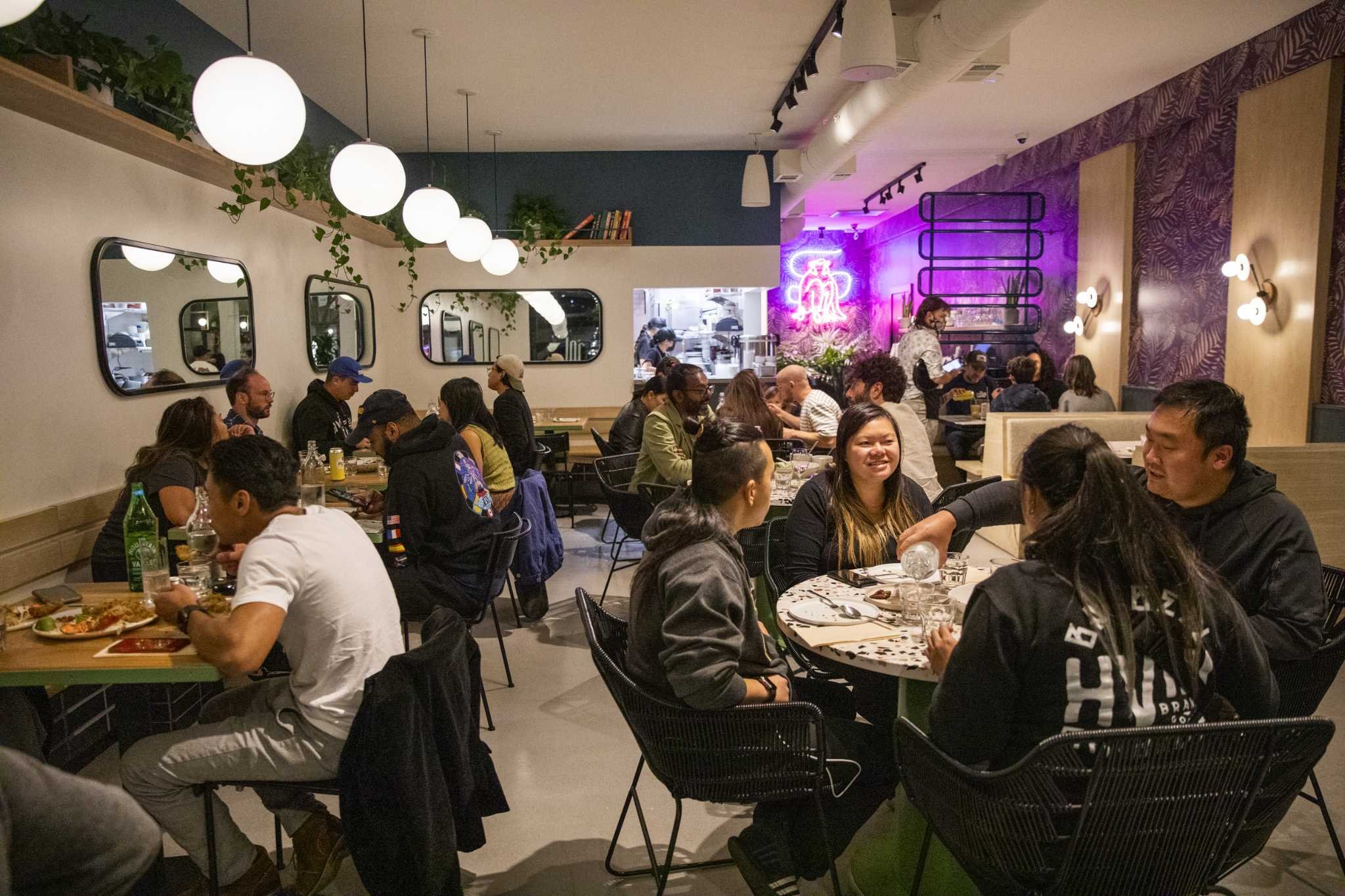
Lively atmosphere with lively décor filled with aromas of spices, though greasy and oily.