Kathmandu Kitchen & Grill
Kathmandu Kitchen & Grill sits at 926 Montreal Rd E in Clarkston, Georgia, a city that has quietly become one of the most culturally concentrated dining corridors in the Atlanta metro. The kitchen draws on Nepali and South Asian culinary traditions in a community where ingredient sourcing and cultural authenticity carry weight. For visitors exploring the area, it represents a practical, locally-rooted option in a neighbourhood with genuine depth.
 Discover on Pearl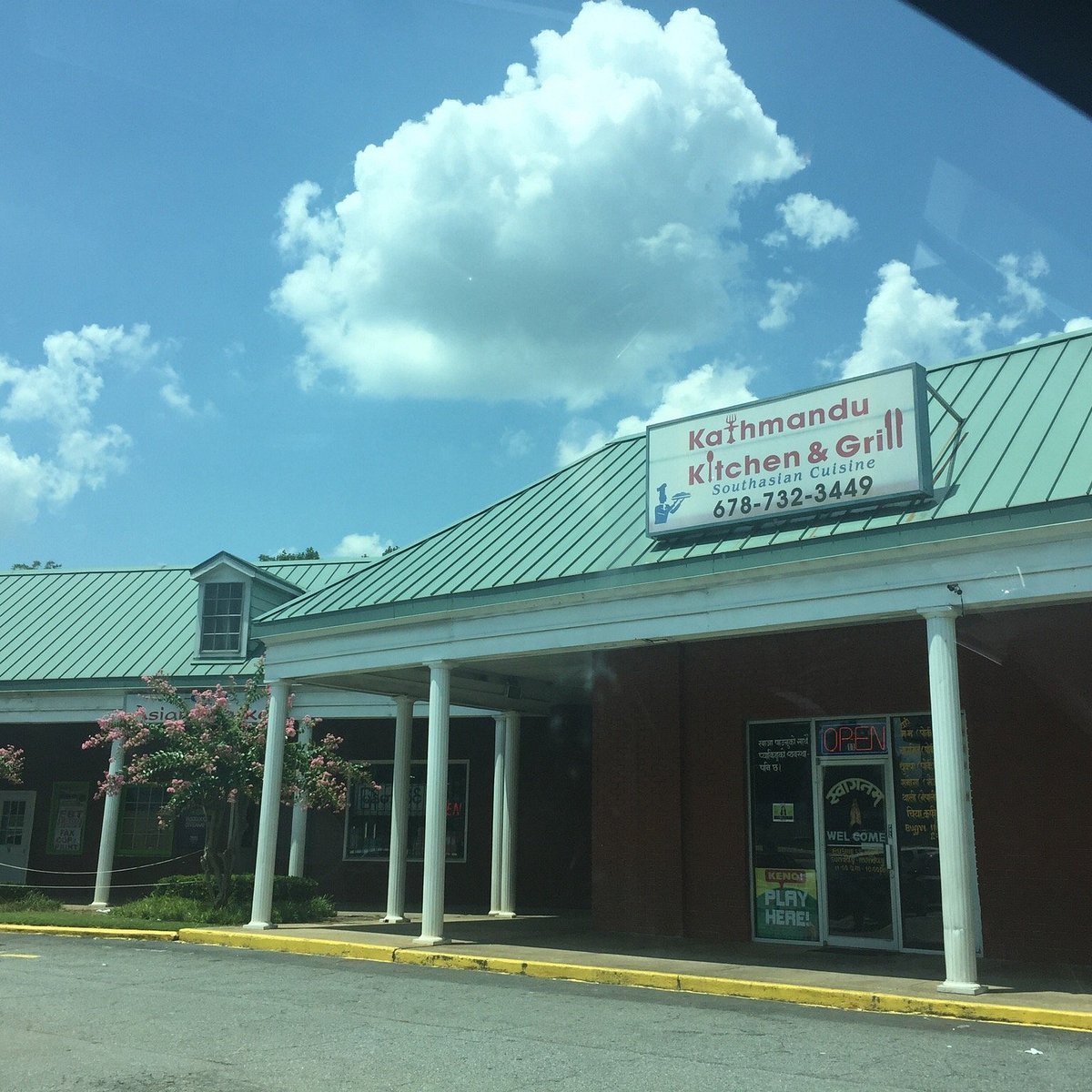
Clarkston's Culinary Geography: Why This Address Matters
Clarkston, Georgia has been called the most ethnically diverse square mile in the United States, a distinction earned through decades of federal refugee resettlement policy that placed families from Nepal, Bhutan, Somalia, Ethiopia, Myanmar, and across South Asia into a single compact suburb east of Atlanta. The dining that has emerged from this concentration is not curated for tourists. It exists because the communities living here need it. That context is the frame through which Kathmandu Kitchen & Grill, at 926 Montreal Rd E, should be understood. This is not a restaurant that travelled to find an audience; the audience was already here, and the kitchen followed.
For anyone building a serious itinerary around the Atlanta metro, Clarkston operates as a counterpoint to the polished fine-dining corridor anchored by places like Bacchanalia in Atlanta. Where Bacchanalia represents the city's farm-to-table establishment, Clarkston's dining corridor represents something harder to manufacture: a food culture that is functional, community-driven, and tied directly to the sourcing networks of the populations it serves. Those two dining realities coexist within twenty minutes of each other and reward different kinds of attention.
The shortlist, unlocked.
Hard-to-book tables, cellar releases, and concierge-planned trips.
Get Exclusive Access →The Ingredient Question: Where the Food Comes From
Nepali and broader South Asian cuisines are built around sourcing logic that differs significantly from the Western farm-to-table model. The relevant ingredients — dried timur (Sichuan pepper's Himalayan relative), fenugreek, black cardamom, mustard oil, lentils specific to the subcontinent's arid growing regions — do not appear at American farmers' markets. They move through import networks that connect diaspora communities to supply chains reaching back to Nepal, India, and Bangladesh. In cities with large South Asian populations, those supply chains are mature and reliable. In a place like Clarkston, where the Nepali and Bhutanese refugee population is dense enough to support a genuine ethnic grocery infrastructure, kitchens can source with a specificity that suburban strip-mall versions of the same cuisine often cannot.
This matters when assessing what a restaurant like Kathmandu Kitchen & Grill is doing relative to its culinary tradition. The comparison set is not fine-dining operations like Single Thread Farm in Healdsburg or Blue Hill at Stone Barns in Tarrytown, where sourcing provenance is documented and marketed. The comparison is with other Nepali kitchens in the American South, where ingredient access is often more compromised. Clarkston's supply chain depth is a structural advantage that shapes what any serious kitchen on this corridor can achieve.
South Asian cooking at this register also relies on technique built around spice sequencing, slow braising, and fermentation rather than luxury protein or rare produce. The discipline is in the process. Mustard oil-tempered dal, slow-cooked goat, and fermented pickles representing the achaar tradition each require knowledge that is culturally transmitted rather than culinary-school-trained. That is a different kind of expertise than what distinguishes kitchens at the level of Atomix in New York City or Le Bernardin in New York City, but it is expertise nonetheless, and it is evaluated on its own terms.
The Setting and the Room
Montreal Road East through Clarkston is a working commercial strip, not a dining destination in the sense that restaurant-media coverage typically constructs. The infrastructure is functional: storefront spaces, shared parking, signage that prioritises legibility over aesthetics. Kathmandu Kitchen & Grill occupies this environment without apology, and that honesty is part of what makes the address credible. Restaurants in this corridor are not designed for the visiting food journalist; they are designed for the communities that have been eating this food since before they arrived in Georgia. The physical setting signals exactly where the priorities lie.
For visitors accustomed to the controlled environments of places like Lazy Bear in San Francisco or Alinea in Chicago, the adjustment is one of expectation rather than compromise. Clarkston dining rewards curiosity and flexibility. The experience is closer to eating in a neighbourhood that actually belongs to a specific community than to consuming a curated version of that community's food.
Positioning Within the South Asian Dining Tier
Across American cities, South Asian restaurants occupy a wide range of price and format positions. At the upper end, restaurants like Causa in Washington, D.C. and ITAMAE in Miami represent how diaspora cuisines are being reframed through fine-dining structure. Kathmandu Kitchen & Grill sits at a different point in that spectrum, one defined by community access and everyday function rather than tasting-menu ambition. Neither position is inferior; they serve different purposes and different audiences.
The value proposition in Clarkston is consistency and cultural authenticity at accessible price points, characteristics that are more difficult to sustain in high-rent urban environments where the same cuisine gets compressed into a more expensive format. For comparison, kitchens operating in the register of The French Laundry in Napa or Providence in Los Angeles allocate significant resources to sourcing transparency and presentation. The value in Clarkston is allocated differently, toward volume, frequency, and community reach.
The Atlanta metro's broader restaurant scene has increasingly acknowledged Clarkston as a serious eating destination, even as coverage of the area remains thinner than the dining quality warrants. For anyone building a longer Georgia itinerary, the corridor connects naturally to a wider Atlanta food exploration. Our full Clarkston restaurants guide maps the broader dining environment and helps place individual kitchens within the neighbourhood's culinary logic.
Planning Your Visit
Kathmandu Kitchen & Grill is located at 926 Montreal Rd E, Clarkston, GA 30021, in a part of the eastern Atlanta metro that is most practically reached by car. The surrounding blocks on Montreal Road hold several other South Asian and East African restaurants, making it logical to plan a broader exploration of the corridor rather than a single-stop visit. Current hours and booking availability are leading confirmed directly, as specific operational details are not published centrally. Given the restaurant's community-service orientation, walk-in visits during standard lunch and dinner windows are the expected mode of engagement. Dress is casual and entirely informal; the dress code, such as it is, reflects the working-neighbourhood context of the address.
Frequently Asked Questions
- Is Kathmandu Kitchen & Grill good for families?
- For families in the Clarkston area or visiting the Atlanta metro on a moderate budget, yes , the community-access pricing model and informal setting make this the kind of place where children and groups eat without ceremony or complication.
- What kind of setting is Kathmandu Kitchen & Grill?
- If you arrive expecting a curated dining room with the kind of attention to environment that defines awarded restaurants, you will need to recalibrate. The setting is a working storefront in a dense, multicultural commercial corridor. The context rewards engagement with the food itself rather than the room. For visitors to Clarkston who are specifically interested in the city's refugee community food culture, that context is part of the draw rather than a limitation.
- What do regulars order at Kathmandu Kitchen & Grill?
- Nepali kitchens in the diaspora are typically anchored by dal bhat , the lentil soup and rice combination that functions as the central meal across Nepal and much of the Himalayan region , alongside momos (steamed or fried dumplings that carry Tibetan influence) and slow-cooked meat preparations using goat or chicken. These are the dishes that define the culinary tradition and the ones most likely to show a kitchen's technical consistency.
- How does Kathmandu Kitchen & Grill fit into the broader Nepali and Bhutanese food culture of Clarkston?
- Clarkston holds one of the largest concentrations of Nepali and Bhutanese refugees in the American South, a population that has built grocery, restaurant, and cultural infrastructure dense enough to support authentic ingredient sourcing. Kathmandu Kitchen & Grill operates within that network, which gives it access to the supply chains that community-specific cooking actually requires. Compared to Nepali restaurants in cities without that demographic foundation, the sourcing environment in Clarkston is a genuine structural advantage.
How It Stacks Up
These are the closest comparables we have in our database for quick context.
| Venue | Cuisine | Price | Awards | Notes |
|---|---|---|---|---|
| Kathmandu Kitchen & Grill | This venue | |||
| Le Bernardin | French, Seafood | $$$$ | Michelin 3 Star | French, Seafood, $$$$ |
| Atomix | Modern Korean, Korean | $$$$ | Michelin 2 Star | Modern Korean, Korean, $$$$ |
| Lazy Bear | Progressive American, Contemporary | $$$$ | Michelin 2 Star | Progressive American, Contemporary, $$$$ |
| Alinea | Progressive American, Creative | $$$$ | Michelin 3 Star | Progressive American, Creative, $$$$ |
| Atelier Crenn | Modern French, Contemporary | $$$$ | Michelin 3 Star | Modern French, Contemporary, $$$$ |
Need a table?
Our members enjoy priority alerts and concierge-led booking support for the world's most difficult tables.
Get Exclusive AccessThe shortlist, unlocked.
Hard-to-book tables, cellar releases, and concierge-planned trips.
Get Exclusive Access →