Kappo Sono
Kappo Sono brings the counter-driven discipline of kappo and kaiseki to New York City, positioning itself within the narrow tier of Japanese fine dining that prizes technique and seasonal progression over spectacle. The format sits closer to the Kyoto ideal of quiet, precise hospitality than to Manhattan's higher-volume omakase circuit, a meaningful distinction in a city where the two traditions increasingly overlap.
 Discover on Pearl
Pearl is the En Primeur Club membership app — saves, bookings, and concierge access live there. Same editors, same standards.
- Address
- 39 E 13th St 6th Floor, New York, NY 10003
- Phone
- (646) 899-5891
- Website
- kapposono.com
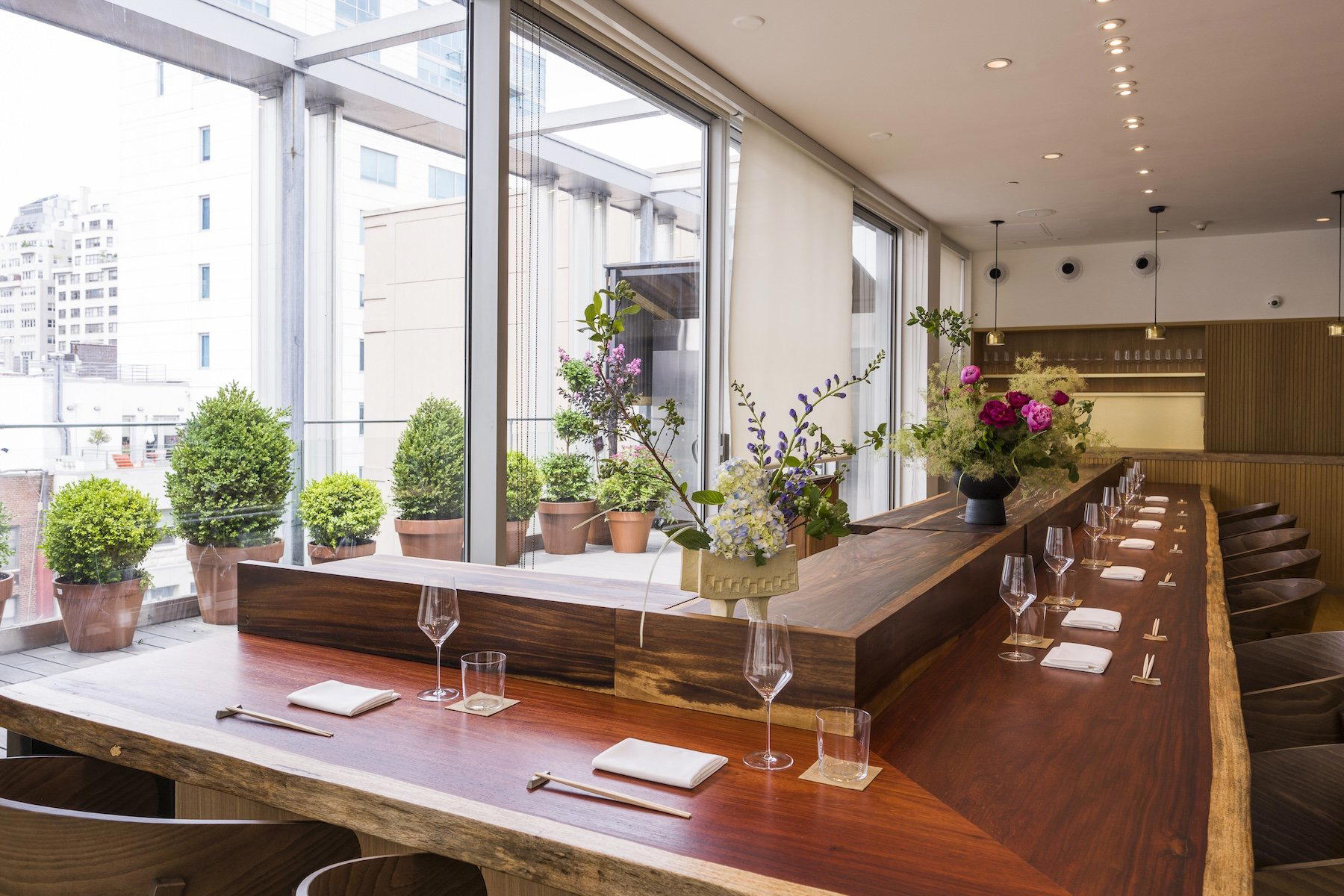
Where Kyoto's Tempo Meets a Manhattan Counter
The dominant rhythm of Japanese fine dining in New York has long tracked Tokyo's register: fast transitions, expressive plating, omakase counters built around the theatre of the chef's hands. What kappo and kaiseki demand is a different pace entirely. In Kyoto, the tradition is calibrated to extended seasonal reading, to courses that arrive as argument rather than entertainment. Kappo Sono is a kaiseki restaurant in New York City, priced at about $350 per person, and it enters New York's Japanese dining tier at exactly that fault line, offering a format more aligned with the Kyoto school of unhurried, course-structured discipline than with the metropolitan speed that defines most of the city's sushi and omakase rooms.
That distinction matters more than it might first appear. New York already supports a dense upper bracket of Japanese fine dining. Masa, operating at the top of the city's sushi hierarchy, has held three Michelin stars for over a decade and prices at a level that signals total category separation from mid-market omakase. The Chef's Table at Brooklyn Fare sits in a Japanese-French contemporary space, blending both traditions into something that reads as New York synthesis rather than Japanese orthodoxy. Kappo Sono's format, kappo-counter service combined with kaiseki-influenced course structure, occupies a narrower and arguably more demanding position: it asks the kitchen to maintain the seasonal logic and material restraint of a Kyoto establishment while working within the economic and sourcing realities of a Manhattan address.
The Kappo Format in an Omakase City
Kappo dining is frequently misread as a variant of omakase. The two traditions share a counter and a chef-driven sequence, but differ substantially in how courses relate to one another. Omakase, particularly in its sushi form, tends toward discrete, independent pieces, each evaluated on its own terms. Kappo constructs a meal that moves through heat applications, textures, and seasonal progressions in a way that reflects kaiseki's underlying logic: the meal as a single composed statement, not a sequence of individual highlights.
That compositional approach places Kappo Sono in a comparable set that extends well beyond New York. Internationally, counter-driven tasting formats built on strict seasonal sourcing operate at venues like Single Thread Farm in Healdsburg, where the kaiseki influence on northern California produce-driven menus has been widely noted, and at 8 1/2 Otto e Mezzo Bombana in Hong Kong, where European fine dining has absorbed similar structural discipline. The question Kappo Sono poses for New York specifically is whether a city conditioned by volume and speed, by the energy that also runs through Le Bernardin, Per Se, and the broader French-accented fine dining establishment, has sufficient appetite for the quieter, more inward-facing experience that authentic kappo demands.
The evidence elsewhere in American fine dining suggests it does. Alinea in Chicago has sustained a market for format-driven, conceptually rigorous tasting menus for years. Lazy Bear in San Francisco operates on invitation-and-reservation structures that filter for guests who engage with the format rather than arrive for a status meal. Providence in Los Angeles has built a sustained Michelin-recognized program around seasonal seafood in a form that rewards attention. The audience exists. Whether it finds Kappo Sono in its current location is partly a function of the relocation itself.
The Relocation Question
Kappo Sono is mid-relocation, which places it in a particularly interesting moment for assessment. Relocations in this category of dining carry real stakes. The counter format depends on spatial intimacy; seat count, sightlines to the kitchen, and acoustics all shape whether the Kyoto-paced experience holds together or collapses under the pressure of a new room. Restaurants like The French Laundry in Napa have undergone significant physical renovations and emerged with their identity intact, but those transitions required careful management of guest expectations during the transition period. For a kappo counter, the physical space is not incidental to the format; it is the format.
New York's upper Japanese dining tier has demonstrated that room design at this price level carries serious weight. The few counters operating in the city's leading bracket, including those adjacent to Saga and César in the contemporary American space, have invested significantly in the physical environment as a signal of category membership. A kappo counter that cannot recreate the spatial conditions of the previous location risks losing the atmospheric argument even before the first course arrives.
The wider American fine dining comparison reinforces the point. Emeril's in New Orleans and comparable destination restaurants have shown that a brand can carry across physical transitions when the format and kitchen team remain intact. The relocation is not inherently a liability, but it does mean the current period is one of re-establishment rather than settled authority.
Seasonal Discipline as the Central Argument
The strongest editorial case for kappo and kaiseki formats in any Western market is seasonal coherence. Where a la carte dining allows guests to select individual dishes regardless of what the kitchen's sourcing logic demands at a given moment, the kaiseki-derived tasting structure forces an alignment between what is available and what is served. This is the Kyoto position: the meal exists as an expression of a specific seasonal moment, not as a permanent menu with seasonal garnishes.
For New York diners who have spent years at the top tier of French and contemporary American dining, including the multi-course formats at Alain Ducasse's Louis XV in Monte Carlo or the produce-driven programs at Single Thread, the seasonal argument is not foreign. What kappo adds is the counter dynamic: the visual and temporal proximity to the chef's work that makes the seasonal logic legible in real time rather than through menu annotation alone.
Know Before You Go
- Cuisine: Kappo / kaiseki, counter-driven, course-structured Japanese fine dining
- Format: Chef's counter with sequential seasonal courses; closer to Kyoto tradition than high-volume omakase
- Status: Open Wednesday through Saturday from 6:30 PM to 12 AM; closed Monday, Tuesday, and Sunday
- comparable set: Upper bracket of New York Japanese fine dining, alongside Masa and Chef's Table at Brooklyn Fare
- Booking: Expect limited availability; counter-format venues at this level typically book weeks to months in advance
Comparable Options
Comparable venues nearby, for context on price, style, and recognition.
| Venue | Cuisine | Price | Notes |
|---|---|---|---|
| Kappo SonoThis venue — the venue you are viewing | Kaiseki | $$$$ | |
| Kumiko Room | Modern Japanese Cocktail Bar & Omakase | $$$$ | West Loop |
| Morimoto | Contemporary Japanese | $$$$ | Chelsea-Hudson Yards |
| E Broadway | Japanese Yakitori Omakase | $$$$ | Chinatown-Two Bridges |
| Ume | Modern Japanese Sushi Omakase | $$$$ | Williamsburg |
| Omakase Room by Mitsu | Traditional Edomae Omakase | $$$$ | West Village |
Continue exploring
More in New York City
Restaurants in New York City
Browse all →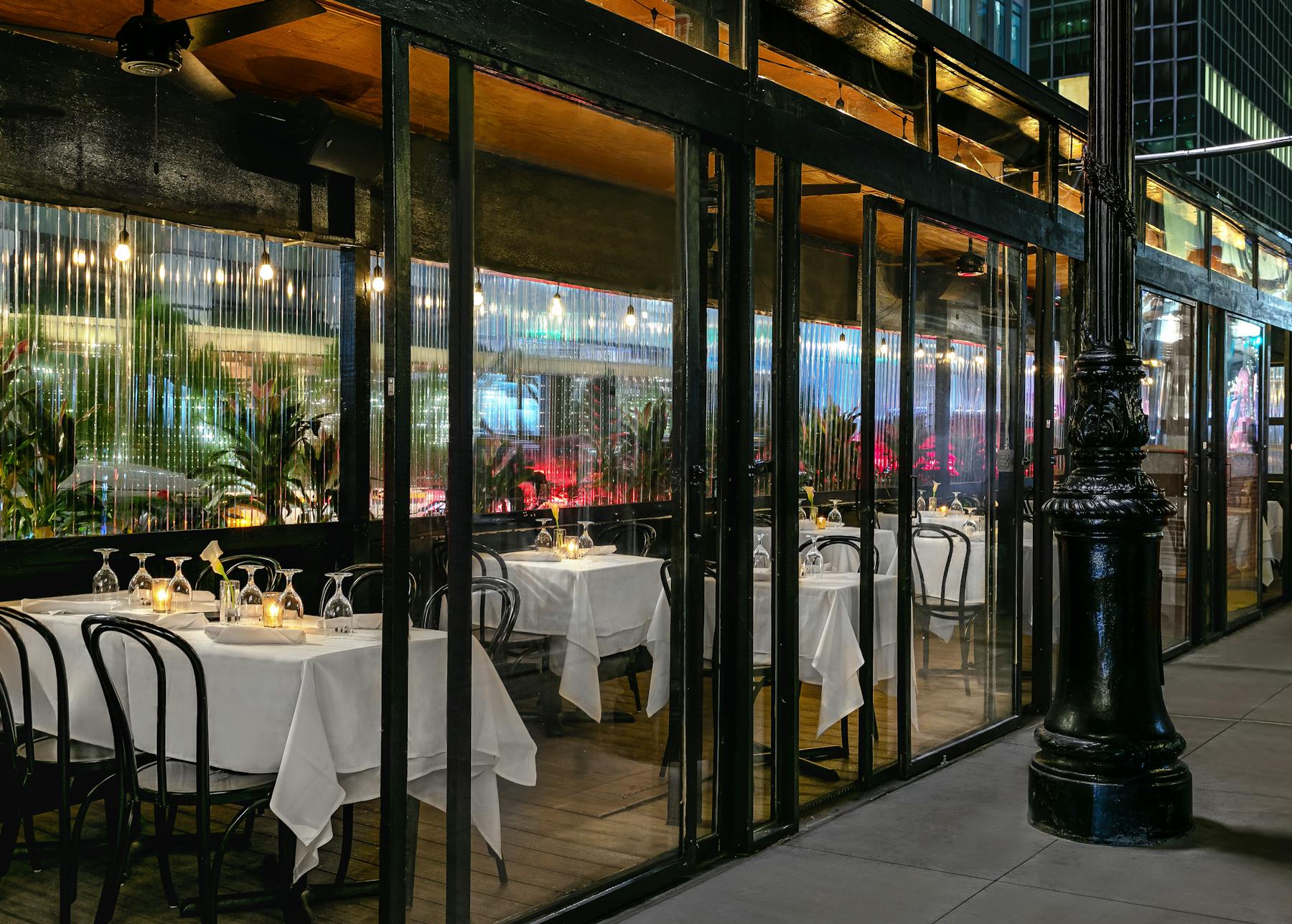
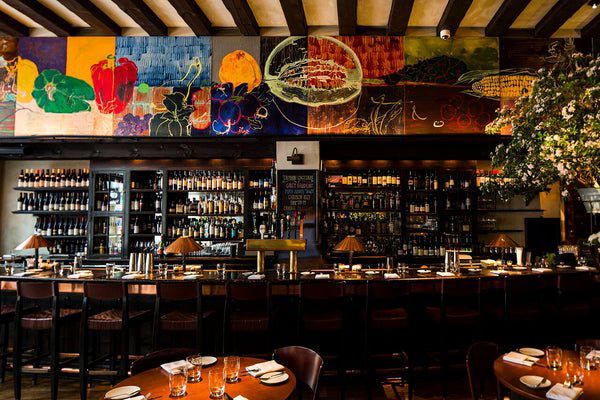
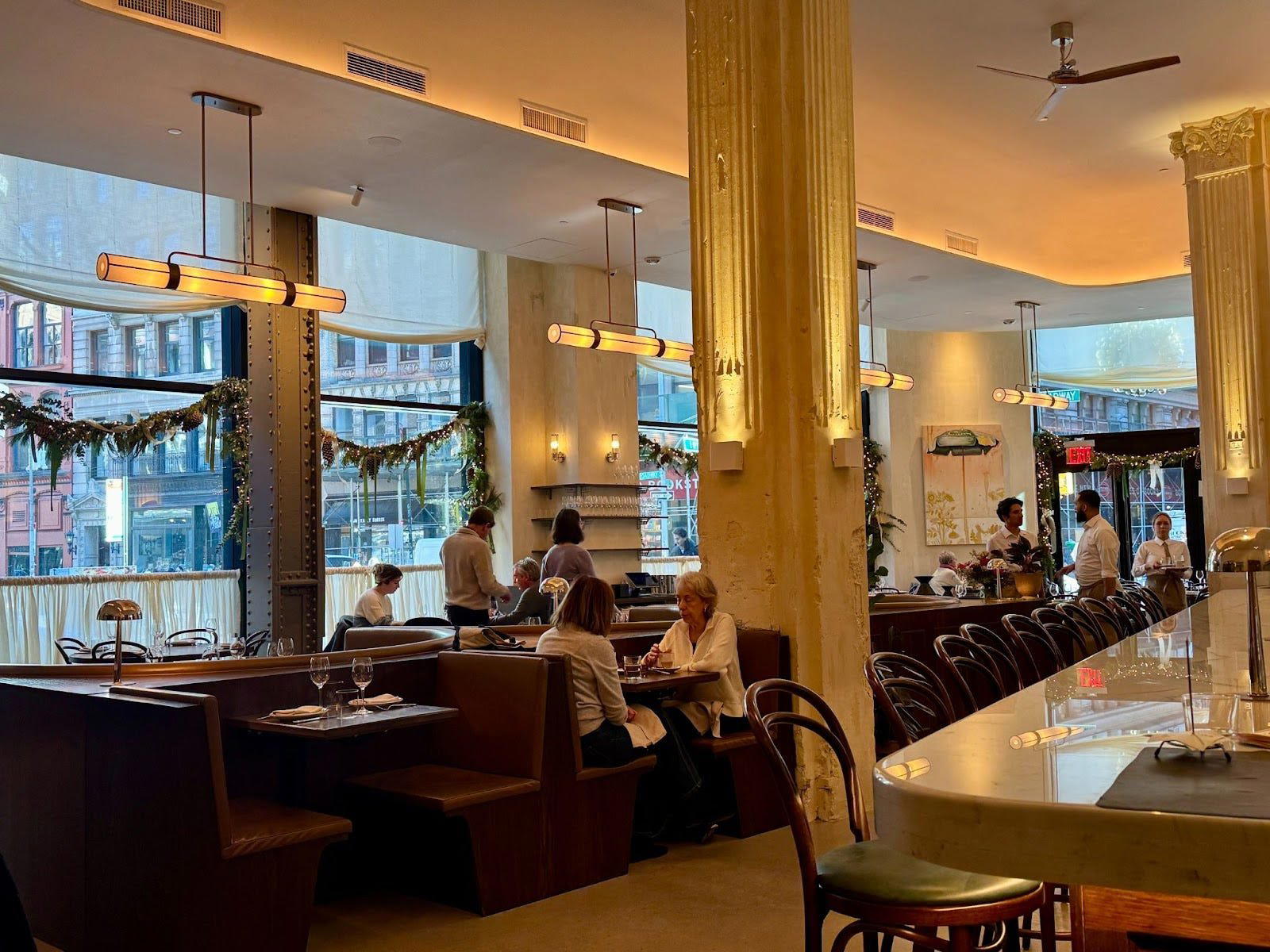
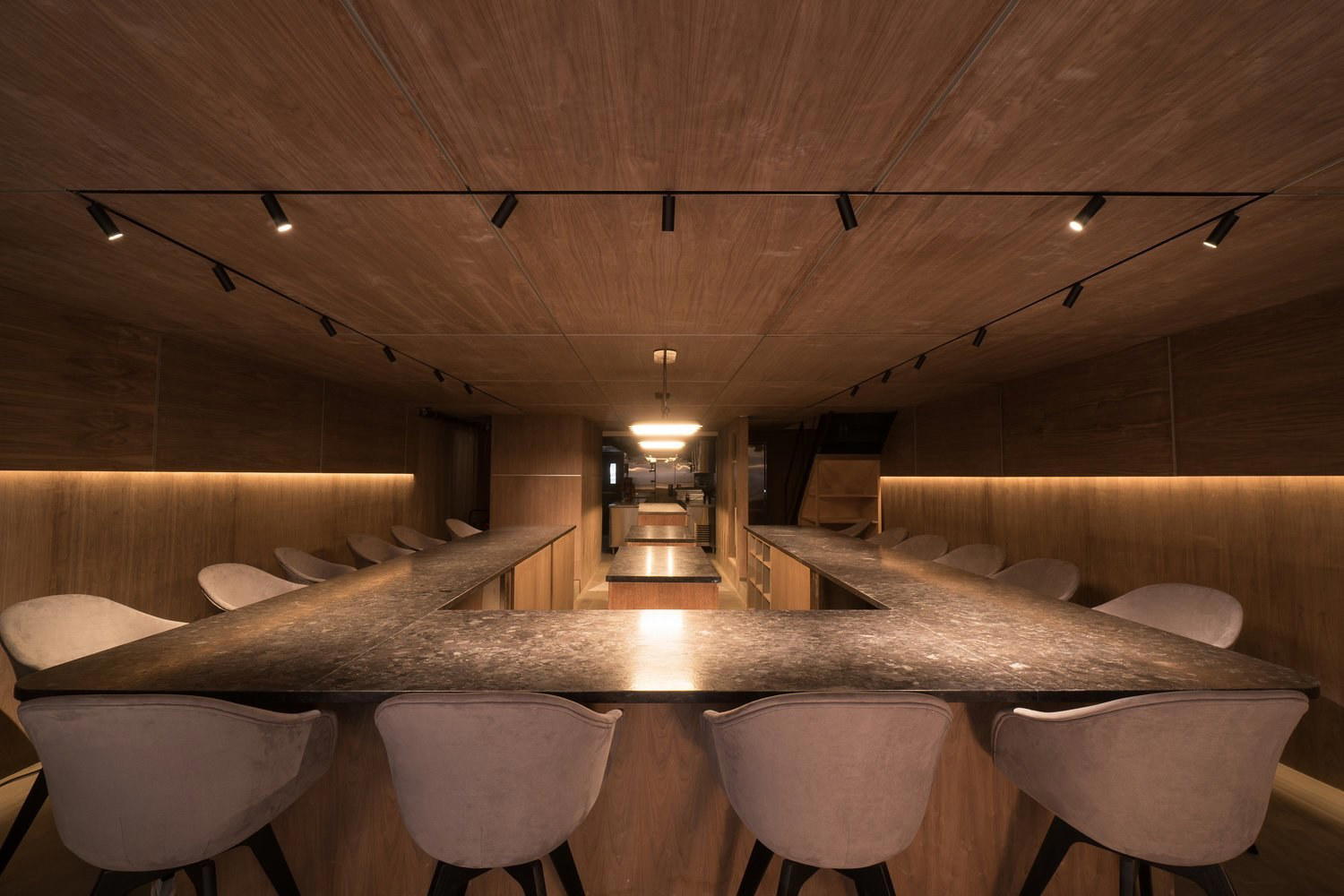
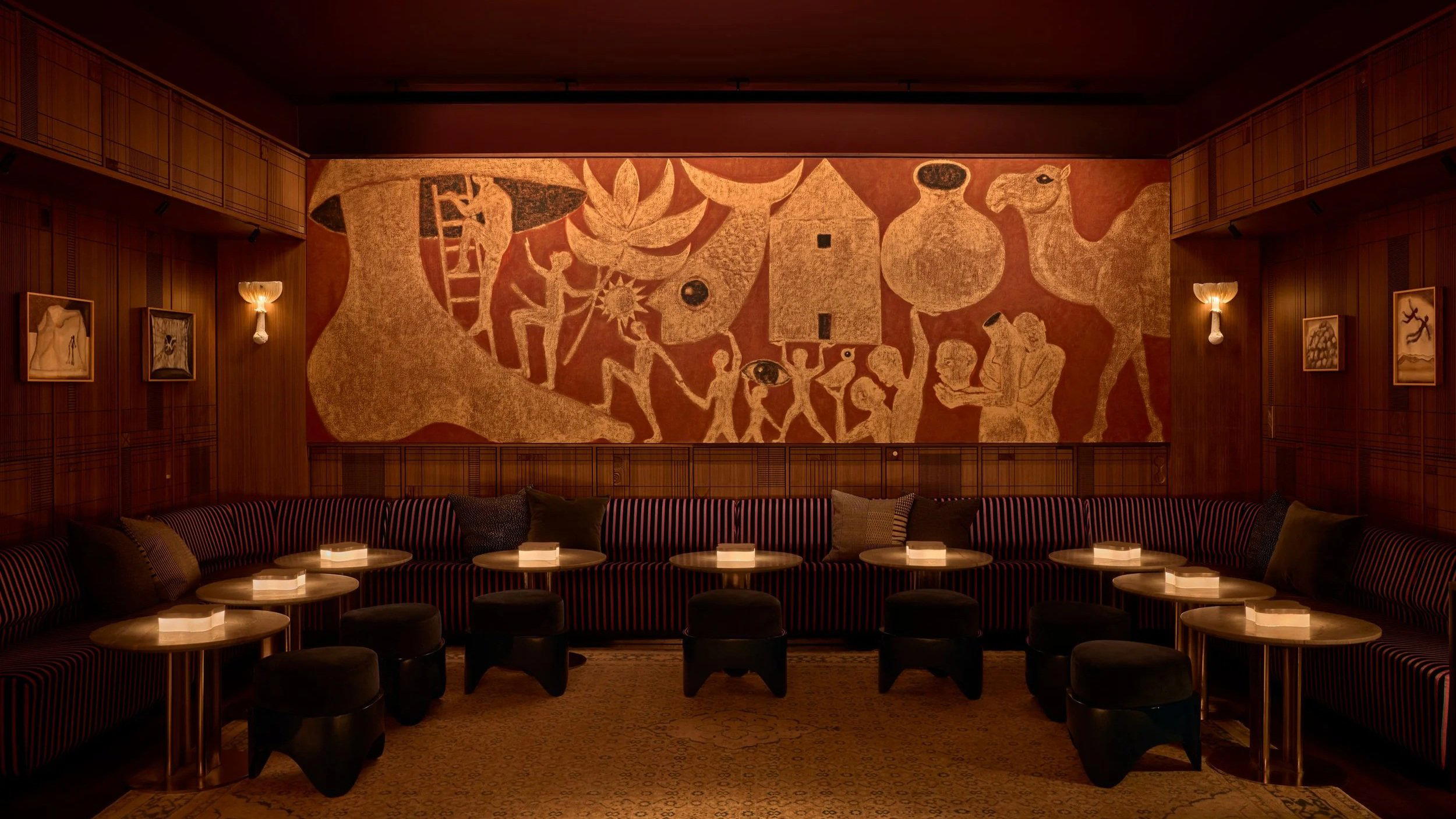
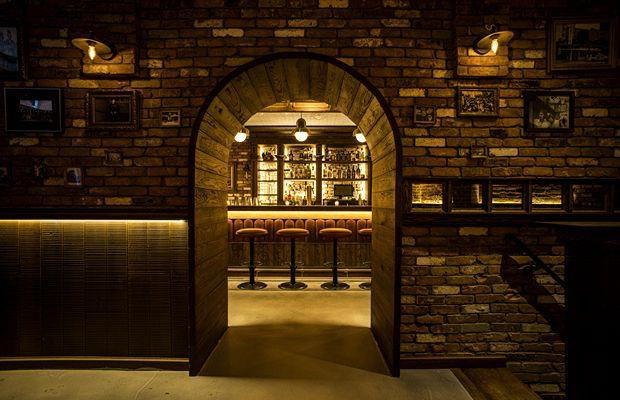
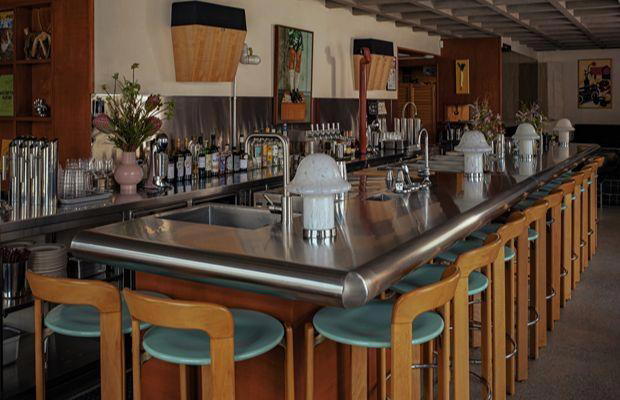
Bars in New York City
Browse all →
Hotels in New York City
Browse all →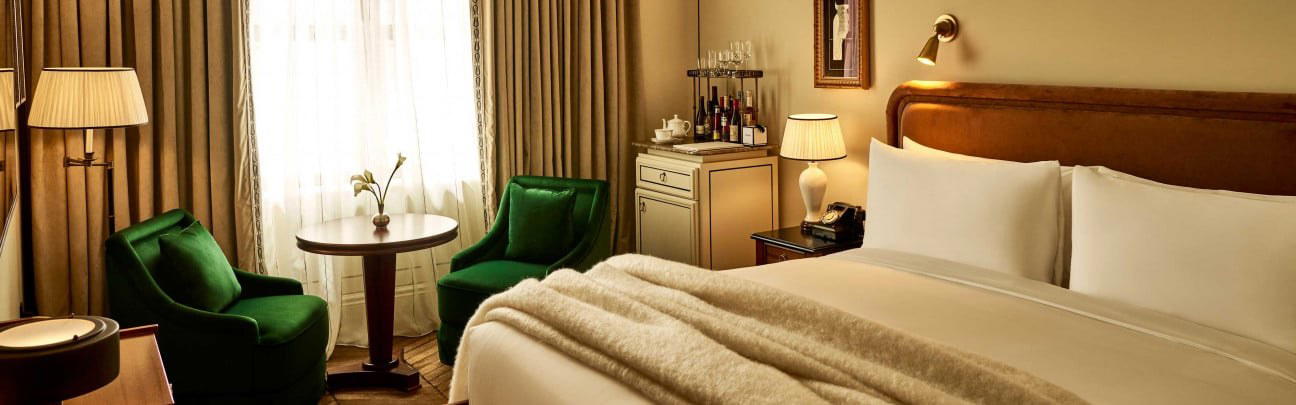


At a Glance
- Intimate
- Elegant
- Sophisticated
- Special Occasion
- Date Night
- Chefs Counter
- Open Kitchen
- Panoramic View
- Sake Program
- Extensive Wine List
- Skyline
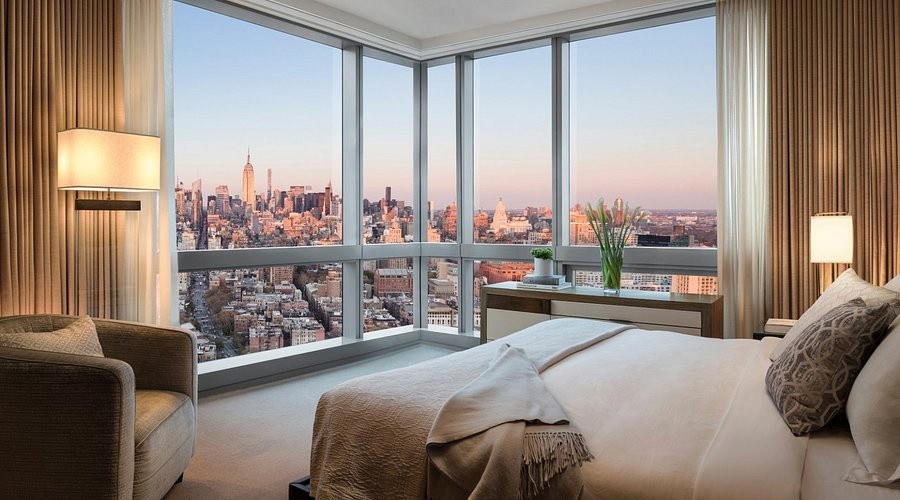
Minimalistic penthouse with floor-to-ceiling windows overlooking the cityscape, warm and welcoming atmosphere centered around the chef's counter.