Kanpai Sushi
Our verdict
Edinburgh's sushi scene occupies a small but focused tier, and Kanpai Sushi on Grindlay Street sits within it as one of the city's dedicated Japanese addresses. The Tollcross-adjacent location places it within easy reach of the city centre, making it a practical choice for those seeking a Japanese alternative to the Modern European kitchens that dominate Edinburgh's higher-end dining conversation.

Pearl is the En Primeur Club membership app — saves, bookings, and concierge access live there. Same editors, same standards.
- Address
- 8-10 Grindlay St, Edinburgh EH3 9AS, United Kingdom
- Phone
- +44 131 228 1602
- Hours
- Mon ClosedTue–Thu 12–2:15 PM, 5–10:15 PMFri 12–2:15 PM, 5–10:30 PMSat 12–2:30 PM, 5–10:30 PMSun Closed
- Website
- kanpaisushiedinburgh.co.uk
- Directions
- Get directions
- Booking
- Book on the venue's website
The menu
What to order
- Kanpai Special Roll
- Miso glazed aubergine
- Rainbow roll
- Teriyaki salmon maki
Edinburgh's Japanese Counter in a City of European Kitchens
Edinburgh's premium dining identity runs heavily toward Modern European and Modern British formats. The city's most decorated tables, among them Martin Wishart, The Kitchin, and AVERY, operate within that European framework, as do more restrained entries like Condita and the Nordic-inflected Timberyard. Against that backdrop, Japanese dining in Edinburgh occupies a narrower, less-contested space. Kanpai Sushi, on Grindlay Street in the Tollcross area, is one of the addresses that fills it.
Grindlay Street sits at the western edge of Edinburgh's Old Town, close enough to the Usher Hall and the Royal Lyceum Theatre to catch pre- and post-performance diners, but far enough from the Royal Mile to avoid the tourist-volume pricing that inflates menus closer to the castle. The address is deliberate in that sense: a neighbourhood spot that happens to be a short walk from the city centre rather than embedded within it.
What the Wine List Says About a Sushi Counter
In cities with a deep Japanese dining culture, the relationship between a sushi counter and its drinks offering tells you a great deal about the kitchen's seriousness. Tokyo's leading omakase rooms have moved steadily toward pairing structures that include both sake flights and curated wine selections, reflecting the global influence on Japanese fine dining and the expectations of an internationally-travelled clientele. Edinburgh is not Tokyo, and the sushi tier here operates at a different scale, but the principle holds: a Japanese restaurant that invests in its drinks program signals something about how it frames the experience as a whole.
At the level where Kanpai Sushi operates within the Edinburgh market, the drinks question is largely one of how the restaurant bridges Japanese and European drinking habits. Sake remains the natural pairing language for nigiri and sashimi, with its lower acidity and umami-complementing profile working where a tannic red wine would fight the fish. But in a city whose dining public has been schooled primarily on European wine lists, the structure of any Japanese restaurant's drinks offering reflects a practical editorial choice about its audience. Whether Kanpai's list leans toward accessible Japanese imports, a sake-led selection, or a hybrid approach speaks to which customer it is primarily serving.
For context on what a genuinely cellar-depth Japanese drinks program looks like at the upper end of the UK market, the benchmark sits in London, where counter-format Japanese restaurants at the higher price tier have built sake collections that rival European wine lists in their vertical depth and producer specificity. Edinburgh's Japanese scene has not reached that tier, but Kanpai's presence keeps the format alive in a city where the alternative is to default entirely to the European kitchens that define the Edinburgh restaurant conversation.
Sushi in the Context of Scotland's Seafood Geography
One argument for a serious sushi counter in Edinburgh that often goes underplayed is geographic. Scotland's waters produce some of the most commercially significant seafood in Europe: langoustines from the Firth of Clyde, hand-dived scallops from the west coast, wild salmon and sea trout from northern rivers. The Japanese technique of applying minimal intervention to high-quality fish, whether as nigiri, sashimi, or simple crudo-adjacent preparations, is well-suited to that raw material quality. The question for any sushi operation in Scotland is whether it is sourcing with the same attention to Scottish supply chains that the city's Modern British kitchens have built into their identity.
Restaurants like The Kitchin and Martin Wishart have made Scottish provenance central to their proposition for years. A sushi counter that drew on the same producer relationships would occupy an interesting and credible position in the Edinburgh market. It is a gap that the format is logically positioned to fill, even if the execution varies by individual kitchen.
Placing Kanpai in the Wider UK Japanese Dining Picture
The UK Japanese dining tier has expanded considerably since the mid-2010s, with London leading in terms of format diversity, from casual ramen shops through to high-price omakase counters. Outside London, Japanese fine dining remains thin. Cities like Manchester and Edinburgh have a handful of credible Japanese addresses, but none that yet compete with the highest tier of UK fine dining more broadly. The argument for a Japanese counter to reach that tier in a regional UK city remains largely theoretical for now.
What regional Japanese restaurants like Kanpai Sushi do well is maintain the format's presence in cities where it would otherwise disappear entirely, keeping a dining public literate in Japanese techniques and service conventions. That serves the longer-term development of the category in ways that are easy to undervalue.
Internationally, the frame of reference for what a serious sushi counter with depth can achieve is wide. Le Bernardin in New York has demonstrated for decades how technically precise fish cookery builds institutional credibility. Closer in format to omakase, Lazy Bear in San Francisco has shown how counter-format tasting menus can attract serious critical attention outside traditional culinary capitals. UK diners who have eaten at Ynyshir Hall or Opheem are familiar with what focused, singular-vision kitchens can produce. The same appetite exists in Edinburgh for a Japanese equivalent.
Planning a Visit
Kanpai Sushi sits on Grindlay Street in the Tollcross district, within walking distance of Lothian Road and the West End. The location makes it a natural option before an evening at one of the nearby theatres, or as a stand-alone dinner away from the Old Town's higher-traffic corridors. For those building a wider Edinburgh dining itinerary that extends to the city's Modern European and fine dining tier, Midsummer House, Gidleigh Park, Hand and Flowers, and hide and fox represent comparable ambition in other UK cities and offer a useful frame for how Edinburgh's scene positions itself nationally. The full Edinburgh dining picture is covered in our Edinburgh restaurants guide.
Frequently asked questions
What part of town is Kanpai Sushi in?
Kanpai Sushi is located at 8-10 Grindlay St, Edinburgh EH3 9AS, United Kingdom, Edinburgh.
How does Kanpai Sushi fit into Edinburgh's wider Japanese dining scene?
Edinburgh has a markedly smaller Japanese dining tier than London or Manchester, making a dedicated sushi counter on Grindlay Street a relatively rare format in the city. Scotland's waters supply some of the UK's most commercially valued seafood, which gives a counter in Edinburgh a sourcing argument that restaurants in landlocked cities cannot make. No chef name or formal award is currently documented for Kanpai, but within the Edinburgh context it represents one of the few venues operating in an explicitly Japanese counter register rather than pan-Asian or fusion formats.
What dish is Kanpai Sushi famous for?
Kanpai Sushi operates as a Japanese counter format in Edinburgh, a city where raw fish dining draws directly on Scotland's commercially strong coastal waters. No single signature dish is documented in available editorial records, but the counter format typically foregrounds nigiri and maki work as the kitchen's primary statement. Given the geographic advantage of Scottish seafood — salmon, langoustine, and hand-dived scallops among the regional staples — the sushi offering sits within a supply context that few UK cities outside London can match.
Do I need a reservation for Kanpai Sushi?
Kanpai Sushi is located at 8–10 Grindlay Street in the Tollcross district, a stretch that draws pre-theatre traffic from the nearby Lyceum and Usher Hall as well as evening diners from the West End. Counter-format Japanese restaurants in UK cities at this price tier routinely require advance booking, particularly on Thursday through Saturday sittings. Contacting the venue directly before visiting is advisable.
What do critics highlight about Kanpai Sushi?
Kanpai Sushi occupies a specific position in Edinburgh's dining scene: it brings a Japanese counter format to a city whose decorated tables run predominantly toward Modern European and Modern British cooking. Critics covering the Scottish capital's restaurant scene have noted the relative scarcity of serious Japanese formats outside London as a context worth tracking.
Fast Comparison
Comparable venues nearby, for context on price, style, and recognition.
| Venue | Cuisine | Price | Awards | Notes |
|---|---|---|---|---|
| Kanpai SushiThis venue — the venue you are viewing | Traditional Japanese Sushi | $50–100 | Not listed | Not listed |
| Koyama | Japanese Sushi | $20–30 | Not listed | Lauriston |
| Patatino | Modern Italian Trattoria | $50–100 | Not listed | Haymarket, West End |
| Dogstar Edinburgh | Modern Scottish / Modern British | $50–100 | Michelin Plate · SquareMeal UK Top 100 Restaurants #28 | Leith |
| wagamama fort kinnaird | Pan-Asian Noodles & Ramen | $30–50 | Not listed | Bingham |
| Café St Honoré | Classic French Bistro with Scottish Influences | $50–100 | Star Wine List · The Good Food Guide GFG Good | New Town |
Continue exploring
More in Edinburgh
Restaurants in Edinburgh
Browse all →
Bars in Edinburgh
Browse all →

Details
- Elegant
- Modern
- Intimate
- Quiet
- Date Night
- Special Occasion
- Celebration
- Chefs Counter
- Open Kitchen
- Sake Program
- Beer Program
- Sustainable Seafood
- A La Carte
- Counter Dining
- Sake
- Yuzu Margarita
- Vegetarian Friendly
- Vegan Options
- Gluten Free Options
Current opening hours
- Monday
- Closed
- Tuesday
- 12–2:15 PM, 5–10:15 PM
- Wednesday
- 12–2:15 PM, 5–10:15 PM
- Thursday
- 12–2:15 PM, 5–10:15 PM
- Friday
- 12–2:15 PM, 5–10:30 PM
- Saturday
- 12–2:30 PM, 5–10:30 PM
- Sunday
- Closed
Hours can change for holidays and private events. Last verified .
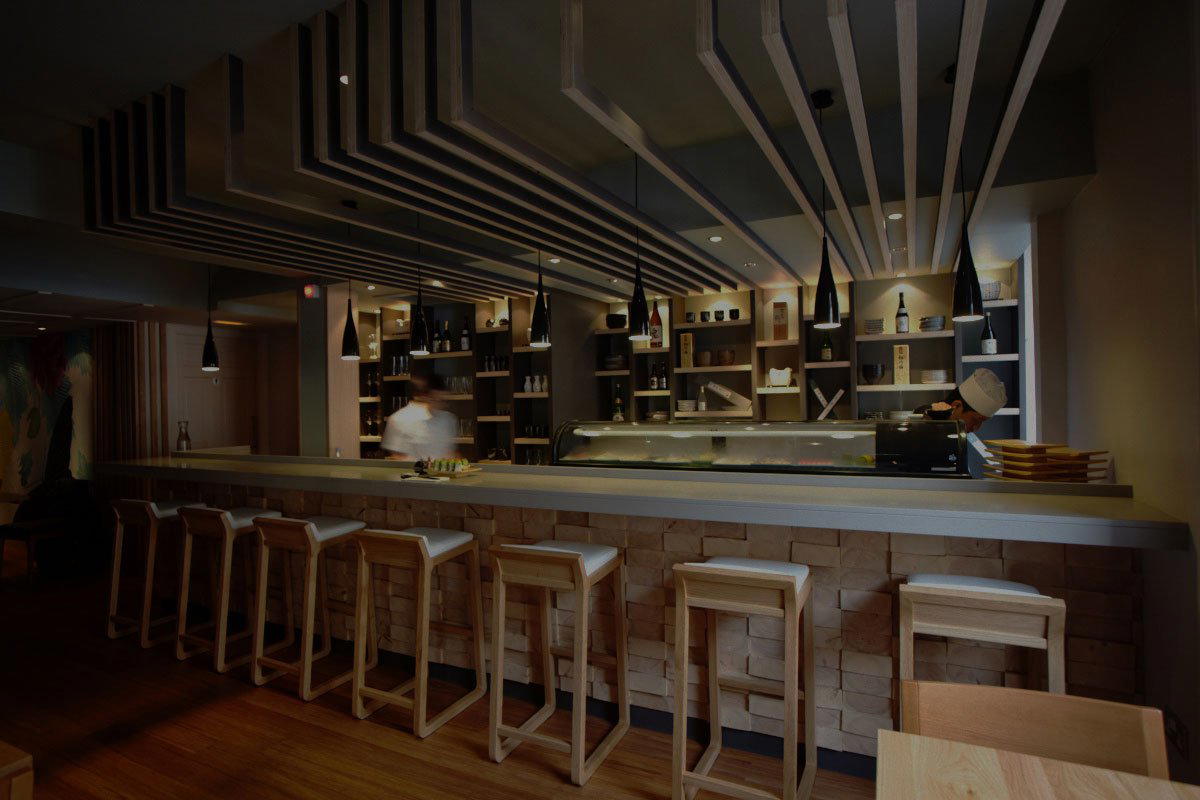
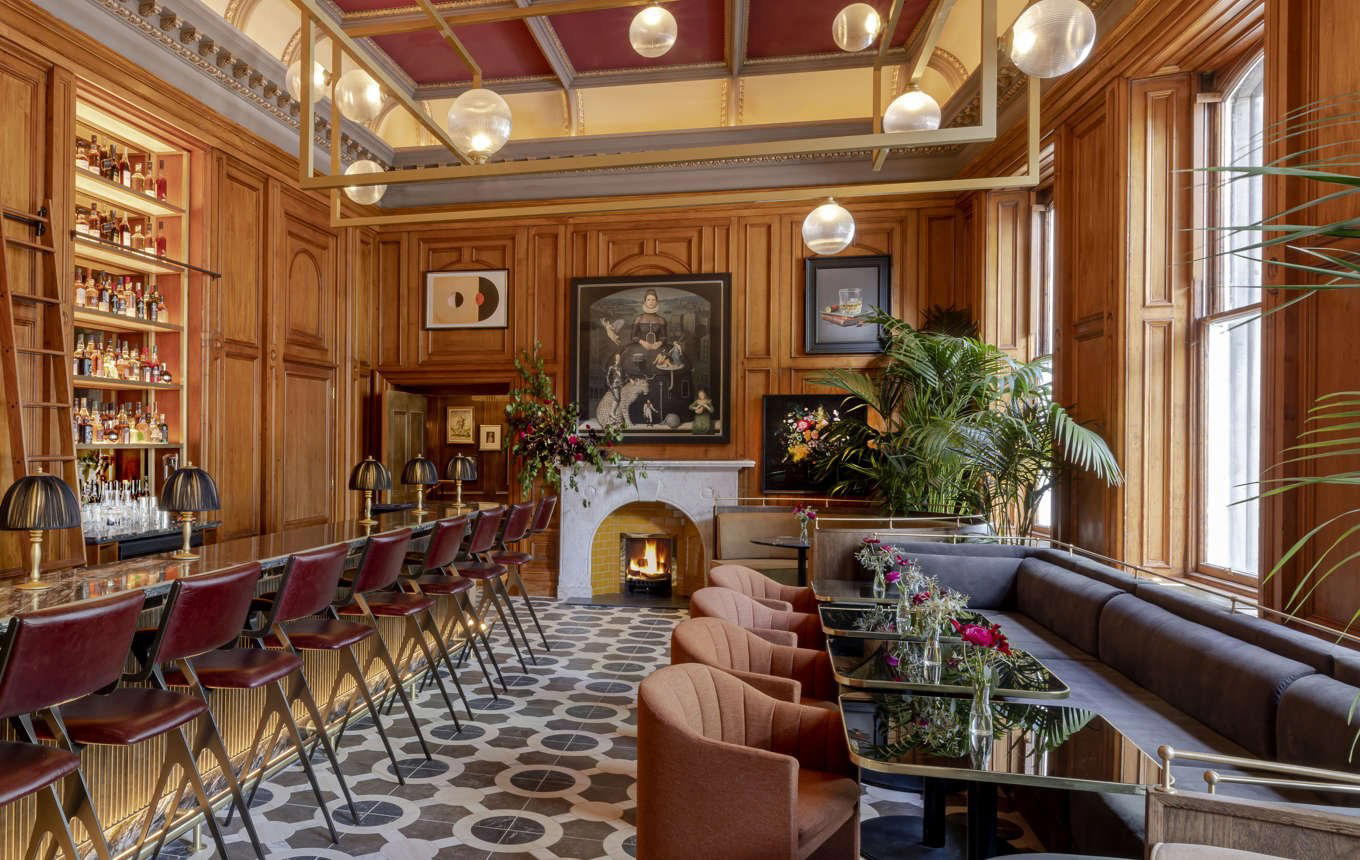
Contemporary and cool space with soft lighting, blonde wood furnishings, decorative wallpaper, and a peaceful, calm atmosphere; counter seating offers a meditative view of chefs at work.