Kang Kang Food Court

LA Times 101 Best Restaurants #98
Our verdict
Named to the LA Times 101 Best Restaurants list in 2024, the cafeteria-style counter draws diners from across the city for pan-fried bao with crispy bottoms, thin chewy tops, and a hot pork-and-soup filling that rewards patience over appetite.

Pearl is the En Primeur Club membership app — saves, bookings, and concierge access live there. Same editors, same standards.
The menu
What to order
- Sheng jian bao
- Xiao long bao
- Fried bao
- Beef roll
That dish is sheng jian bao, the pan-fried bao native to Shanghai. It sits in a small and technically demanding category: part yeasted bun, part potsticker, part soup dumpling. The dough requires leavening, so the leading puffs into a soft, fluffy dome. The bottom cooks directly on an oiled pan until it develops a deep, craggy crust. Inside, a filling of pork and gelatinized broth melts during cooking into hot soup. Compared to xiao long bao, the wrapper is thicker and more bread-like; compared to a standard potsticker, the filling is juicier and the bun substantially larger. The margin for error at each stage is narrow, which is part of why the Los Angeles supply remains thin. Only a handful of kitchens produce a version worth seeking out, and Kang Kang's is the one the LA Times named to its 101 Best Restaurants list for 2024, coming in at number 100.
The Cafeteria Format and What It Signals
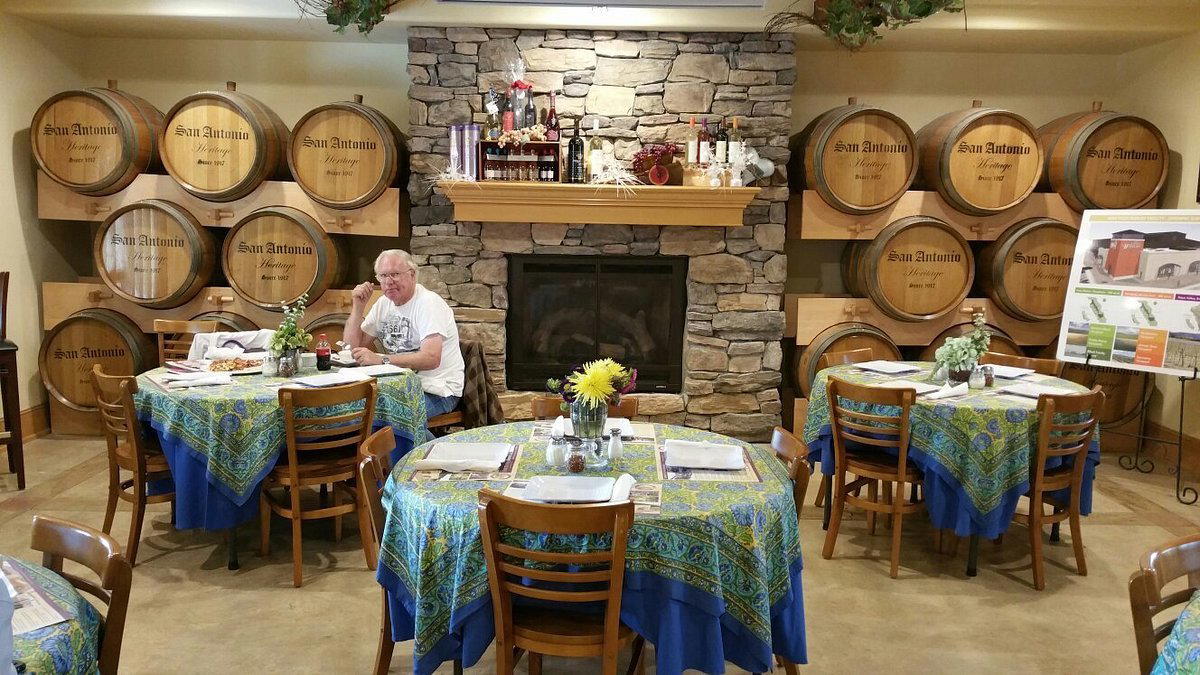
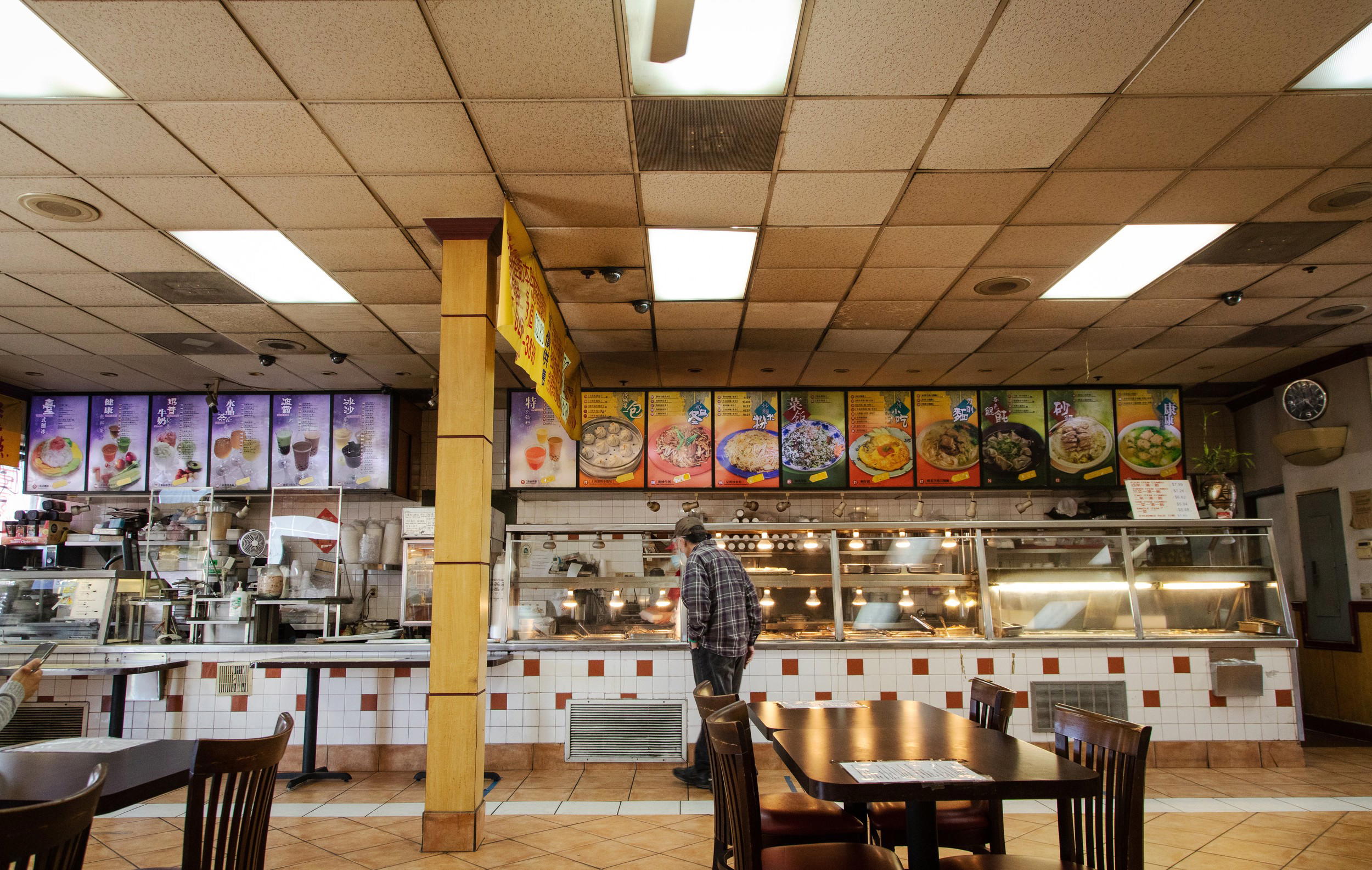
The SGV has long operated a food-court model that the rest of Los Angeles has only partially absorbed. Large multi-vendor halls like those in Monterey Park or Rowland Heights function as dining destinations in their own right, and the format carries none of the stigma it might in other parts of the city. Kang Kang fits squarely inside that tradition: the setup is functional, the seating communal, the ordering process direct. You queue, you order, you receive your food on a tray. Styrofoam ramekins of black vinegar come standard at the table, one per diner.
That simplicity is part of the proposition. In a city where the distance between Kang Kang's price point and a Michelin-tracked tasting menu at Hayato or Kato can span hundreds of dollars, the cafeteria model communicates something meaningful: the product is the point, not the room. Diners who would otherwise spend an evening at Somni or Osteria Mozza and a SGV food court can both appear on year-end best-of lists without contradiction. The LA Times 101 ranking, which placed Kang Kang alongside formally ambitious rooms, reflects a shift in how critics and readers alike think about value and craft. Technique at the level required to produce a consistent sheng jian bao is not categorically different from the technique required at a tasting-menu counter; it is simply applied to a different format and price point.
That comparison extends beyond Los Angeles. Diners who follow the Le Bernardin tier or spend time at The French Laundry understand that the category a restaurant inhabits tells you very little about whether the food is worth seeking out. The relevant question is whether what a kitchen does, it does at a level that justifies the trip. On that measure, Kang Kang's sheng jian bao has a clear answer: people drive from across the basin to eat them, the LA Times ranked them among the hundred leading things to eat in one of the most restaurant-dense cities in the country, and the handful of competing versions in Los Angeles have not displaced them as the reference point for the dish.
For the broader city dining picture, see our full Los Angeles restaurants guide, along with guides to hotels, bars, wineries, and experiences across Los Angeles. No reservations are taken; the format is walk-in, counter-order, and seat-yourself. Weekday lunches offer the most efficient visit. Weekend evenings see the longest queues. Phone and website details are not publicly listed, so there is no advance confirmation route. Street parking and a small lot serve the block. The dish to order is the sheng jian bao, listed on the menu as small pan-fried bao. Walk-in only. No reservations. LA Times 101 Best Restaurants 2024, ranked #100.
Frequently asked questions
What's Kang Kang Food Court known for in terms of accolades?
Kang Kang Food Court has received recognition including: A casual, cafeteria-style Chinese restaurant in the San Gabriel Valley, famous for its Shanghai pan-fried bao (sheng jian bao), which feature a crispy bottom, fluffy bun, and juicy pork filling. It is a gold standard for this dish in the ar….
What part of town is Kang Kang Food Court in?
Kang Kang Food Court is located at 27 E Valley Blvd, Alhambra, CA 91801, Los Angeles.
What dish is Kang Kang Food Court famous for?
Kang Kang is known for its sheng jian bao, listed on the menu as small pan-fried bao. The dumplings combine a yeasted bun exterior with a crispy bottom and a pork-and-soup filling. The LA Times cited them as the gold standard for this dish in the San Gabriel Valley when ranking Kang Kang #100 on its 2024 list of 101 Best Restaurants.
Should I book Kang Kang Food Court in advance?
Kang Kang does not take reservations. The format is walk-in, counter-order service, which means waits are common, particularly on weekends when diners regularly make the drive from Westwood, Long Beach, and beyond specifically for the sheng jian bao.
What has Kang Kang Food Court built its reputation on?
Its reputation rests almost entirely on one dish: the sheng jian bao. Sheng jian bao are notoriously difficult to execute, and there are only a handful of versions available across Los Angeles. The LA Times 2024 ranking and the consistent cross-city draw of its diners reflect that narrowly focused execution rather than a broad menu.
Can Kang Kang Food Court handle vegetarian requests?
Diners with dietary restrictions should check the venue's official channels or plan to confirm options on arrival at 27 E Valley Blvd, Alhambra.
How do you eat sheng jian bao properly at Kang Kang Food Court?
Co-owner Chin Yu Yeh posted a poem on the dining room wall that serves as the official eating guide. The protocol is to take a small bite, blow gently on the dumpling to release heat, sip the broth through the opening, then eat the rest. Each diner receives their own styrofoam ramekin of vinegar for dipping — skipping these steps risks sending hot soup across the table.
The Minimal Set
A short peer table to compare basics side-by-side.
| Venue | Cuisine | Price | Awards | Notes |
|---|---|---|---|---|
| Kang Kang Food CourtThis venue (the venue you are viewing) | Shanghai-Style Chinese Cafeteria | $10–20 | LA Times 101 Best Restaurants #98 | Not listed |
| Kato | Modern Taiwanese Fine Dining | $300–500 | 2 Michelin Stars · World's 50 Best #49 | New Taiwanese, Asian |
| Hayato | Traditional Japanese Kaiseki | $300–500 | 2 Michelin Stars · La Liste Top Restaurants | Japanese |
| Vespertine | Avant-Garde Tasting Menu | $200–300 | 2 Michelin Stars · La Liste Top Restaurants | Progressive, Contemporary |
| Camphor | Modern French with Southeast Asian influences | $150–200 | Michelin Plate · World Best Burgers World's 101 Best Burgers #15 | French-Asian, French |
| Gwen | Contemporary American Steakhouse | $50–100 | Michelin Plate · Wine Spectator Best of Award of Excellence | New American, Steakhouse |
Recognition history
Dated appearances from independent guides and award organizations, with the underlying list record or original source where available.
LA Times 101 Best Restaurants #98
LA Times
Full recognition history (2 entries)
LA Times 101 Best Restaurants #100
LA Times