Kalye
On Rivington Street in the Lower East Side, Kalye occupies a stretch of Manhattan where Filipino-influenced cooking has found increasingly serious footing. The venue addresses a gap in the city's dining spectrum: cooking rooted in Southeast Asian tradition interpreted through a contemporary New York lens, in a neighbourhood that rewards the curious diner willing to look past the obvious addresses.
Pearl is the En Primeur Club membership app — saves, bookings, and concierge access live there. Same editors, same standards.
- Address
- 111 Rivington St, New York, NY 10002
- Phone
- +16462879153
- Website
- kalye.com
- Directions
- Get directions
 Saves & bookings on Pearl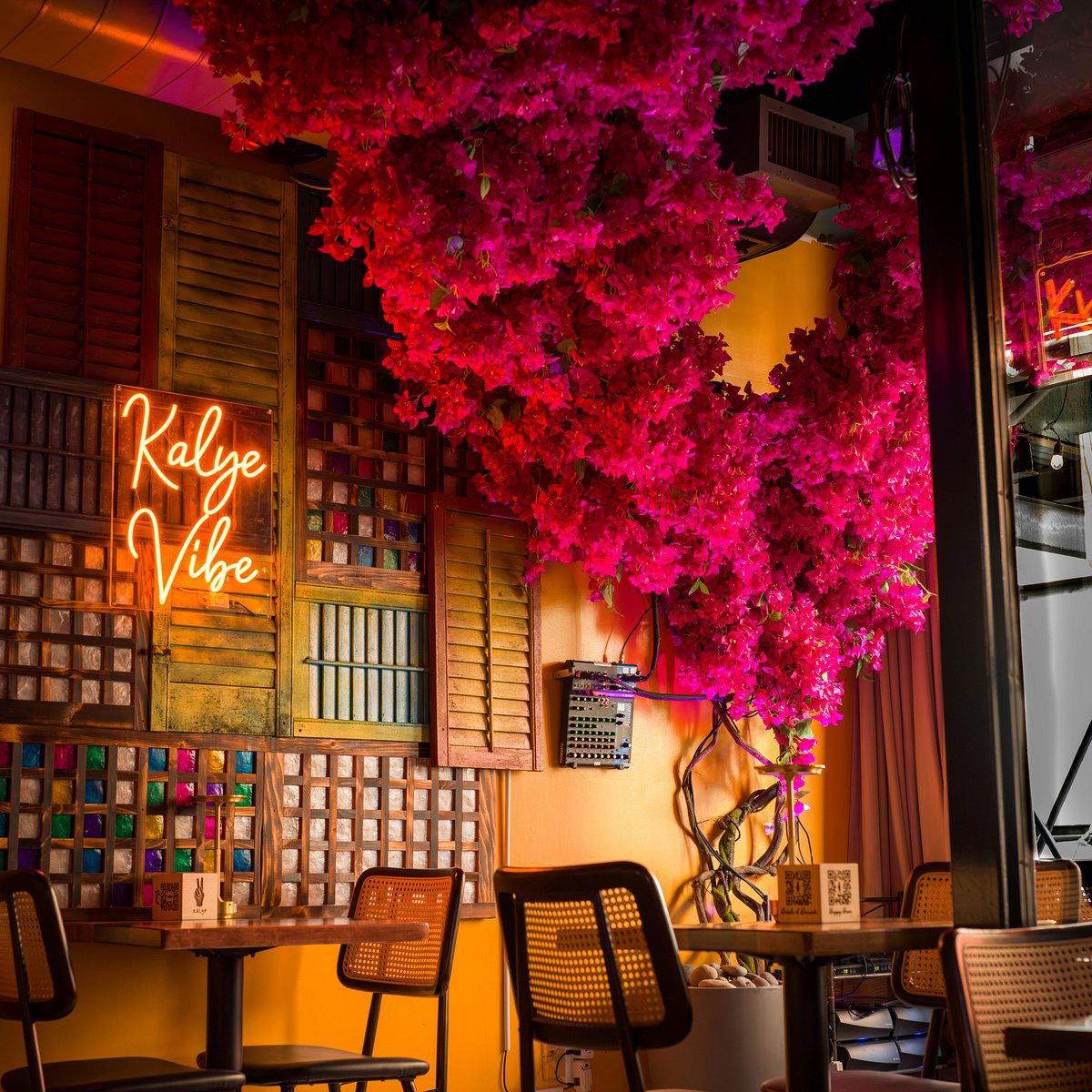
Rivington Street and the Filipino Kitchen in New York
The Lower East Side has long functioned as a testing ground for cuisines that the rest of Manhattan eventually catches up with. Rivington Street, in particular, has absorbed waves of culinary ambition: Jewish delis giving way to ramen shops, izakayas yielding ground to natural wine bars, each cycle adding sediment to what is now one of the city's most layered dining corridors. Kalye, at 111 Rivington St, is an Authentic Filipino Street Food restaurant in New York City, with.
Filipino cuisine sits in an unusual position in the American dining conversation. It draws on Spanish colonial influence, indigenous fermentation traditions, Chinese trading relationships, and American mid-century convenience culture, producing a culinary vocabulary that is simultaneously familiar and resistant to easy categorisation. For much of the last two decades, that complexity was underrepresented at the table level. What has shifted in recent years is the willingness of both chefs and diners to engage with Filipino cooking on its own terms, rather than treating it as an approximation of something else. Kalye positions itself inside that shift.
A Neighbourhood That Demands Specificity
The Lower East Side's dining identity is not built around any single cuisine. It is built around density and contrast: a Korean tasting menu a block from a Puerto Rican lunch counter, a $300-per-head omakase sharing a building with a $12 banh mi. That heterogeneity is not chaos; it is a competitive filter. Restaurants on this stretch succeed by being precise about what they are, because the neighbourhood offers diners too many alternatives for vagueness to survive.
In this context, the Filipino kitchen is a logical fit. Its flavours are assertive: the deep sour of sinigang, the oxidative complexity of aged vinegar in adobo, the caramelised pork fat registers of lechon. These are not subtle propositions, and they hold their own in a neighbourhood that responds to directness. Filipino cooking also shares a structural affinity with the Lower East Side's immigrant food history. The techniques are largely working-class in origin, the ingredients were once budget-driven, and the prestige version of the cuisine is something that has been earned rather than assumed.
The Team Dynamic at Kalye
In the premium casual dining tier that Kalye occupies on Rivington Street, the quality of the front-of-house operation tends to define how a meal is received almost as much as the food itself. Filipino cuisine presents a specific communication challenge for front-of-house teams: the vocabulary is unfamiliar to most non-Filipino diners, the fermentation profiles can require context, and the meal structure does not always map onto the Western appetiser-entree-dessert sequence that most guests default to. Restaurants that handle this well, where the floor team can articulate why the vinegar in a particular dish is sour in a different register than lemon, or why a certain dish is served at room temperature rather than hot, create a materially different dining experience from those that present the same food without that scaffolding.
This dynamic is visible across the better Filipino-inflected addresses in New York. The front-of-house role at these venues functions less as order-taking and more as guided interpretation. When a sommelier or drinks lead is part of that team with genuine knowledge of pairing native spirit categories like lambanog-based cocktails or Filipino-inflected wine pours alongside acidic dishes, the experience gains a coherence that the food alone cannot produce. The coordination between kitchen and floor, particularly around the timing of shared plates and the sequencing of sour, fatty, and sweet registers, is where execution at this level either succeeds or falls apart.
Filipino cooking is at an earlier point in that trajectory, which makes the team dynamic at venues like Kalye a meaningful signal of where the cuisine is headed in this city.
Where Kalye Sits in the New York Dining Spectrum
New York's upper dining tier is currently anchored by French and Japanese formats. Le Bernardin, Per Se, and Masa define one end of the spectrum: tightly controlled, award-validated, priced and formatted to signal institutional permanence. Kalye does not compete in that bracket, nor should it. Its competitive set is the mid-tier of New York's ethnically specific dining, where the relevant questions are about authenticity of execution, depth of sourcing, and the credibility of the team's relationship with the cuisine they are presenting.
Across the United States, the restaurants that have most successfully repositioned a cuisine within the fine-dining conversation, from Lazy Bear in San Francisco to Blue Hill at Stone Barns in Tarrytown to Providence in Los Angeles, have done so by building a coherent internal logic rather than simply importing a luxury price point onto an existing template. That logic requires knowing what the cuisine actually is before deciding what it should become. For Filipino cooking in New York, that groundwork is still being laid, and Kalye is part of the generation doing it.
Planning Your Visit
Kalye is located at 111 Rivington St, New York, NY 10002, in the Lower East Side. The address is accessible by subway via the Delancey St/Essex St station on the J, M, Z, and F lines, placing it within a short walk of several other notable Rivington Street addresses. Reservations: Kalye is walk-in friendly, though weekends can be busy. Dress: casual. Budget: about $25 per person. Contact: walk in or check the restaurant directly for details.
- ube sliders with longganisa and pinakurat aioli
- pork BBQ skewers
- chicken inasal
- lechon
- sisig
- adobo ribs
- sinigang
- boodle fight feasts
Comparable Venues
Comparable venues nearby, for context on price, style, and recognition.
| Venue | Cuisine | Price | Notes |
|---|---|---|---|
| KalyeThis venue — the venue you are viewing | Authentic Filipino Street Food | $$ | Not listed |
| Let's Chama! | Georgian Bakery and Restaurant | $$ | Bushwick |
| FOOD | Quirky Daily Changing Menu | $$ | Chinatown-Two Bridges |
| La Cabra Bakery | Danish Bakery Cafe | $$ | East Village |
| Essex Market | Eclectic Global Food Hall | $$ | Lower East Side |
| Village Café | Authentic Azerbaijani | $$ | Gravesend (East)-Homecrest |
Continue exploring
More in New York City
Restaurants in New York City
Browse all →
Bars in New York City
Browse all →
Hotels in New York City
Browse all →







At a Glance
- Lively
- Energetic
- Trendy
- Group Dining
- Casual Hangout
- Celebration
- After Work
- Live Music
- Open Kitchen
- Standalone
- Craft Cocktails
- Beer Program
Current opening hours
- Monday
- 11 AM–9:30 PM
- Tuesday
- 11 AM–9:30 PM
- Wednesday
- 11 AM–9:30 PM
- Thursday
- 11 AM–11:30 PM
- Friday
- 11 AM–11:30 PM
- Saturday
- 11 AM–11:30 PM
- Sunday
- 11 AM–9:30 PM
Hours can change for holidays and private events. Last verified .
Lively and lively atmosphere inspired by Manila's bustling streets, with cultural performances and a welcoming hospitality-focused environment.